Artwork
Portrait of Count Alexei Bobrinsky
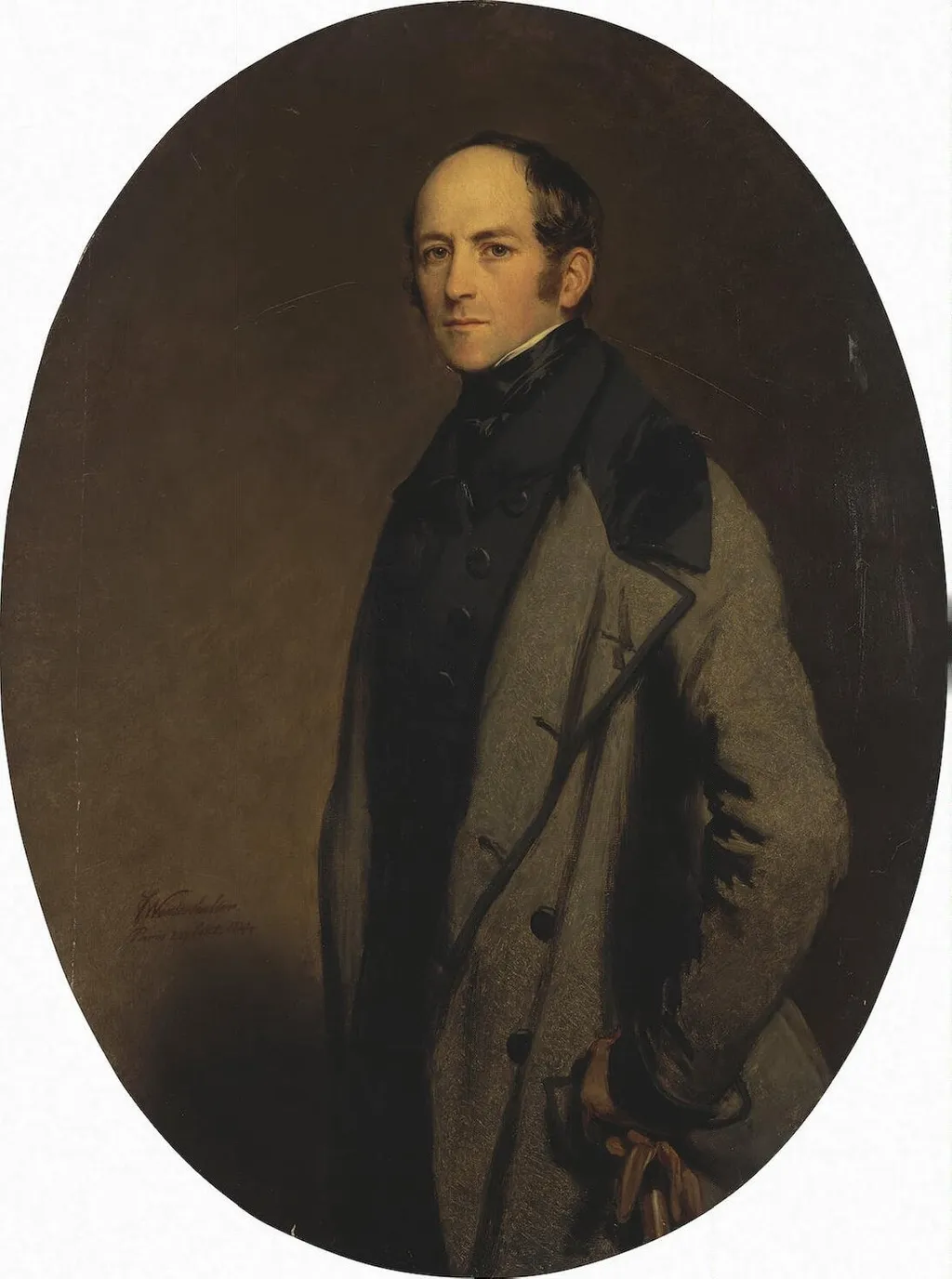
Portrait of Count Alexei Bobrinsky is an oil painting by the Realist artist Franz Xaver Winterhalter. It dates from 1844 and is held in the collection of the Hermitage Museum.
About this work
The man's attire suggests a formal or professional setting, possibly from the 19th century given the style of his clothing.
This portrait features a man dressed in a long, light-colored coat with a dark collar and buttons. He is shown from the waist up, facing the viewer with a neutral expression. His dark hair is cut short, and he has a small mustache.
The man's attire suggests a formal or professional setting, possibly from the 19th century given the style of his clothing. The artist has used oil paint to create a realistic and detailed image of the subject.
The artist who painted this portrait is Q168659.
Overview
Portrait of Count Alexei Bobrinsky is an oil on canvas painting by the German artist Franz Xaver Winterhalter, dated 1844. The artwork measures 123 cm in height and 93 cm in width and was created in France. It portrays the Russian nobleman Aleksey Bobrinsky and is a prime example of 19th century aristocratic portraiture. The painting is currently held in the Hermitage Museum in Saint Petersburg.
Subject & Meaning
The painting depicts Count Alexei Bobrinsky as a middle aged, balding figure positioned within an oval frame, turned three quarters toward the viewer while his head rotates slightly forward. His serene, composed expression and direct gaze convey quiet authority and self assurance, reflecting his elevated social standing. He is dressed in formal attire consisting of a dark overcoat with a black collar and visible buttons over a dark waistcoat, with a neatly tied scarf tucked into his coat pocket. His left hand, covered by a tan glove, rests at his lower back, a gesture that further emphasizes his dignified and poised demeanor. The portrait functioned as a symbol of the count's status and power within the Russian court.
Technique & Style
Executed in oil on canvas, the portrait exhibits the refined characteristics of 19th century academicism and neoclassicism. Winterhalter employed a restrained palette dominated by browns, blacks, and grays, offset by subtle warm undertones in the flesh. Light falls from the upper left, illuminating the left side of the count's face and coat while casting the right side in shadow, a soft lighting technique that highlights his facial contours and the textures of his clothing. The brushwork is smooth and blended in the facial rendering, with more visible texture in the fabric of the coat. The dark, muted brown gradient of the background isolates the figure, focusing viewer attention on the subject and enhancing the overall formality and gravity of the composition. The surface of the painting shows fine craquelure and minor scratches.
History & Provenance
The portrait was commissioned by the count's family in 1844 to serve as an emblem of their status within the Russian court. Winterhalter, working in France, completed the painting and inscribed his signature and the date in the lower left corner. The work was subsequently exhibited in various European noble salons, which helped consolidate Winterhalter's reputation as a premier portraitist of the aristocracy. The painting eventually entered the collection of the Hermitage Museum, where it resides today as one of sixteen Winterhalter paintings held by the institution.
Context
Franz Xaver Winterhalter was renowned for his ability to capture the elegance and refinement of European high society. Portrait of Count Alexei Bobrinsky exemplifies his mastery of court painting, where meticulous detail in clothing and subtle shading brought depth and visual richness to his compositions. The work reflects the influence of academic realism, prioritizing accurate representation and the projection of aristocratic grace. By balancing harmonious composition with a degree of naturalness in the subject's posture, Winterhalter avoided overly rigid presentation while successfully conveying the personality and hierarchical standing of his sitters.
Artist & collection
Artist
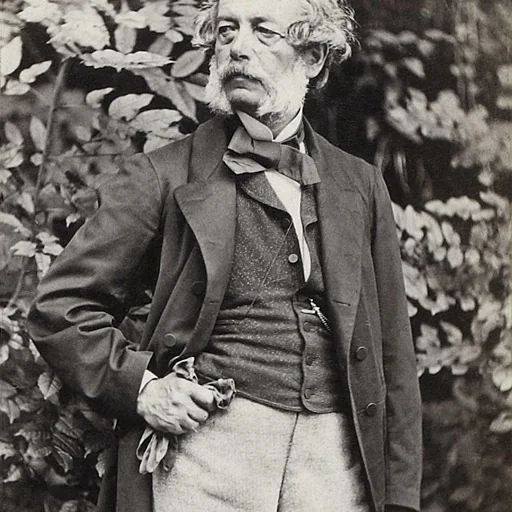
Franz Xaver Winterhalter (20 April 1805 – 8 July 1873) was a German painter and lithographer, known for his flattering portraits of royalty and upper-class society in the mid-19th century.

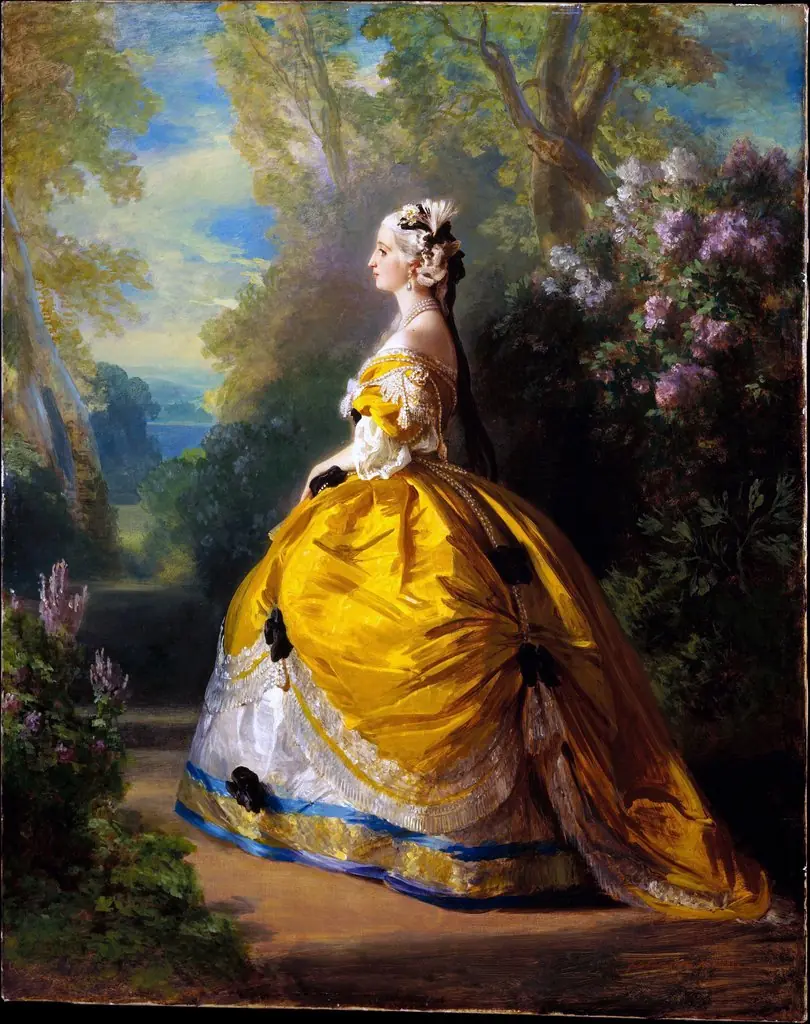 Portrait of Empress Eugénie de Montijo
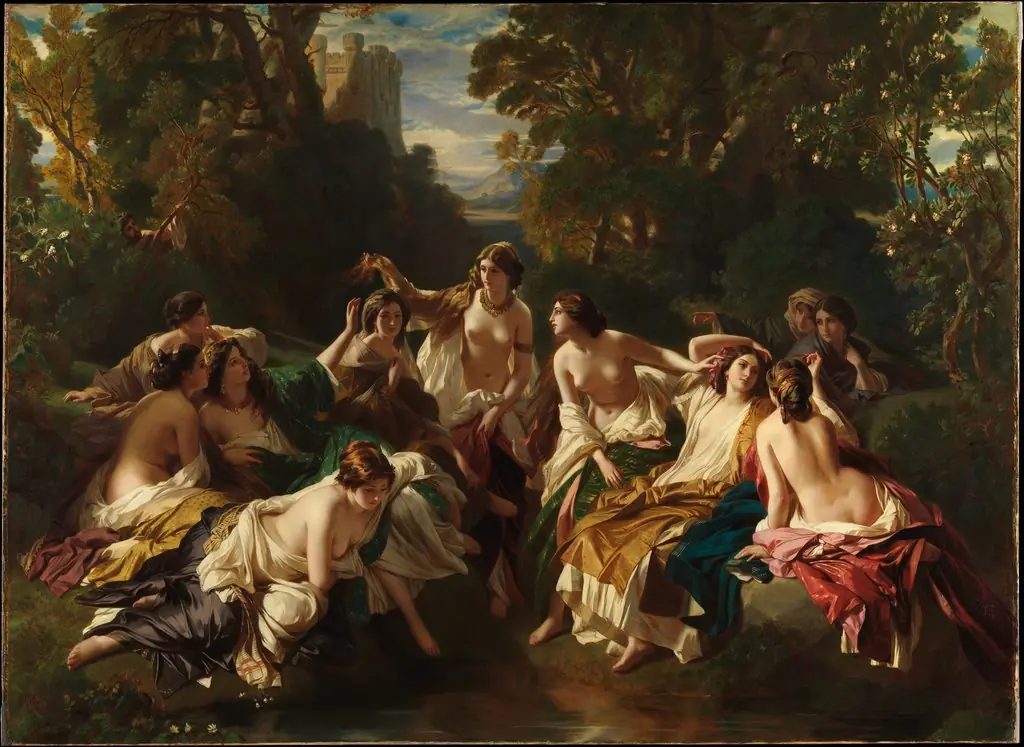 Florinda
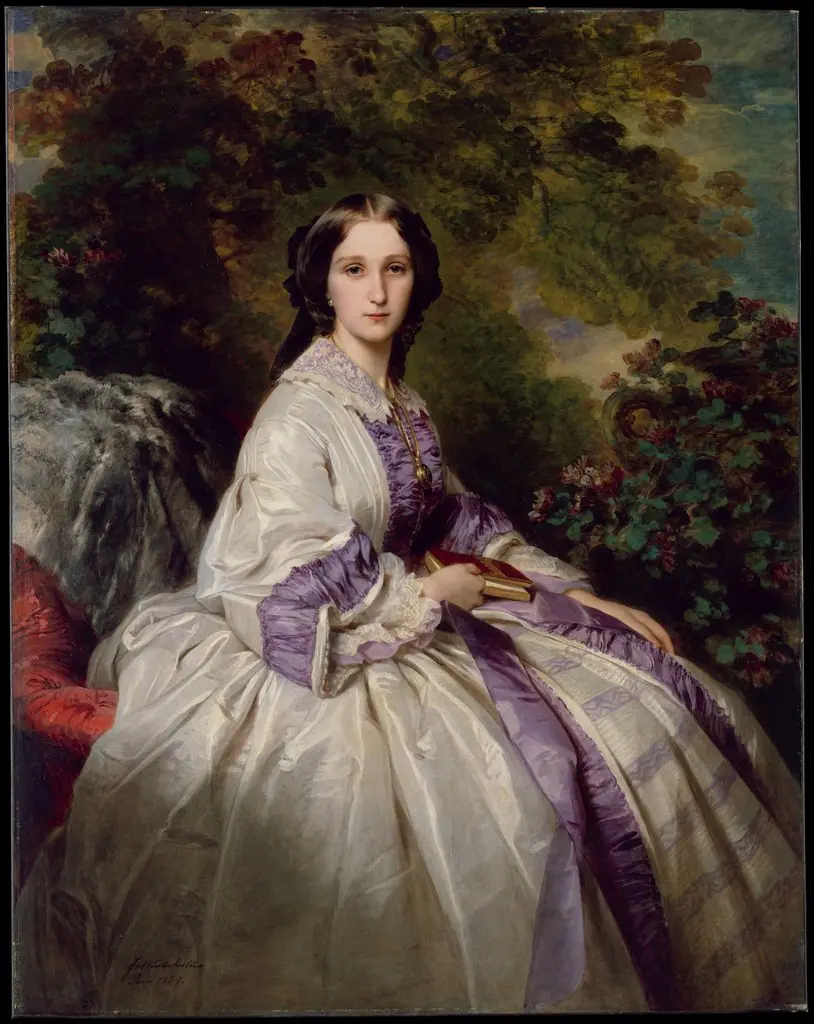 Portrait of Countess Alexander Nikolaevitch Lamsdorff
 Portrait of Sophia Frederika Mathilda (1818-77), Princess of Württemberg
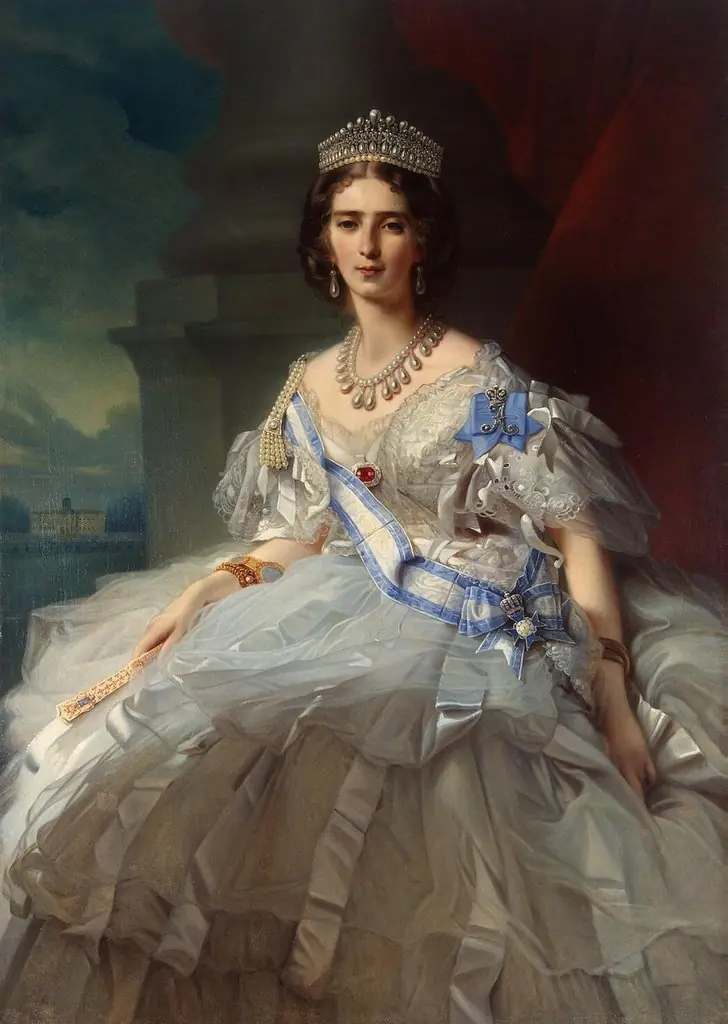 Portrait of Princess Tatyana Yusupova
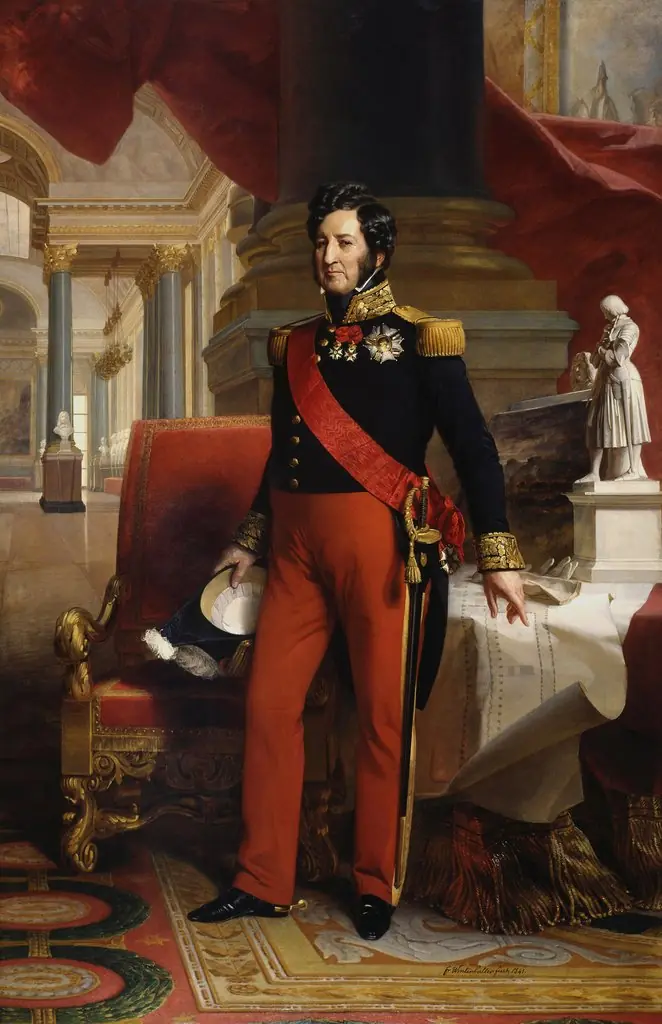 Louis-Philippe I, King of the French (1773–1850)
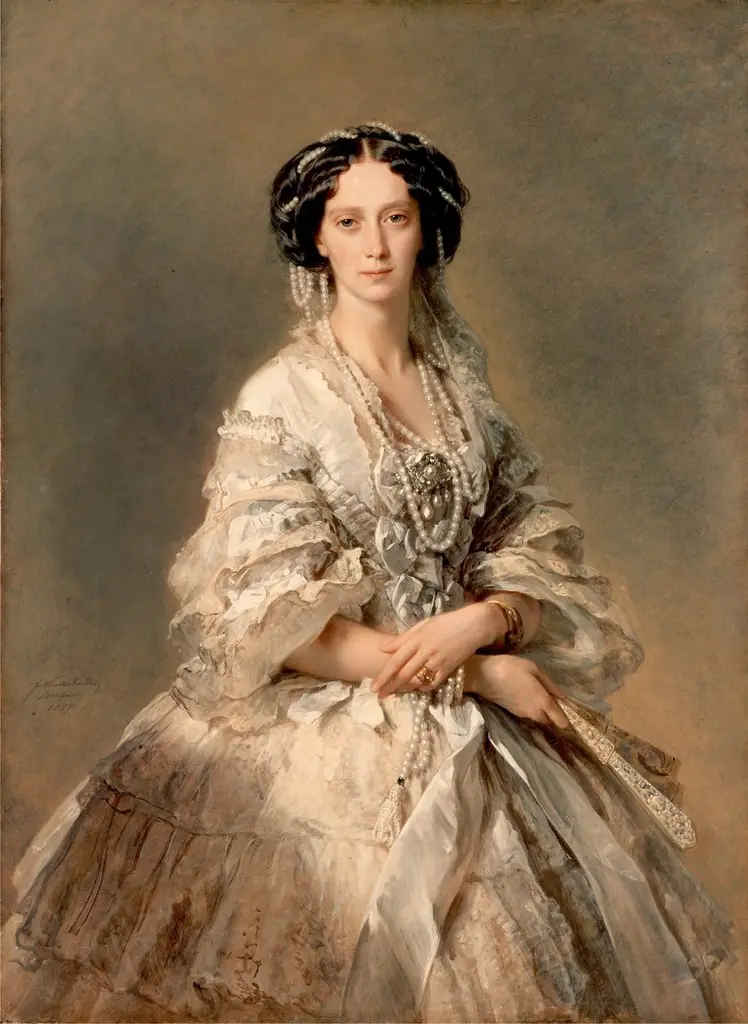 Portrait of Empress Maria Alexandrovna
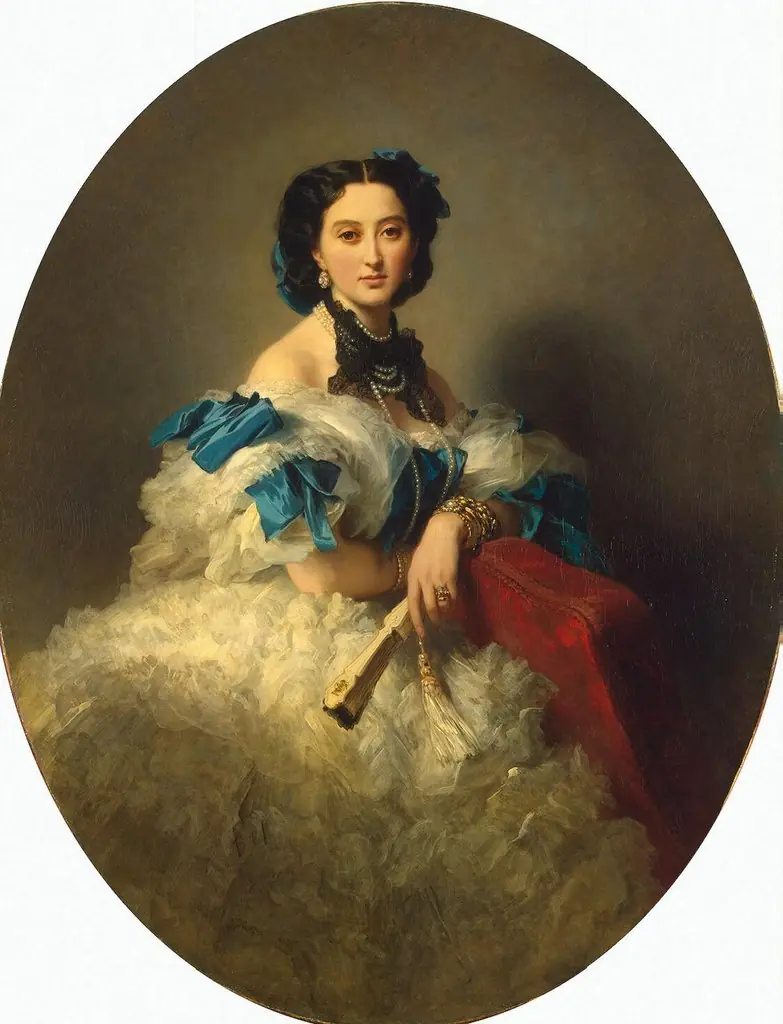 Portrait of Countess Varvara Musina-Pushkina
- Portrait of Baron Alexander Stieglitz
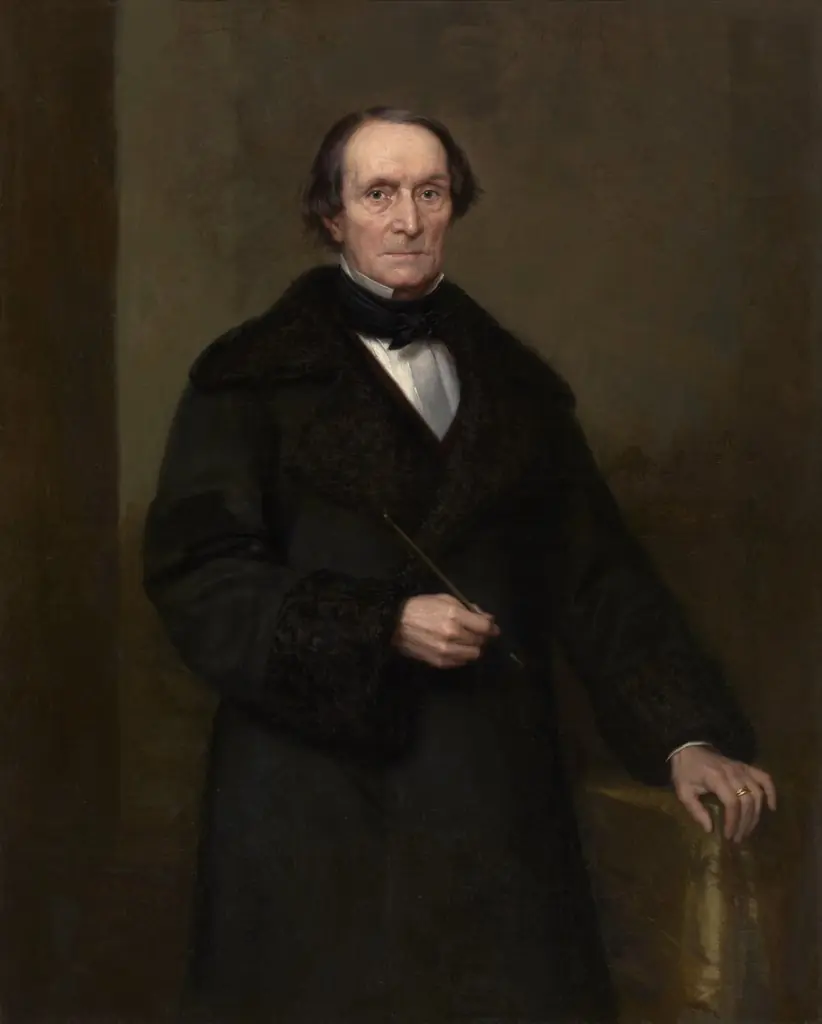 The Painter Peter von Cornelius
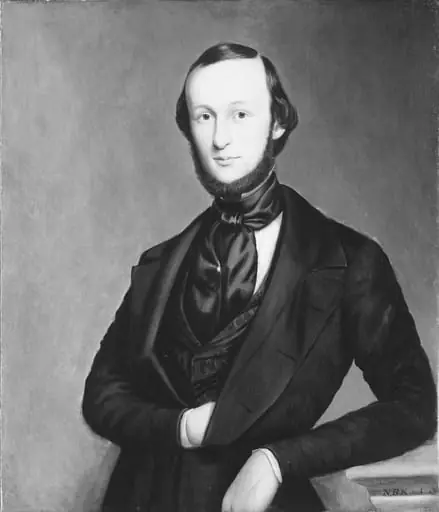 Charles Henry Augustus Carter
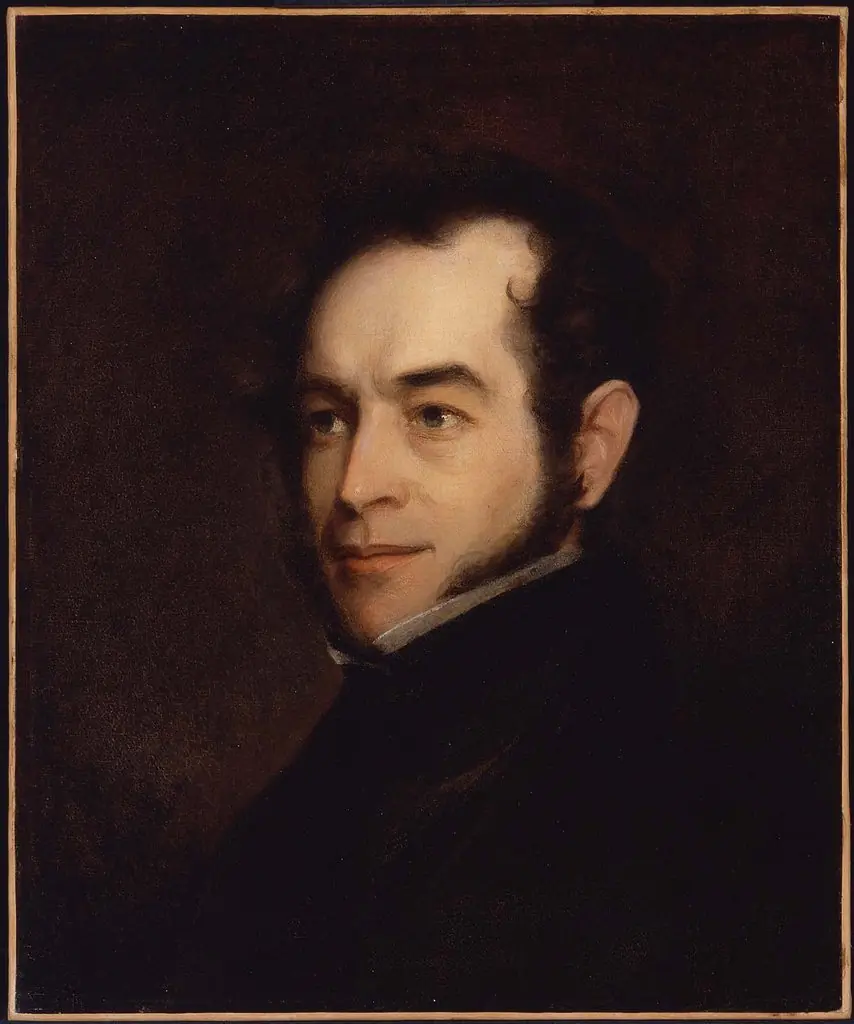 William Cullen Bryant
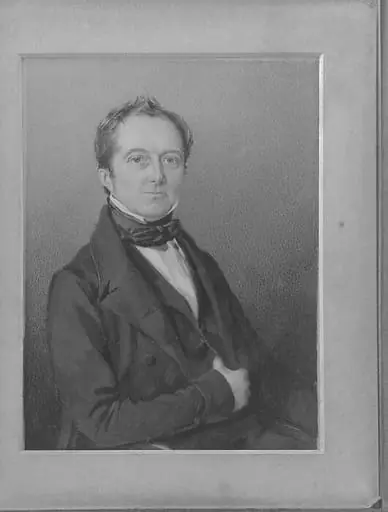 Uncle Charles
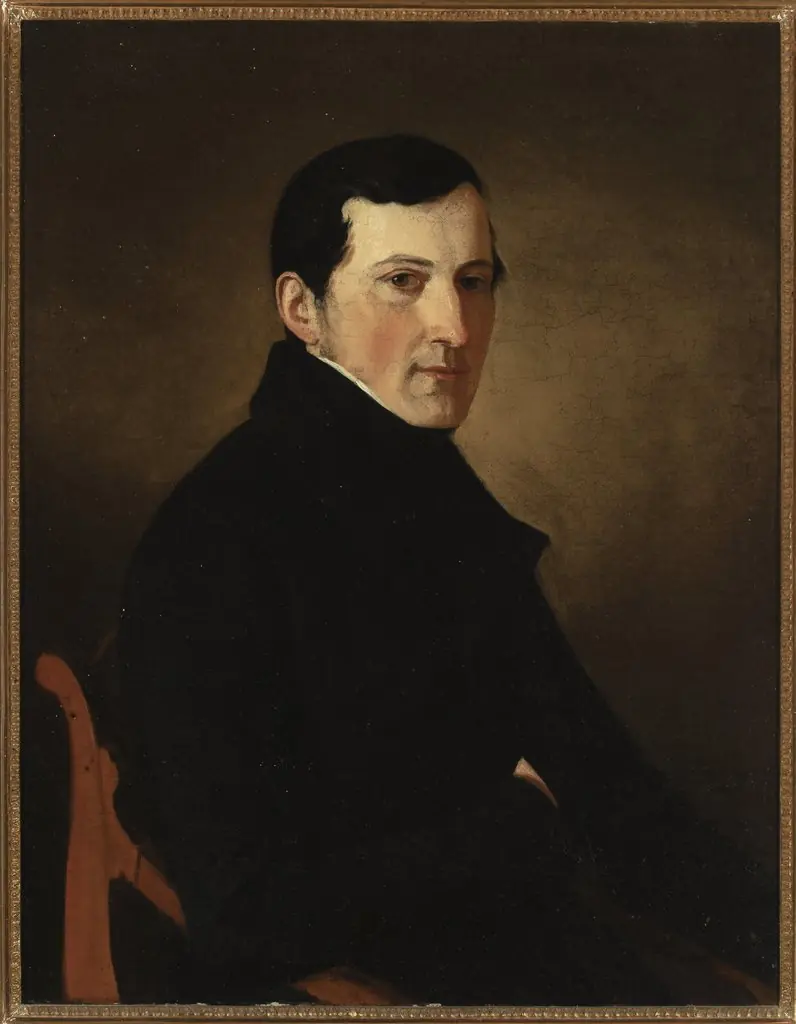 Portrait of January Januszkiewicz (1816–1894)
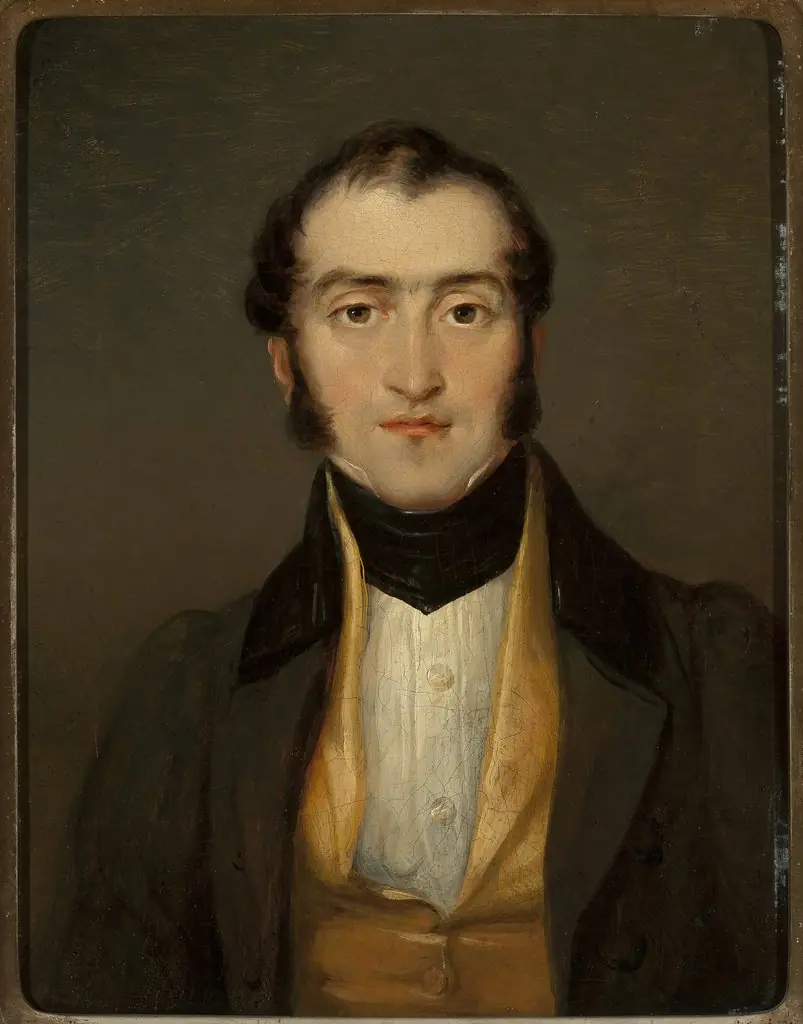 Portrait of a man
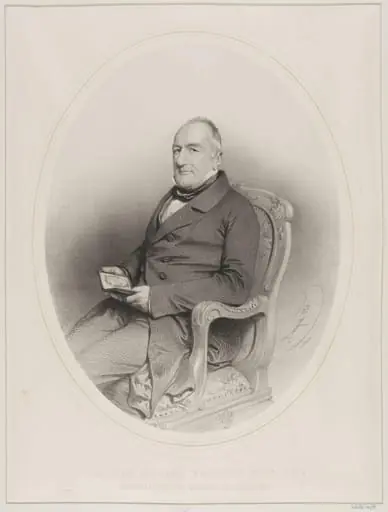 William Richard Hamilton (1777-1859)
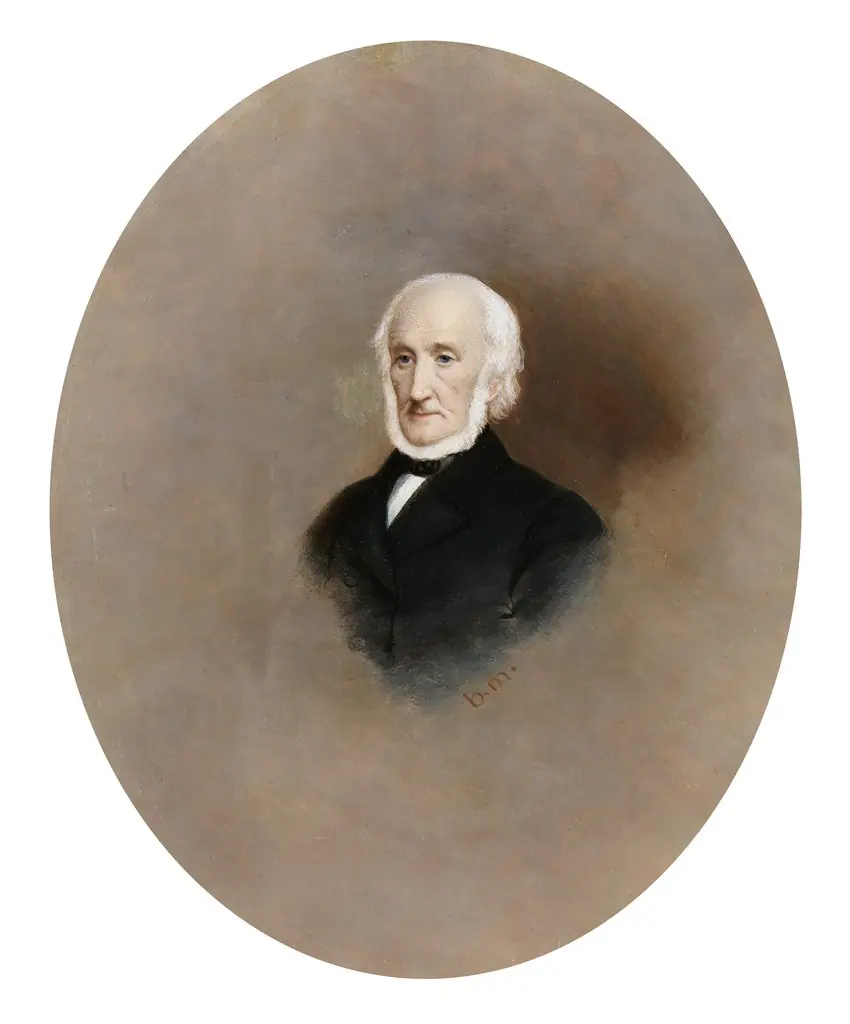 Portrait of George Petrie (1790-1866), Artist and Archaeologist
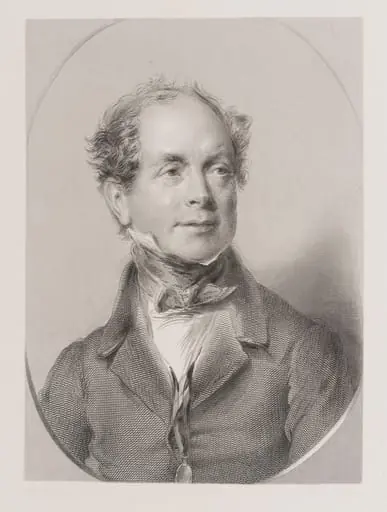 portrait of a male sitter
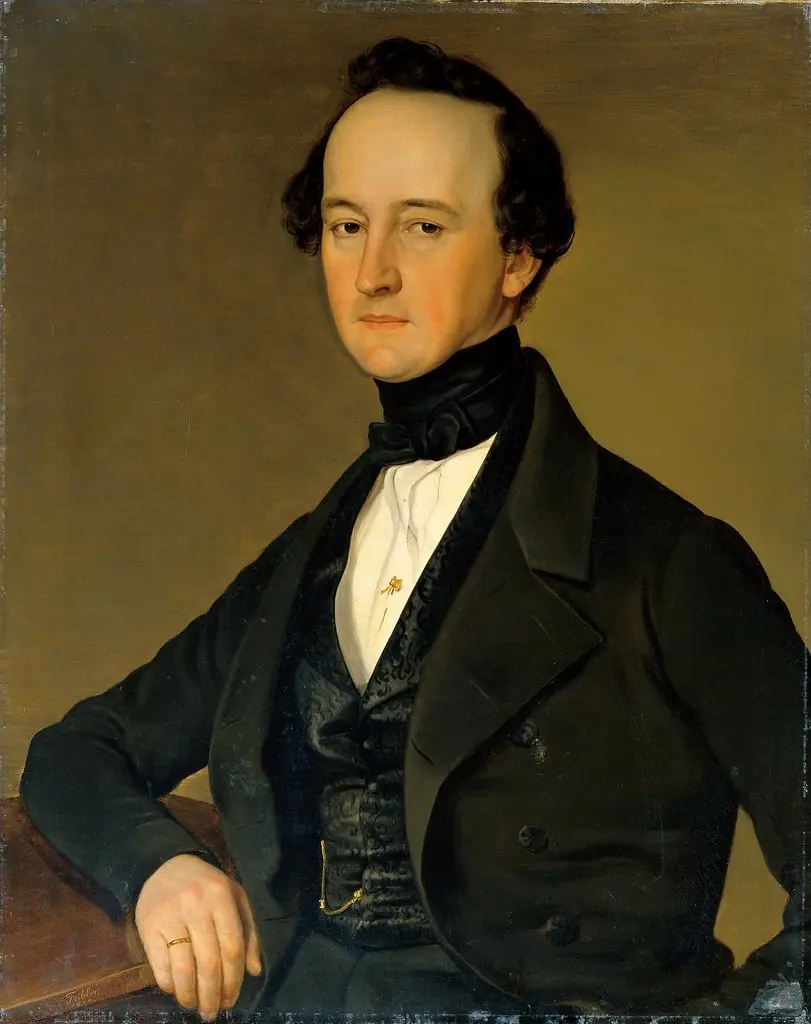 Dr. Franz Russ
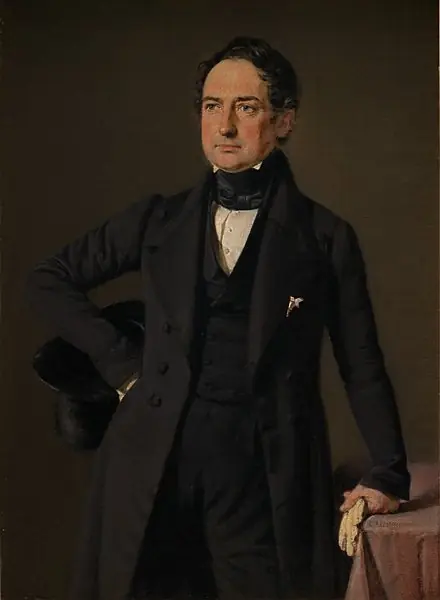 Fabriksdirektør Ole Jørgen Rawert