Artwork
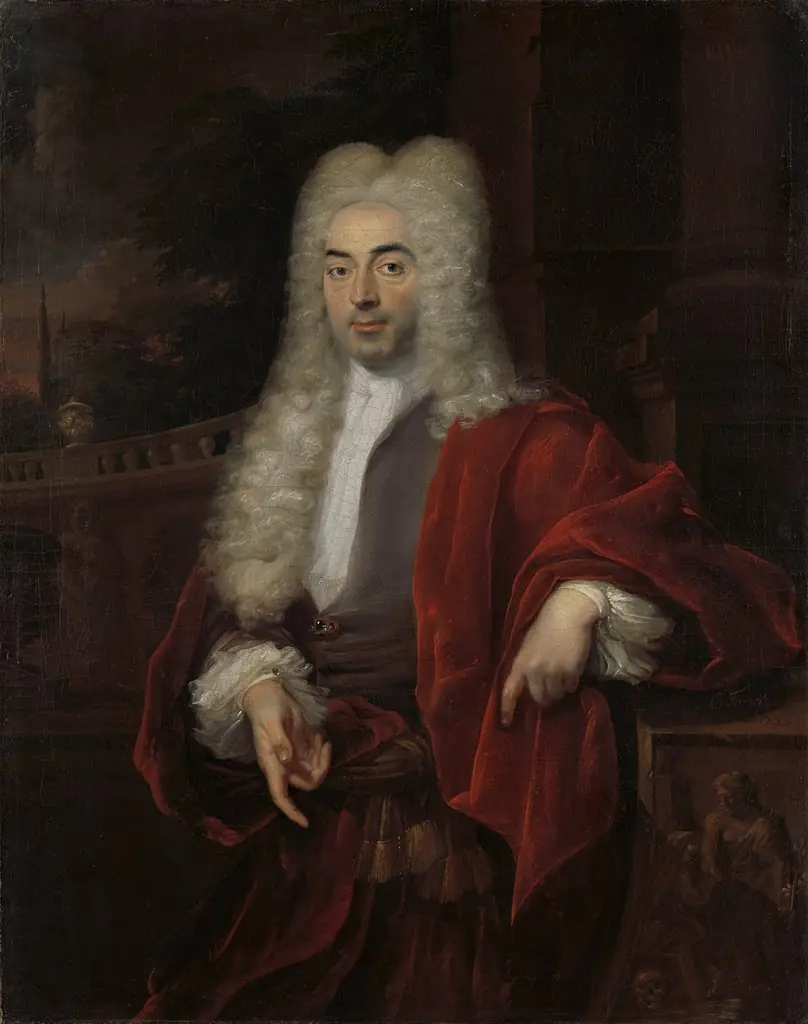
Portrait of Jan Lepeltak, Timber Merchant in Amsterdam, Regent of the Aalmoezeniersweeshuis Orphanage
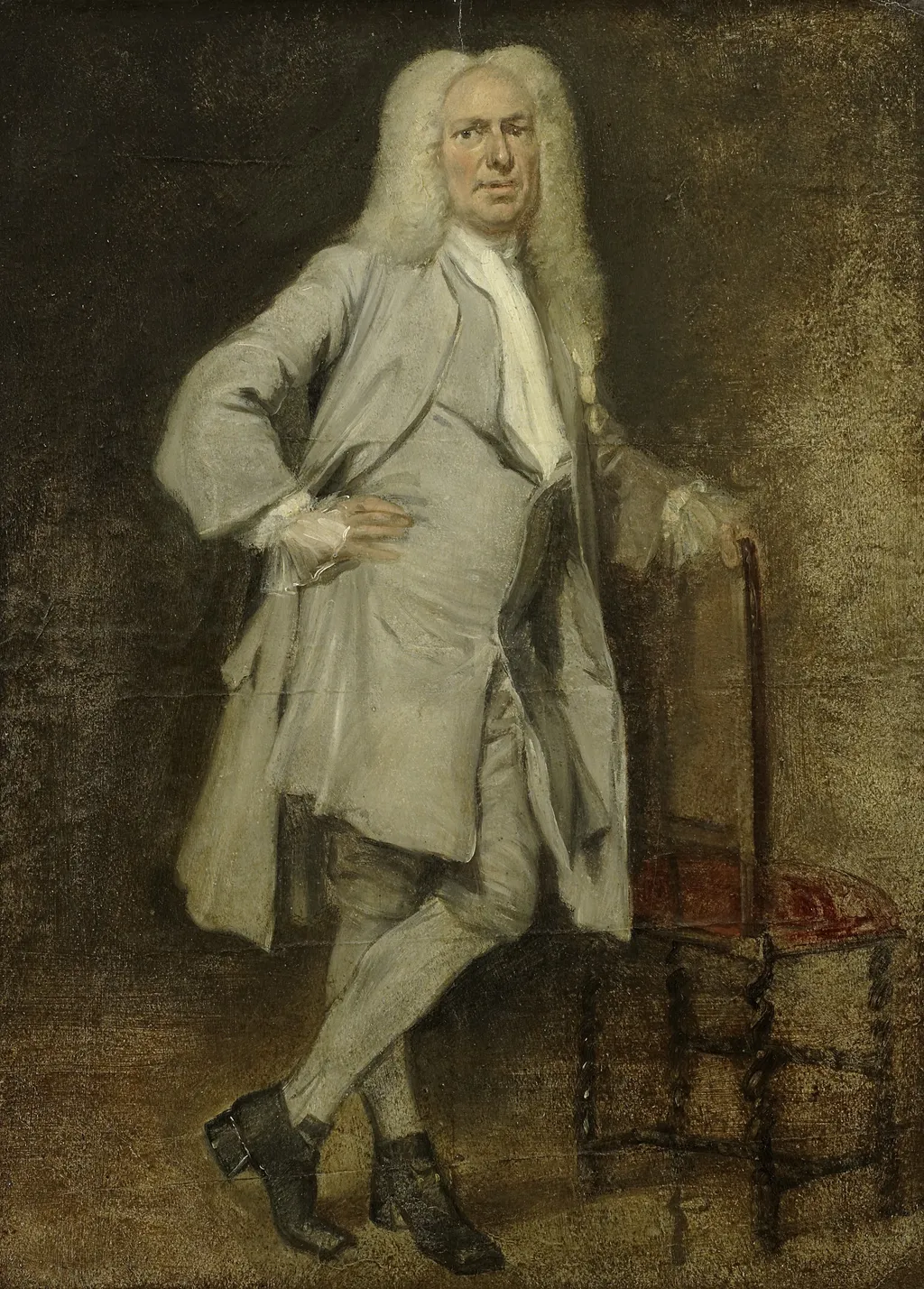
Portrait of Jan Lepeltak, Timber Merchant in Amsterdam, Regent of the Aalmoezeniersweeshuis Orphanage is an oil painting by the Rococo painting artist Cornelis Troost. It dates from 1728 and is held in the collection of the Rijksmuseum.
About this work
Subject & Meaning
The portrait emphasizes his respectability and civic responsibility, typical of 18th-century Dutch portraiture that highlighted both wealth and public service.
The painting shows Jan Lepeltak as a prosperous timber merchant and institutional leader, combining his commercial status with his role as regent of the Aalmoezeniersweeshuis orphanage. The portrait emphasizes his respectability and civic responsibility, typical of 18th-century Dutch portraiture that highlighted both wealth and public service. The work is rendered in oil on panel in a Rococo style, reflecting contemporary tastes for refined yet restrained elegance.
Technique & Style
The work is an oil painting created on a wooden panel, reflecting the Rococo style typical of early 18th‑century portraiture. Executed in 1728, it portrays Jan Lepeltak as both a timber merchant and regent of the Aalmoezeniersweeshuis orphanage, emphasizing his civic status through detailed rendering of attire and setting. The composition balances realistic facial expression with decorative flourishes, characteristic of Troost’s approach to character study within the Dutch portrait genre.
History & Provenance
Cornelis Troost executed the portrait of Jan Lepeltak, a timber merchant and regent of the Aalmoezeniersweeshuis orphanage, in 1728. The work was created using oil paint applied to a panel support. While the specific circumstances of the commission remain undocumented in the available records, the painting's inception is firmly established within this year. The artwork subsequently entered the collection of the Rijksmuseum, where it is currently preserved.
The Portrait of Jan Lepeltak has been part of the Rijksmuseum’s collection since its acquisition. The painting is catalogued under the inventory number SK-A-1544.
The work has been exhibited within the Rijksmuseum as part of its permanent display, where it is accessible to the public. No specific temporary exhibitions featuring this portrait are recorded in the available sources.
Overview
Cornelis Troost’s 1728 oil portrait depicts Jan Lepeltak, a prominent timber merchant and regent of the Aalmoezeniersweeshuis orphanage in Amsterdam. Executed during the late Rococo period, the work is part of the Rijksmuseum’s collection and presents Lepeltak in formal attire against a subdued interior setting.
Context
During the early 1700s, Amsterdam’s mercantile elite frequently commissioned portraits to affirm their status and philanthropic involvement. Troost, known for his theatrical sensibility, applied a modestly decorative approach that aligns with the Rococo’s emphasis on grace and refined detail, situating Lepeltak within the broader visual culture of the period.
Own this work as a print
Artist & collection
Artist
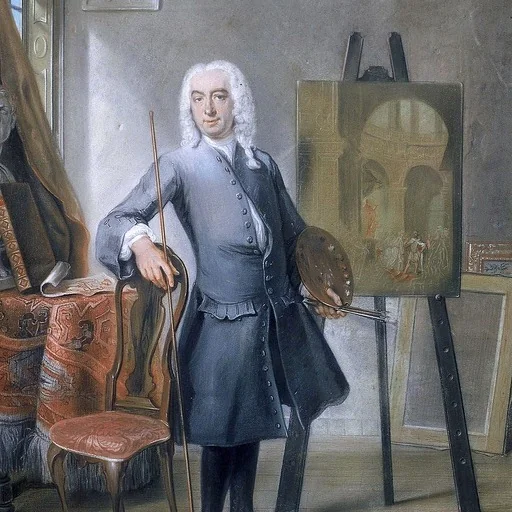
Cornelis Troost (8 October 1696 – 7 March 1750) was a Dutch actor and painter from Amsterdam.

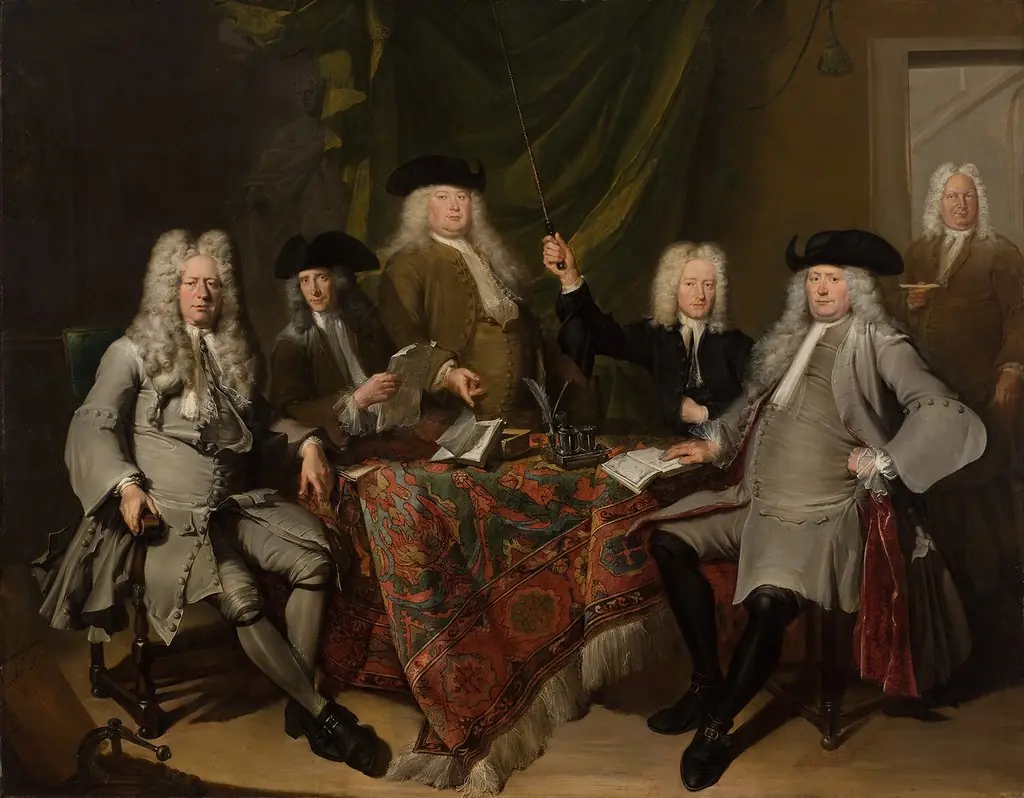 Portrait of the Inspectors of the Collegium Medicum
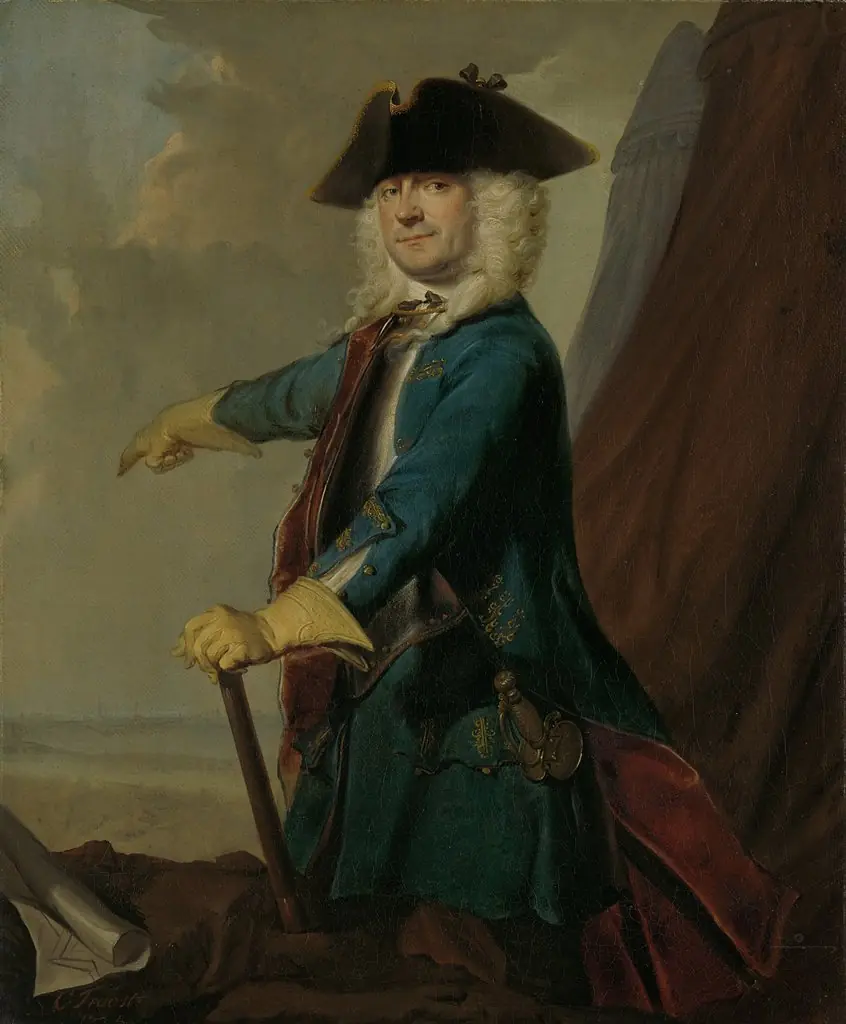 Gerrit Sichterman (1688-1730). Quartermaster-General of the Cavalry, Colonel of the Oranje-Groningen Infantry Regiment, Commandant of Grave
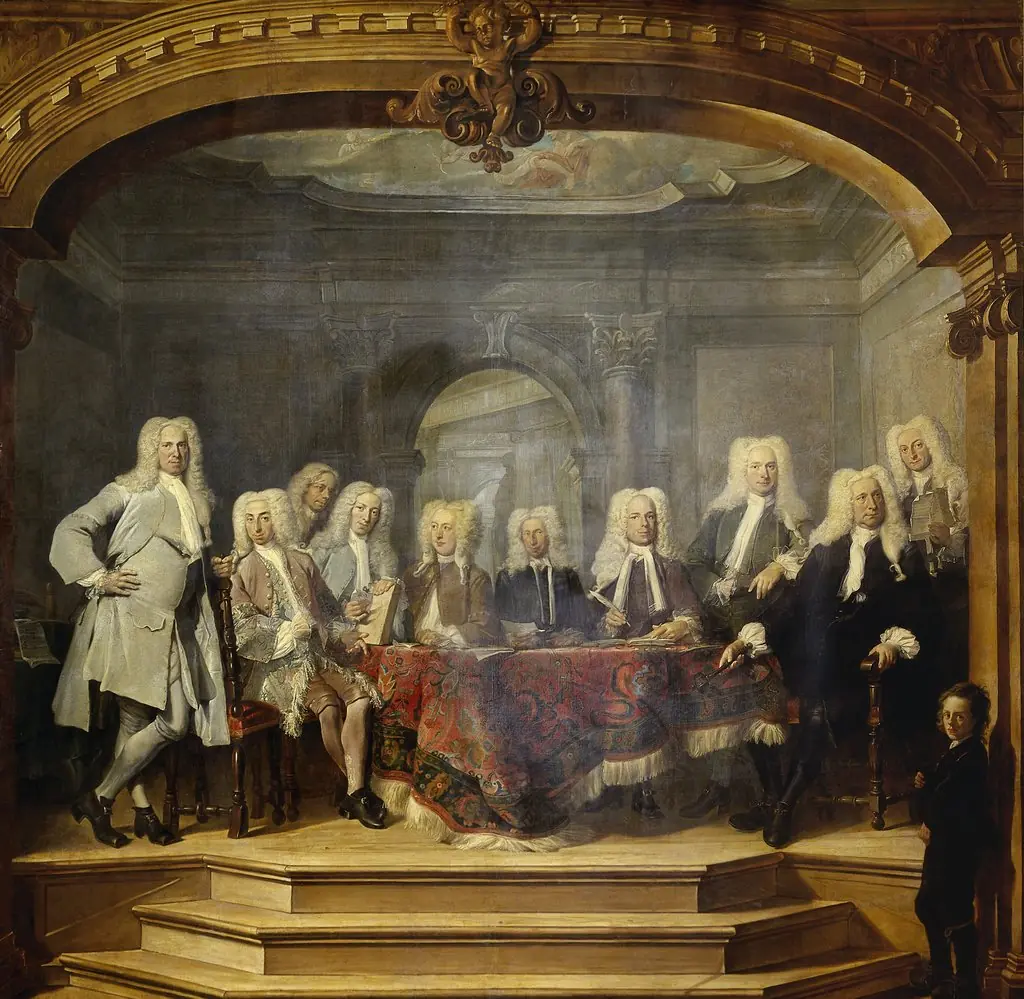 Regents of the Almshouse in 1729
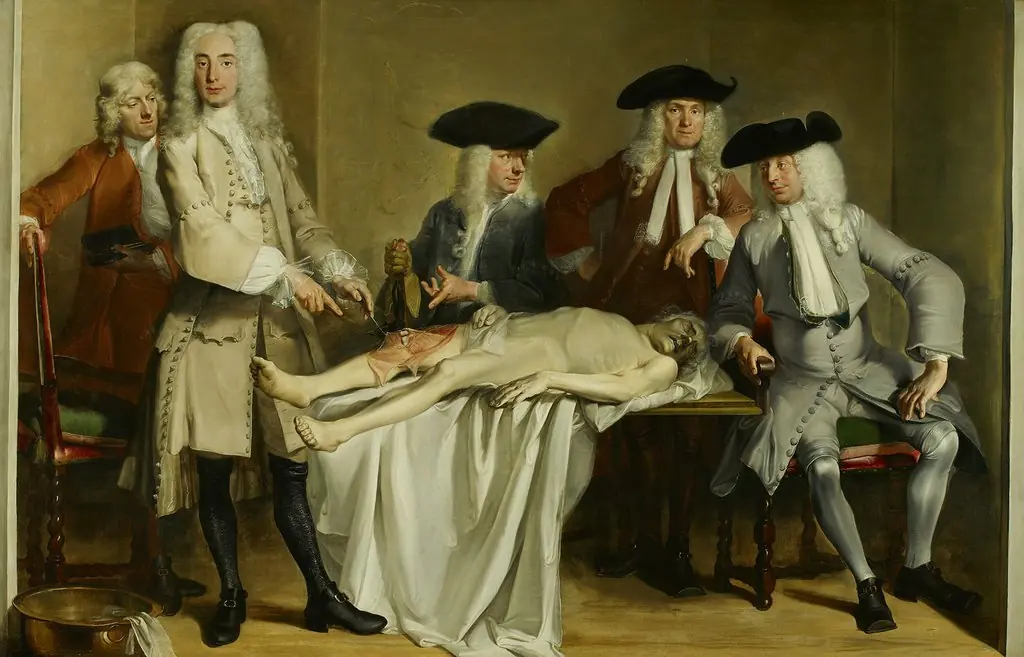 Anatomy lesson of Dr Willem Röell.
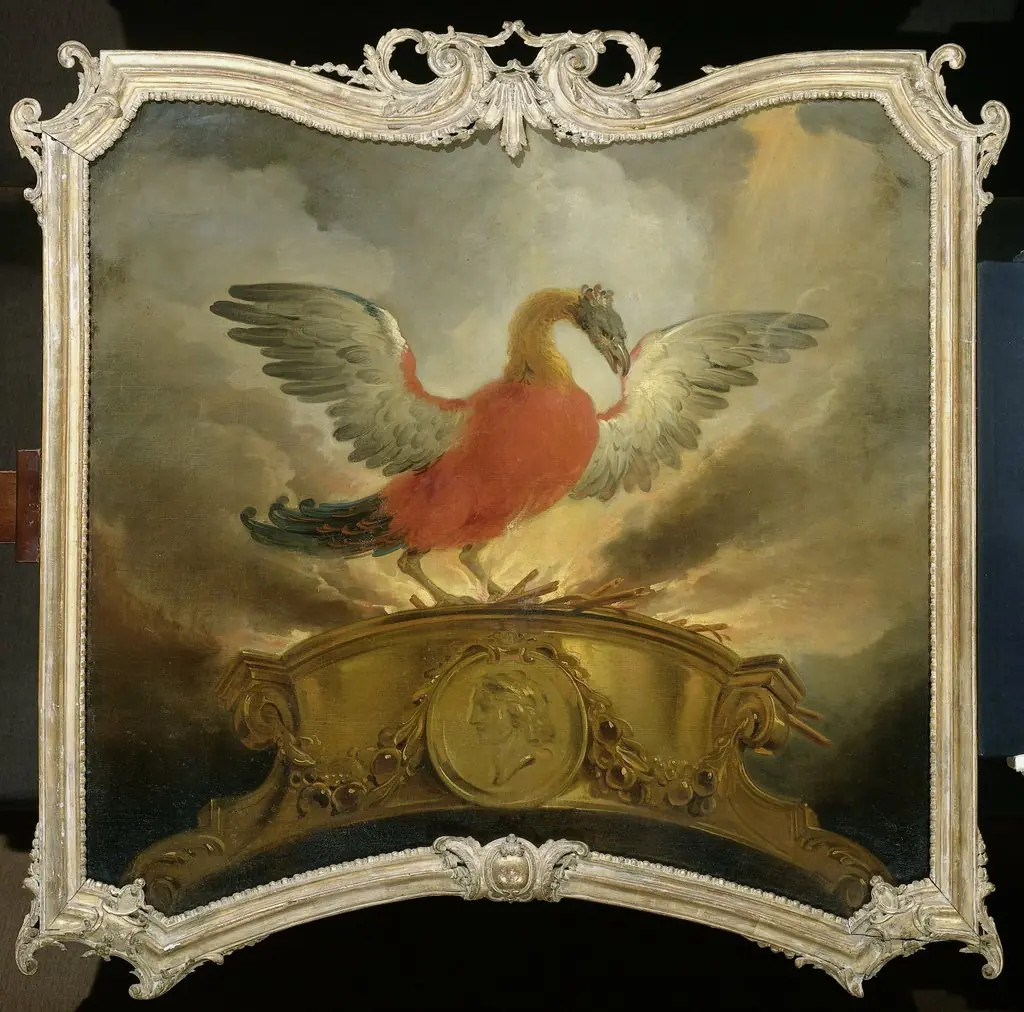 The Phoenix
 Portrait of a Man
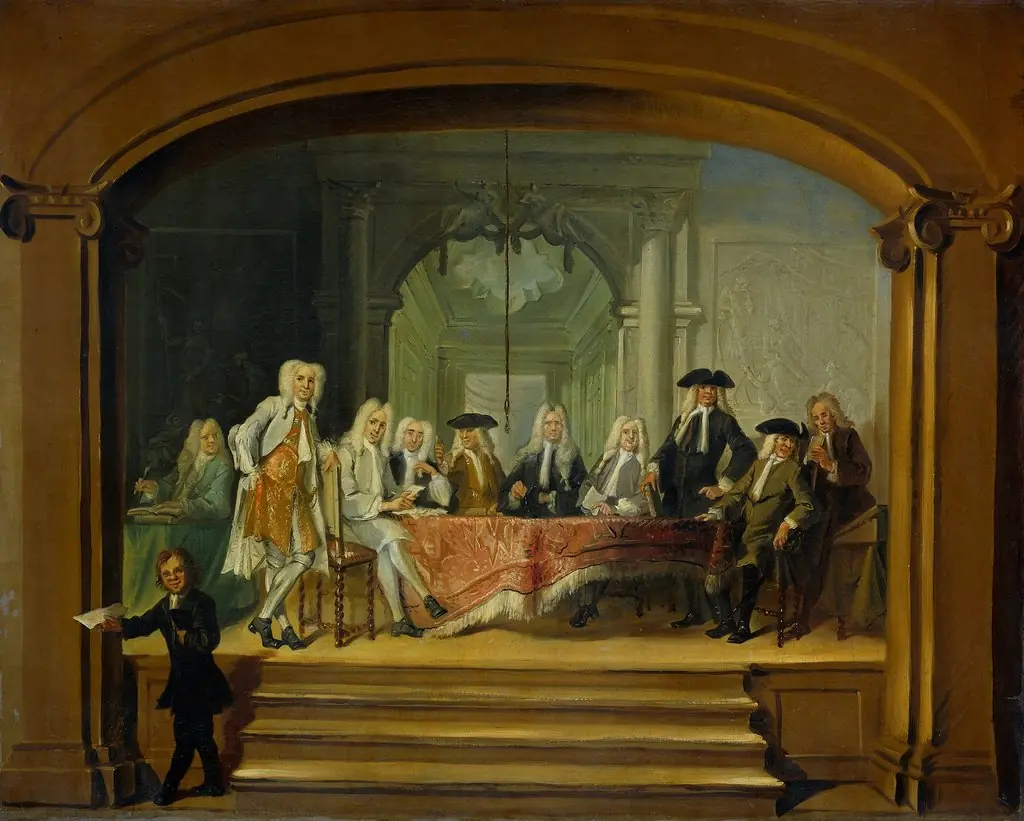 Regents of the Almshouse, 1729
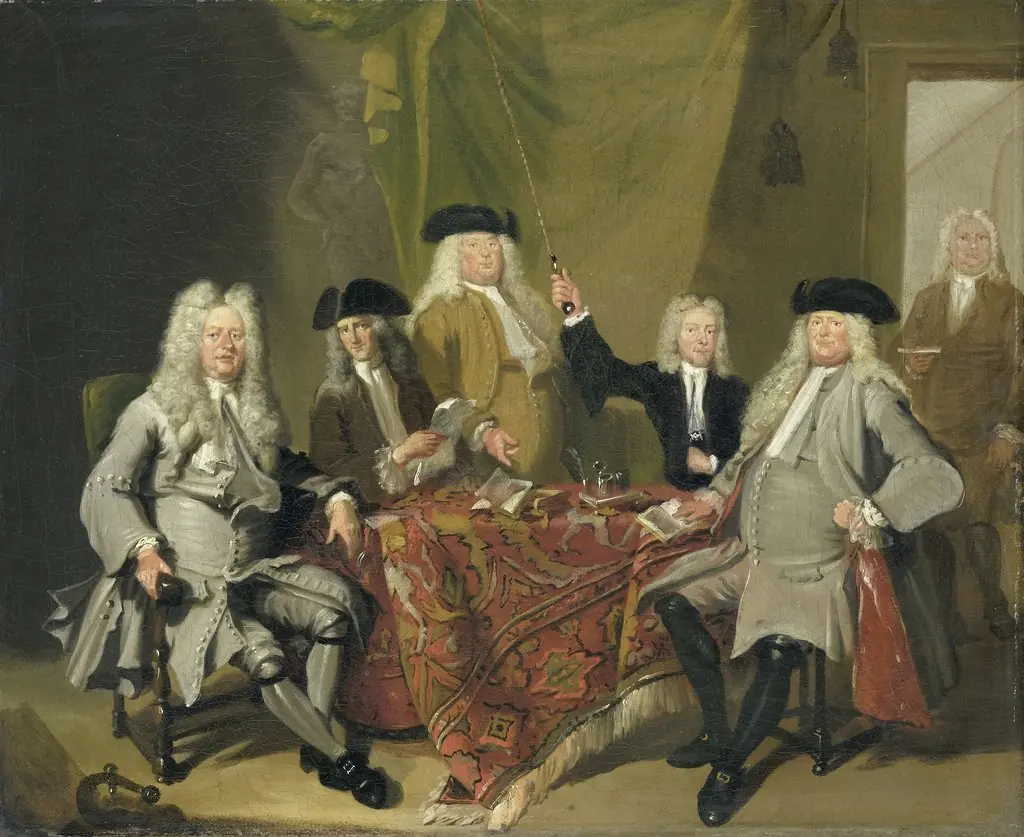 Inspectors of the Collegium Medicum in Amsterdam, 1724
- Portrait of a Man
 Self-Portrait
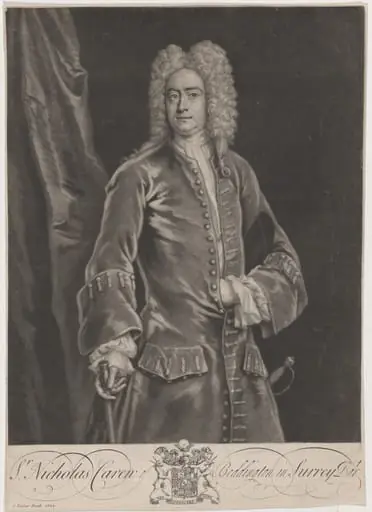 Sir Nicholas Caren of Beddington
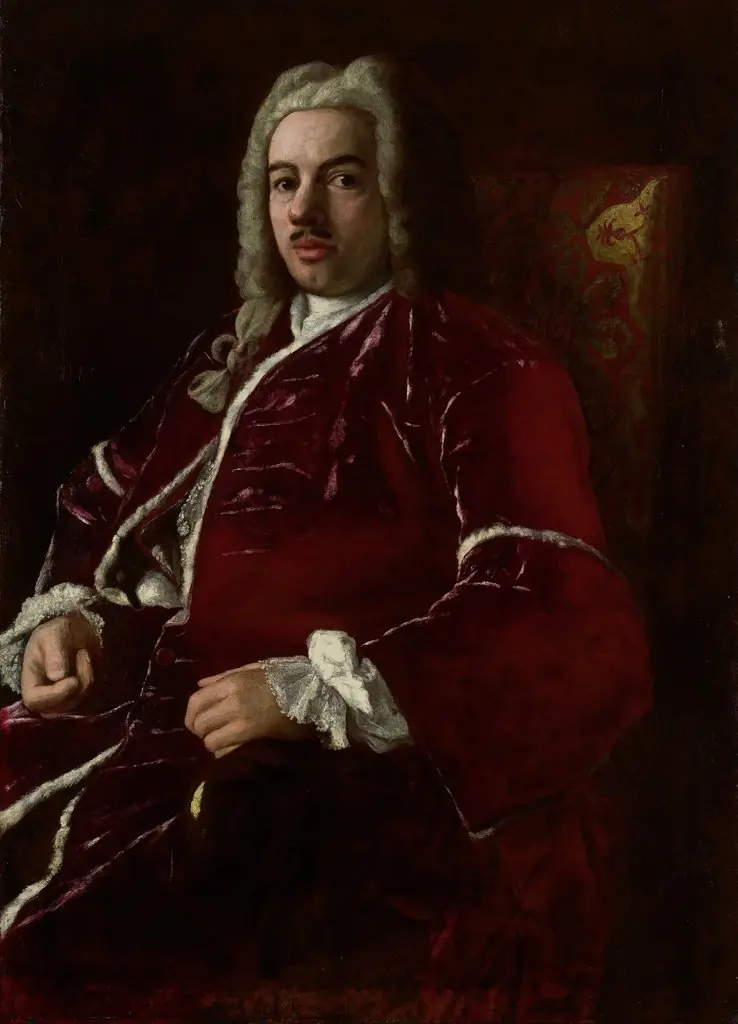 Portrait of Cornelis Calkoen, Ambassador to the Ottoman Empire in Constantinople (Istanbul)
 Portrætskitse. Maleren N.A. Abildgaard (?).
 Portrætskitse. Maleren N.A. Abildgaard (?).
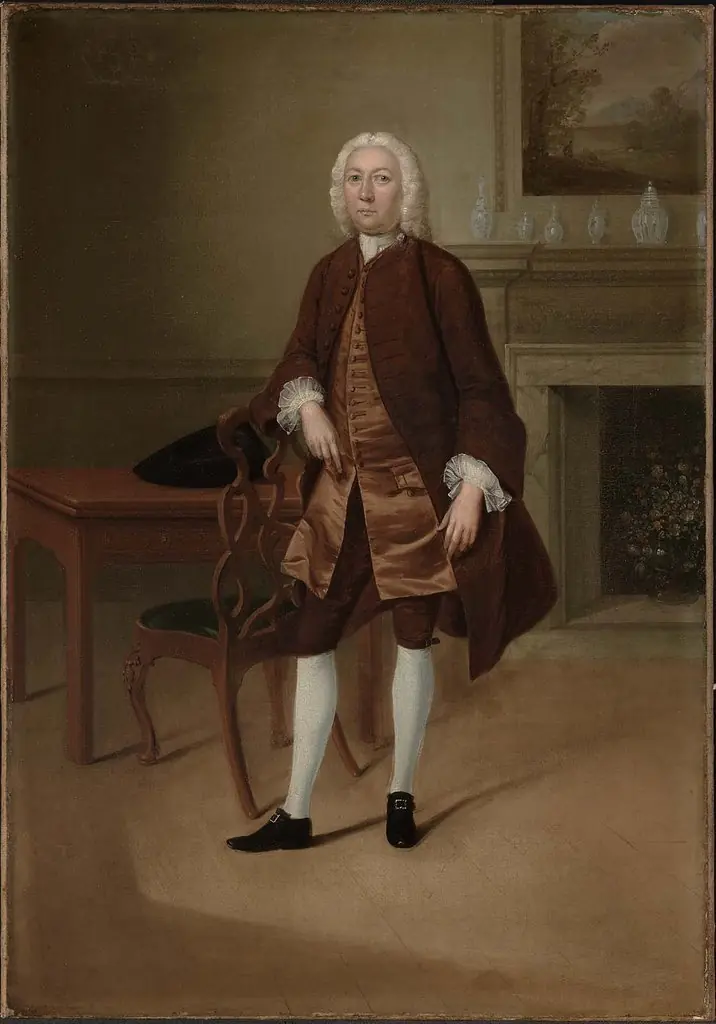 Portrait of a Man Standing Beside a Table
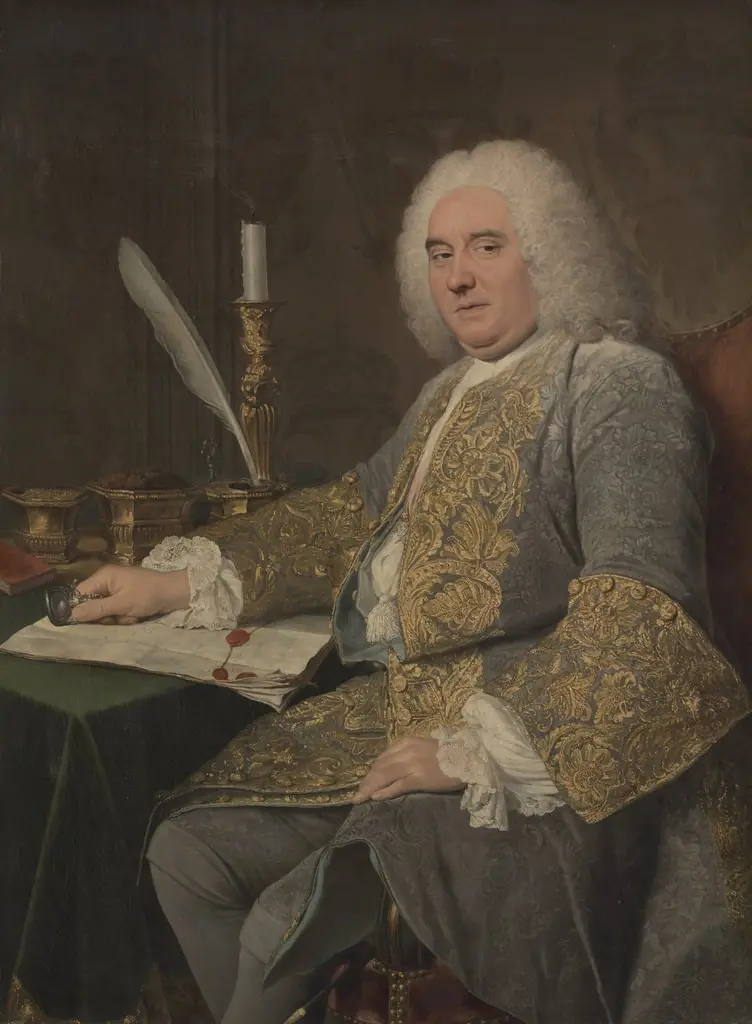 Portrait of Jean-Gabriel du Theil at the Signing of the Treaty of Vienna
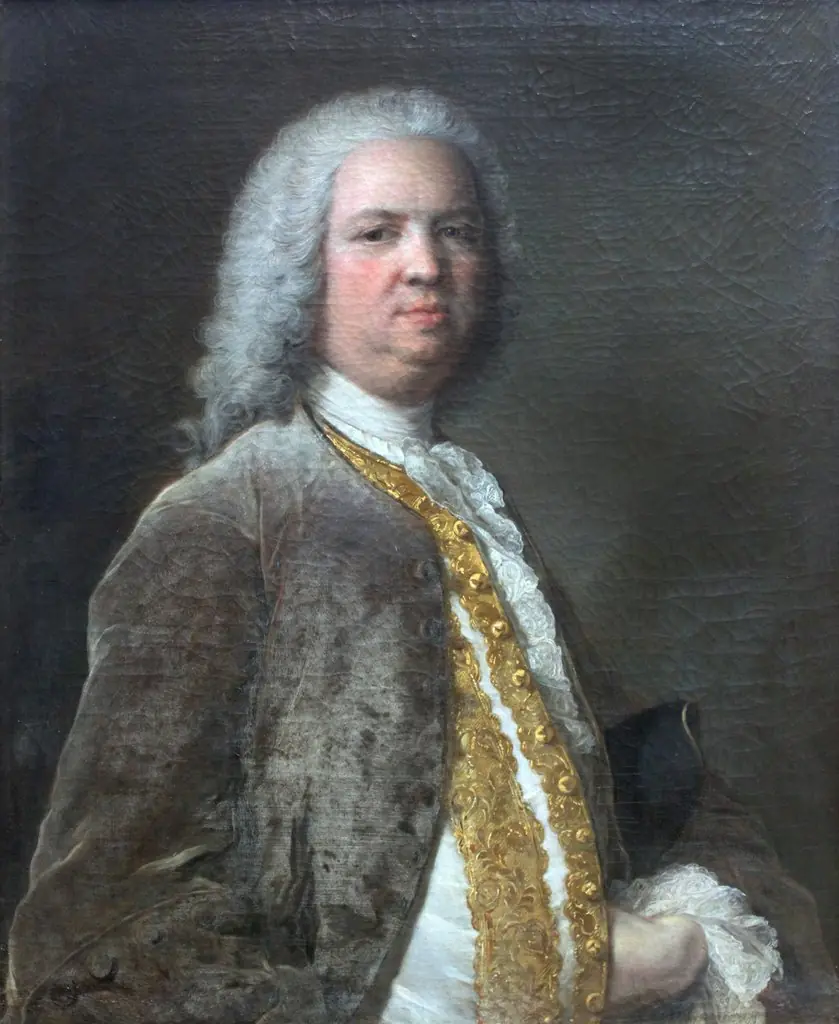 Portrait of the Frankfurt banker Johann Georg Leerse
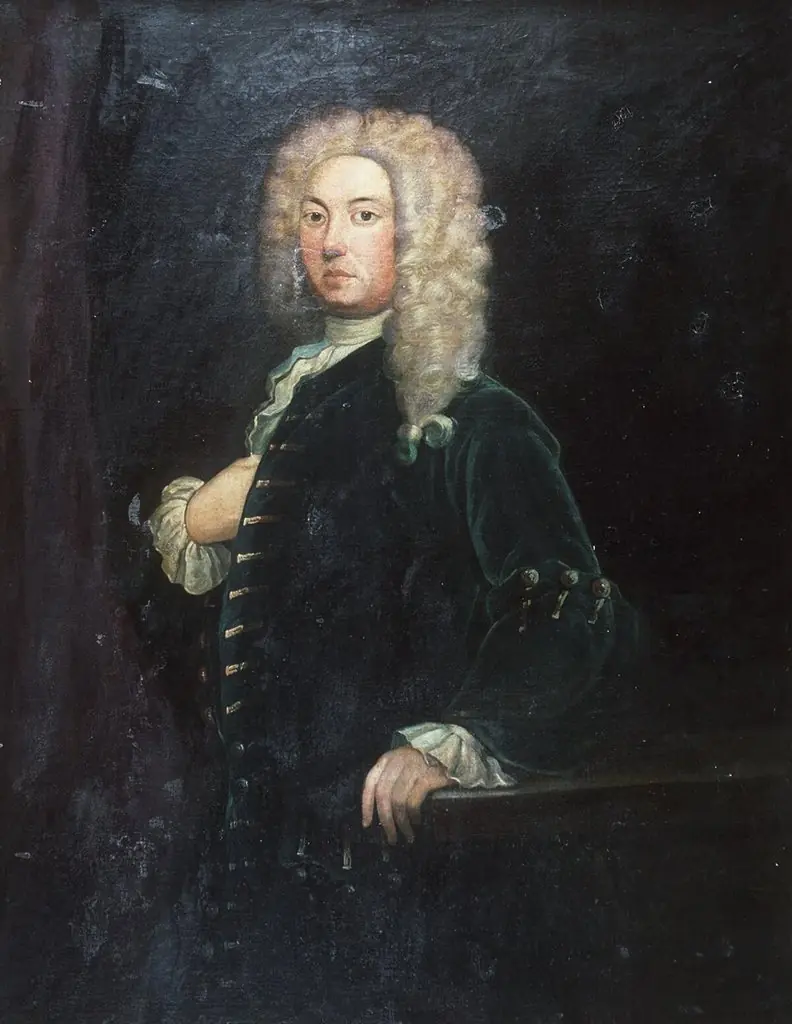 Councillor Richard Lloyd (died 1757)
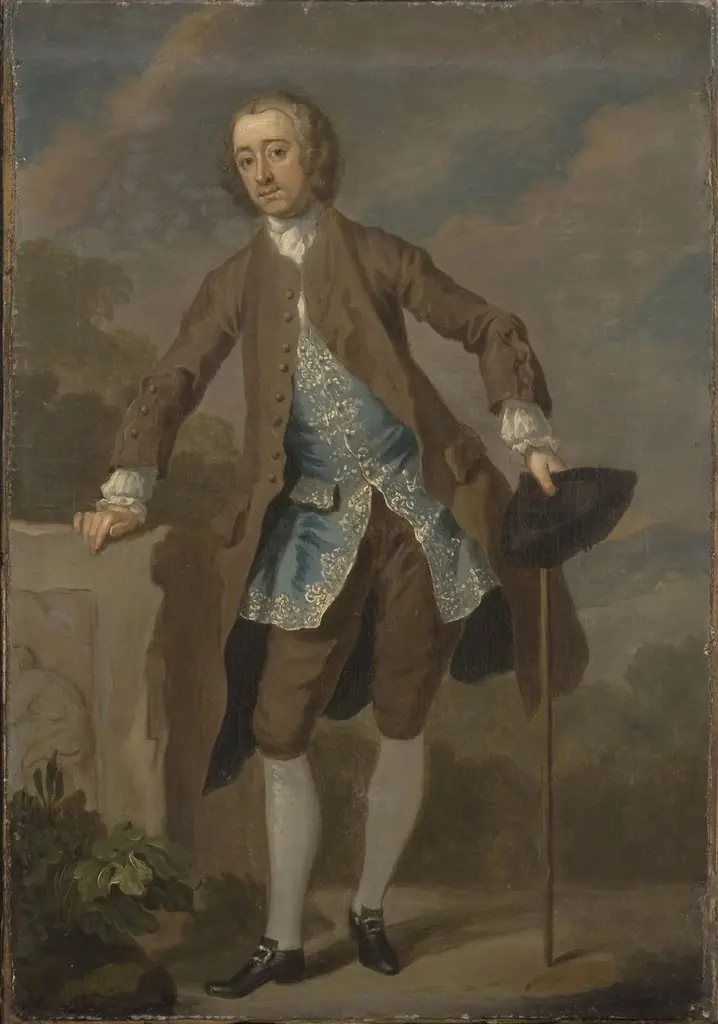 Portrait of Gustavus Hamilton, 2nd Viscount Boyne
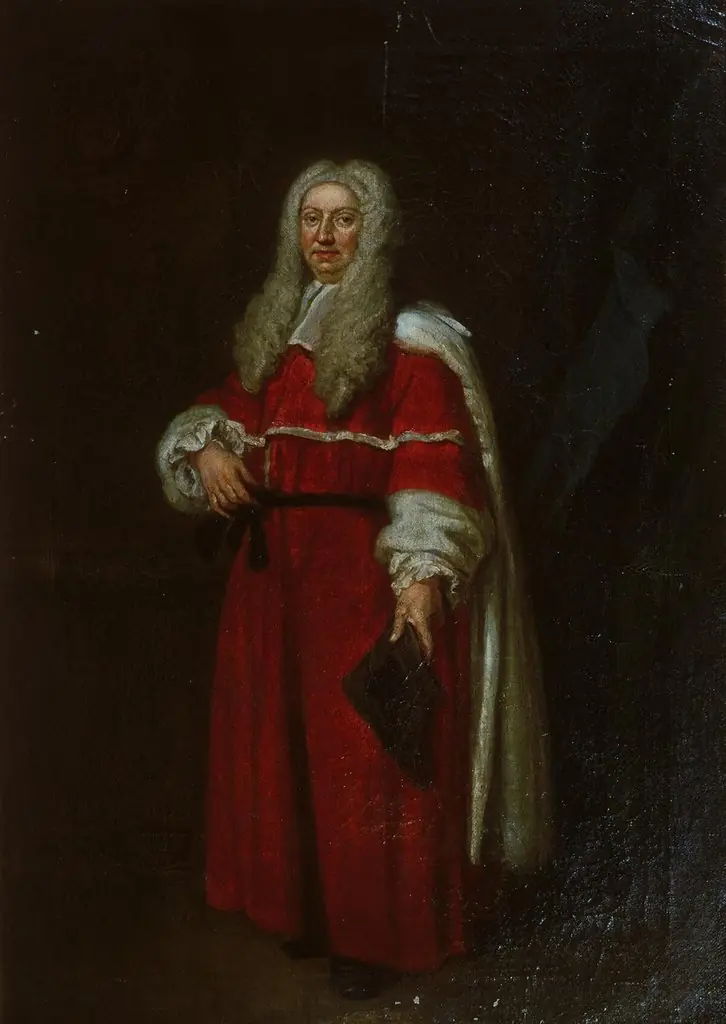 Baron Pryse