Artwork
The Spendthrift or the Wasteful Woman, act III, scene V, from the Play by Thomas Asselijn (Joanna and the Polish Jewish Traders)
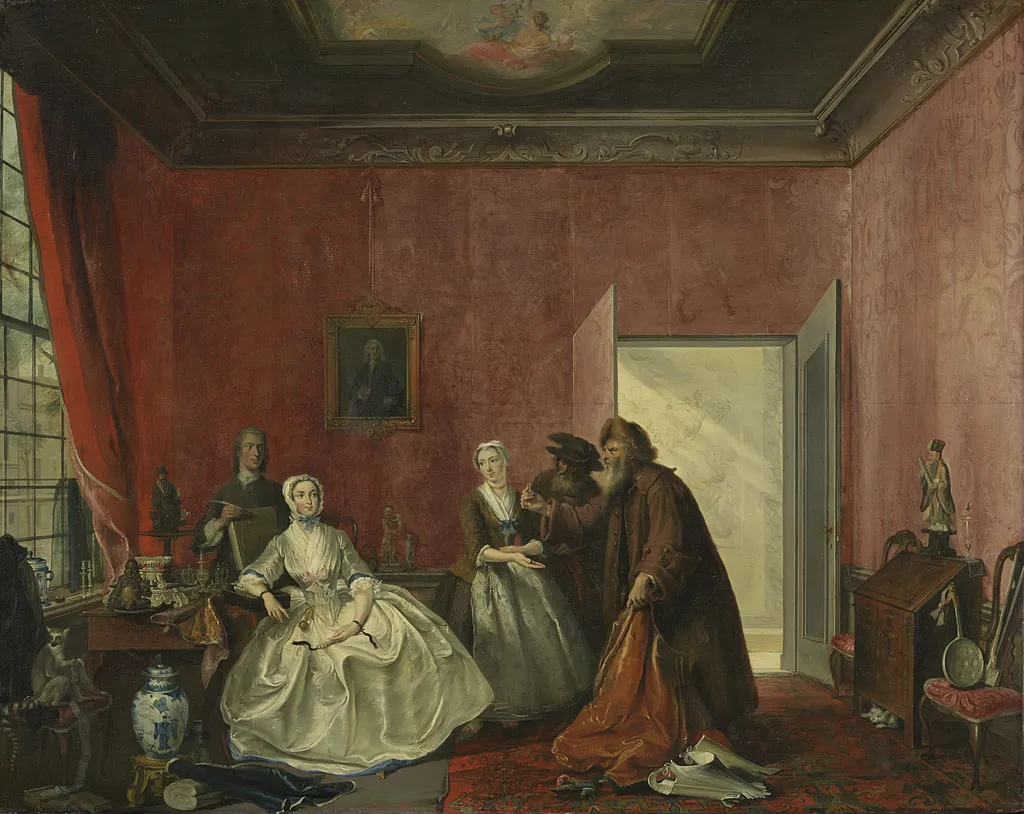
The Spendthrift or the Wasteful Woman, act III, scene V, from the Play by Thomas Asselijn (Joanna and the Polish Jewish Traders) is an oil painting by the Rococo painting artist Cornelis Troost. It dates from 1741 and is held in the collection of the Rijksmuseum.
About this work
Overview
It belongs to the Rococo tradition in Dutch art, blending theatrical narrative with intimate observation.
Painted in 1741 by Cornelis Troost, this oil work illustrates a moment from Thomas Asselijn’s play, depicting a woman named Joanna in a financial encounter with three male figures. The scene unfolds in a domestic interior marked by rich red walls and a prominent window, capturing a quiet tension between personal indulgence and external negotiation. It belongs to the Rococo tradition in Dutch art, blending theatrical narrative with intimate observation.
Subject & Meaning
The painting portrays Joanna, a woman of means, engaged in a transaction with three men, likely Jewish traders from Poland, as referenced in the play’s title. Her posture and the scattered objects on the desk, papers, coins, and ledgers, suggest a moment of financial reckoning. The men’s varied stances and expressions imply differing roles: observer, negotiator, and enforcer.
The scene critiques extravagance without overt moralizing, leaving interpretation open to context and social norms of the time.
Technique & Style
Troost employs soft chiaroscuro to model forms and direct attention toward the woman and the desk, where the action centers. Brushwork is precise yet fluid, particularly in the rendering of fabrics, the white dress, the brown and black coats, creating texture without excess detail. The red walls and rug establish a warm, enclosed atmosphere, while the window introduces natural light that subtly modulates the room’s mood, enhancing the scene’s theatrical realism.
History & Provenance
The painting was completed in 1741 and entered the collection of the Rijksmuseum in the 19th century, where it remains today. It was likely commissioned or acquired by a Dutch collector interested in contemporary theater and social commentary. Its survival in good condition reflects its early recognition as a significant example of 18th-century Dutch genre painting, though its specific provenance before museum acquisition remains undocumented.
Context
In mid-18th-century Amsterdam, theatrical scenes in painting were popular among the urban elite, who valued art that mirrored social life. Troost, known for his depictions of theater and everyday drama, captured the era’s fascination with morality, commerce, and gender roles. The inclusion of Polish Jewish traders reflects Amsterdam’s cosmopolitan trade networks, though their portrayal may also echo contemporary stereotypes about finance and ethnicity.
Legacy
The painting endures as a nuanced example of Dutch Rococo genre work, illustrating how theater influenced visual culture beyond the stage. While not widely reproduced, it contributes to scholarly understanding of how artists like Troost translated literary narratives into visual form, offering subtle critiques of social behavior without didacticism. Its presence in the Rijksmuseum ensures continued study within the broader context of Dutch Enlightenment-era art.
Own this work as a print
Artist & collection
Artist
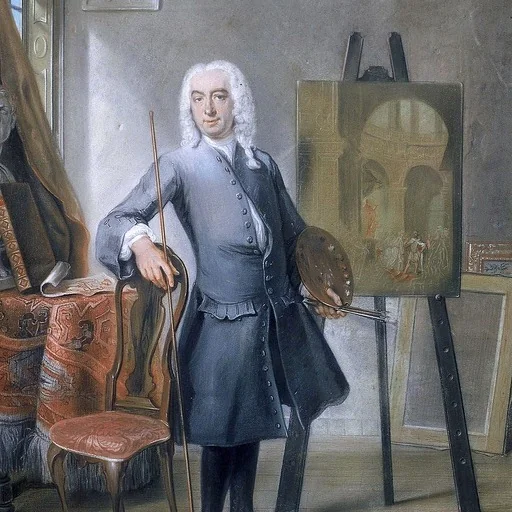
Cornelis Troost (8 October 1696 – 7 March 1750) was a Dutch actor and painter from Amsterdam.

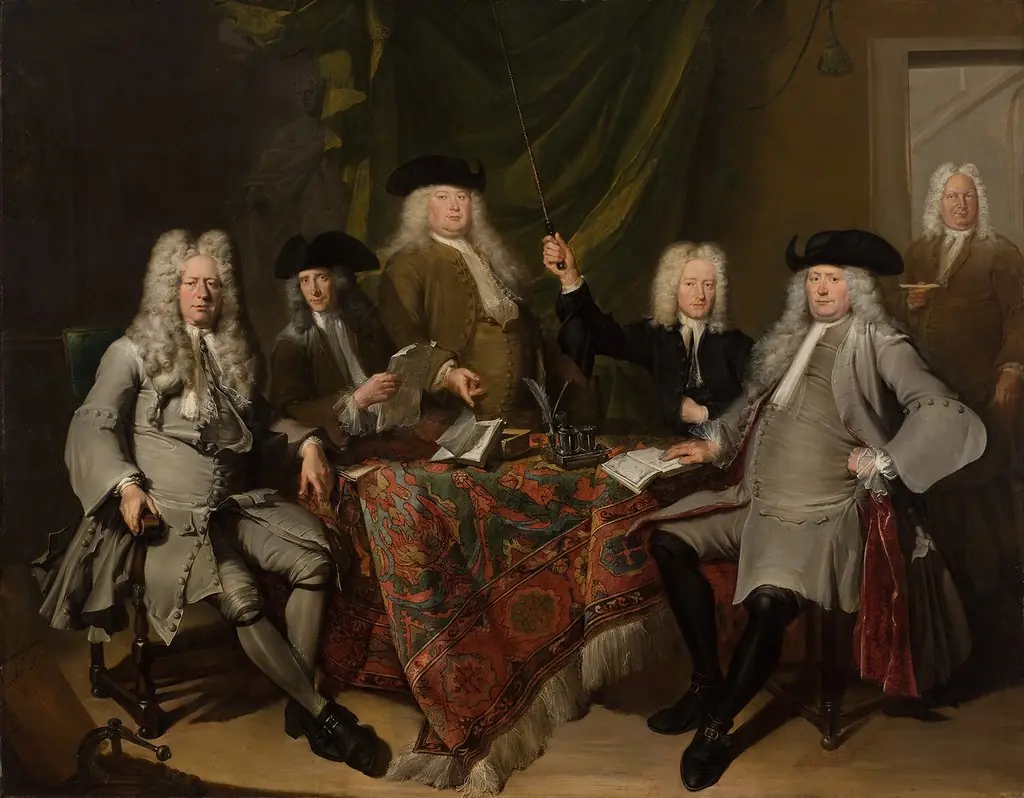 Portrait of the Inspectors of the Collegium Medicum
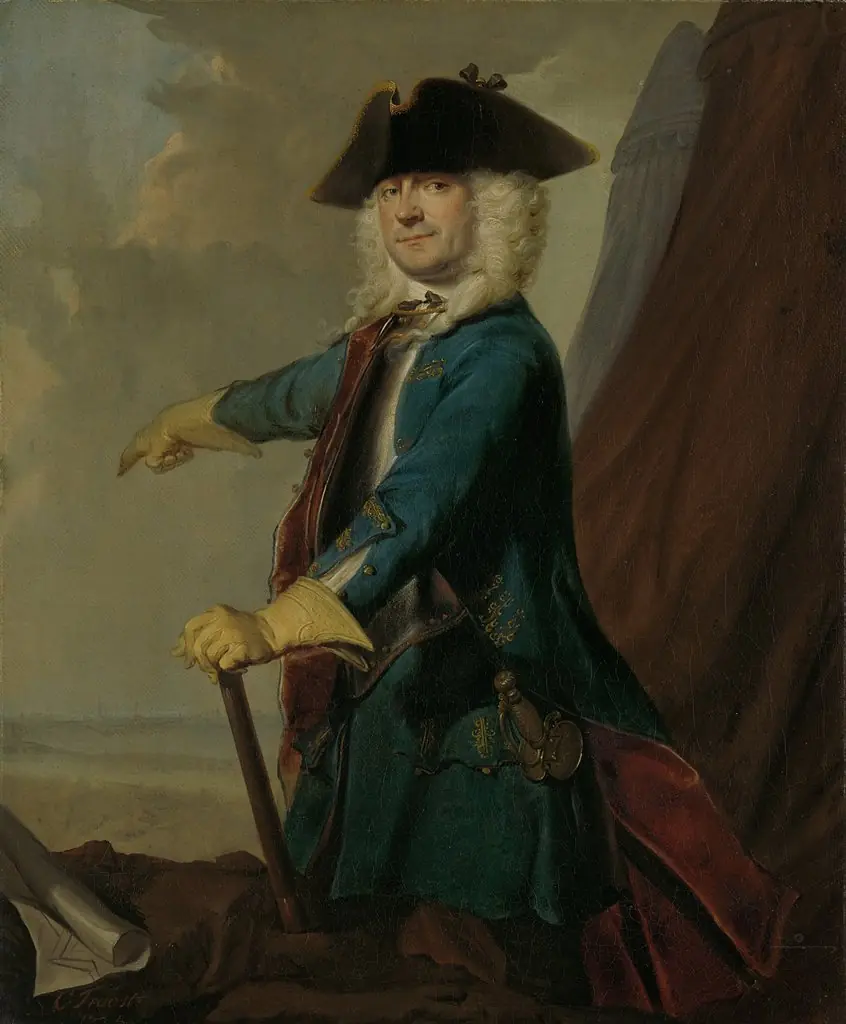 Gerrit Sichterman (1688-1730). Quartermaster-General of the Cavalry, Colonel of the Oranje-Groningen Infantry Regiment, Commandant of Grave
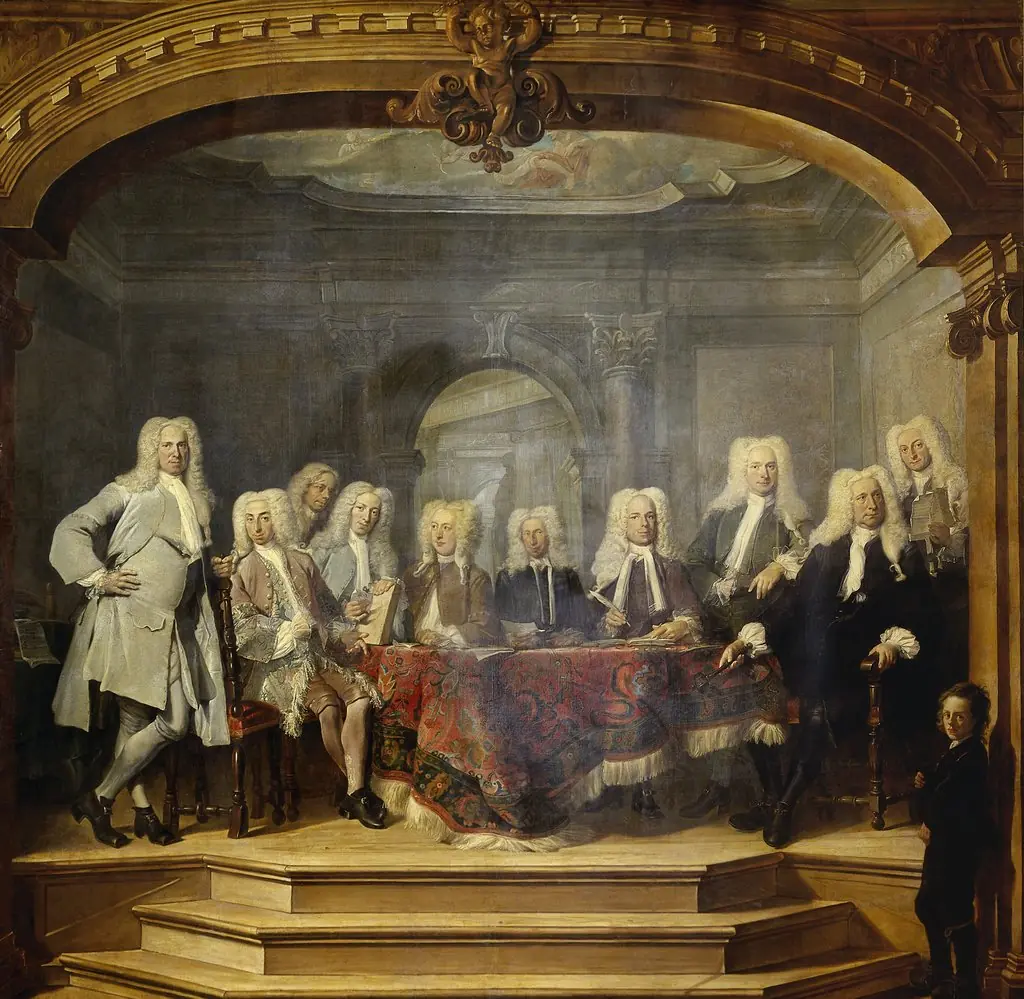 Regents of the Almshouse in 1729
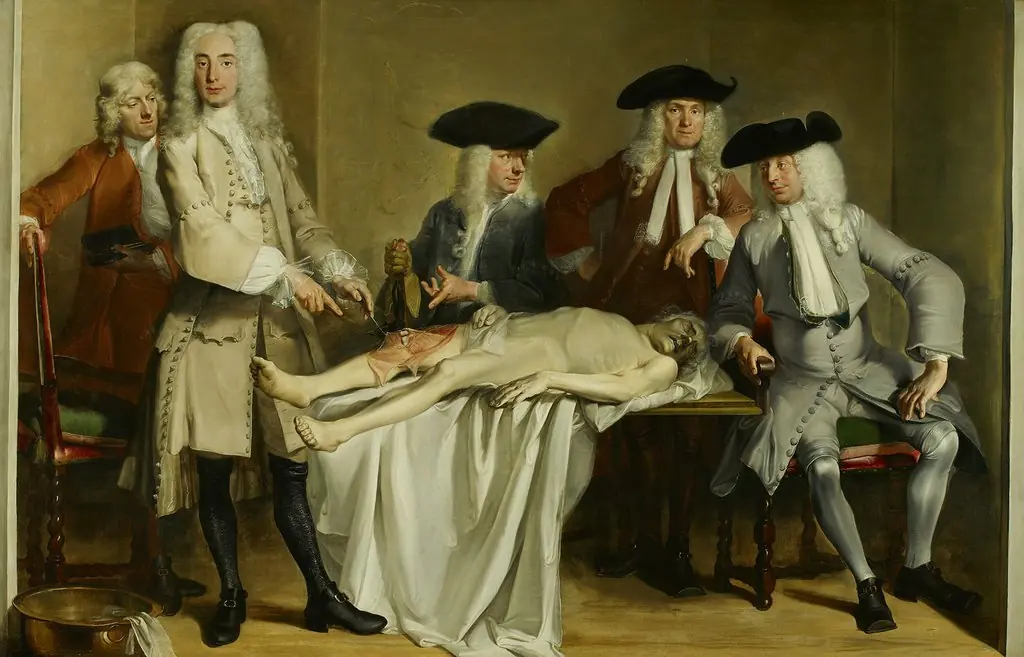 Anatomy lesson of Dr Willem Röell.
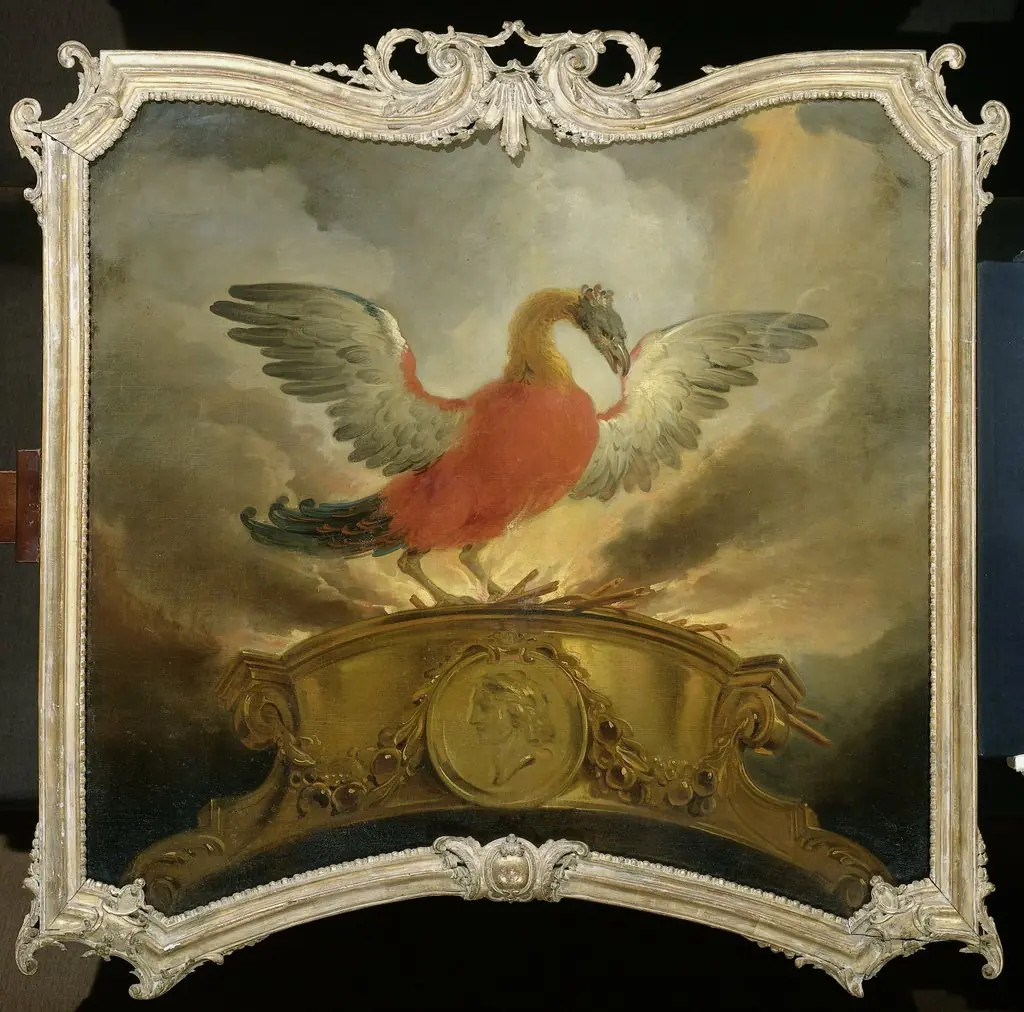 The Phoenix
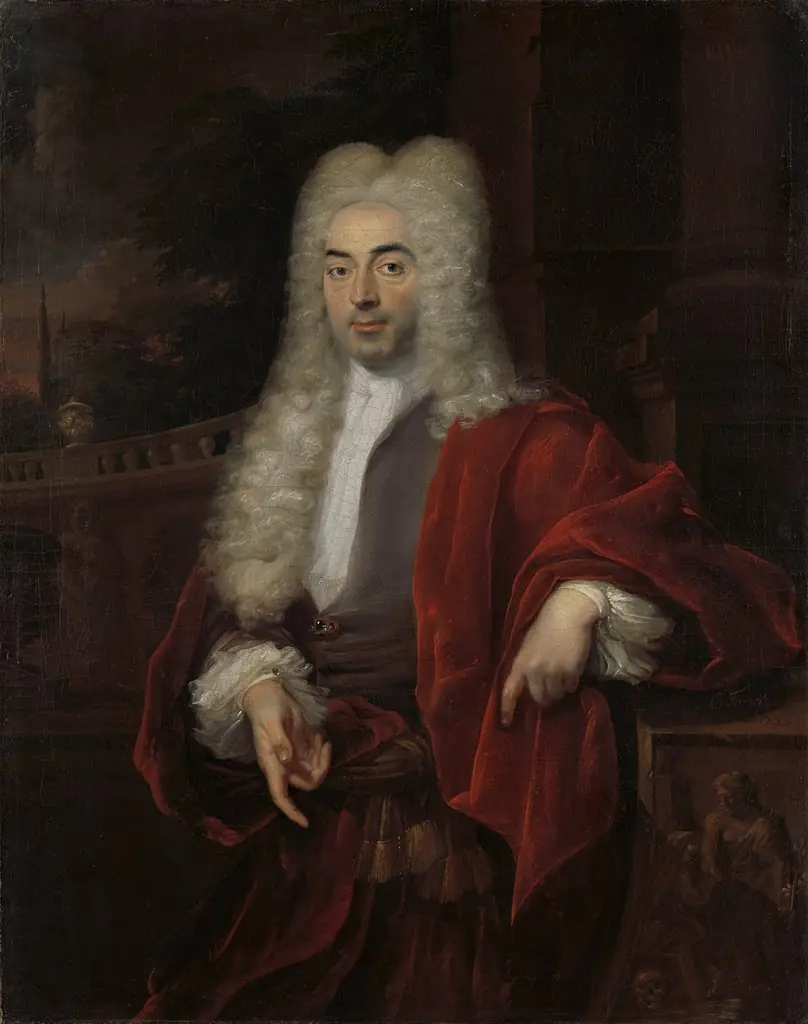 Portrait of a Man
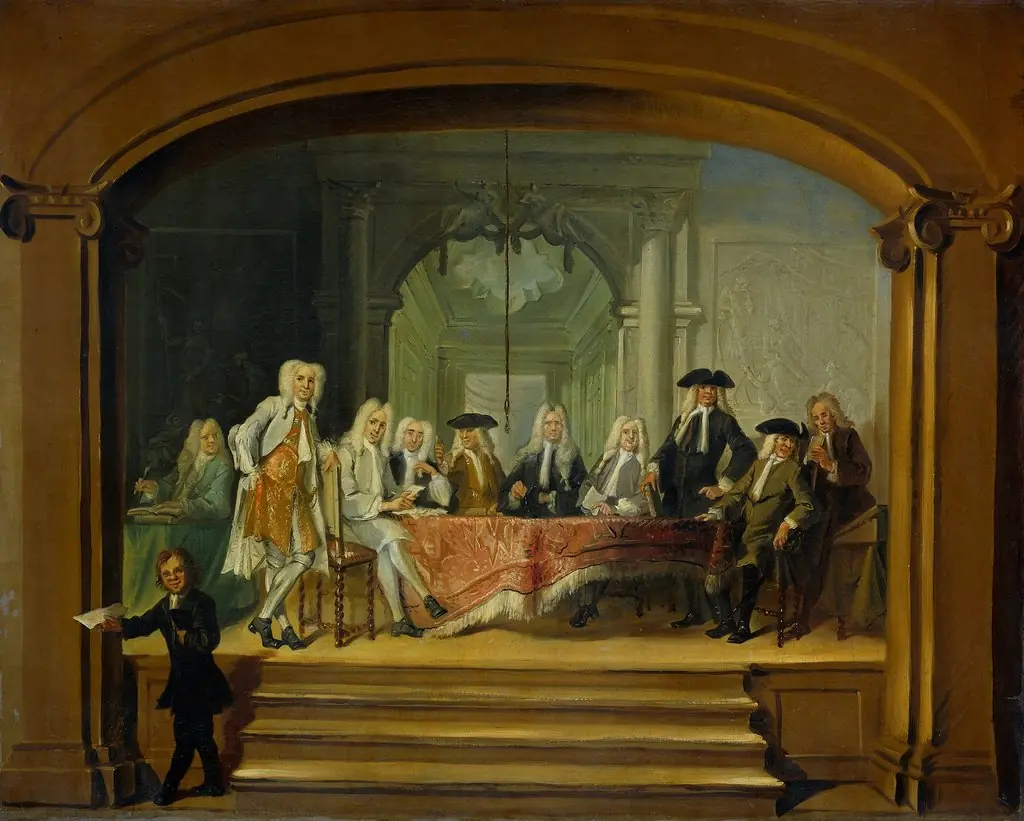 Regents of the Almshouse, 1729
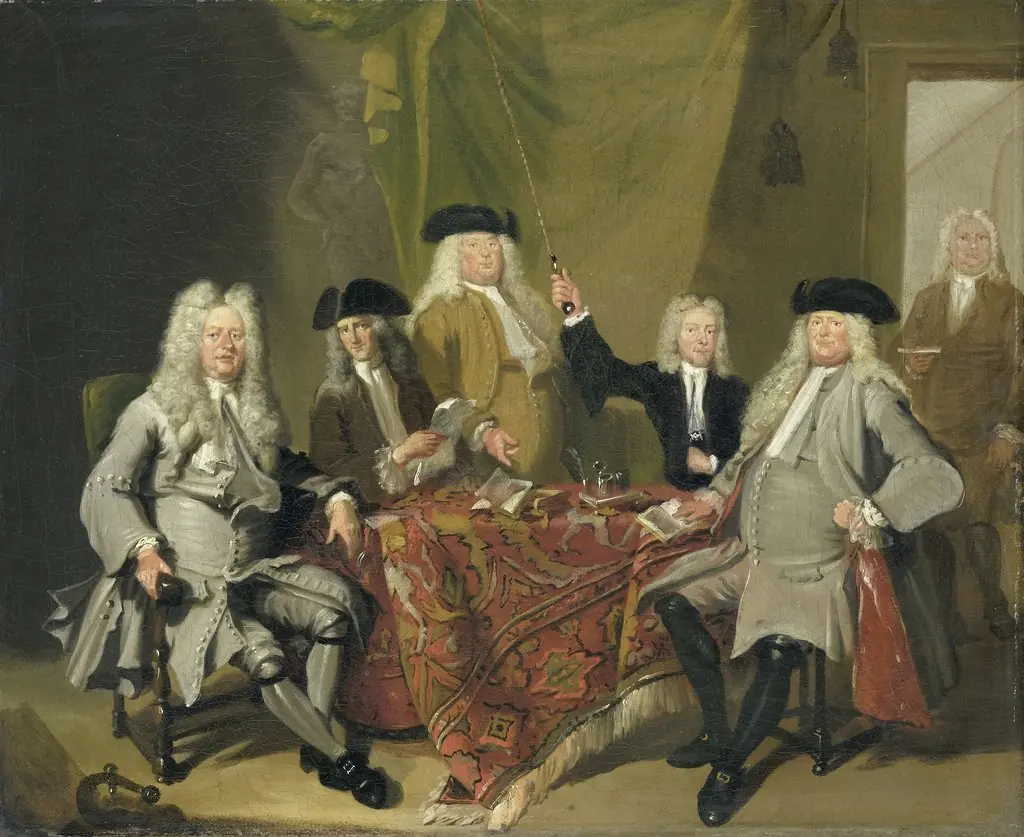 Inspectors of the Collegium Medicum in Amsterdam, 1724
- Rehearsal for a Play
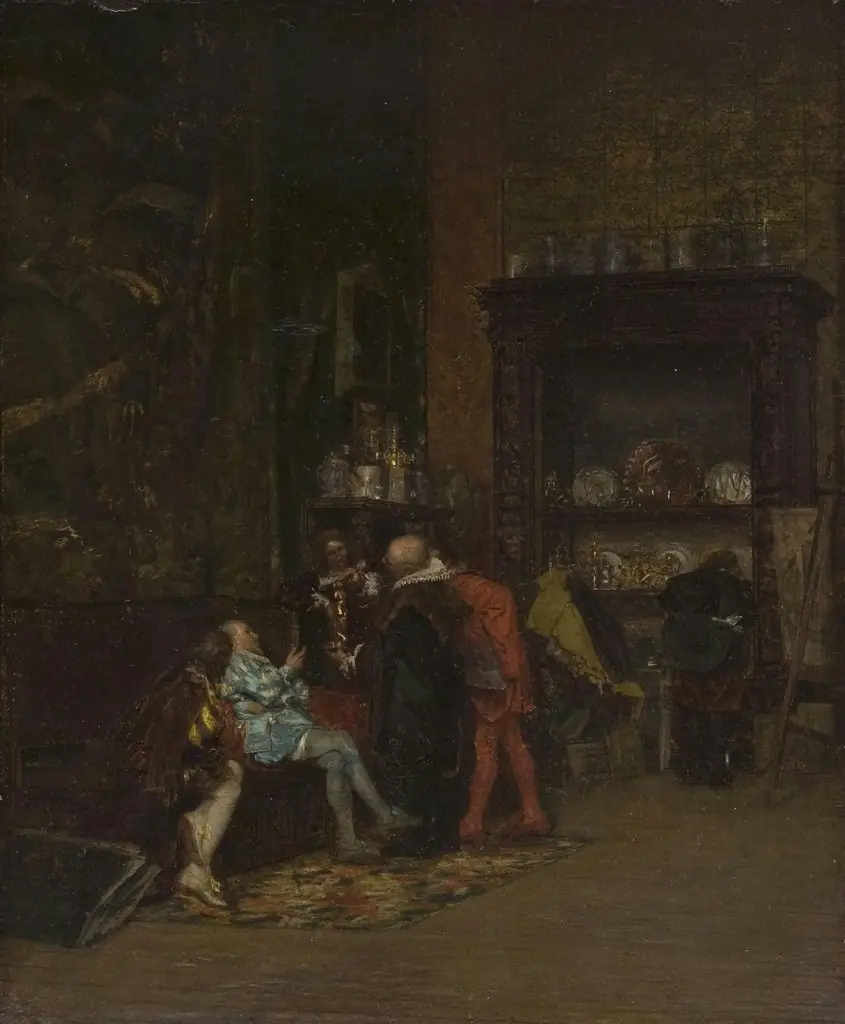 The Connoisseurs
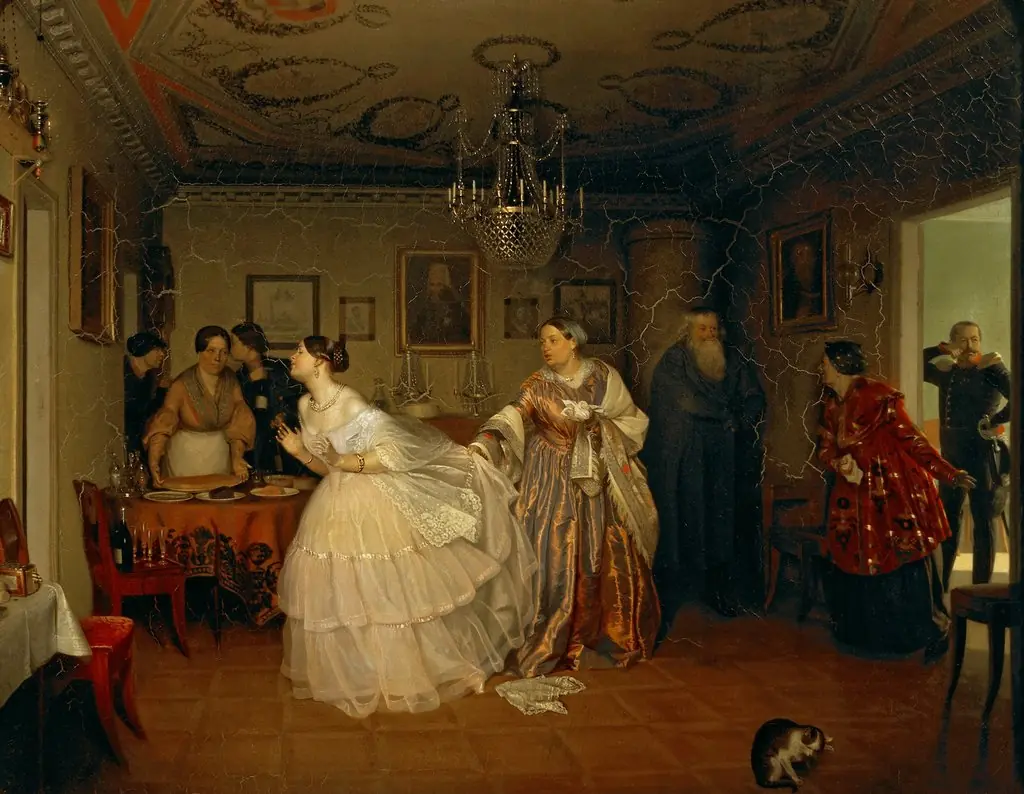 Major's marriage proposal
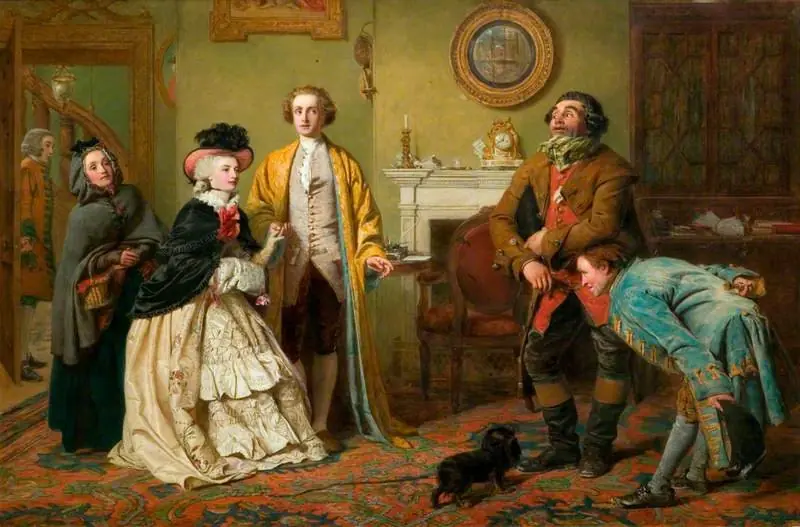 Mr Honeywood Introduces the Bailiffs to Miss Richland as His Friends (from Oliver Goldsmith's 'The Good-Natured Man', Act III, Scene 1)
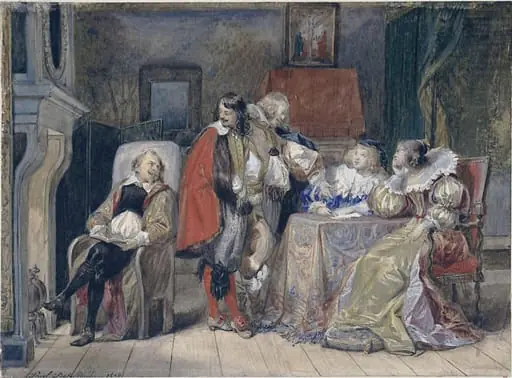 Untitled
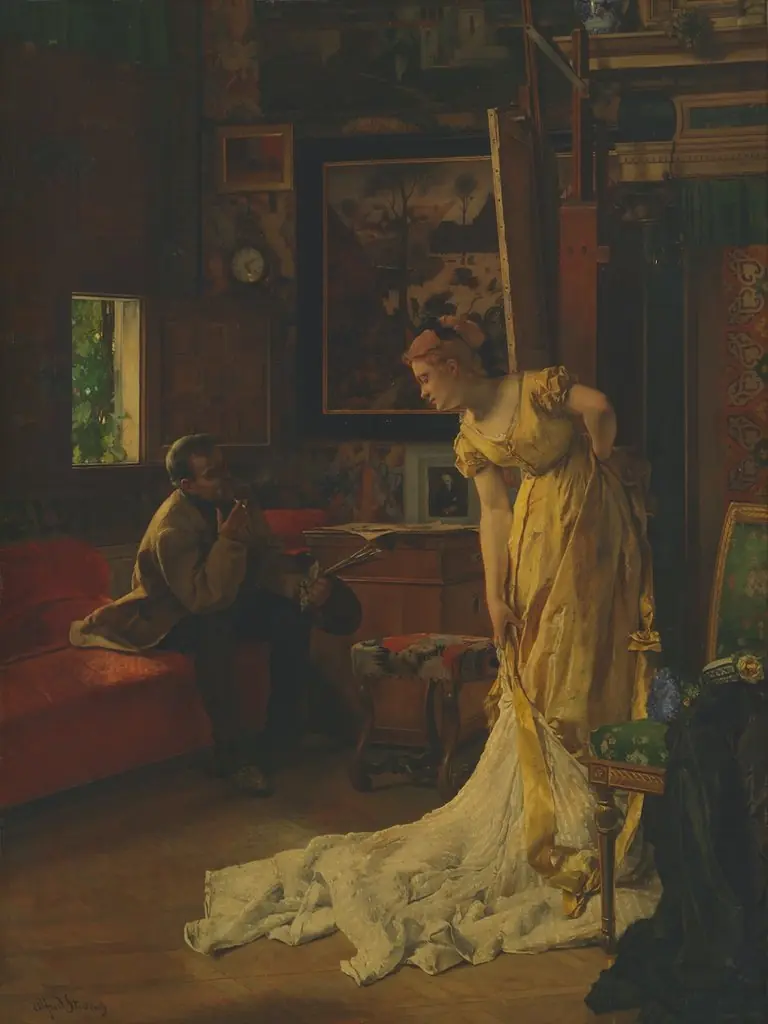 The Painter's Studio
 Dance at the Inn
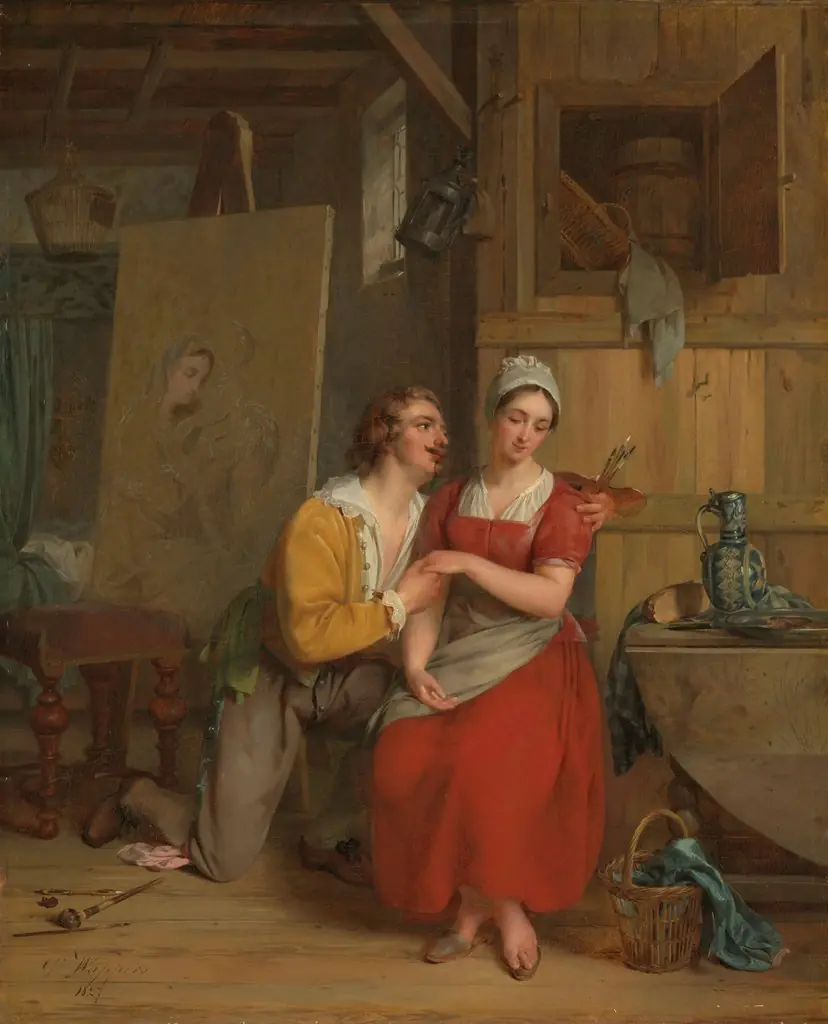 Anthony van Dyck in Love with his Model
 The Sailor’s Wedding
 Banquet of a rich glutton
 Group of Women Looking at Stereoscope Photographs
 Anthony van Dyck wooing his Model