Artwork
Portrait of a Woman
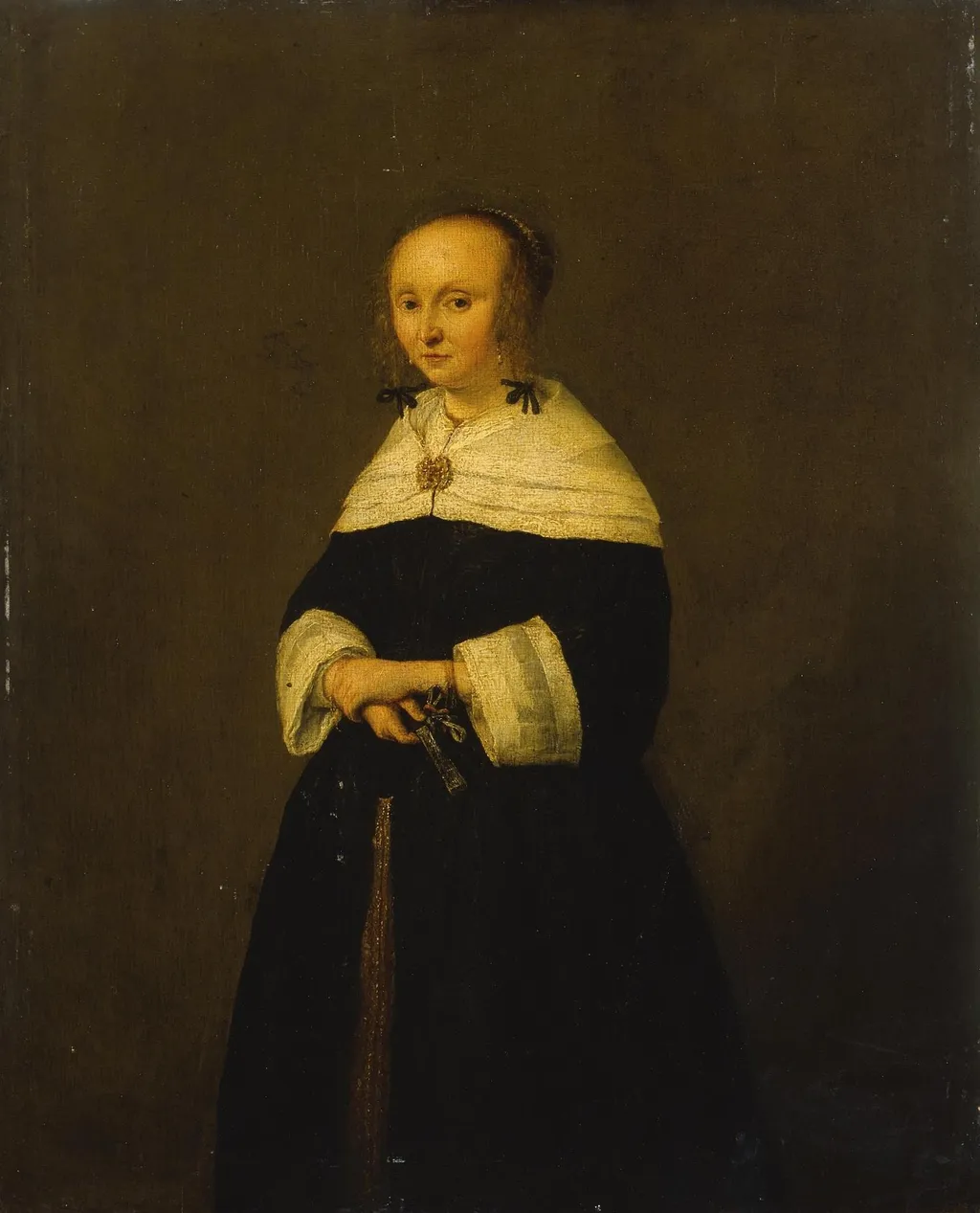
Portrait of a Woman is an oil painting by the Dutch Golden Age artist Adriaen van Ostade. It dates from 1651 and is held in the collection of the Hermitage Museum.
About this work
Overview
The painting belongs to the Pyotr Semyonov-Tyan-Shansky collection, having been acquired by the noted Russian geographer and collector.
Portrait of a Woman is an oil painting on panel executed in 1651 by the Dutch Golden Age artist Adriaen van Ostade. Measuring 44 by 36 centimeters, the work depicts a female subject in bust-length format and is currently held in the collection of the Hermitage Museum in Saint Petersburg. The painting belongs to the Pyotr Semyonov-Tyan-Shansky collection, having been acquired by the noted Russian geographer and collector. While van Ostade is primarily celebrated for his genre scenes of Dutch peasant life, this portrait exemplifies his occasional engagement with individual likenesses and contributes to understanding his broader artistic range during the mature phase of his career.
Subject & Meaning
The painting depicts a woman shown as a bust-length portrait, her gaze directed past the viewer. The identity of the sitter remains unknown, and the work does not appear to represent a specific historical or mythological figure but rather an ordinary individual. The directness of the presentation and the sitter's averted gaze create a sense of psychological immediacy characteristic of Dutch portraiture of the period. The absence of elaborate costume or setting suggests a focus on the human presence rather than social status, aligning with van Ostade's lifelong interest in the common people of his native Haarlem. The work's modest scale and intimate format indicate it was likely intended for private contemplation rather than public display.
Technique & Style
The portrait is executed in oil on panel, the support favored by van Ostade throughout his career for its suitability to his detailed, small-scale works. The dimensions of 44 by 36 centimeters place it within the intimate scale typical of the artist's output. The handling of paint reflects the influence of van Ostade's training under Frans Hals, particularly in the lively, fluid brushwork that animates the surface. While the sources do not provide detailed condition information, the work's survival in a major museum collection suggests reasonable preservation. Stylistically, the portrait belongs to van Ostade's mature period, when he had moved beyond the darker, more caricatured manner of his early years toward a subtler and more nuanced approach to subject matter. The restrained palette and attention to textural variation in the depiction of flesh and fabric demonstrate the technical refinement he had achieved by the 1650s.
History & Provenance
The painting was created in 1651 in Haarlem, where van Ostade had established his studio after training with Frans Hals and returning from a brief period in Utrecht. The work eventually entered the collection of Pyotr Semyonov-Tyan-Shansky, the renowned Russian geographer, statistician, and art collector who lived from 1827 to 1914. Semyonov-Tyan-Shansky assembled one of the most significant private collections of European paintings in Russia during the nineteenth century. Following the nationalization of private collections after the Russian Revolution, the painting became part of the holdings of the Hermitage Museum, where it remains today. The specific date of accession to the Hermitage is not recorded in the available sources.
Context
Adriaen van Ostade was baptized in Haarlem on 10 December 1610 and died there in 1685, spending virtually his entire life in the city that shaped his artistic vision. According to Arnold Houbraken, he and his brother Isack were pupils of Frans Hals around 1627, though Hals's influence on van Ostade was ultimately less significant than that of the Flemish painter Adriaen Brouwer in determining his thematic interests. Van Ostade joined the Haarlem Guild of St. Luke by 1634 and served as its president in 1662 and 1663. The year 1651, when this portrait was painted, falls within a transitional period in his career. He had already begun to lighten his palette and soften the grotesque exaggeration of his early peasant scenes, though the full transformation to his more pastoral late manner was still developing. The portrait thus represents a moment when van Ostade had achieved technical mastery while continuing to explore the boundaries between genre and portraiture genres that were not as rigidly separated in Dutch practice as modern categories might suggest.
Legacy
The Portrait of a Woman occupies a modest but informative place in the assessment of Adriaen van Ostade's career. While his reputation rests predominantly on genre scenes of taverns, village fairs, and cottage interiors, the existence of this signed and dated portrait confirms that he maintained a portrait practice alongside his better-known specialty. The work's presence in the Hermitage Museum, one of the world's major repositories of Dutch painting, ensures its continued visibility to scholars and the public. Its provenance from the Semyonov-Tyan-Shansky collection also testifies to the international appreciation for Dutch Golden Age painting among Russian collectors in the nineteenth century, a phenomenon that profoundly shaped the distribution of Northern European art across European collections. For art historians, the portrait provides valuable comparative material for understanding how van Ostade's skills in capturing individual character served his broader artistic project of documenting Dutch society across its social spectrum.
Own this work as a print
Artist & collection

Artist
Adriaen van Ostade (baptized as Adriaen Jansz Hendricx 10 December 1610 – buried 2 May 1685) was a Dutch Golden Age painter of genre works, showing the everyday life of ordinary men and women.

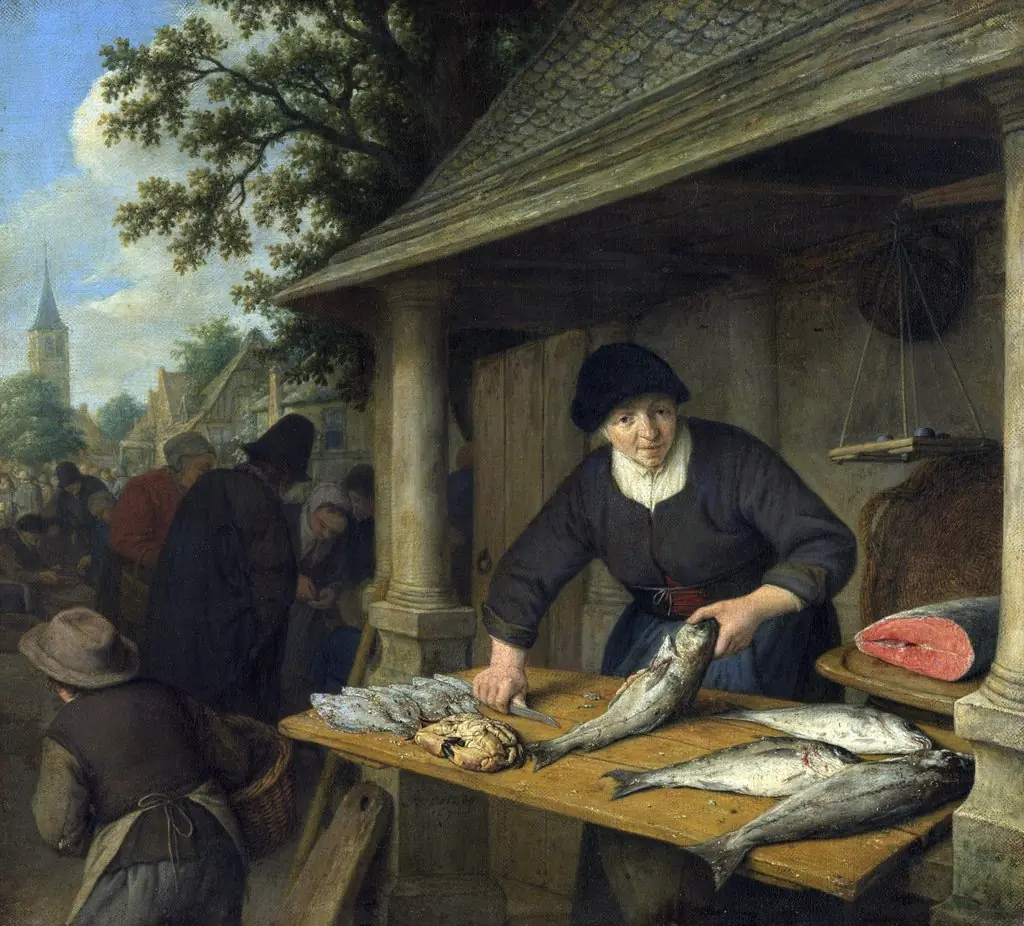
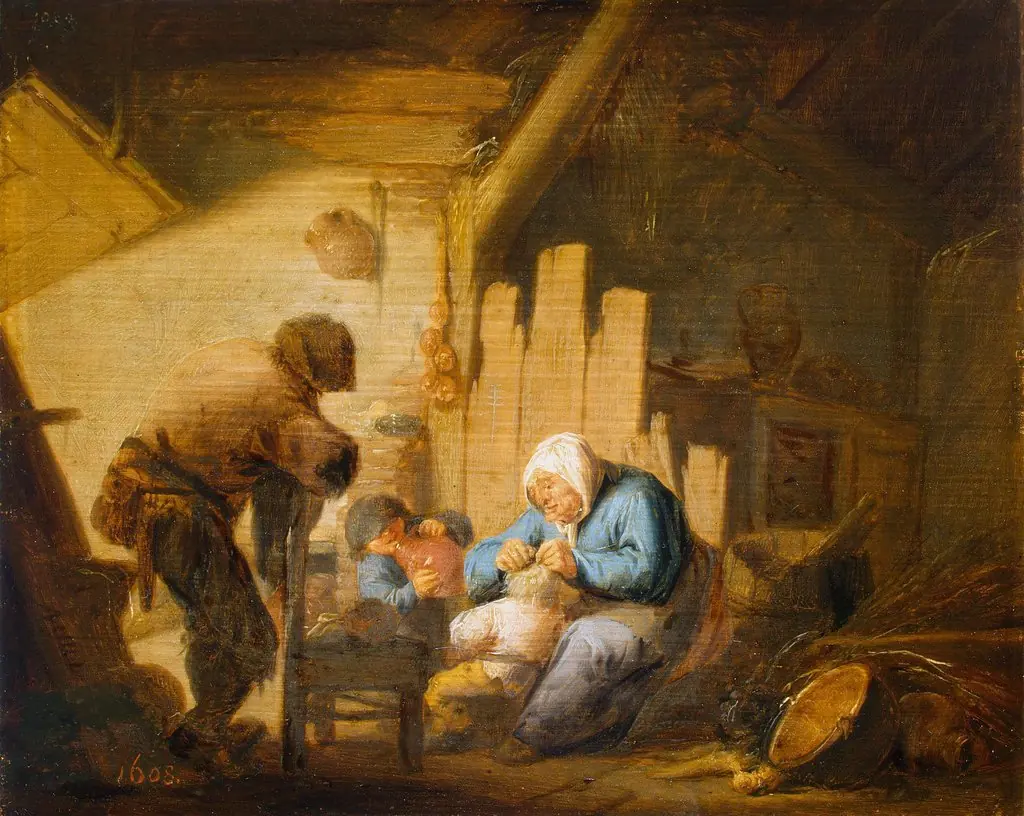
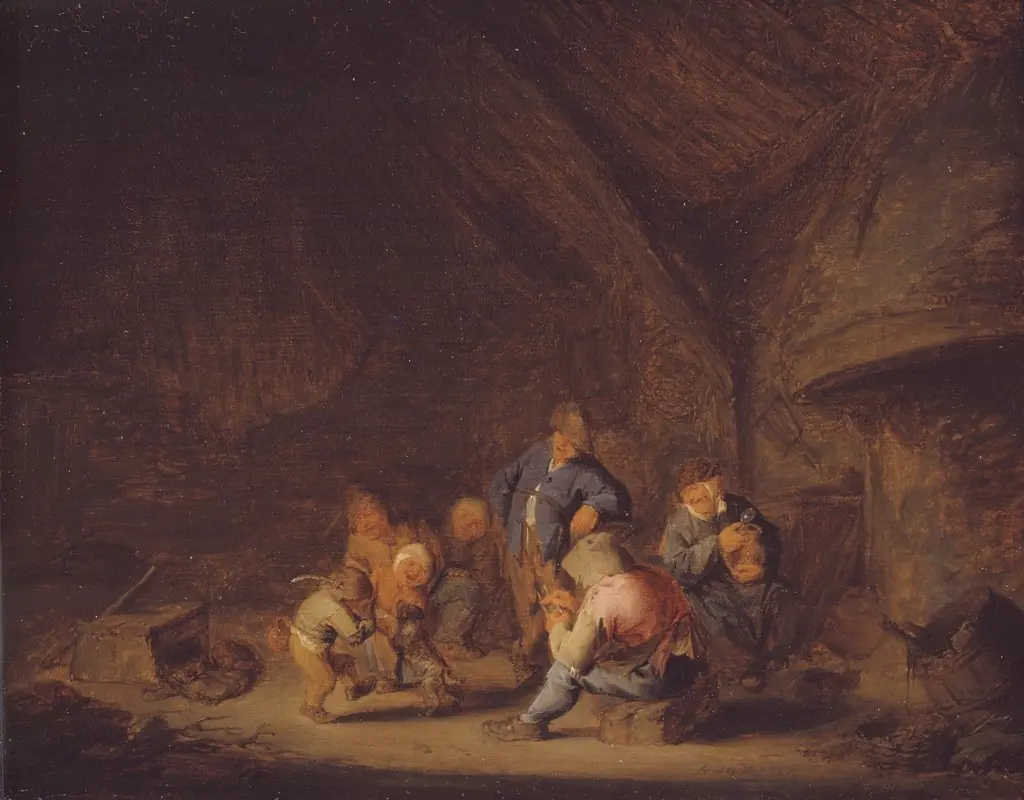
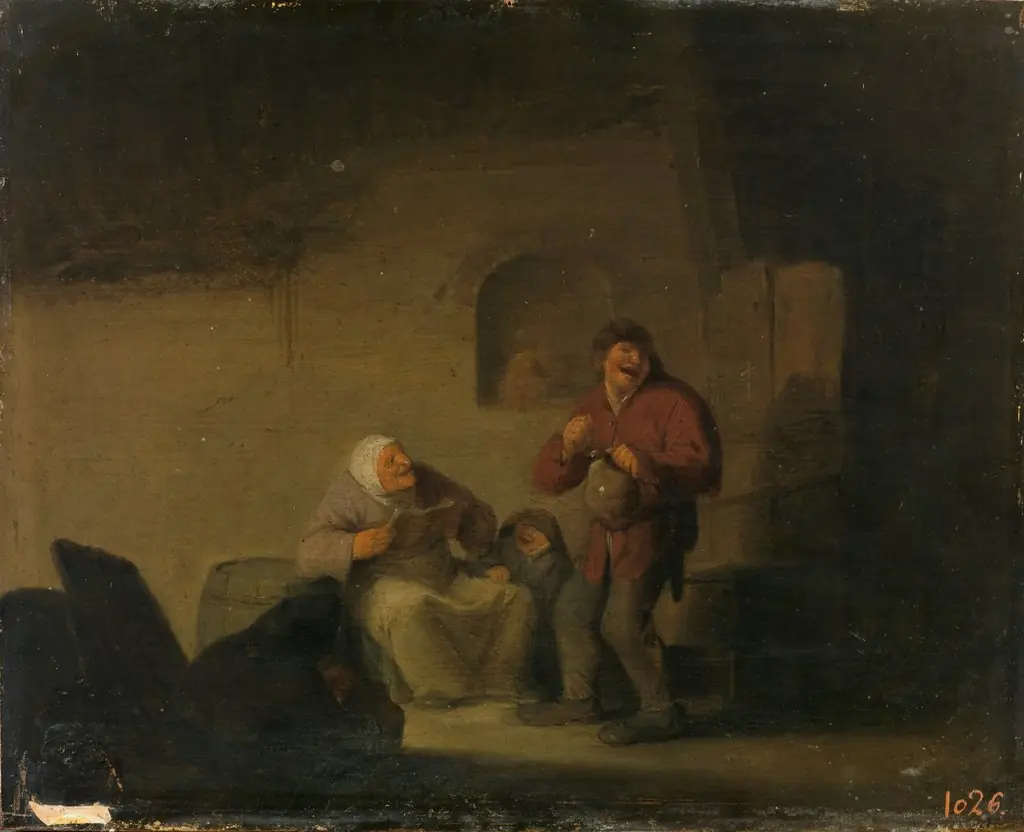
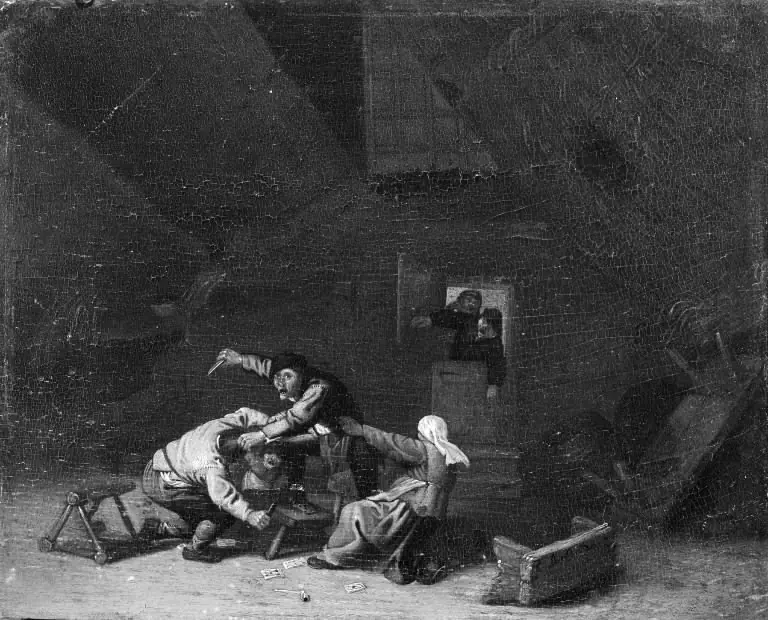
- Portrait of a Woman
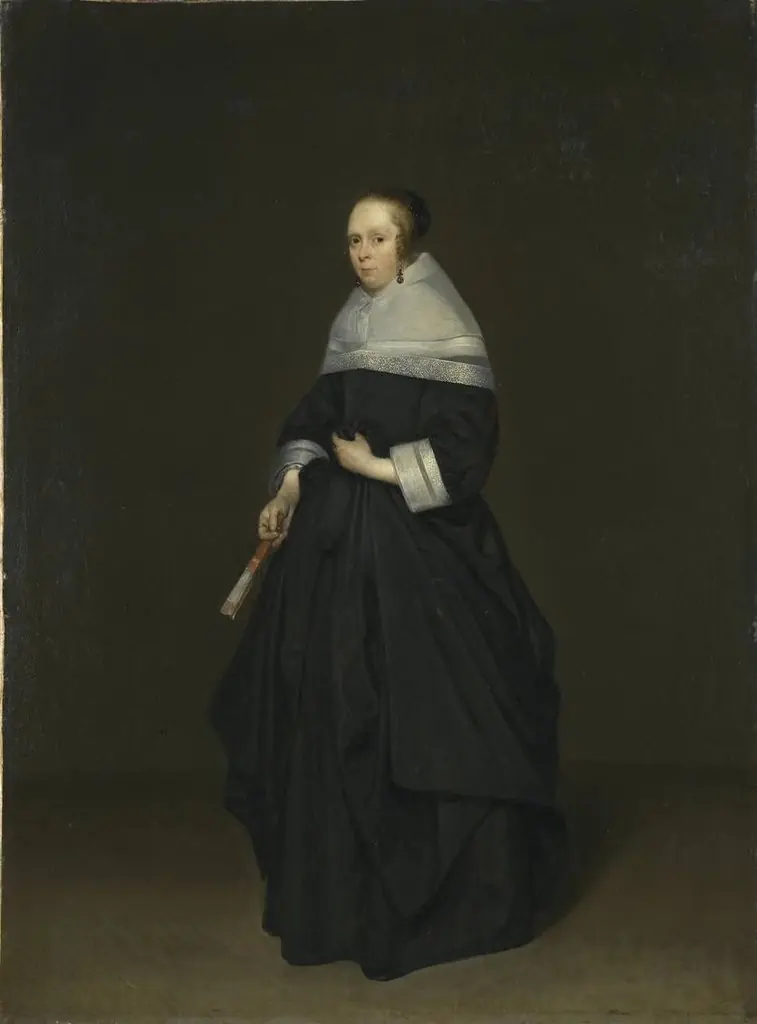 Portrait of a Woman
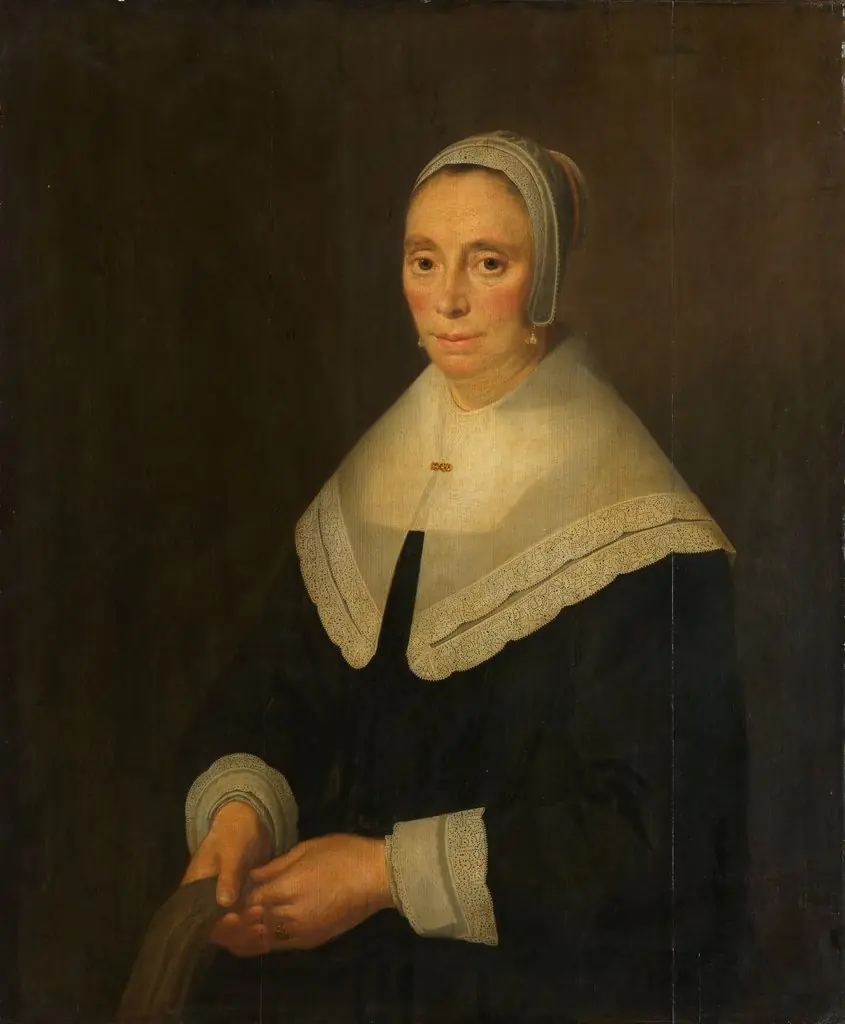 Portrait of a woman
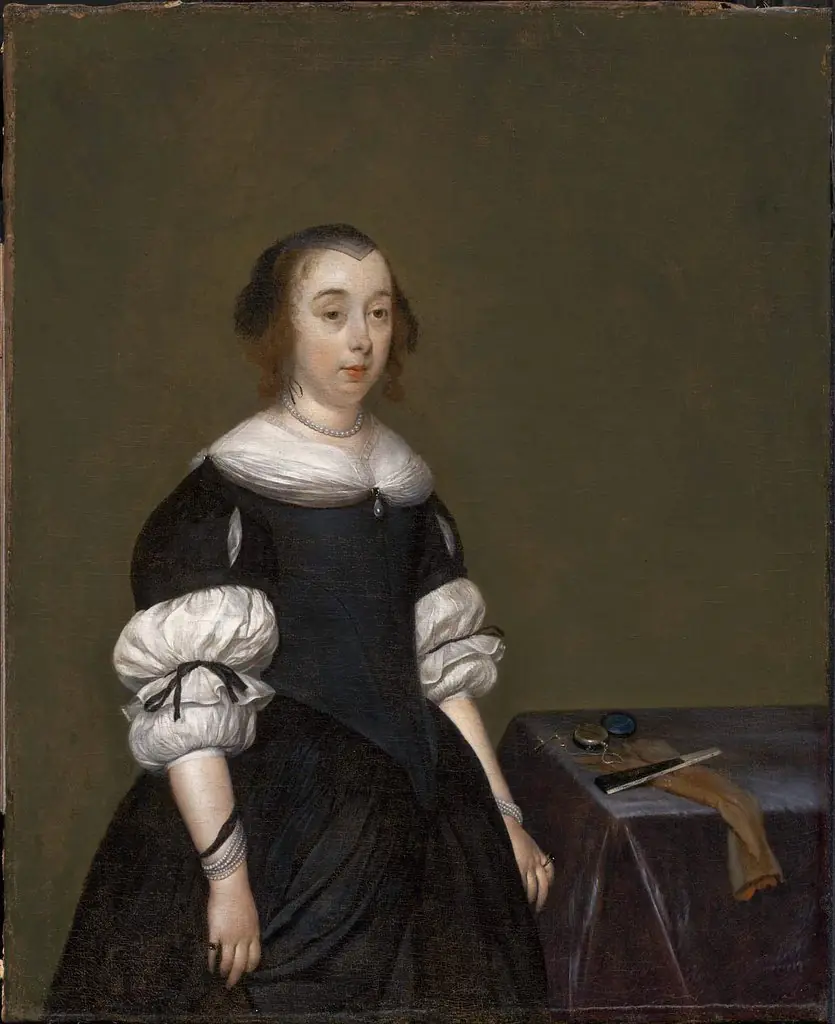 Portrait of a Woman
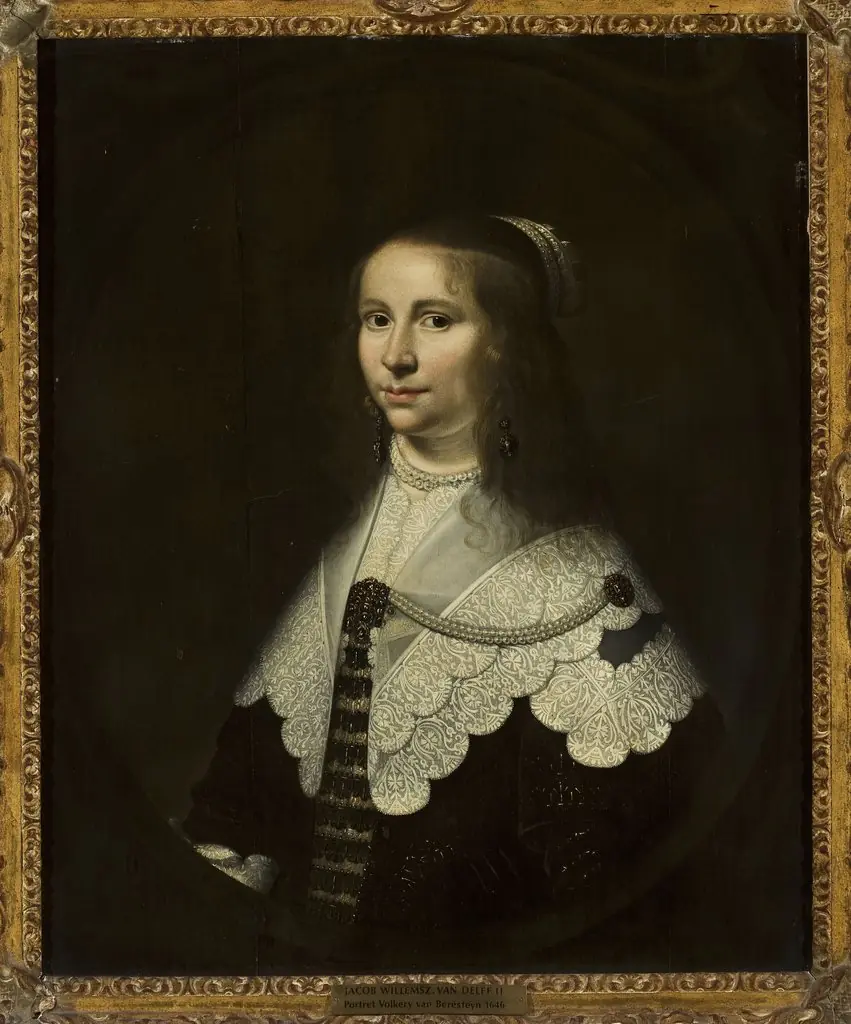 Portrait of Volkera van Beresteyn (1624–1653), wife of Salomon van Schoonhoven (1617–1653)
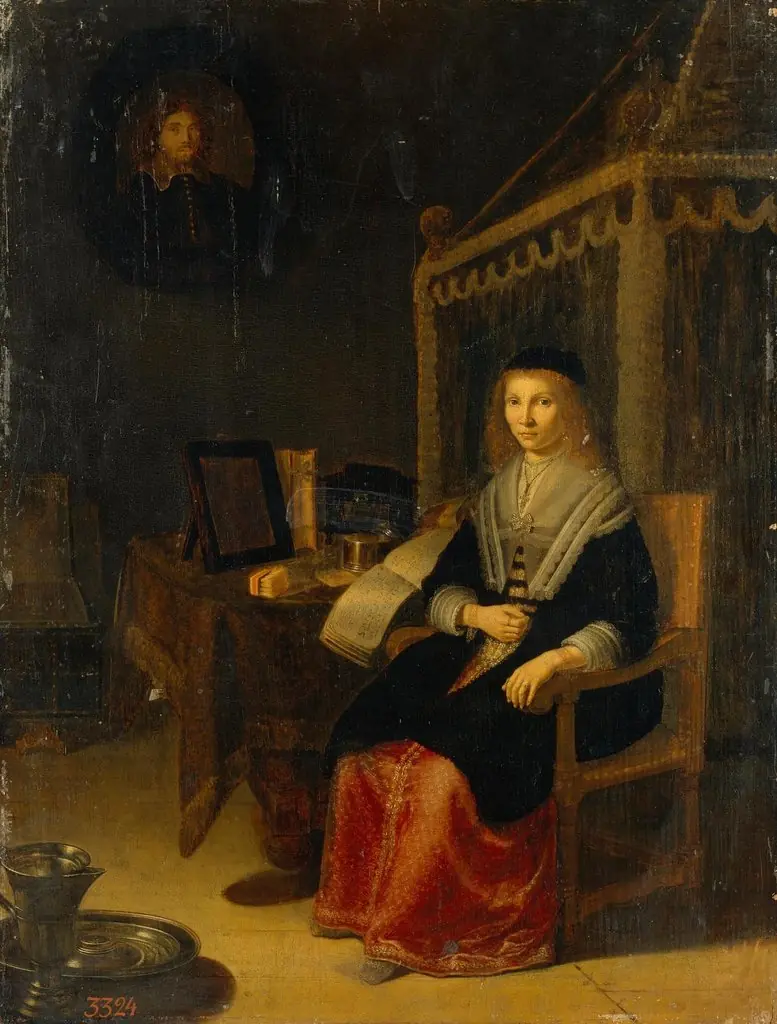 Portrait of a Lady at the Table with Music
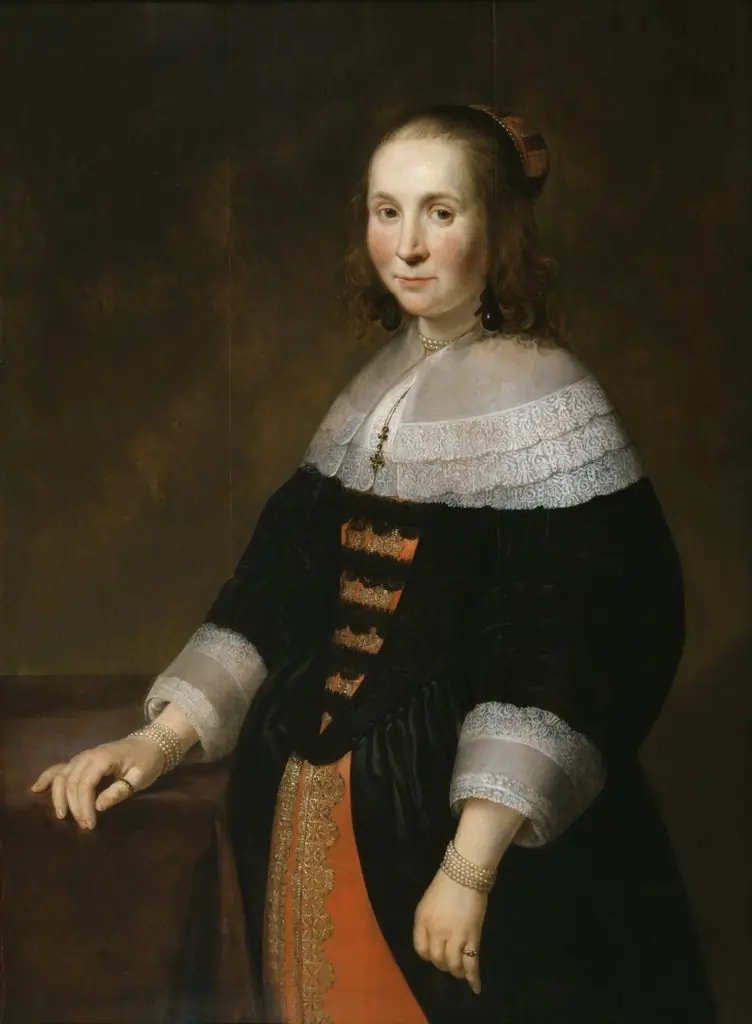 Portrait of a Wife
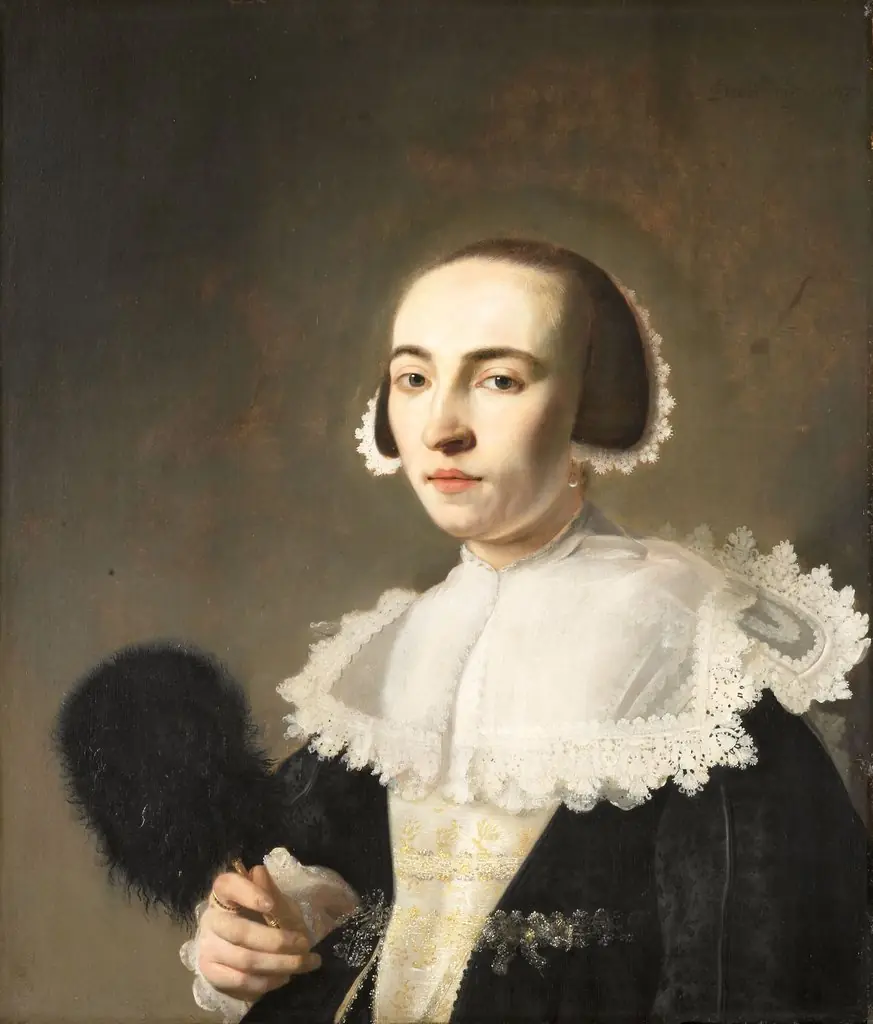 Portrait of a woman
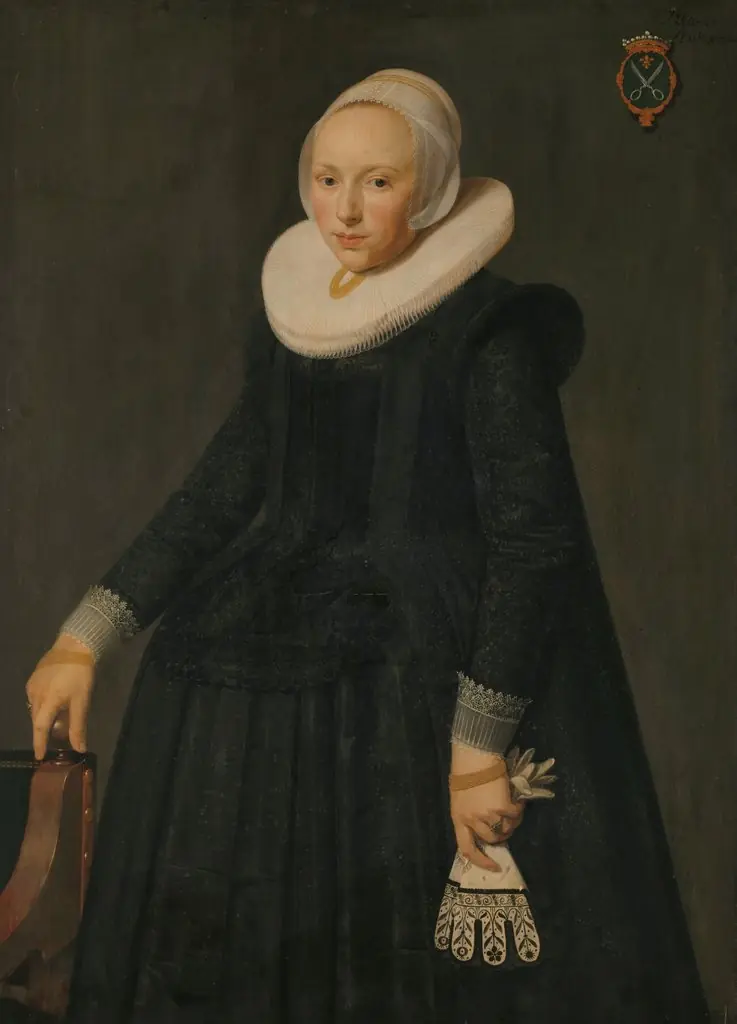 Portrait of Trijntje Tijsdr van Nooij (1606/07-1646)
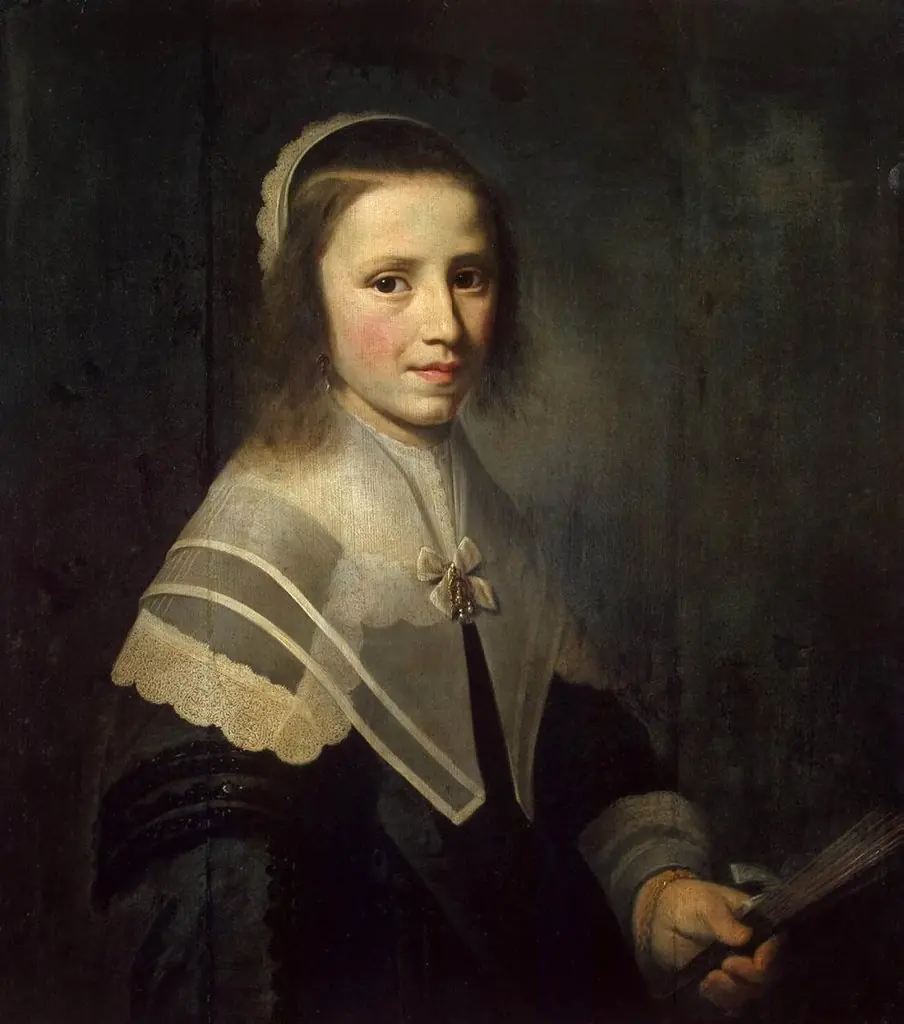 Girl Holding a Fan
 Portrait of a woman, standing full length in an interior
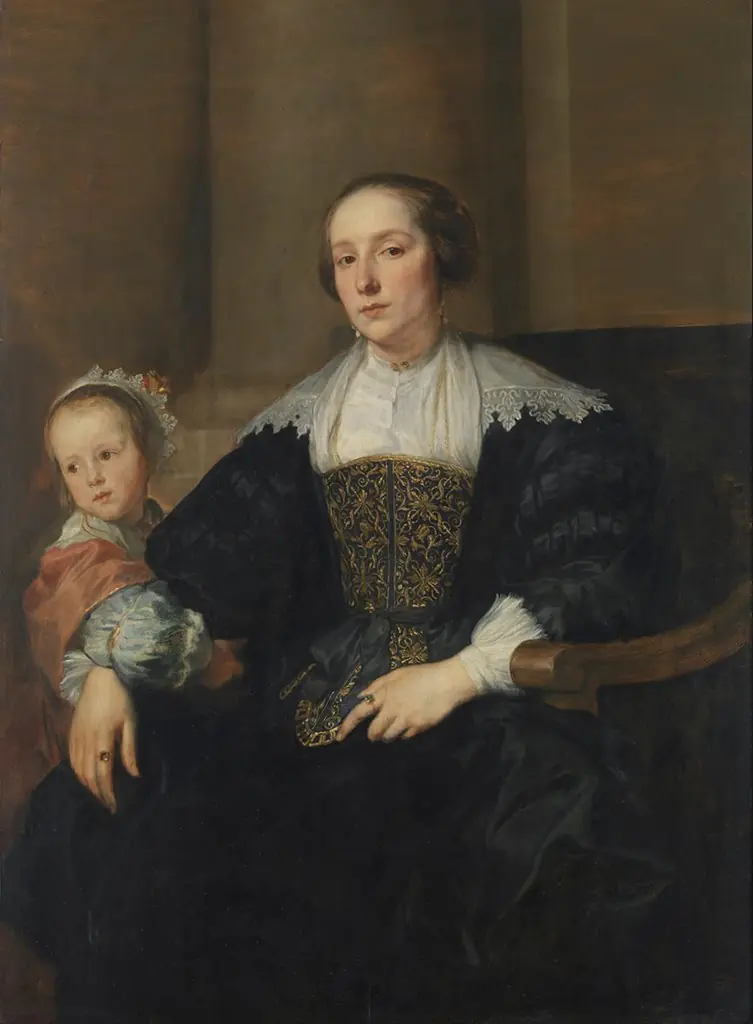 Portrait of Anna van Thielen, wife of the painter Theodoor Rombouts with their daughter