Artwork
Portrait of a Woman
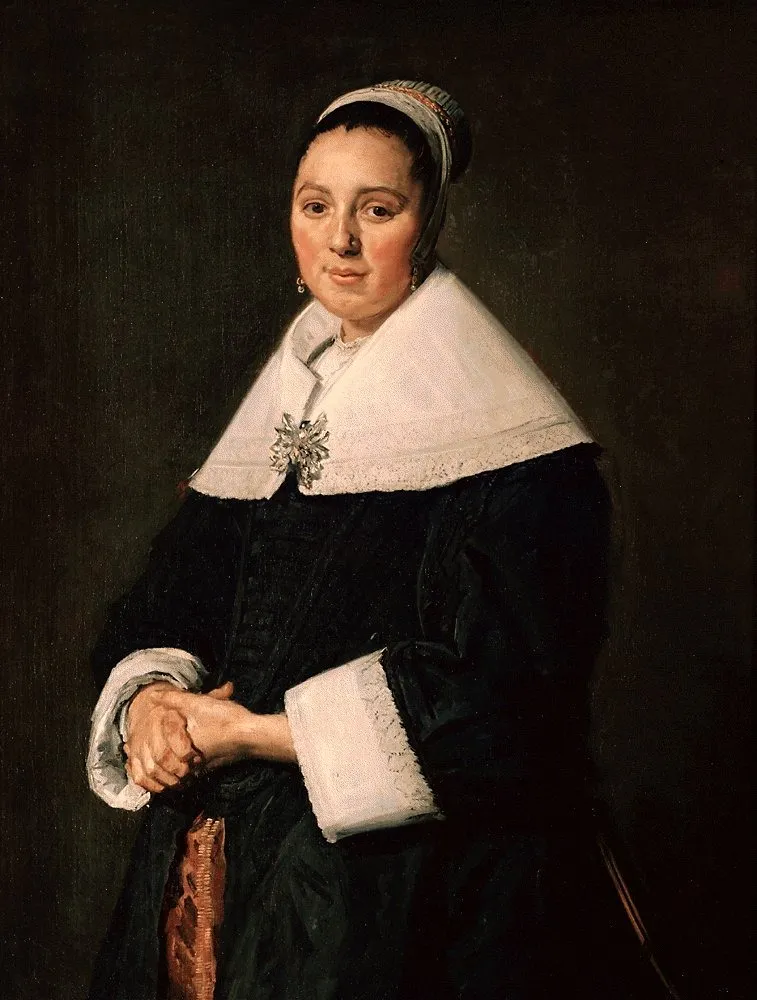
Portrait of a Woman is an oil painting by the Dutch Golden Age artist Frans Hals. It dates from 1649 and is held in the collection of the Munich Central Collecting Point.
About this work
History & Provenance
During the aftermath of World War II, the artwork was processed at the Munich Central Collecting Point, which served as a hub for recovering looted art.
Frans Hals executed this oil on canvas portrait in 1649 within the city of Haarlem. The work entered the collection of the Parisian art dealer Charles Sedelmeyer during the late nineteenth or early twentieth century. Following its time with Sedelmeyer, the painting was acquired for the Führermuseum in Linz, a collection assembled under the direction of Adolf Hitler.
During the aftermath of World War II, the artwork was processed at the Munich Central Collecting Point, which served as a hub for recovering looted art. The painting is currently held in the collection of the Kunsthistorisches Museum.
Portrait of a Woman is an oil on canvas painting by Frans Hals created in 1649. It measures 100.3 cm by 80 cm and was owned by Charles Sedelmeyer before entering the collection of the Kunsthistorisches Museum in Munich, where it was displayed in the Führermuseum and the Munich Central Collecting Point. The work was later exhibited in Munich and has been part of the museum's holdings since its acquisition.
Overview
Frans Hals the Elder, a Dutch painter active in Haarlem during the mid‑17th century, executed the oil painting Portrait of a Woman in 1649. The work belongs to the portrait genre and is part of the collection of the Kunsthistorisches Museum in Vienna. It exemplifies the type of private commissions that affluent citizens of Haarlem frequently ordered for domestic decoration.
Subject & Meaning
The canvas presents a seated woman dressed in dark attire, highlighted by a prominent white ruff and cuffs. She clasps her hands together, and a decorative brooch rests on her chest. A cap with a striped band frames her head, while the background remains a simple, muted darkness, directing attention to the sitter’s features and attire.
Technique & Style
Hals employs a pronounced chiaroscuro, allowing light to strike the face and collar, creating a stark contrast with the surrounding shadows. The brushwork is notably impasto in areas of the clothing, giving texture and volume to the fabric. This handling of light and paint contributes to a sense of immediacy characteristic of Hals’s portraiture.
Artist & collection
Artist
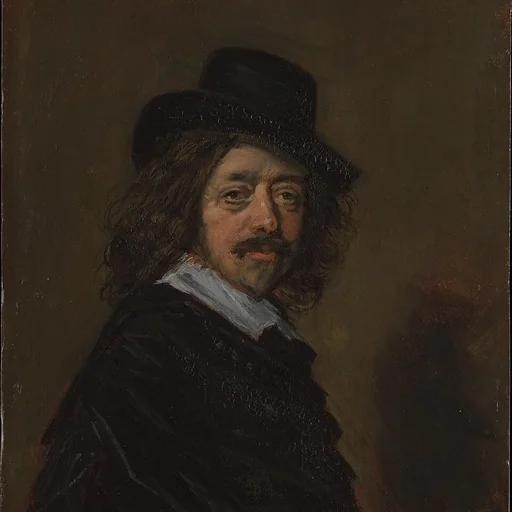
Frans Hals the Elder (UK: US:; Dutch:; c. 1582 – 26 August 1666) was a Dutch Golden Age painter. He lived and worked in Haarlem, a city in which the local authority of the day frowned on religious painting in places of…
- Portrait of a Woman
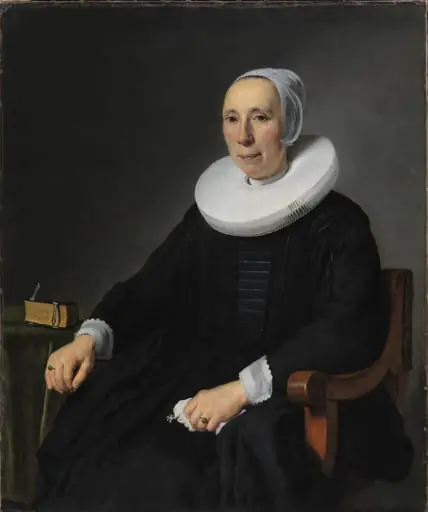 Portrait of a Lady
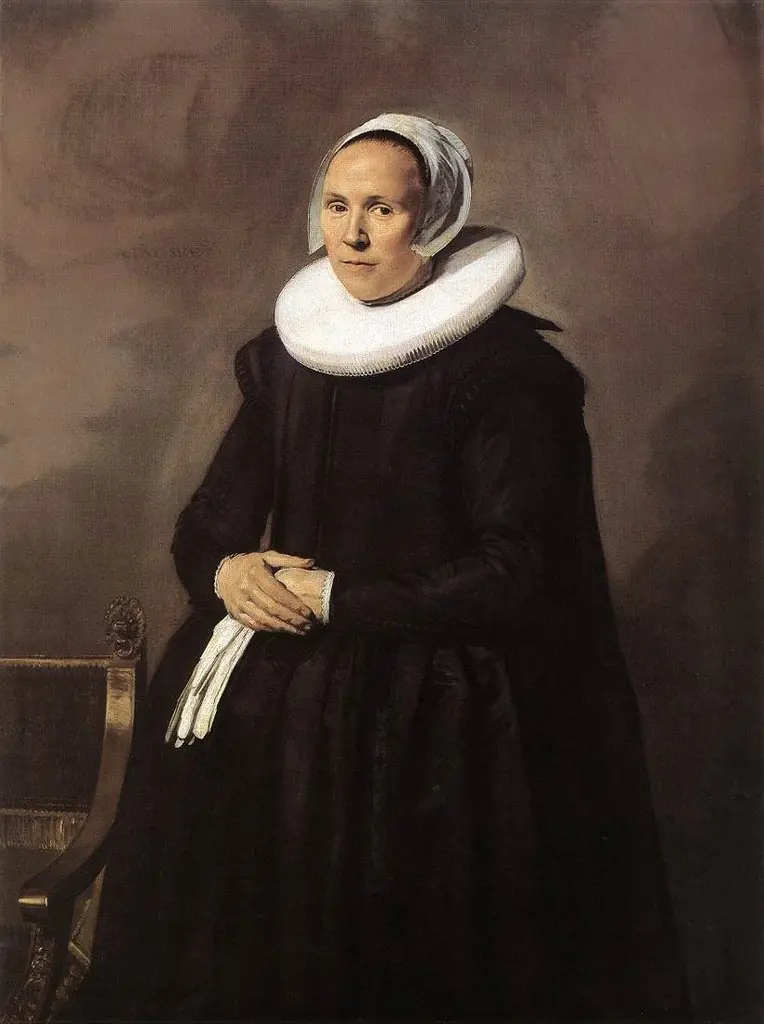 Portrait of Feyntje van Steenkiste
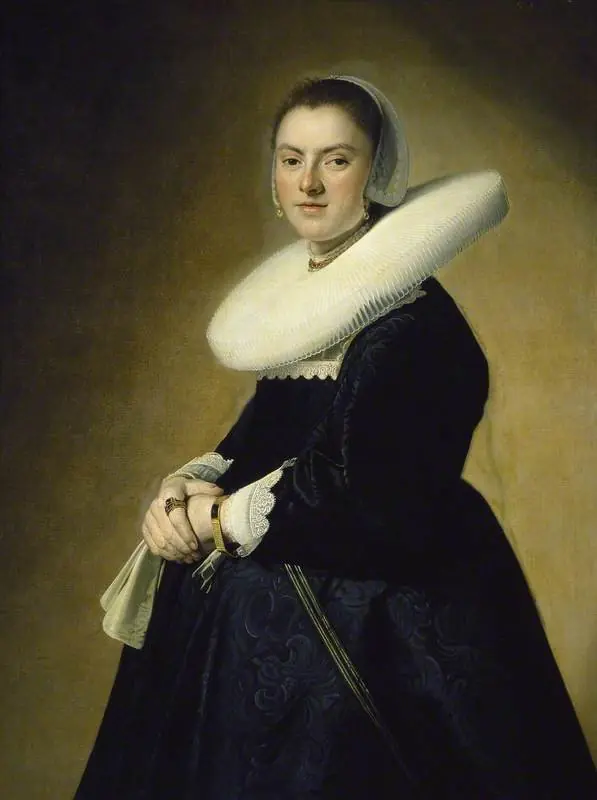 Portrait of a Lady
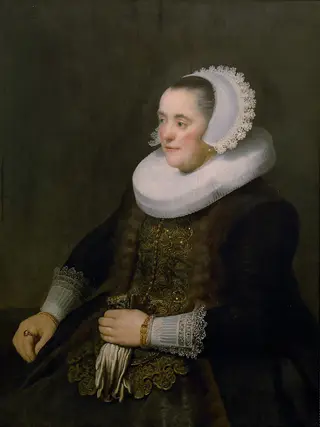 Portrait of a Woman holding Gloves
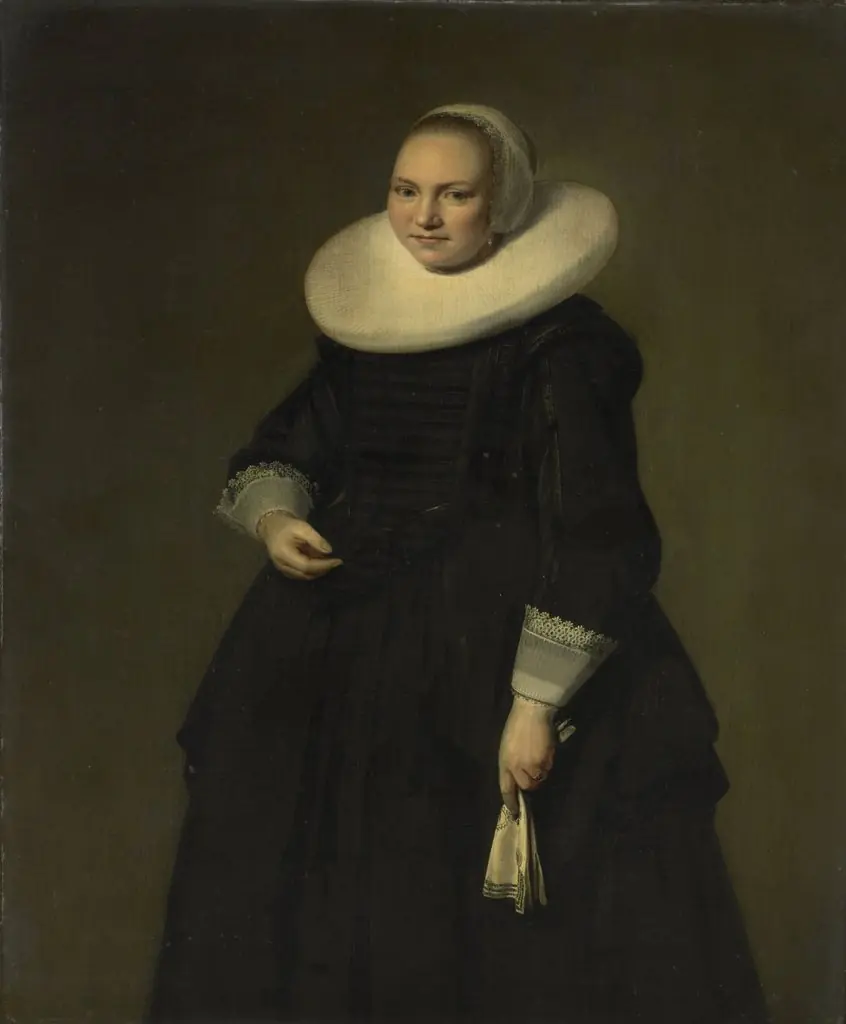 Portrait of a woman
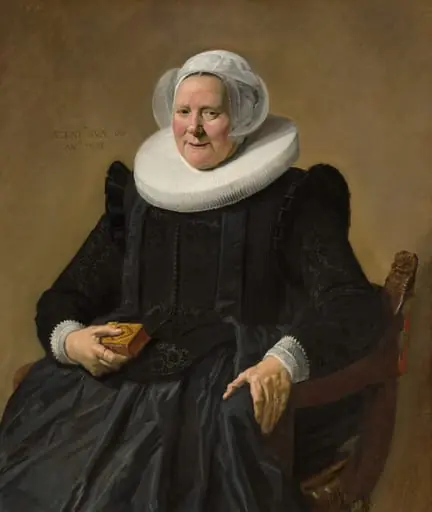 Portrait of a Woman Aged Sixty
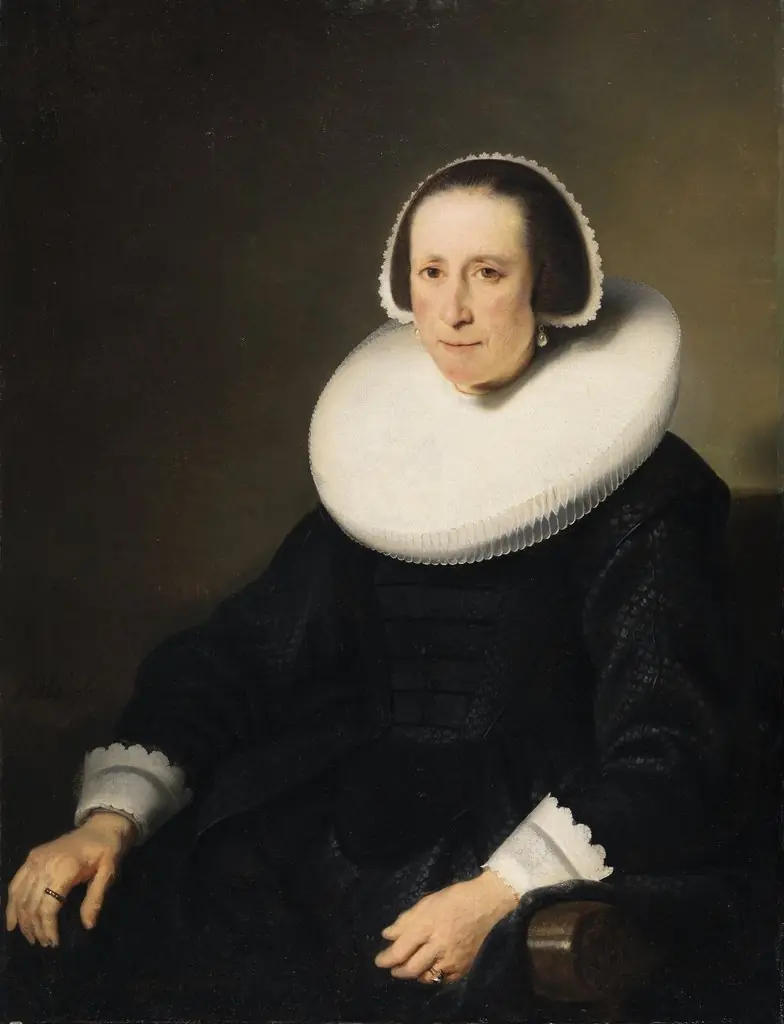 Portrait of a Lady
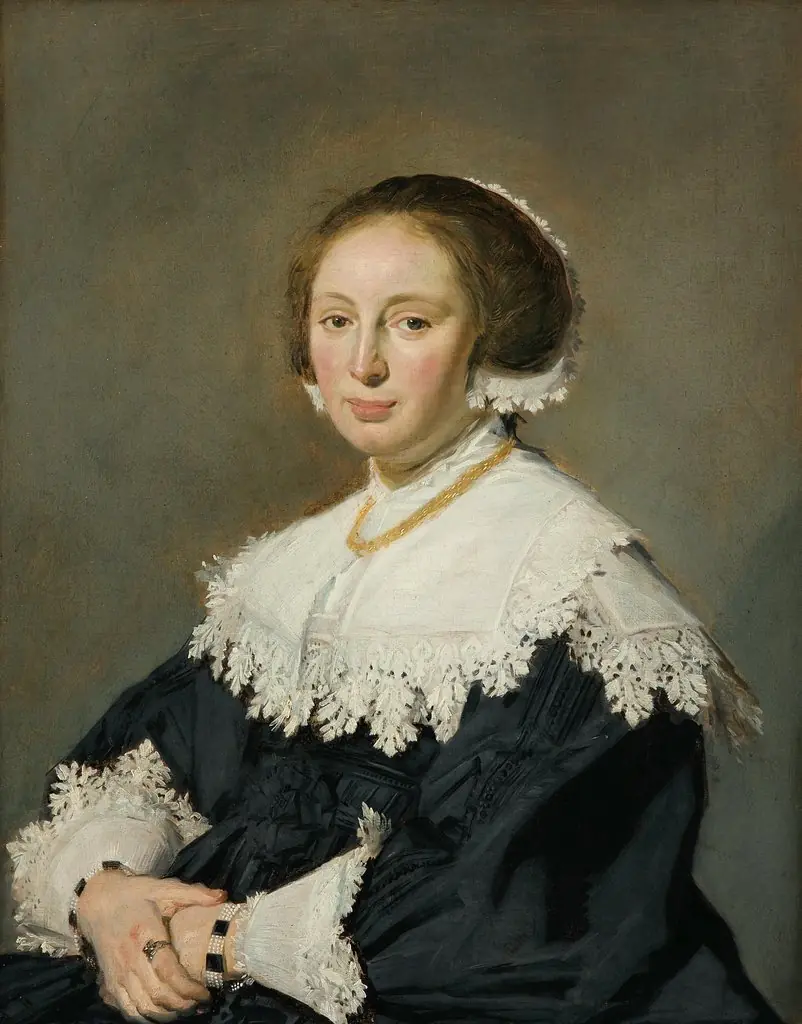 Portrait of a Woman
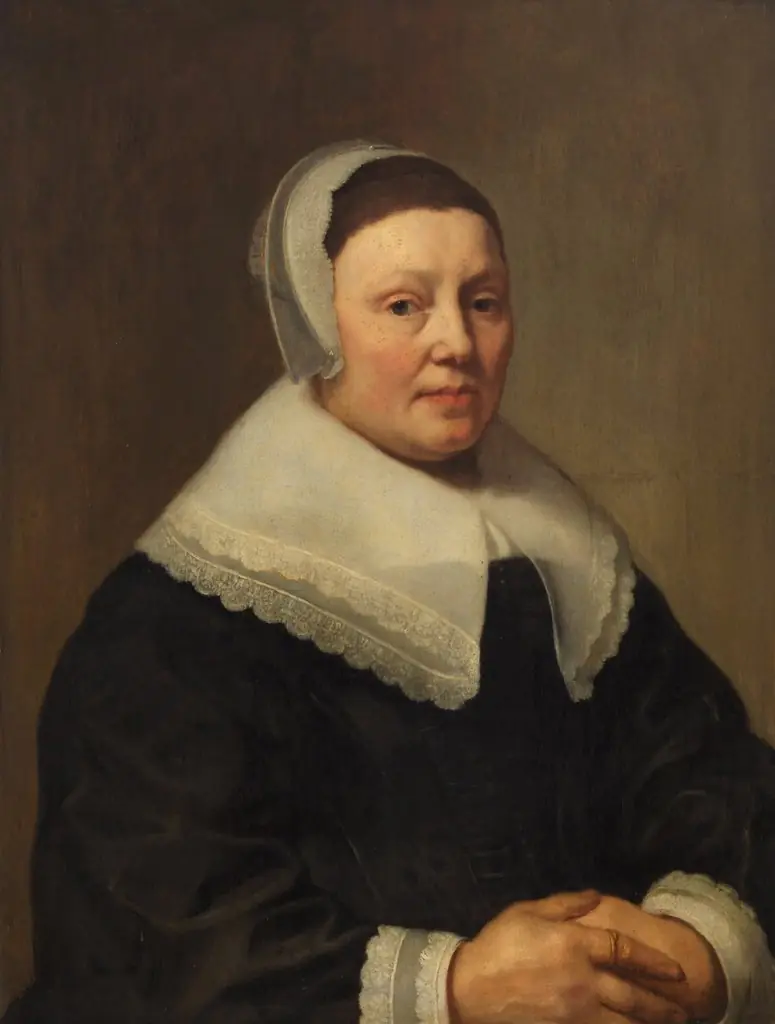 Portrait of a Lady
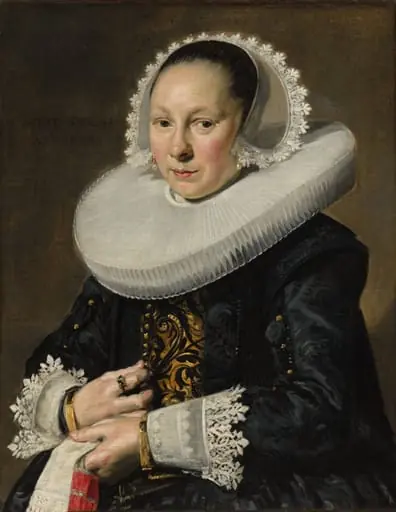 Portrait of a Woman, probably Aeltje Dircksdr. Pater
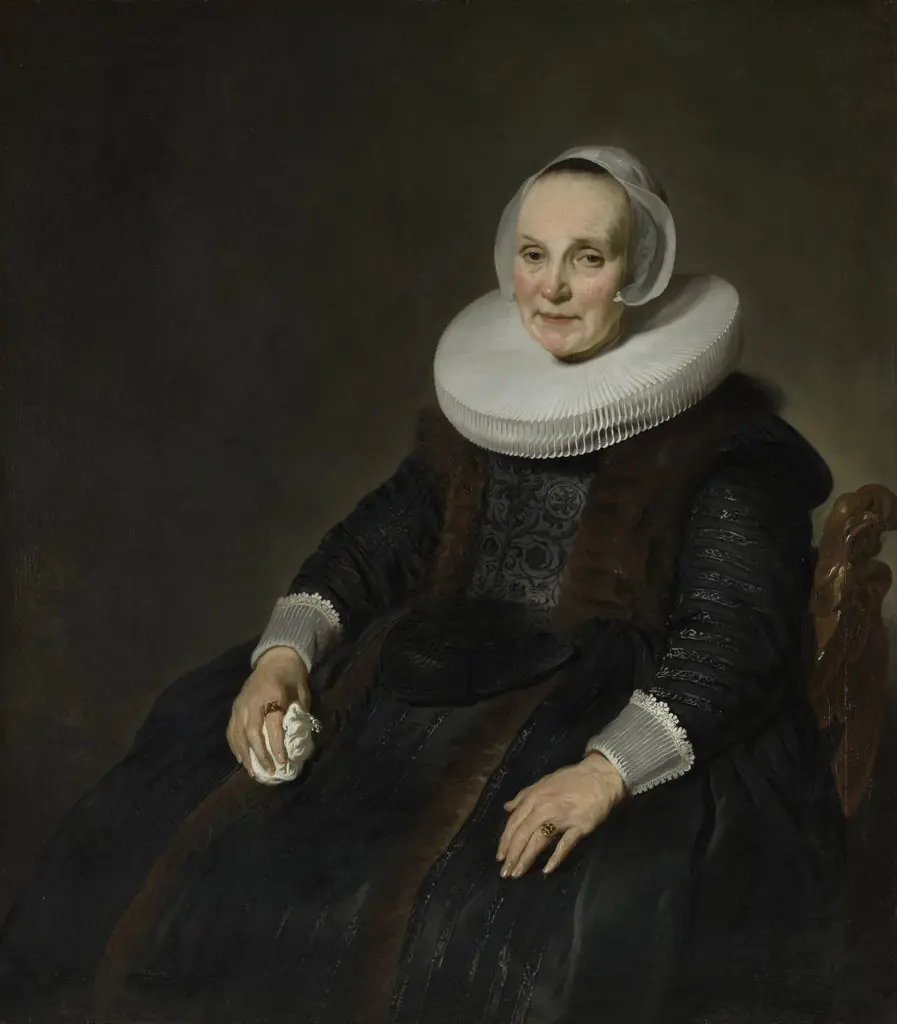 Portret van een vrouw