Artwork
Portrait of Trijntje Tijsdr van Nooij (1606/07-1646)
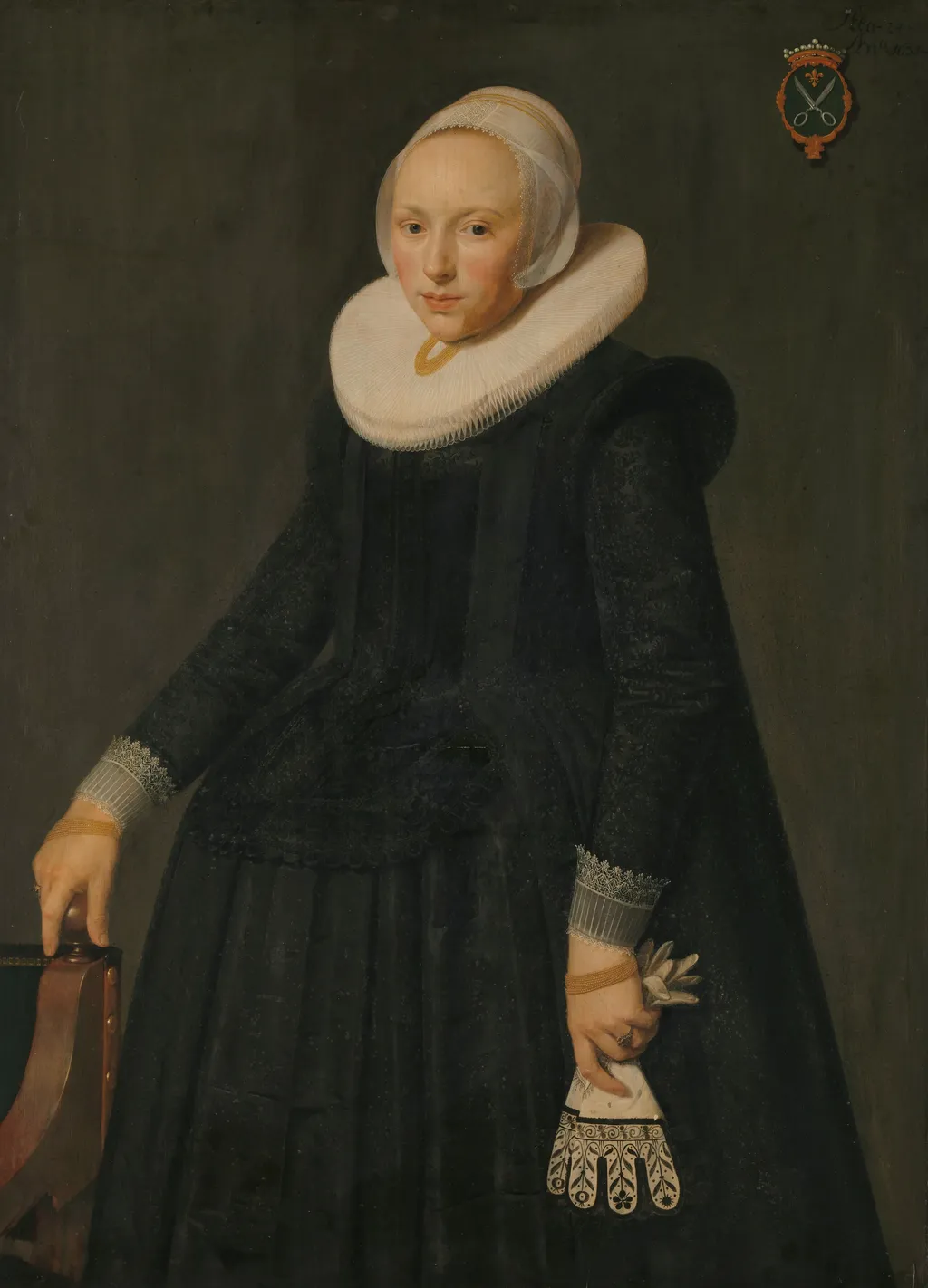
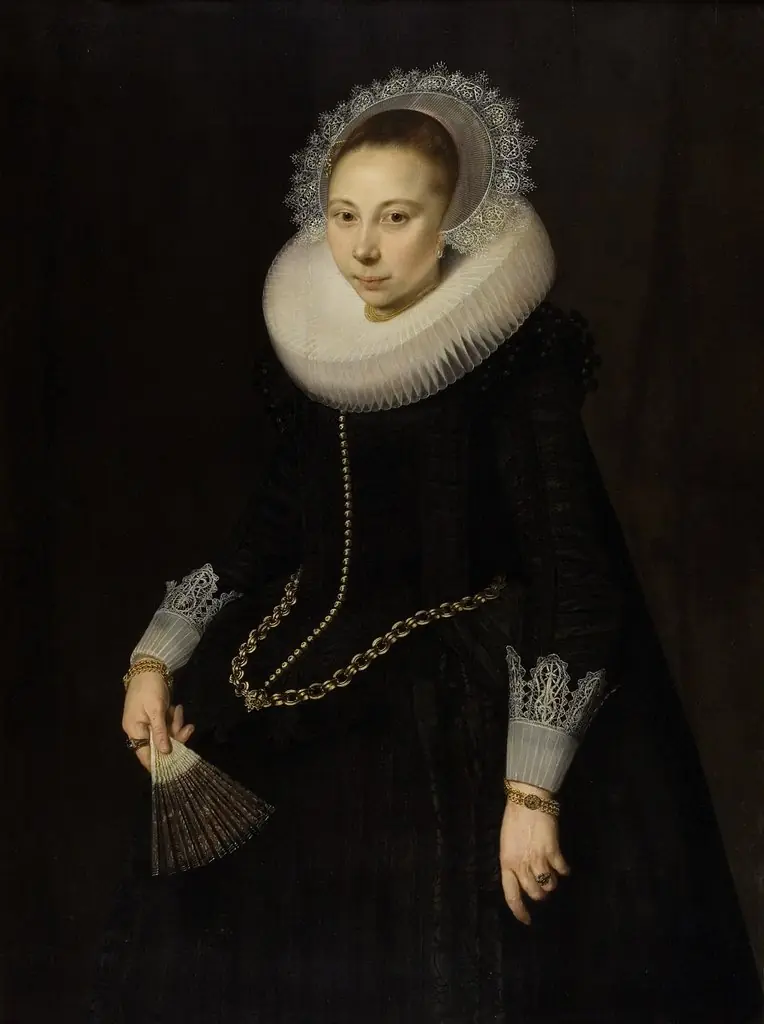
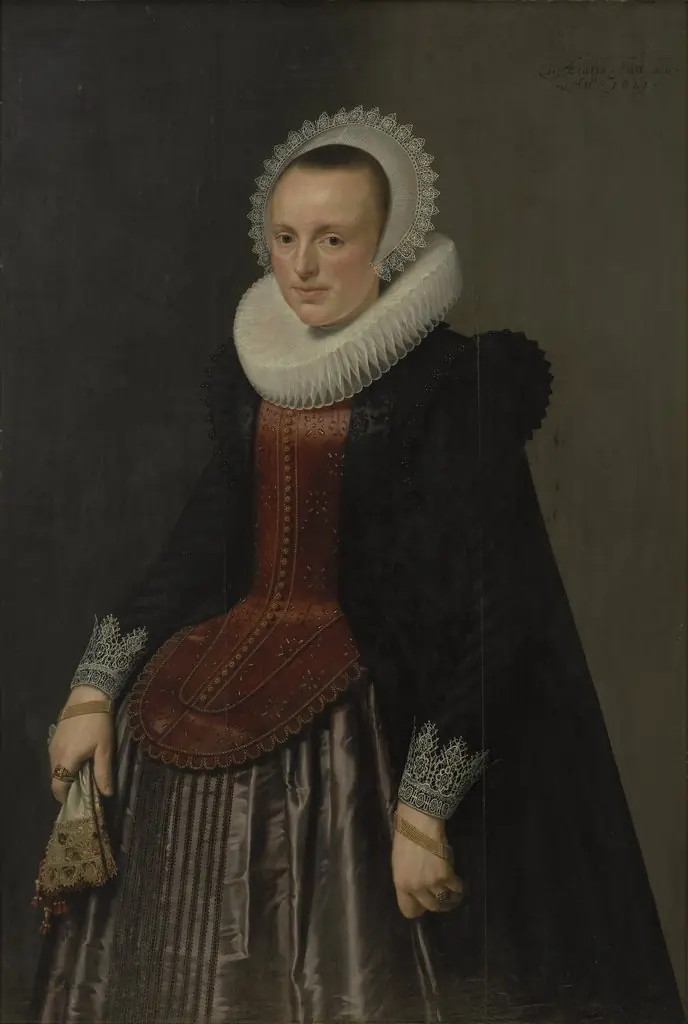
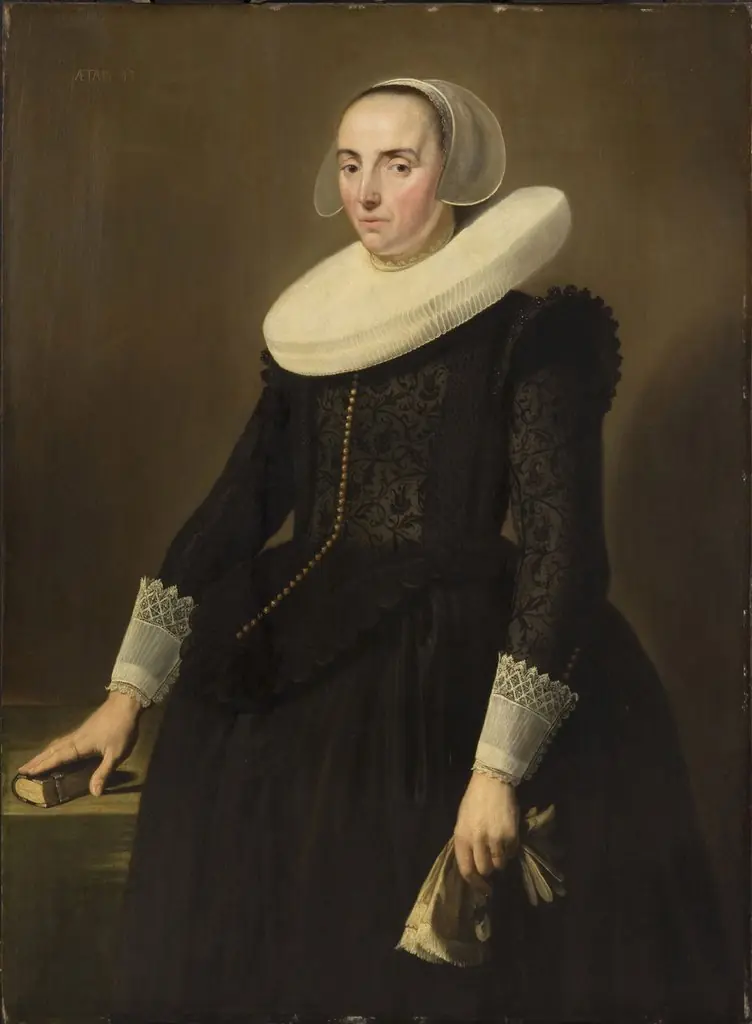
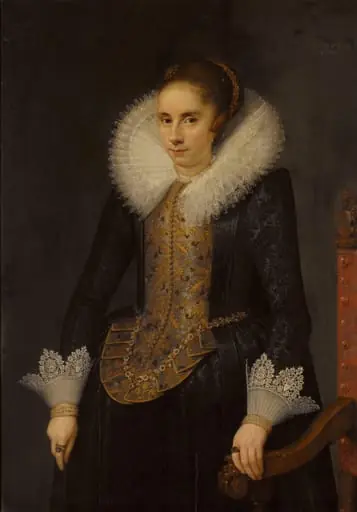
Portrait of Trijntje Tijsdr van Nooij (1606/07-1646) is an oil painting by the Dutch Golden Age artist Unknown. It dates from 1631 and is held in the collection of the Rijksmuseum. This oil painting depicts a woman standing beside a dark wooden chair.
About this work
Technique & Style
The work is an oil painting on panel, executed in 1631. It measures 123 cm by 90 cm and depicts Trijntje Tijsdr van Nooij. The composition follows typical 17th-century Dutch portrait conventions, with restrained brushwork and a focus on accurate facial rendering.
History & Provenance
The work has been part of the Rijksmuseum's collection since its acquisition and has been displayed in exhibitions focused on Dutch Golden Age portraiture.
The portrait of Trijntje Tijsdr van Nooij was created in 1631, executed in oil paint on panel. The work was at one time owned by Dirk Margarethus Alewijn, and it is now part of the Rijksmuseum collection, where it is held and on display. No further details regarding its commission or earlier ownership chain are documented in the available sources.
The painting is held by the Rijksmuseum under inventory number SK-A-1465. It was previously owned by Dirk Margarethus Alewijn. The work has been part of the Rijksmuseum's collection since its acquisition and has been displayed in exhibitions focused on Dutch Golden Age portraiture.
Context
The portrait depicts Trijntje Tijsdr van Nooij, a prominent Amsterdam merchant's daughter, reflecting the growing visibility of elite women in 17th-century Dutch society. Its creation by an anonymous hand within the Dutch Golden Age context underscores the prevalence of portraiture among the merchant class, where status was often displayed through commissioned artworks. The work's attribution to the circle of Rembrandt, though not definitive, highlights the collaborative and sometimes ambiguous nature of authorship in this period, where workshops frequently produced works in a shared style.
The painting's presence in the Rijksmuseum collection, originally owned by Dirk Margarethus Alewijn, signifies its historical journey from private possession to public cultural heritage, illustrating evolving attitudes toward preservation and national artistic legacy.
Legacy
The portrait of Trijntje Tijsdr van Nooij, painted in 1631 by an anonymous hand, entered the collection of Dirk Margarethus Alewijn and was later acquired by the Rijksmuseum, where it remains on display. Its attribution to a recognized hand remains uncertain, reflecting ongoing scholarly attention to anonymous Dutch portraiture of the 1630s. The work’s survival and continued presence in a major national collection underscore its historical significance despite the anonymity of its creator.
The painting’s inclusion in the Rijksmuseum’s holdings has allowed sustained public and academic engagement, contributing to broader reassessments of 17th-century portrait conventions in Dutch art history.
Overview
This oil painting depicts a woman standing beside a dark wooden chair. The subject is dressed in attire characteristic of the 17th century, with a focus on her facial features and clothing.
Subject & Meaning
The sitter, Trijntje Tijsdr van Nooij, is portrayed with understated elegance, her simple yet refined jewelry and attire suggesting a balance between wealth and modesty. Her expression is subdued, drawing attention to her overall demeanor.
Artist & collection