Artwork
Equestrian
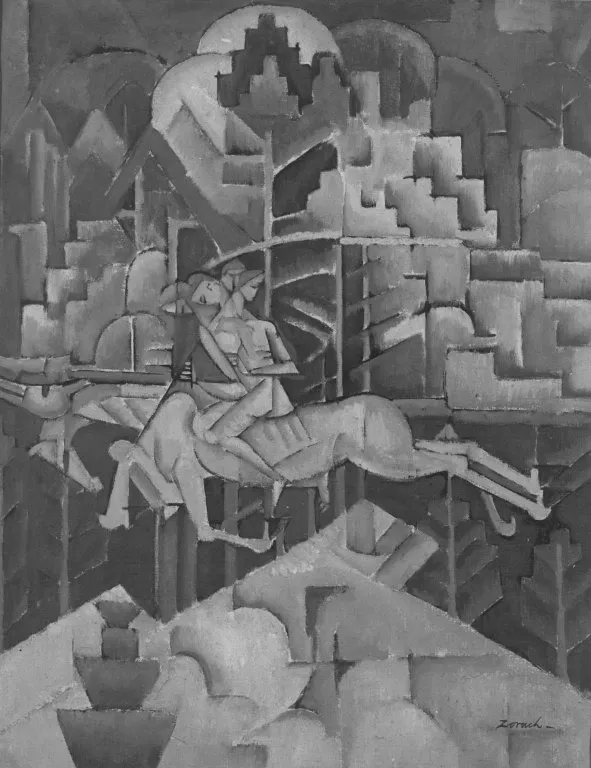
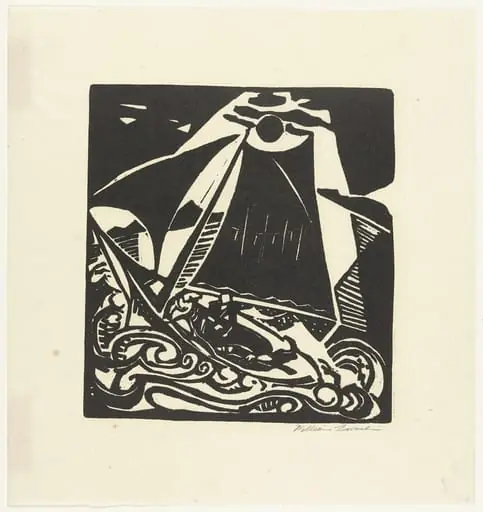
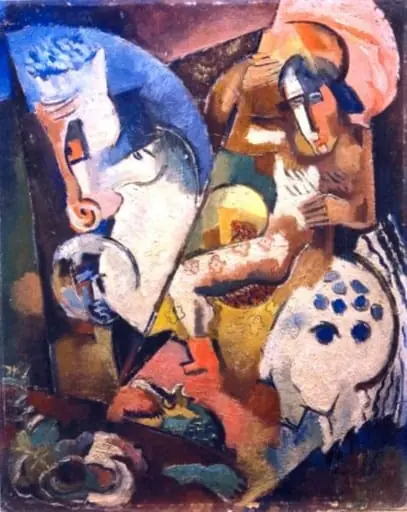
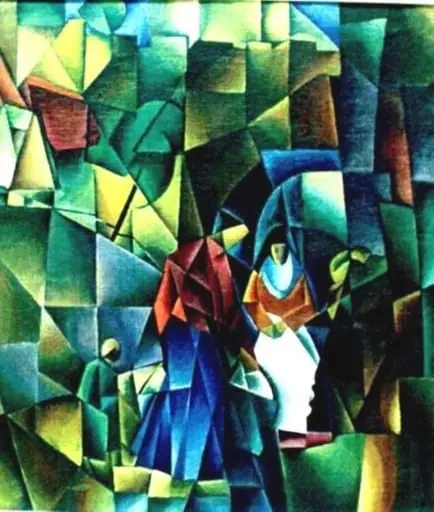
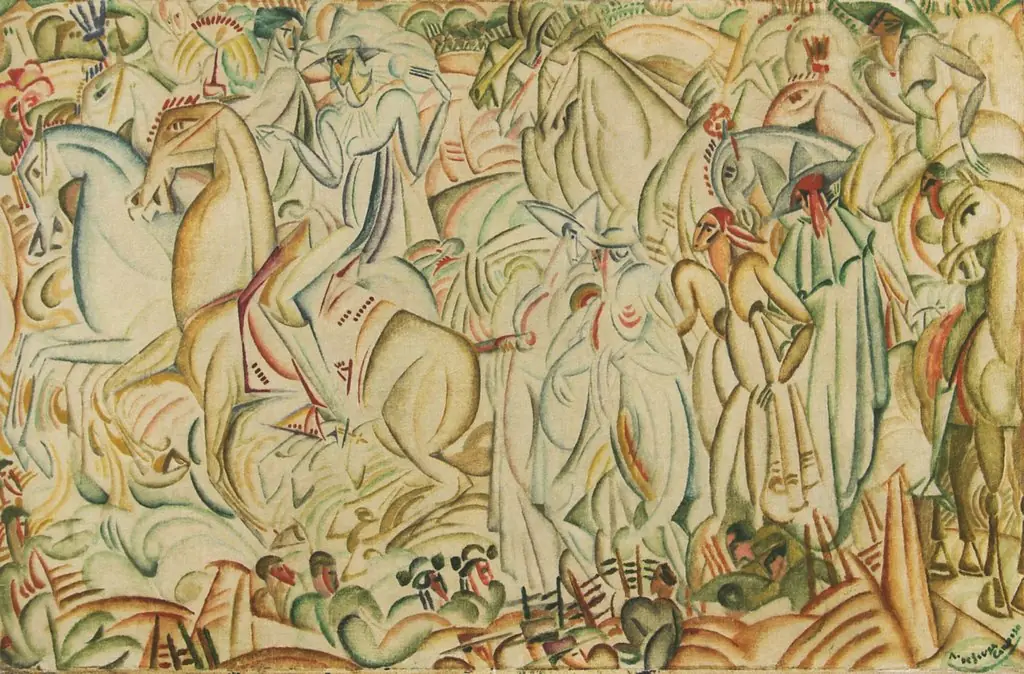
Equestrian is an oil painting by the Cubism Synthetic artist William Zorach. It dates from 1911 and is held in the collection of the Brooklyn Museum.
About this work
Overview
Equestrian, painted in 1911 by William Zorach, is an oil on canvas work currently in the collection of the Brooklyn Museum.
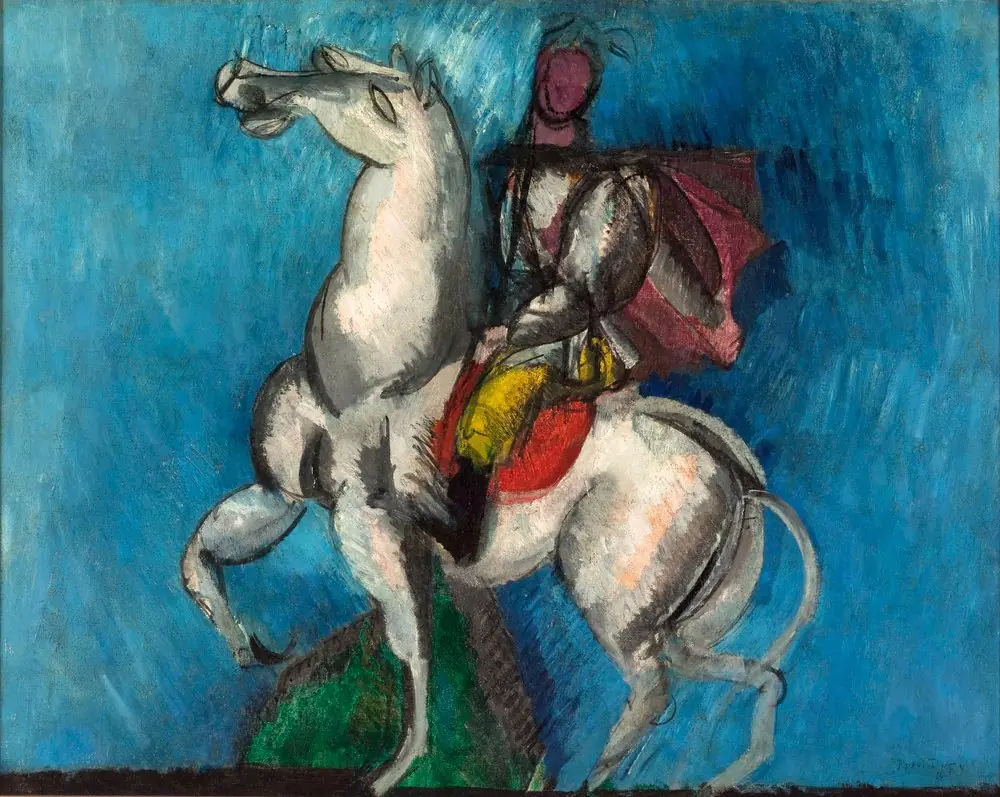
Equestrian, painted in 1911 by William Zorach, is an oil on canvas work currently in the collection of the Brooklyn Museum. It presents a rider atop a horse rendered through simplified forms and sharp contours. The composition avoids naturalistic detail, instead emphasizing structure and movement through abstracted shapes. Its bold visual language reflects early 20th-century experimentation with form and representation.
Subject & Meaning
The painting depicts a solitary equestrian figure, but the identity of the rider is not specified. Rather than telling a narrative, the work focuses on the relationship between human and animal as a dynamic unit. The abstraction suggests a symbolic or rhythmic connection, evoking motion and balance rather than historical or personal context. The subject becomes a vehicle for exploring form and energy.
Technique & Style
Zorach employed thick, decisive brushwork and flattened planes to construct the figures. Colors are limited but contrasted sharply, dark tones anchor the composition while lighter areas suggest light and volume. Geometric simplification of limbs and horse anatomy reduces detail to essential lines, aligning the work with emerging modernist tendencies. The background’s uneven texture adds spatial ambiguity without disrupting the central motif.
History & Provenance
Created in 1911, the painting emerged during Zorach’s early period in New York, before his shift toward sculpture. It was acquired by the Brooklyn Museum in the decades following its creation and has remained in their collection since. No significant exhibition history or ownership changes are documented prior to its institutional acquisition.
Context
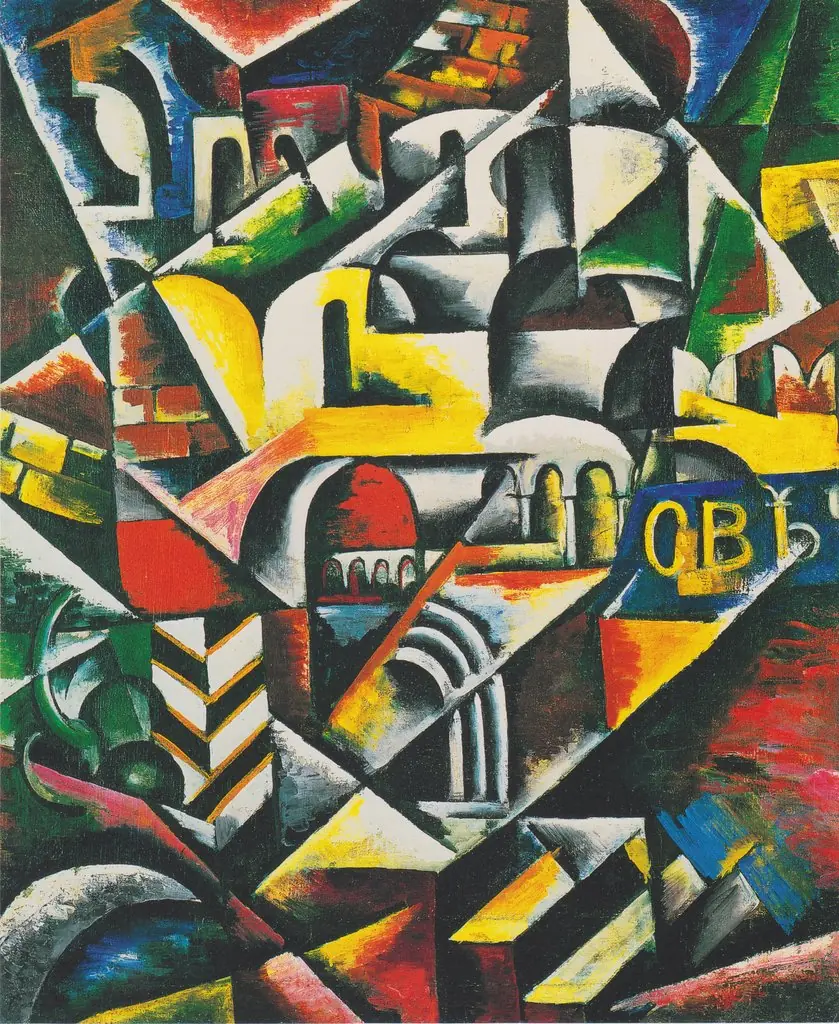
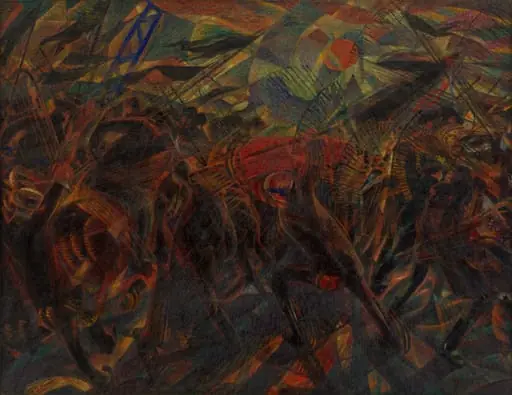
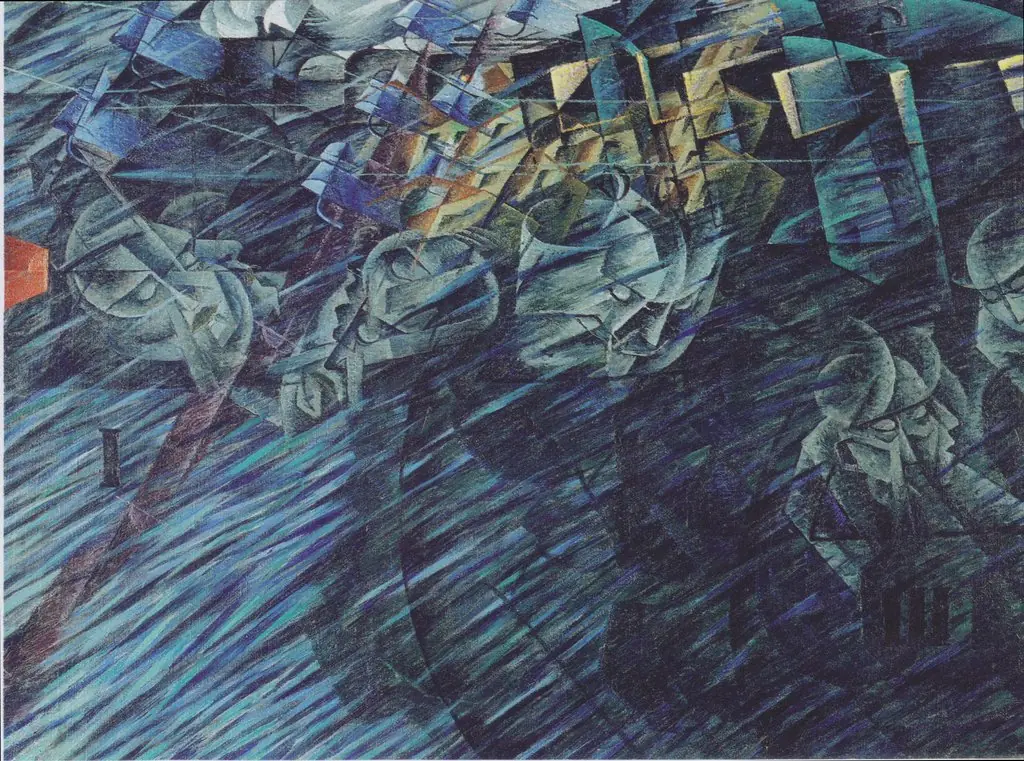
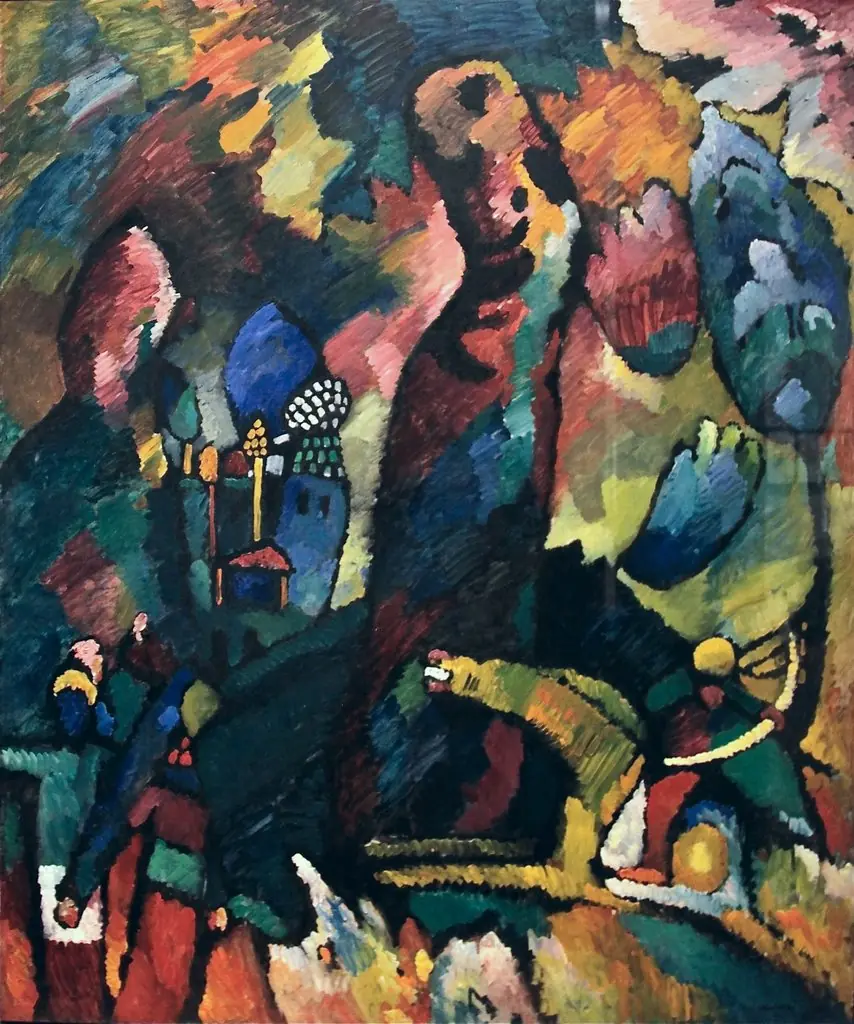
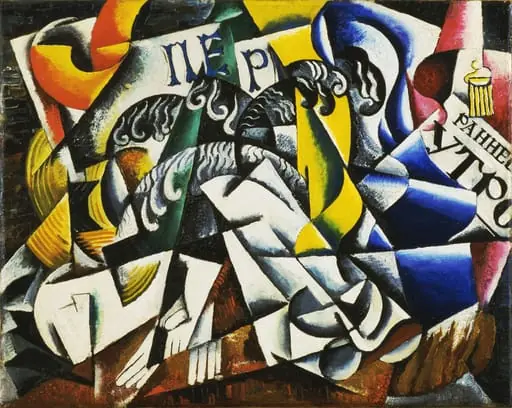
Equestrian reflects the influence of European modernism, particularly Cubist and Futurist ideas circulating in American art circles around 1910. Zorach, like many contemporaries, sought to break from academic traditions by emphasizing structure over realism. The work aligns with broader efforts to capture movement and essence through abstraction, a trend visible in early American modernist painting.
Legacy
Though Zorach later became better known for his sculptural work, Equestrian stands as an early example of his engagement with modernist abstraction in painting. It contributes to the understanding of how American artists interpreted European avant-garde principles during a formative period. The painting remains a quiet but significant marker in the transition from representational to abstract modes in early 20th-century U.S. art.
Artist & collection

Artist
William Zorach (February 28, 1889 – November 15, 1966) was an American sculptor, painter, printmaker, and writer.