Artwork
Sultan's Wife Drinking Coffee
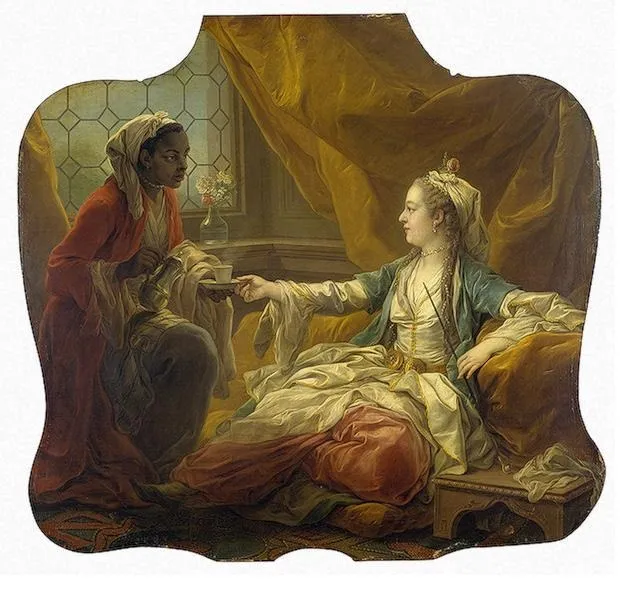
Sultan's Wife Drinking Coffee is an oil painting by Charles André van Loo. It dates from 1755 and is held in the collection of the Hermitage Museum.
About this work
Overview
The painting resides in the State Hermitage Museum in Saint Petersburg, where it is recognized for its refined composition and attention to domestic luxury.
Painted in 1755 by Charles André van Loo, this oil work portrays a moment of quiet repose within an Ottoman-inspired interior. The painting resides in the State Hermitage Museum in Saint Petersburg, where it is recognized for its refined composition and attention to domestic luxury. Van Loo, a French artist trained in the academic tradition, rendered the scene with a blend of European technique and orientalist fantasy.
Subject & Meaning
The central figure, identified as a sultan’s wife, is shown in a moment of personal leisure, sipping coffee while reclining on a cushioned couch. Her relaxed posture and the presence of a servant offering refreshments suggest a life of privilege and routine indulgence. The scene reflects 18th-century European fascination with imagined Eastern courtly life, blending observed detail with romanticized stereotypes of Ottoman aristocracy.
Technique & Style
Van Loo employed soft modeling and delicate brushwork to render textures of silk, porcelain, and skin. The lighting is subtle, with gentle contrasts that define form without harsh shadows, avoiding dramatic chiaroscuro in favor of even illumination. Rich fabrics and decorative objects are rendered with precision, emphasizing material opulence. The composition is balanced, with the servant’s vertical form counterpoised against the horizontal line of the couch.
History & Provenance
Commissioned during van Loo’s tenure as a court painter in France, the painting entered the Russian imperial collection in the late 18th century, likely through diplomatic exchange or acquisition by Catherine the Great. It has remained in the Hermitage since, cataloged as part of the museum’s European decorative arts and orientalist collection. Its journey reflects broader patterns of art collecting among European monarchies.
Context
In mid-18th-century Europe, coffee drinking became a symbol of cosmopolitan refinement, and depictions of Ottoman life were popular among aristocrats. Van Loo’s painting aligns with a trend of orientalist imagery that exoticized Eastern customs while centering European aesthetics. The scene is less a documentary record than a constructed fantasy, shaped by contemporary tastes for luxury and the unfamiliar.
Legacy
The painting contributes to a broader corpus of orientalist works that shaped Western perceptions of the Islamic world. While not widely exhibited today, it remains a documented example of how European artists interpreted foreign cultures through the lens of domestic comfort and class hierarchy. Its preservation in the Hermitage underscores its role in the historical collection of cross-cultural imagery.
Artist & collection
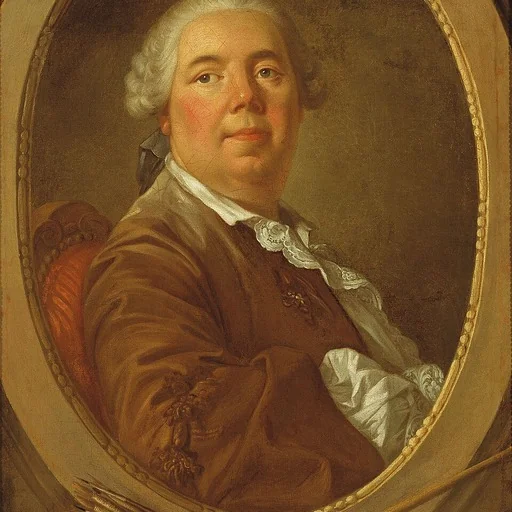
Artist
Carle or Charles-André van Loo (French pronunciation:; 15 February 1705 – 15 July 1765) was a French painter, son of the painter Louis-Abraham van Loo, a younger brother of Jean-Baptiste van Loo and grandson of Jacob van Loo.

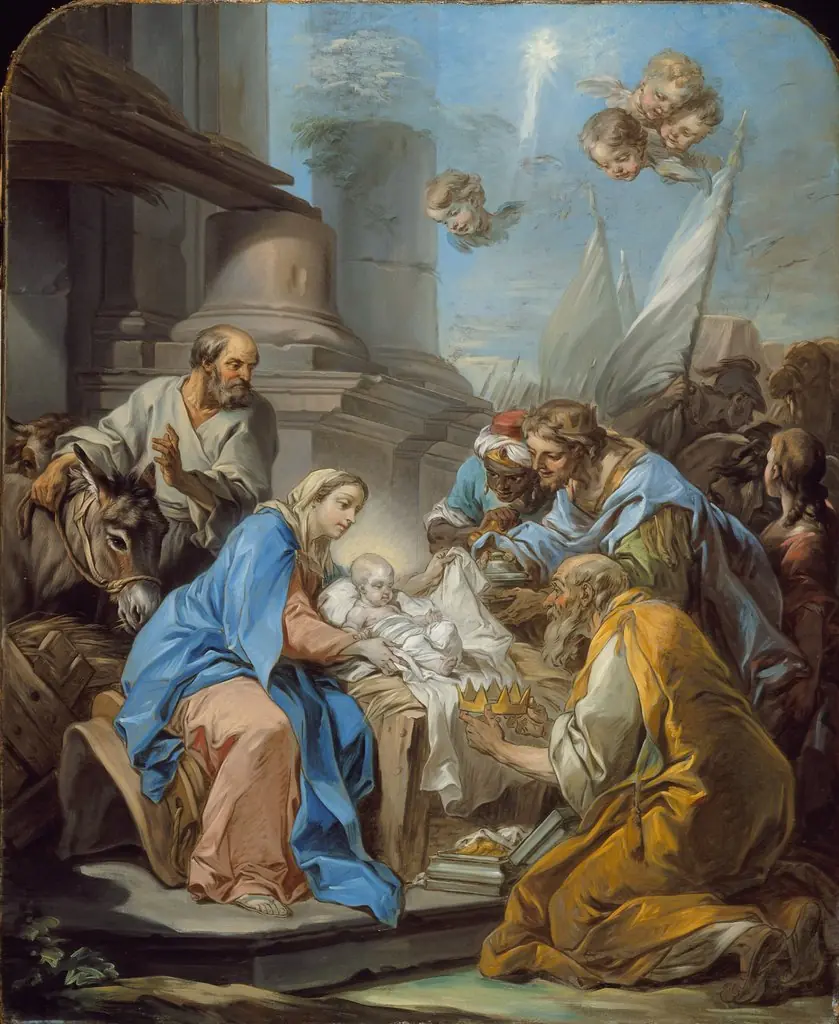
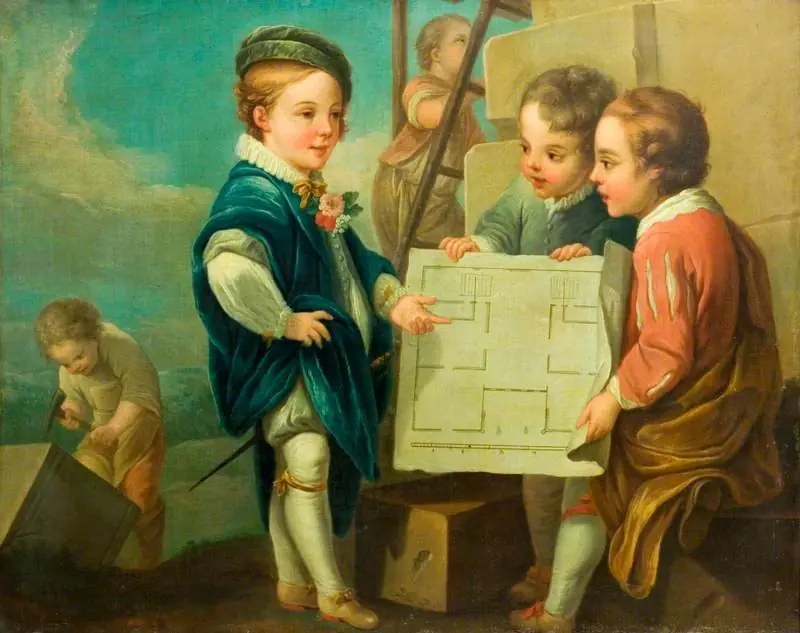
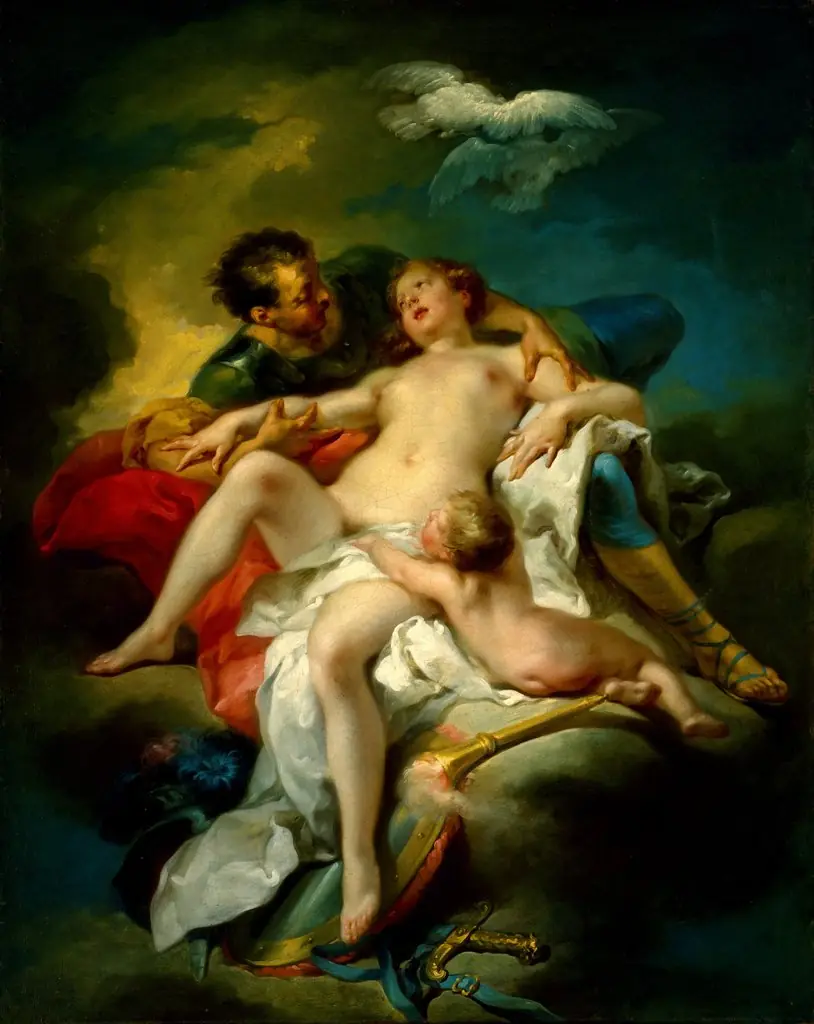
- Bathseba at her bath receives the message of David
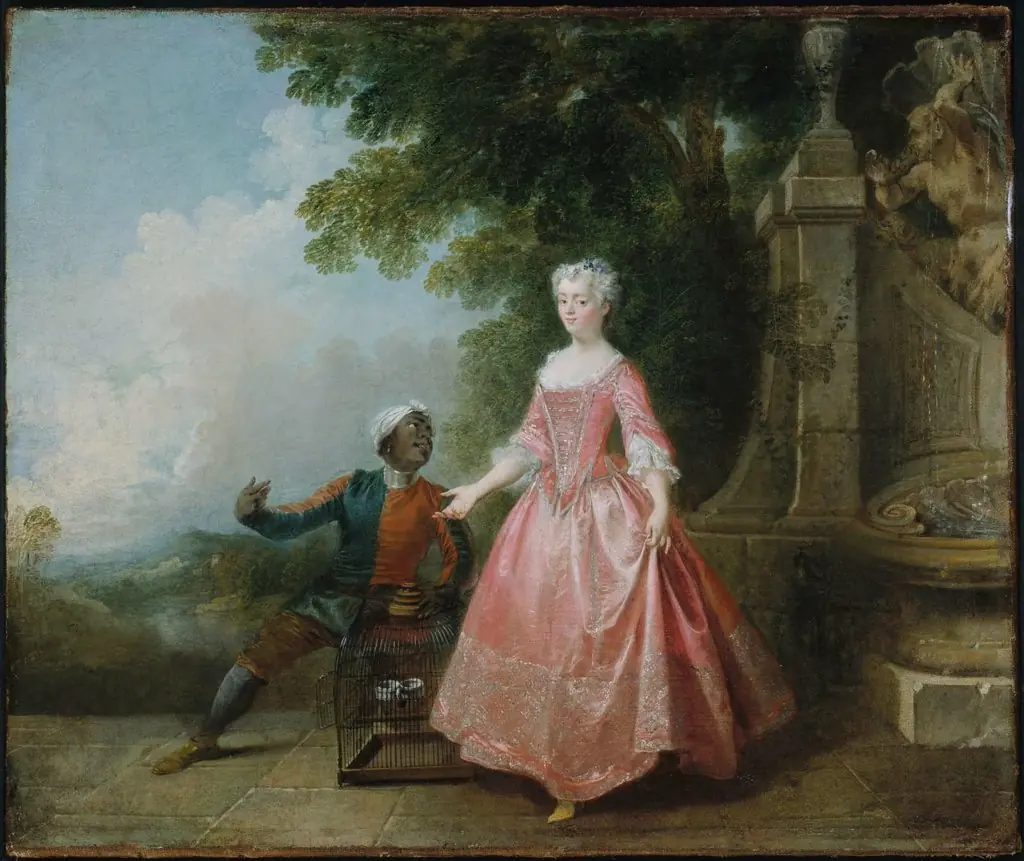 The Escaped Bird
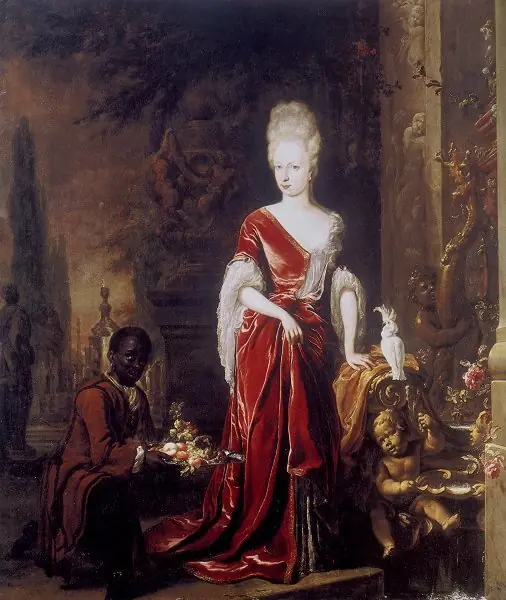 Portrait of Elisabeth Charlotte of the Palatine, duchess of Orléans (1652-1722), with a servant
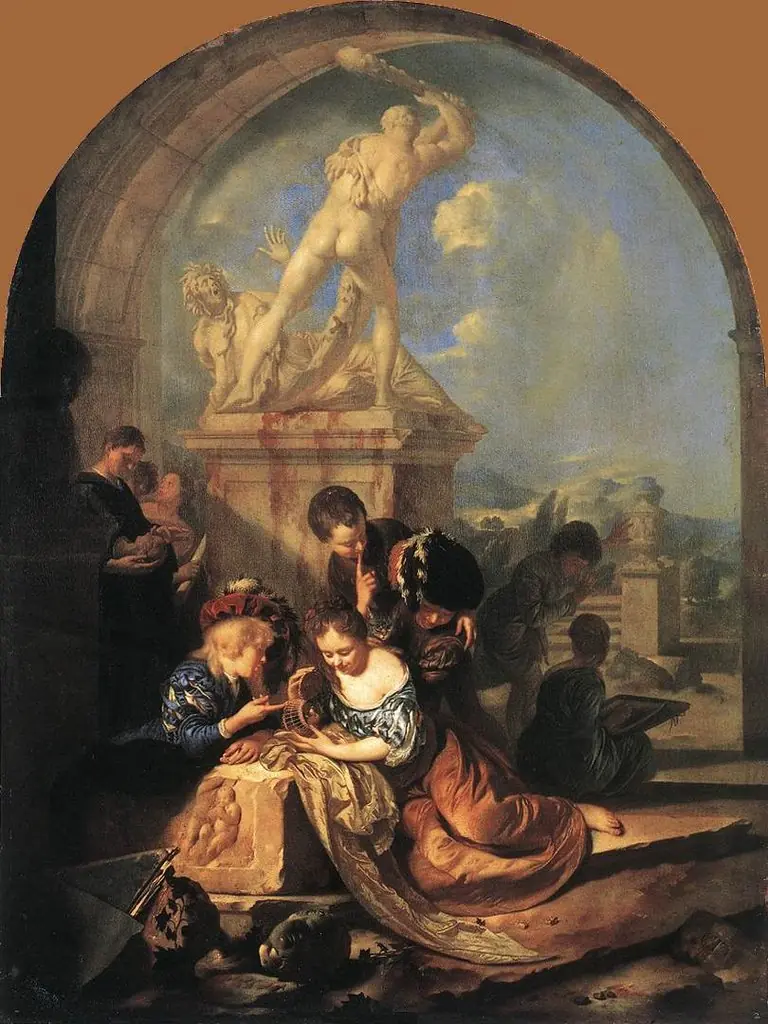 Children Playing before a Hercules Group
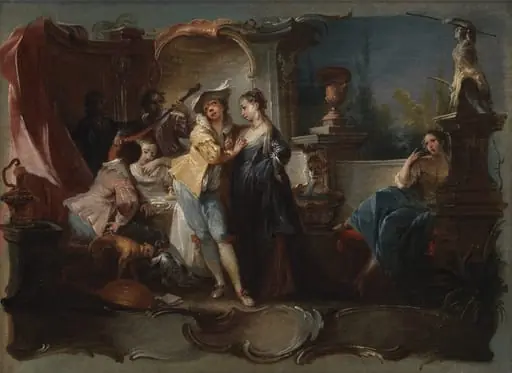 The Prodigal Son Living with Harlots
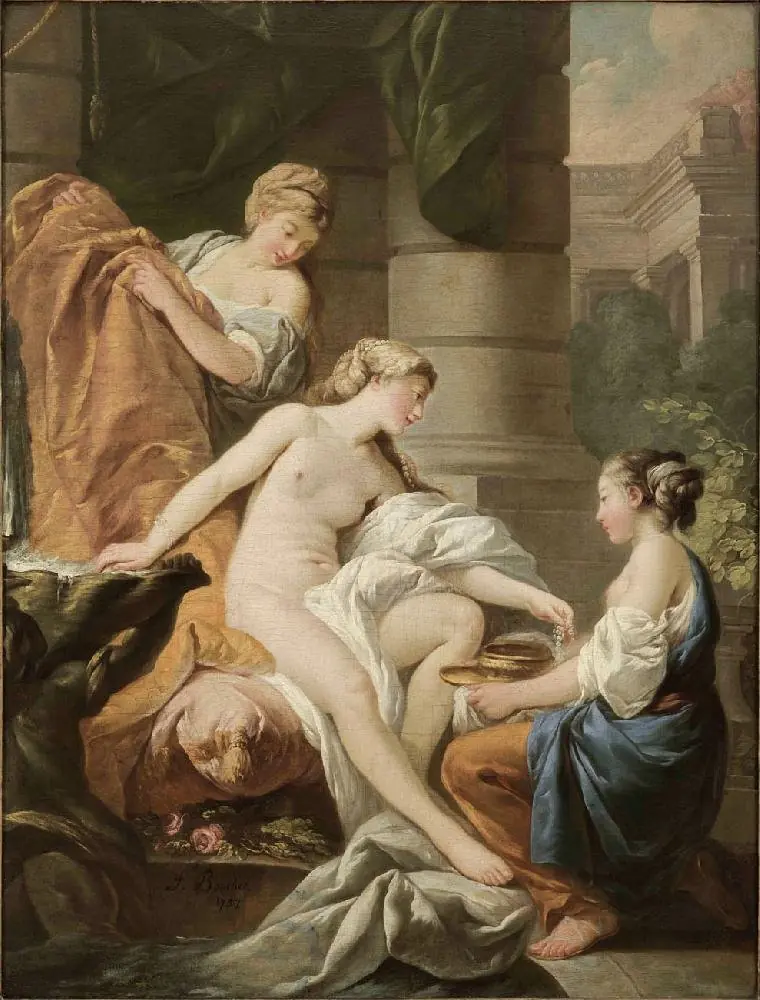 David and Bathsheba
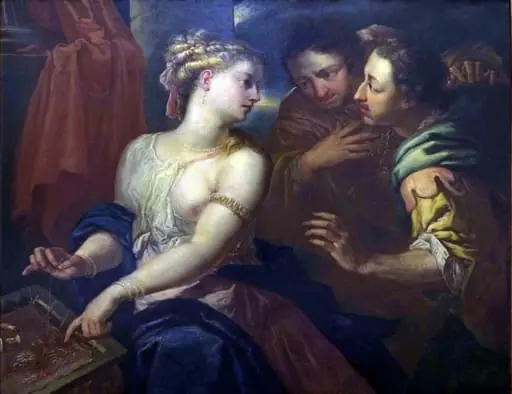 Penelopa și doi pretendenți
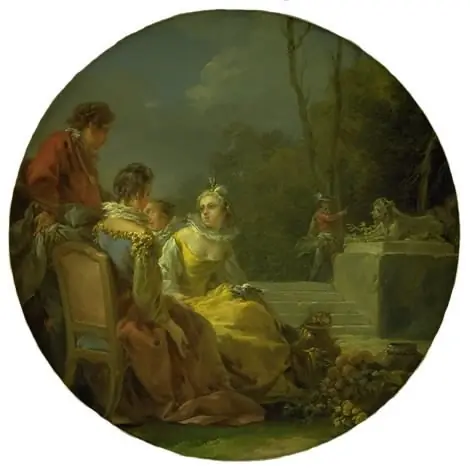 Figures in a Park
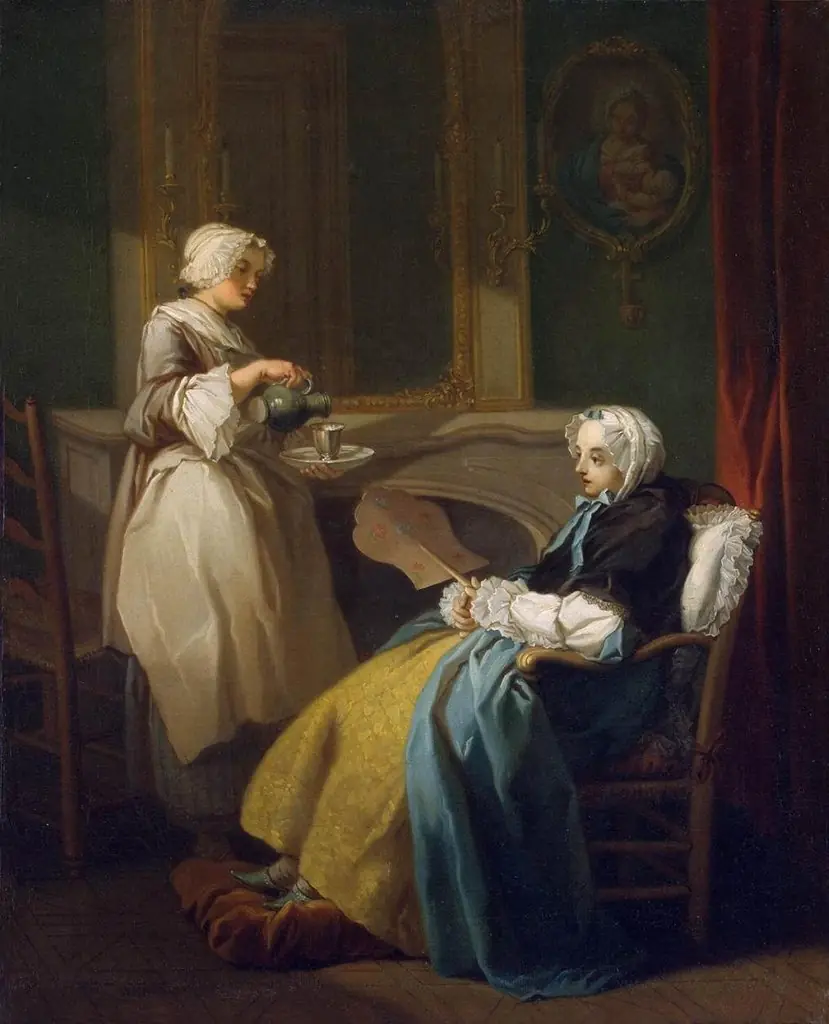 Recovering
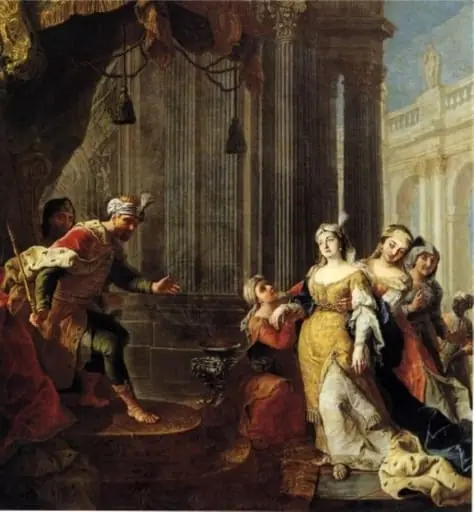 Estera și Ahasver
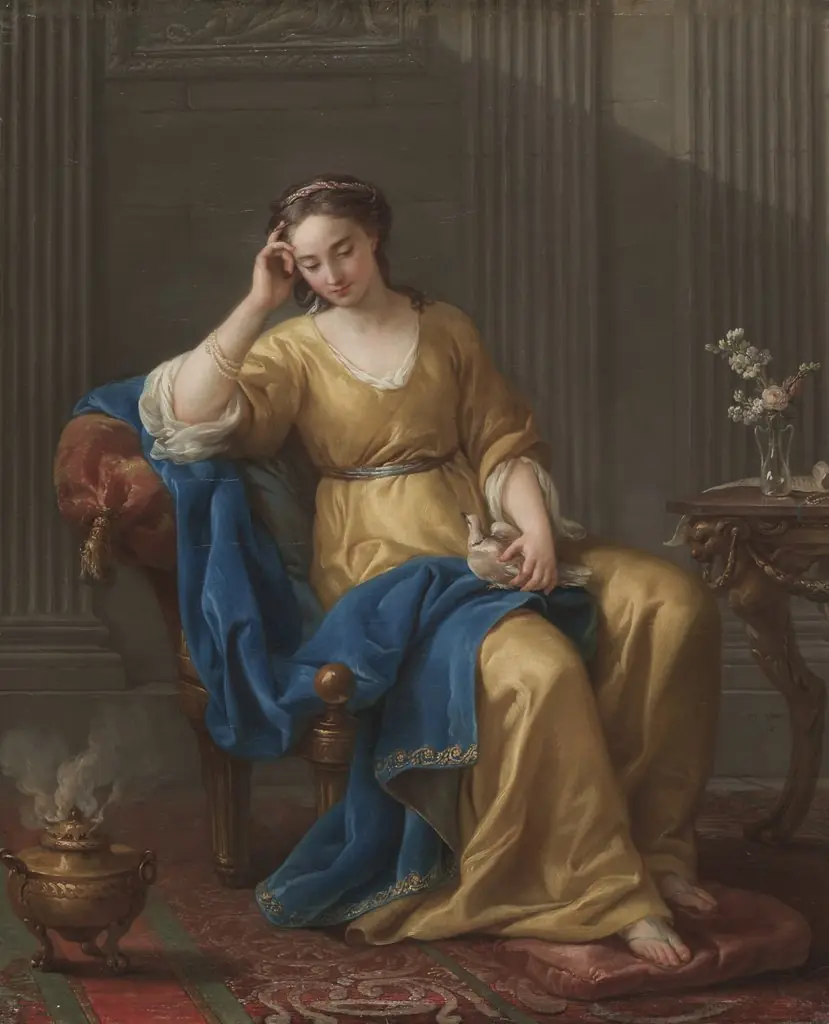 Sweet Melancholy
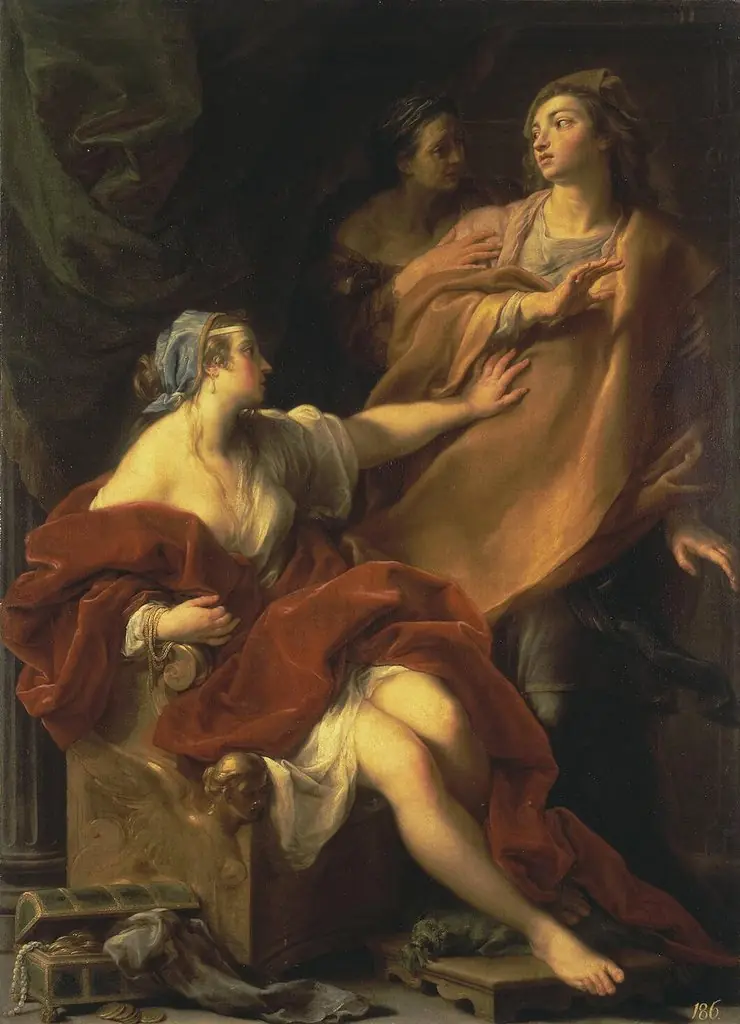 Allegory of Sensuality