Artwork
The Spinner
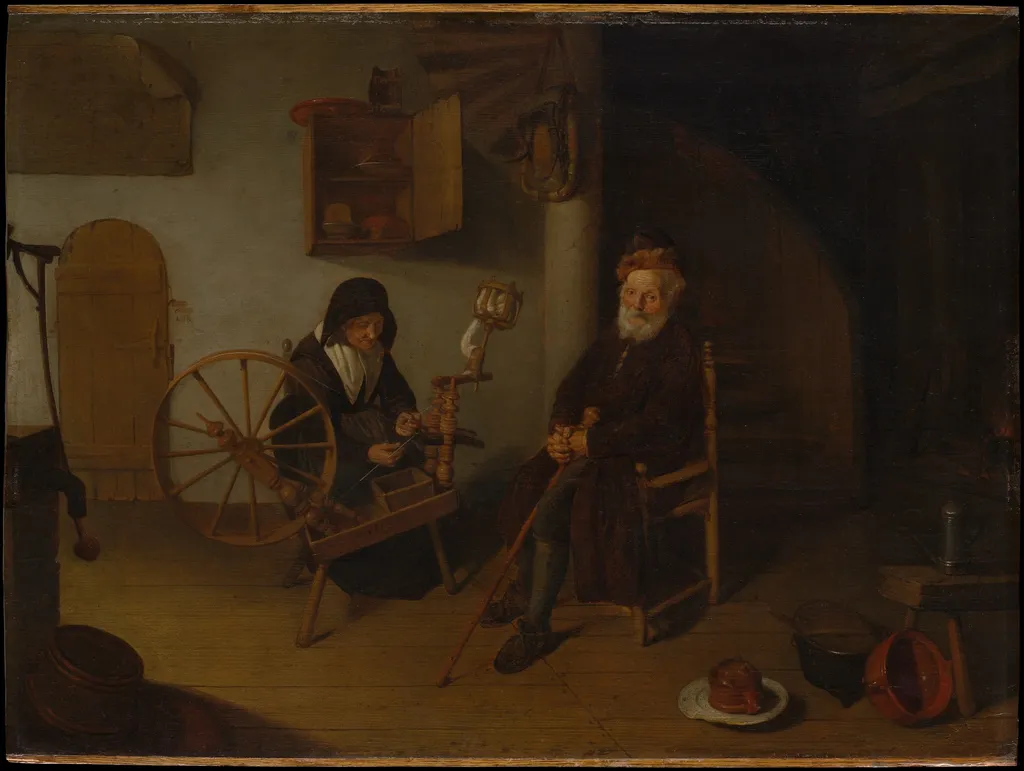
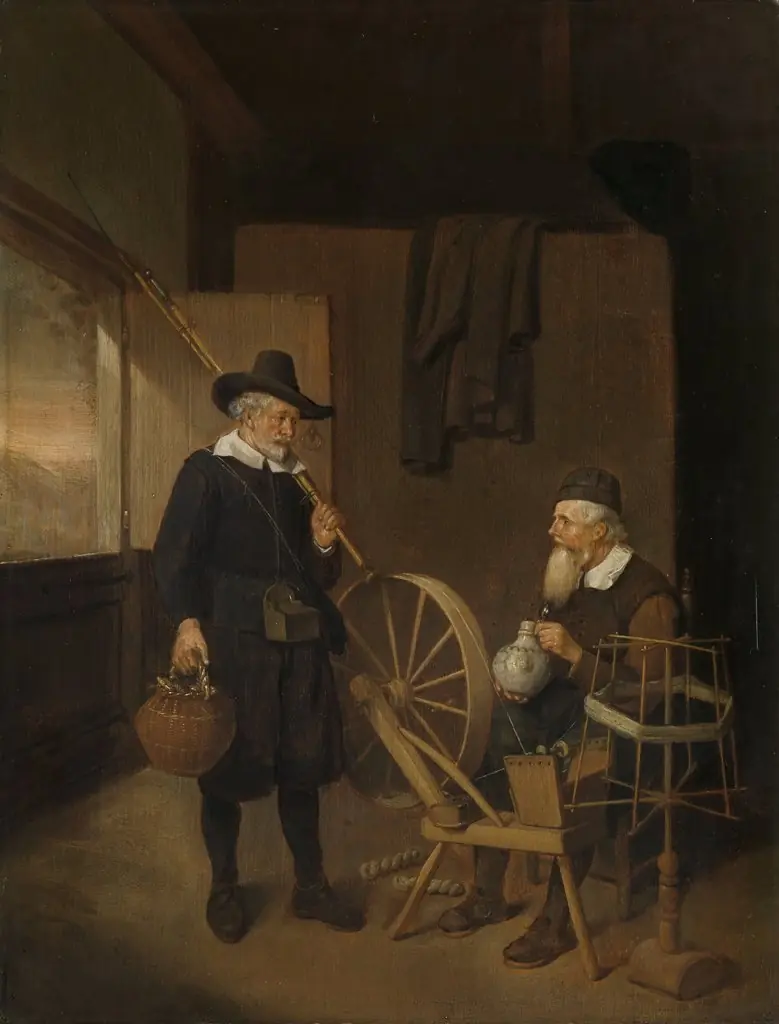
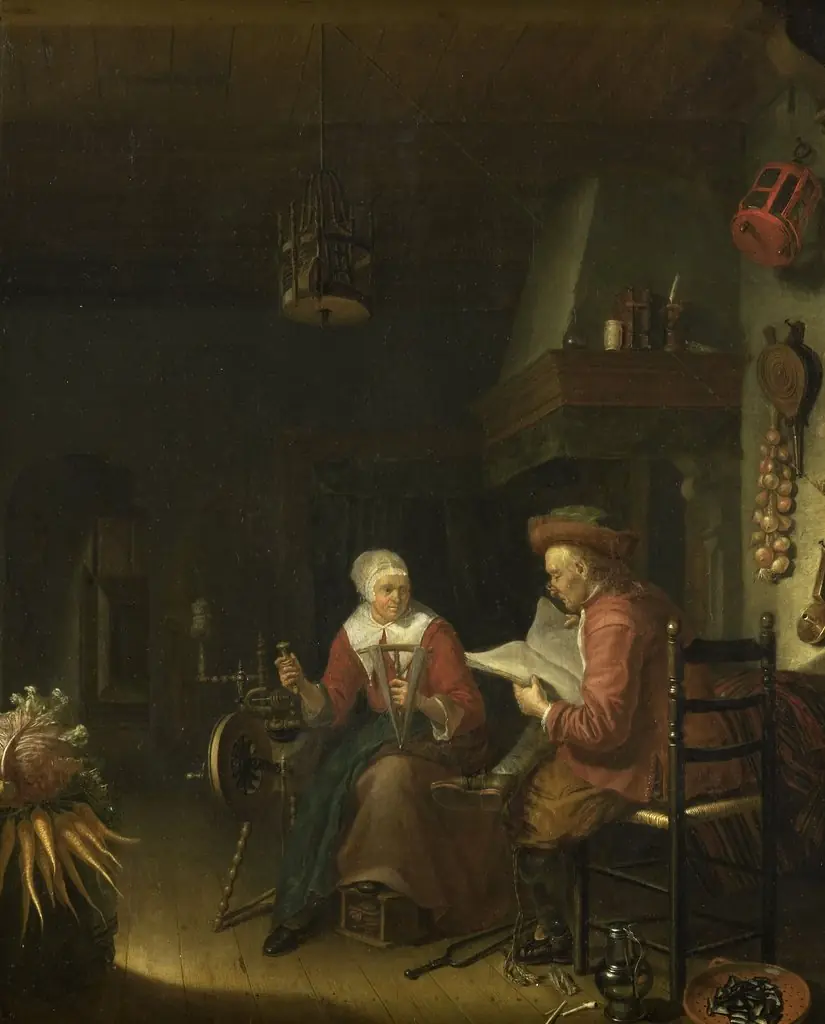
The Spinner is an oil painting by the Dutch Golden Age artist Quirijn van Brekelenkam. It dates from 1653 and is held in the collection of the Metropolitan Museum of Art.
About this work
Subject & Meaning
This genre scene, dated 1653 and executed in oil on panel, presents a moment of everyday labor typical of Dutch seventeenth‑century art.
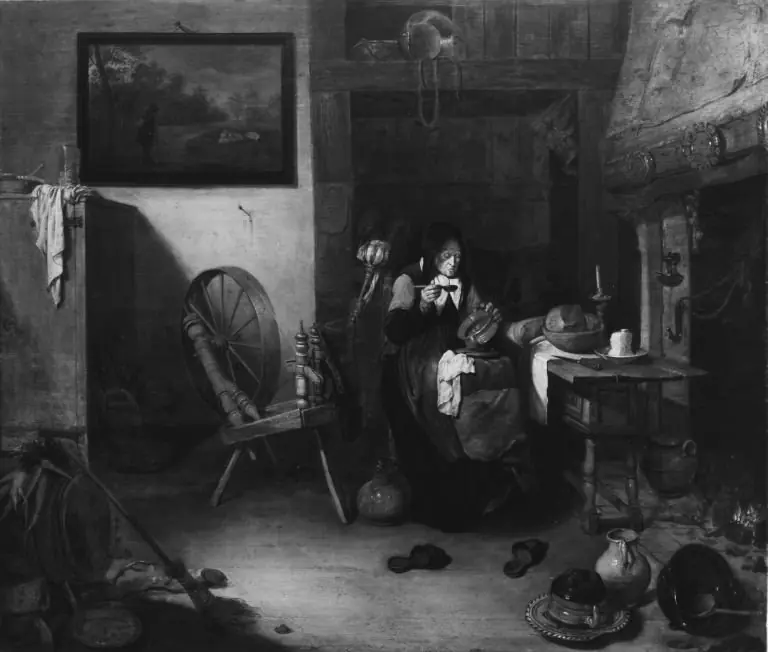
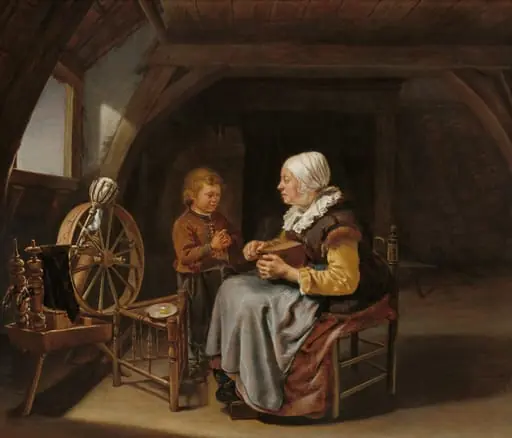
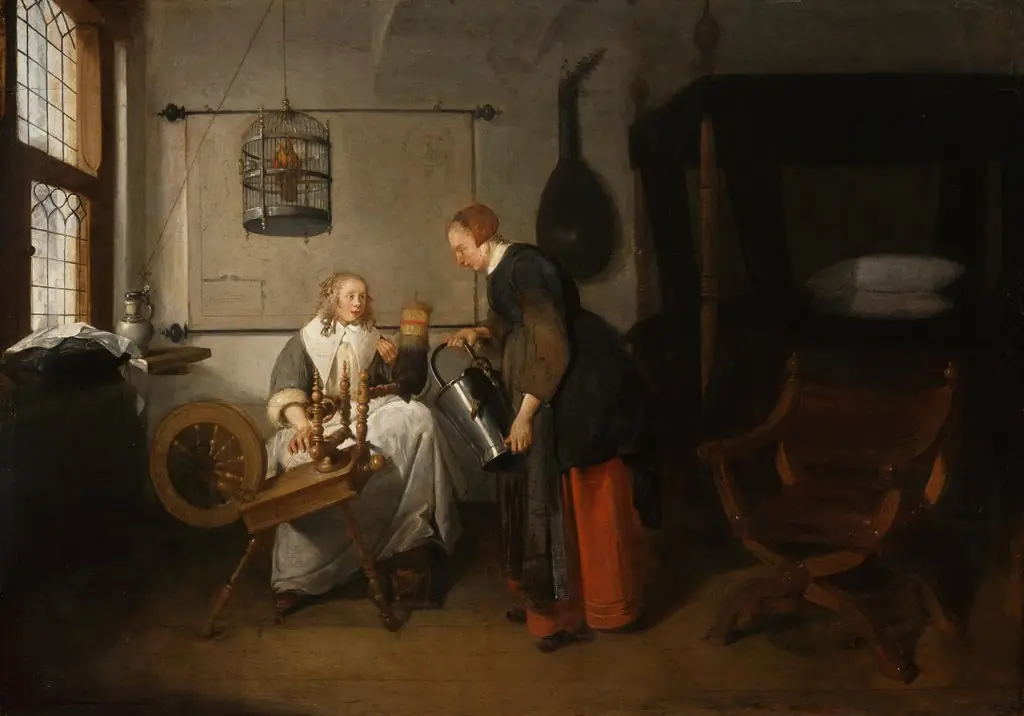
The painting shows a domestic interior in which a woman operates a spinning wheel while a man stands nearby. This genre scene, dated 1653 and executed in oil on panel, presents a moment of everyday labor typical of Dutch seventeenth‑century art. The presence of the spinning wheel and the figures’ engaged posture emphasize themes of industry and household work, reflecting the work‑oriented subject matter characteristic of van Brekelenkam’s genre paintings.
History & Provenance
The Spinner was created in 1653 by Quirijn van Brekelenkam as an oil-on-panel genre scene measuring approximately 48.3 cm high by 64.1 cm wide, depicting a woman at a spinning wheel accompanied by a man in an interior setting. The sources do not record a specific commission, but the painting’s provenance shows that it was once owned by William T. Blodgett before entering the collection of the Metropolitan Museum of Art, where it is now housed.
The Spinner, painted by Quirijn van Brekelenkam in 1653, is held in the collection of the Metropolitan Museum of Art. The work entered the museum's holdings through William T. Blodgett, who is recorded as a former owner. Executed in oil on panel, the painting measures 48.3 by 64.1 centimeters. No specific accession number or detailed exhibition history is documented in the available sources.
Overview
This oil painting, titled The Spinner, depicts an intimate domestic scene within a dimly lit interior. It features two figures: a woman engaged in spinning thread and a man observing her. The artist employs a restrained palette and careful composition to evoke a sense of quiet contemplation and everyday life, inviting viewers into a moment of focused activity and gentle observation.
Technique & Style
The artist masterfully utilizes contrasts of light and shadow, a technique known as chiaroscuro, to imbue the scene with a tangible sense of depth and realism. A soft illumination highlights the woman's face and hands, drawing attention to her work, while the majority of the room remains enveloped in deeper tones. This dramatic lighting not only defines forms but also contributes significantly to the painting's quiet and introspective atmosphere.
Own this work as a print
Artist & collection
Artist
Quirijn or Quiringh Gerritsz van Brekelenkam (1622/29, Zwammerdam – 1669/79, Leiden) was a Dutch Baroque genre painter.