Artwork
Self-portrait
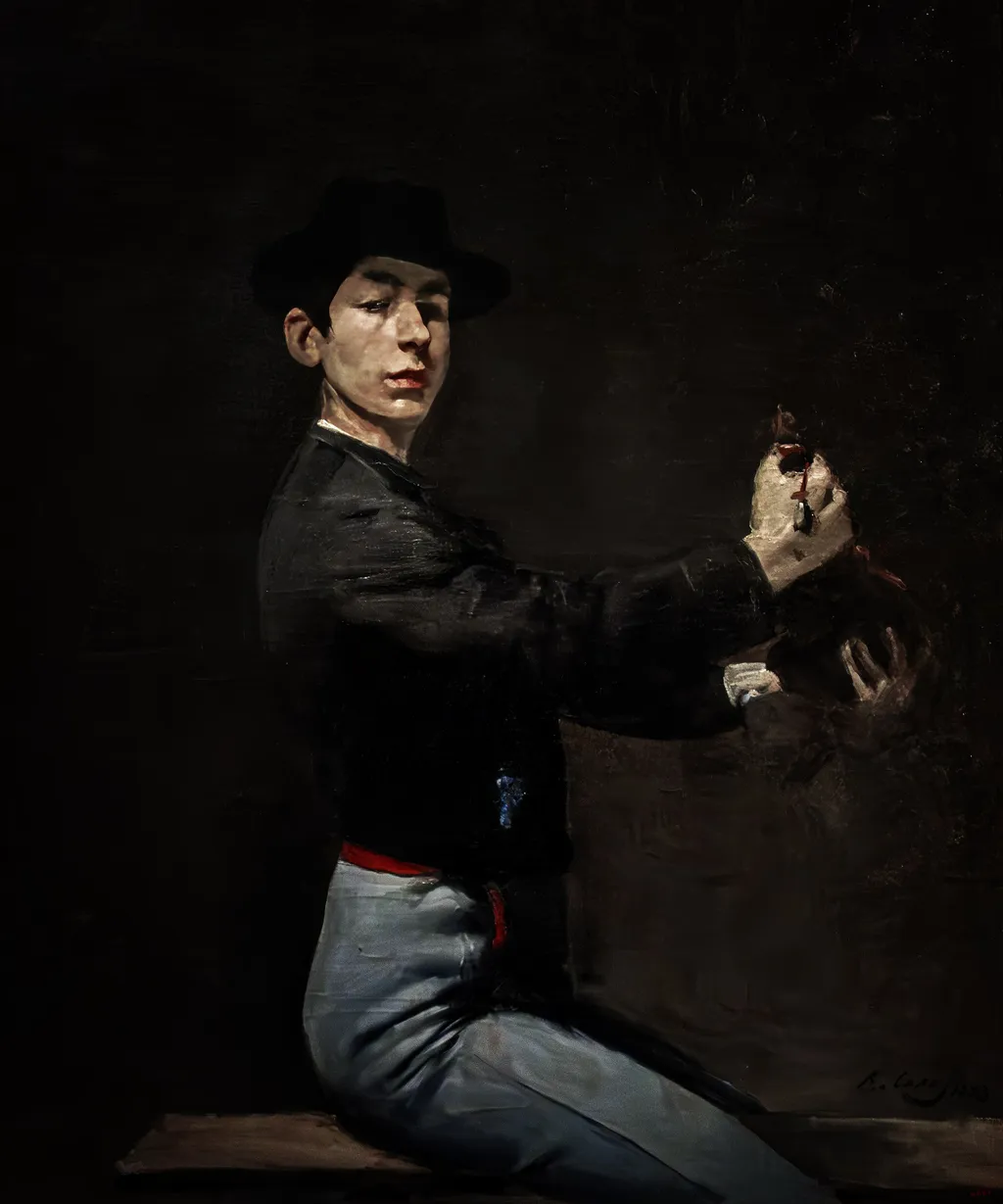
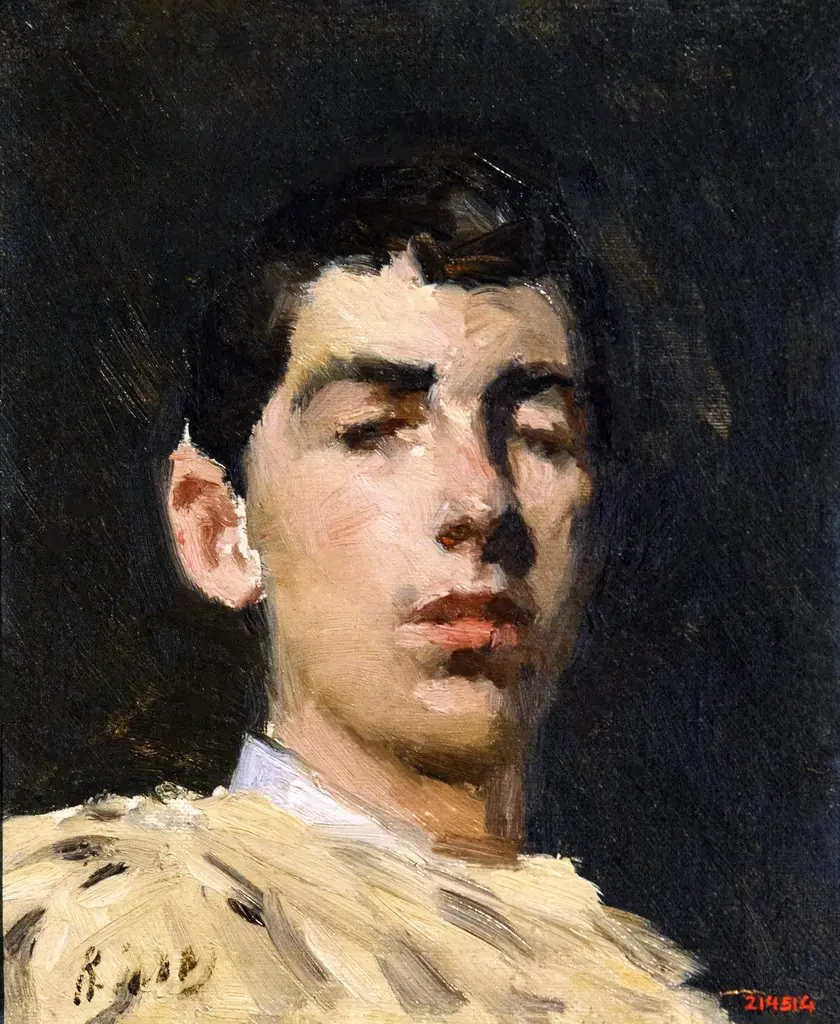
Self-portrait is an oil painting by the Art Nouveau artist Ramon Casas. It dates from 1892 and is held in the collection of the Museu Nacional d'Art de Catalunya.
About this work
Subject & Meaning
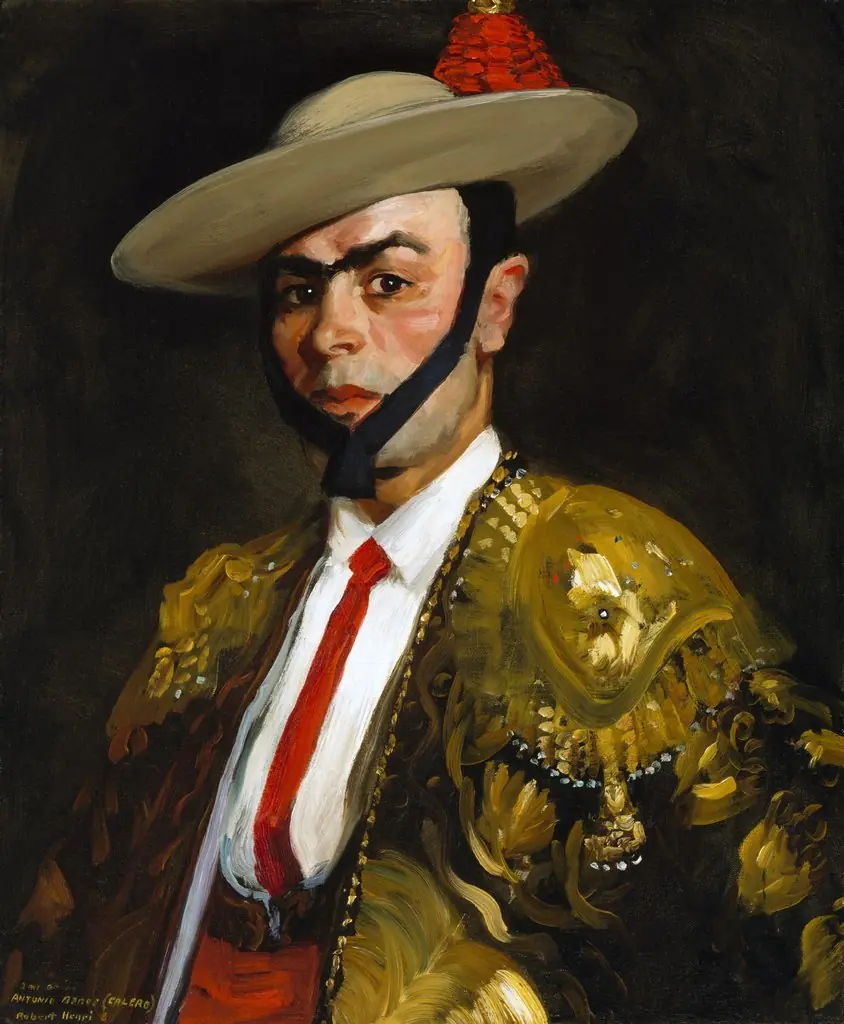
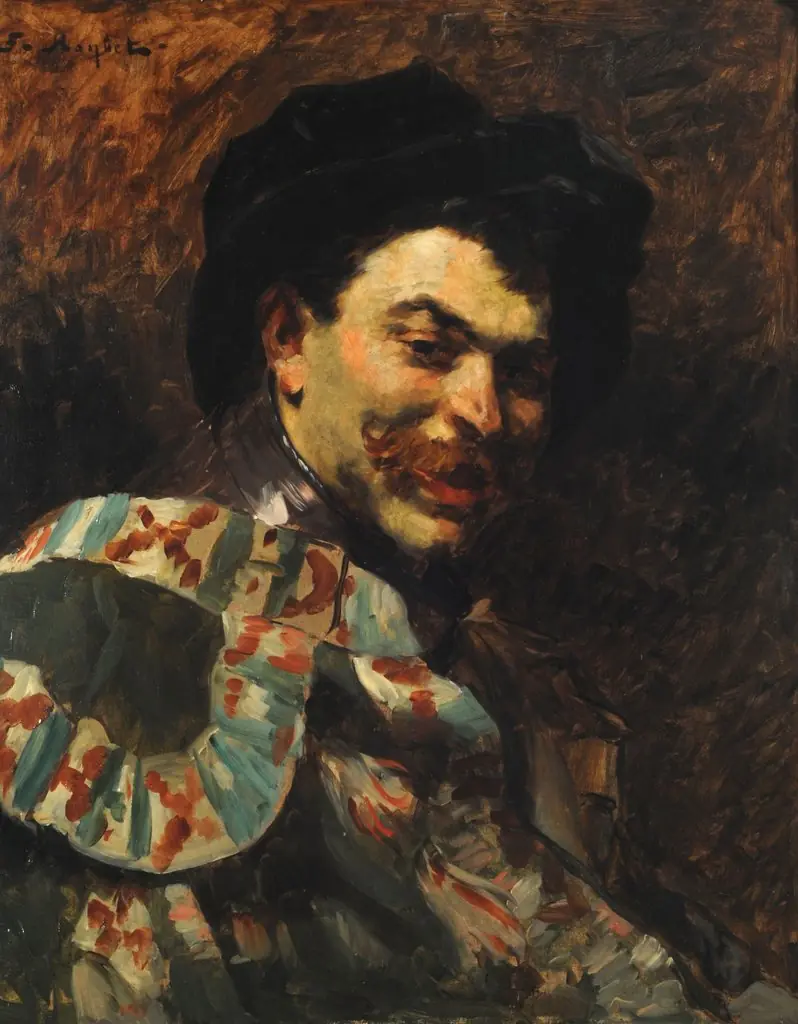
The work depicts the 17-year-old artist Ramon Casas seated in a riding posture, dressed in a distinctive Spanish costume.
The work depicts the 17-year-old artist Ramon Casas seated in a riding posture, dressed in a distinctive Spanish costume. He wears a short bullfighter's jacket in black, tight gray trousers, and a red sash at the waist, a choice that highlights his youthful self-assurance and artistic dexterity. The figure is set against a stark black background with intense lighting focused on the face, a formal approach reflecting the influence of his Parisian master Carolus-Duran and, indirectly, the master Velázquez.
This specific iconography of the young artist in flamenco attire serves as a statement of identity and technical mastery, distinguishing the piece from his earlier, smaller preparatory self-portraits.
Technique & Style
The Self-portrait painted by Ramon Casas in 1883 employs oil paint on canvas, a medium confirmed by multiple sources. The work measures 115.5 cm in height and 96 cm in width, reflecting its large-scale format typical of formal portraiture. Executed in Paris, the painting portrays Casas in a short flamenco-inspired outfit, featuring a red sash around the waist, a gray breeches, and a short black jacket, capturing a dynamic, riding-like seated pose.
The composition features a cropped figure against a dark background with intense, focused light illuminating the face, a technique influenced by his mentor Carolus-Duran and the chiaroscuro of Velázquez, characteristic of Catalan modernism and Art Nouveau. Currently housed in the Museu Nacional d'Art de Catalunya, the piece exemplifies Casas' early mastery of portraiture and his innovative use of light and color.
History & Provenance
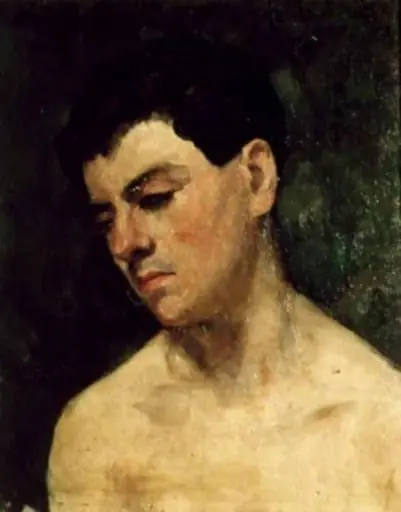
Ramon Casas executed this oil self-portrait in Paris in 1883 when he was seventeen years old. The work was preceded by earlier portraits of his grandparents and parents, as well as portraits of his cousins Joaquim Casas and Miquel Carbó completed the same year. Two smaller bust-length self-portraits were also produced during this period, one of which is considered a preparatory study for this larger composition.
The painting later entered the collection of Lluís Plandiura i Pou before being acquired by the Museu Nacional d'Art de Catalunya in Barcelona, where it remains held. The artist's choice of attire, featuring a short bullfighter's costume with a red sash, reflects his early engagement with Spanish themes while studying under Carolus-Duran.
The work is held by Museu Nacional d'Art de Catalunya in Barcelona, where it is recorded under inventory number not specified in the sources. Exhibition history includes its display in the museum’s collection galleries, reflecting its status as a key example of Catalan modernism and its continued presence in institutional exhibitions since its creation in 1883.
The painting was created in Paris in 1883 and depicts Ramon Casas in a flamenco-inspired self-portrait, wearing a short bullfighter's outfit with a red sash. It measures 115.5 cm in height and 96 cm in width, painted in oil on canvas. The piece is part of the museum’s permanent collection, originally owned by Lluís Plandiura i Pou, and has been featured in exhibitions focused on modernist portraiture and Spanish artistic movements.
Context
Executed in Paris in 1883 when the artist was only seventeen, this work demonstrates Ramon Casas's early mastery of portraiture, following earlier studies of his grandparents and parents. The composition, featuring a figure cut against a black background with intense facial illumination, reveals the direct influence of his Parisian teacher, Carolus-Duran. Through this mentorship, the painting also reflects the legacy of Velázquez, particularly in its handling of light and color.
The work is situated within the broader movements of Catalan modernism and Art Nouveau. Unconventionally, Casas depicted himself in a tight-fitting bullfighter's costume with grey trousers and a red sash, a choice that highlights his engagement with Spanish cultural identity even while working abroad.
Legacy
Ramon Casas' Self-portrait of 1883, painted when he was seventeen in Paris, established a distinctive approach to portraiture that influenced later Catalan artists. Its striking use of intense lighting and cropped composition, reflecting the impact of his mentor Carolus-Duran and Velázquez, contributed to the development of modernist portrait conventions in Catalonia. The work is housed in the Museu Nacional d'Art de Catalunya and is recognized as a key example of Catalan modernism and Art Nouveau. Its legacy includes inspiring subsequent generations to explore identity and technique within the portrait genre.
Overview
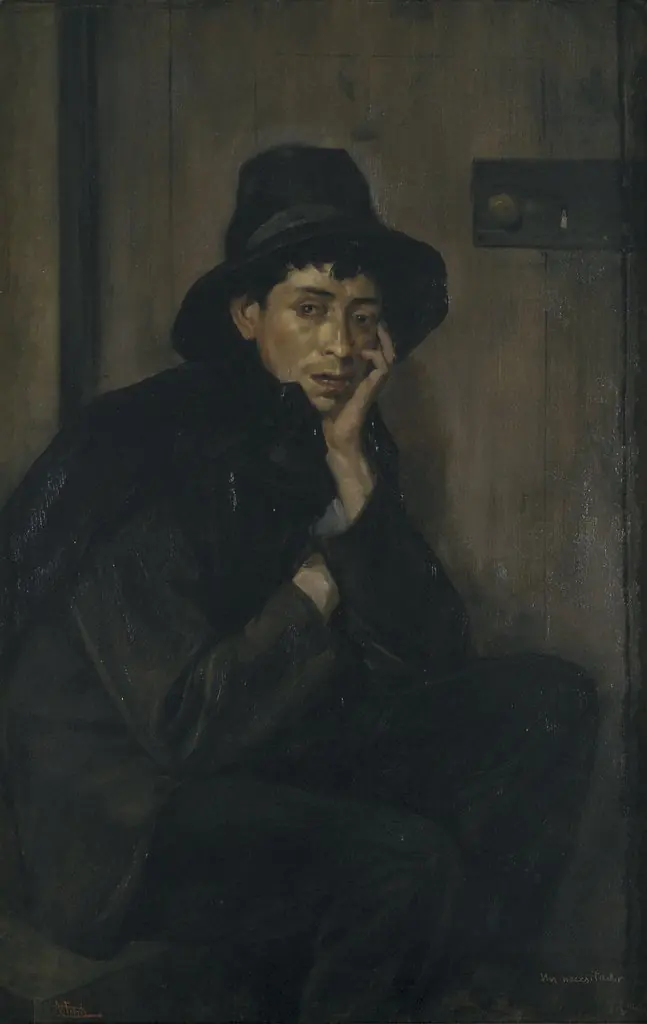
This oil painting is a self-portrait by Ramon Casas, created in 1892. It is a representation of the artist in a contemplative pose, characterized by a somber and introspective mood.
Own this work as a print
Artist & collection
Artist
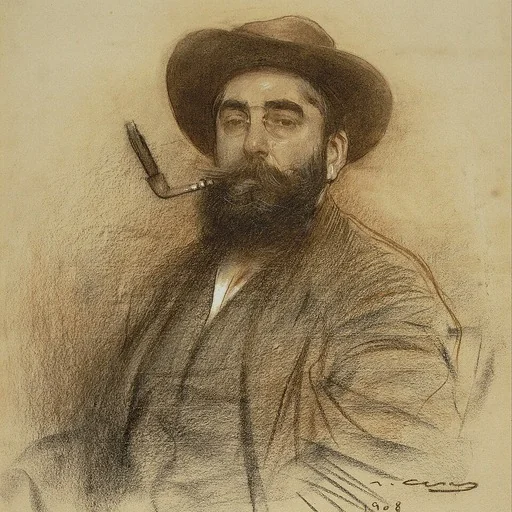
Ramon Casas i Carbó (Catalan pronunciation:; 4 January 1866 – 29 February 1932) was a Catalan artist from Spain.