Movement
Catalan Modernism
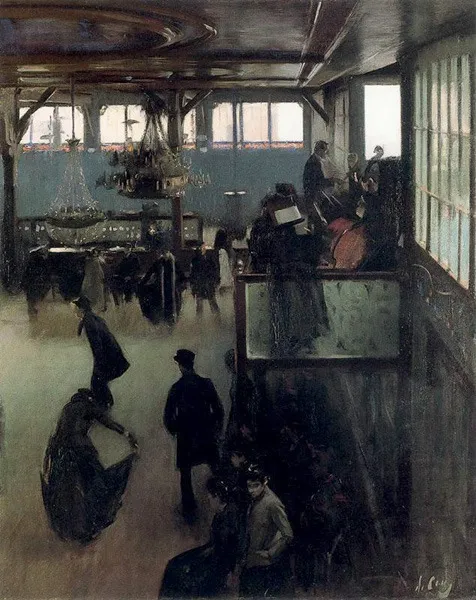
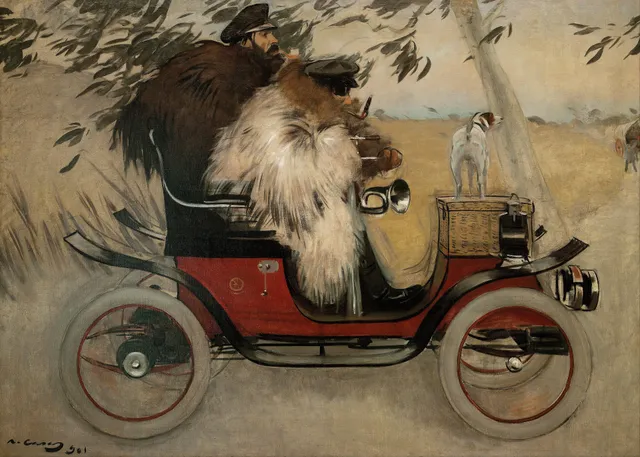
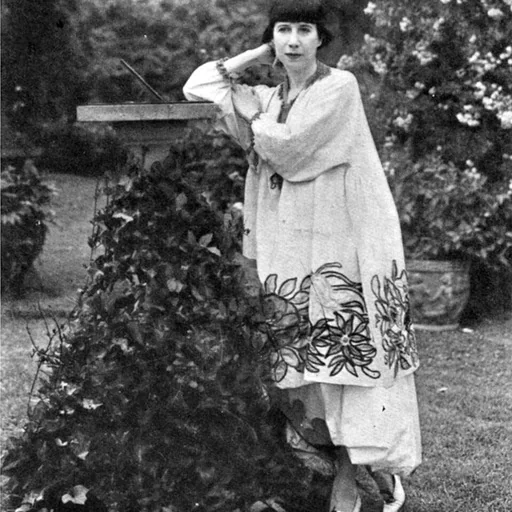
Catalan Modernism is an art movement of the 1888–1911 period. The gallery holds 16 works in this movement, including works by Florine Stettheimer, Marc Chagall and Ramon Casas. Browse Catalan Modernism paintings, portraits, pictures and artworks from the world's public-domain museum collections.
Catalan Modernism — Modernisme in Catalan — was the architectural, artistic and literary movement that flourished in Catalonia, and above all in Barcelona, between roughly 1888 and 1911. Its conventional starting point is the 1888 Barcelona Universal Exposition, which gave the prosperous, industrialising city both a stage and a building boom; its close is often fixed at the death of the poet Joan Maragall in 1911. Modernisme was the artistic arm of a broader Catalan cultural reawakening, the Renaixença, channelled into a distinctly modern, cosmopolitan and faintly anti-bourgeois sensibility. It was the local sibling of Art Nouveau in France, Jugendstil in Germany and the Vienna Secession, drawing too on the English Arts and Crafts movement, yet it carried a charge that those movements lacked: an assertion of Catalan national identity.
Visually the movement is defined by the triumph of the curve over the straight line, asymmetry, and a dense vocabulary of vegetal and organic ornament. Architects fused new industrial materials — iron, glass, exposed brick — with traditional craft trades such as ceramics, stained glass, mosaic and wrought iron. The towering figures are Antoni Gaudí, whose Sagrada Família, Casa Batlló and Casa Milà are its emblems, alongside Lluís Domènech i Montaner (Palau de la Música Catalana, Hospital de Sant Pau) and Josep Puig i Cadafalch.
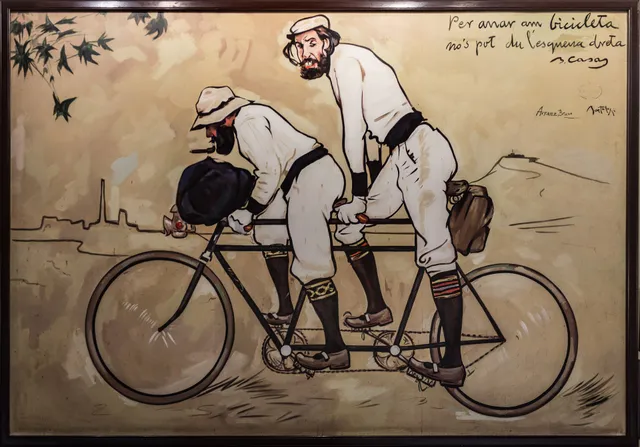
In painting the movement was led from the café table. Ramon Casas and Santiago Rusiñol, both seasoned in Montmartre, helped found Els Quatre Gats, the tavern opened in 1897 in Puig i Cadafalch's Casa Martí that became Modernisme's social and creative hub. Casas's poster-flat, boldly drawn "Ramon Casas and Pere Romeu on a Tandem" (1897), replaced in 1901 by the same pair in a motor car, hung over its patrons; his Parisian "Bal du Moulin de la Galette" and Rusiñol's "The Kitchens of the Moulin de la Galette" record their French years. Rusiñol, working from his Sitges retreat Cau Ferrat, brought Symbolism and a near-religious ideal of "total art"; landscapists Joaquim Mir and Eliseo Meifrén pushed colour toward near-abstraction.
Modernisme gave way after 1906 to the cooler, classicising Noucentisme, but its afterlife is immense: it reshaped Barcelona's Eixample, several monuments are UNESCO-listed, and the young Picasso — who held an early show at Els Quatre Gats — passed through its orbit before moving on.
Key artists

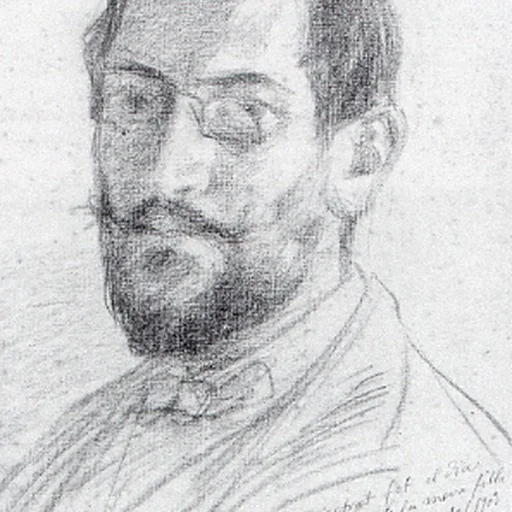
Works
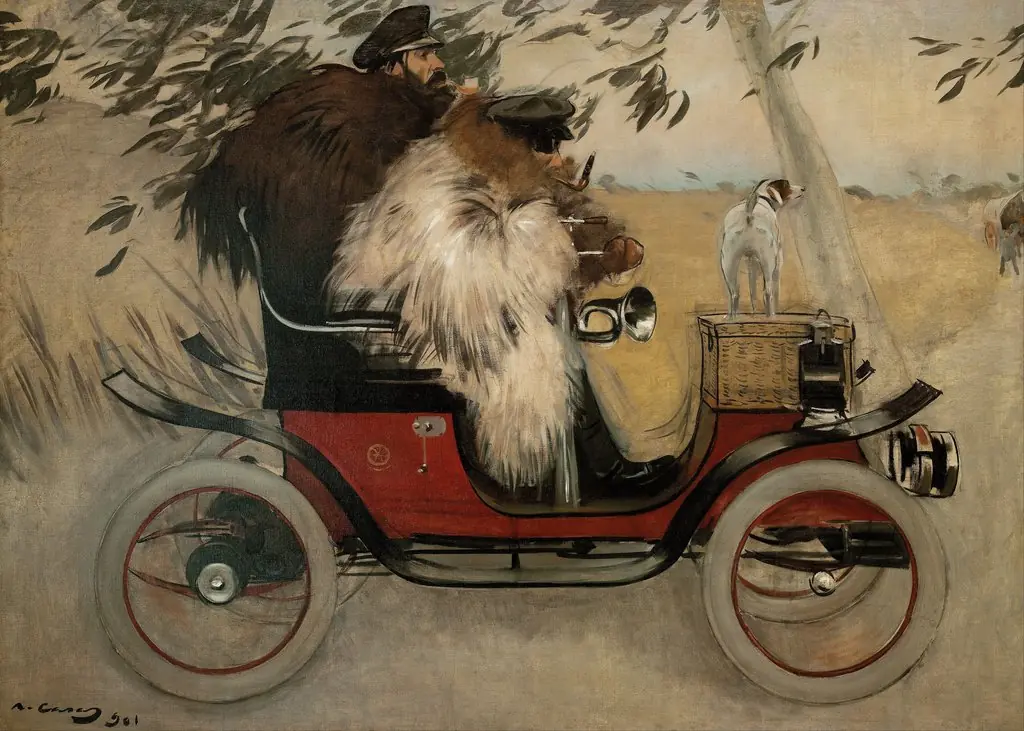 Ramon Casas and Pere Romeu in an Automobile
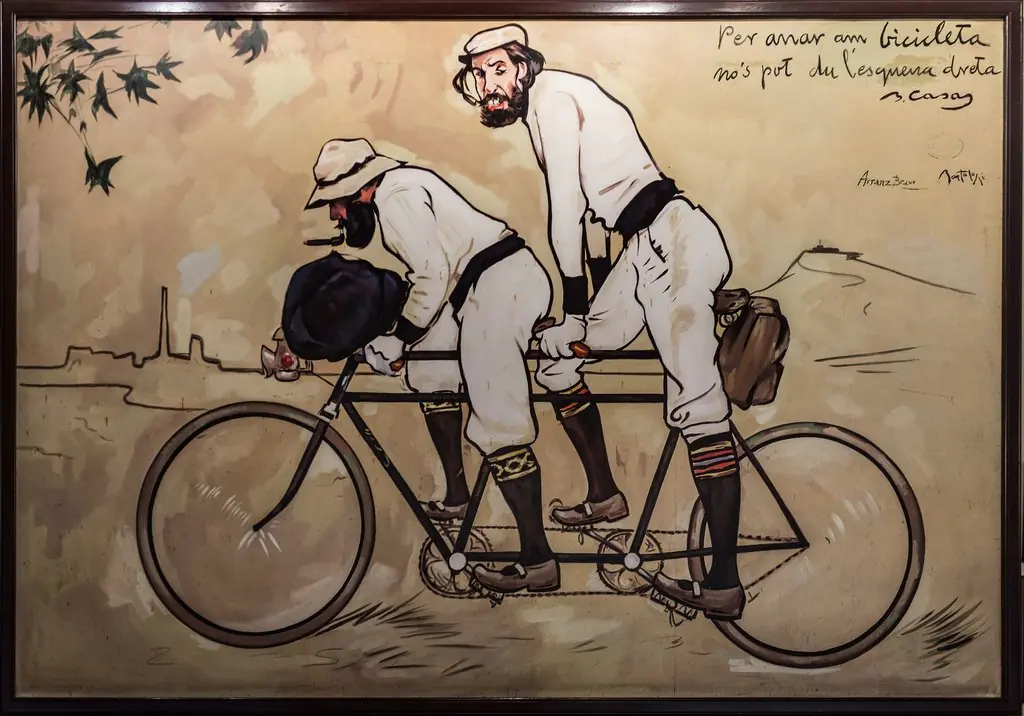 Ramon Casas and Pere Romeu on a Tandem
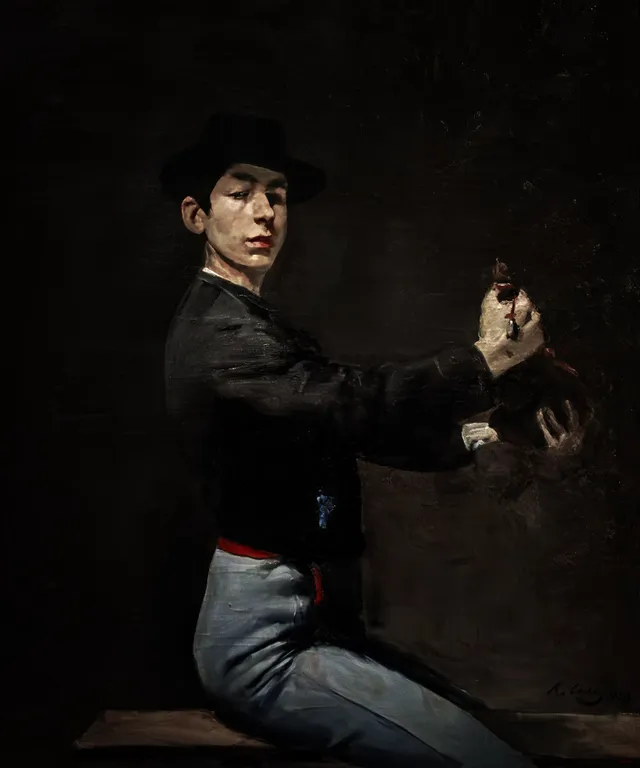
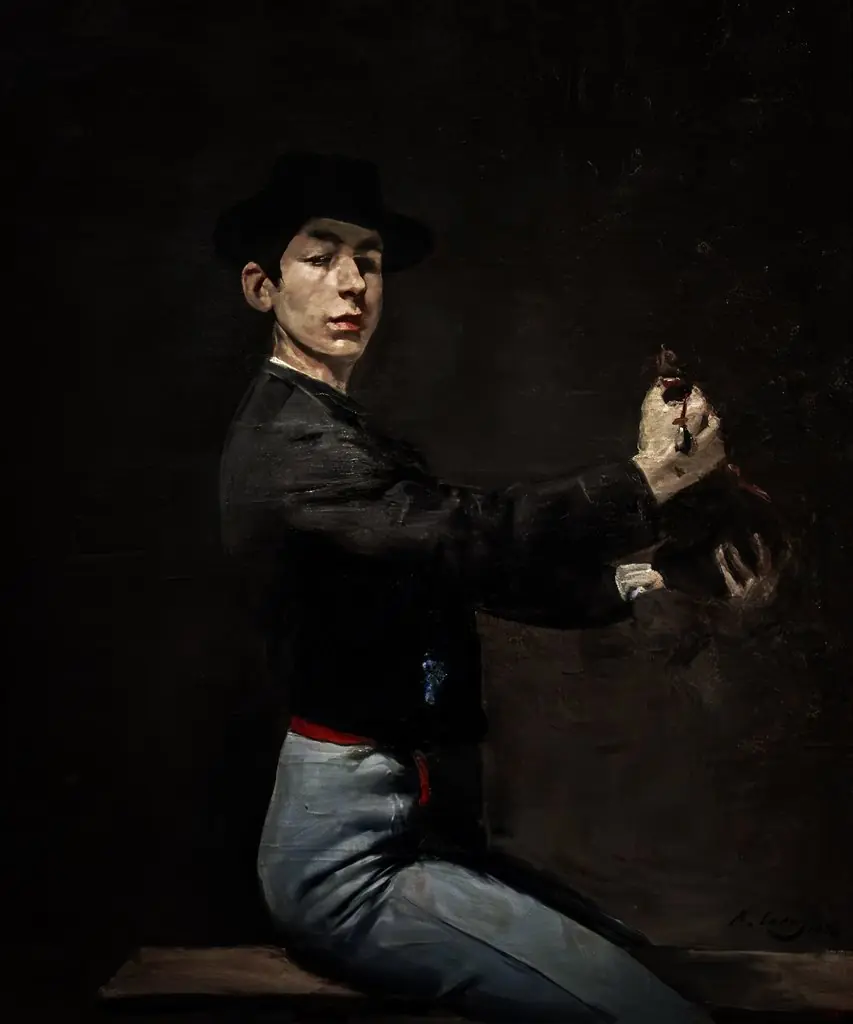 Self-portrait
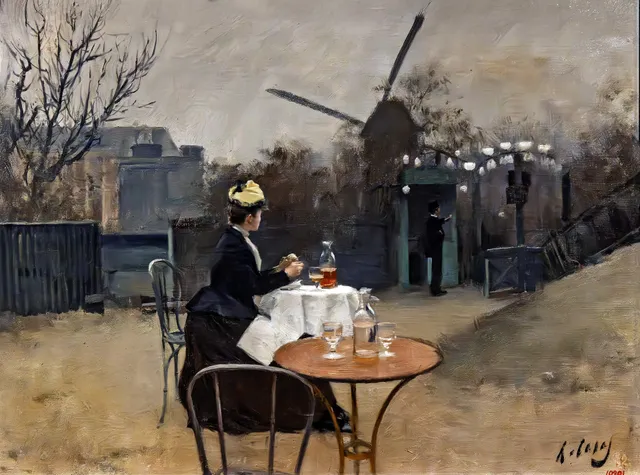
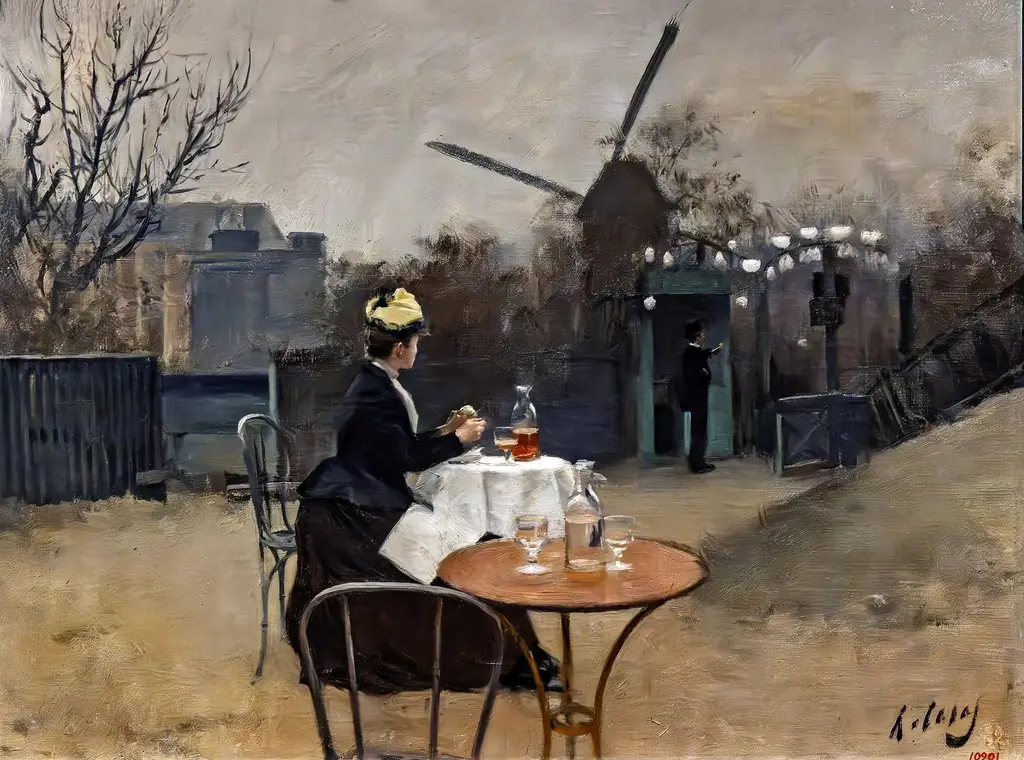 Plein air
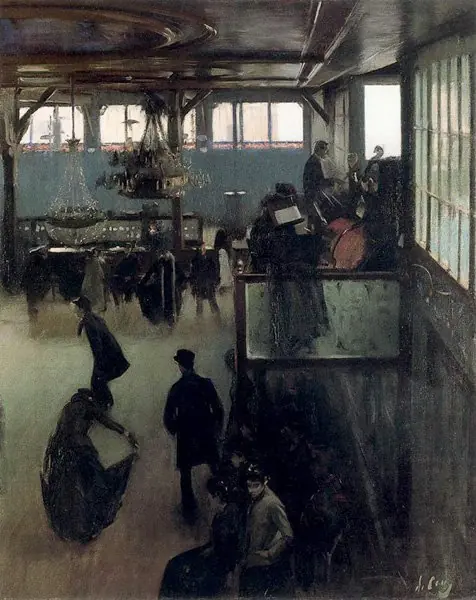 Bal du Moulin de la Galette
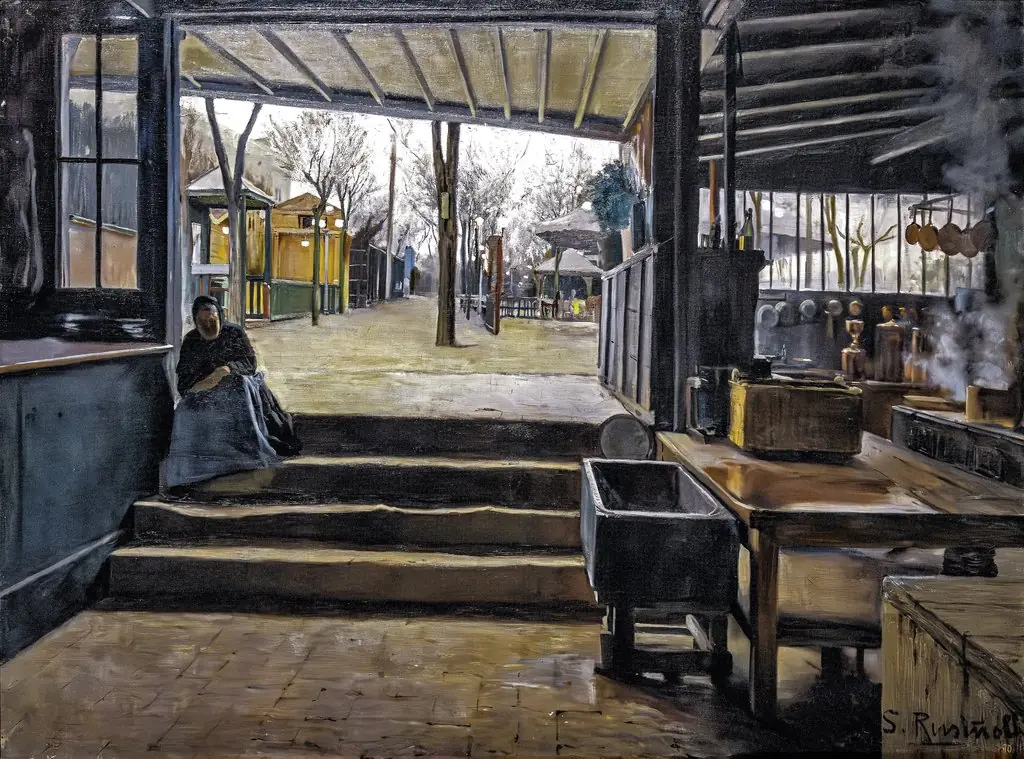 The kitchens of the Moulin de la Galette
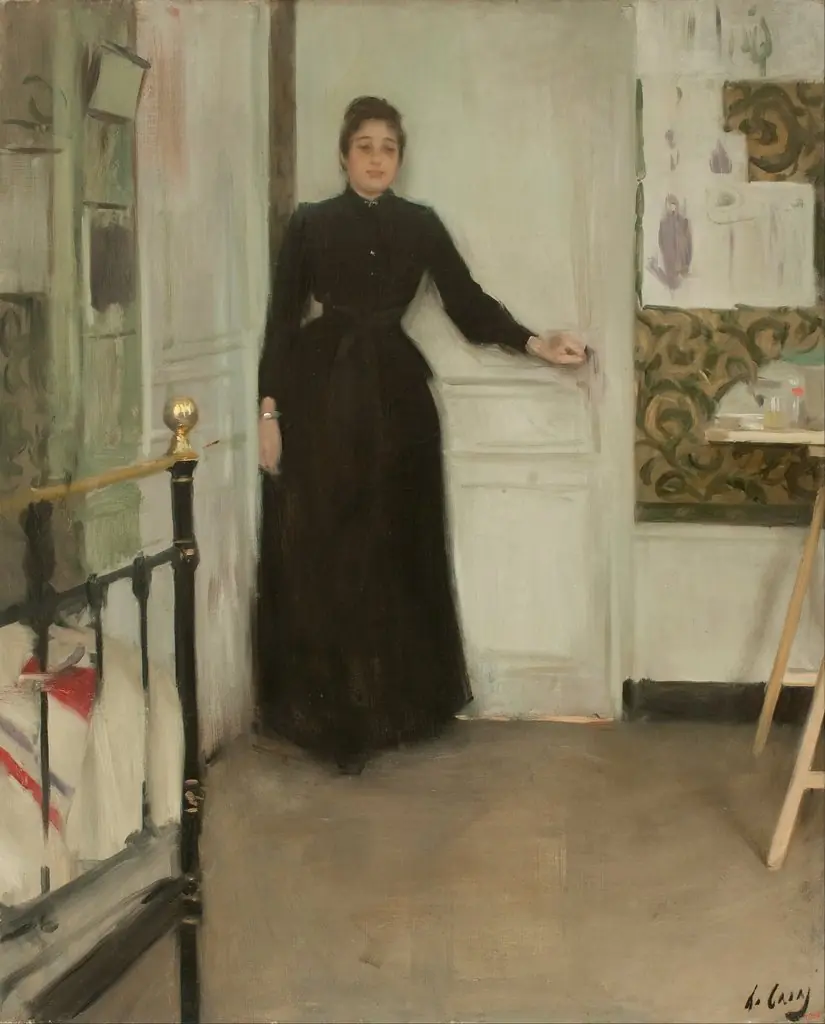 Interior
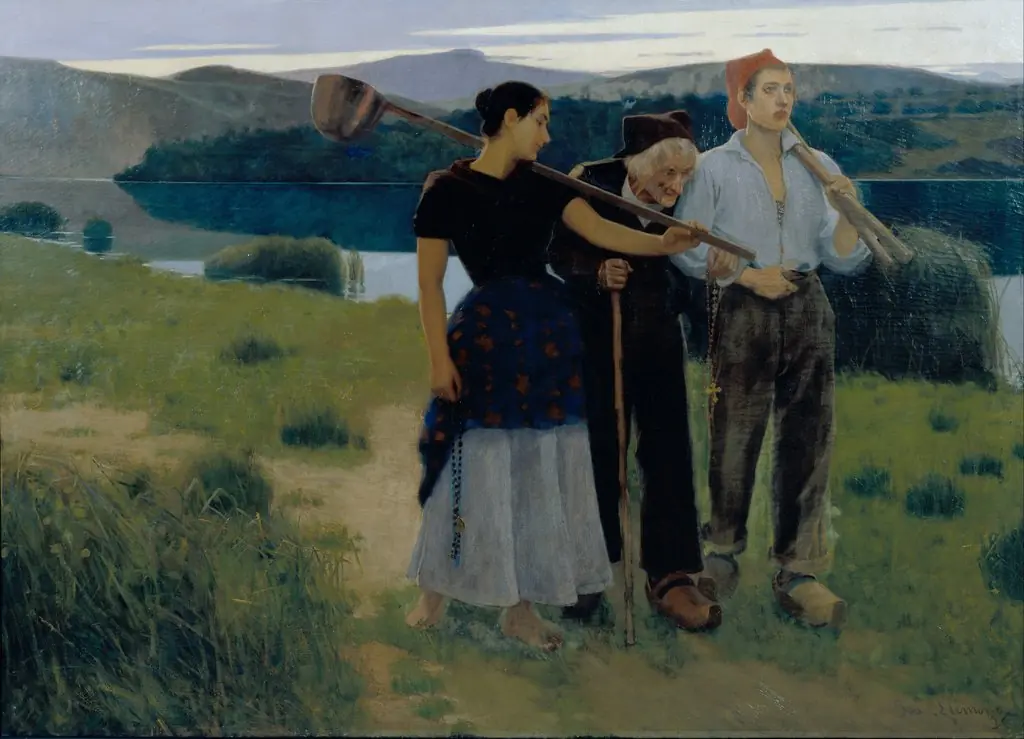 Returning from the Plot
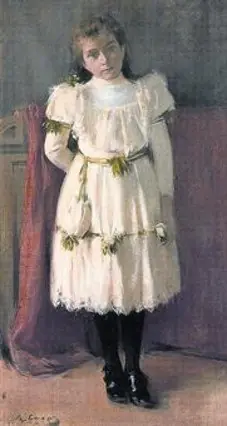 Retrat de la nena Sardà
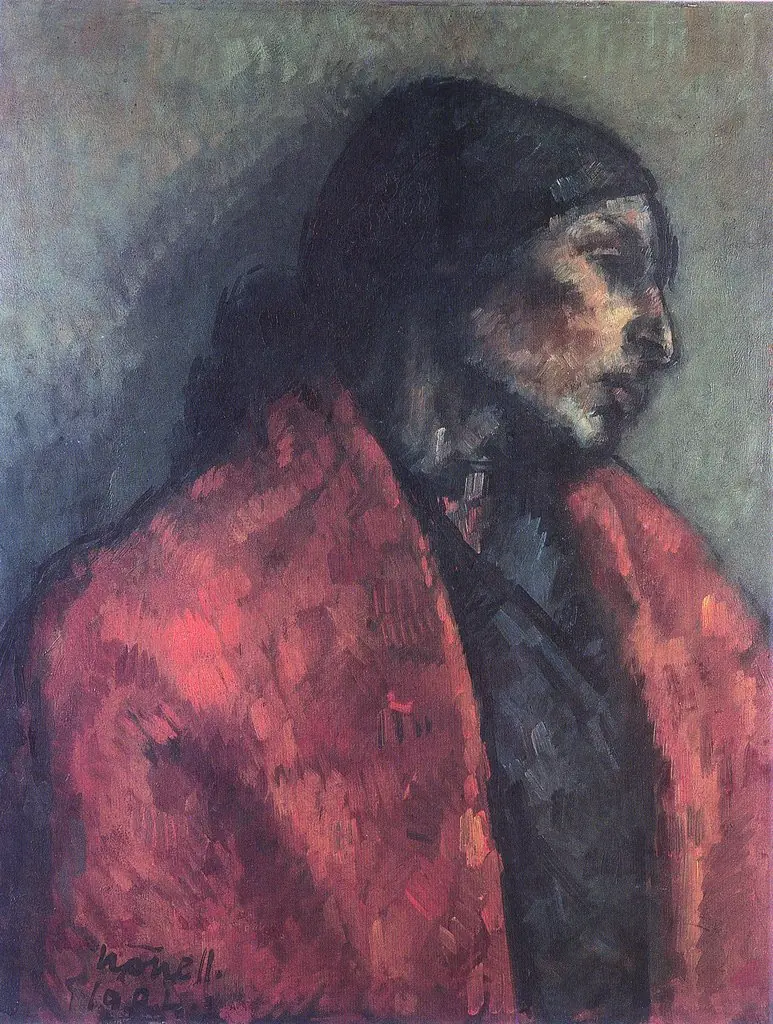 La Paloma
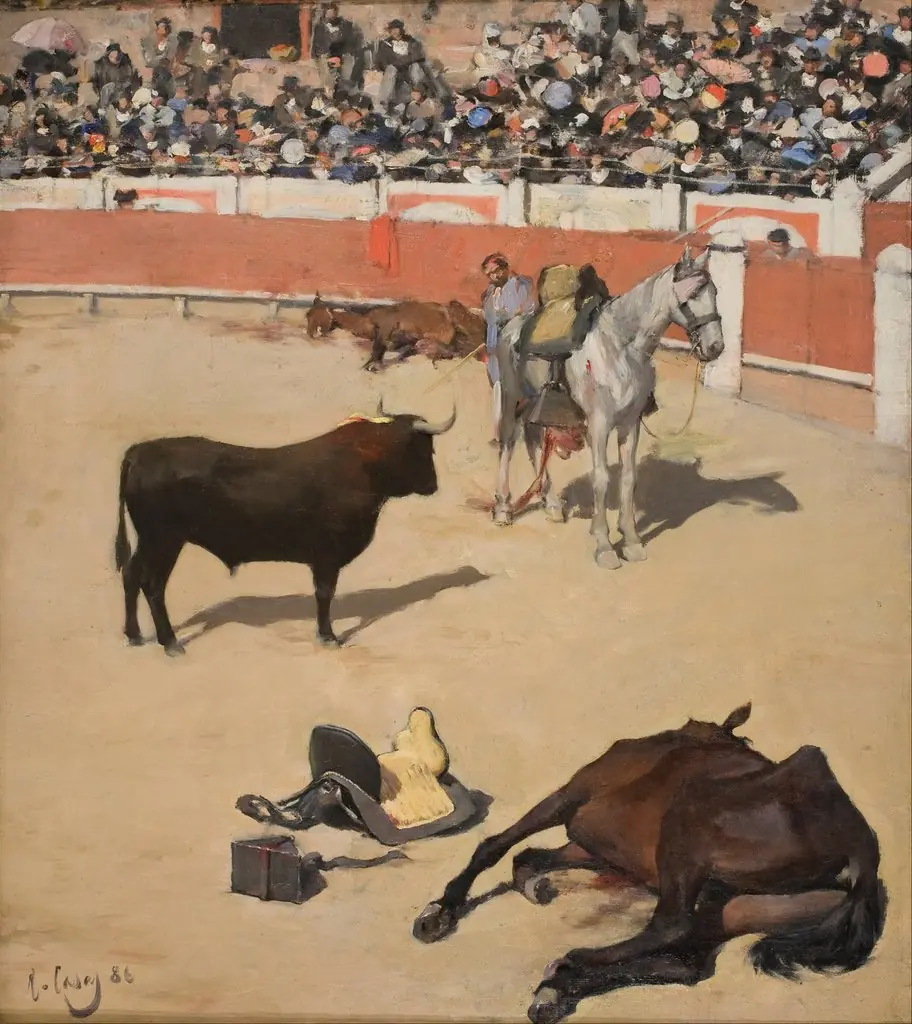 Bulls (Dead Horses)
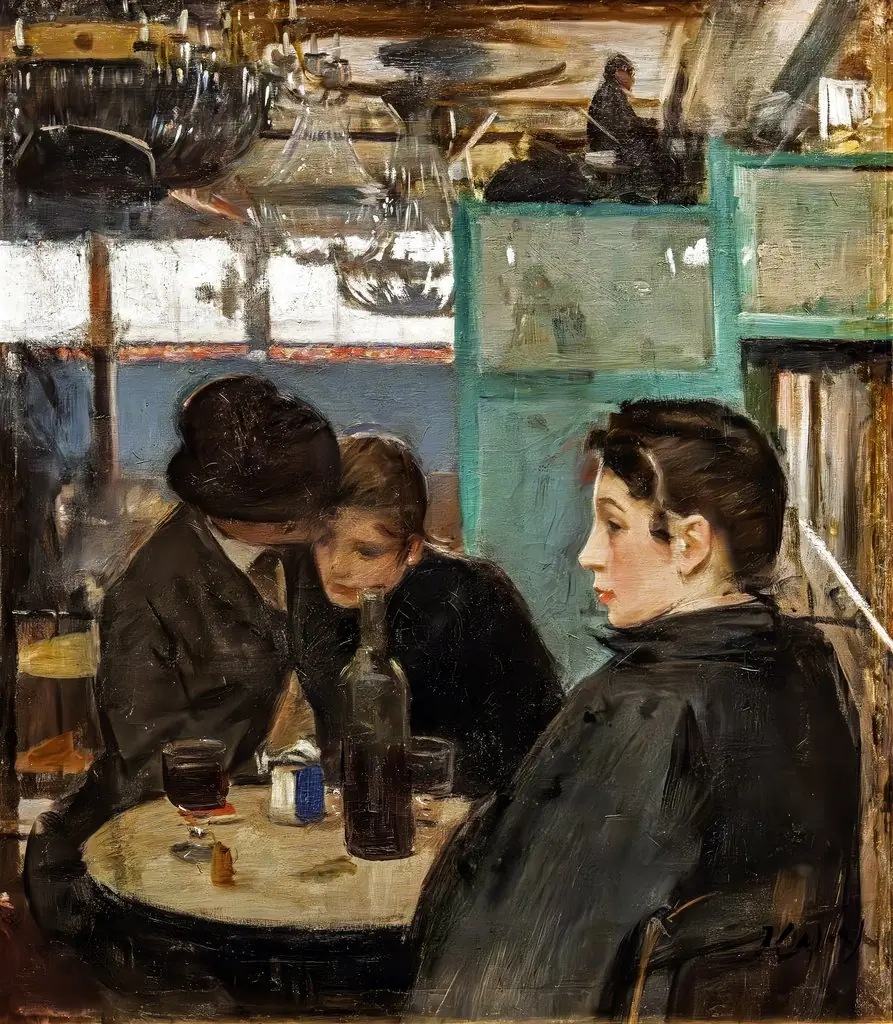 Moulin de la Galette Interior
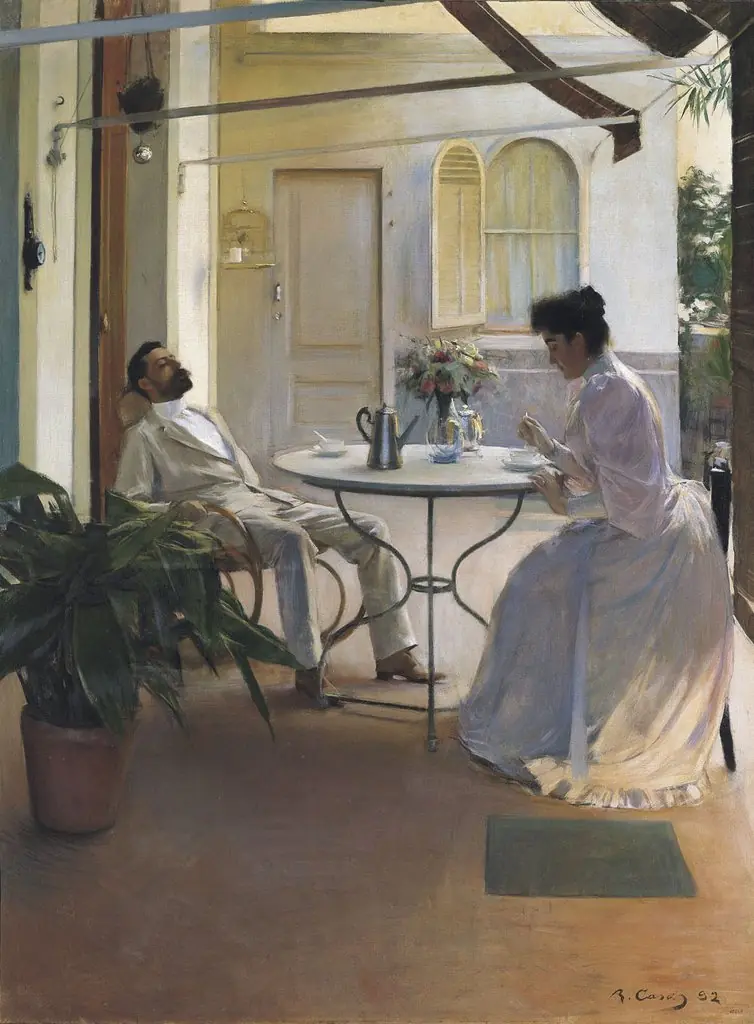 Open Air Interior
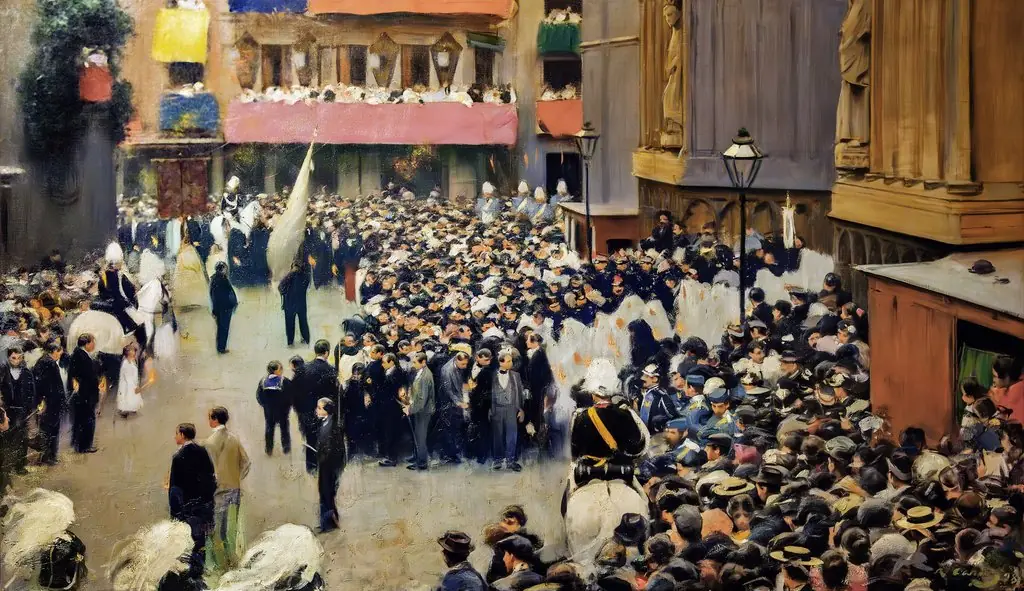 The Corpus Christi Procession Leaving the Church of Santa Maria del Mar
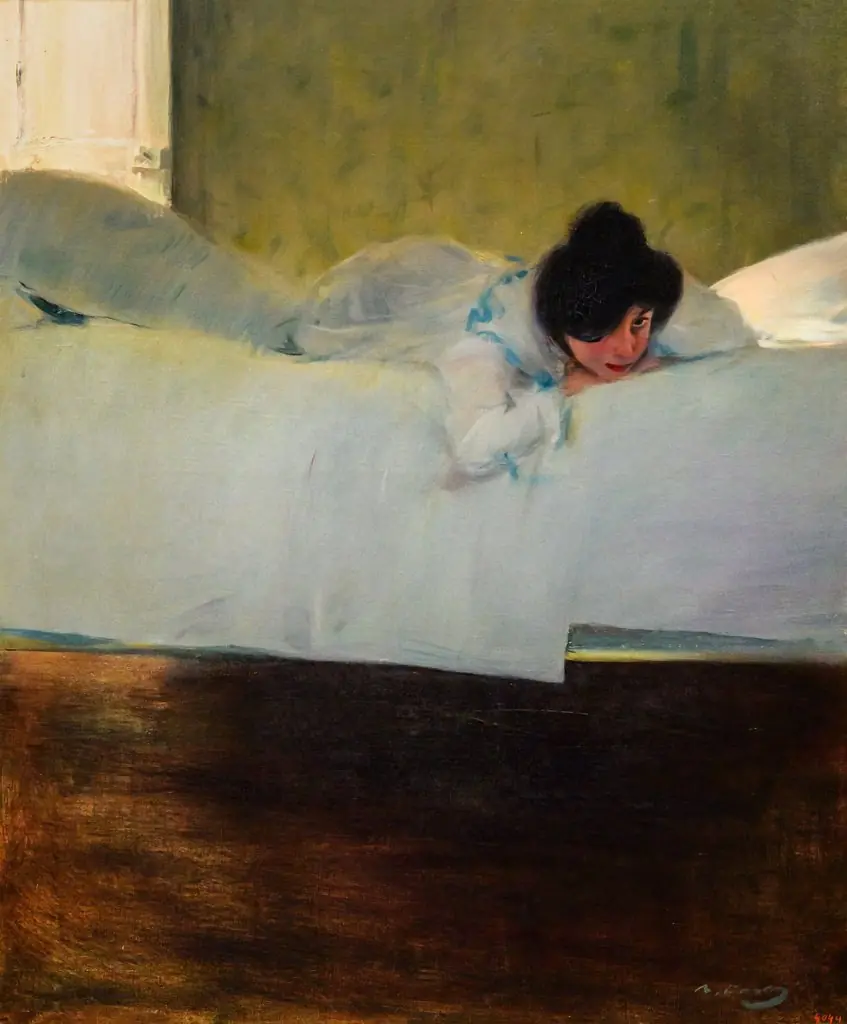 Idle Hours
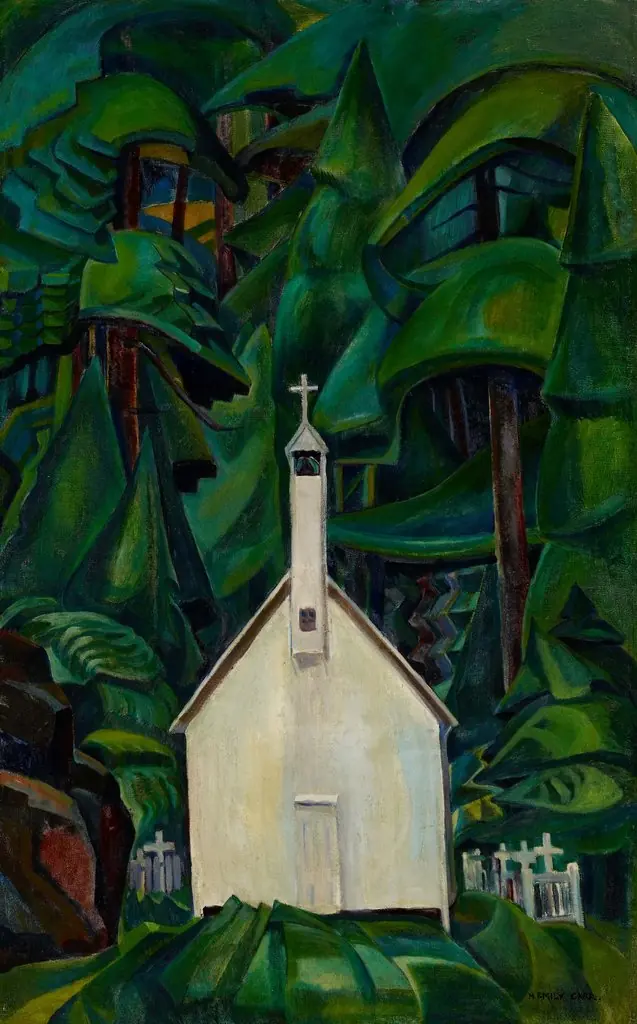 The Indian Church
Groups & collectives
Frequently asked questions
What is Catalan Modernism?
Catalan Modernism is an art movement. The Catalan form of Art Nouveau (Modernisme), peaking around 1888–1911 in Barcelona.
How many Catalan Modernism works does Artifact World Gallery have?
Artifact World Gallery holds 16 public-domain Catalan Modernism works, all free to view and download.
Who are the key Catalan Modernism artists?
Key Catalan Modernism artists in the collection include Florine Stettheimer, Marc Chagall and Ramon Casas.
When did Catalan Modernism take place?
Catalan Modernism dates from 1888–1911.
Where can I see Catalan Modernism works?
Catalan Modernism works in the collection are held by Museu Nacional d'Art de Catalunya and Art Gallery of Ontario.