Artwork
Robert Gilmor Sr.
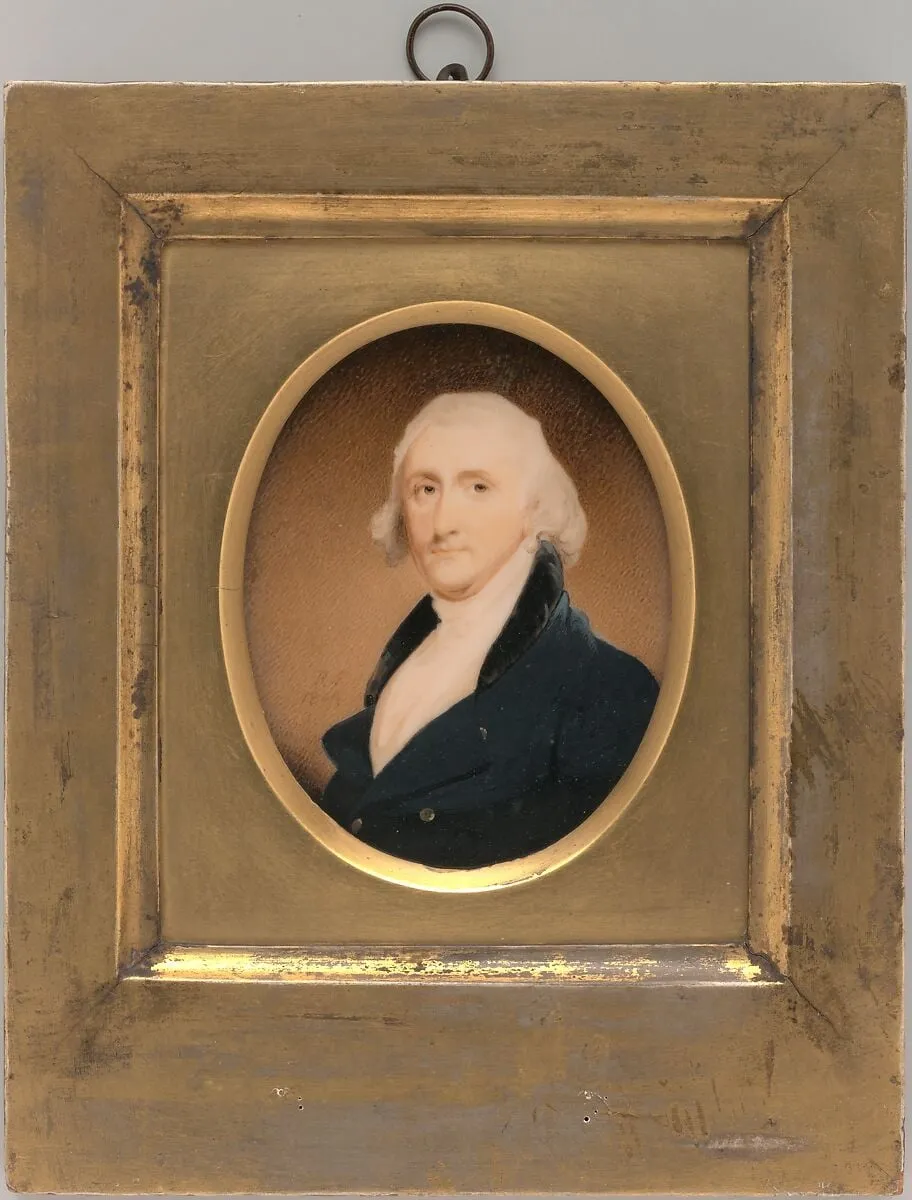
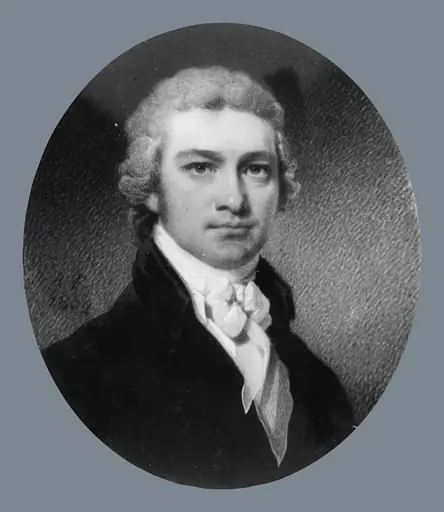
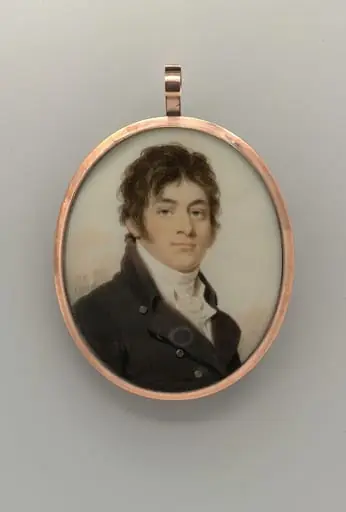
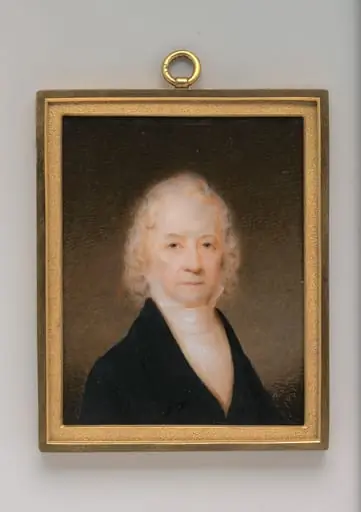
Robert Gilmor Sr. is a watercolor painting by the American Folk Art artist Robert Field. It dates from 1804 and is held in the collection of the Metropolitan Museum of Art.
About this work
Technique & Style
The portrait’s handling reflects the precise brushwork of Robert Field, with careful attention to facial features and clothing rendered in muted hues.
Robert Gilmor Sr. is executed in watercolor on an ivory support, a technique noted for its delicate translucency and fine linear detail. The work employs watercolor pigment applied directly to the thin ivory sheet, which serves as both support and ground, allowing subtle tonal gradations characteristic of early American portraiture. The portrait’s handling reflects the precise brushwork of Robert Field, with careful attention to facial features and clothing rendered in muted hues.
As an ivory support, the piece is susceptible to cracking and pigment loss, though the current condition is not documented in the available records.
History & Provenance
The miniature portrait of Robert Gilmor Sr. was painted by Robert Field in 1804, as indicated by both the artist’s inscription and the Metropolitan Museum of Art’s records. Field, an itinerant American miniaturist, executed the work in watercolor on ivory, a common medium for portrait miniatures of the period. The portrait entered the Metropolitan Museum of Art’s collection directly from the sitter’s descendants, confirming its early provenance within the Gilmor family.
The work’s creation in 1804 aligns with Field’s documented activity in Baltimore, where Gilmor, a prominent merchant and art collector, resided. The portrait’s small dimensions (8.9 cm × 7 cm) and refined execution reflect the conventions of elite portraiture in early 19th-century America.
Robert Field's 1804 watercolor on ivory portrait of Robert Gilmor Sr. is held in the collection of the Metropolitan Museum of Art. The work is classified within the museum's American Wing. Specific inventory details regarding an accession number are not provided in the available records.
The source material does not document a specific exhibition history for this portrait, noting only its creation date and current institutional location.
Context
Robert Field painted Robert Gilmor in 1804 as a watercolor on ivory portrait, which the Metropolitan Museum of Art includes in The American Wing. The work measures 8.9 × 7 cm and is catalogued in both the museum’s collection records and the artist’s documentation, identifying it as a portrait of a man and linking it to the early Republic period. Its creation is recorded in Wikidata as a painting by Robert Field, confirming the date, material, and provenance.
Legacy
Robert Gilmor Sr., painted by Robert Field in 1804, is housed in the Metropolitan Museum of Art and classified within The American Wing, underscoring its recognized significance in the narrative of early American portraiture. The watercolor on ivory exemplifies the technical conventions of the period and has been referenced in scholarly examinations of Federal‑era portraiture, informing contemporary understandings of elite New England subjects. Its inclusion in a major public collection has reinforced the work’s reputation as an important artifact for the study of early American art, contributing to ongoing research on the development of portrait conventions in the United States.
Overview
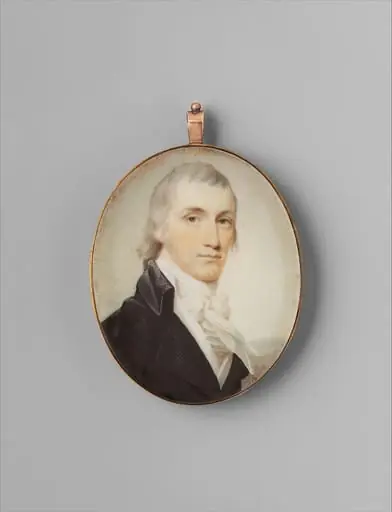
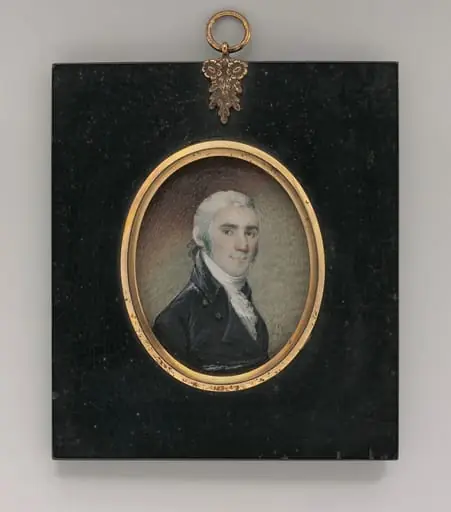
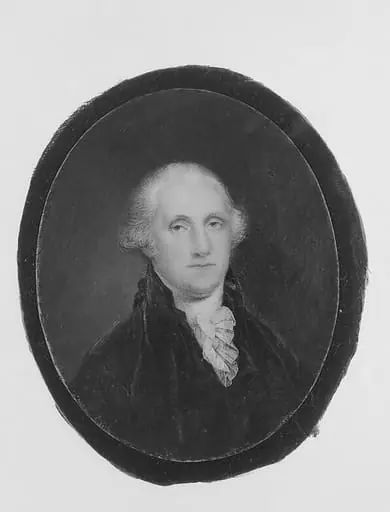
This small watercolor on ivory depicts Robert Gilmor Sr., a man presented with a serious expression, attired in a dark coat and a white cravat. Measuring only about three inches tall, the work exemplifies the intimate scale characteristic of miniature portraits. Such pieces were often created as personal keepsakes, intended for close viewing and private appreciation.
Artist & collection
Artist
Robert Field (1769–1819) was a painter who was born in London and died in Kingston, Jamaica.