Artwork
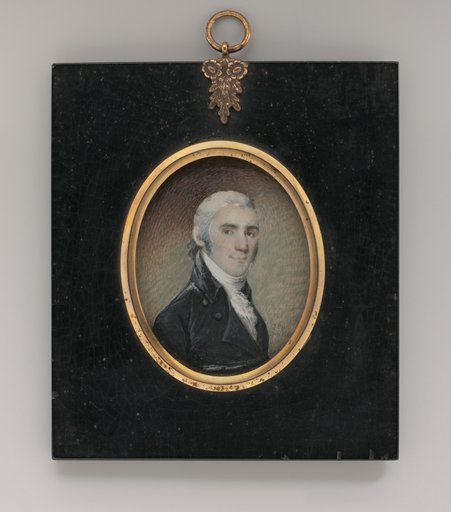
Portrait of a Gentleman
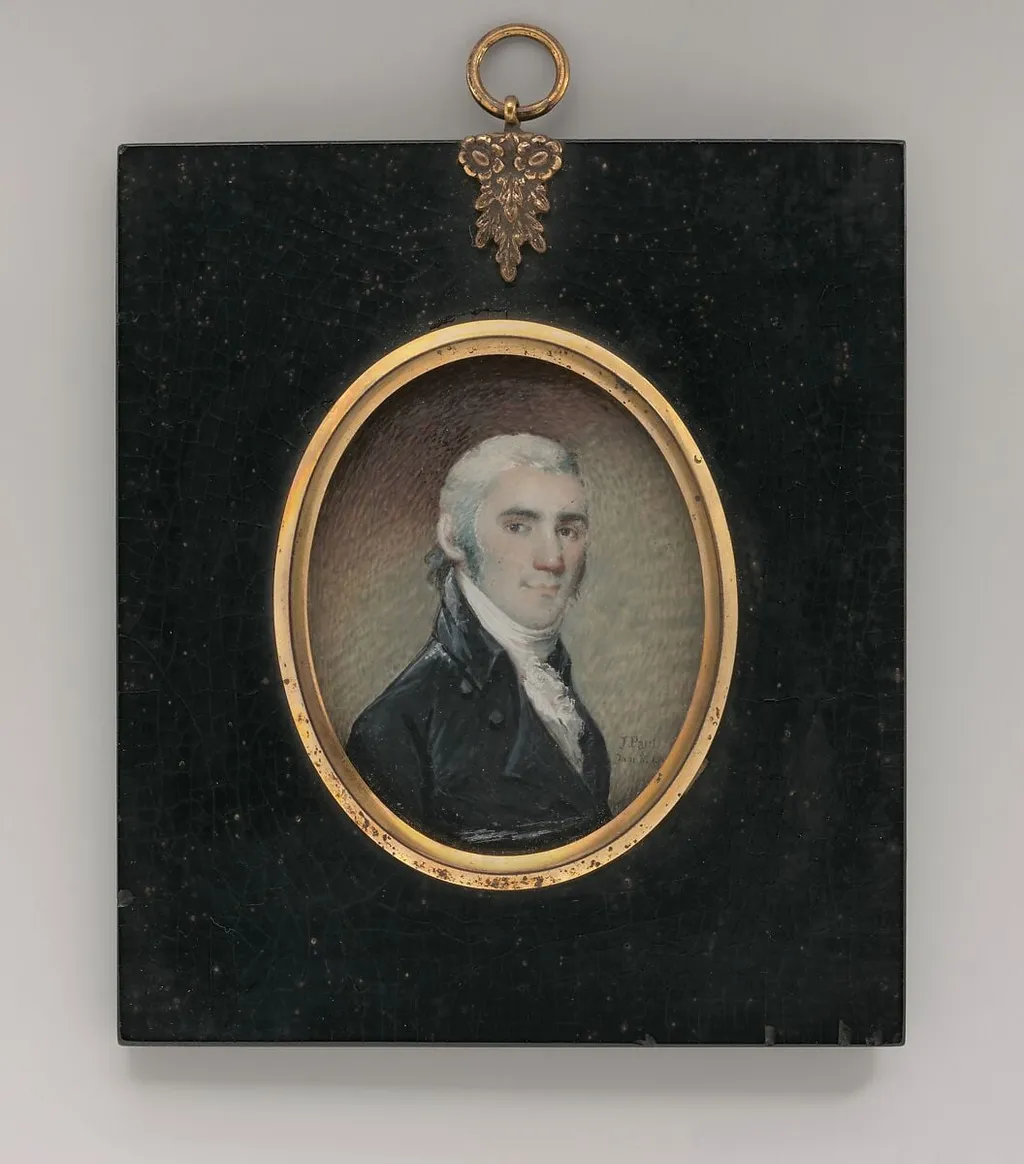
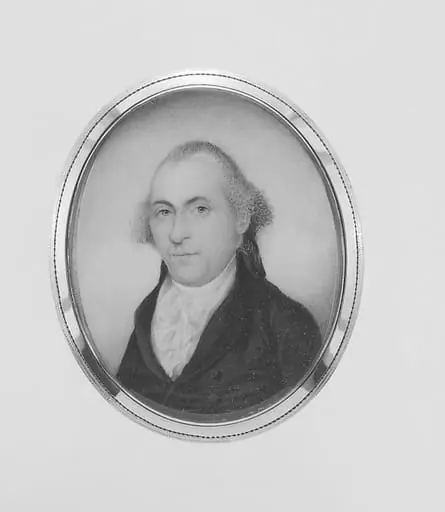
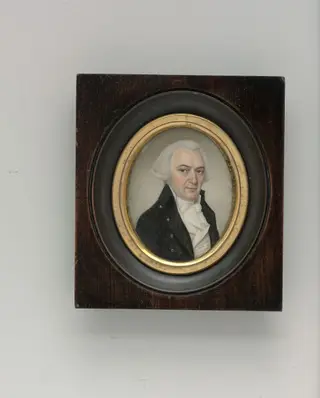
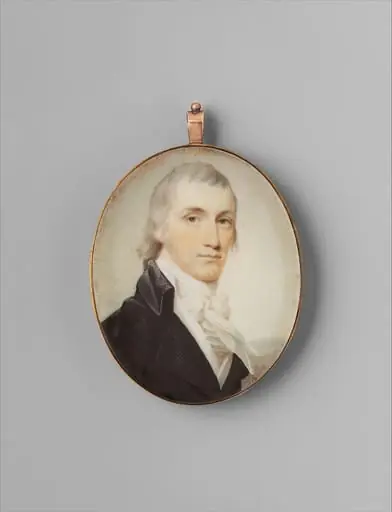
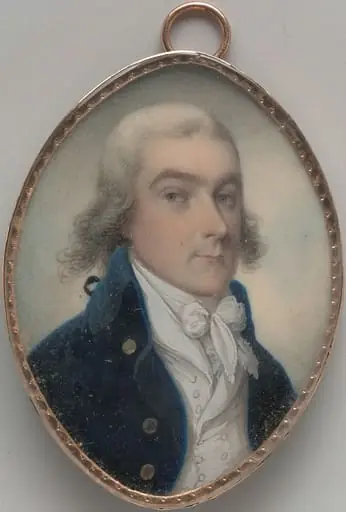
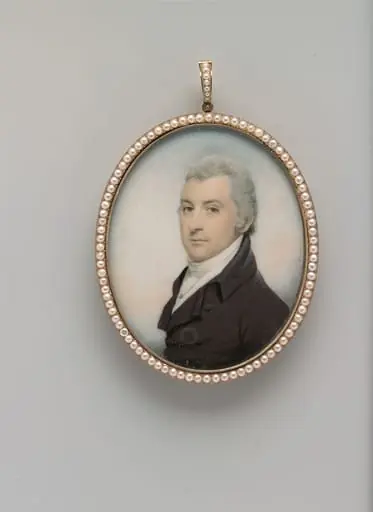
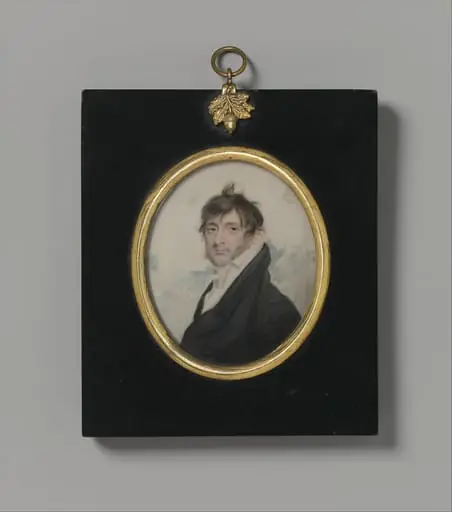
Portrait of a Gentleman is a watercolor painting by the American Folk Art artist 1775-1820 Jeremiah Paul. It dates from 1800 and is held in the collection of the Metropolitan Museum of Art.
About this work
History & Provenance
Portrait of a Gentleman was created circa 1800 by American miniaturist Jeremiah Paul, who executed the work in watercolor on ivory.
Portrait of a Gentleman was created circa 1800 by American miniaturist Jeremiah Paul, who executed the work in watercolor on ivory. While the sources do not record a specific commission or earlier owners, the painting is presently held in the collection of the Metropolitan Museum of Art in New York, where it has been catalogued since its acquisition. The dating is based on the artist’s active period and the work’s inscribed inception date of 1800-01-01.
Legacy
Portrait of a Gentleman (1800) by Jeremiah Paul, a watercolor on ivory held in the Metropolitan Museum of Art, is recognized as an early example of American portraiture within the museum’s American Wing. Its inclusion in a major public collection has contributed to renewed scholarly interest in the development of portrait conventions in the young United States, positioning the work as a reference point for studies of 19th‑century visual culture. The painting’s provenance and display context have reinforced the reputation of Paul’s oeuvre in surveys of early American artists, ensuring its continued relevance in art‑historical narratives.
Overview
This small watercolor, titled Portrait of a Gentleman, was created by Jeremiah Paul in 1800. Executed on a thin slice of ivory, the work depicts an unidentified man. Paul, an American artist active from the late 18th to early 19th century, specialized in this delicate medium, which was gaining popularity for its ability to render subtle details and luminous effects.
Subject & Meaning
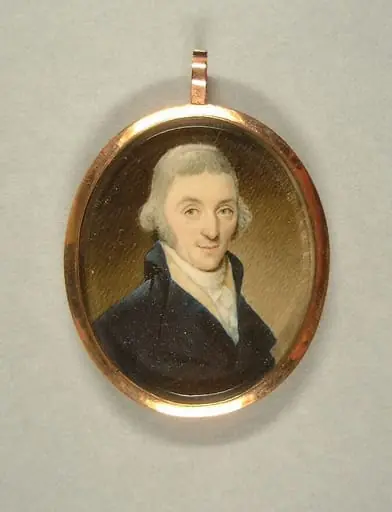
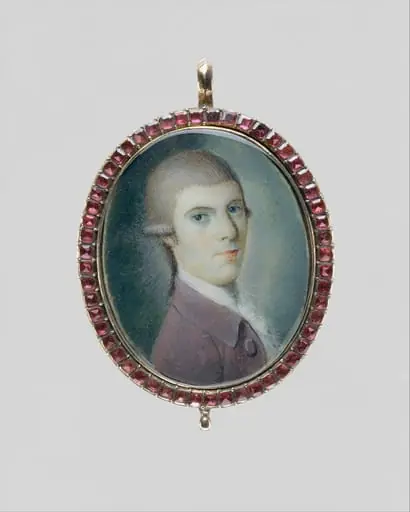
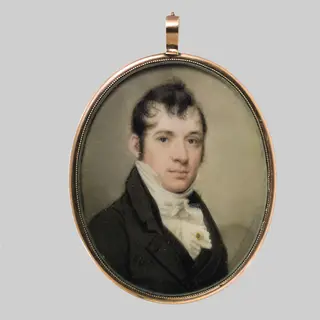
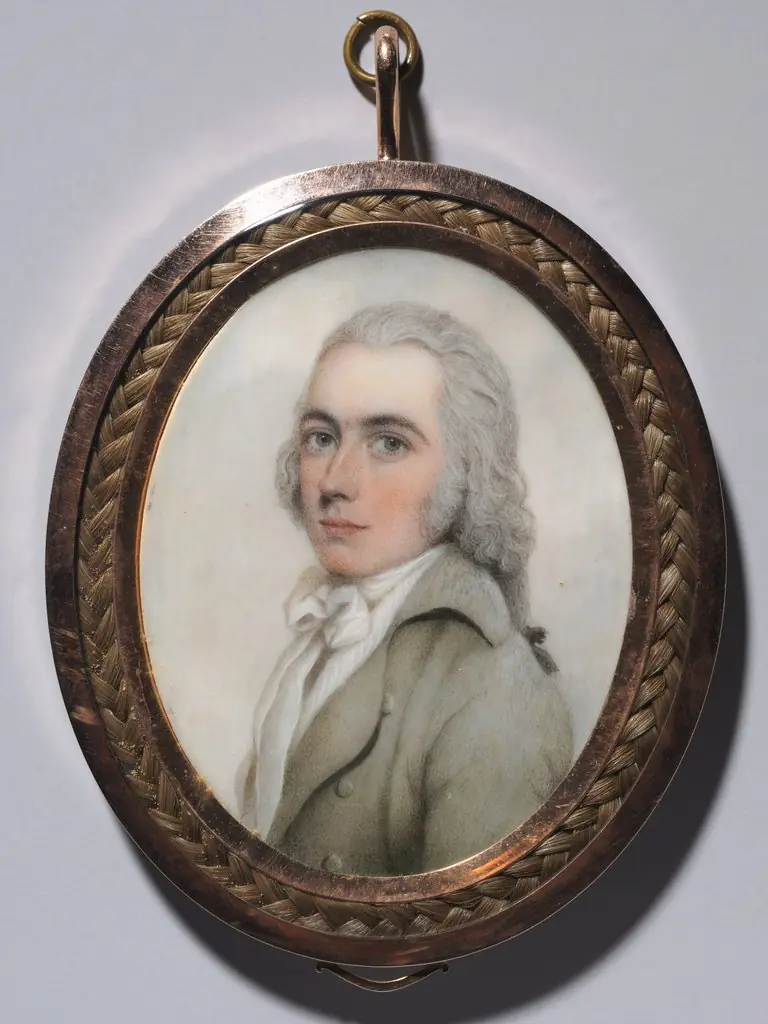
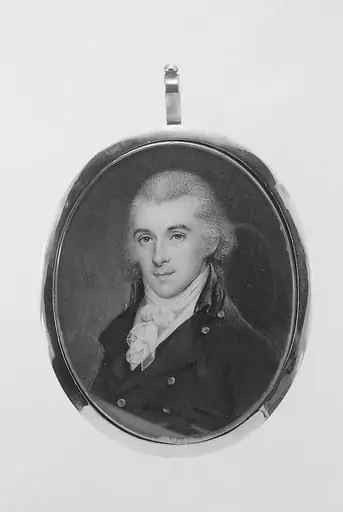
The portrait presents a man in formal attire, his dark coat contrasting with a crisp white cravat. He gazes directly forward, his features softly illuminated, suggesting a sense of composure and directness. His hair is neatly styled and tied back, reflecting the fashionable presentation of gentlemen during the turn of the 19th century. The intimate scale of the work implies it may have been intended for personal display.
Technique & Style
Paul employed watercolor on ivory, a specialized technique that allowed for remarkable delicacy and luminosity. The inherent translucence of the thin ivory substrate, often compared to a material so slight it could be mailed, imparted a lifelike glow beneath the painted surface, particularly enhancing the depiction of skin tones. This method was favored for its ability to create a vibrant, almost ethereal quality in miniature portraits.
Context
Jeremiah Paul was among the earliest American artists to adopt the practice of painting miniature portraits using watercolor on ivory. This technique, while established in Europe, was relatively new to the burgeoning art scene in the United States. His work contributes to understanding the development of American portraiture and the adoption of new artistic methods during the early federal period.
Artist & collection
Artist
Jeremiah Paul (c. 1771-1820) was an American portrait and ornamental painter active in Philadelphia during the early federal period. He worked within the city's painting community in the decades around 1800, producing…