Artwork
Portrait of a Lady
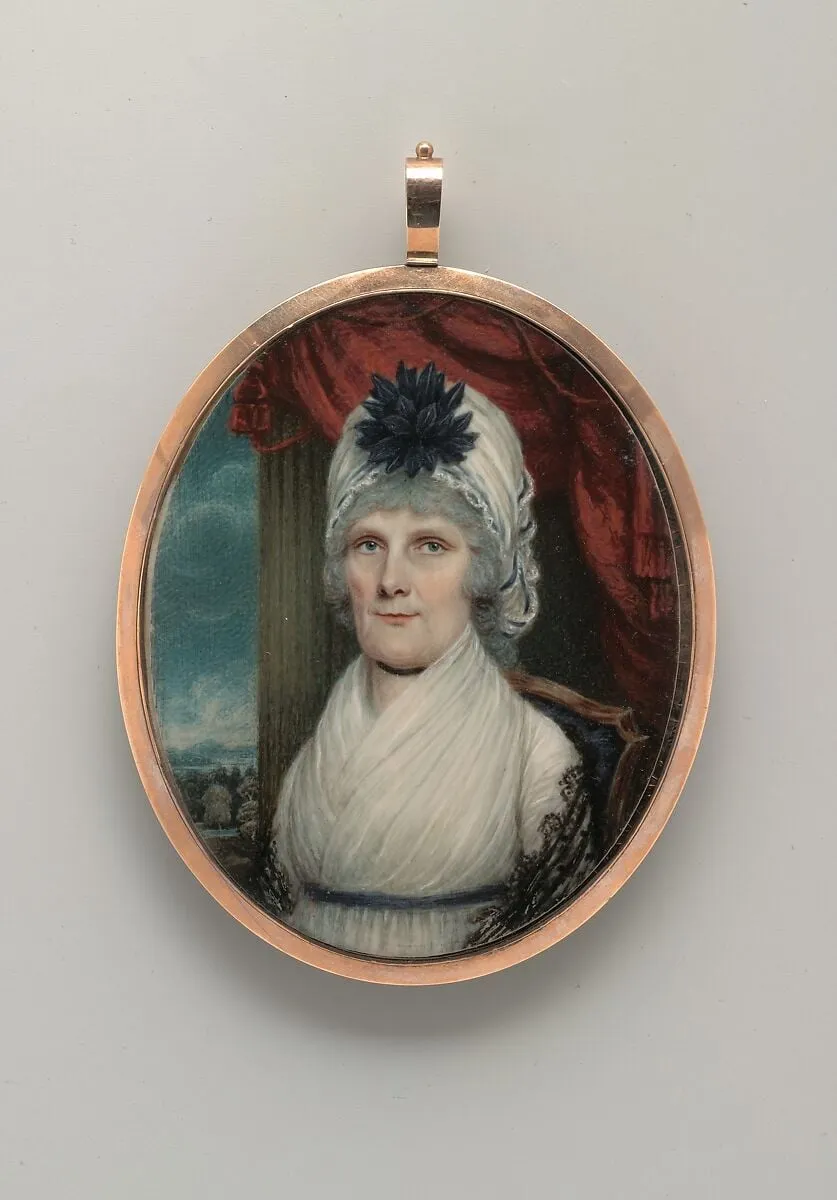
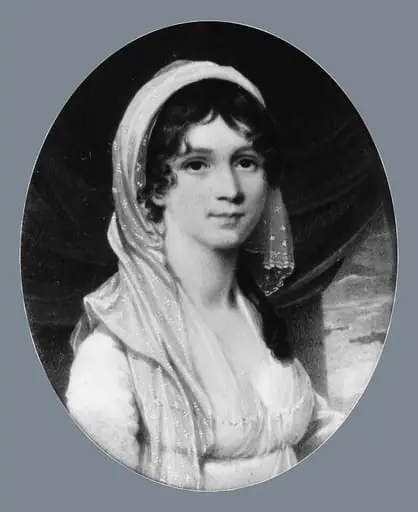
Portrait of a Lady is a watercolor painting by the American Folk Art artist Robert Field. It dates from 1800 and is held in the collection of the Metropolitan Museum of Art. This small watercolor on ivory depicts an unidentified woman from early 19th-century America.
About this work
A woman in white looks straight out, dark hair tied with a blue ribbon, lace at her sleeves and neckline. The whole picture is smaller than a postcard, painted on a slice of ivory in watercolor layered so thin the ivory glows through her skin. Her clothes place her in America around 1800, though her name is lost.
Subject & Meaning
The piece serves as a formal representation of a female subject, utilizing the miniature format to capture her likeness and contemporary dress.
Robert Field's 1800 watercolor on ivory, titled Portrait of a Lady, depicts an unidentified woman as its primary subject. The work functions as a miniature portrait, focusing on the sitter's upper body and attire. Iconographically, the figure is characterized by specific fashion elements of the era, including a fichu, lace details, and a neck ribbon.
These accessories, along with the broader use of ribbons, define the visual representation of the woman within the composition. The piece serves as a formal representation of a female subject, utilizing the miniature format to capture her likeness and contemporary dress. No specific symbolic meaning beyond the standard conventions of portraiture and the depiction of the sitter's social presentation through clothing is recorded in the available documentation.
History & Provenance
The work titled Portrait of a Lady was produced in 1800 by British‑American painter Robert Field as a watercolor on ivory. It depicts a woman wearing a fichu, lace, and a neck ribbon, elements recorded in both the museum’s classification and the Wikidata entry. The painting entered the collection of the Metropolitan Museum of Art, where it has been housed continuously and is presently exhibited in The American Wing.
Its dimensions measure 8.4 × 6.8 cm, and the subject is identified as a woman. The provenance reflects a straightforward ownership chain from the artist to the museum, with no documented intermediaries.
Overview
This small watercolor on ivory depicts an unidentified woman from early 19th-century America. Her attire, featuring a white dress, lace details, and a blue ribbon in her dark hair, reflects the fashion of the period around 1800. The miniature format, characteristic of such portraits, allowed for a personal and intimate depiction.
Technique & Style
The artist employed watercolor on a thin slice of ivory, a common technique for miniature portraits. By applying the pigment in delicate, translucent layers, the natural luminosity of the ivory support was utilized to create a soft, radiant quality, particularly noticeable in the sitter's complexion. This method contributed to the intimate scale, making the portrait suitable for personal keepsakes.
Context
Miniature portraits flourished in America during the late 18th and early 19th centuries, serving as cherished personal objects. Before the advent of photography, these small-scale images provided an accessible means of preserving likenesses. This particular example, housed in the American Wing, represents a widespread artistic practice that captured individual appearances for private contemplation and display.
Artist & collection
Artist
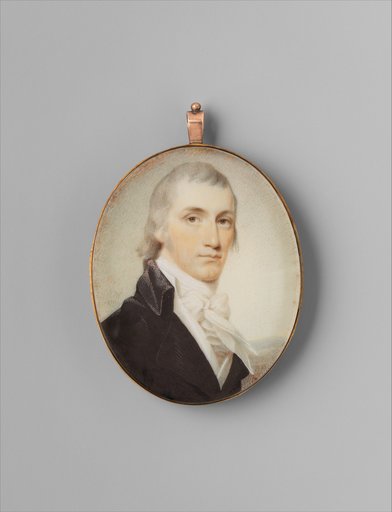
Robert Field (1769–1819) was a painter who was born in London and died in Kingston, Jamaica.

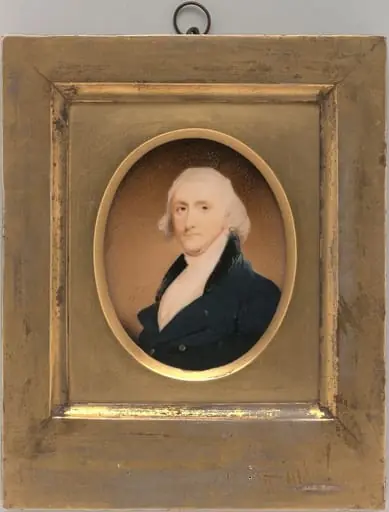
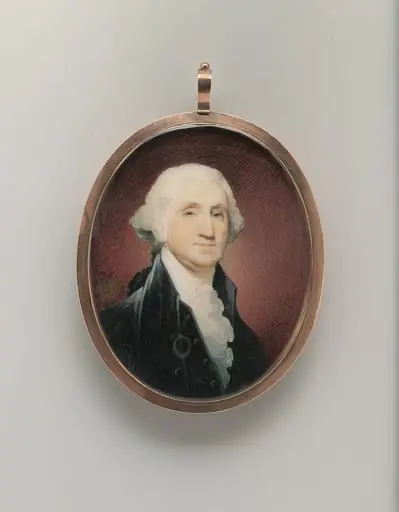
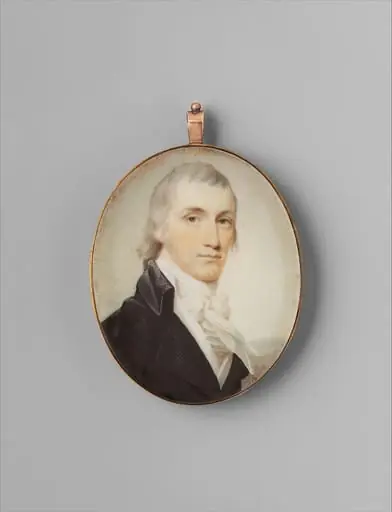
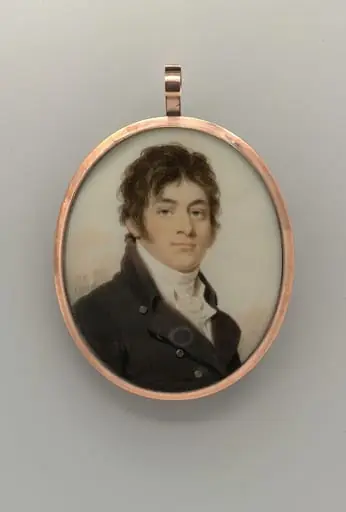
- Portrait of a Lady
 Mrs. Jonathan Pinkney, Jr. (Elizabeth Munroe)
 Portrait of a Woman Wearing a Miniature
 Portrait of Susan Coren Towers
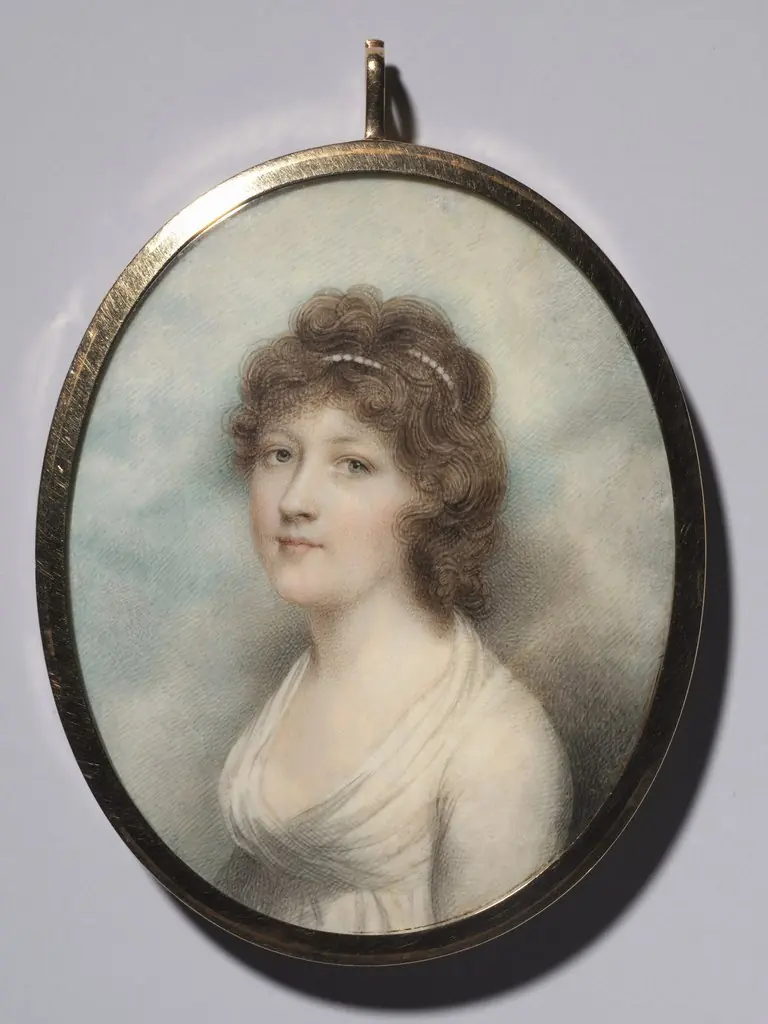 Portrait of a Woman
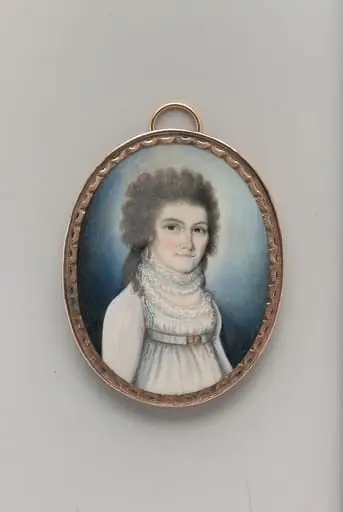 Clarissa Storrs
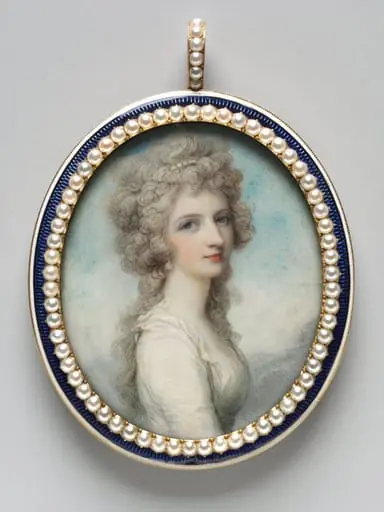 Portrait of Mary Frances (Fanny) Swinburne
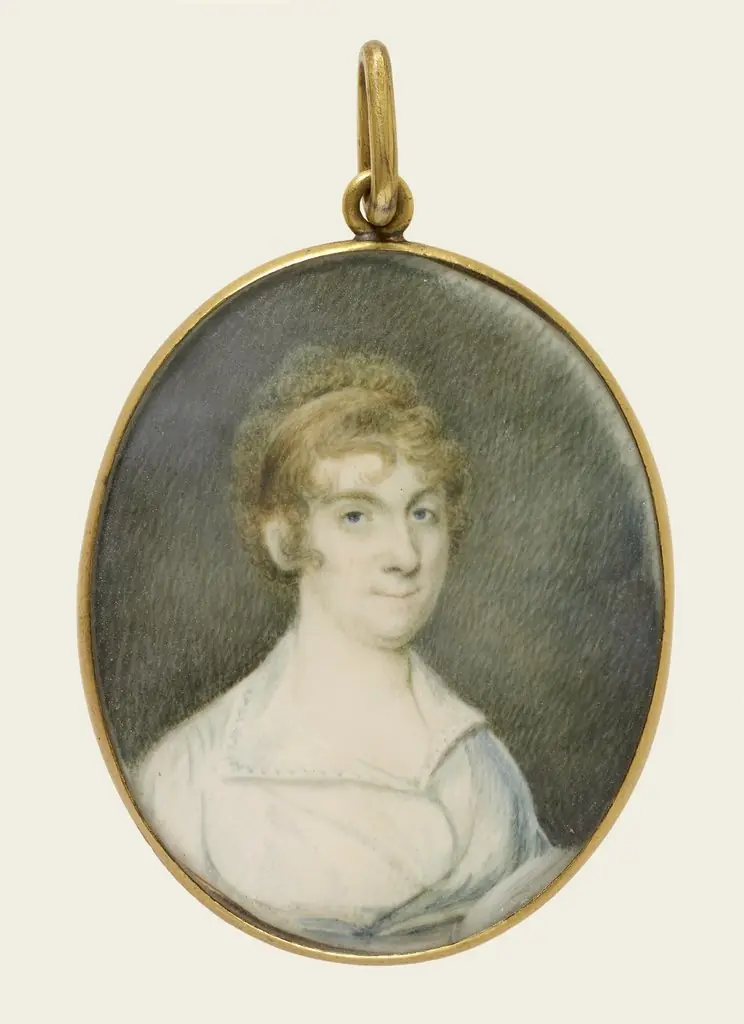 Ann Brunton, the actress (Mrs. Rob Merry)
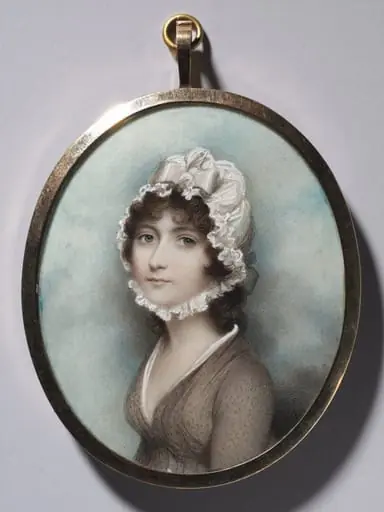 Portrait of a Woman
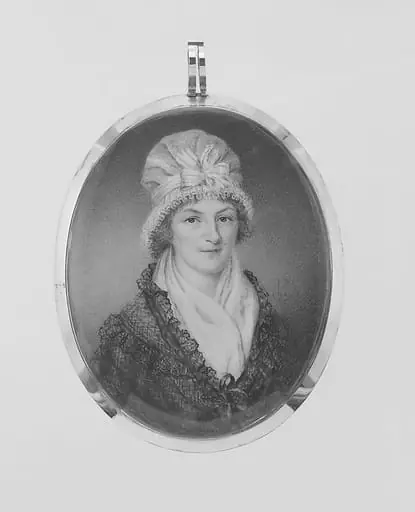 Mrs. Joseph Cooper (Mary Justice)
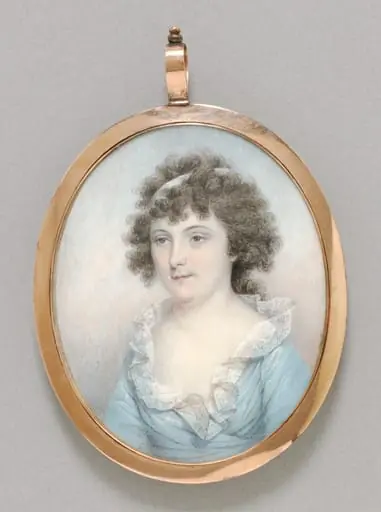 Portrait of Susan Coren Towers
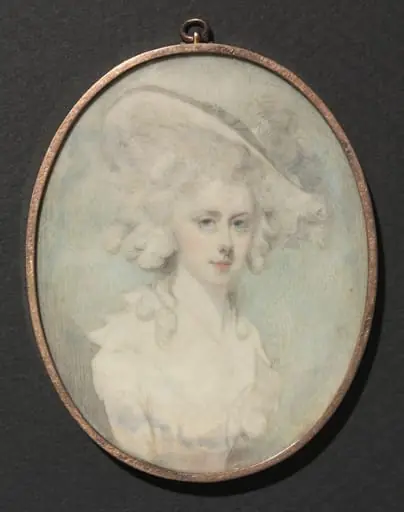 Portrait of a Woman with a Hat