Artwork
Three Nymphs Dancing with a Satyr
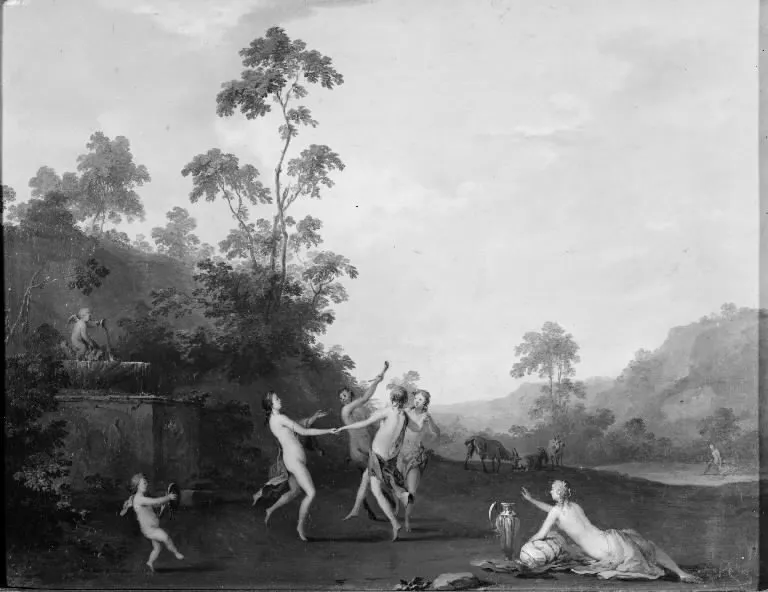
Three Nymphs Dancing with a Satyr is an unspecified painting by the Dutch Golden Age artist Roelant Savery. It dates from 1615 and is held in the collection of the Statens Museum for Kunst.
About this work
Subject & Meaning
As a depiction of nymphs and a satyr, the subject matter explores themes common to the era's interest in classical antiquity and pastoral fantasy.
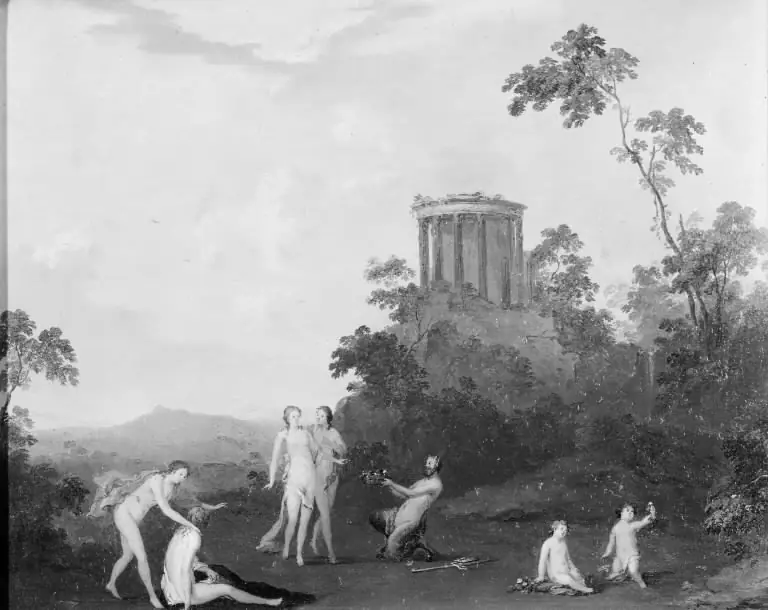
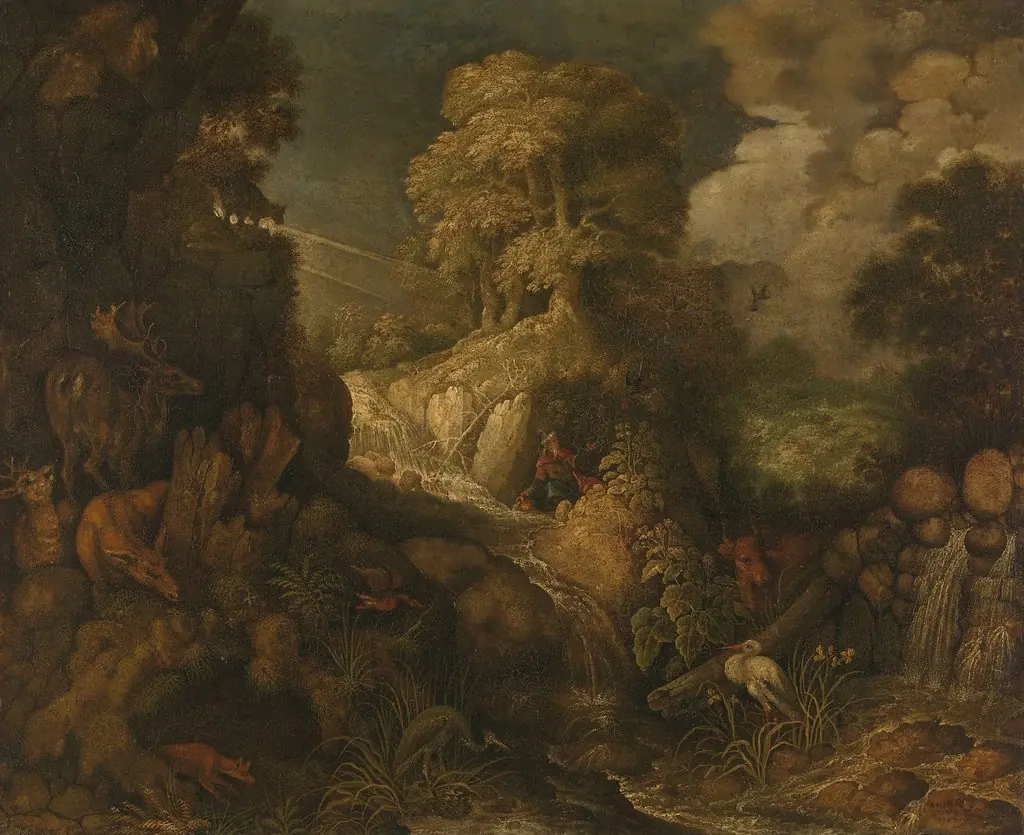
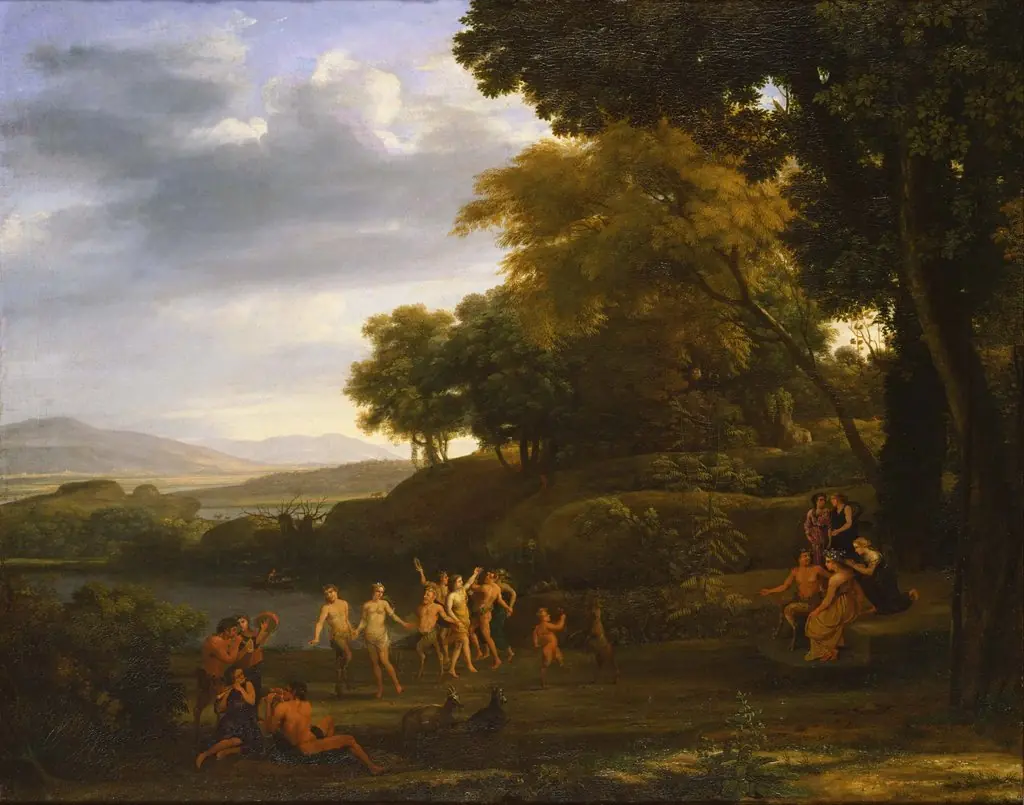
The painting depicts a mythological scene featuring three nymphs dancing alongside a satyr. Created by Roelant Savery in 1615, the work belongs to the genre of mythological painting. The composition centers on the interaction between these classical figures, illustrating a narrative rooted in ancient mythology.
As a depiction of nymphs and a satyr, the subject matter explores themes common to the era's interest in classical antiquity and pastoral fantasy.
History & Provenance
Roelant Savery created the mythological painting Three Nymphs Dancing with a Satyr in 1615. The work depicts nymphs and a satyr, aligning with the artist's engagement with classical themes during this period. The painting is currently held in the collection of the Statens Museum for Kunst, where it remains located.
No specific details regarding the original commission or intermediate ownership history prior to its arrival at the museum are provided in the available records.
Context
The work Three Nymphs Dancing with a Satyr by Roelant Savery, painted in 1615, exemplifies the artist's engagement with mythological subjects during the Dutch Golden Age. Savery, known for his detailed naturalistic style and cabinet paintings, contributed to the tradition of depicting classical myths with observational precision, often blending flora, fauna, and narrative elements. This painting is part of the collection at the Statens Museum for Kunst, where it is recognized as a mythological work reflecting the period's interest in nature and allegorical storytelling.
Its subject matter aligns with Baroque-era interpretations of myth, emphasizing sensuality and rustic vitality through dynamic composition and intricate detail.
Scholarship on the piece highlights its role within Savery's broader oeuvre, particularly his fascination with biodiversity and the natural world, which he rendered with scientific curiosity characteristic of early 17th-century artistic practice.
Overview
Created in 1615 by the Flemish-born artist Roelant Savery, this oil painting presents a lively woodland scene populated by mythological figures. Three graceful female nymphs and a satyr, half‑man, half‑goat, are caught in the act of dancing amid trees, hills, and distant grazing animals. The work is part of the collection of Denmark’s national gallery, the Statens Museum for Kunst.
Technique & Style
Savery employs a detailed, naturalistic approach typical of Dutch Golden Age painting, rendering foliage, light, and texture with careful observation. The figures are rendered with soft modeling and fluid poses, while the background landscape is treated with atmospheric perspective, creating depth and a sense of movement that unifies the figures with their environment.
Artist & collection
Artist
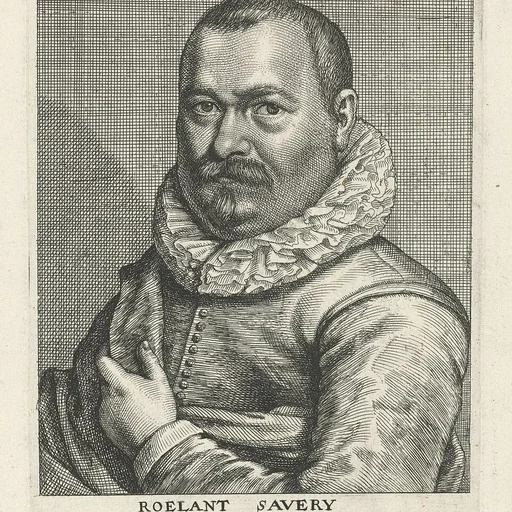
Roelant Savery (or Roeland(t) Maertensz Saverij, or de Savery, or many variants; 1576 – buried 25 February 1639) was a Flanders-born Dutch Golden Age painter.