Artwork
Head of the Executioner
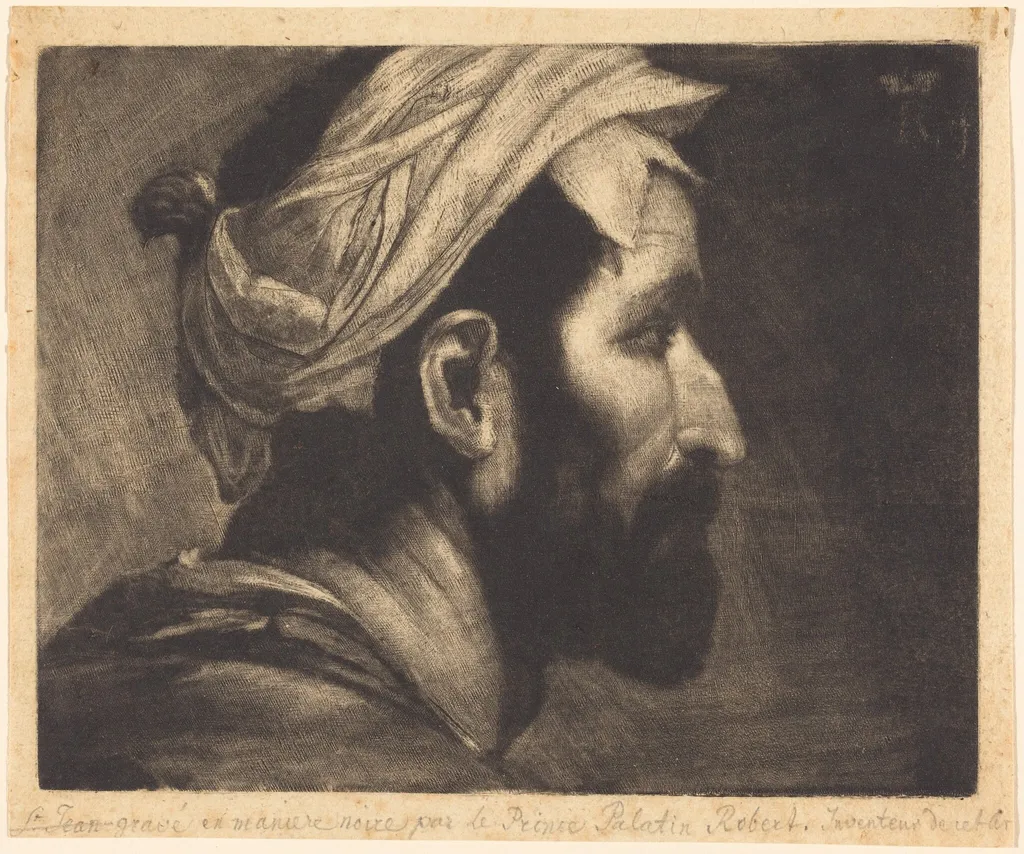
Head of the Executioner is an ink print by the Baroque artist Prince Rupert of the Pfalz. It dates from 1658 and is held in the collection of the National Gallery of Art.
- Inscription
- Inscribed:recto: in plate, at upper left: Rp f [with a crown above]; below image, in graphite: St. Jean gravé en maniere noir par le Prince Palatin Robert. Inventeur de cet [text incomplete]; verso: at lower left, in graphite: 12 J / C 2990 ; at lower right, in graphite: 40008
- Markings
- Marked:none
About this work
Overview
Head of the Executioner is a mezzotint print with engraving on laid paper, created by Rupert of the Pfalz, Prince in 1658. The work presents a somber, close-up depiction of a man’s head and shoulders.
Subject & Meaning
The subject, an executioner, is portrayed with his face partially obscured, showing only one ear and a shadowed jaw. This composition conveys a sense of anonymity and solemnity, fitting for the subject’s profession.
Technique & Style
The print combines mezzotint with engraving to achieve deep, dark shadows and a gritty texture. The cloak’s folds are rendered with thick, textured lines, evoking the appearance of carved stone. Cross-hatching enhances the shading, contributing to the overall moody atmosphere.
History & Provenance
Created in 1658 by Rupert of the Pfalz, Prince, the print’s historical context and ownership history prior to its current location are not specified in available information.
Context
The use of mezzotint, a technique capable of producing rich, dark tones, was well-suited for the somber subject matter. This choice reflects the artistic trends of the mid-17th century, which often explored dramatic lighting and shadow.
Legacy
The legacy of Head of the Executioner lies in its demonstration of mezzotint’s capabilities in capturing intense shadows and textures, influencing subsequent printmaking practices in portraying somber, detailed subjects.
Own this work as a print
Artist & collection


- The Little Executioner
 Head of an Oriental
 Bearded Man in Profile (recto) / Woman Looking Up (verso)
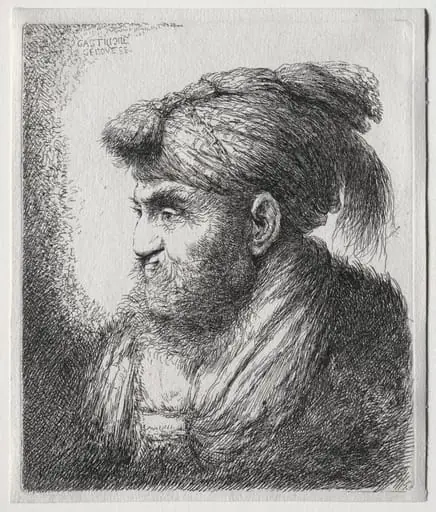 The Large Heads of Men in Oriental Headdress: A Man Nearly in Profile and Turned to Left
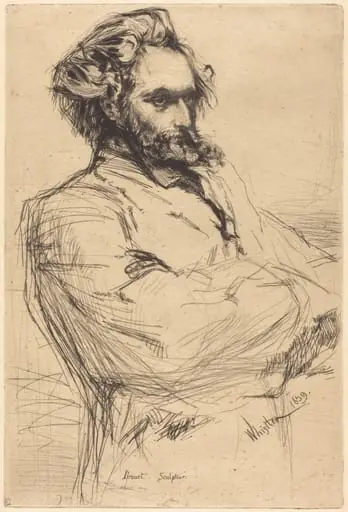 C. L. Drouet, Sculptor
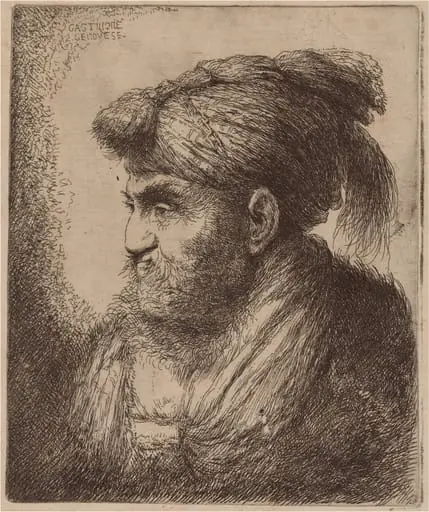 Man with a Beard and a Tassled Headdress, Facing Left
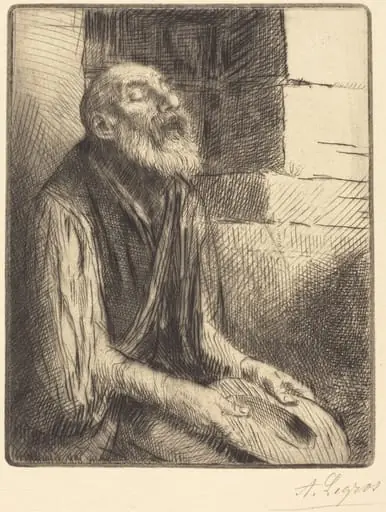 Seated Beggar (Mendiant assis)
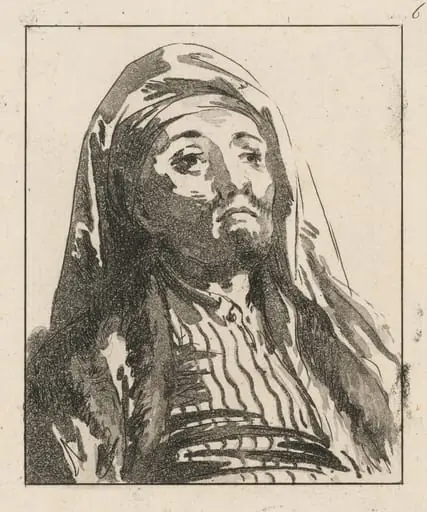 Head of a Man, Slightly Turned
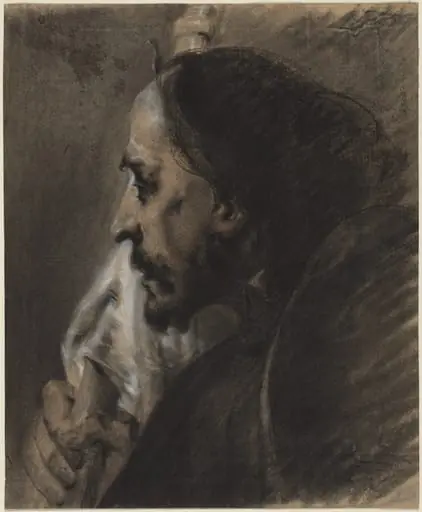 Saint James Major
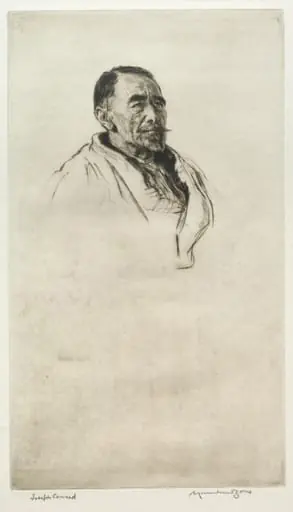 Arthur Joseph Conrad
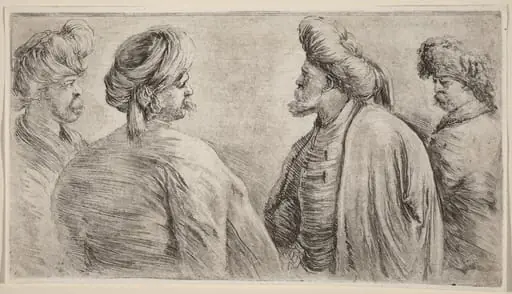 Four Turks Wearing Turbans
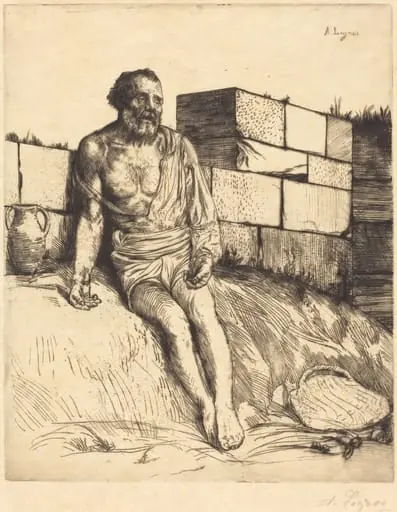 Job, 1st plate