Artwork
Civita Castellana and Mount Soracte, 1852
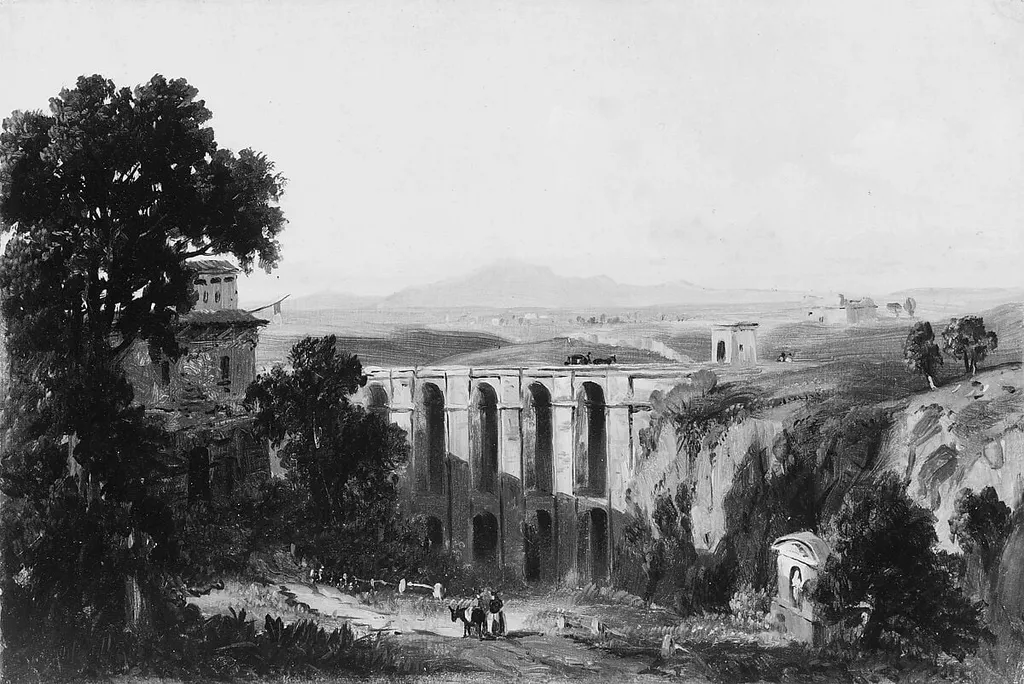
Civita Castellana and Mount Soracte, 1852 is an oil drawing by the Impressionist artist Russell Smith. It dates from 1852 and is held in the collection of the Metropolitan Museum of Art.
- Accession no.
- 1981.116
- Credit line
- Purchase, Gift of Edward D. Adams, by exchange, 1981
About this work
Technique & Style
Civita Castellana and Mount Soracte is executed in oil on wove paper, an unconventional support that lends the work the immediacy of a plein-air study while preserving the handling of a finished composition. The modest dimensions, 18.3 cm in height by 30.2 cm in width, and the horizontal format suit its focus on the Italian landscape, with the composition organized around the depiction of buildings, trees, and the surrounding terrain. The choice of oil on wove paper allows for fluid, sketch-like brushwork suited to capturing atmospheric effects, while the small scale and paper support situate the work within the tradition of intimate landscape studies produced by American artists traveling abroad in the mid-nineteenth century.
History & Provenance
Civita Castellana and Mount Soracte is an oil on wove paper landscape by William Thompson Russell Smith, dated 1852. The work entered the collection of the Metropolitan Museum of Art, where it is classified within The American Wing and held today.
No further information about a commission, prior ownership, or acquisition history is documented in the available sources.
Context
The work shows a prominent tree and architectural structure within a broad natural setting, aligning with the artist's focus on topographical subjects.
Russell Smith's 1852 landscape painting depicting the Lazio town of Civita Castellana alongside Mount Soracte entered the collection of the Metropolitan Museum of Art shortly after its creation. The work shows a prominent tree and architectural structure within a broad natural setting, aligning with the artist's focus on topographical subjects. Landscape painting in the mid-19th century often engaged with European artistic traditions while reflecting contemporary interest in geographical and historical locations.
Smith's inclusion in The American Wing at the Met underscores his significance within the institutional narrative of American art, situating this early work within both his personal oeuvre and the broader development of landscape as a genre in the United States.
Overview
Civita Castellana and Mount Soracte, painted in 1852, is an oil work on wove paper by William Thompson Russell Smith. The composition presents a modest Italian hillside settlement, its clustered structures and a solitary leaning tree rendered in muted browns and greens. The distant silhouette of Mount Soracte rises behind the town, creating a layered landscape that balances foreground detail with atmospheric background.
Subject & Meaning
The scene captures a tranquil moment in a rural Italian locale, emphasizing the relationship between human habitation and the surrounding terrain. The modest architecture clings to the slope, while the lone tree, angled toward the light, suggests a quiet resilience. The overall mood conveys a reflective, almost nostalgic view of a place that is both specific and emblematic of pastoral life.
Artist & collection
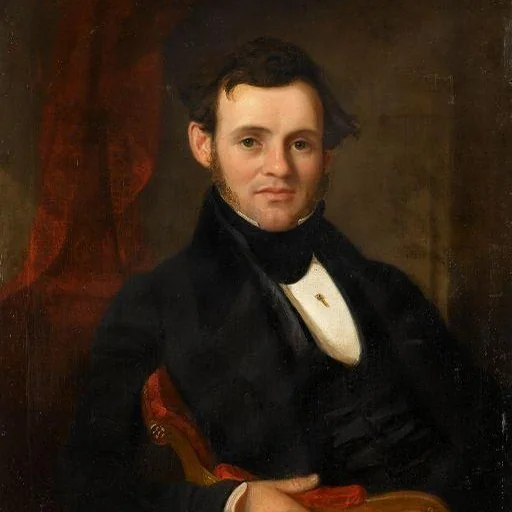
Artist
William Thompson Russell Smith (Glasgow, Scotland 1812 – Glenside, PA, 1896) was a Scottish-American painter who produced iconic images of Pennsylvania's landscape inspired by the aesthetic of the Hudson River School.

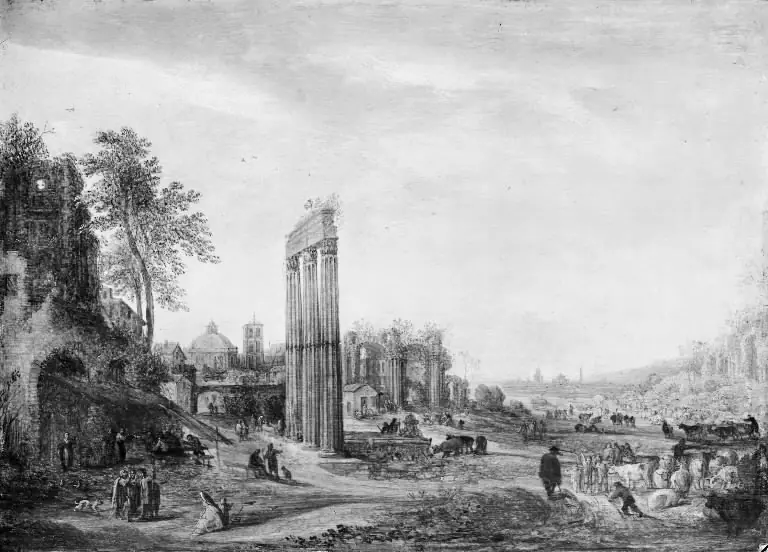
- View of Campo Vaccino in Rome
 View of Campo Vaccino in Rome
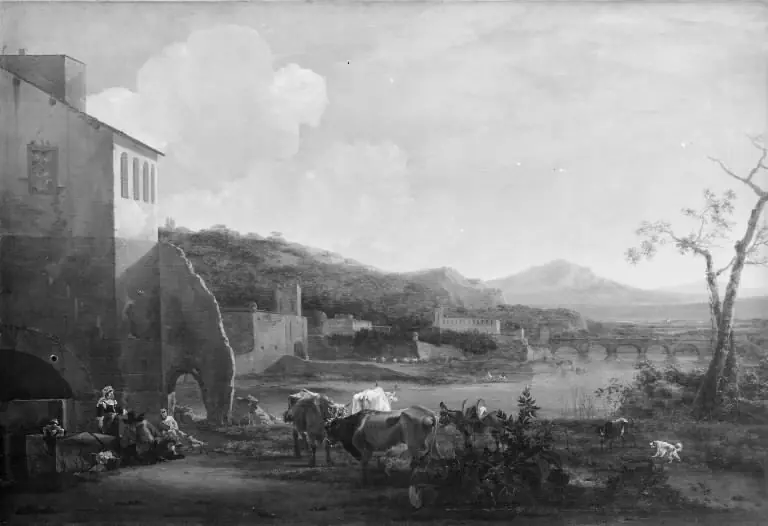 Italian Landscape
 Italian Landscape
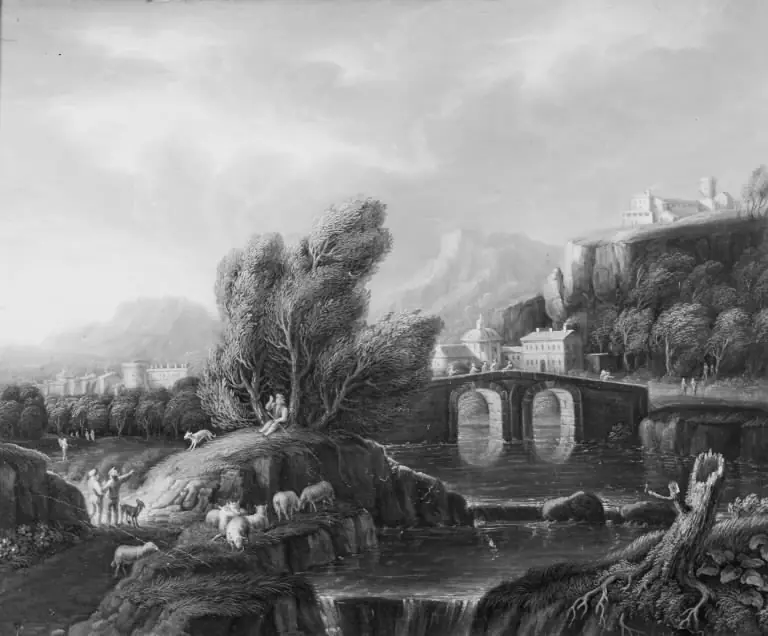 A Landscape with a Waterfall and a Stone Bridge
 Stadtlandschaft
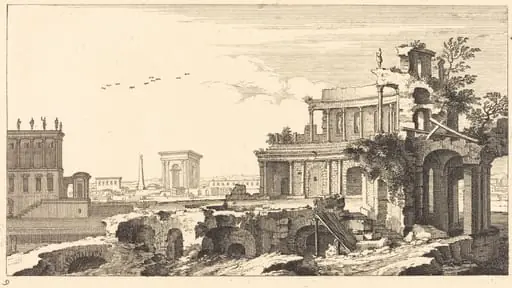 Landscape with Classical Ruins
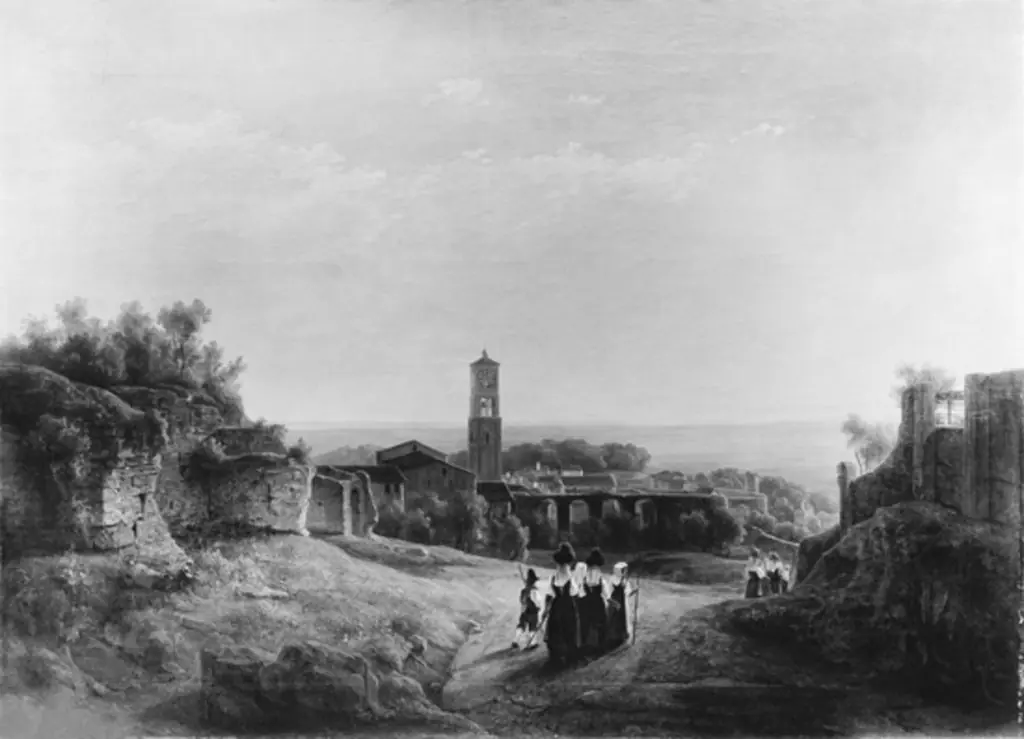 Albano
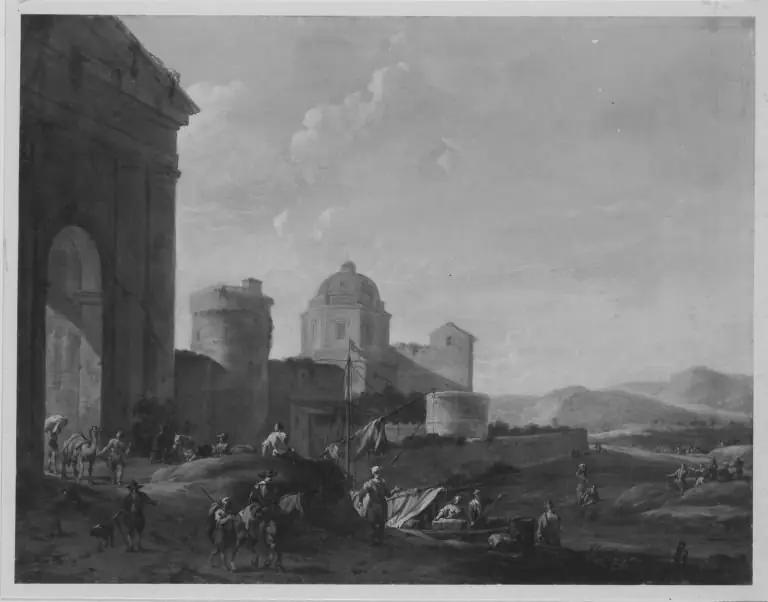 Fantasielandschaft
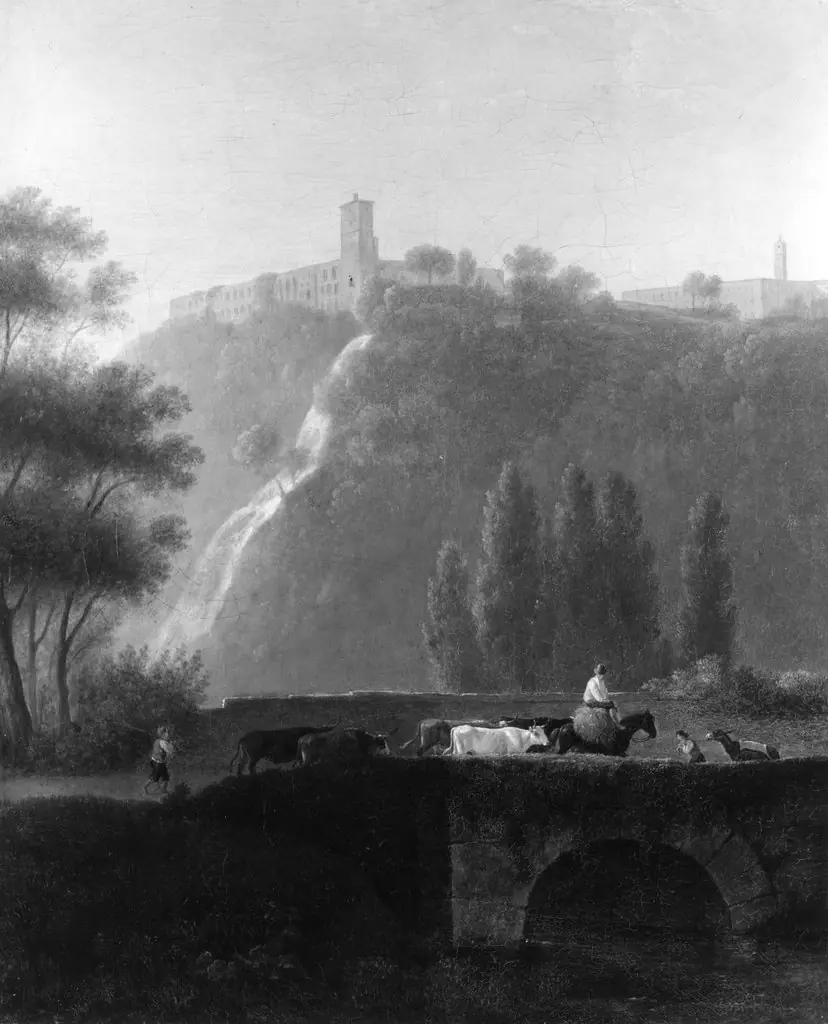 Landscape, the Cascades of Tivoli
 Decorative Landscape with Imaginary Architecture
 Italian Lake Scene with Villa (from Cropsey Album)