Artwork
Madonna and Child with the Infant Saint John the Baptist
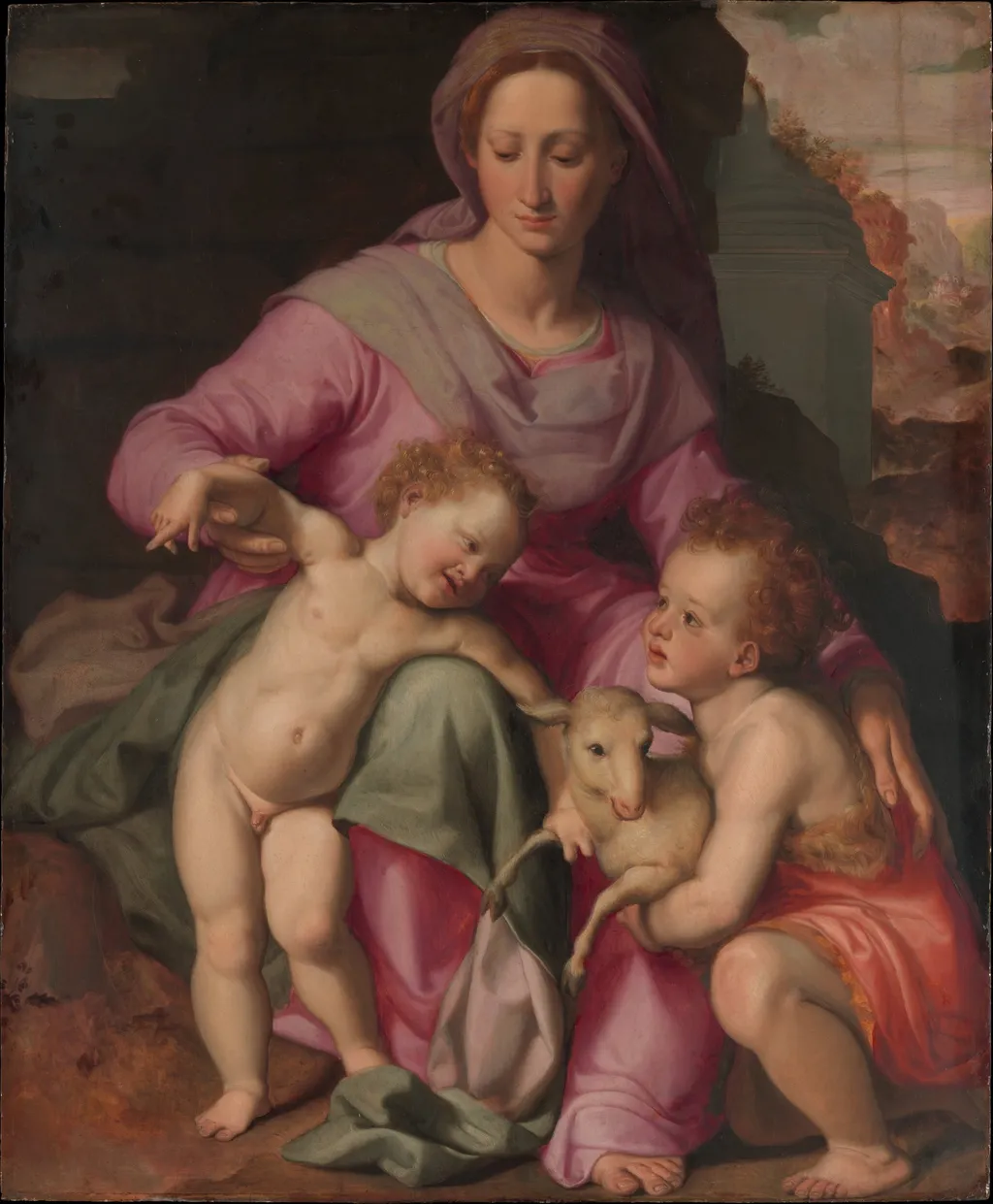
Madonna and Child with the Infant Saint John the Baptist is an oil painting by the Mannerist artist Santi di Tito. It dates from 1570 and is held in the collection of the Metropolitan Museum of Art.
About this work
Subject & Meaning
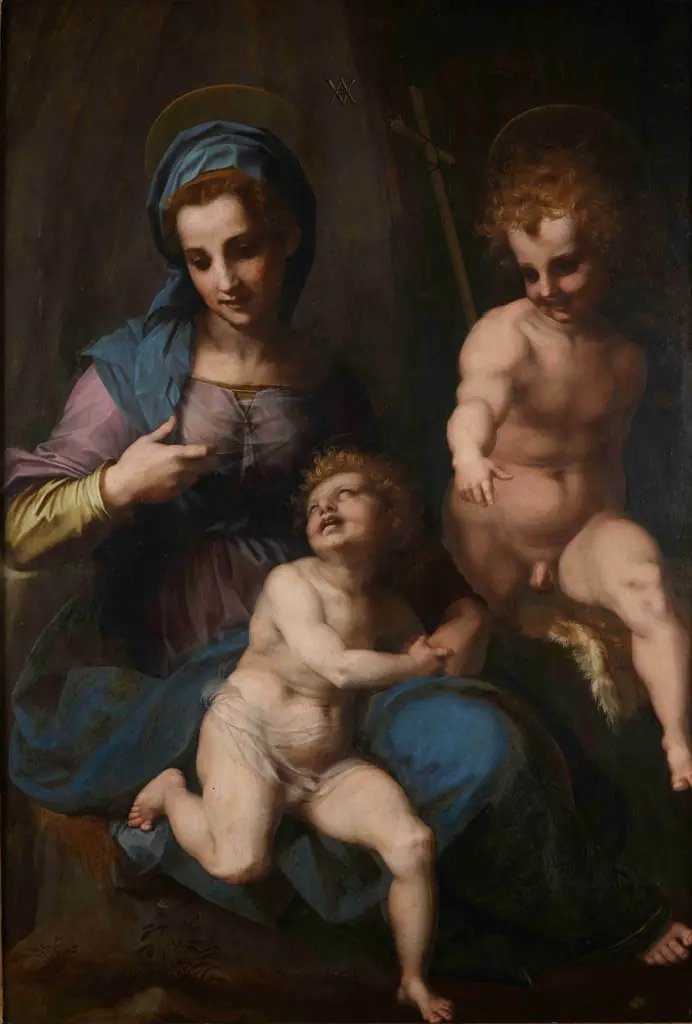
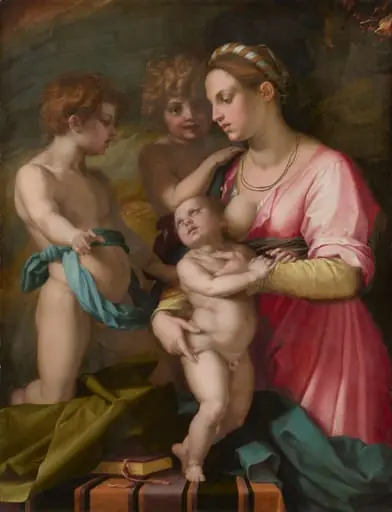
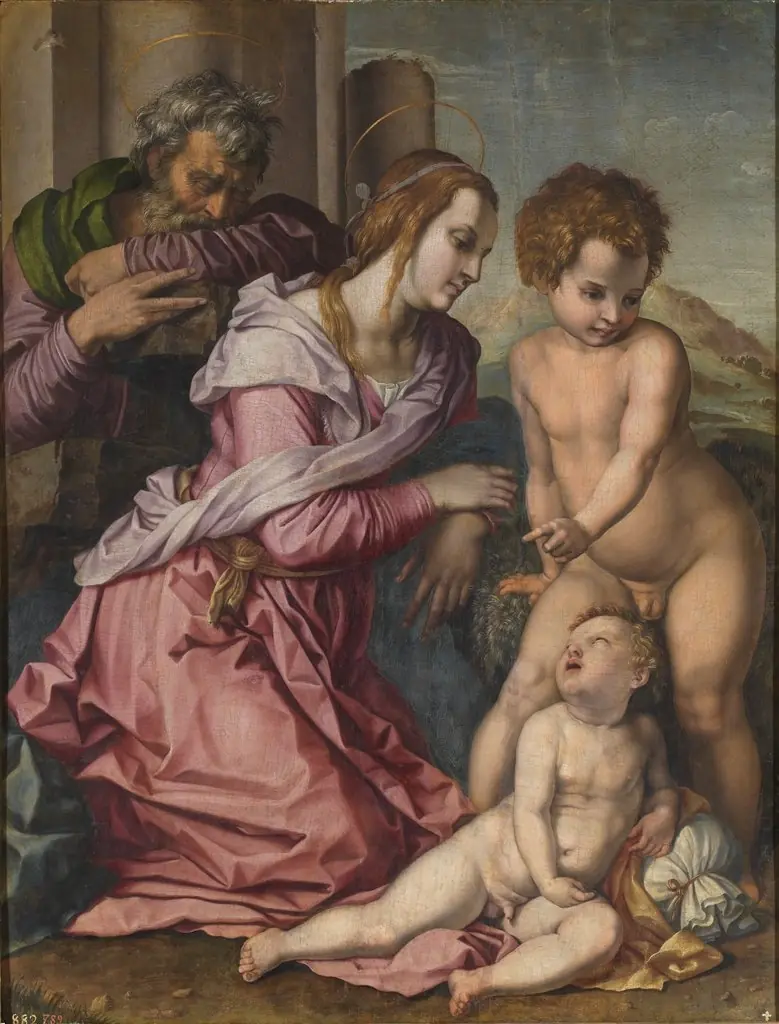
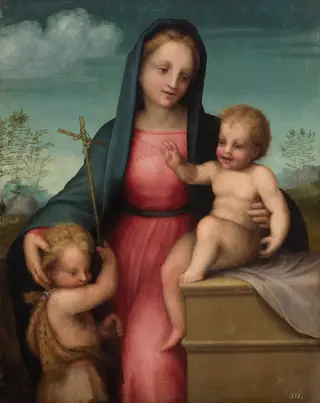
Mary is shown with the Christ Child, while the young John appears alongside them, identified by his characteristic attributes.
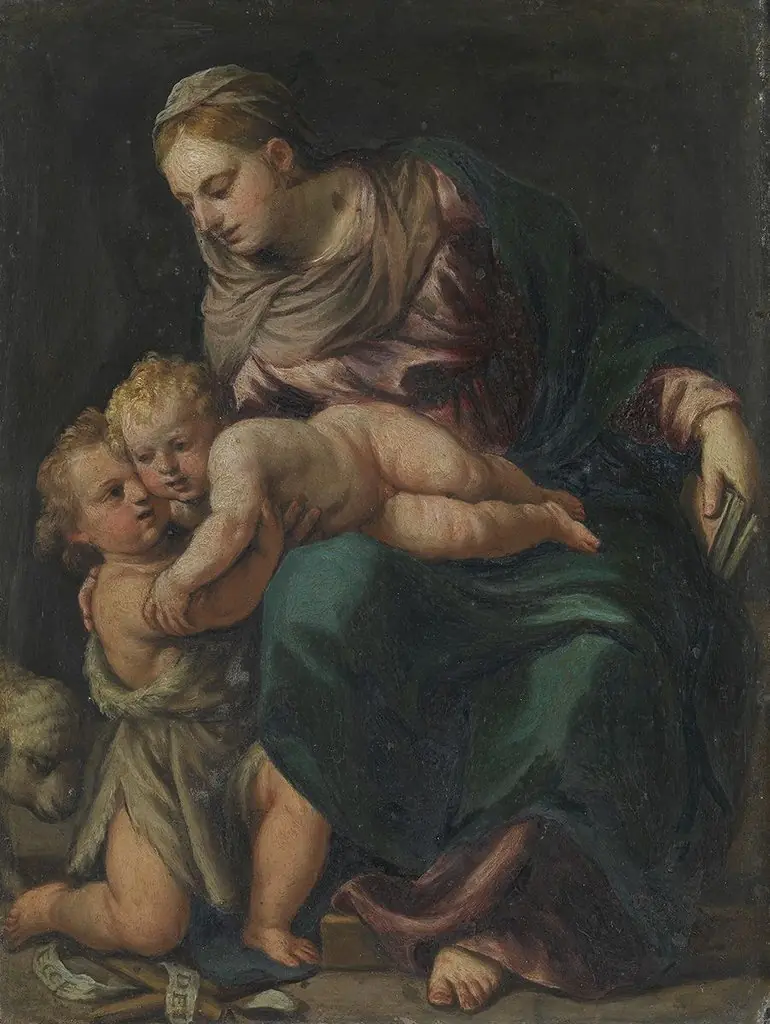
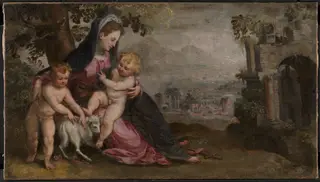
The painting presents a devotional grouping of the Madonna and Child joined by the infant Saint John the Baptist, a configuration rooted in Florentine Renaissance tradition. Mary is shown with the Christ Child, while the young John appears alongside them, identified by his characteristic attributes. The presence of a sheep, noted among the depicted elements, alludes to John's later role as the herald of the Lamb of God and prefigures Christ's sacrificial destiny.
Together, the figures form an intimate sacred conversation, blending human tenderness with theological foreshadowing. The composition emphasizes spiritual kinship between the two holy children and Mary's maternal role as intercessor, embodying the tender yet contemplative piety typical of late sixteenth-century Florentine religious painting.
Technique & Style
Madonna and Child with the Infant Saint John the Baptist is an oil painting on panel created by Santi di Tito in 1570. The work measures 103.8 cm high by 85.7 cm wide and is classified as a religious painting. It is held in the Metropolitan Museum of Art's collection.
The medium is oil paint applied to a wooden panel support. The composition depicts the Virgin Mary with the Christ Child and the infant Saint John the Baptist, accompanied by a sheep.
Context
Critical scholarship identifies Santi di Tito's 1570 'Madonna and Child with the Infant Saint John the Baptist' as a representative example of Counter‑Reformation devotional painting in Central Italy, emphasizing its role within the artist's broader output of sacred imagery. The work's composition and iconography have been analyzed in museum catalogues as emblematic of late‑16th‑century Tuscan religious art, reflecting both stylistic conventions and Counter‑Reformation theological emphasis on familial holiness. Its inclusion in the Metropolitan Museum of Art's collection underscores its significance as a studied piece within the corpus of European religious paintings.
Overview
This oil painting, titled "Madonna and Child with the Infant Saint John the Baptist," was created by Santi di Tito in the 1570s. It depicts the Virgin Mary, dressed in a pink robe, seated with the young Christ Child and Saint John the Baptist. The figures are positioned against a rocky, somewhat indistinct landscape under a pale sky. The artist employs a realistic approach to portray the solemn interaction between the holy figures.
History & Provenance
Painted by Santi di Tito during the 1570s, this work exemplifies the artistic trends of late 16th-century Florence. Di Tito was a prominent figure in the Florentine art scene, known for his move away from the more artificial styles of Mannerism towards a greater emphasis on clarity and naturalism. This painting reflects his contribution to the evolving visual language of the Counter-Reformation.
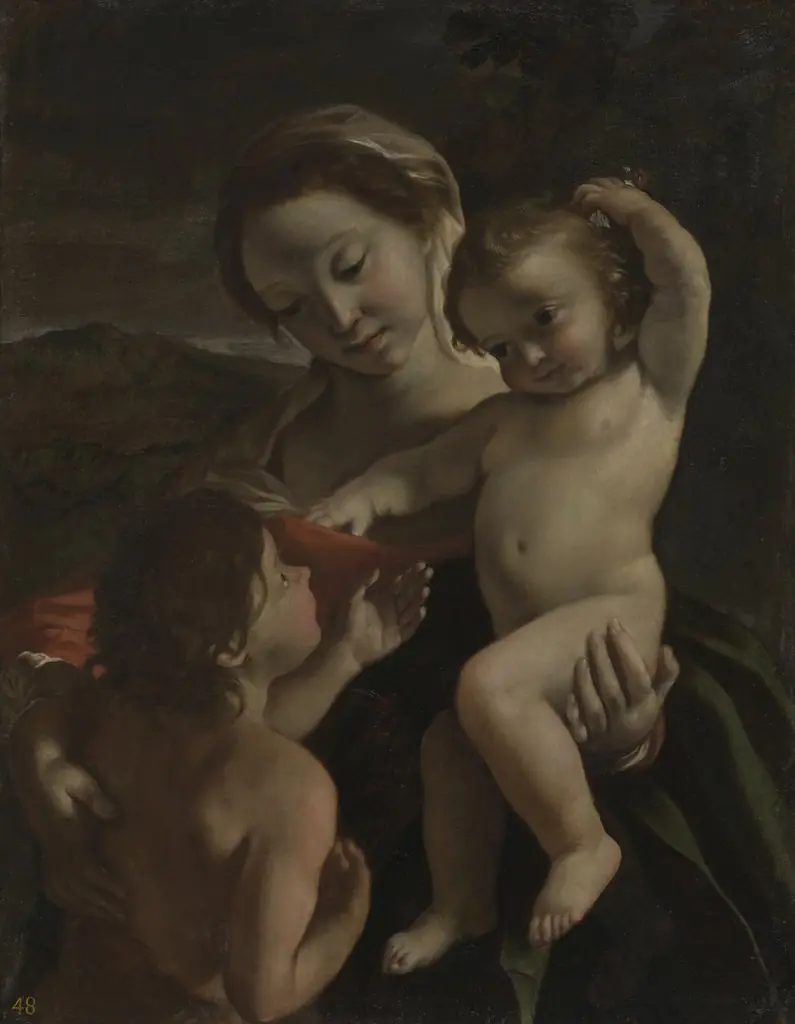
Own this work as a print
Artist & collection
Artist
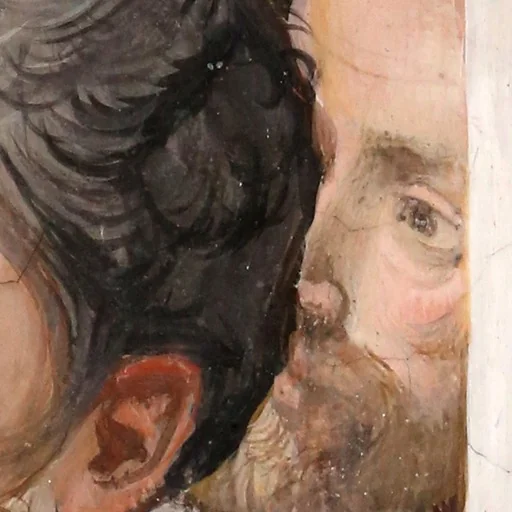
Santi di Tito (5 December 1536 – 25 July 1603) was one of the most influential and leading Italian painters of the proto-Baroque style – what is sometimes referred to as "Counter-Maniera" or Counter-Mannerism.

- Madonna and Child with the Infant Saint John the Baptist
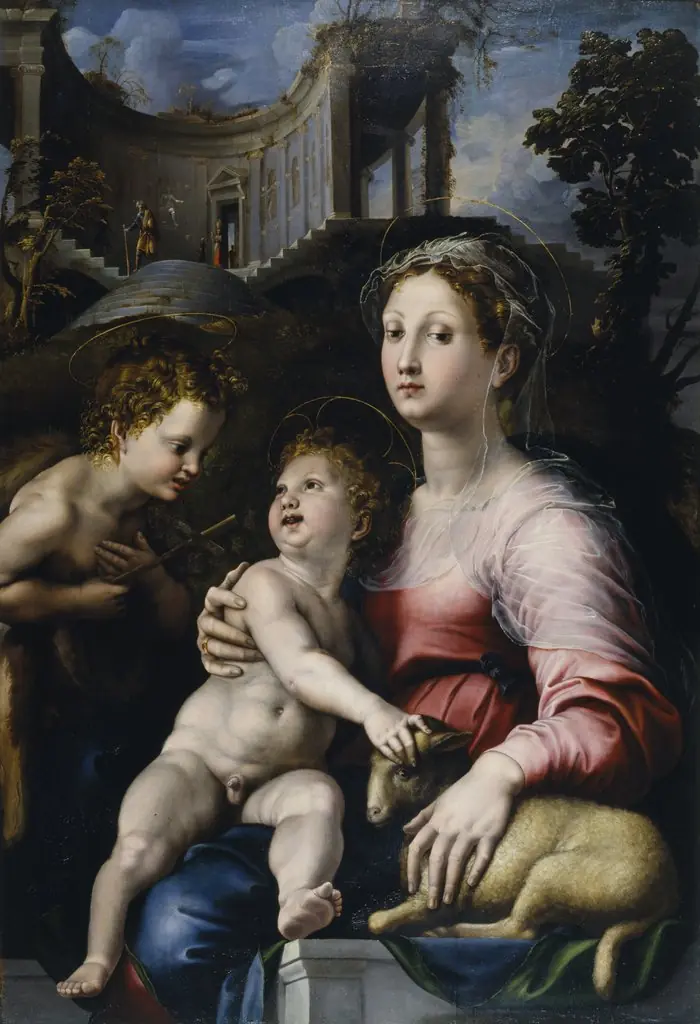 The Madonna and Child with Saint John the Baptist
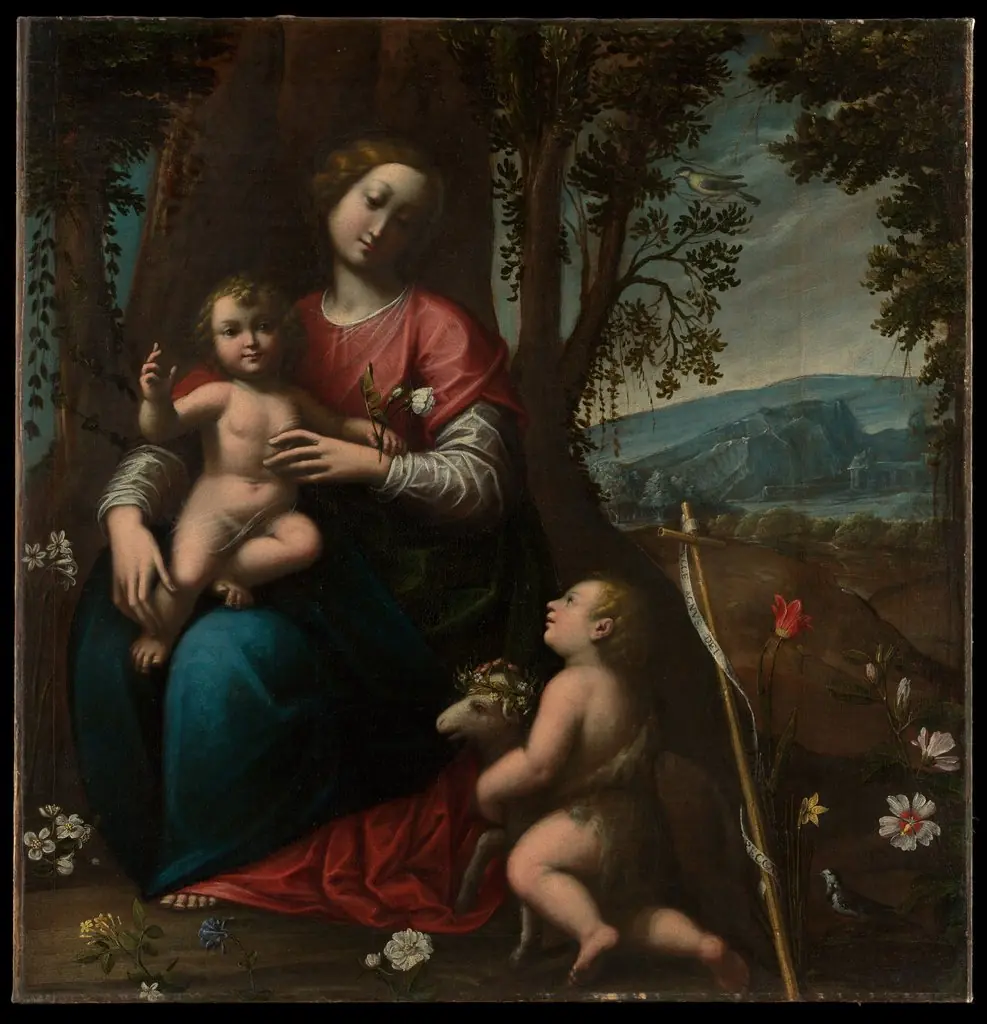 Madonna and Child with the Infant Saint John the Baptist
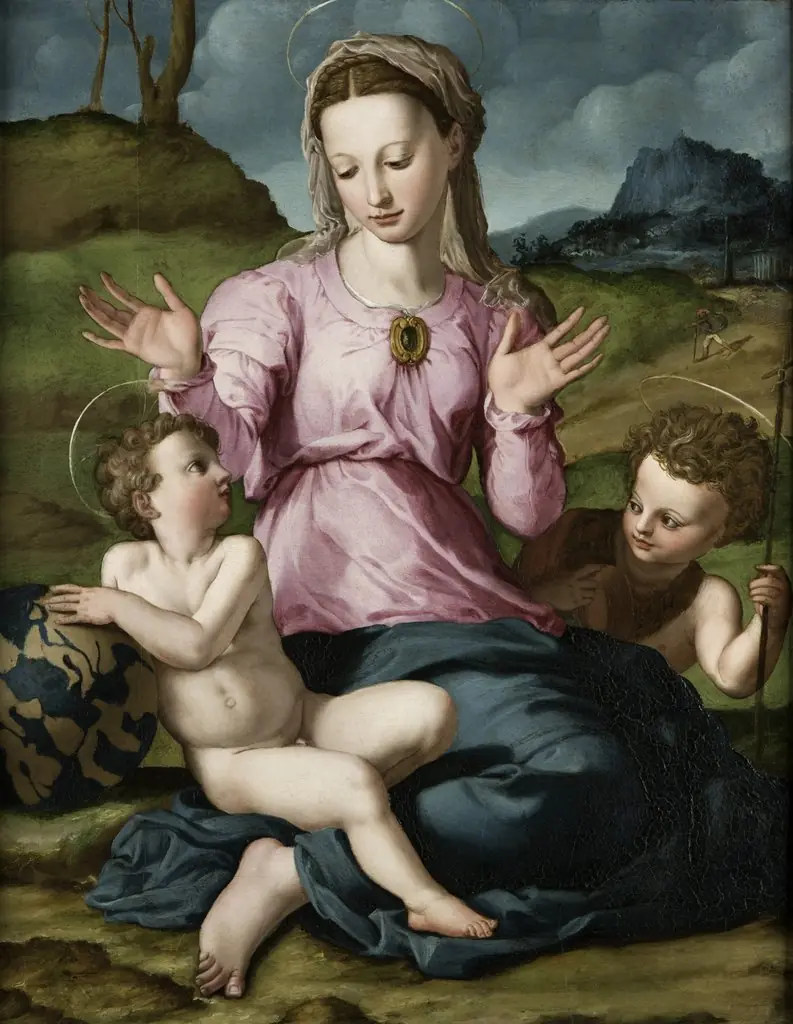 Madonna and Child with Saint John the Baptist
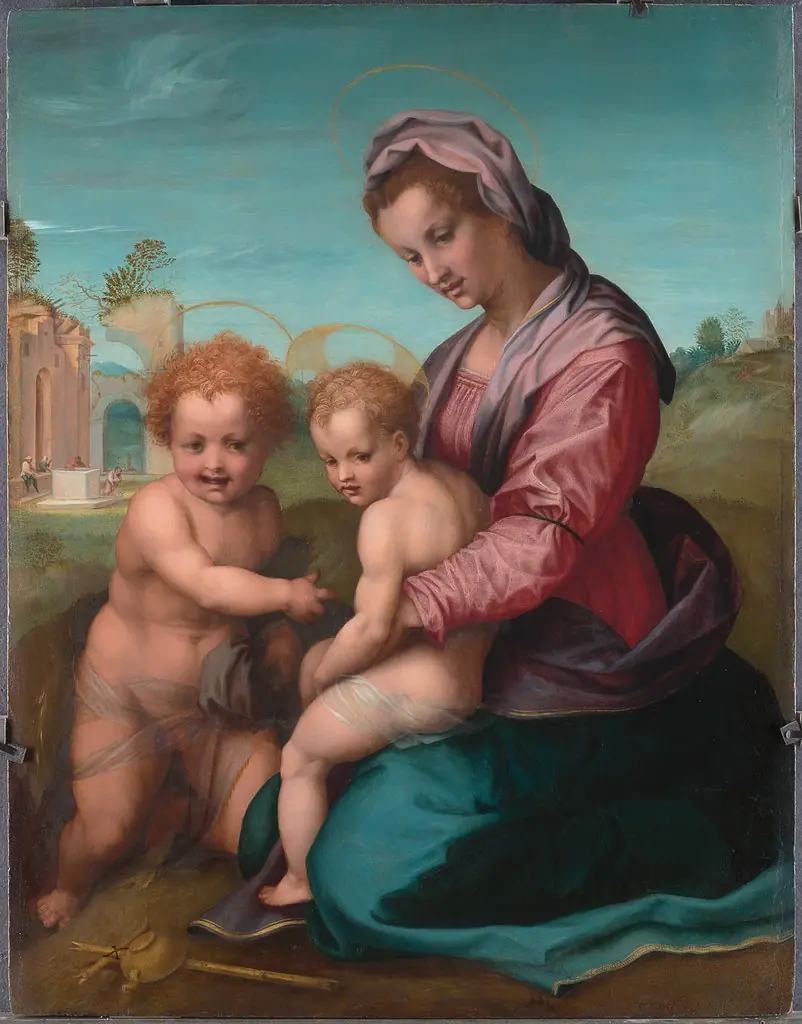 Madonna and Child with John the Baptist
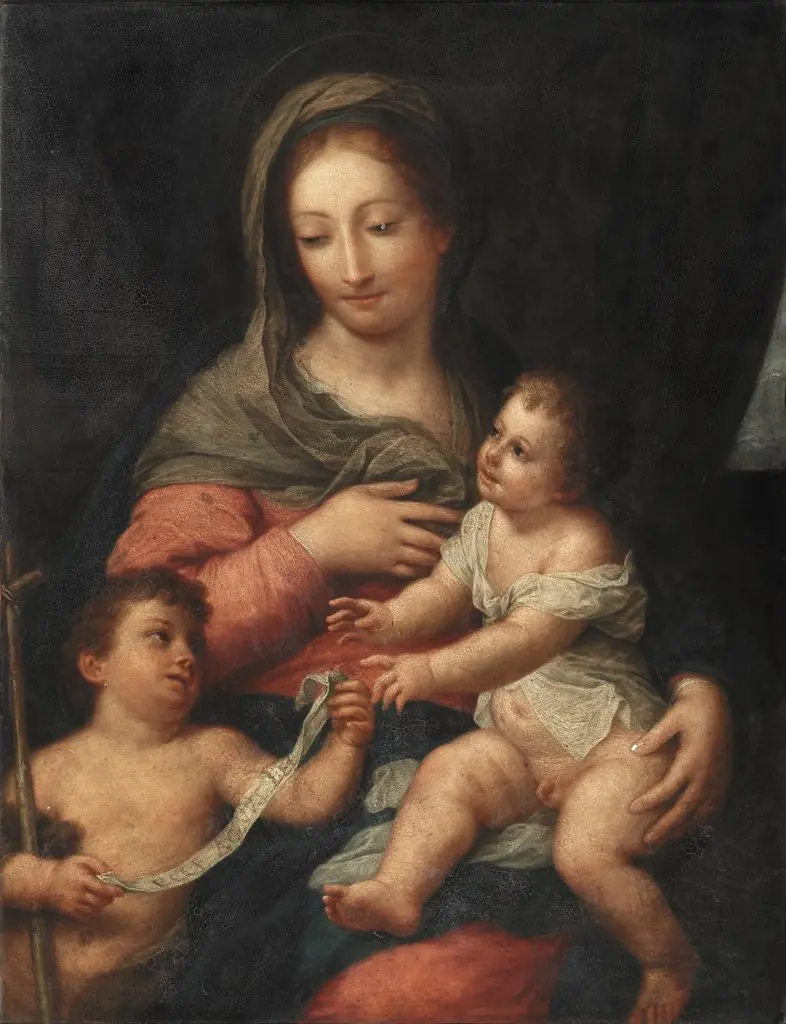 Madonna and Child with the Young Saint John the Baptist
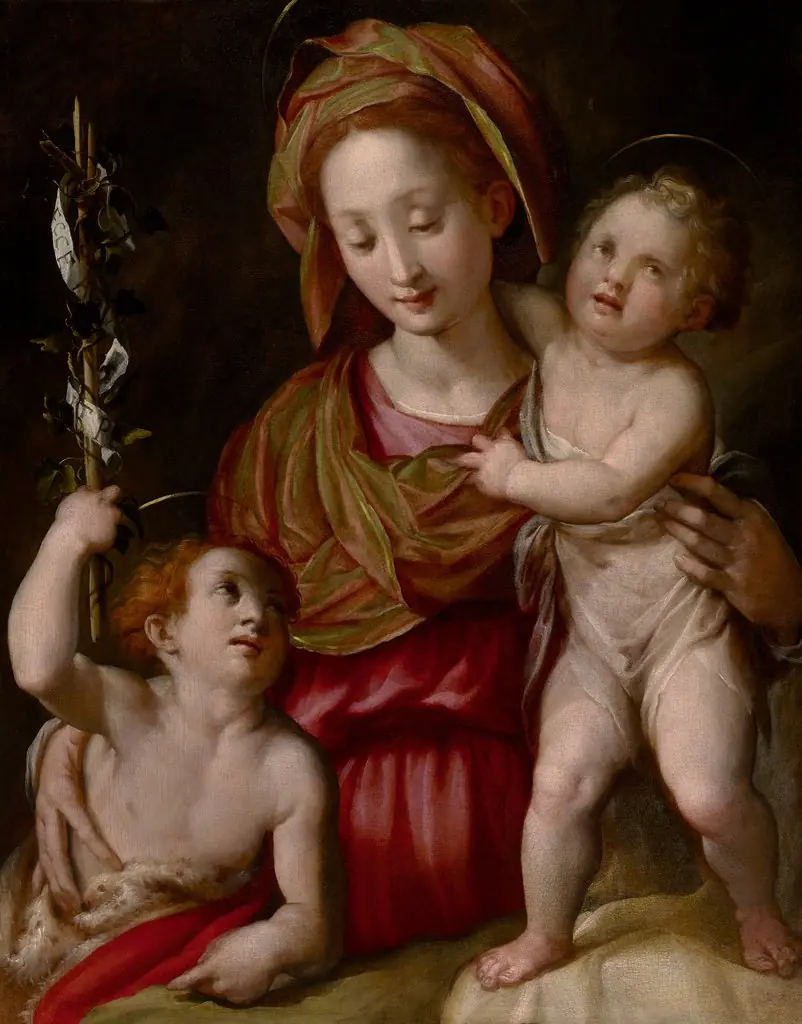 Madonna and Child with the Young St. John the Baptist
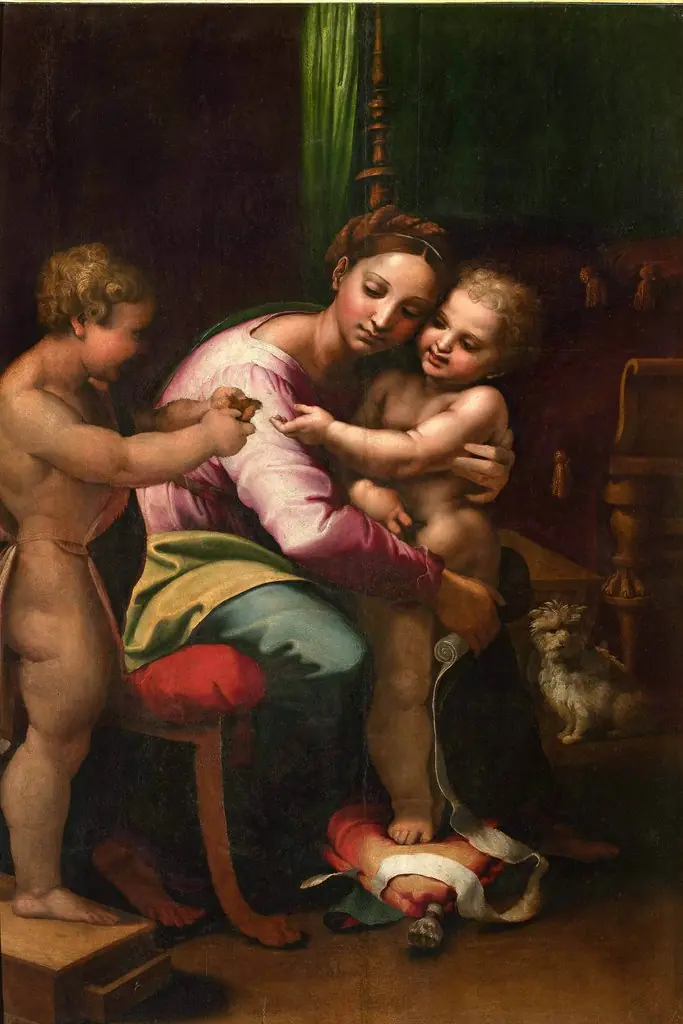 Madonna and Child with The Infant Saint John the Baptist
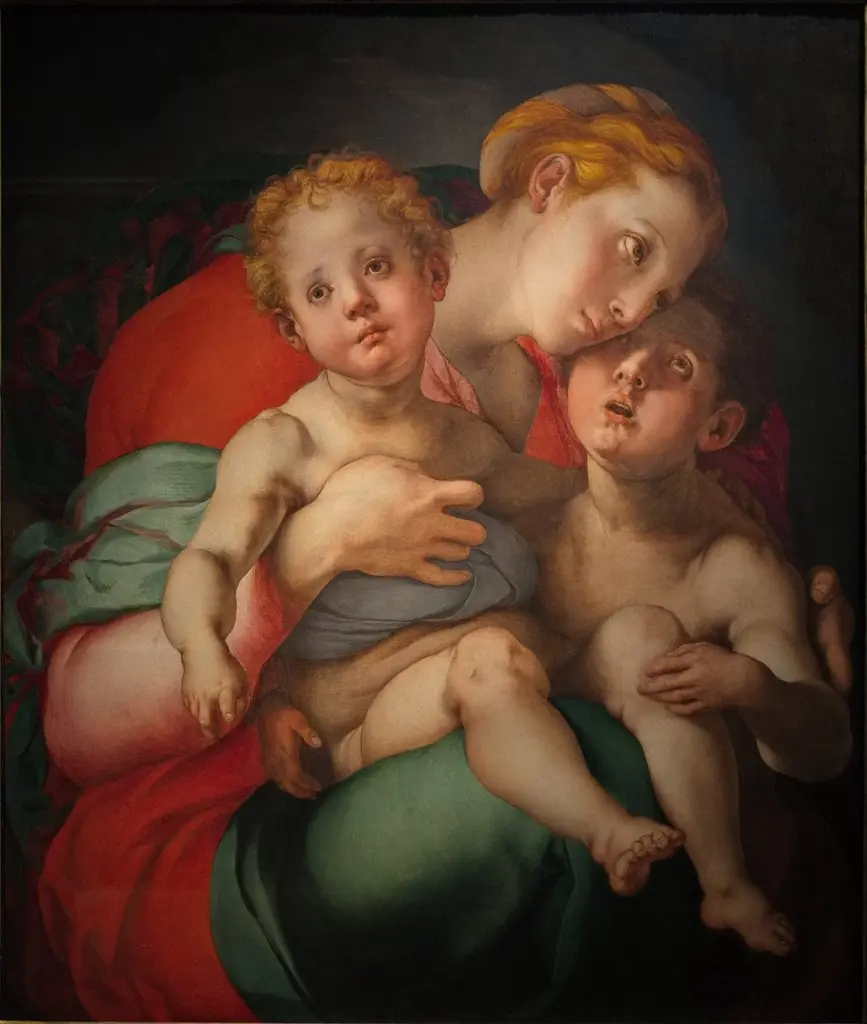 Madonna and Child with Saint John the Baptist
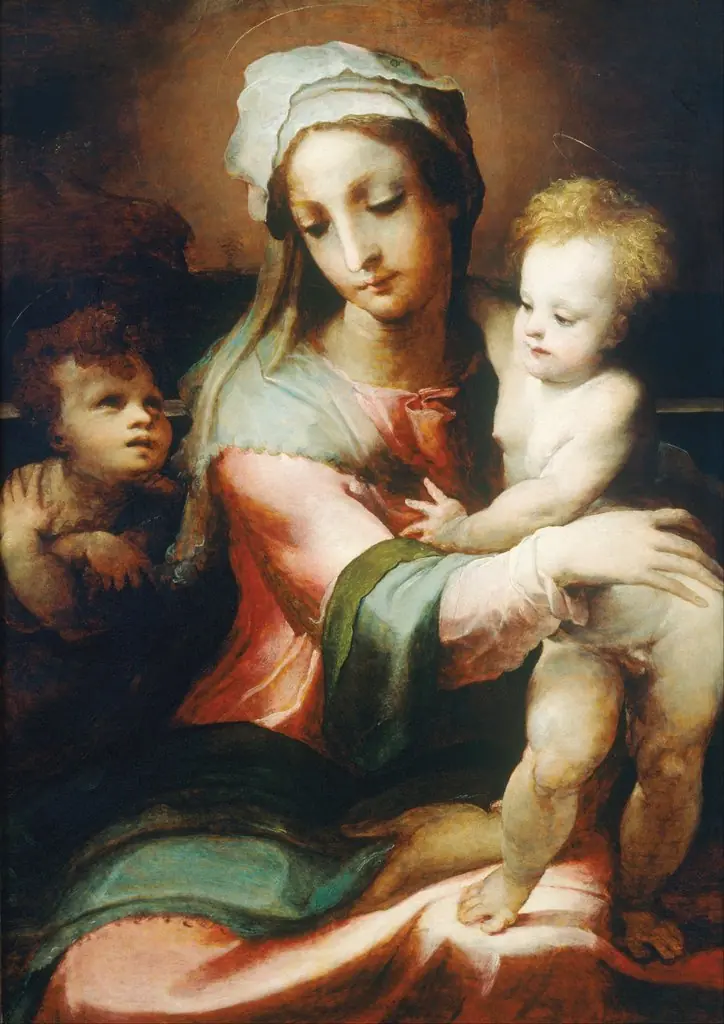 Madonna and child with infant John the Baptist
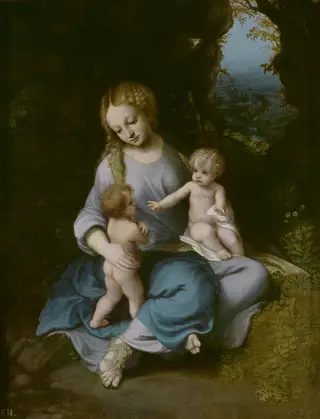 Madonna and Child with the Young Saint John
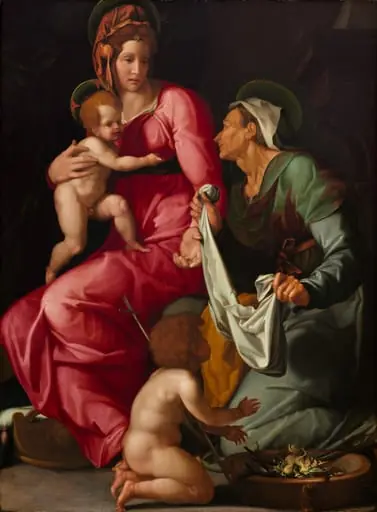 Madonna and Child with Saint Elizabeth and Saint John the Baptist