Artwork
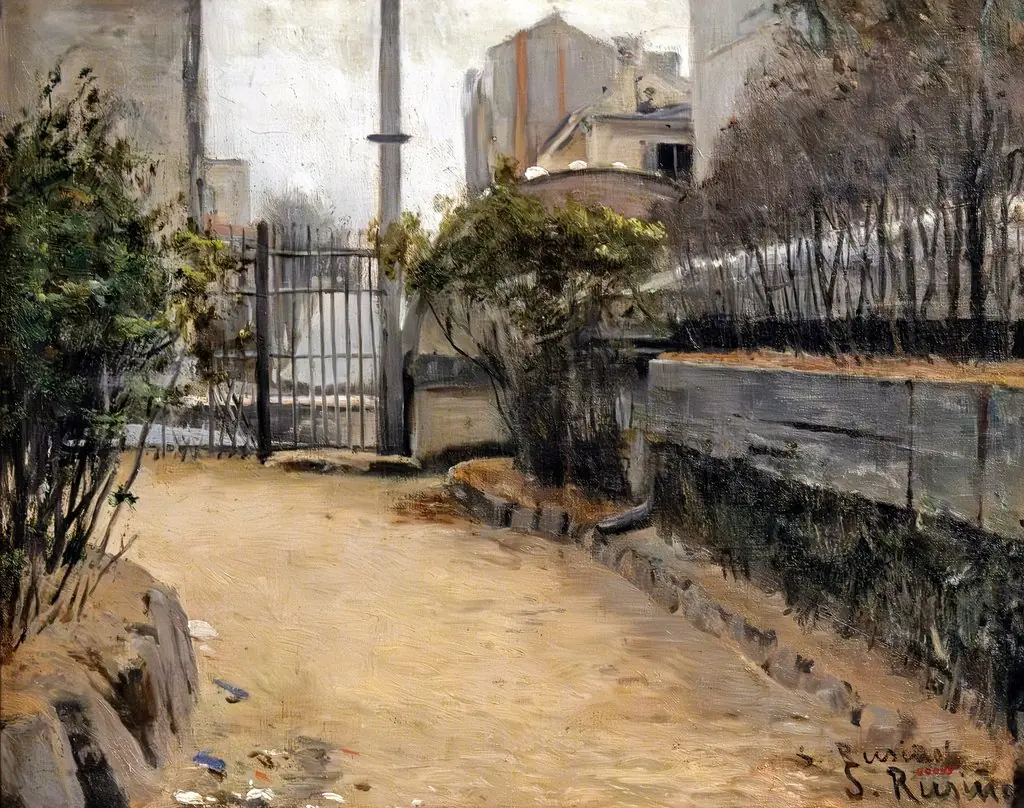
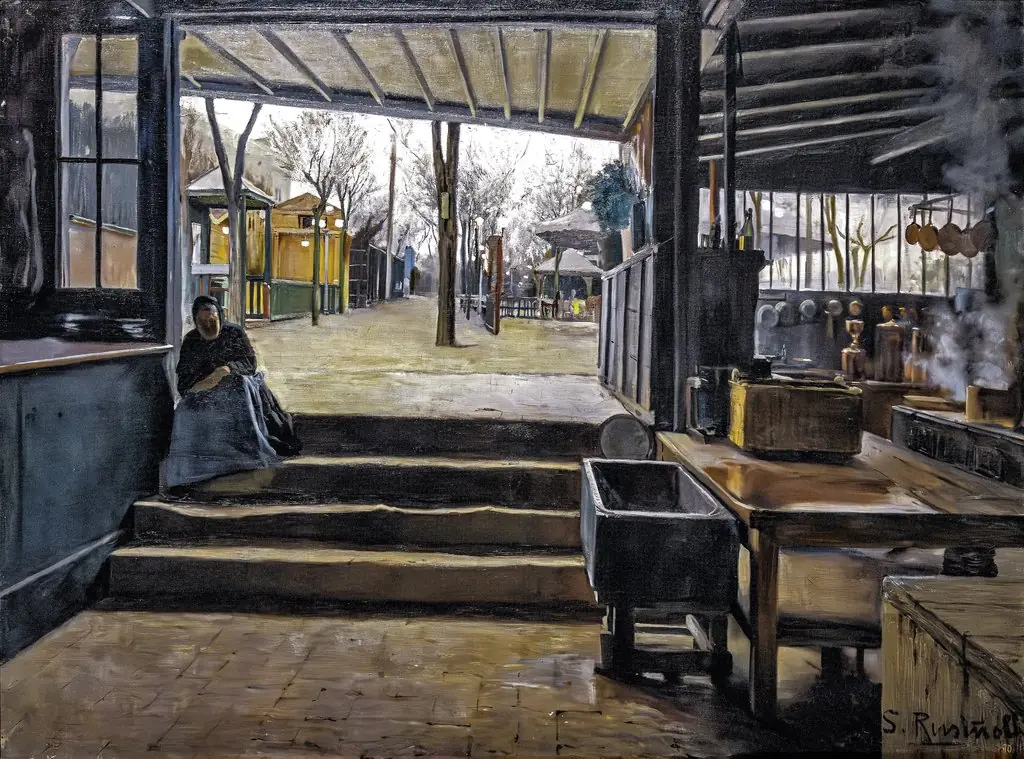
Entrance to the Park of the Moulin de la Galette
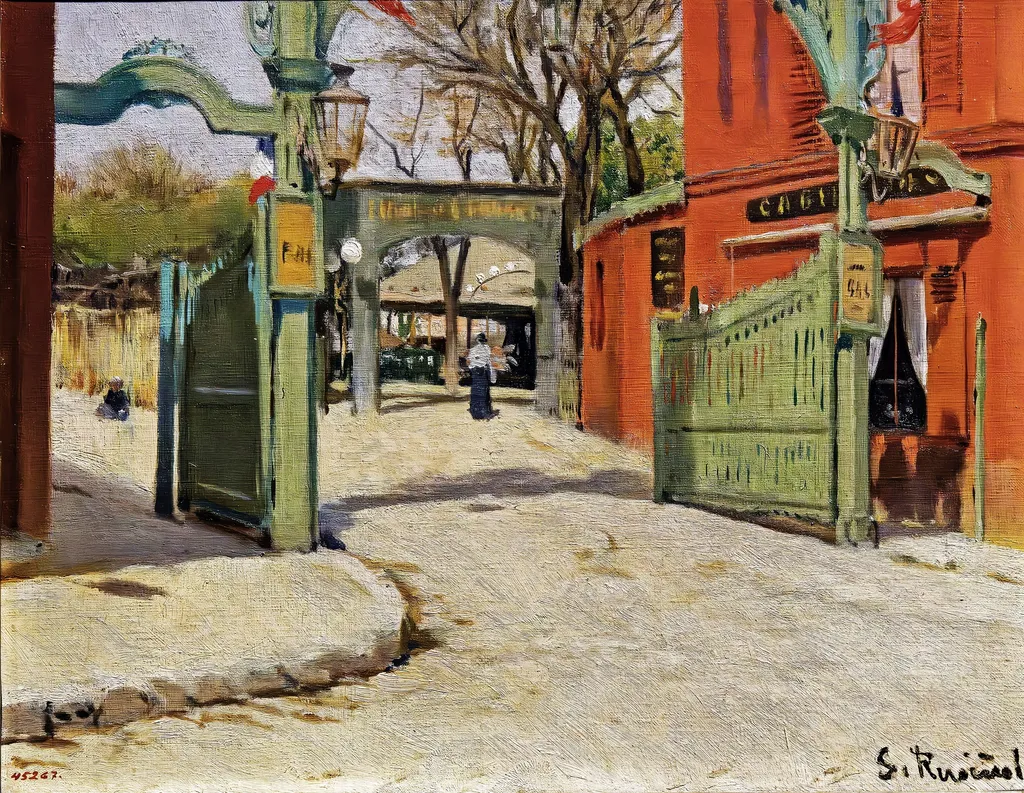
Entrance to the Park of the Moulin de la Galette is an oil painting by the Art Nouveau artist Santiago Rusiñol i Prats. It dates from 1896 and is held in the collection of the Museu Nacional d'Art de Catalunya. Painted in 1896 by Santiago Rusiñol, this oil on canvas captures the entrance to the Moulin de la Galette park in Paris.
About this work
Overview
This work reflects his interest in quiet, everyday urban landscapes, rendered with deliberate brushwork and a restrained palette that avoids theatricality.
Painted in 1896 by Santiago Rusiñol, this oil on canvas captures the entrance to the Moulin de la Galette park in Paris. Rusiñol, a central figure in Catalan modernisme, traveled frequently across Europe and absorbed influences from French and Belgian art circles. This work reflects his interest in quiet, everyday urban landscapes, rendered with deliberate brushwork and a restrained palette that avoids theatricality.
Subject & Meaning
The scene portrays a modest gateway to a public park, marked by a green iron gate and a lamppost, with the name 'Moulin de la Galette' visible in yellow lettering. A solitary figure passes through, suggesting a moment of quiet transition. The composition avoids narrative drama, instead emphasizing stillness and the subtle rhythm of urban life, aligning with Rusiñol’s preference for introspective, atmospheric settings over spectacle.
Technique & Style
Rusiñol employed loose, visible brushstrokes to build form and texture, particularly in the gate and foliage, while maintaining a soft focus in the background. Color is used expressively but not aggressively: the green gate and lamp posts contrast gently with muted earth tones and pale sky. The handling of light and shadow suggests late afternoon, enhancing the scene’s calm mood without relying on dramatic chiaroscuro.
History & Provenance
The painting entered the collection of the Museu Nacional d'Art de Catalunya in the early 20th century, following Rusiñol’s active role in promoting Catalan cultural institutions. It was likely acquired directly from the artist or through his network of collectors. Its presence in the museum underscores its significance as a bridge between Catalan modernisme and broader European artistic currents of the 1890s.
Context
Rusiñol painted this during a period of intense cross-cultural exchange between Barcelona and Paris. The Moulin de la Galette, a well-known leisure spot, was a recurring subject for artists drawn to its blend of rural charm and urban accessibility. Rusiñol’s version diverges from the bustling depictions of Renoir or Toulouse-Lautrec, favoring solitude and subtlety, reflecting his personal aesthetic and the quieter side of modernisme.
Legacy
This work remains a key example of how Catalan artists engaged with French Impressionist and Post-Impressionist practices without adopting their full radicalism. Rusiñol’s restrained approach influenced later generations in Catalonia who sought to balance international trends with local sensibilities. The painting’s quiet dignity continues to be studied as a model of understated modernism in Spanish-language art.
Own this work as a print
Artist & collection
Artist
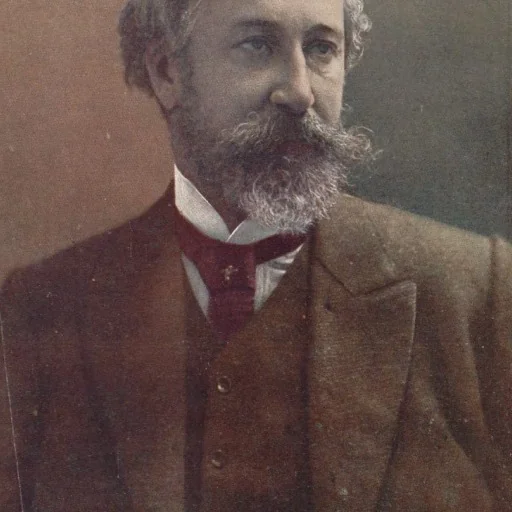
Santiago Rusiñol i Prats (Catalan: Spanish:; Barcelona 25 February 1861 – Aranjuez 13 June 1931) was a Spanish painter, poet, journalist, collector and playwright.