Artwork
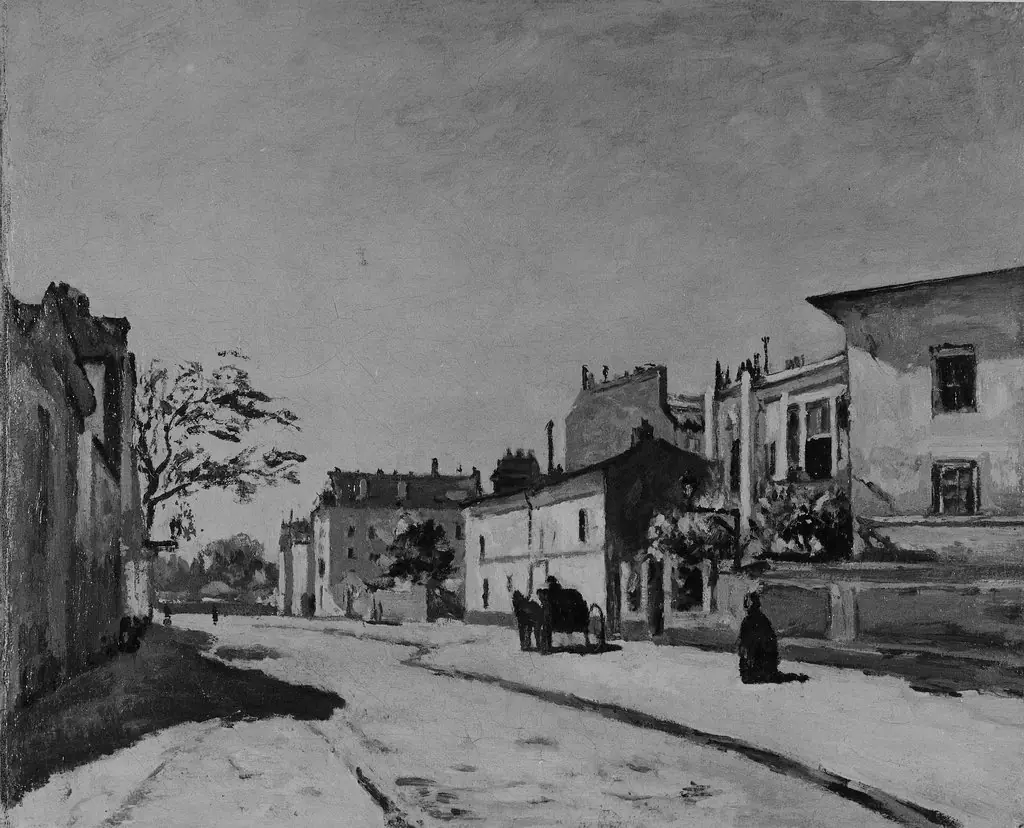
Târgul din Antibes
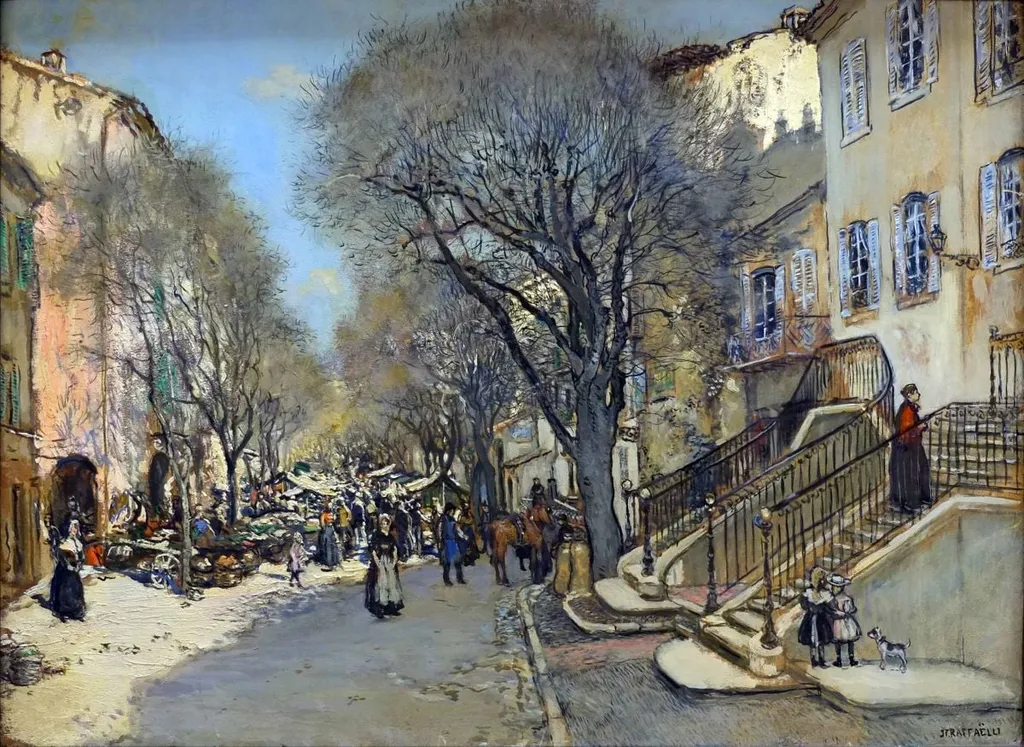
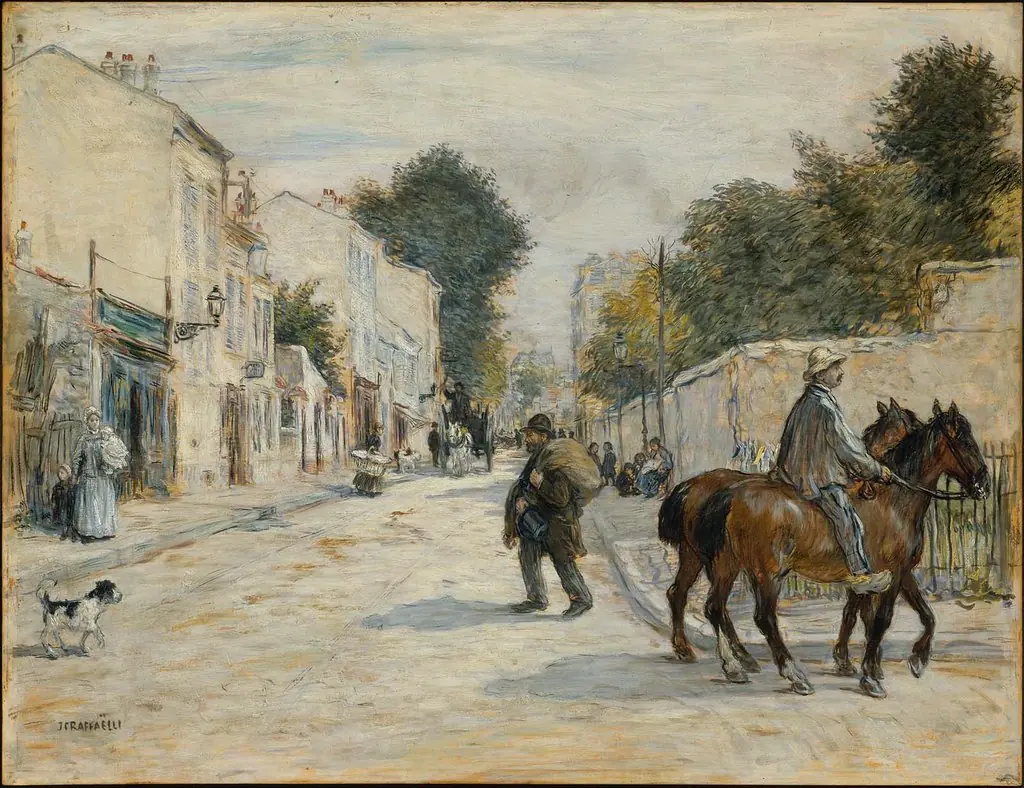
Târgul din Antibes is an unspecified painting by the Impressionist artist Jean François Raffaëlli. It dates from 1899 and is held in the collection of the National Museum of Art of Romania.
About this work
Overview
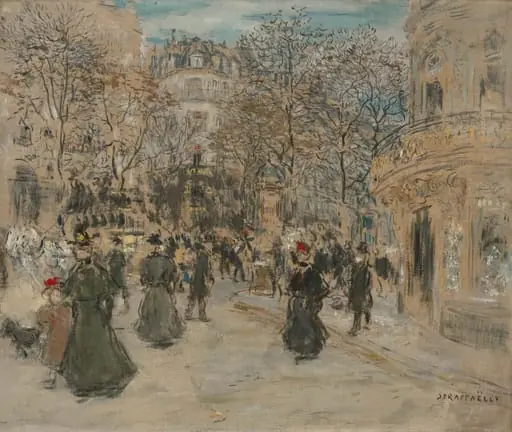
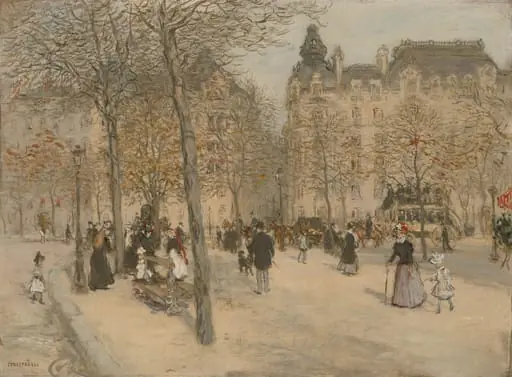
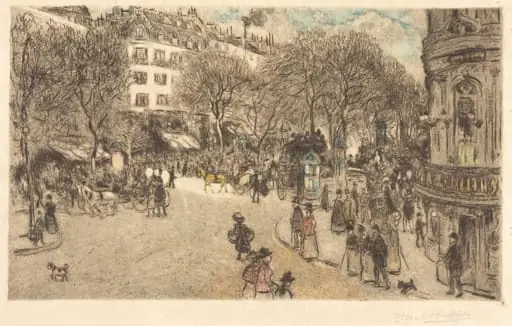
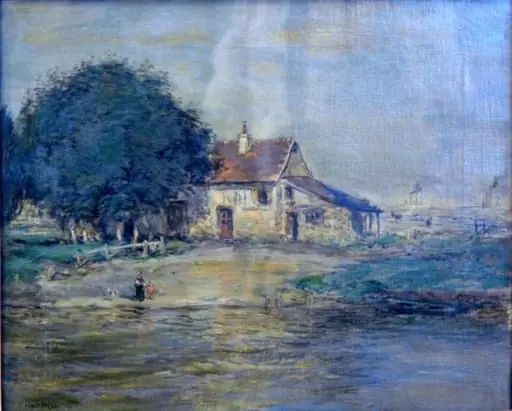
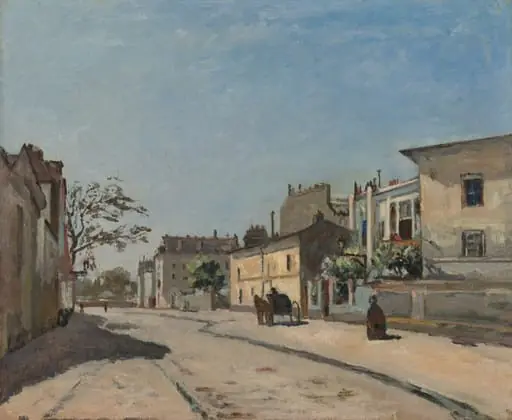
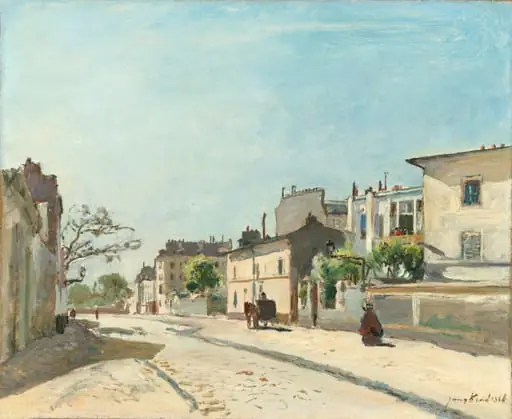
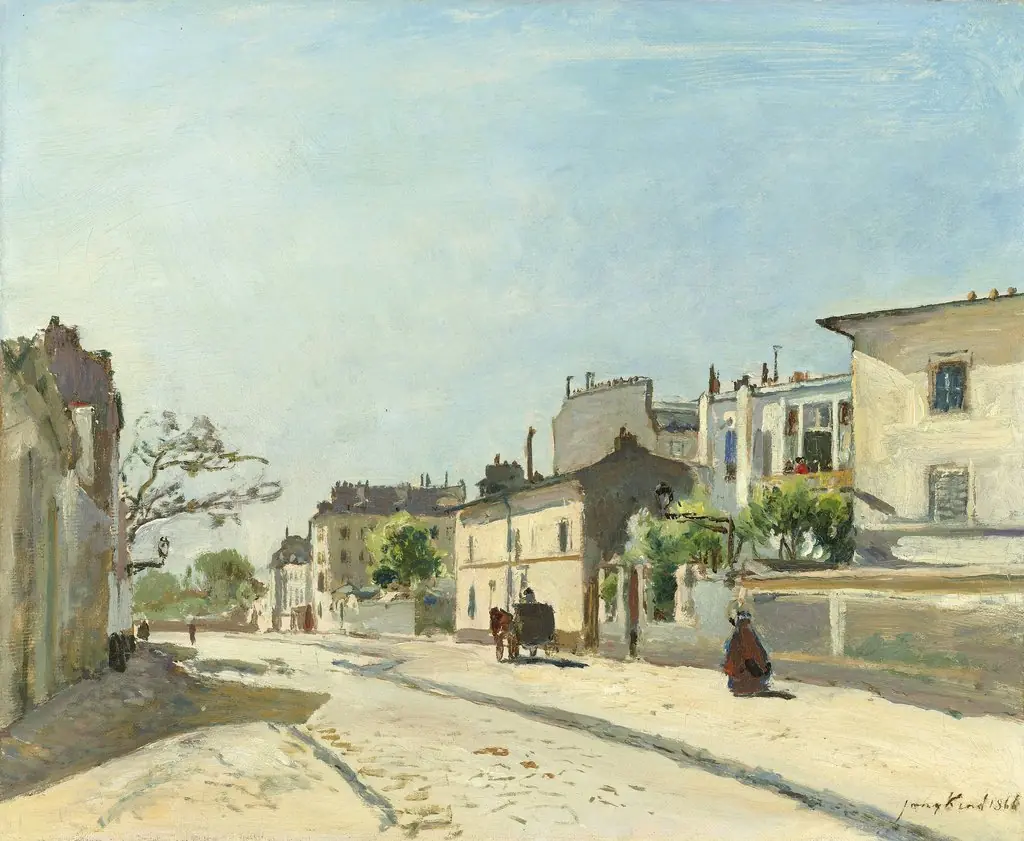
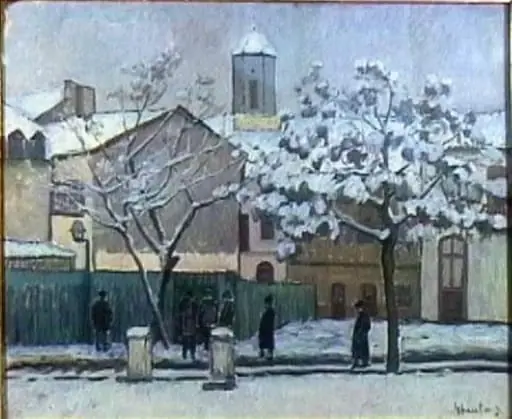
Painted around 1899 by Jean-François Raffaëlli, this work depicts a bustling street in Antibes, capturing ordinary urban life with quiet attention to detail.
Painted around 1899 by Jean-François Raffaëlli, this work depicts a bustling street in Antibes, capturing ordinary urban life with quiet attention to detail. The scene unfolds along a narrow thoroughfare flanked by modest buildings, their shutters and balconies suggesting Mediterranean architecture. A bare tree anchors the center, while a staircase draws the eye upward, where additional figures gather. The palette is restrained, with only subtle accents of color breaking the muted tones.
Subject & Meaning
The painting presents an unidealized view of daily activity, pedestrians, a horse-drawn cart, a woman on the stairs, and a dog moving through the crowd. These elements convey the rhythm of provincial life without narrative drama. Raffaëlli avoids romanticizing the scene; instead, he observes the quiet persistence of routine, emphasizing the anonymity and movement of individuals within a shared public space.
Technique & Style
Raffaëlli employs loose, visible brushwork and areas of impasto to build texture and movement. The thick application of paint in certain areas, particularly in the clothing and foliage, adds tactile presence without sacrificing spontaneity. The overall handling is neither polished nor impressionistic in the traditional sense, but rather direct and observational, aligning with late 19th-century realist tendencies that valued authenticity over refinement.
History & Provenance
Created near the end of Raffaëlli’s career, this work reflects his sustained interest in urban and market scenes, a theme he explored throughout the 1880s and 1890s. Though not widely exhibited during his lifetime, it was likely painted for private collectors familiar with his reputation as a chronicler of everyday French life. Its current location and ownership history remain undocumented in public records.
Context
Raffaëlli painted this during a period when French artists increasingly turned from grand historical subjects to scenes of ordinary life. Antibes, a coastal town in Provence, offered a blend of local tradition and transient commerce. The presence of a horse-drawn cart and modest architecture situates the scene before the full impact of motorization, preserving a transitional moment in regional urban development.
Legacy
Though overshadowed by contemporaries like Monet or Degas, Raffaëlli’s work contributed to the broader acceptance of unembellished urban observation in French painting. His focus on the mundane, rendered with unpolished honesty, influenced later realist and regionalist movements. This painting stands as a quiet testament to his commitment to documenting the overlooked rhythms of provincial existence.
Artist & collection