Subject
Gate
Gate is a subject in art. The gallery holds 76 works in this subject in art, including works by Nicolaes Maes, Vincent van Gogh and Anne Goldthwaite.
A gate or gateway is a point of entry to or from a space enclosed by walls. The word is derived from Proto-Germanic *gatan, meaning an opening or passageway.
Key artists

Overview
A gate or gateway is a point of entry to or from a space enclosed by walls, fences, or buildings. The word is derived from the Proto-Germanic term gatan, meaning an opening or passageway. Originally, the concept referred to the gap or hole in a wall rather than the physical barrier that closed it. Gates function to prevent or control the entry and exit of individuals, though they can also serve purely decorative or symbolic purposes. The moving parts of a gateway are often considered doors, fixed at one side to swing open and closed, and they can be operated manually or automatically, sometimes incorporating latches and locks for security.
Iconography & meaning
Beyond their functional role, gates carry deep symbolic and socio-political meanings. They represent a boundary between the safe, known interior and the potentially dangerous exterior. In the Middle Ages, city gates were vital defensive structures, and the keys to these gates were symbolically presented to rulers to denote submission or loyalty. The right to live within a city's gates conferred citizenship, a status so significant that citizens were sometimes referred to by terms derived from the gate itself. Conversely, gates also took on apotropaic and religious functions. Assyrians sometimes built gates in ivory to ward off evil, while ancient Celts embedded animal skulls into their gates for magical protection. Byzantine religious architecture used gates as elements that divided the sacred space of a chapel while allowing contemplation of it. Triumphal arches, such as the fourth-century Arch of Constantine in Rome, function as purely symbolic gates commemorating military victories, while the Brandenburg Gate in Berlin replaced a former city gate to serve as a monumental, commemorative portal.
Across movements & periods
The artistic treatment of gates has evolved significantly across periods, reflecting changing priorities from defense to decoration. In ancient Mesopotamia, gates were depicted as practical enclosures of stakes tied with ropes, while Assyrian examples introduced religious and apotropaic functions. During the Romanesque period, gates received abundant decorative elements, which later evolved into the highly elaborate forms of the Gothic era. The Renaissance shifted the paradigm, introducing connected but movable elements that emphasized spatial transition over fixed fortification. By the sixteenth century, coats of arms and monograms became central decorative themes, and the structure of the gate grew increasingly elaborate. In the eighteenth century, wrought iron reached high artistic levels, as seen in the gate of the Galerie d'Apollo at the Louvre. The nineteenth century established iron as the dominant material, with the Liberty style and the Umbertino period embracing highly individualistic and ornate designs.
Notable depictions
While the collection holds numerous examples, the broader history of the gate in art and architecture features several canonical forms and specific monuments. The Galerie d'Apollo gate at the Louvre stands out as an eighteenth-century masterwork of wrought iron artistry. In terms of monumental gatehouse architecture, medieval fortifications frequently employed the chamber gate, a system of at least two consecutive gates connected by walls to form a highly controllable passage. The barbican, an independent gatehouse positioned outside a castle's moat, represents another significant architectural depiction of the gate as a defensive complex. Symbolic and commemorative gates also hold canonical status, notably the Arch of Constantine in Rome and the Brandenburg Gate in Berlin, which elevate the portal from a functional barrier to a triumphal monument.
Works
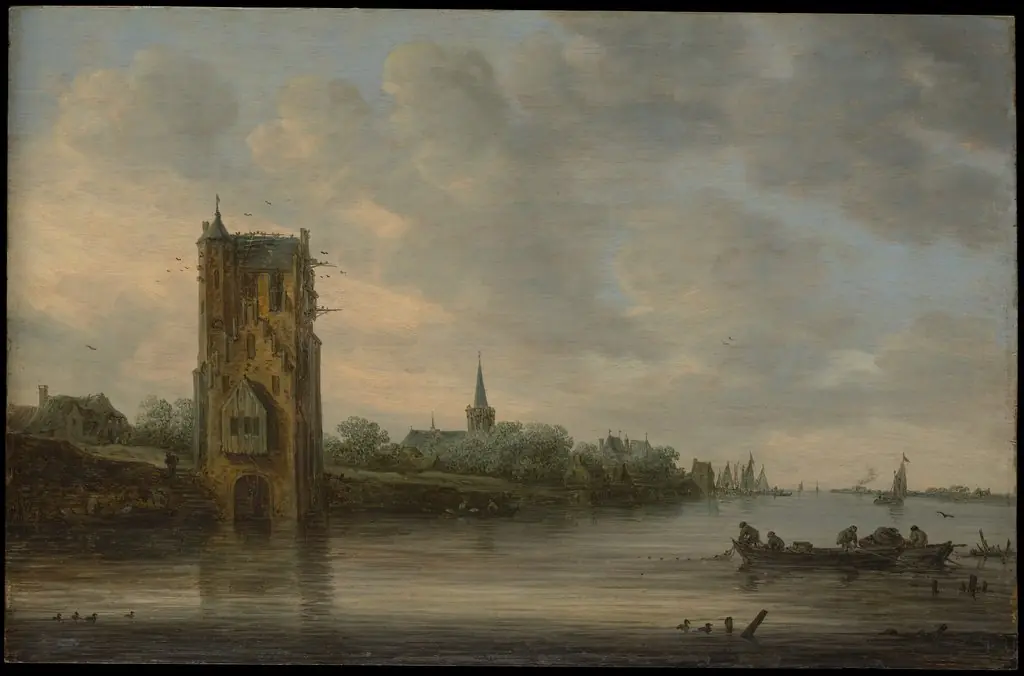 The Pelkus Gate near Utrecht
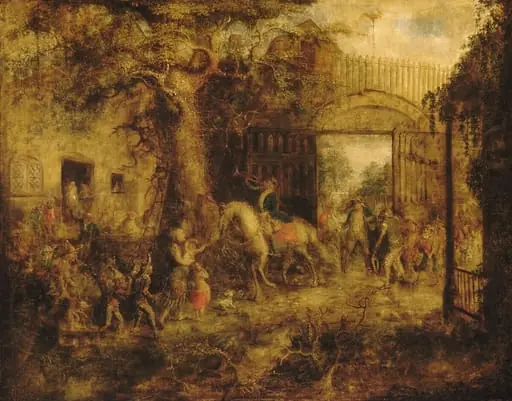 The Vigilant Stuyvesant's Wall Street Gate
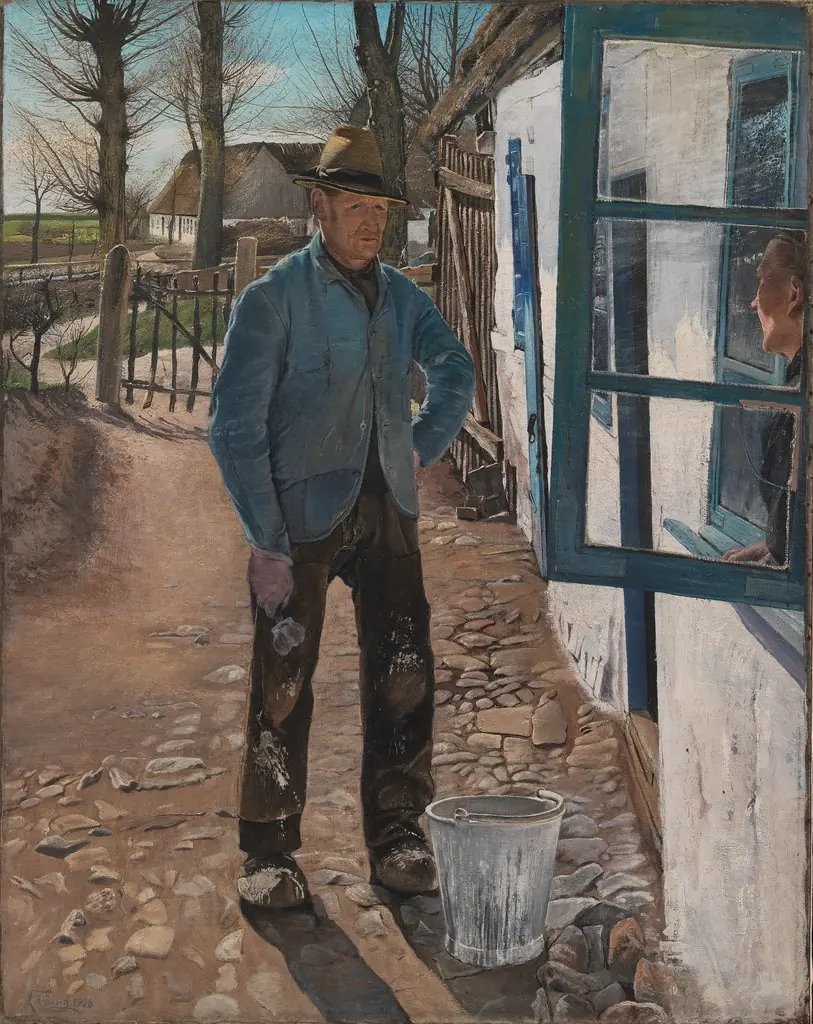 Whitewashing the Old House
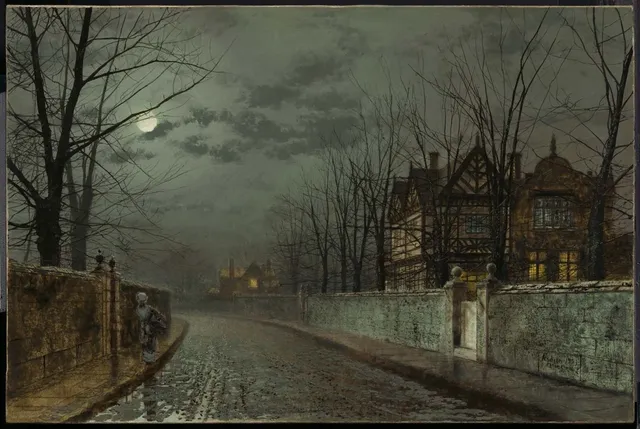
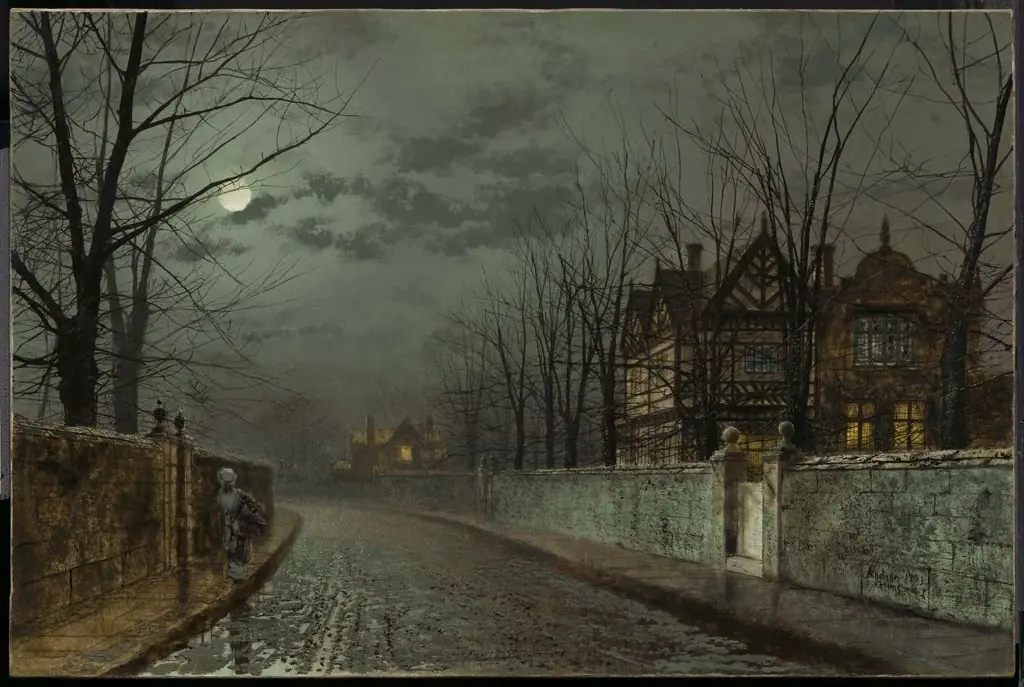 Old English House by Moonlight
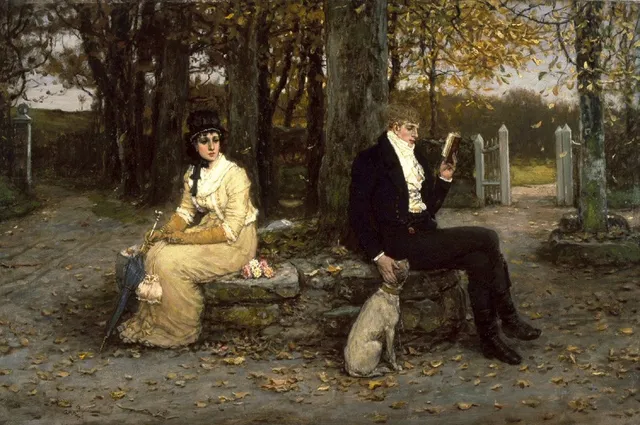
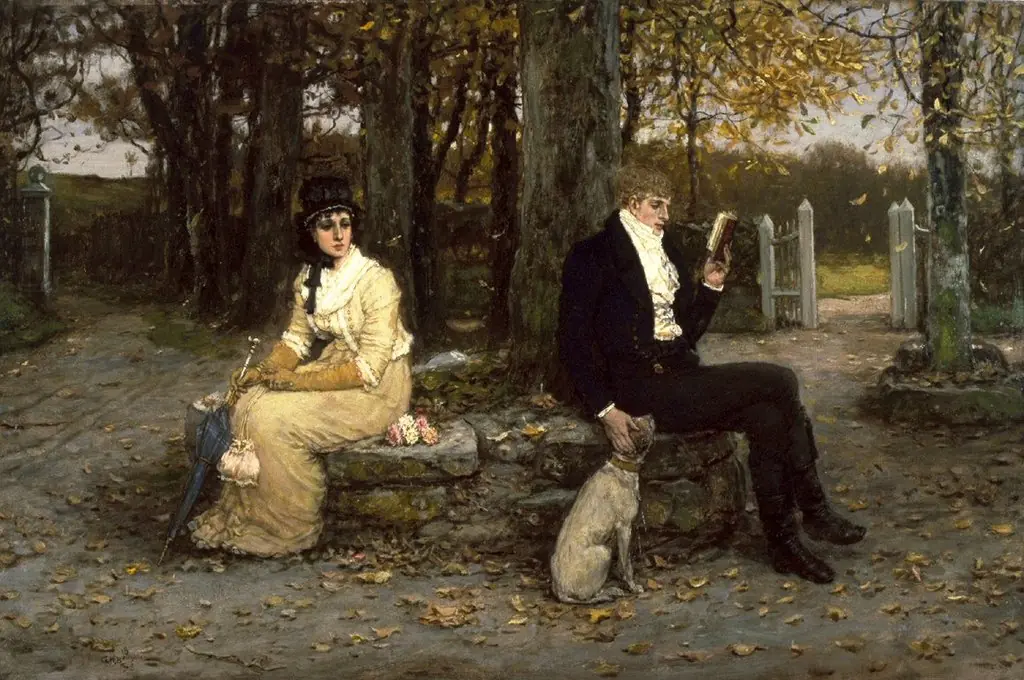 The Waning Honeymoon
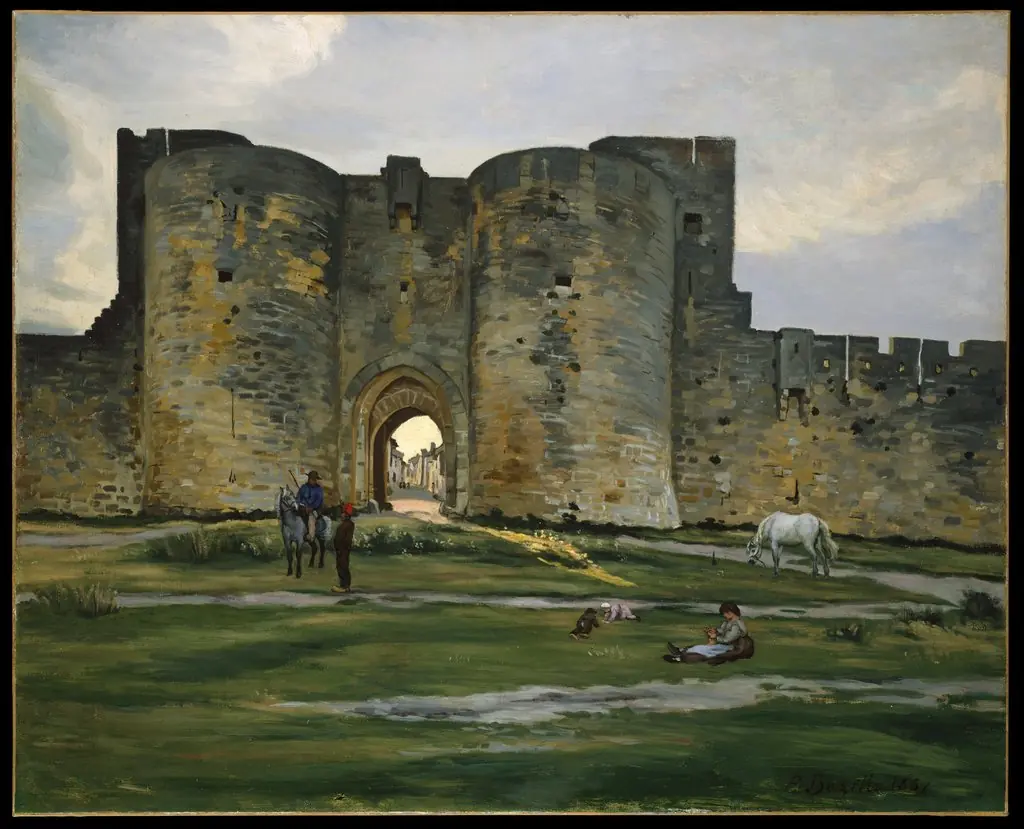 Queen's Gate at Aigues-Mortes
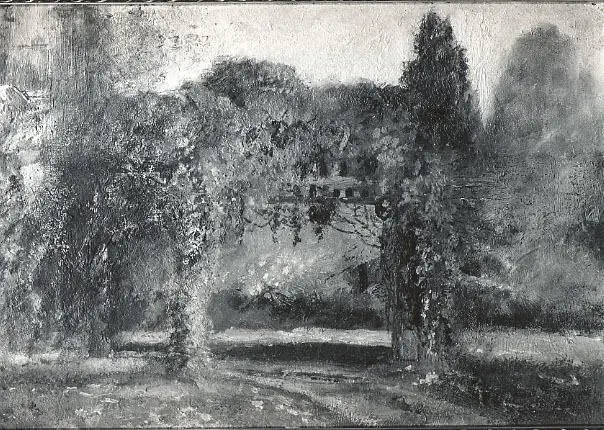 Port Cochere at 39 Elm Street, Worcester, Mass.
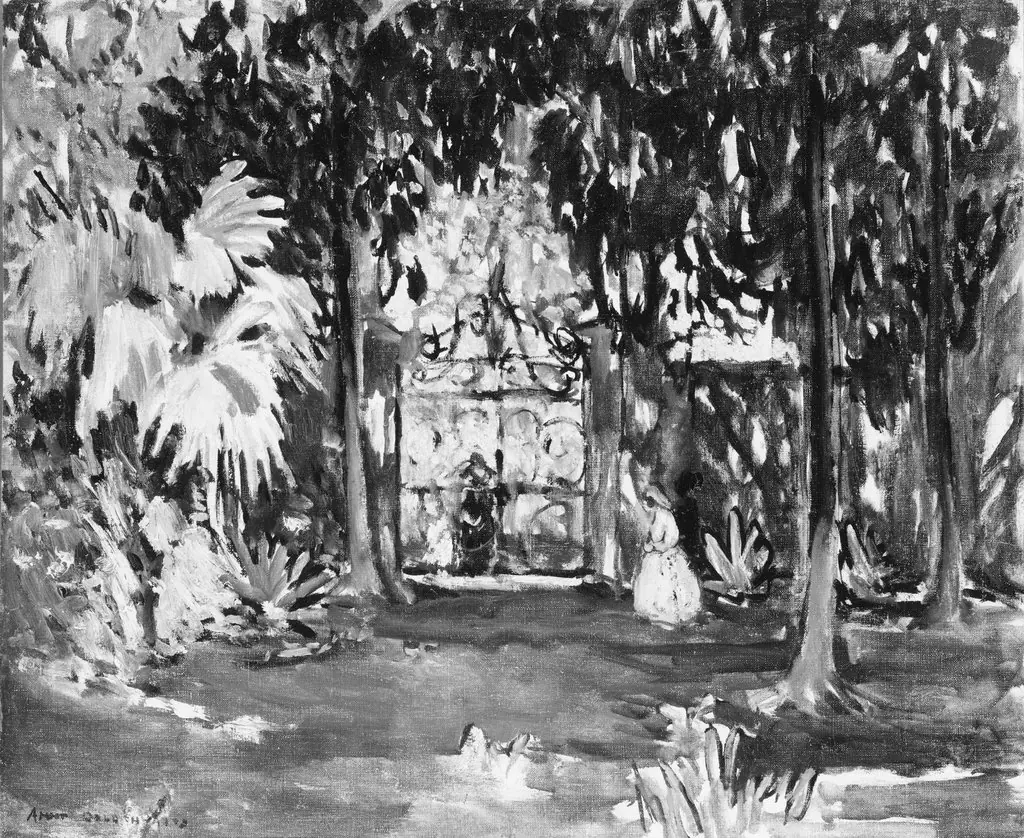 Garden Gate, Near Ascain #7
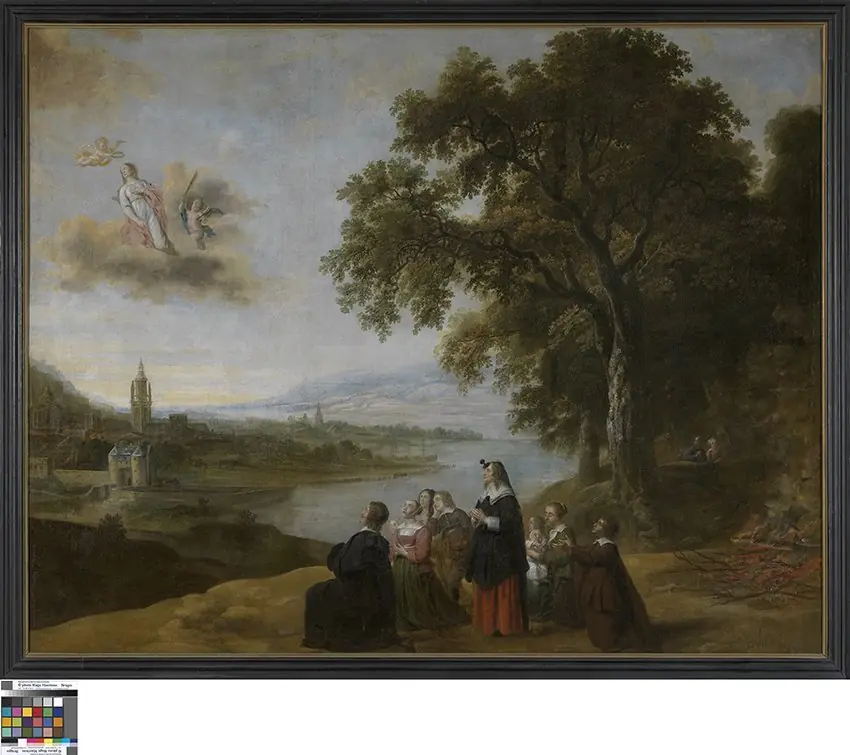 The Invocation of Saint Apollonia
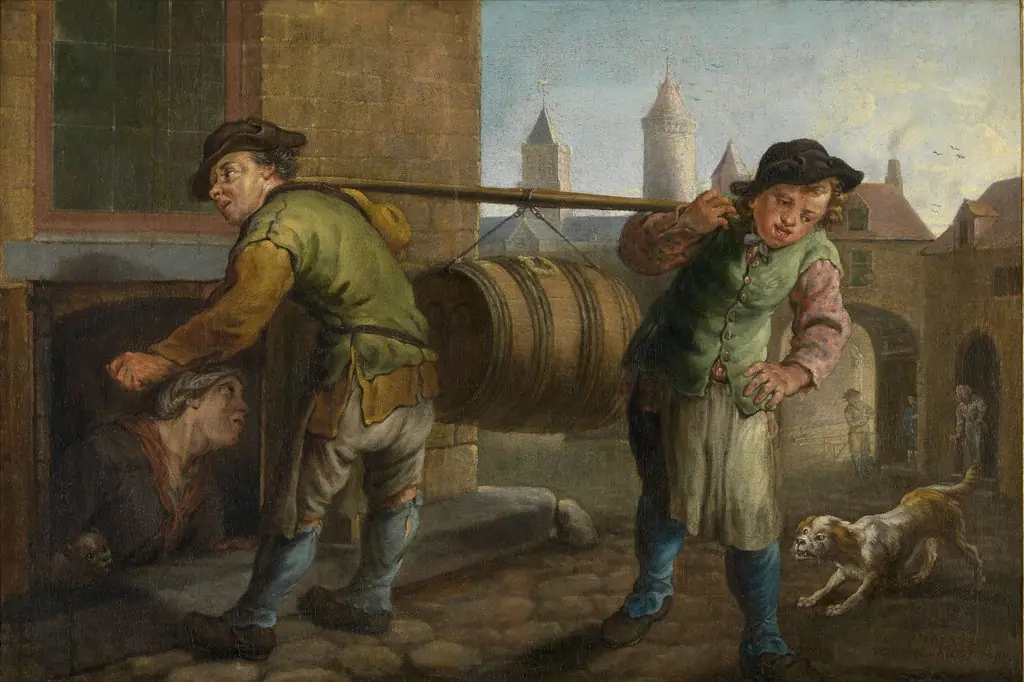 Barrel carriers
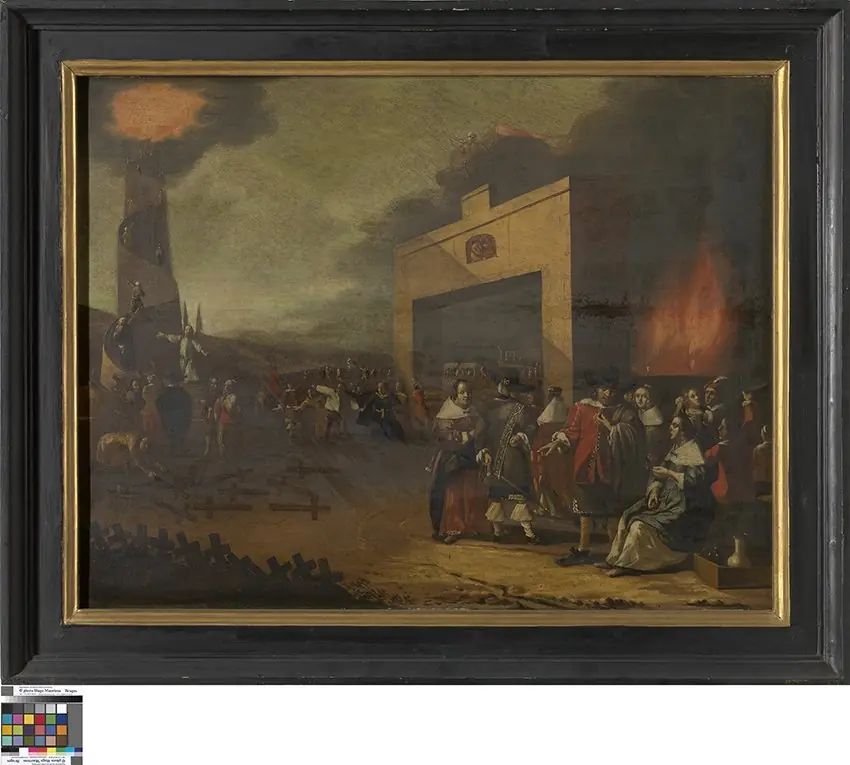 De nauwe en de wijde poort
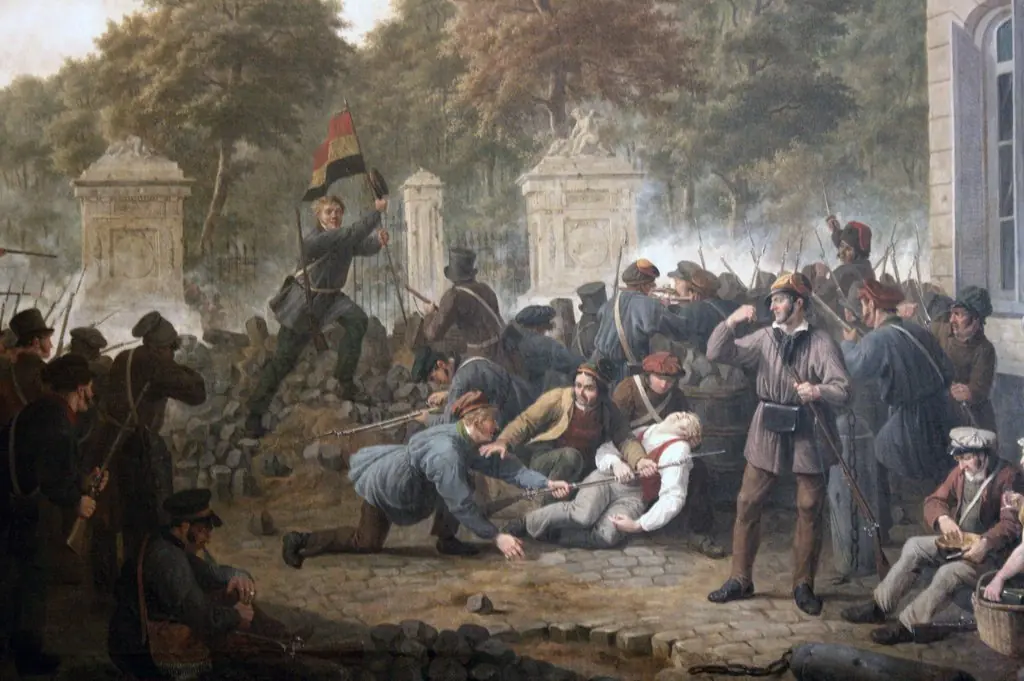 Scene of the Belgian Revolution
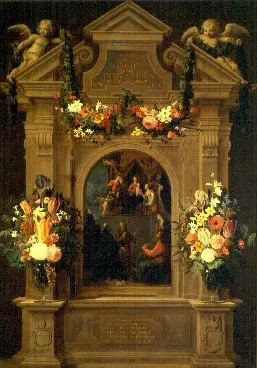 Mystic Marriage of St Catherine
 Landscape with sheep
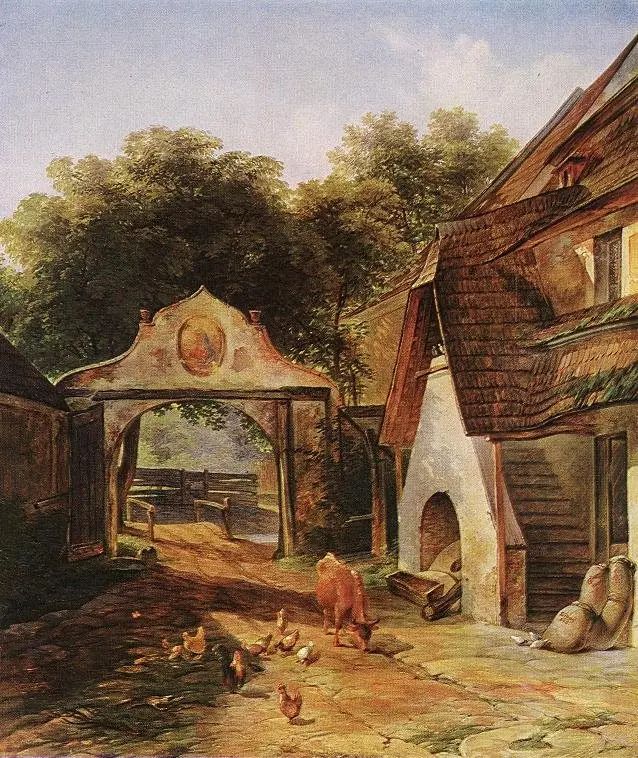 Peasant Yard
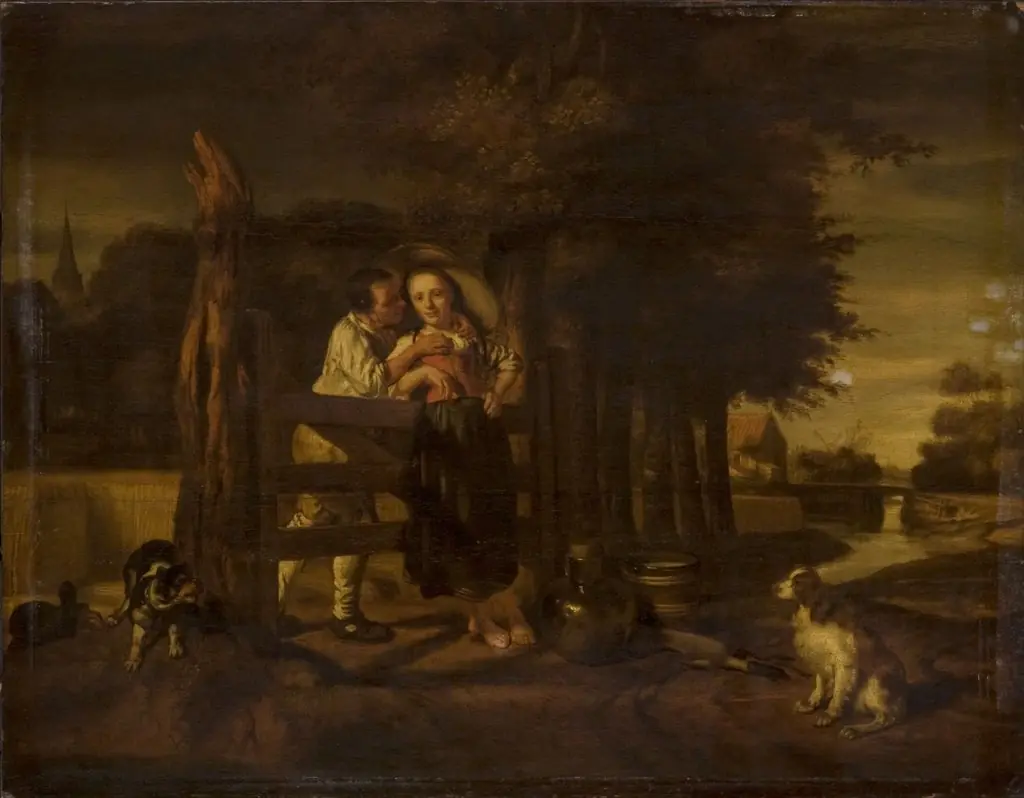 Lovers
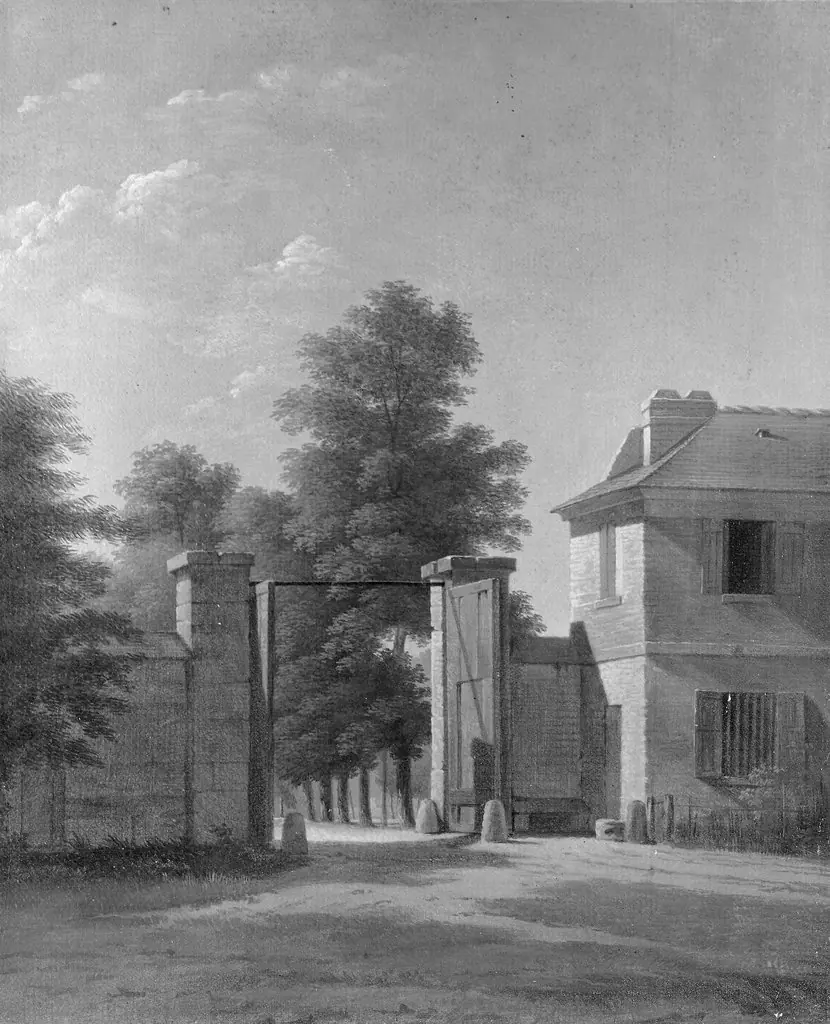 Entrance to the Park at Saint-Cloud
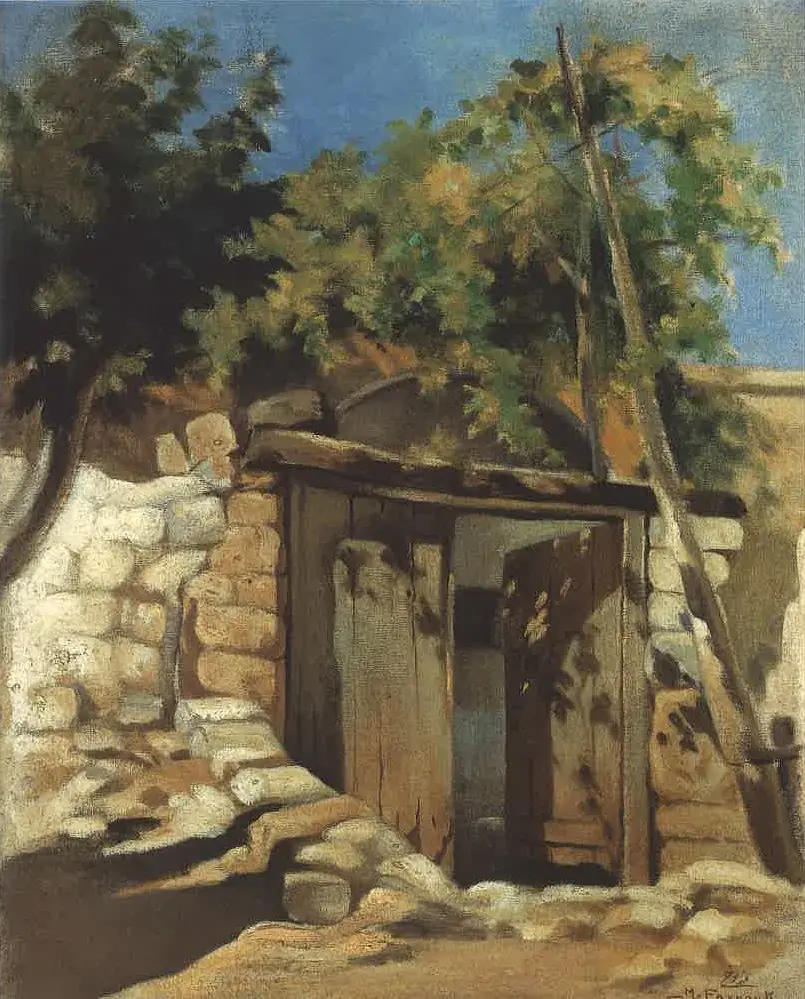 The Old Door at Abadiyeh
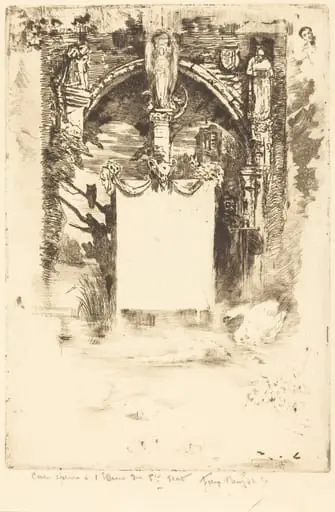 Ex-Libris pour "L'Ensorcelée" (Bookplate for "L'Ensorcelée")
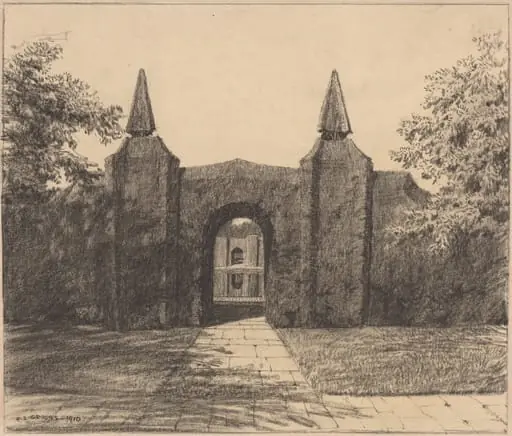 Topiary Archway
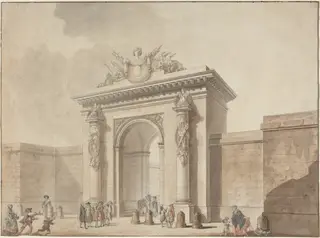 Portal of the Hôtel d'Uzès, rue Montmartre, Paris
![Studies for a Triumphal Arch Surmounted by Britannia [recto and verso]](https://artifactworldgallery.com/img/john-flaxman--studies-for-a-triumphal-arch-surmounted-by-britannia-recto-a--b7bd463380eafe4d-w320.webp) Studies for a Triumphal Arch Surmounted by Britannia [recto and verso]
Studies for a Triumphal Arch Surmounted by Britannia [recto and verso]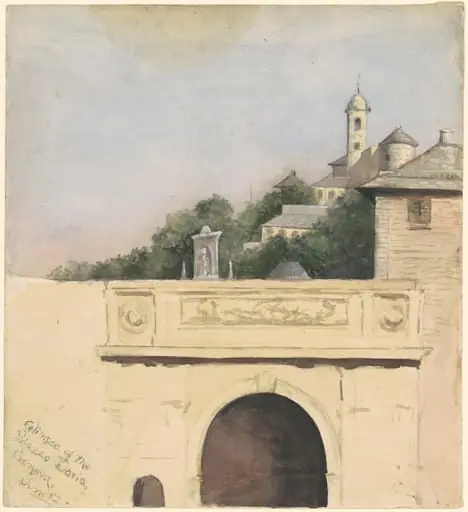 Glimpse of the Palazzo Doria, Genova
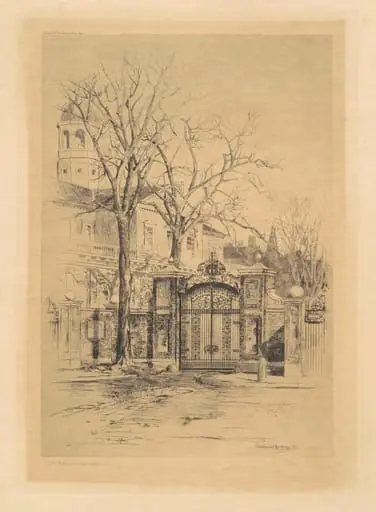 The Johnson Gate, Cambridge, Massachusetts
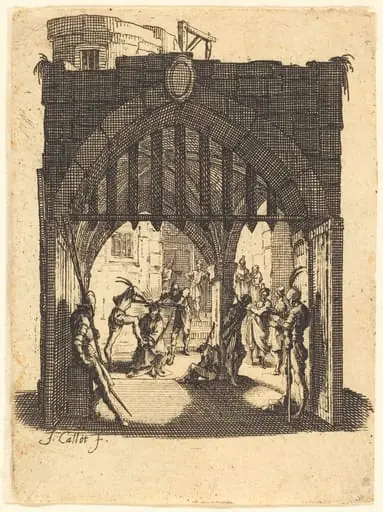 The Crowning with Thorns
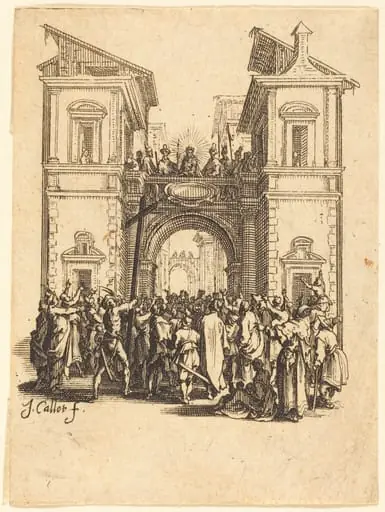 Ecce Homo
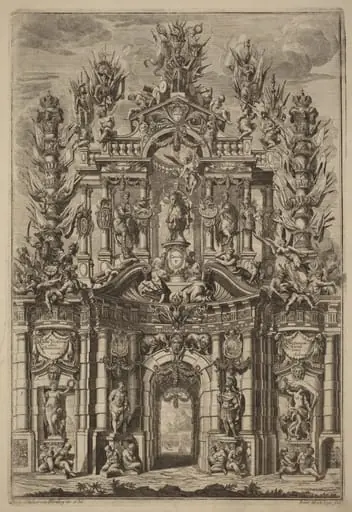 Triumphal Arch for Charles V
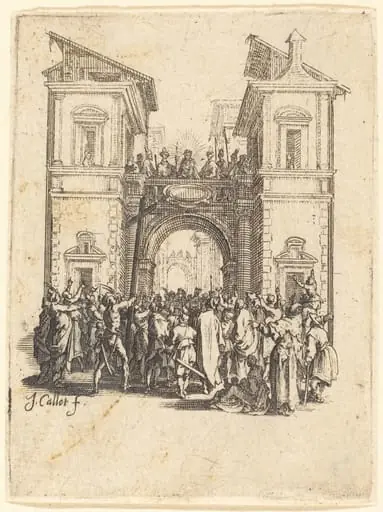 Ecce Homo
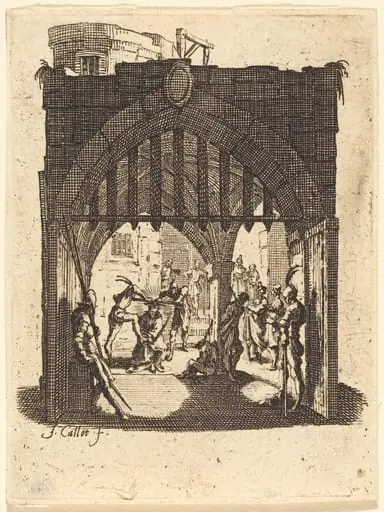 The Crowning with Thorns
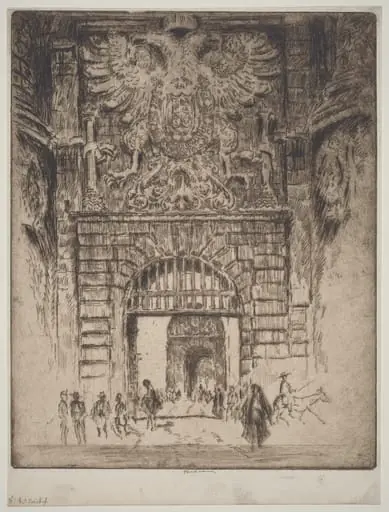 Puerta Visagara, Gate of Madrid, Toledo
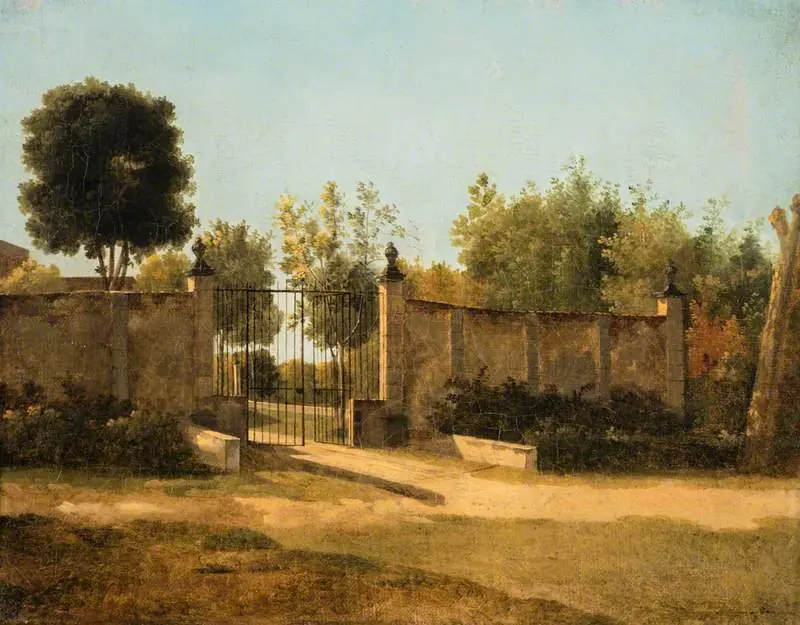 Chateau de Garros I
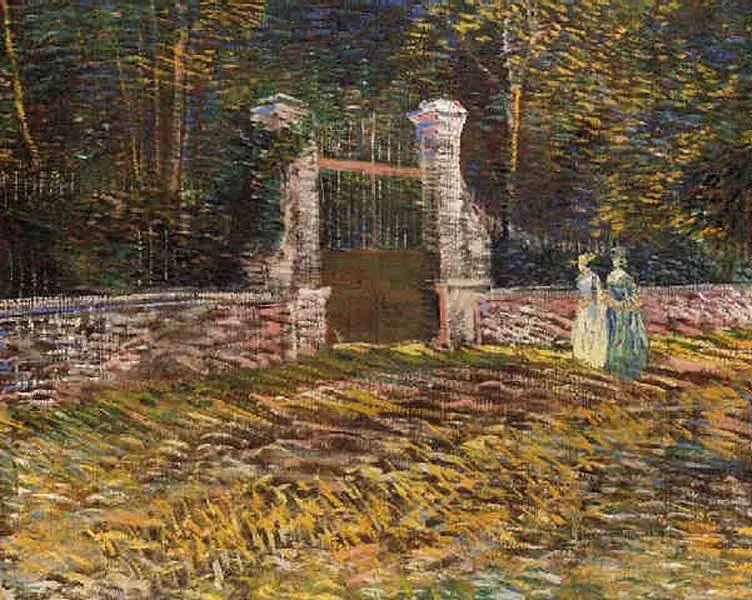 Entrance to Park Voyer d'Argenson in Asnières
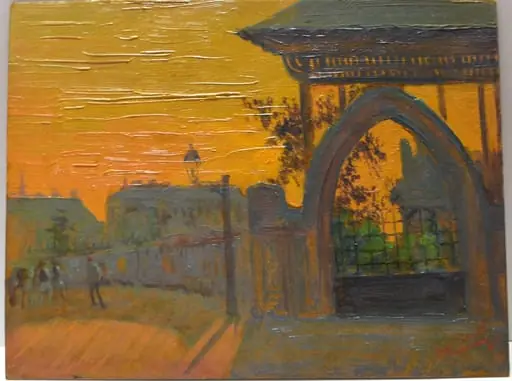 Strada pe înserat
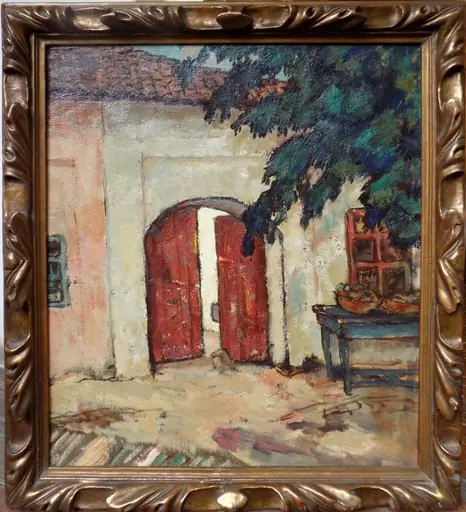 Poartă din Mangalia
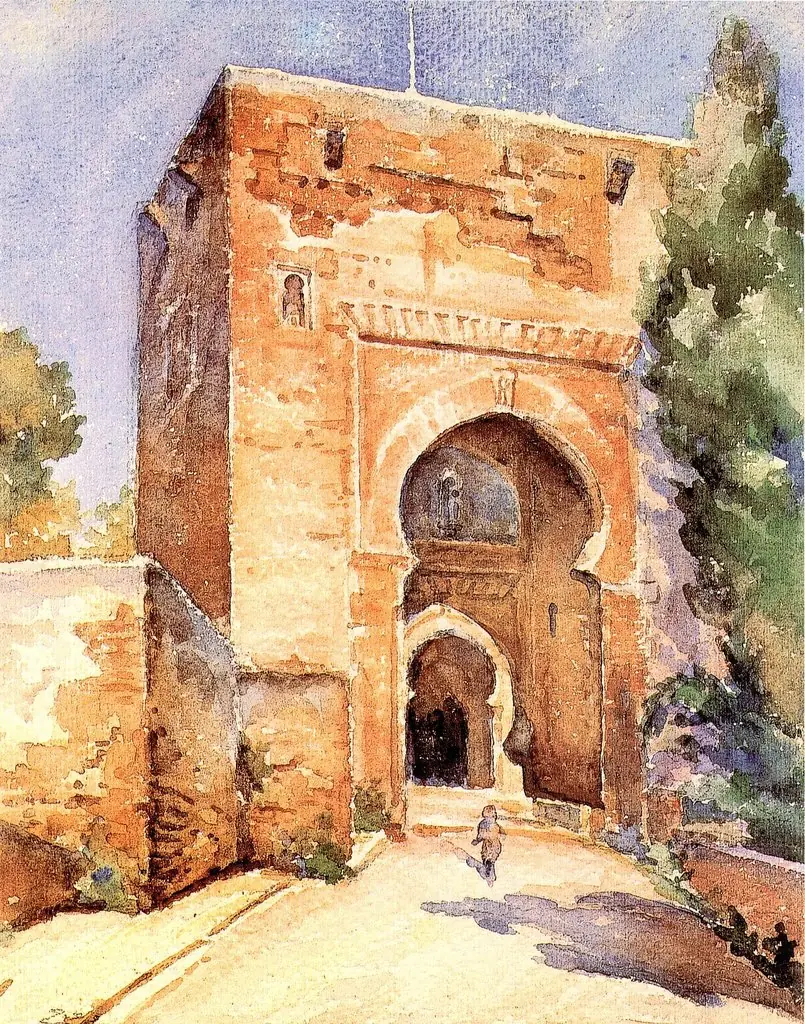 Granada, Alhambra: Justice Portal
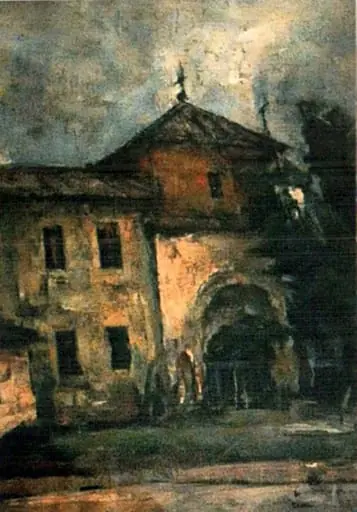 Poarta Mănăstirii Târgoviște
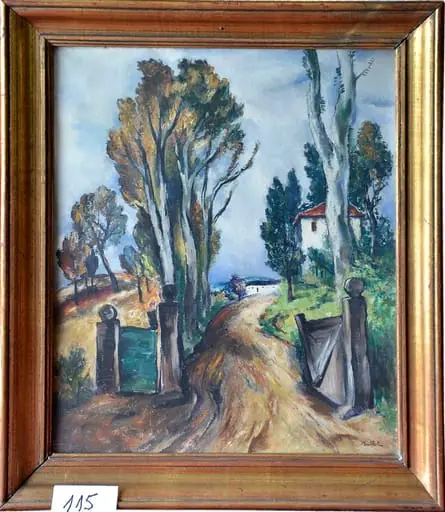 Poarta de la vie (Peisaj cu plopi)
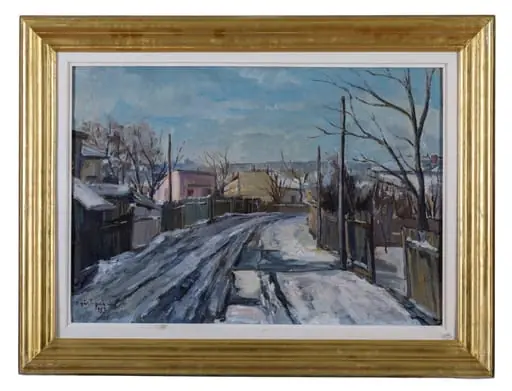 Strada Ateneului din Tătărași iarna
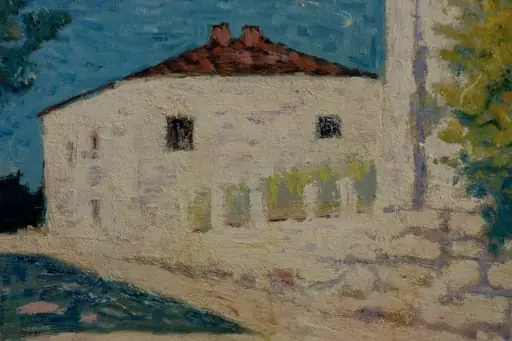 Peisaj cu casă albă
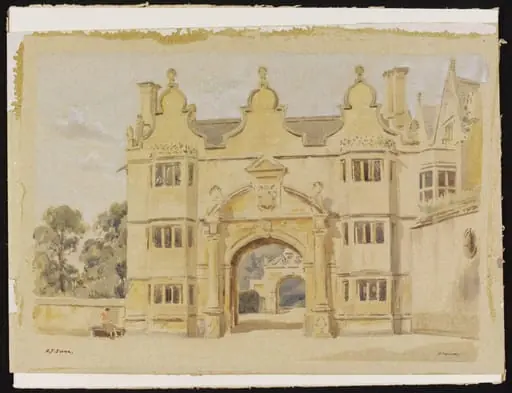 Entrance to Stanway House
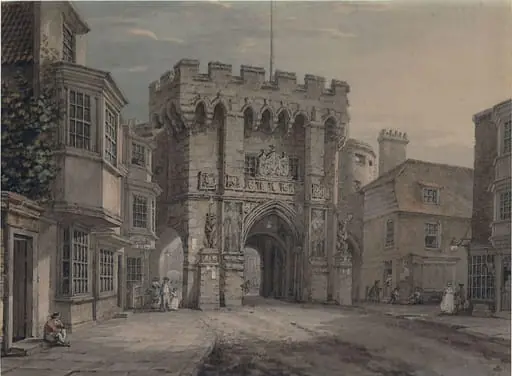 The Bar Gate, Southampton
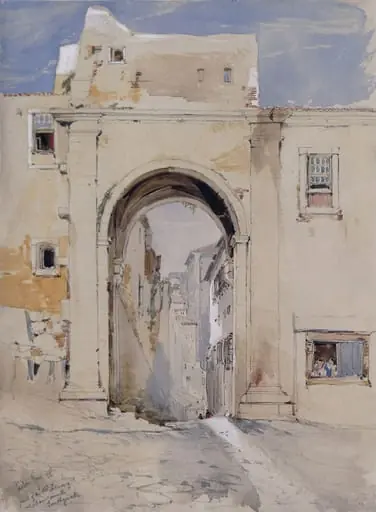 Part of the Old Treasury
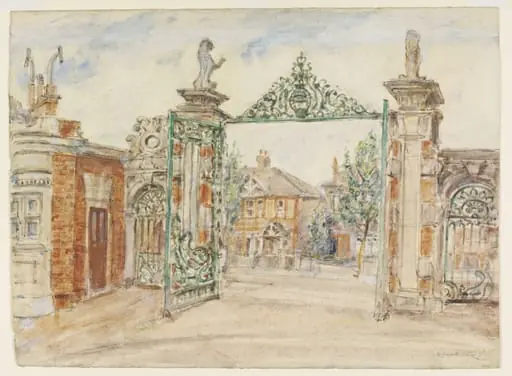 The Gateway, Boston Manor Park, Brentford.
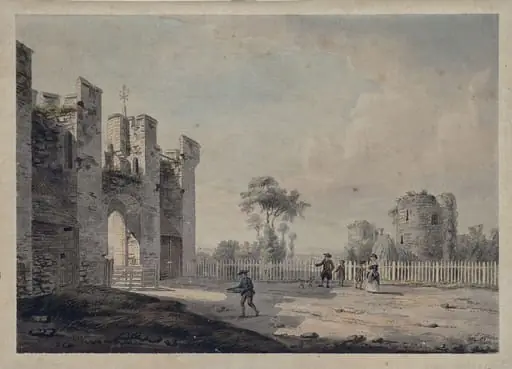 Interior view of the ruins of Cowling (or Cooling) Castle, Kent
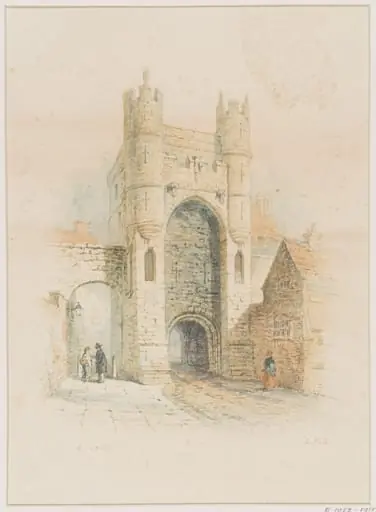 Untitled
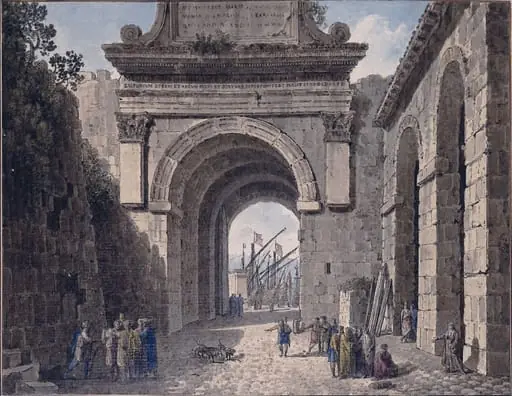 The Port Gate of Zadar
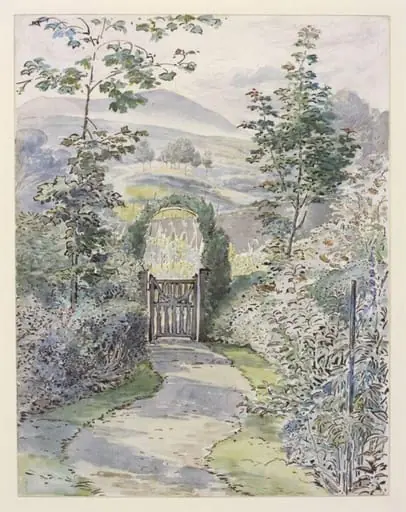 At Evening's Close
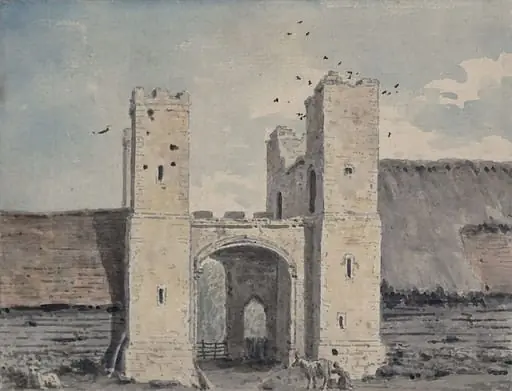 Dent-de-lion Gate, near Margate
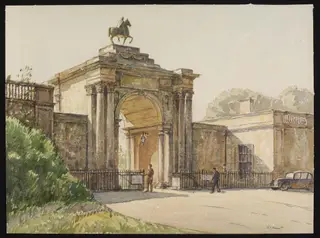 Gate to Wilton Park
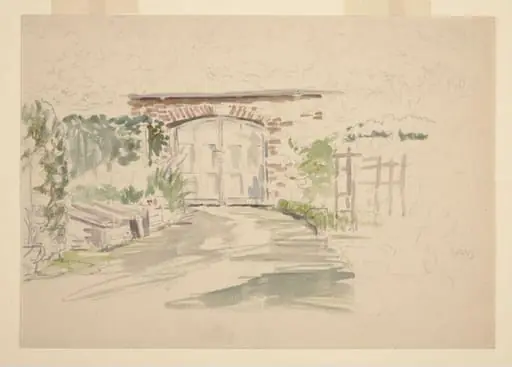 Sketch of a path and gate in the garden at Gwaynynog
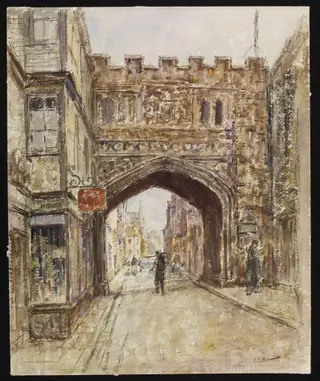 North Gate, Salisbury
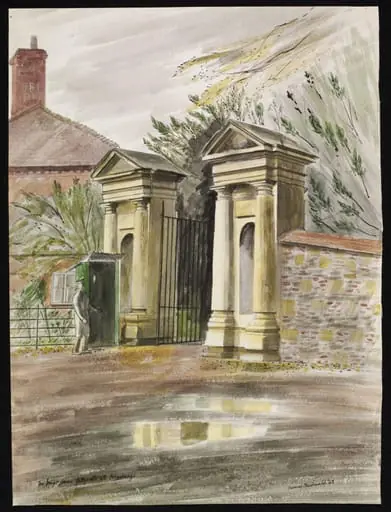 The Inigo Jones Gateposts at Amesbury
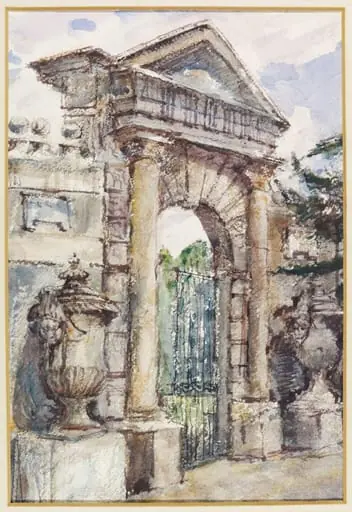 The Inigo Jones Gate, Chiswick House
 S1 - Peisaj la Sulina (Casă și pomi)
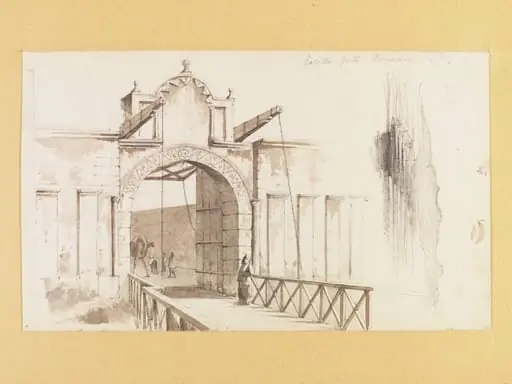 Rosetta Gate, Alexandria
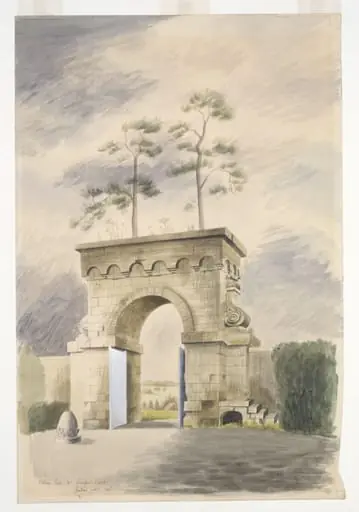 Gateway to Kitchen Court, Eastbury Park, Nr.Blandford
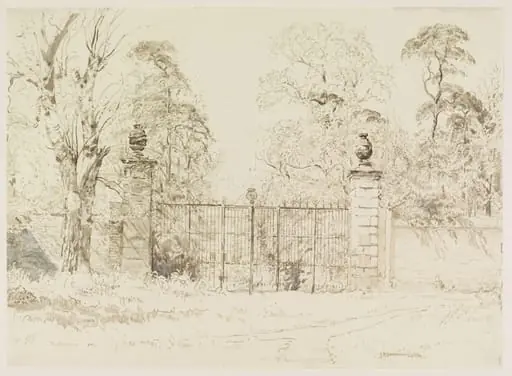 The Old Gates, Ham House
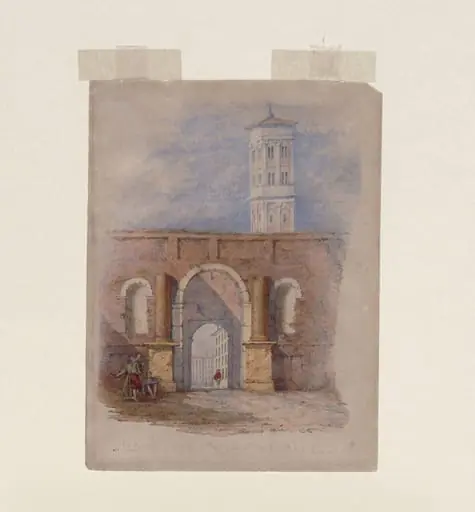 An Ancient Gateway in the Vicinity of St. Peter's, Rome
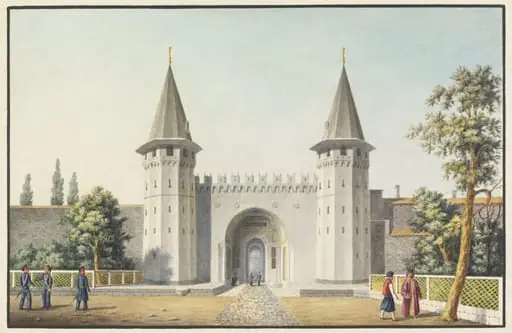 Orta Kapi or the Middle Gate of Topkapi Sarayi
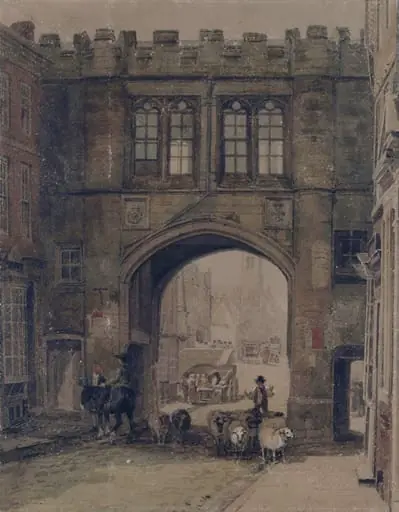 The Stonebrow : Gateway at Lincoln
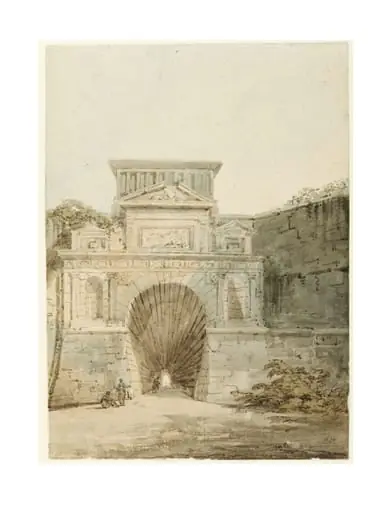 Entrance to the 'Grotto', Posillipo
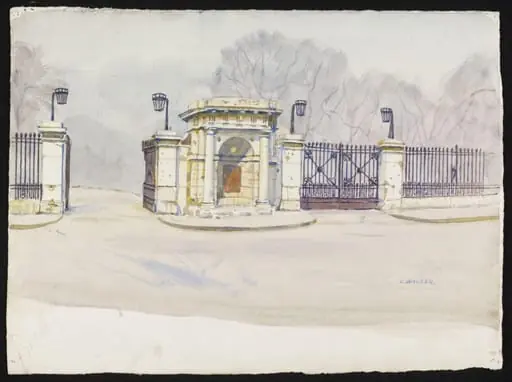 Entrance to Foundling Hospital
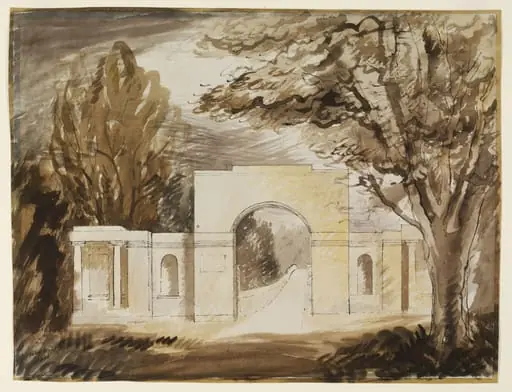 Entrance screen, Tyringham
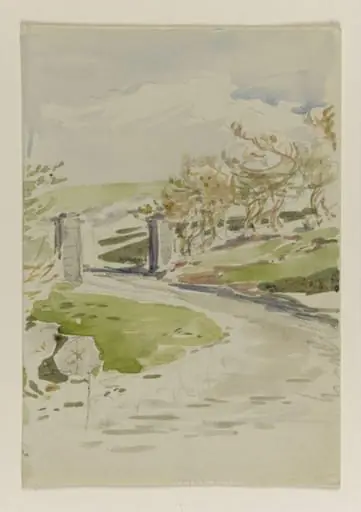 A pathway to moorland, passing through a stone gateway
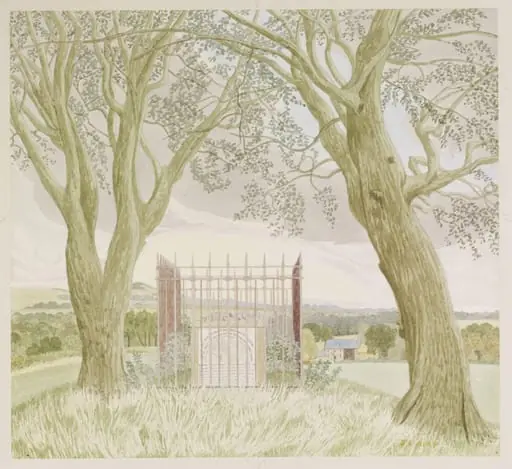 The Miller's Tomb, Highdown Hill near Goring-by-the-Sea
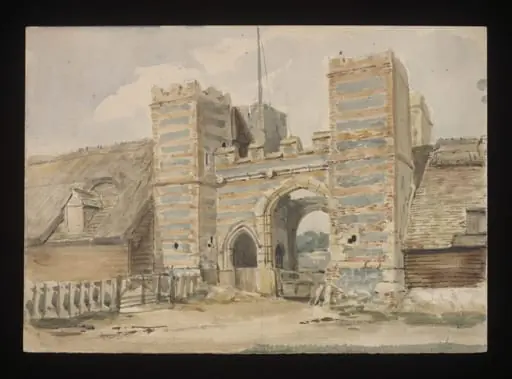 Watercolour drawing by the Grieve family, probably by Thomas Grieve, showing the gatehouse of Garlinge Castle, Kent
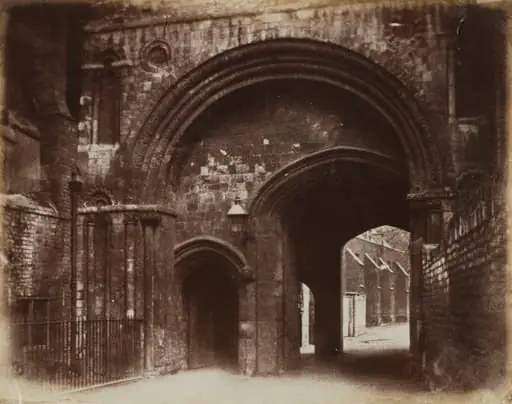 Canterbury
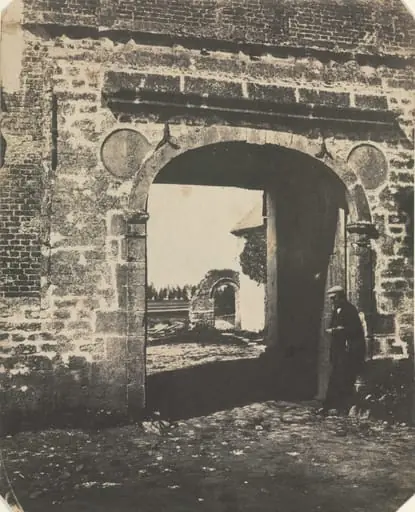 Arch in Farmyard, Swansea
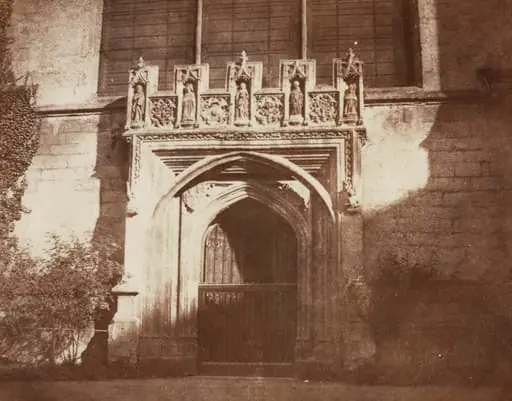 Ancient Door, Magdalen College, Oxford
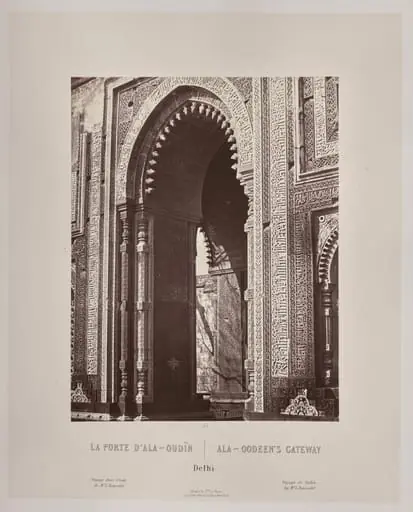 Ala-Oodeen's Gateway, Delhi
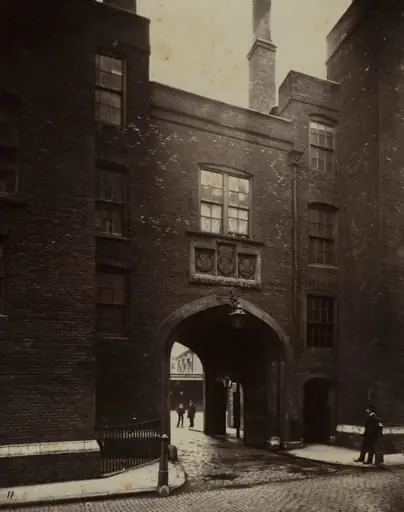 Lincoln's Inn, Gate House
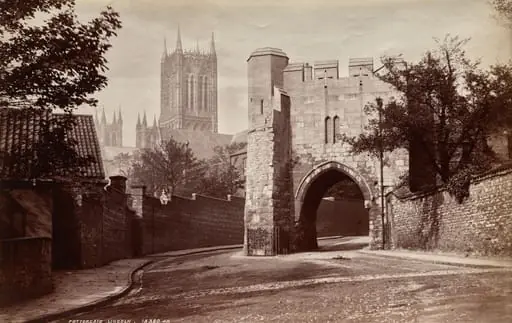 Pottergate, Lincoln, England
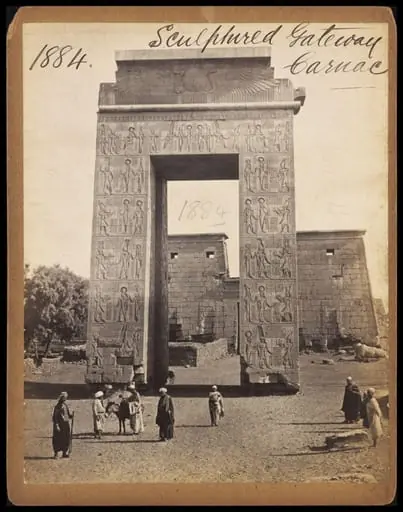 Sculptured Gateway. Carnac
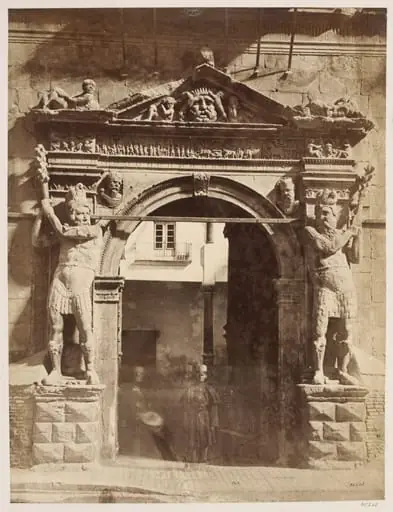 Zaragoza, Casa de los Gigantes, (now Audiencia)
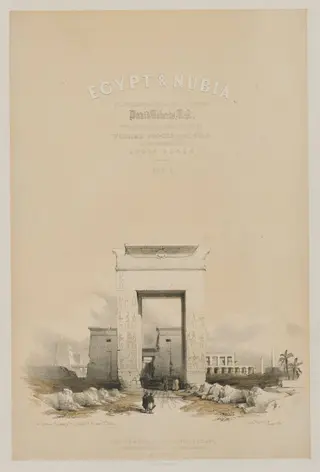 Egypt and Nubia: Frontispiece Volume V
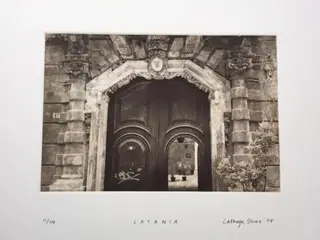 Catania
Frequently asked questions
What is Gate?
Gate is a subject in art. A gate or gateway is a point of entry to or from a space enclosed by walls.
How many Gate works does Artifact World Gallery have?
Artifact World Gallery holds 76 public-domain Gate works, all free to view and download.
Who are the key Gate artists?
Key Gate artists in the collection include Nicolaes Maes, Vincent van Gogh and Anne Goldthwaite.
Where can I see Gate works?
Gate works in the collection are held by Victoria and Albert Museum, National Gallery of Art and Cleveland Museum of Art.