Artwork
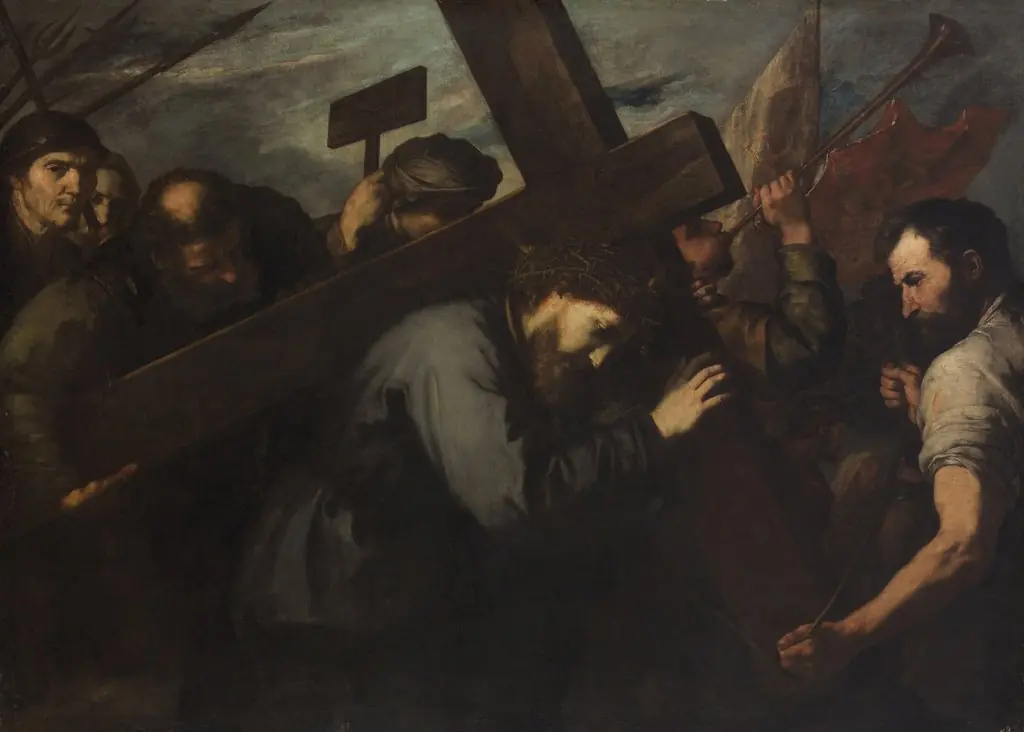
Christ Carrying the Cross
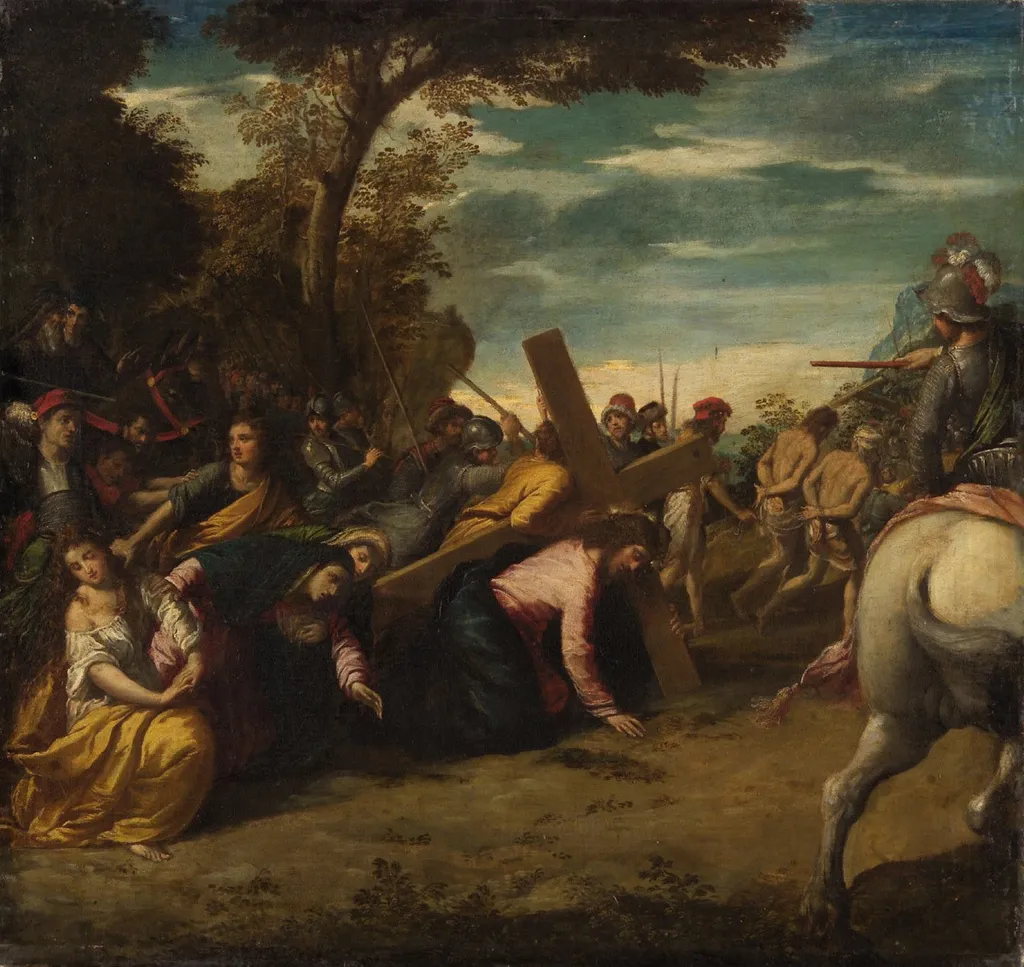
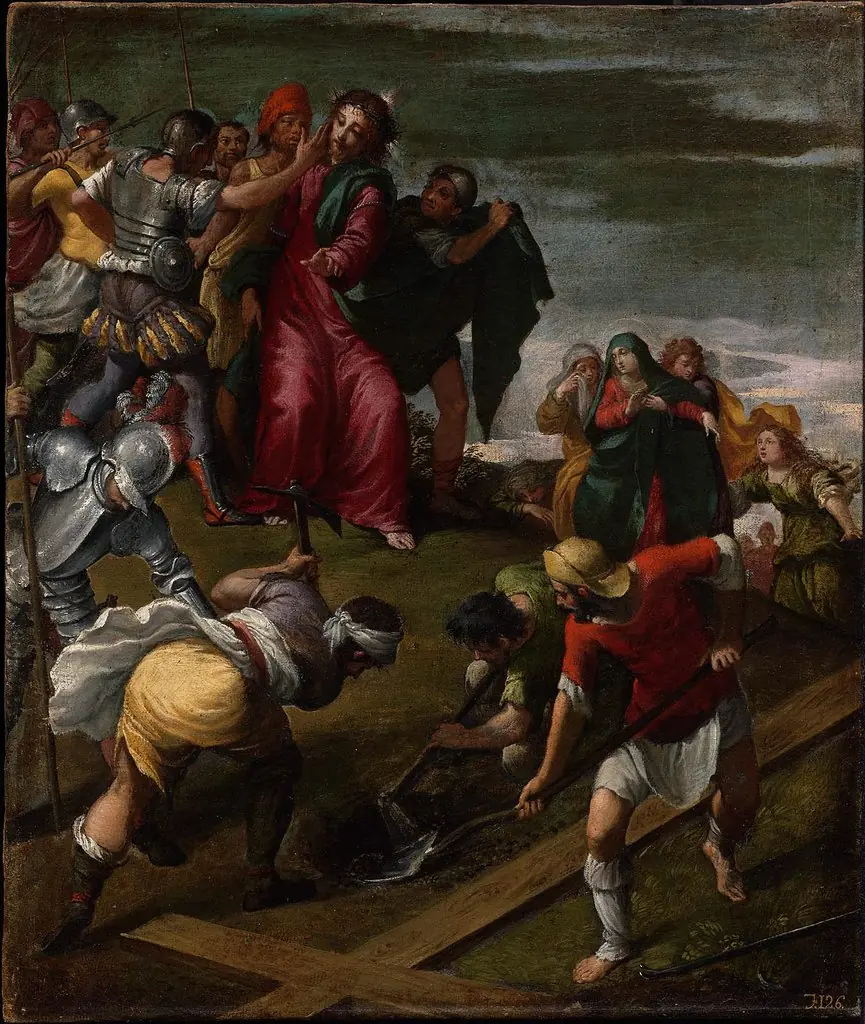
Christ Carrying the Cross is an oil painting by the Early Baroque Italian artist Scarsellino. It dates from 1600 and is held in the collection of the Kunsthistorisches Museum.
About this work
Subject & Meaning
As a work of religious art, it belongs to a long devotional tradition of visualizing this moment, inviting contemplation of Christ's suffering and sacrifice.
The painting depicts Christ carrying the cross, a central episode from the Passion narrative in which Jesus shoulders the instrument of his crucifixion on the road to Calvary. As a work of religious art, it belongs to a long devotional tradition of visualizing this moment, inviting contemplation of Christ's suffering and sacrifice. The subject is identified directly as the main theme of the composition, with Jesus Christ named as the figure portrayed.
In its iconographic treatment, the scene isolates the act of bearing the cross as the focal point of meditation, a motif commonly used in Counter-Reformation imagery to evoke empathy and penitence in the viewer. The work thus functions both as a narrative depiction of a Gospel event and as a symbolic representation of redemption through Christ's willing acceptance of his Passion.
Technique & Style
The work is an oil painting executed on canvas, measuring 77 cm by 81 cm, depicting the biblical scene of Christ bearing the cross. Scarsellino applied oil paint to create a composition marked by dramatic chiaroscuro and a naturalistic rendering of the figure, reflecting early Baroque stylistic tendencies. The handling of light emphasizes the physical strain of Christ, while the brushwork demonstrates controlled modeling of drapery and facial expression.
The painting’s condition appears stable, with no noted structural issues in the support, and its formal qualities align with Counter-Reformation emphasis on emotive realism.
History & Provenance
The work titled Christ Carrying the Cross was created in 1600 by the artist Scarsellino as an oil painting. It is part of the collection at the Kunsthistorisches Museum, where it remains on display in the religious art genre.
The provenance and ownership history indicate that the painting has been housed in the Kunsthistorisches Museum since its creation, with no documented change in ownership recorded.
The painting is held in the Kunsthistorisches Museum, Vienna. Its inventory/accession details are not specified in the cited sources. It has been exhibited in the museum’s permanent holdings as part of its collection of Italian religious art from the 16th–17th centuries, though no specific temporary exhibitions are documented in the provided references.
Overview
Christ Carrying the Cross is a 1600 oil painting by Ippolito Scarsella, known as Scarsellino, a prominent artist of the School of Ferrara. The work is a religious genre painting depicting a pivotal moment in the Passion of Christ.
Context
While primarily known for influential landscapes (both sacred and secular) that shaped 17th-century landscape traditions, this painting demonstrates Scarsellino's capability in religious genre scenes, reflecting the artistic and religious themes prevalent in early 17th-century Italy.
Legacy
Through his contributions to the transition toward Baroque and his impact on landscape painting, Scarsellino's oeuvre, including Christ Carrying the Cross, remains significant in the history of Italian art, though the specific legacy of this painting is more closely tied to its representation of a religious theme rather than a landmark in his landscape innovations.
Artist & collection
Artist
Scarsellino or Ippolito Scarsella (1550 (or 1551) – 28 October 1620) was an Italian mid-to-late sixteenth century reformist painter and one of the most important representatives of the School of Ferrara.

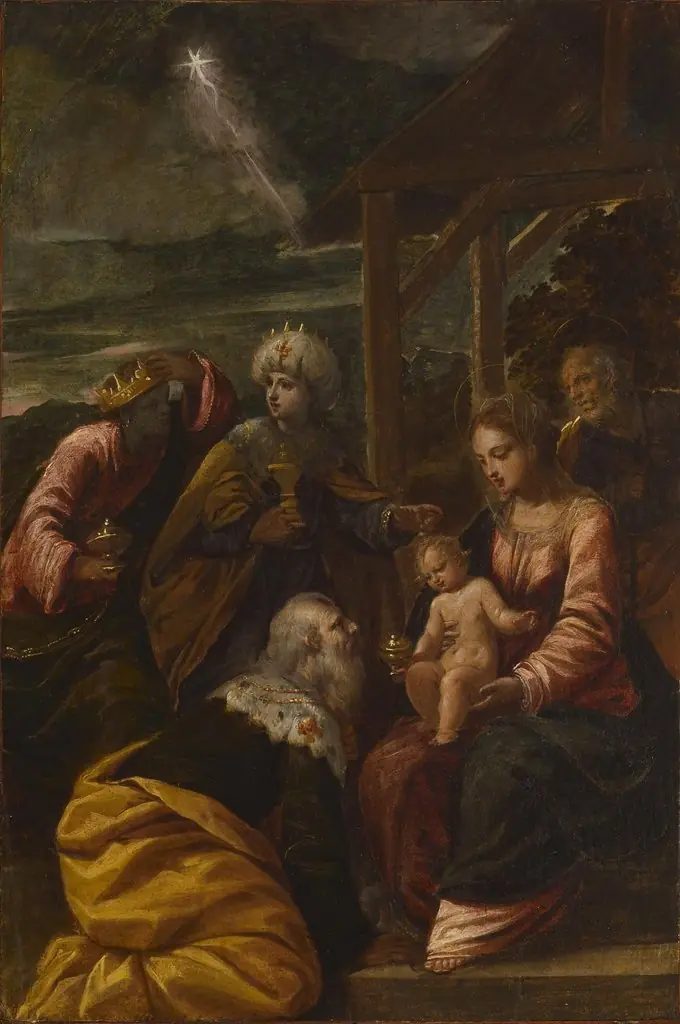
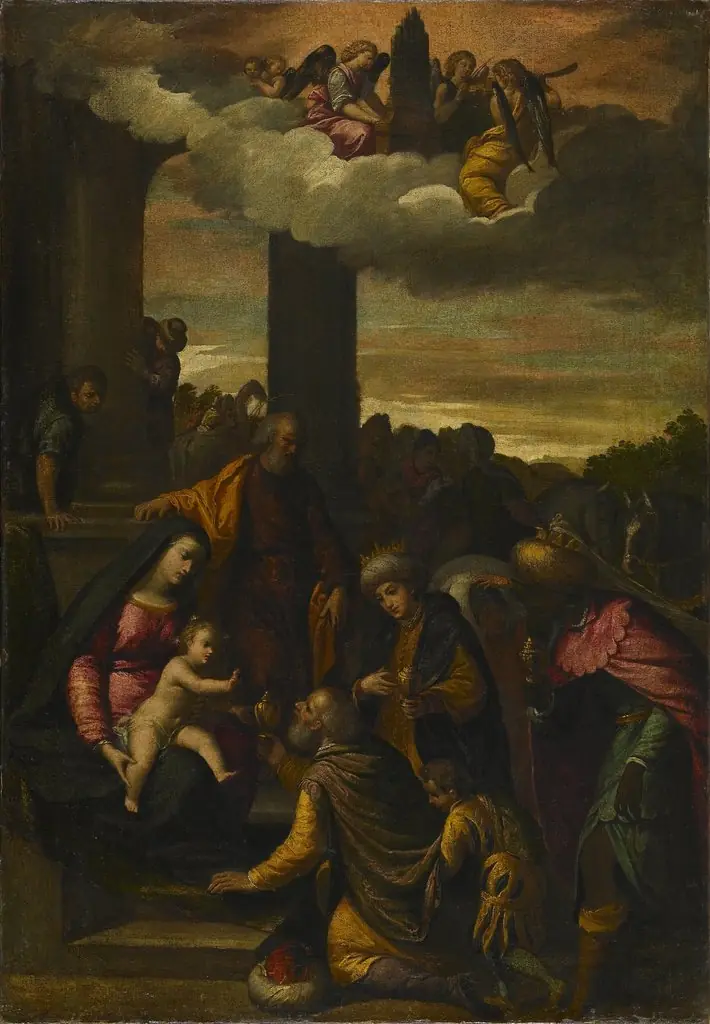
- Christ carrying the Cross
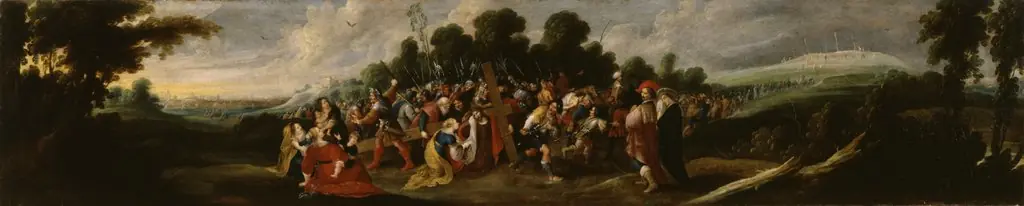 Christ Carrying the Cross
 Christ Carrying the Cross
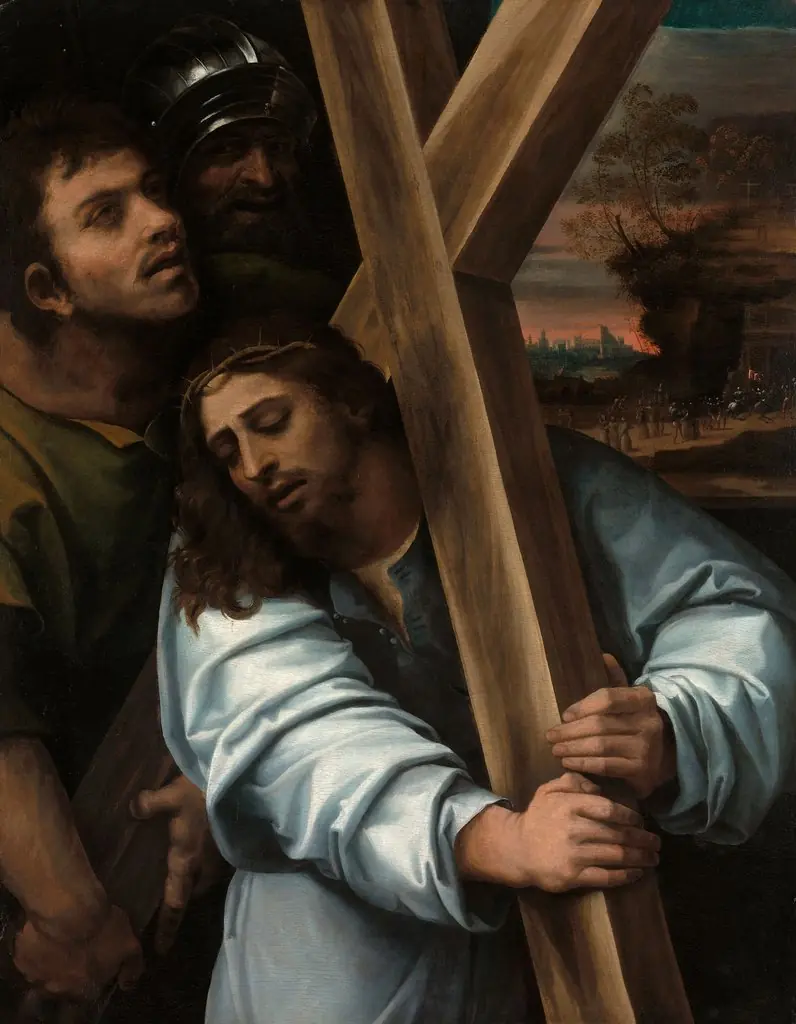 Christ Carrying the Cross
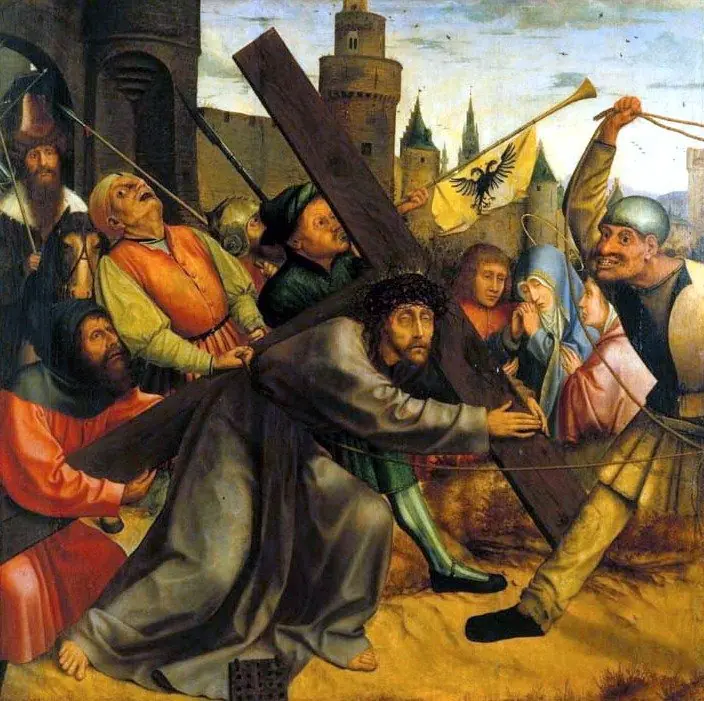 Christ carrying the cross
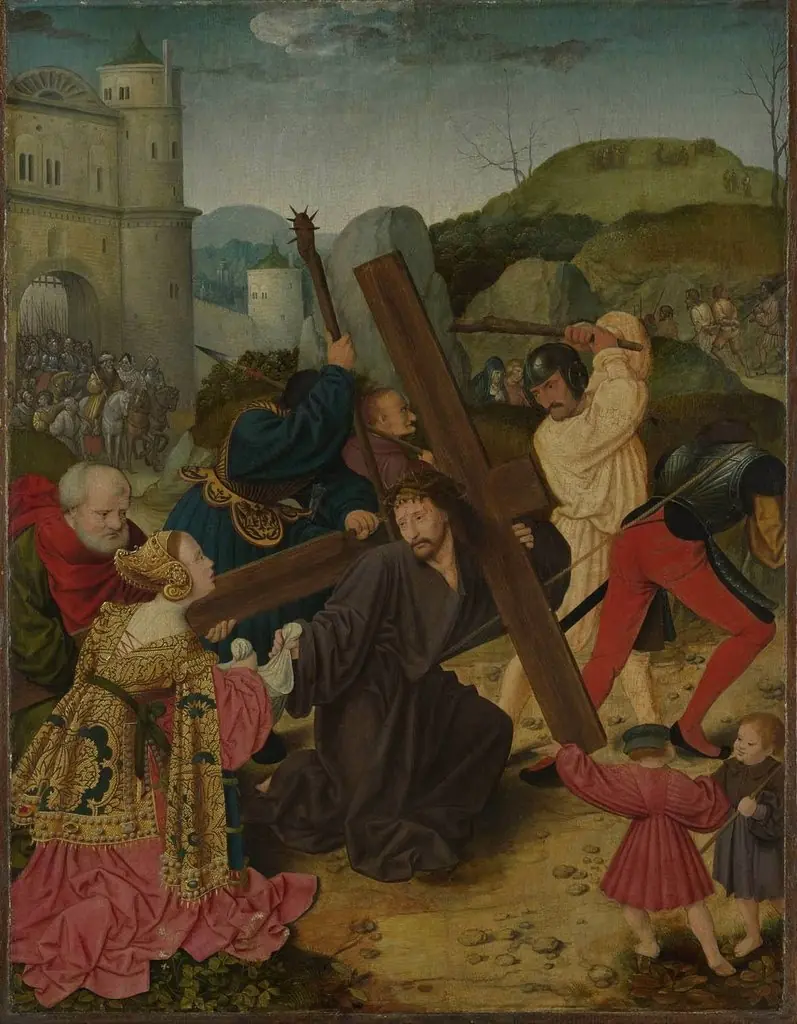 Christ carrying the cross
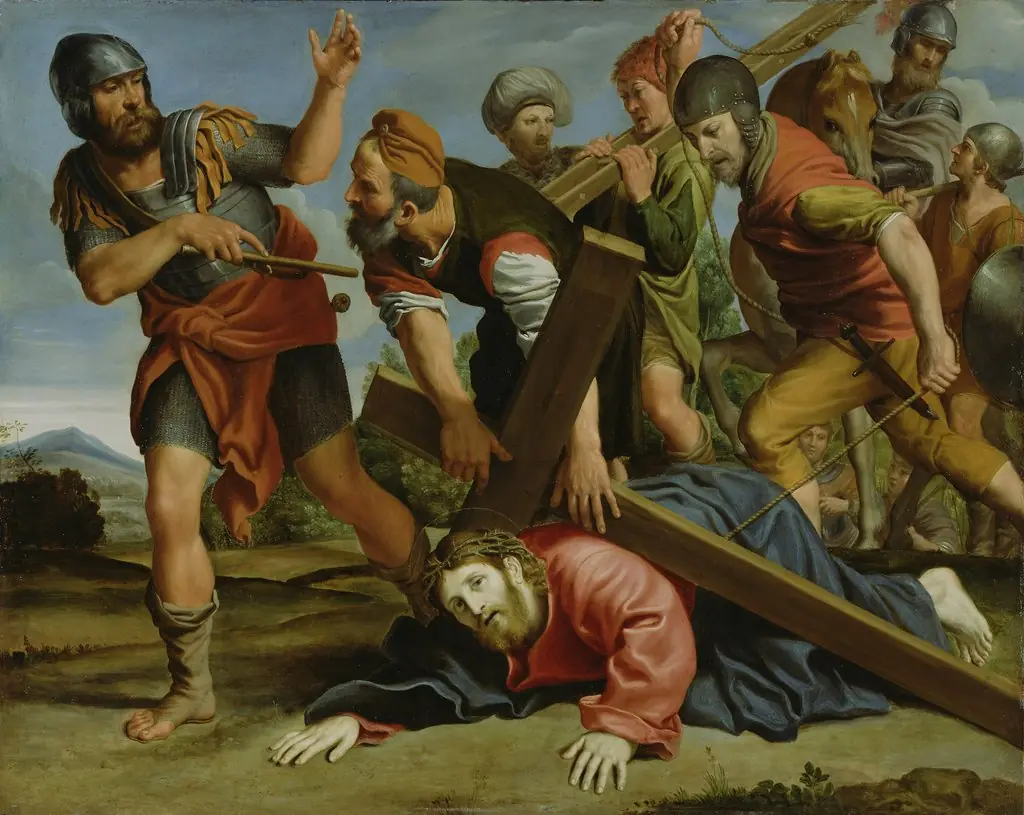 The Way to Calvary
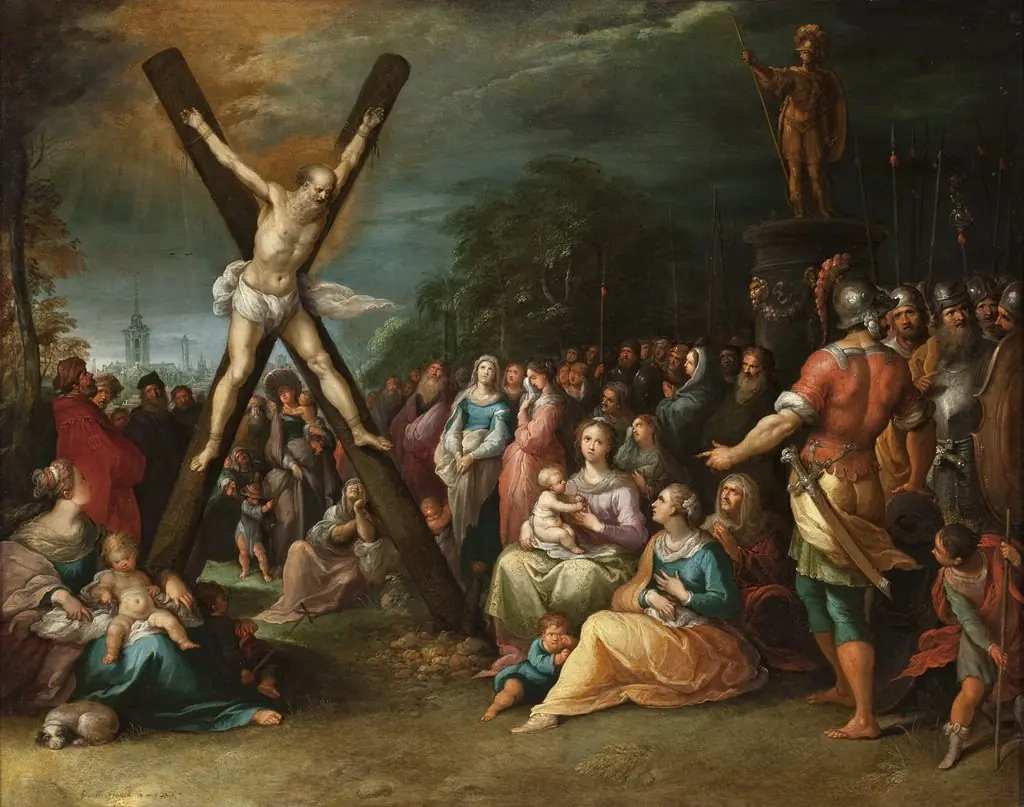 The Crucifixion of St. Andrew
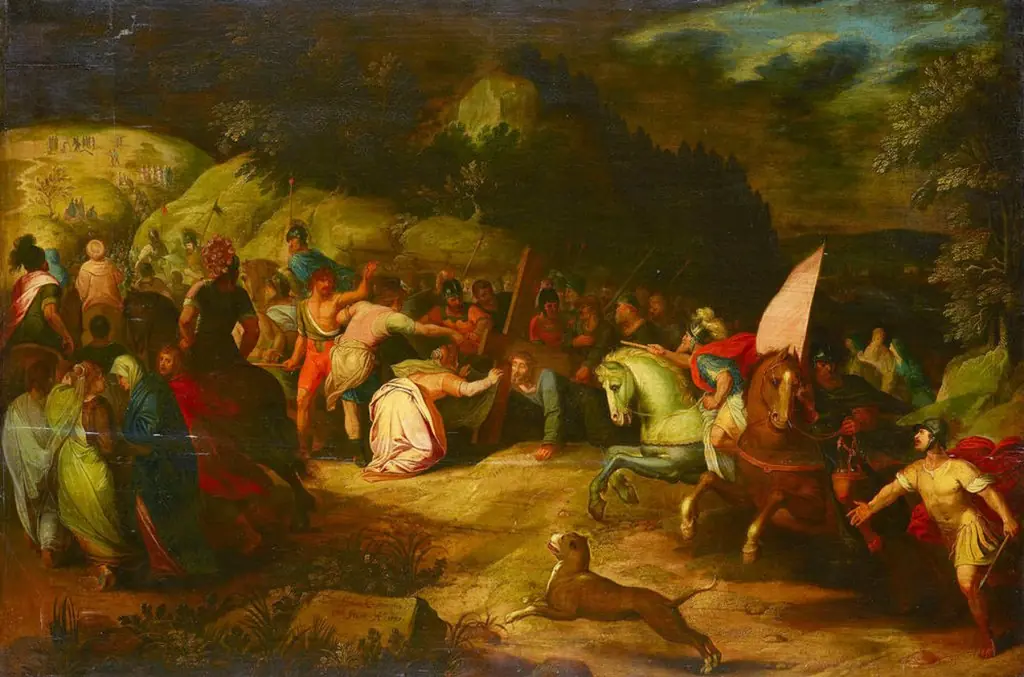 Christ collapsing under the cross on his way to Golgotha
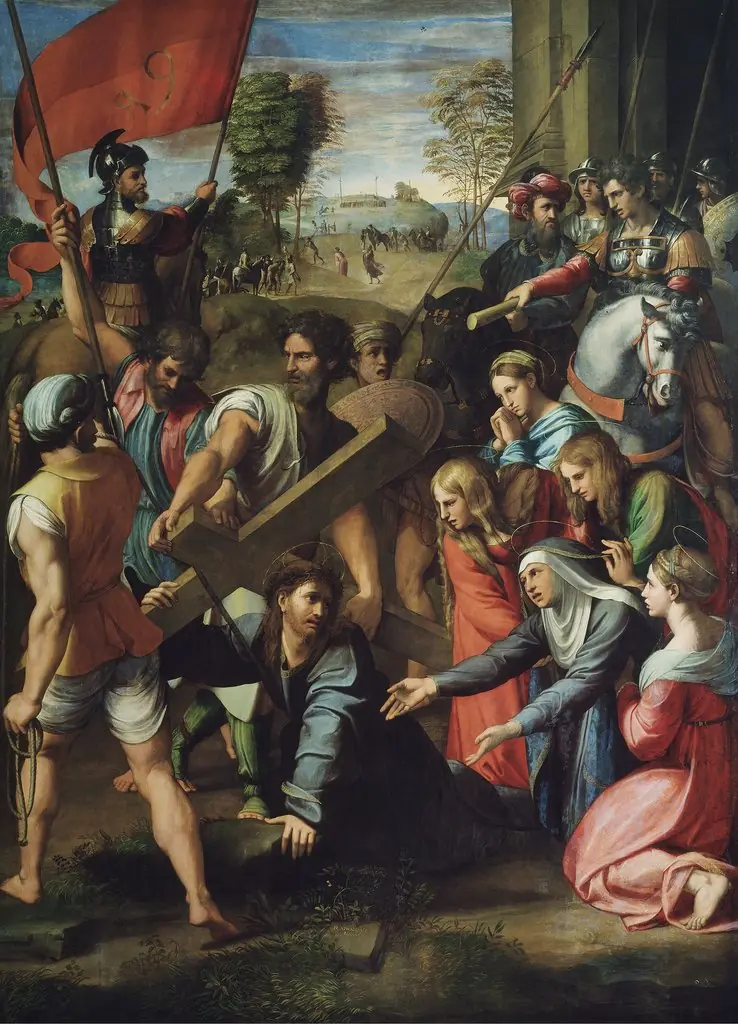 Christ Falling on the Way to Calvary
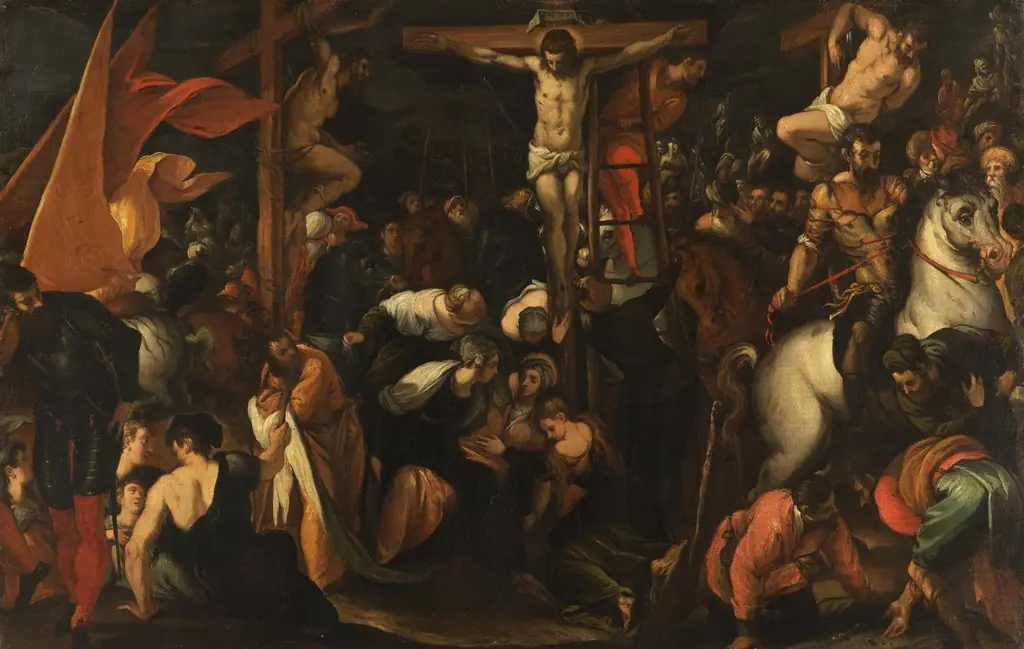 Crucifixion (copy)
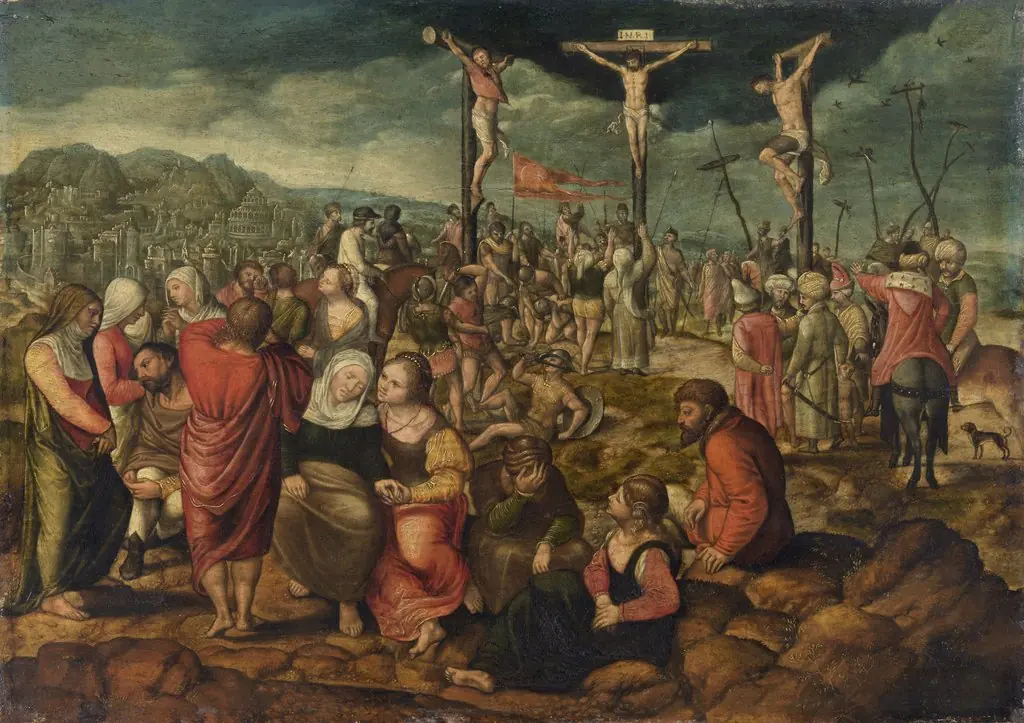 Crucifixion