Artwork
Nainen ja sylikoira
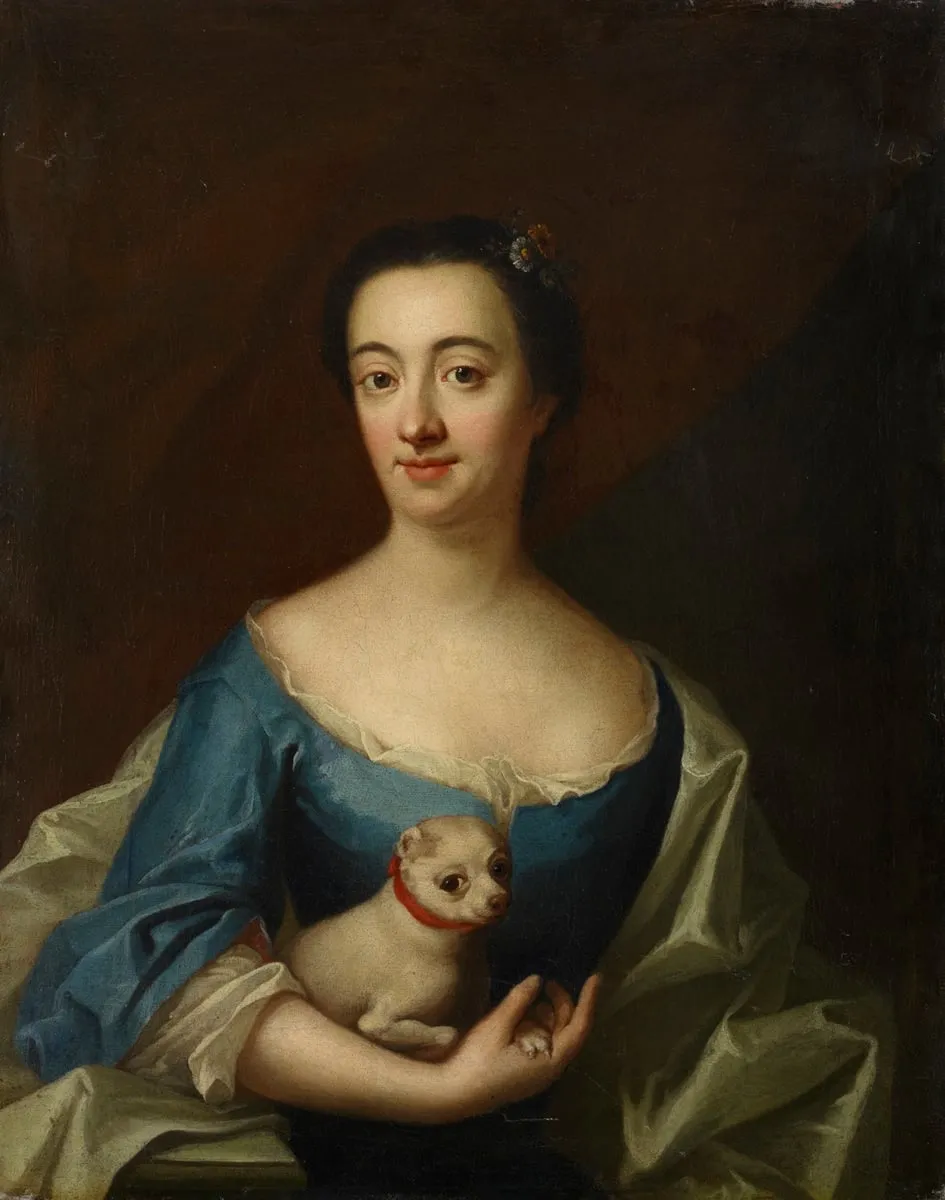
Nainen ja sylikoira is an unspecified painting by the Naïve art artist Johan Henrik Scheffel. It dates from 1740 and is held in the collection of the Finnish National Gallery.
About this work
This painting features a woman with dark hair, adorned with a small flower or bow, wearing a blue dress with a white collar and sleeves.
This painting features a woman with dark hair, adorned with a small flower or bow, wearing a blue dress with a white collar and sleeves. She is seated and gently holds a small white dog with a red collar in her lap.
The woman's attire and hairstyle suggest a formal portrait, possibly from the 18th century. The dog appears to be a beloved pet, adding a touch of warmth to the otherwise formal setting.
The use of chiaroscuro, a technique that employs strong contrasts between light and dark, adds depth and dimension to the painting. To learn more about this artistic method, explore the technique of chiaroscuro.
Overview
Painted around 1740 by Johan Henrik Scheffel, this work presents a quiet domestic moment centered on a woman and her small dog. Though rendered with the precision typical of portraiture, the scene avoids grandeur, focusing instead on intimacy. The composition balances formality with tenderness, suggesting a private, personal subject rather than a public statement.
Subject & Meaning
The woman, seated with a white dog resting in her lap, embodies a cultivated domesticity common in 18th-century Nordic elite circles. The dog, adorned with a red collar, is not merely a pet but a symbol of affection and companionship. Her modest adornment, a flower or bow, hints at personal refinement, reinforcing the theme of gentle, private virtue over ostentation.
Technique & Style
Scheffel employs chiaroscuro to model the woman’s form, using soft transitions between light and shadow to define her features and the dog’s fur. The blue dress and white lace collar are rendered with careful attention to texture, while the background remains muted, directing focus to the figures. The brushwork is precise yet unobtrusive, supporting the scene’s quiet tone without theatrical flourish.
History & Provenance
The painting’s early history is undocumented beyond its creation in the 1740s. It likely originated in Sweden, where Scheffel worked as a portraitist for the upper classes. Its survival suggests it remained within private collections, possibly within the artist’s circle or among patrons who valued intimate domestic imagery over grand historical themes.
Context
In mid-18th-century Sweden, portraiture often served to display status, yet this work reflects a growing interest in personal, emotional subjects. The inclusion of a pet in a formal setting aligns with broader European trends where domesticity and affection became acceptable themes in elite art, signaling a shift toward more relatable, human-centered imagery.
Legacy
Though not widely known outside regional collections, the painting contributes to understanding how Swedish portraiture evolved beyond rigid formality. Its quiet humanity anticipates later 19th-century genre scenes that prioritized emotional authenticity. It remains a subtle example of how personal bonds were visually affirmed in an era dominated by hierarchical representation.
Artist & collection
Artist
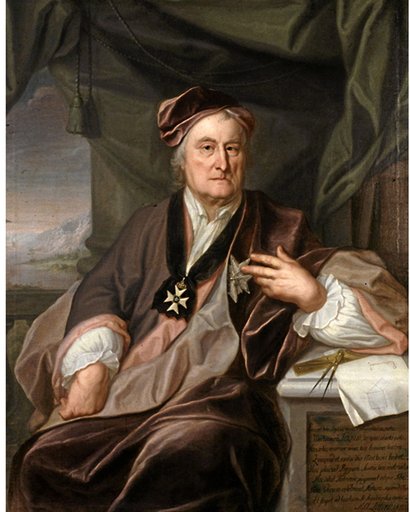
Johan Henrik Scheffel was a Swedish artist. He became known for his portraits of Carl von Linné, Christopher Polhem and Hedvig Charlotta Nordenflycht.

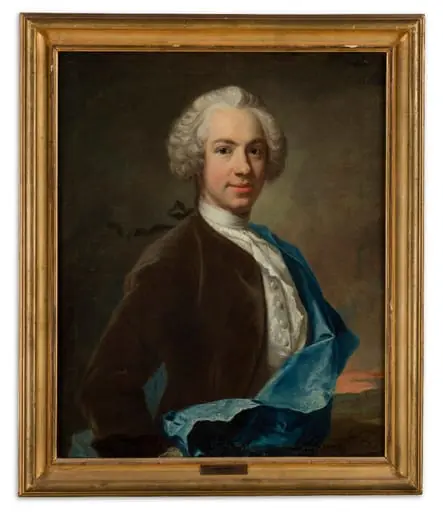
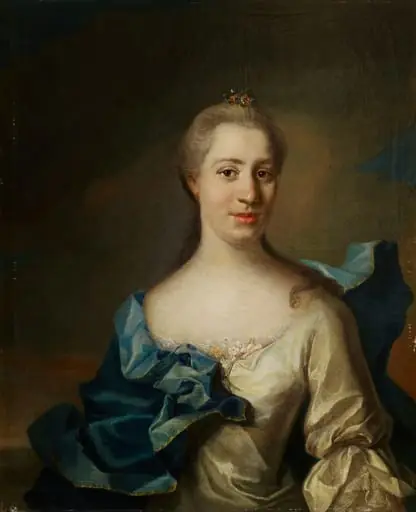
- Elizabeth Churchill, Bridgwaterin kreivitär
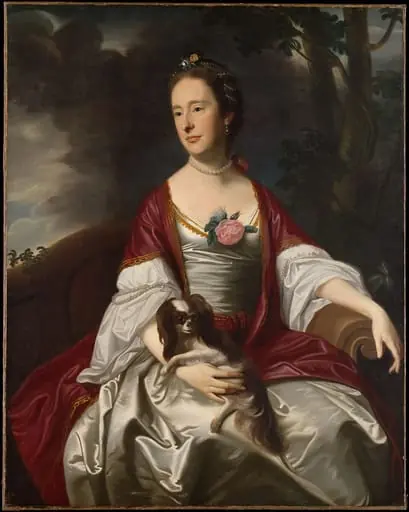 Mrs. Jerathmael Bowers
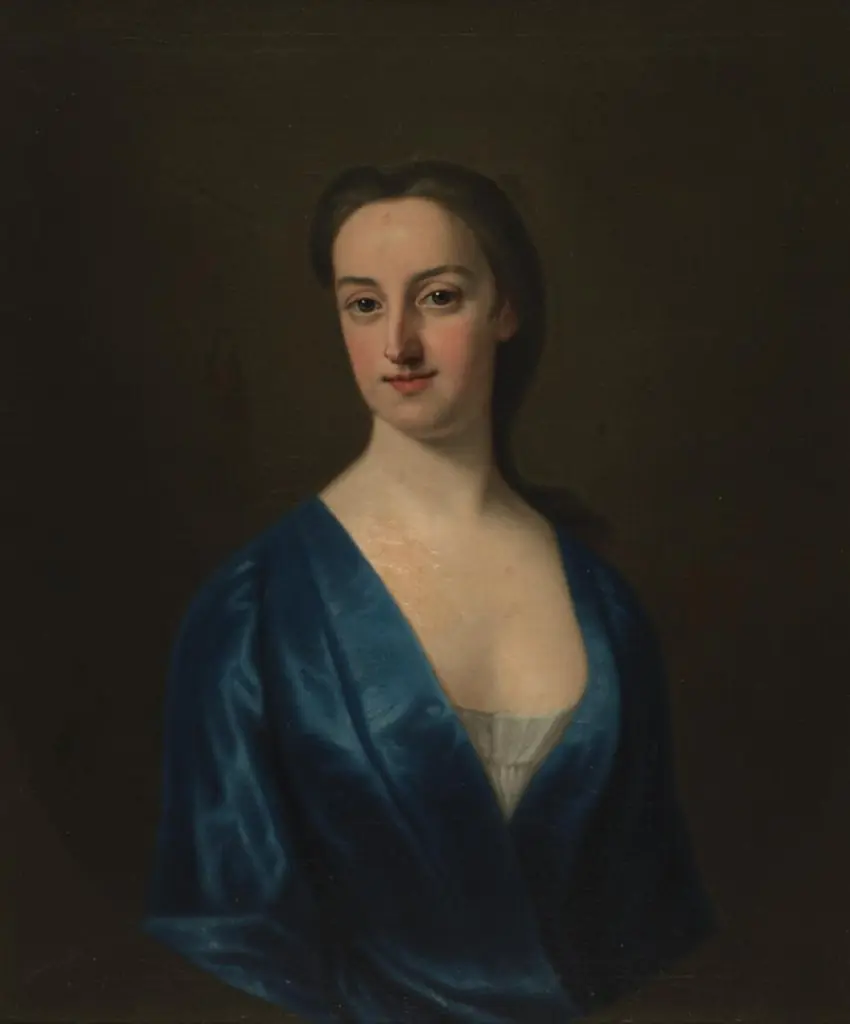 Margaret Wynne ( 1695 -
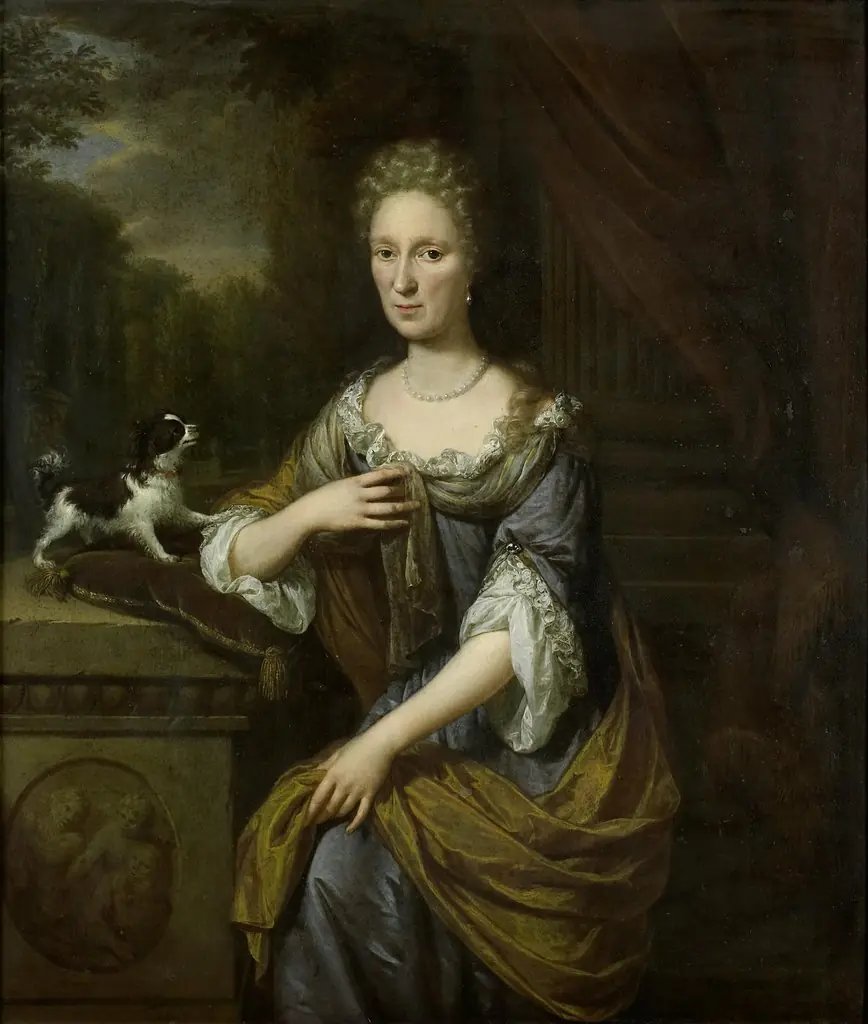 Portrait of a Woman
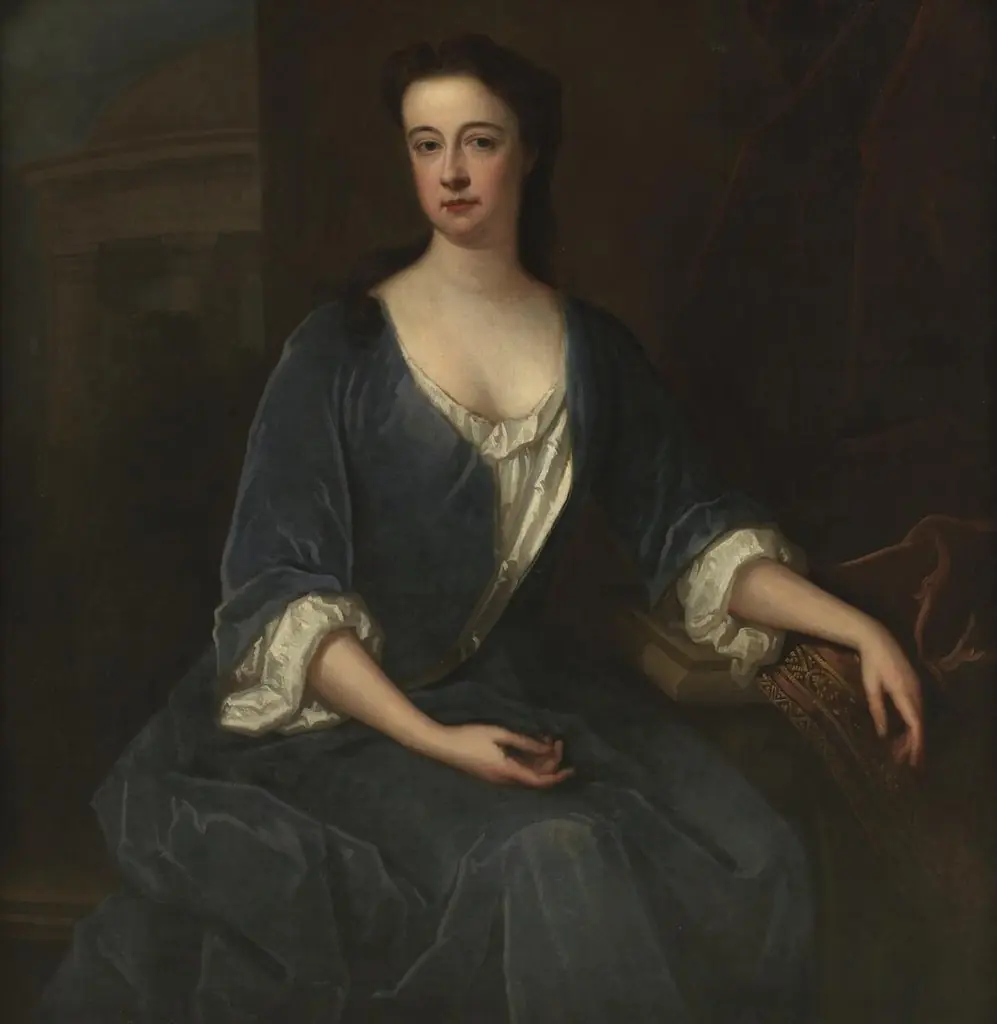 Barbara, Countess of Pembroke & Mont
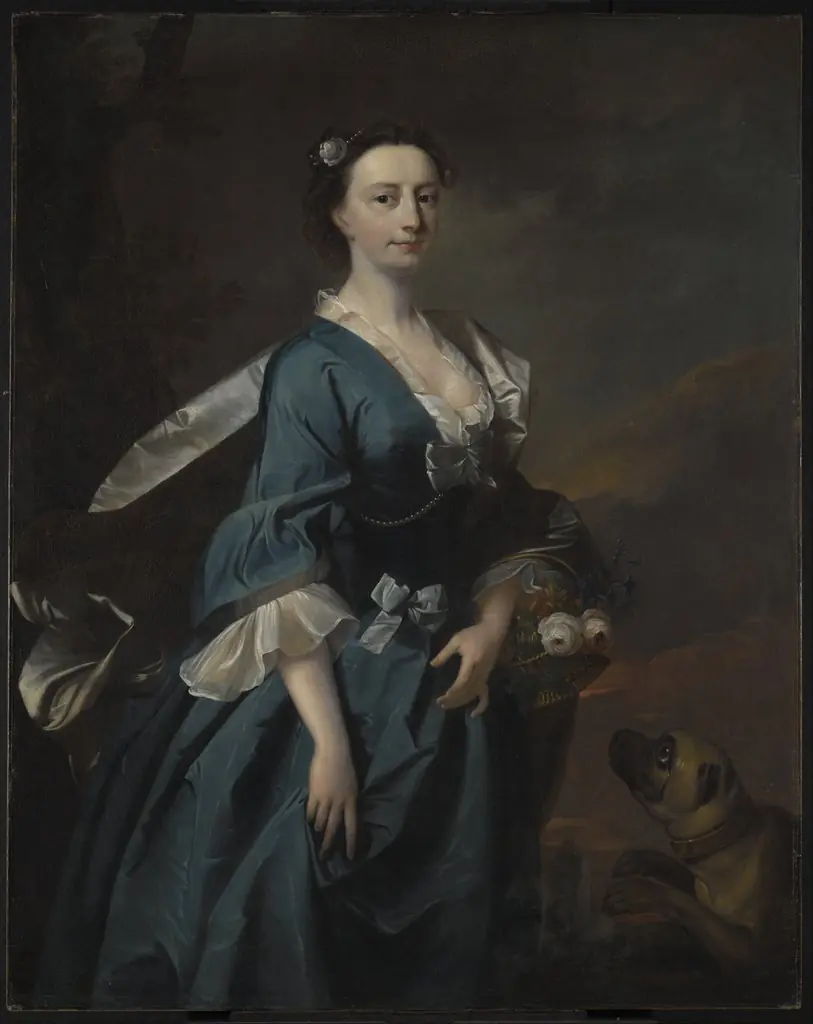 Mrs. John Wendt
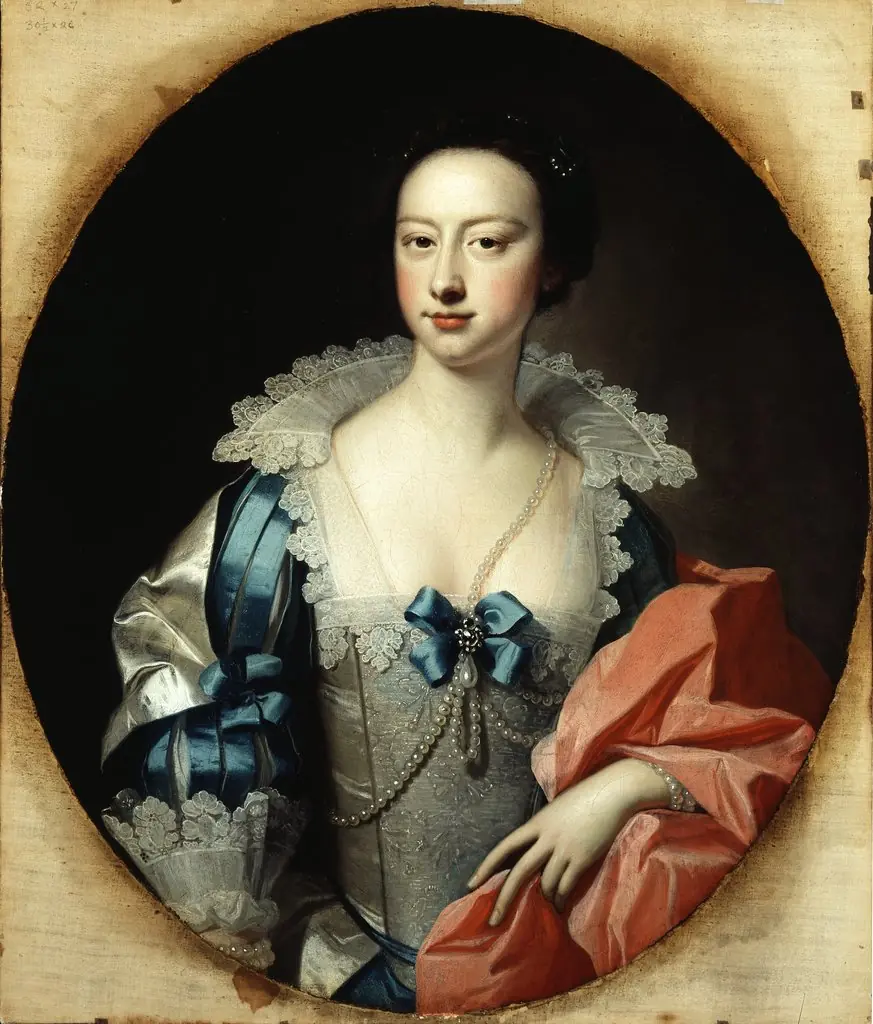 Miss Ashton
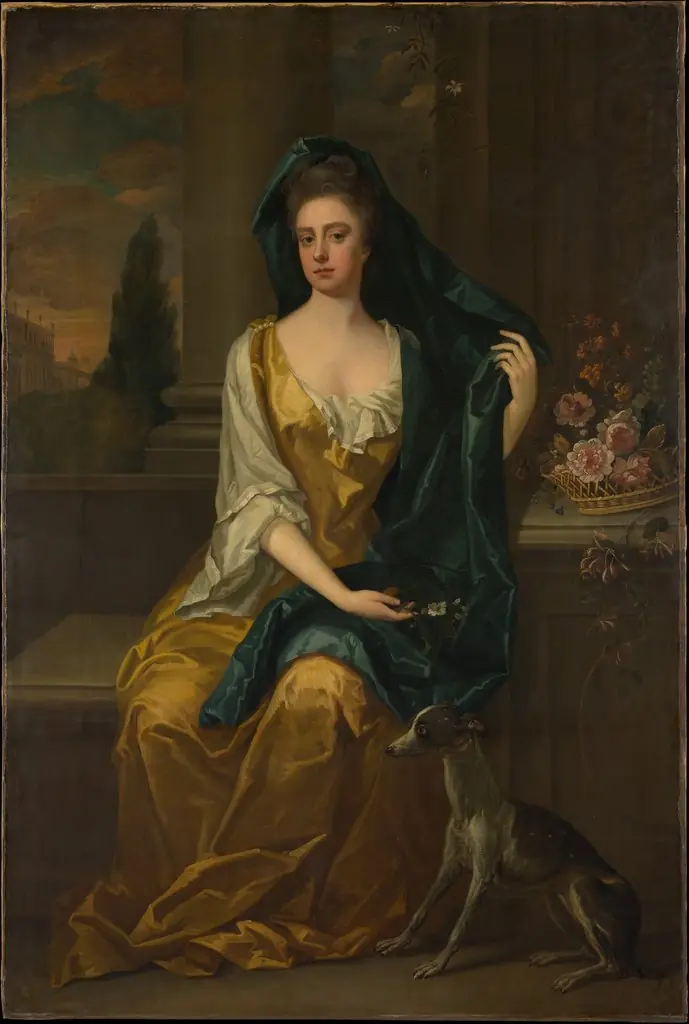 Portrait of a Woman
 Josina Clara van Citters (1671-1753), Sister of Anna van Citters
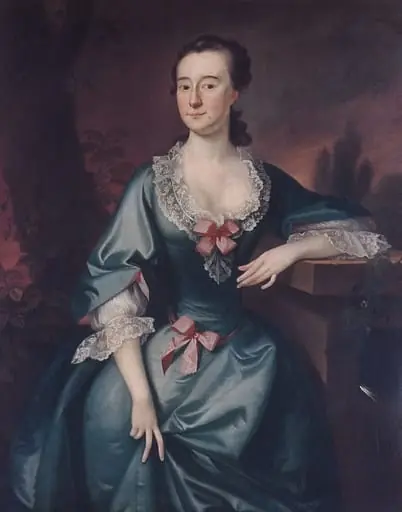 Mrs. David Chesebrough
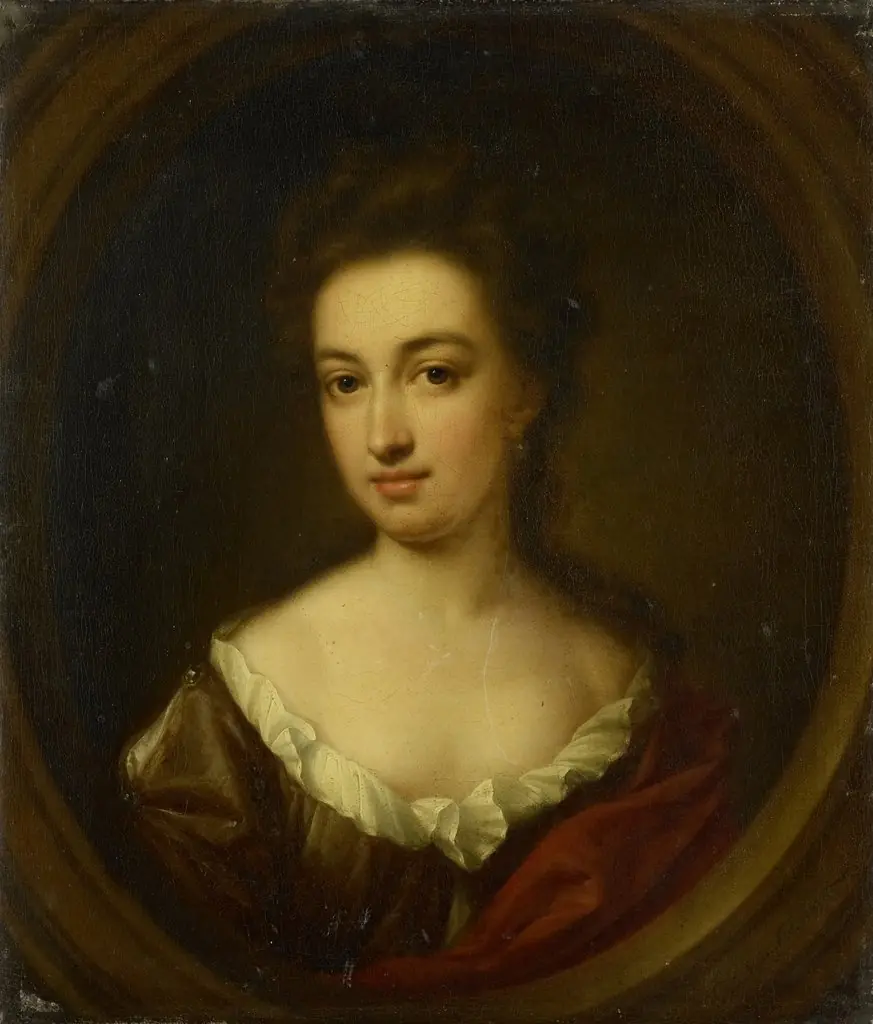 Portrait of Josina Clara van Citters (1671-1753), sister of Anna van Citters
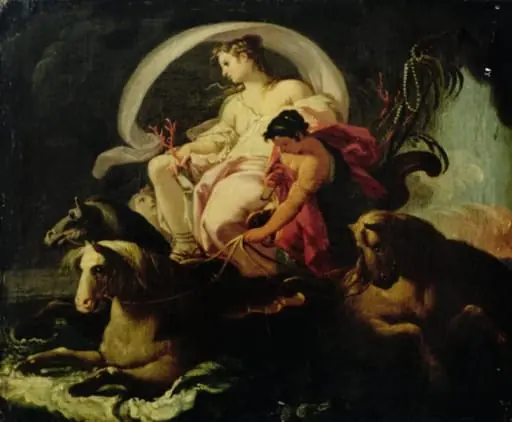 Amfitrita (copie)