Artwork
The Alamo
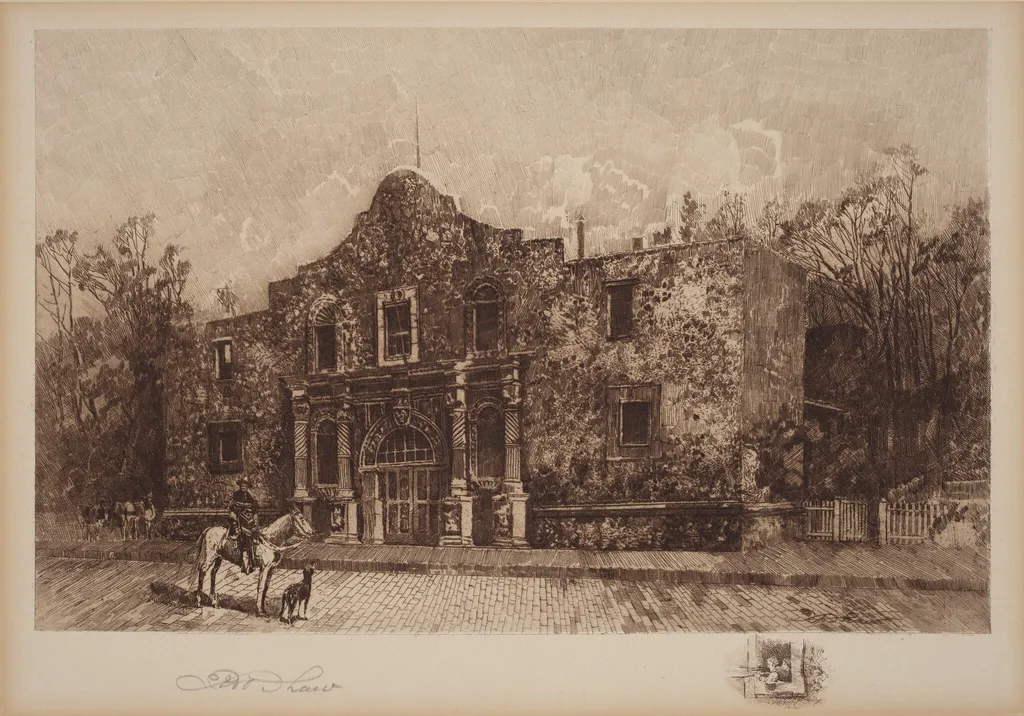
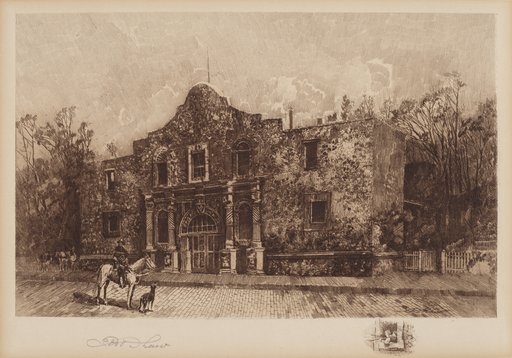
The Alamo is an ink print by Robert Shaw. It dates from 1905 and is held in the collection of the National Gallery of Art.
- Inscription
- Inscribed:Signed: Rob't Shaw. in plate, lower right; Rob't Shaw. in pencil, lower left.
About this work
Overview
Robert Shaw’s 1905 etching titled The Alamo depicts a weathered stone structure with prominent columns and an arched entrance. A rider on horseback, holding the reins of a second horse, stands before the building, while trees, a low fence, and distant mountains frame the composition. The scene conveys a sense of historic solemnity through its muted tonal range.
Subject & Meaning
The print centers on the iconic Alamo mission, rendered as an aged edifice overgrown with vines, suggesting the passage of time. The solitary rider adds a narrative element, hinting at the human presence that once animated the site. Together, architecture and figure evoke the layered history of the Texas landmark.
Technique & Style
Created by intaglio etching, Shaw employed fine line work and cross‑hatching to model the stone’s rough texture and the foliage’s delicacy. Varying densities of ink produce depth, while the contrast between dark outlines and lighter planes defines the architectural details and the figures’ forms.
History & Provenance
The Alamo was produced in 1905, during a period when American printmakers frequently revisited historic subjects. Though specific ownership records are limited, the work appears in early twentieth‑century exhibition catalogues of Shaw’s prints, reflecting its role in the artist’s broader exploration of national heritage.
Context
Shaw’s choice of the Alamo aligns with a wider cultural fascination with frontier myths at the turn of the century. Etching, as a reproducible medium, allowed such images to reach a broader audience, reinforcing collective memory of pivotal events in American history.
Legacy
While not widely reproduced, The Alamo remains a representative example of early twentieth‑century American etching, illustrating how printmakers combined technical precision with historical narrative to document and interpret iconic sites.
Artist & collection

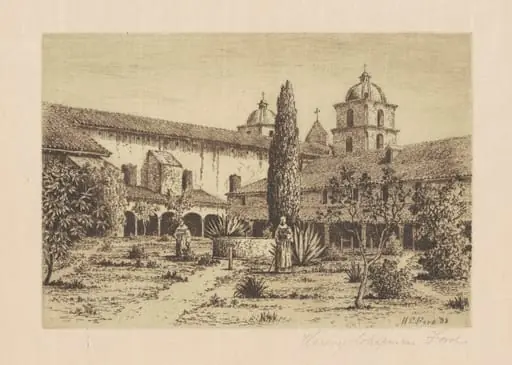
- Garden, Mission Santa Barbara
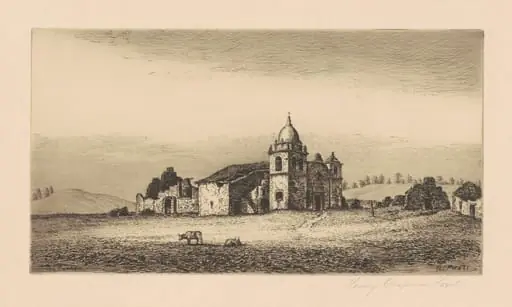 Mission San Carlos Borromeo
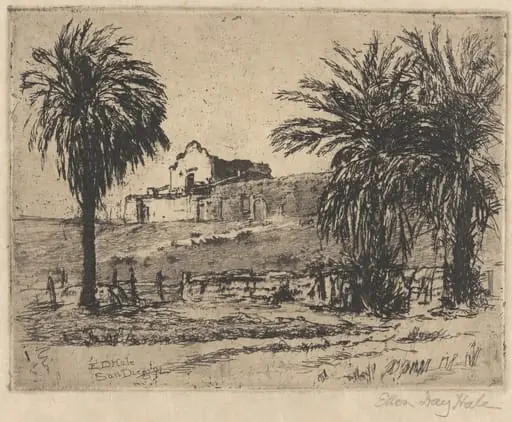 Mission San Diego
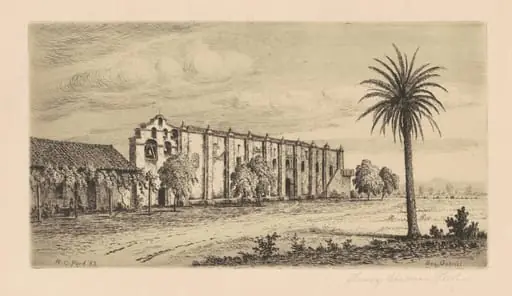 Mission San Gabriel Arcángel
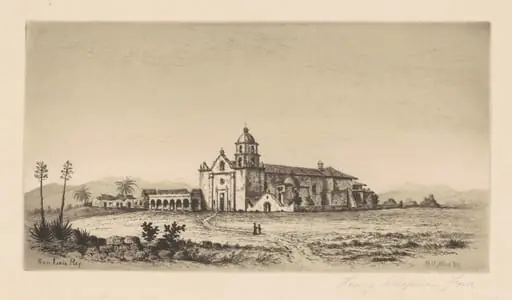 Mission San Luis Rey de Francia
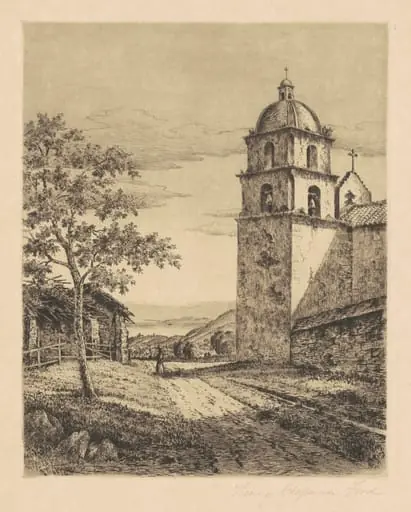 Mission Santa Barbara, Looking South
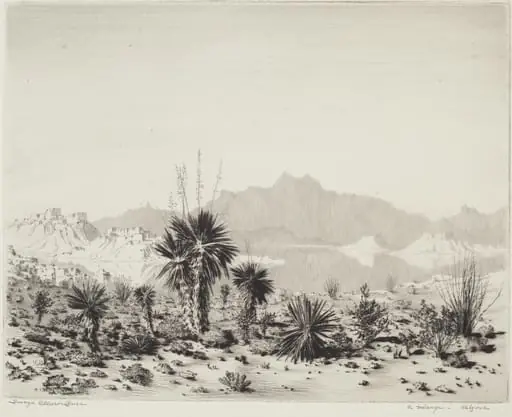 A Mirage, Arizona
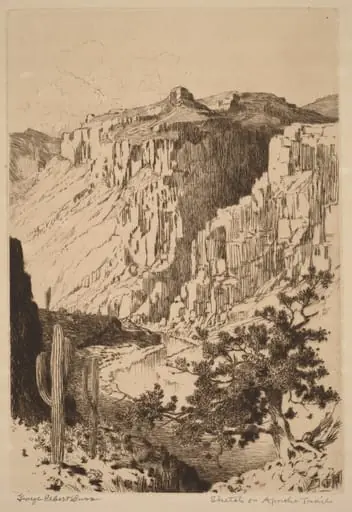 Sketch on Apache Trail, Arizona
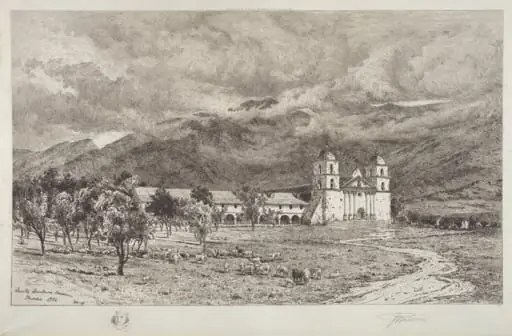 Santa Barbara Mission
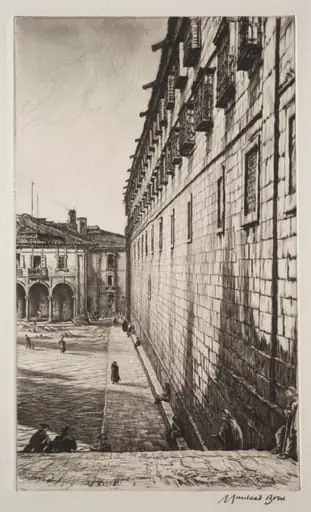 Convent of San Payo, Santiago de Compostela
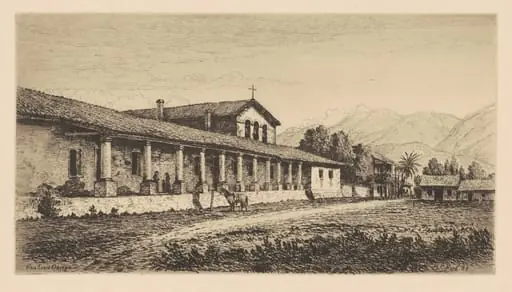 Mission San Luis Obispo
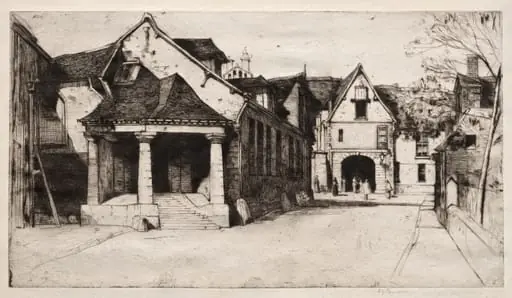 Old Museum, Beauvais