Artwork
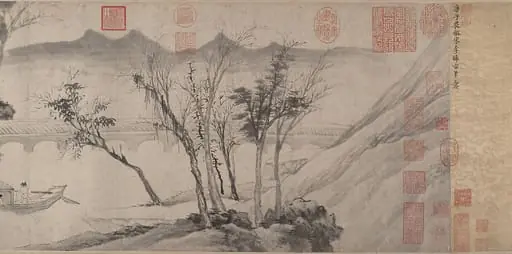
元/明 趙原 倣燕文貴范寬山水圖 元/明 沈巽竹石 合卷|Bamboo grove
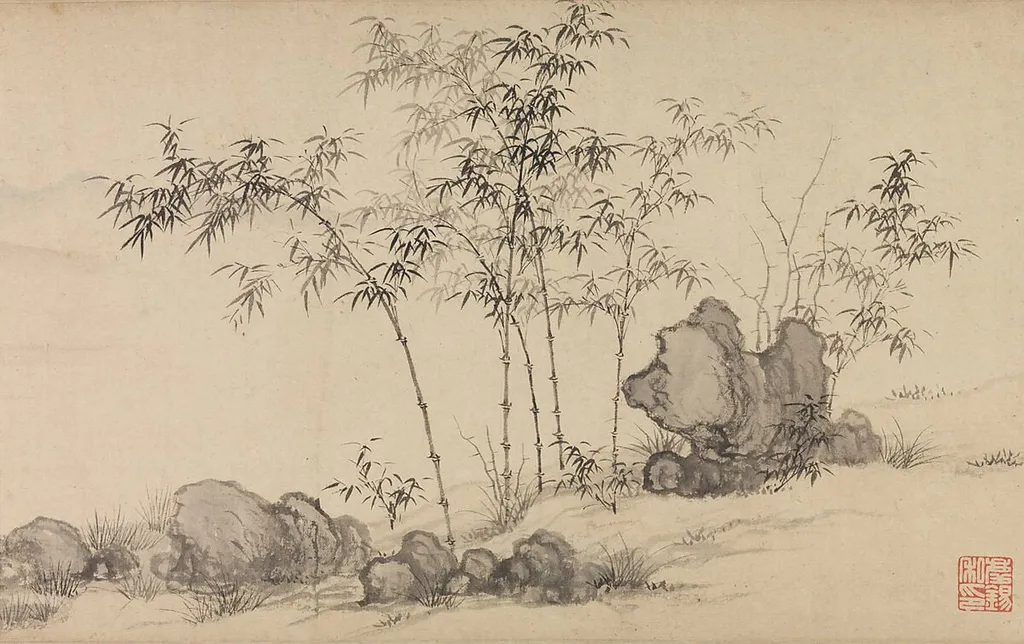
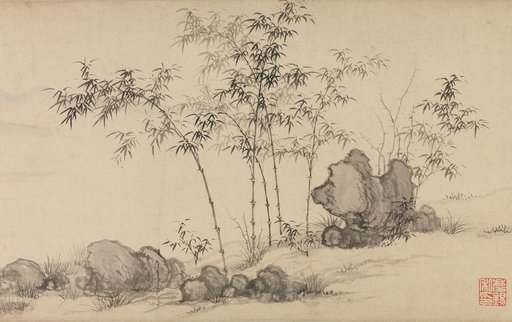
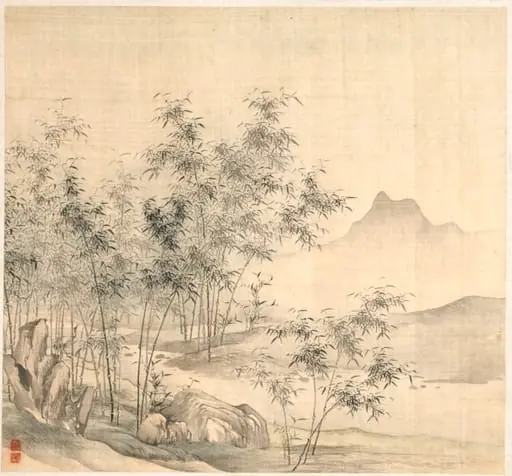
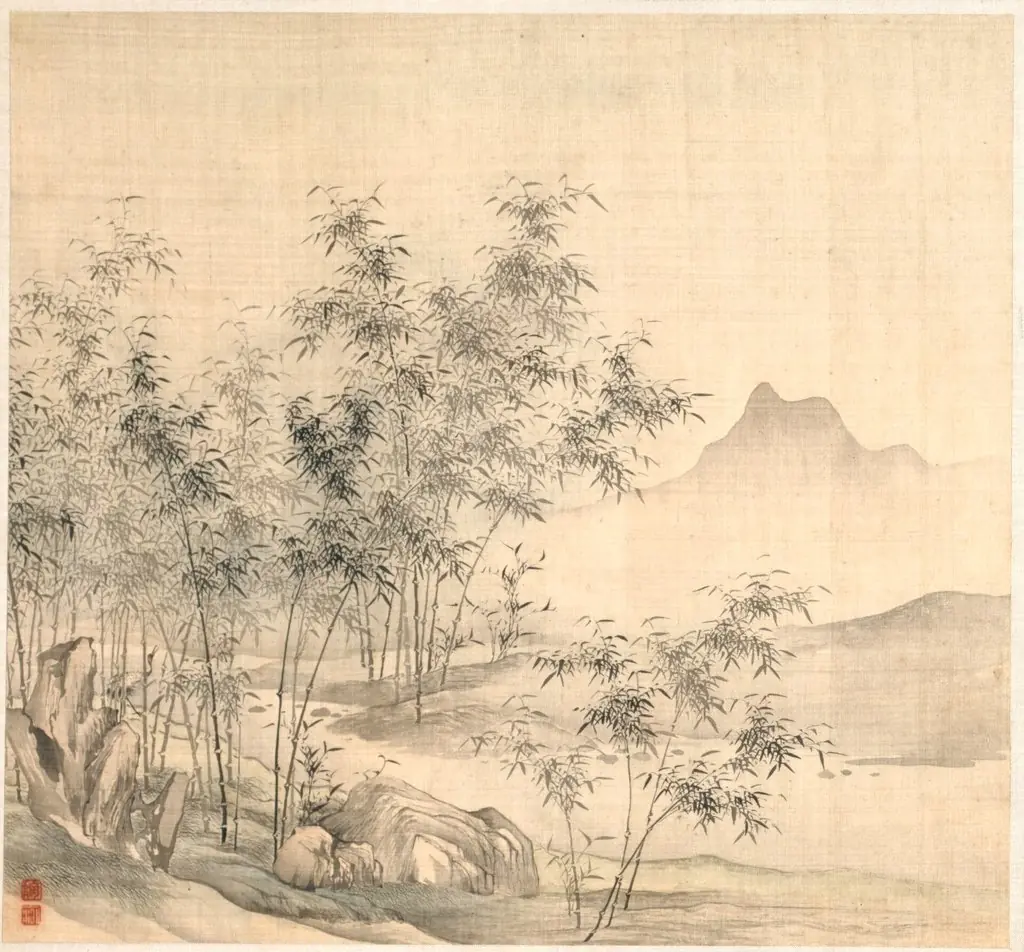
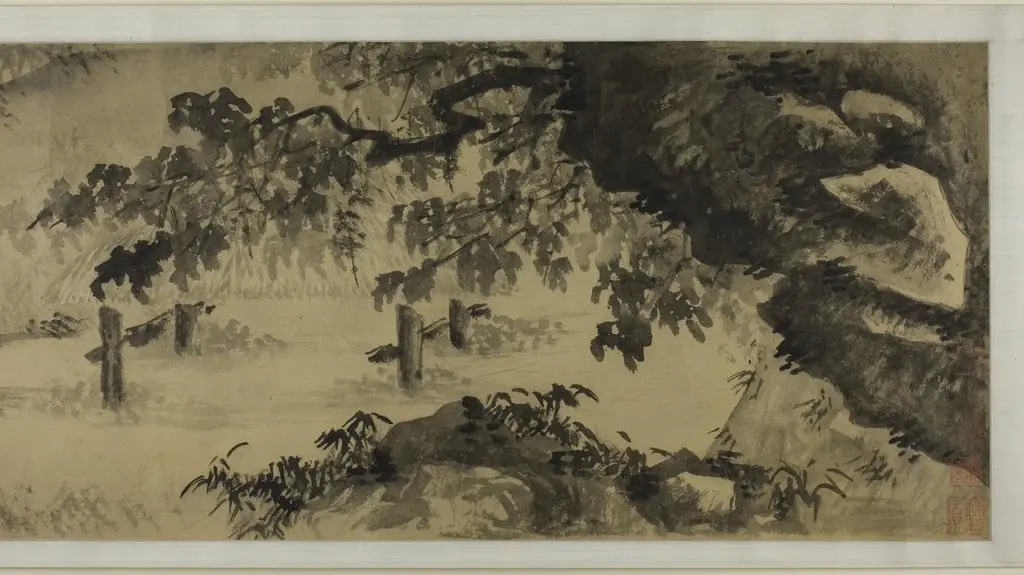
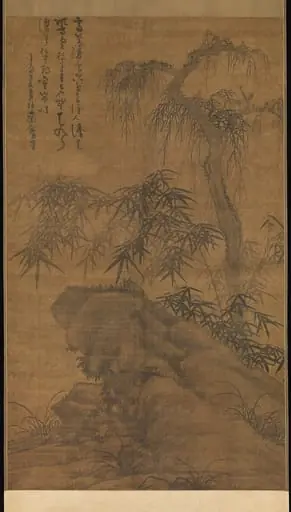
元/明 趙原 倣燕文貴范寬山水圖 元/明 沈巽竹石 合卷|Bamboo grove is an ink painting by the Yuan dynasty literati painting artist Shen Xun. It dates from 1383 and is held in the collection of the Metropolitan Museum of Art.
About this work
Subject & Meaning
In the context of Chinese painting, bamboo is a traditional motif often symbolizing resilience, integrity, and the moral fortitude of the scholar-official.
The work, created by Shen Xun in 1383, depicts a bamboo grove, specifically identifying the subject as Bambusoideae. Executed as a handscroll in ink and color on paper, the painting focuses entirely on this botanical subject rather than a broader landscape scene. In the context of Chinese painting, bamboo is a traditional motif often symbolizing resilience, integrity, and the moral fortitude of the scholar-official.
While the specific iconographic program of this individual scroll is not detailed in the provided records, the choice to render bamboo reflects a long-standing artistic convention where the plant serves as a metaphor for uprightness and endurance. The work stands as a distinct representation of this genre, preserved within the Metropolitan Museum of Art's collection.
Technique & Style
Created in 1383 by Shen Xun, this work is executed as a handscroll. The artist employed ink and color applied on paper as the primary medium and support. Stylistically, the piece is classified within the landscape genre, yet its specific iconography focuses on depicting Bambusoideae, or bamboo groves.
The combination of ink wash with colored pigments on a paper surface characterizes the material handling of this late fourteenth-century Chinese painting. The format as a handscroll suggests a continuous viewing experience typical of the period, allowing the viewer to unroll the depiction of the bamboo grove sequentially.
History & Provenance
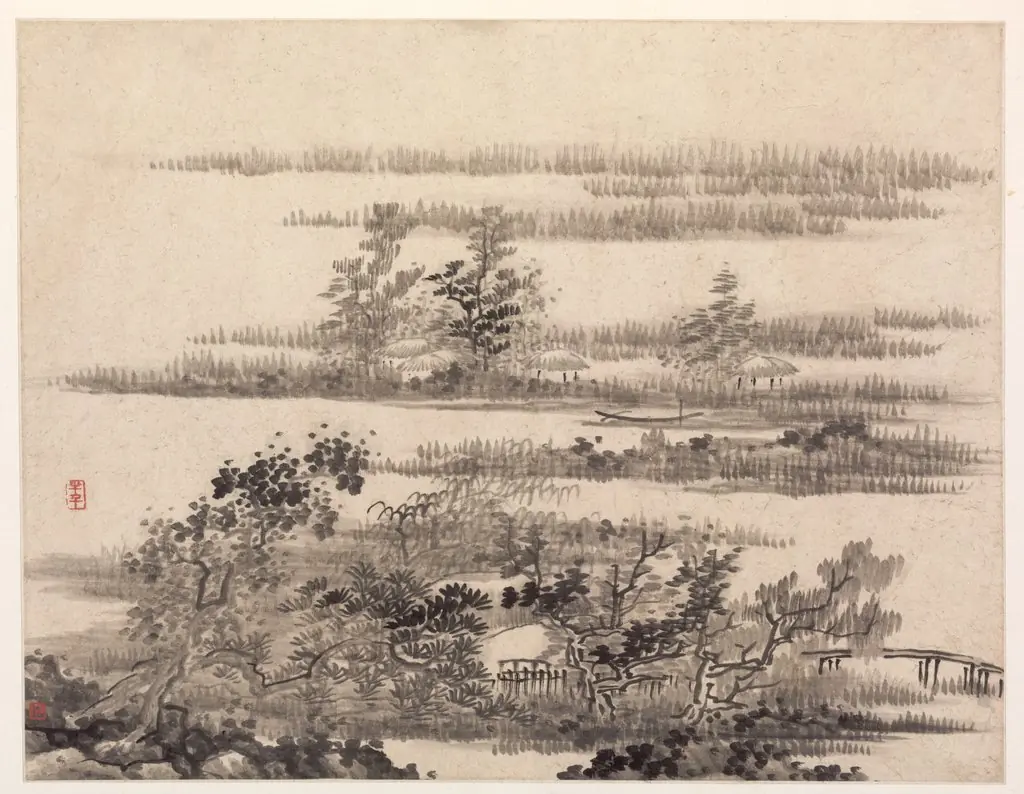
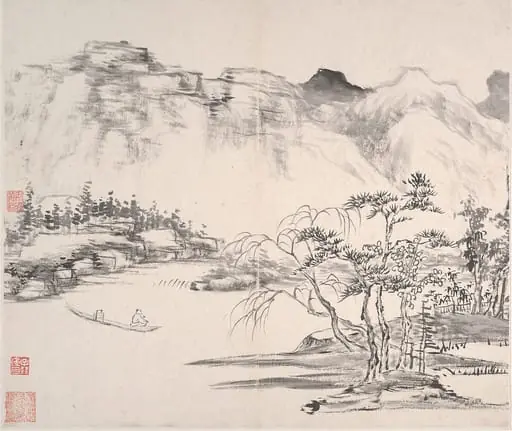
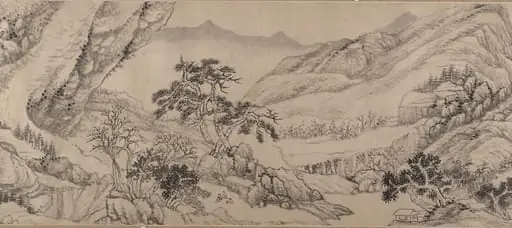
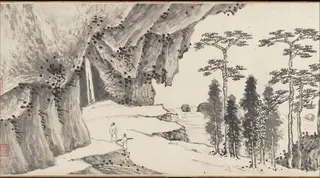
Shen Xun created the Bamboo grove painting in 1383 during the Yuan or Ming dynasty. The work was produced in China using ink and color on paper as a handscroll. Originally conceived as an independent landscape depicting Bambusoideae, it was later joined with another Yuan/Ming dynasty painting, Zhao Yuan's imitation of Yan Wengui and Fan Kuan's landscape, to form a combined handscroll. The artwork eventually entered the collection of the Metropolitan Museum of Art, where it is currently housed.
The handscroll titled 'Bamboo grove,' created by Shen Xun in 1383, is held in the collection of the Metropolitan Museum of Art. Located in New York, this institution serves as the current custodian of the work, which is executed in ink and color on paper. While the artwork's classification as a landscape painting depicting bamboo is well-documented, the provided records do not specify a unique inventory or accession number for the piece.
Furthermore, no information regarding specific past exhibitions or loan history for this scroll is available within the current data sources.
Context
The handscroll dated 1383 by Shen Xun, titled Bamboo Grove, represents a 14th‑century Chinese ink and color landscape painting. The work portrays bamboo and is categorized as a landscape within the Chinese painting tradition. Its creation in China and subsequent acquisition by the Metropolitan Museum of Art illustrate its significance within the canon of Chinese art and have prompted scholarly discussion of Shen Xun's role in the development of bamboo imagery. The piece thus occupies a notable position in the historical narrative of East Asian landscape painting.
Overview
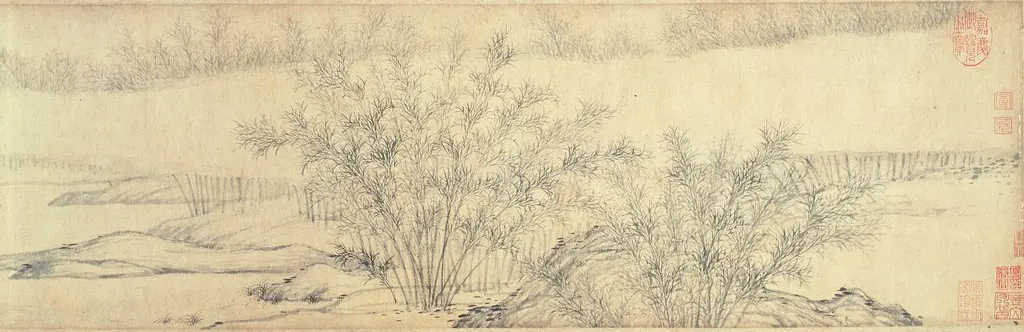
Shen Xun's Bamboo Grove is an ink painting on a handscroll, created in 1383. This section of a combined scroll presents a serene depiction of a bamboo thicket. Rendered with black ink on paper, the composition captures the delicate forms of bamboo stalks and leaves, suggesting a gentle movement within the quiet natural setting. The work exemplifies traditional Chinese landscape painting during the late Yuan or early Ming dynasty.
Artist & collection