
Movement
Yuan dynasty literati painting
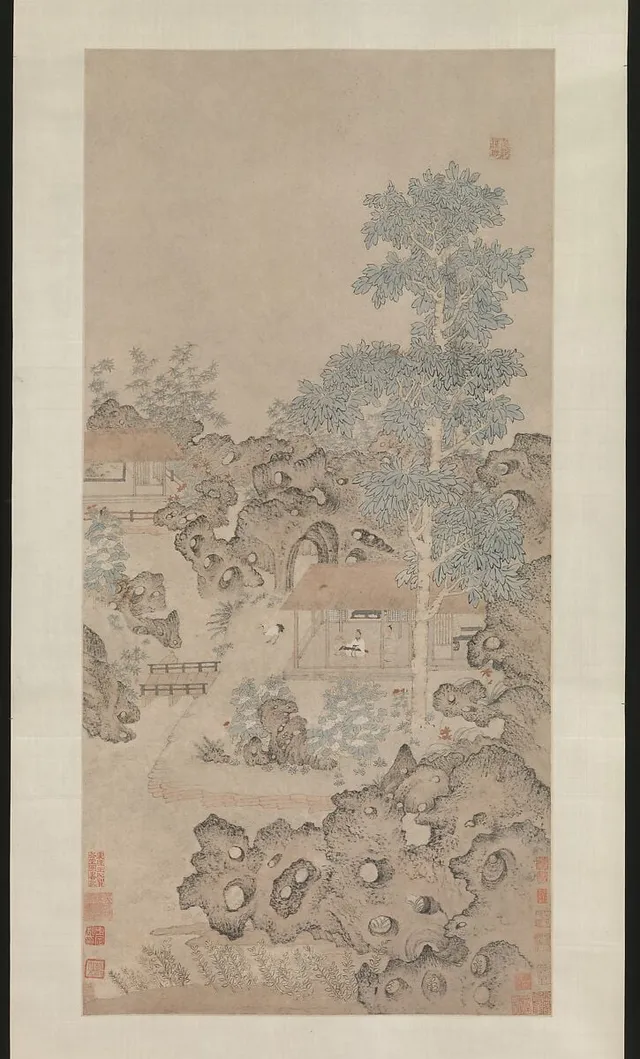
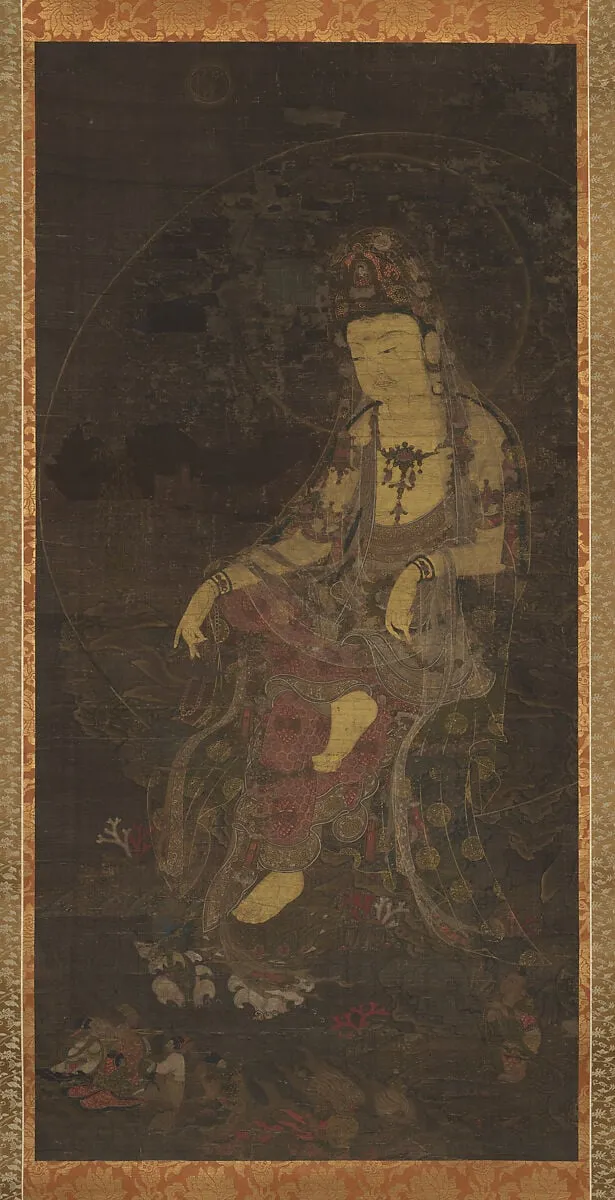
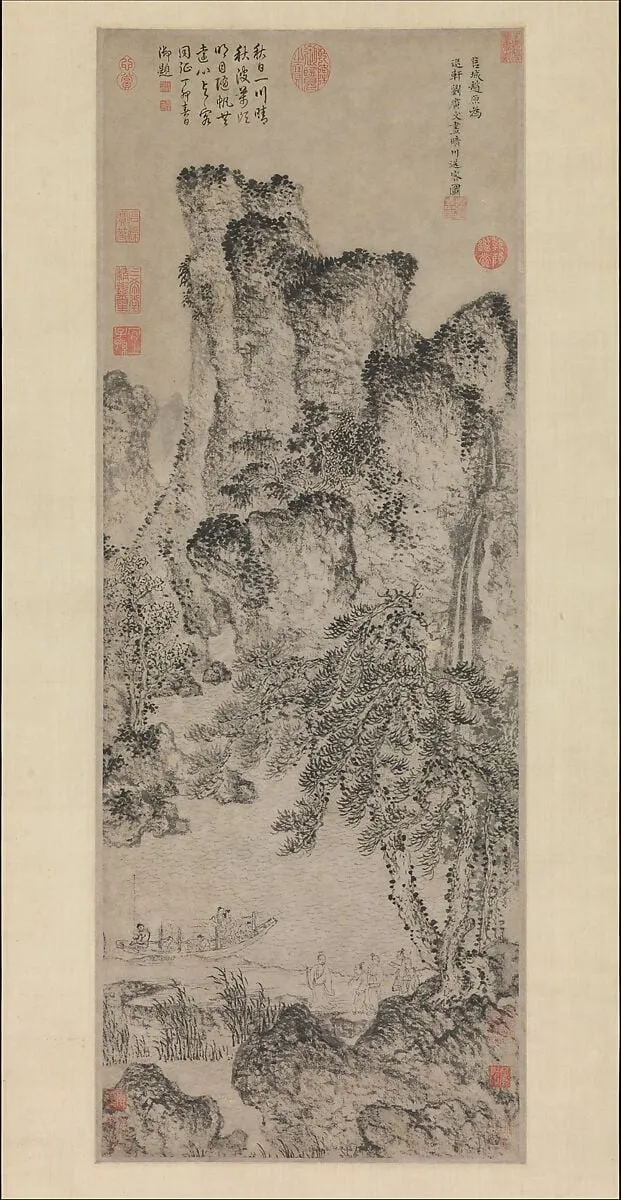
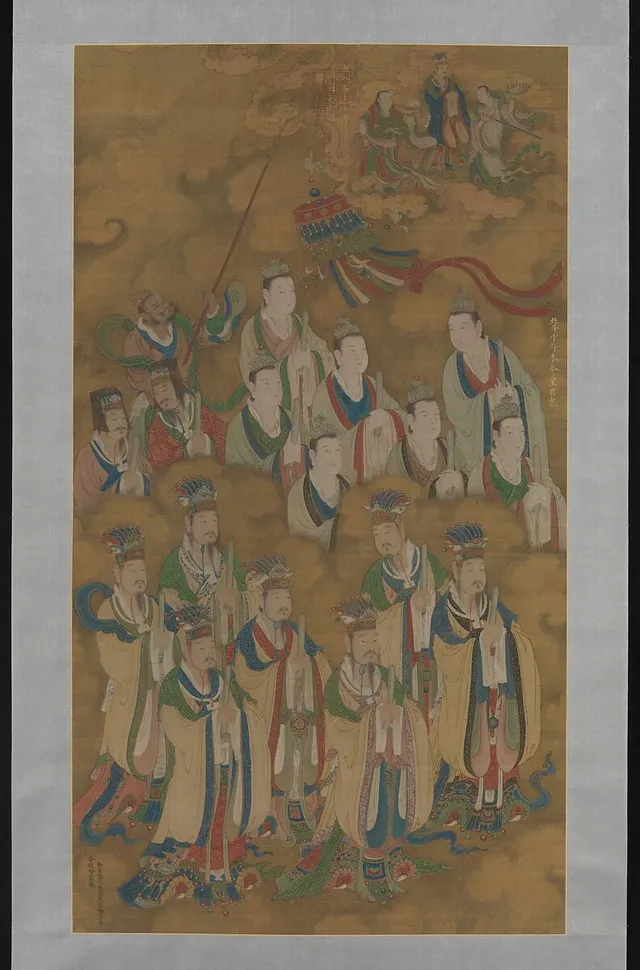
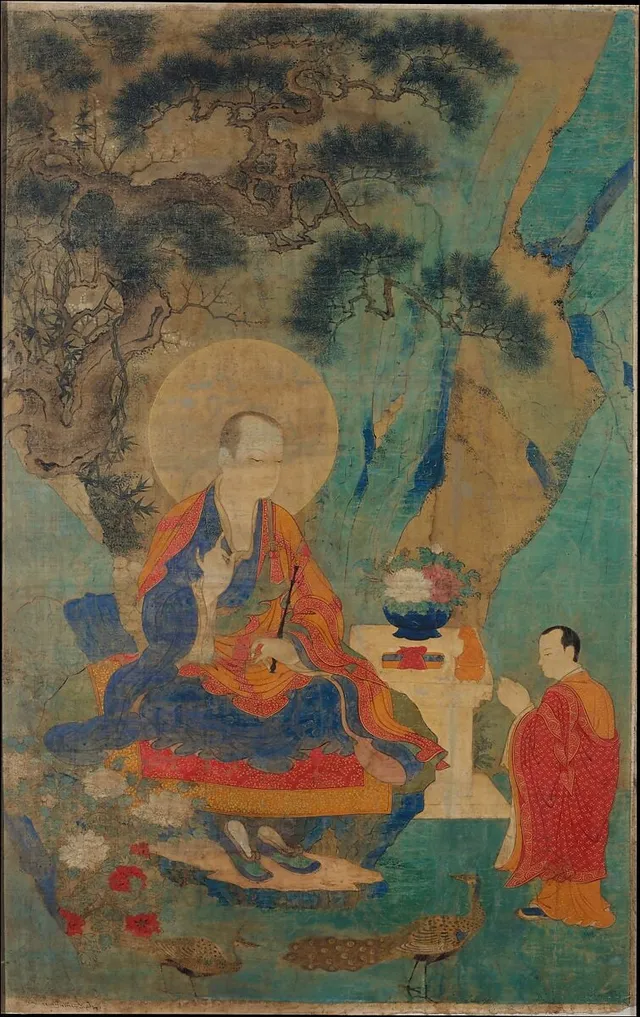
Yuan dynasty literati painting is an art movement of the 1270–1370 period. The gallery holds 156 works in this movement, including works by Zha Shibiao, Zhao Yuan and Zheng Xie. Browse Yuan dynasty literati painting paintings, portraits, pictures and artworks from the world's public-domain museum collections.
Literati painting (wenrenhua) reached its first great flowering under the Yuan dynasty (1271–1368), the period when China was ruled by the Mongol house of Kublai Khan. The conquest dislocated the Han scholar-official class: the civil-service examinations were suspended for decades, and many educated southerners declined to serve a foreign court. Cut off from the patronage and prestige of officialdom, these scholars turned inward, making ink painting, calligraphy, and poetry the vehicles of a private cultural life. Their art was deliberately amateur in spirit — painted for themselves and a circle of like-minded friends rather than for sale or for the throne — and prized "capturing the spirit beyond form" over outward likeness.
The stylistic foundation was laid by Zhao Mengfu (1254–1322), a Song imperial descendant who, controversially, did serve the Mongols. He urged a return to the antique manner of the tenth-century masters Dong Yuan and Juran and insisted that painting and calligraphy share one brush, treating the landscape less as a window onto nature than as a field for expressive, calligraphic line. Yuan literati painting favored monochrome ink on paper, dry brushwork, sparse composition, and the integration of poem, seal, and inscription into the picture itself.
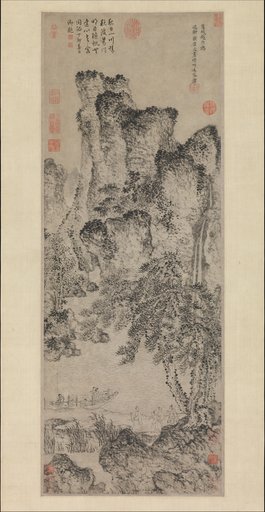
These ideals were perfected by the Four Masters of the Yuan: Huang Gongwang (1269–1354), Wu Zhen (1280–1354), Ni Zan (1301–1374), and Wang Meng (1308–1385). Huang's handscroll Dwelling in the Fuchun Mountains (c. 1348–1350) is the touchstone of the tradition. Ni Zan reduced the scene to a few trees, an empty pavilion, and bare distance in tones of austere restraint, while Wang Meng built dense, almost woven mountains with his "unraveled-rope" texture strokes. Wu Zhen, represented in this collection by his handscroll Fisherman (蘆灘釣艇圖), made the solitary angler an emblem of the recluse.
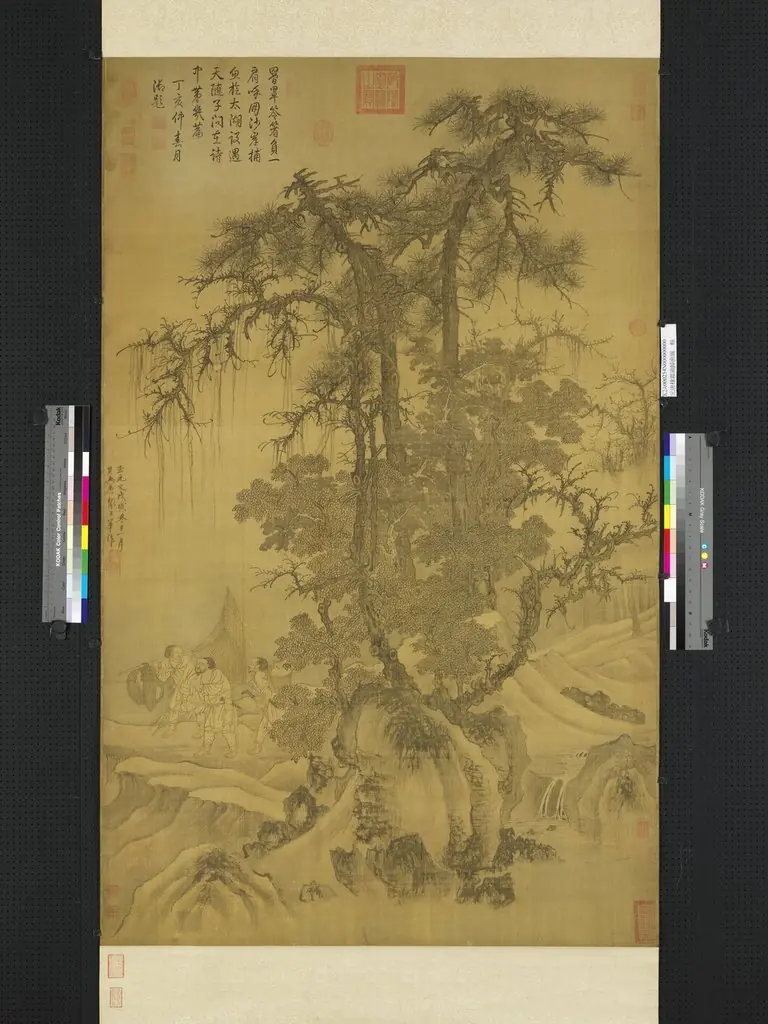
The Yuan masters became the central canon of later Chinese painting. The Ming Wu School around Shen Zhou and the Qing "orthodox" and individualist painters all measured themselves against them, and their reach extended to Edo-period Japan, where it shaped the nanga (literati) school. Following directly from Song painting, Yuan literati art shifted the art's purpose from describing the world to expressing the self — a redefinition that governed Chinese brush painting for the next six centuries. The collection also holds Zhao Yuan's Farewell by a Stream on a Clear Day, by a late-Yuan associate of this circle.
Key artists

Works
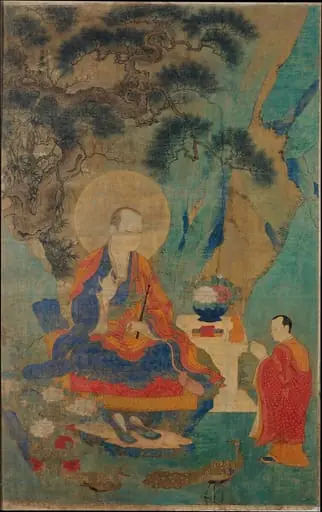 明 佚名 羅漢圖 軸|The Arhat Vajraputra
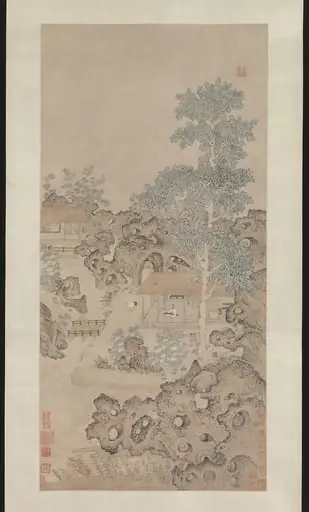 明 佚名 琴鶴圖 軸|Playing the zither for a crane
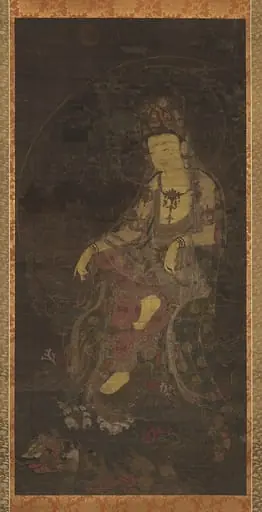 수월관음도 고려|水月觀音圖 高麗|Water-moon Avalokiteshvara
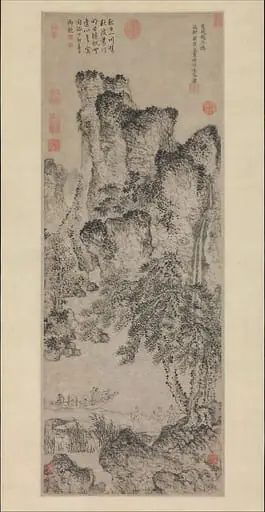 元 趙原 (元) 晴川送客圖 軸|Farewell by a Stream on a Clear Day
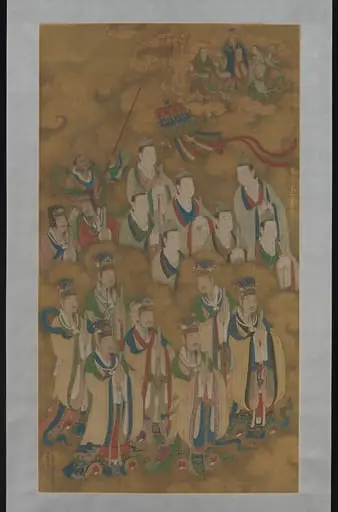 明景泰 佚名 北斗中斗本命星君圖 軸|Star deities of the northern and central dippers
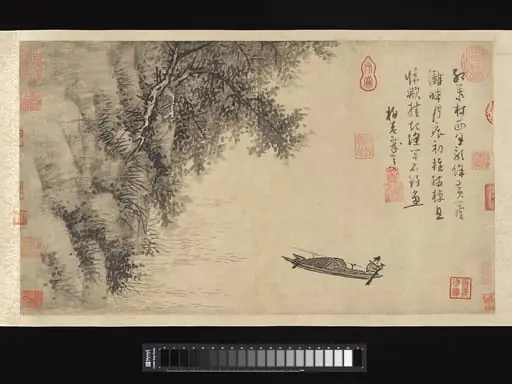 元 吳鎮 蘆灘釣艇圖 卷|Fisherman
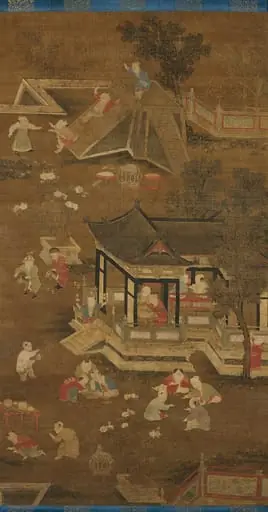 元末明初 佚名 絹本設色 嬰戯圖 軸|Children playing in the palace garden
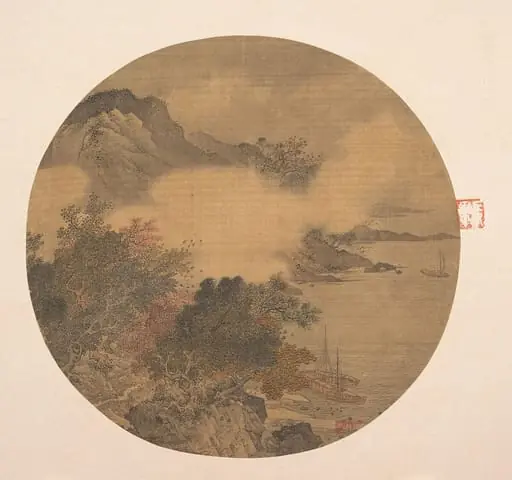 明 佚名 風雨艤舟圖 團扇|Misty Landscape
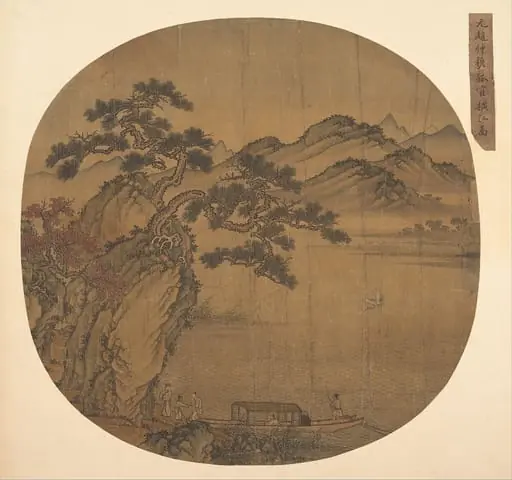 元/明 佚名 舊傳趙雍 倣盛懋 蘇軾後赤壁賦圖 團扇|元/明 佚名 後赤壁賦圖 扇|Illustration of Su Shi's "Second Ode on the Red Cliff"
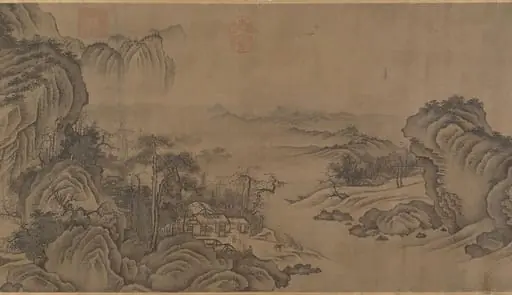 元/明 佚名 舊傳 燕文貴 秋山蕭寺圖 軸|Buddhist Temples amid Autumn Mountains
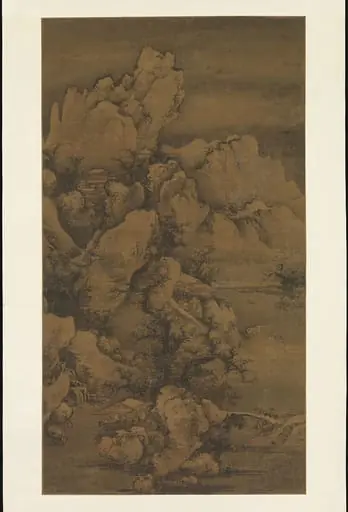 元 姚彥卿 (廷美) 雪山行旅圖 軸|요언경, 눈 덮인 산 속 나그네 중국 원|Traveling through Snow-Covered Mountains
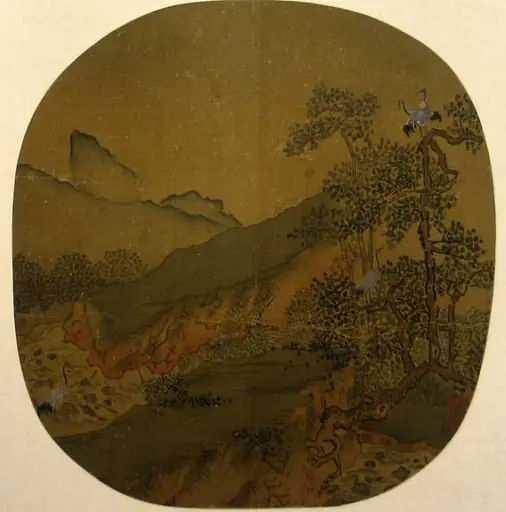 Untitled
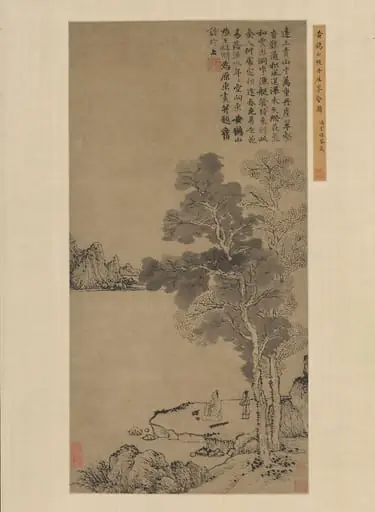 元 王蒙 丹崖翠壑圖 軸|Red Cliffs and Green Valleys
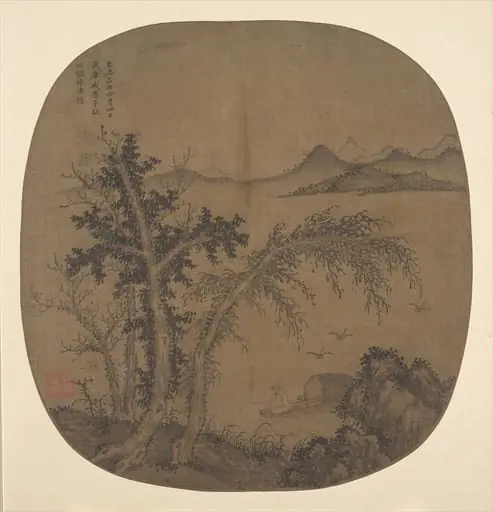 元 盛懋 秋林漁隱圖 團扇|Recluse Fisherman, Autumn Trees
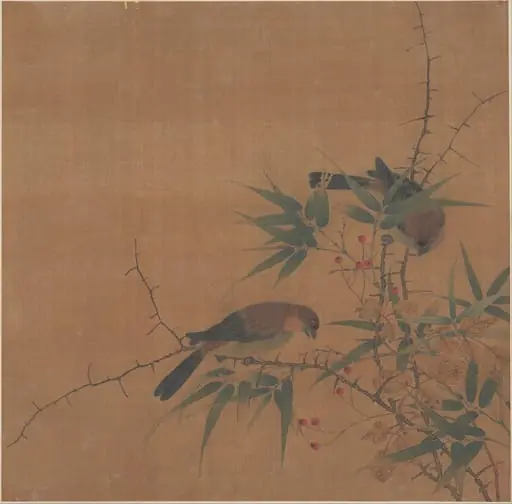 清 佚名 竹禽圖 冊頁|Bamboo Branch with Berries and Birds
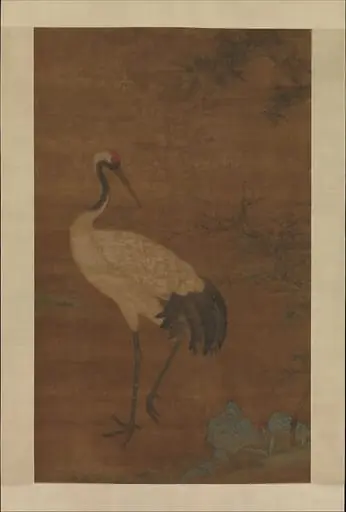 明 佚名 竹鶴雙清圖 軸|Crane in a bamboo grove
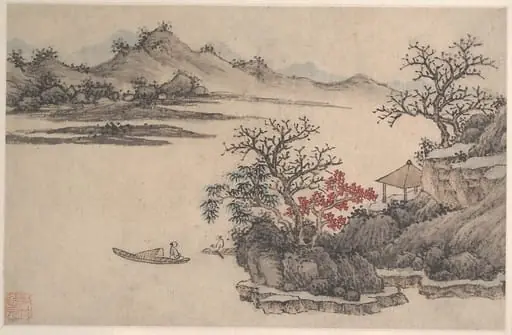 Untitled
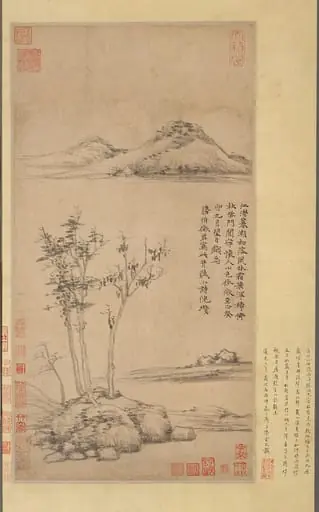 元 倪瓚 江渚風林圖 軸|Wind among the Trees on the Riverbank
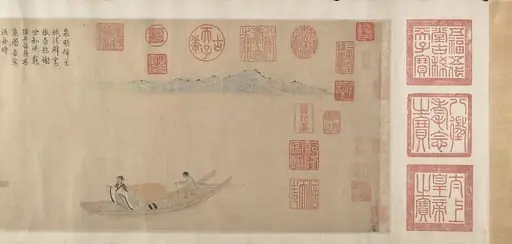 元/明 倣錢選 鮮于樞 歸去來辭 卷|Ode on Returning Home
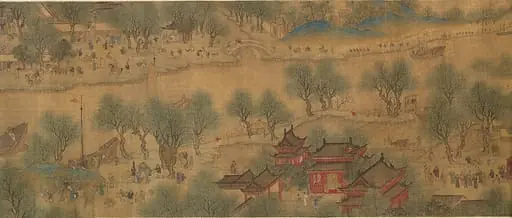 清 佚名 清明上河圖 卷|Spring Festival on the River
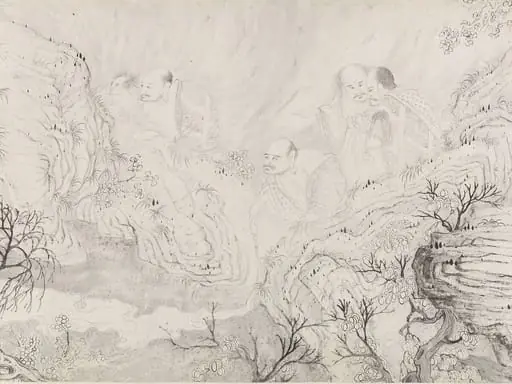 清 石濤 (朱若極) 十六羅漢圖 卷|The Sixteen Luohans
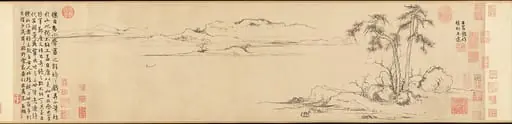 元 趙孟頫 雙松平遠圖 卷|Twin Pines, Level Distance
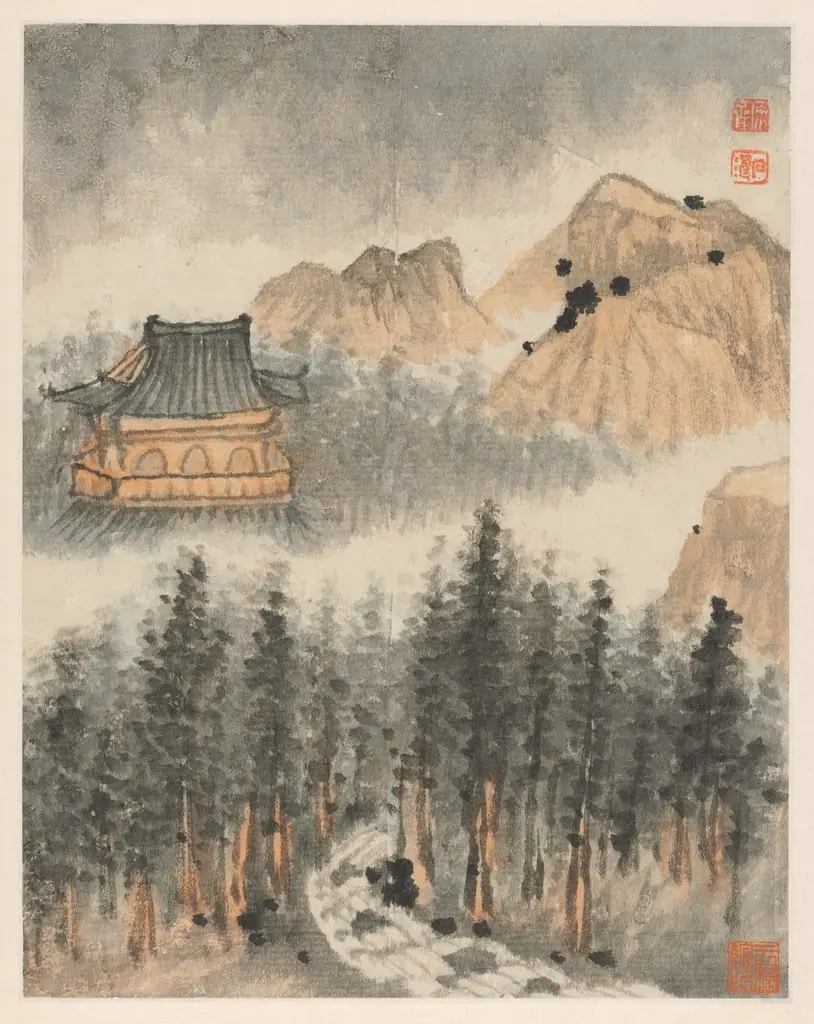 Reminiscences of Qinhuai River
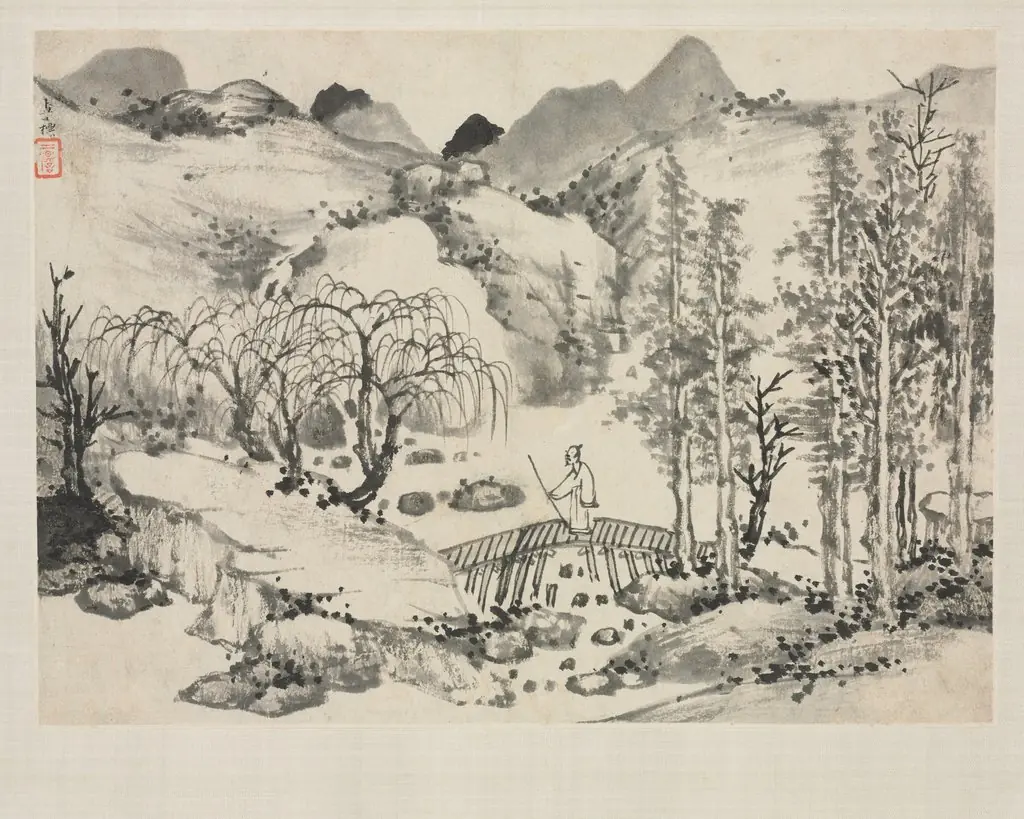 Landscape Album in Various Styles: Landscape with Artist on a Bridge
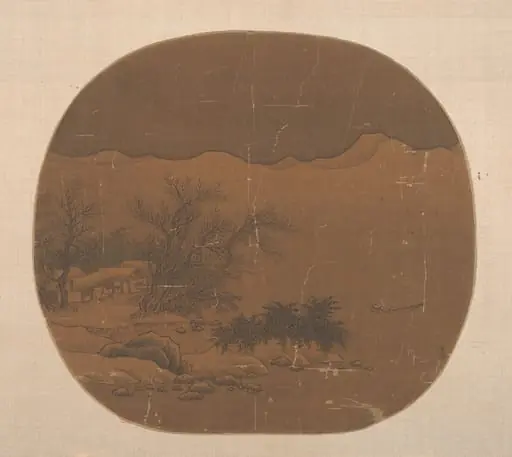 Untitled
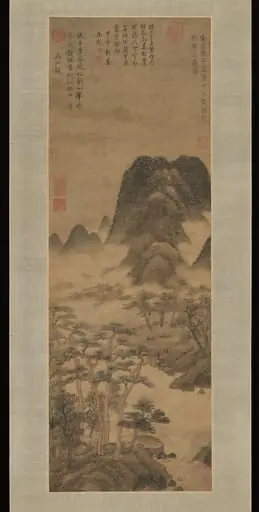 元 張羽 松軒春靄圖 軸|Spring Clouds at the Pine Studio
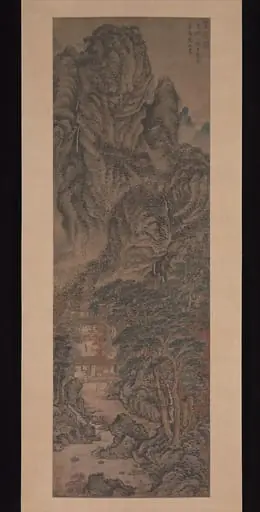 元 王蒙 素庵圖 軸|Simple Retreat
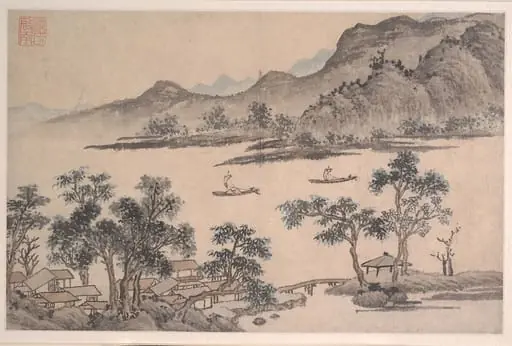 Untitled
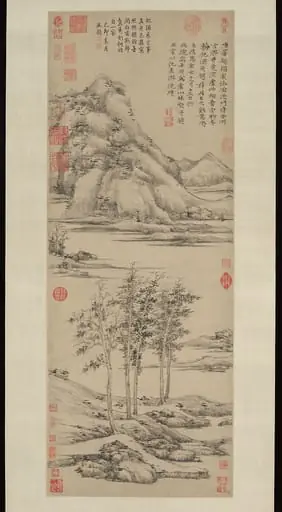 元 倪瓚 虞山林壑圖 軸|Woods and Valleys of Mount Yu
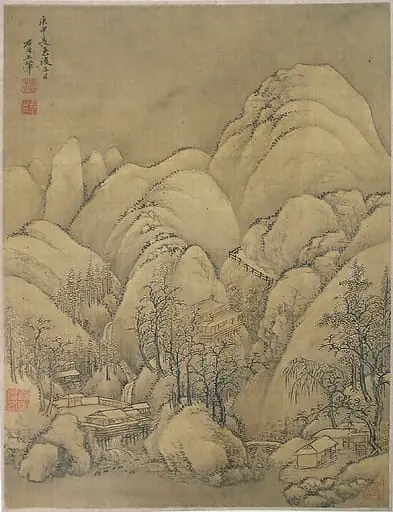 清 佚名 倣王翬 倣李成山水圖 軸|Landscape after Li Cheng
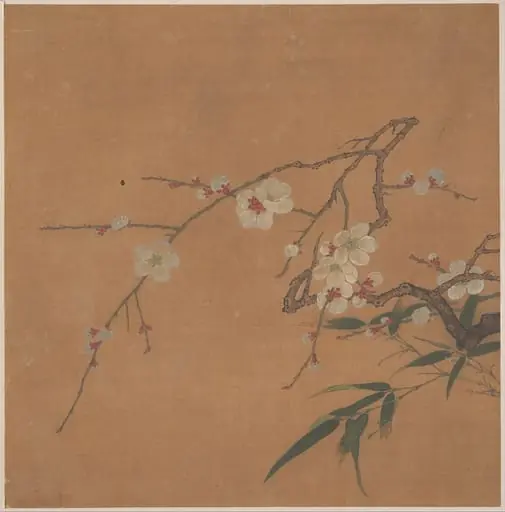 明/清 佚名 梅竹圖 冊頁|Flowering Plum and Bamboo
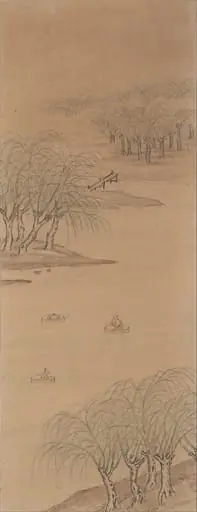 Untitled
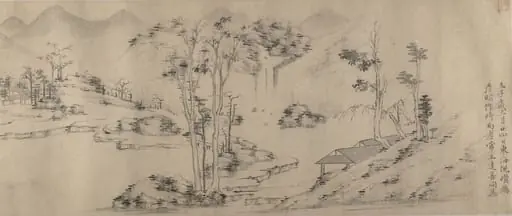 Untitled
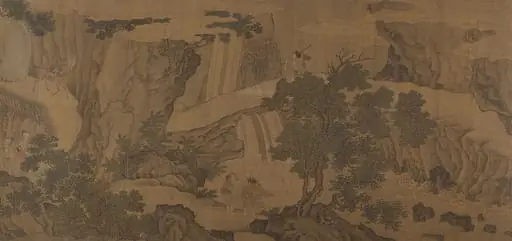 明 佚名 游仙圖 卷|Daoist Immortals in a Landscape
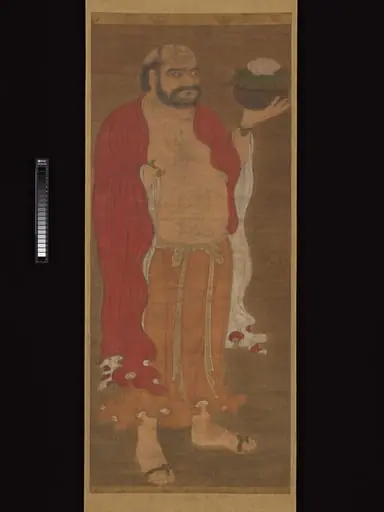 元 佚名 羅漢像 軸|Luohan
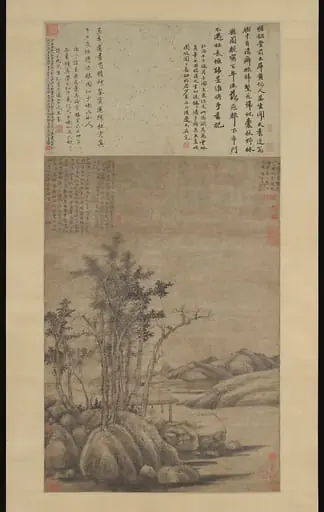 元 倪瓚 秋林野興圖 軸|Enjoying the Wilderness in an Autumn Grove
 明 佚名 舊傳夏珪 長江萬里圖 卷 (後半)|Second half of Ten Thousand Li of the Yangzi River
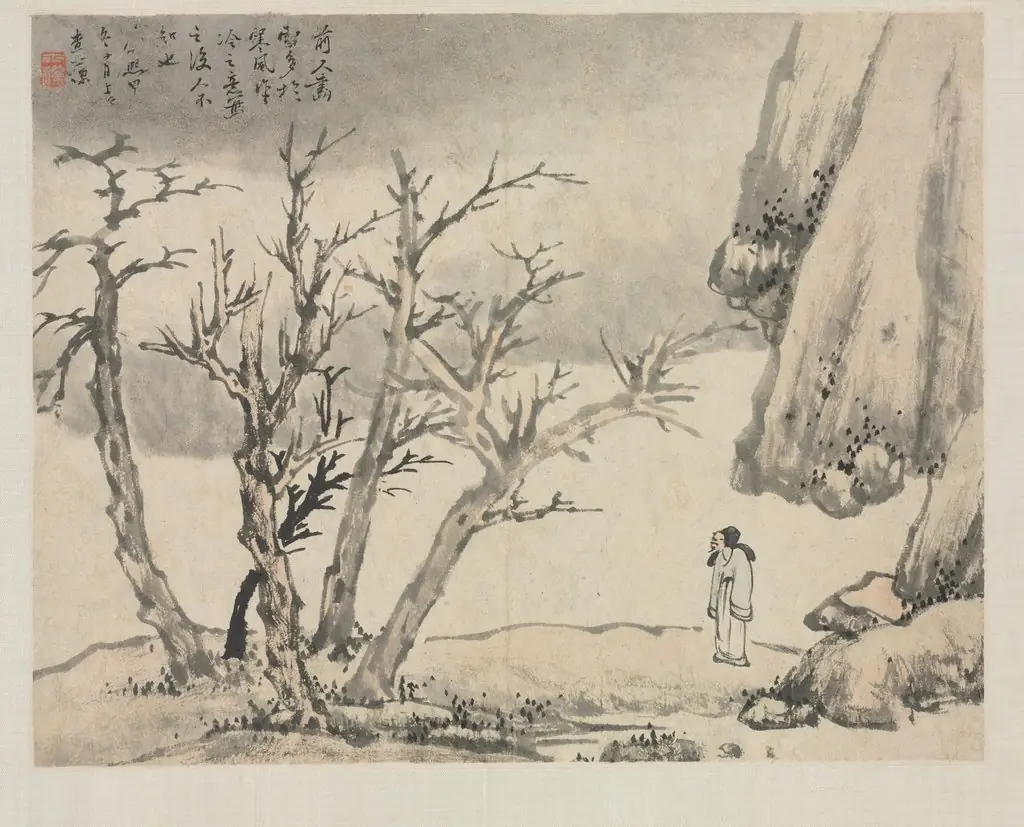 Landscape Album in Various Styles: Snowy Landscape
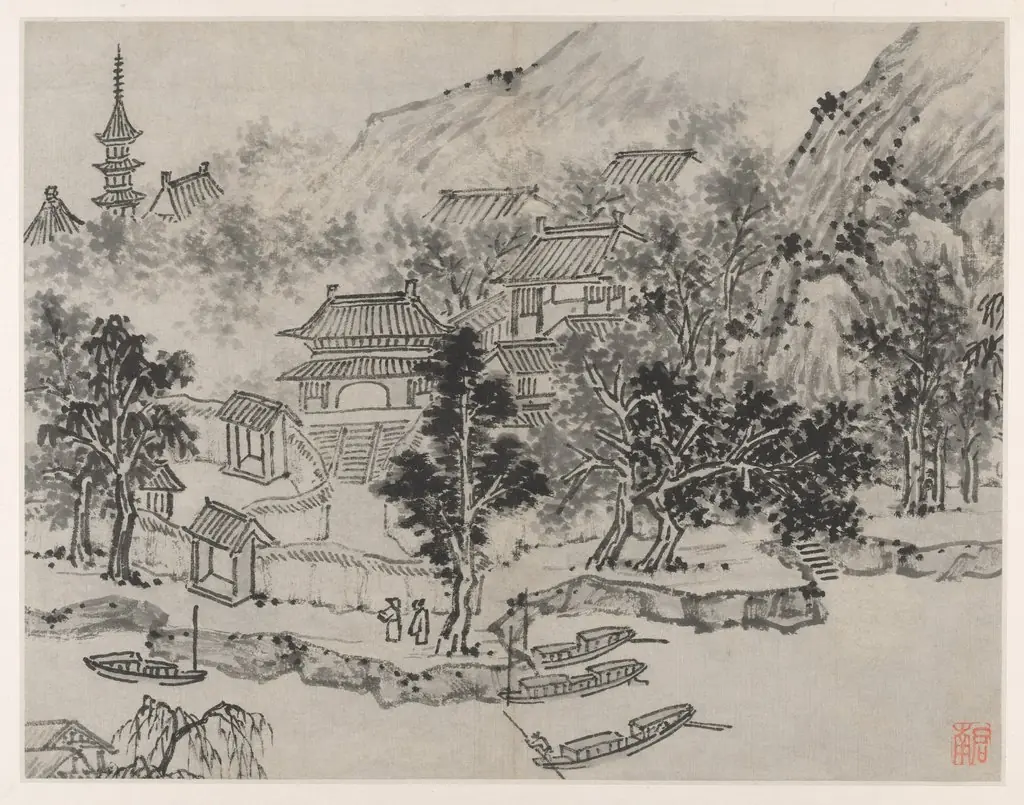 Distant View of Tiger Hill from the Canal Mooring, from Twelve Views of Tiger Hill, Suzhou
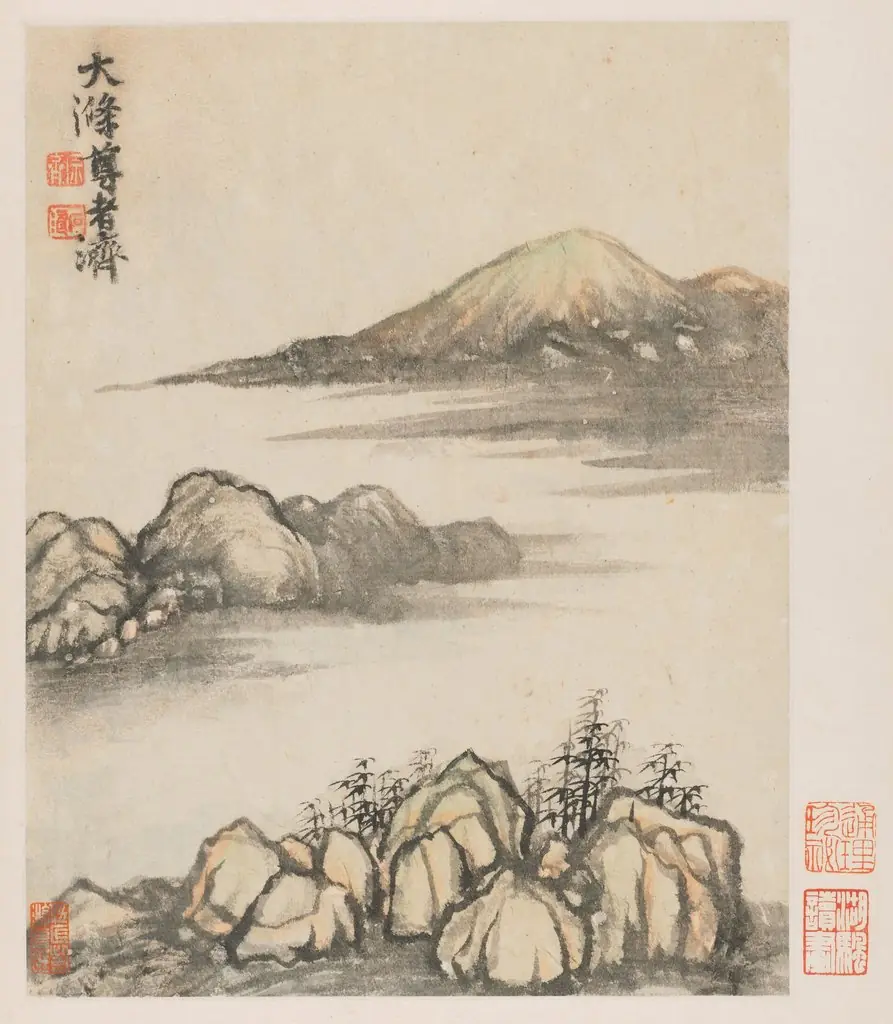 Reminiscences of Qinhuai River
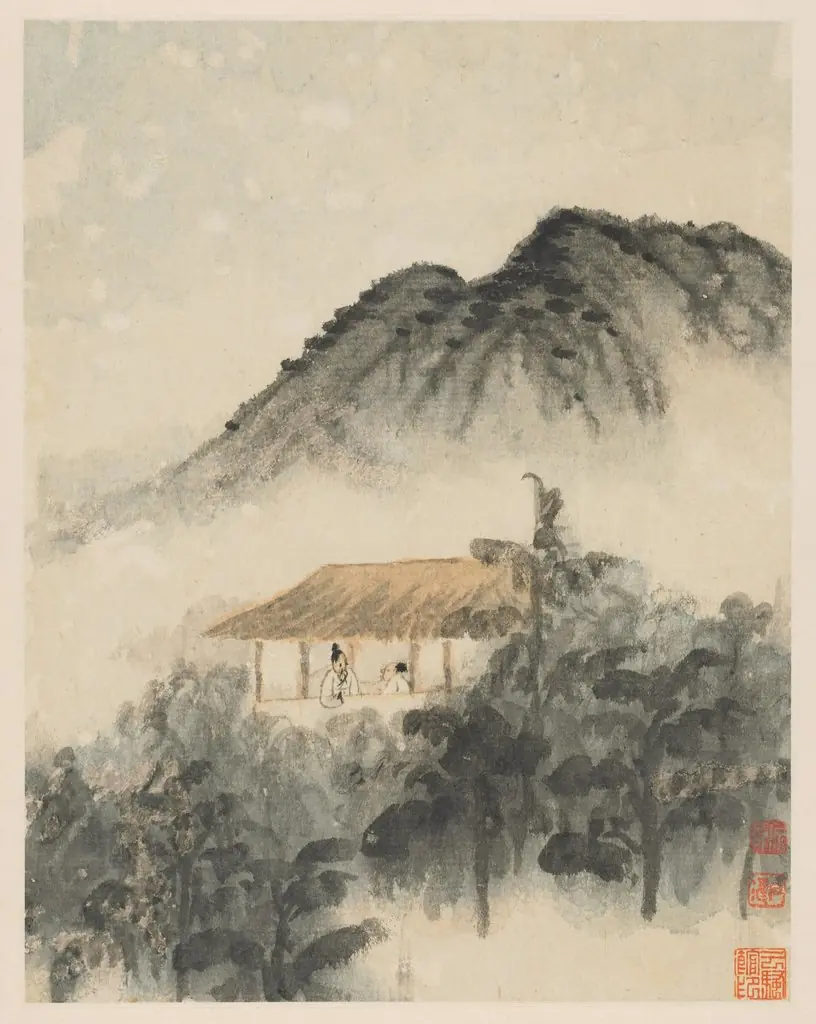 Reminiscences of Qinhuai River
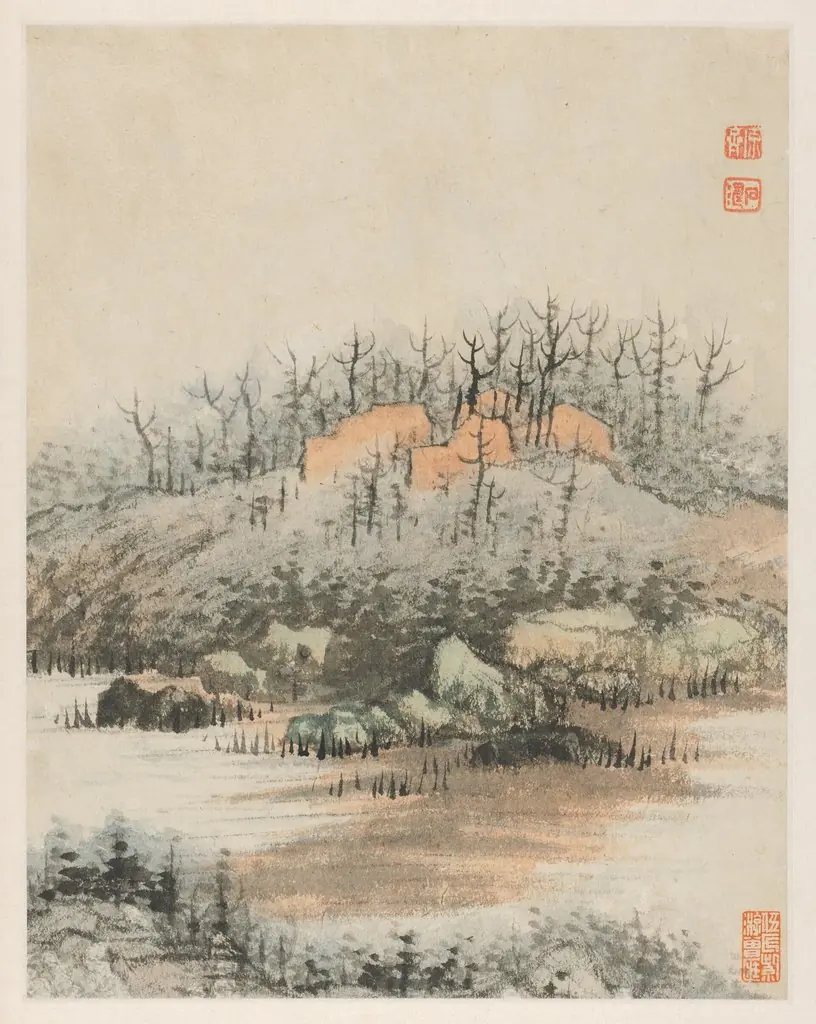 Reminiscences of Qinhuai River
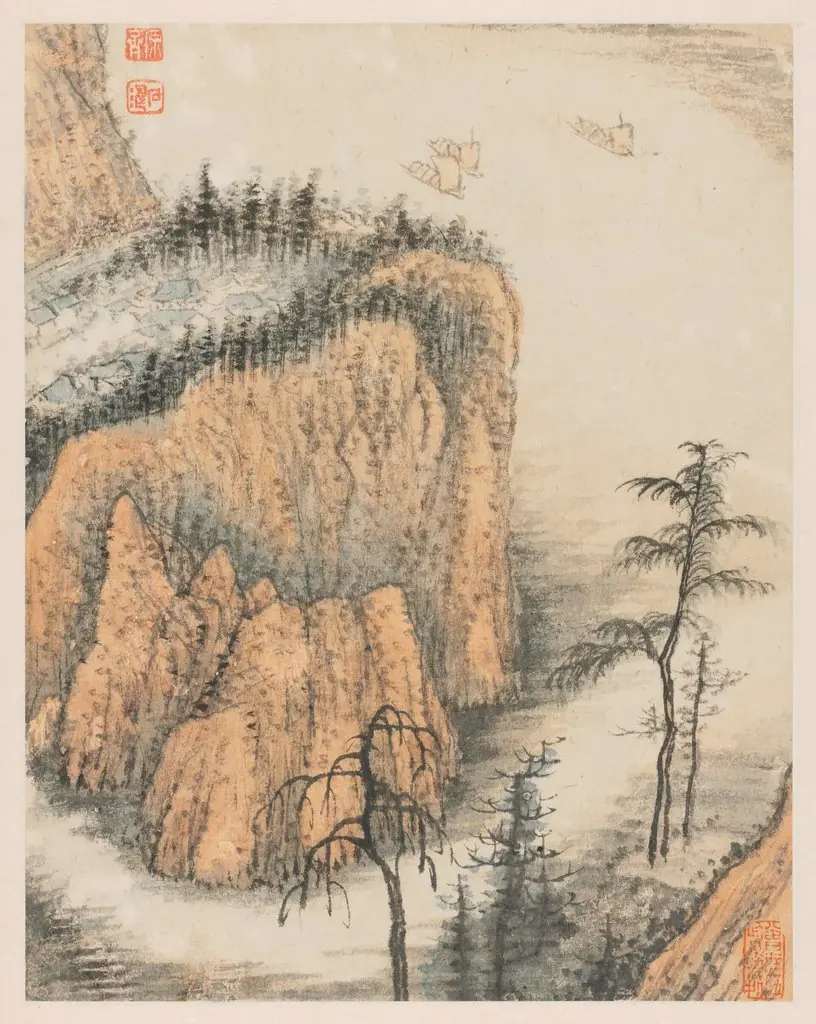 Reminiscences of Qinhuai River
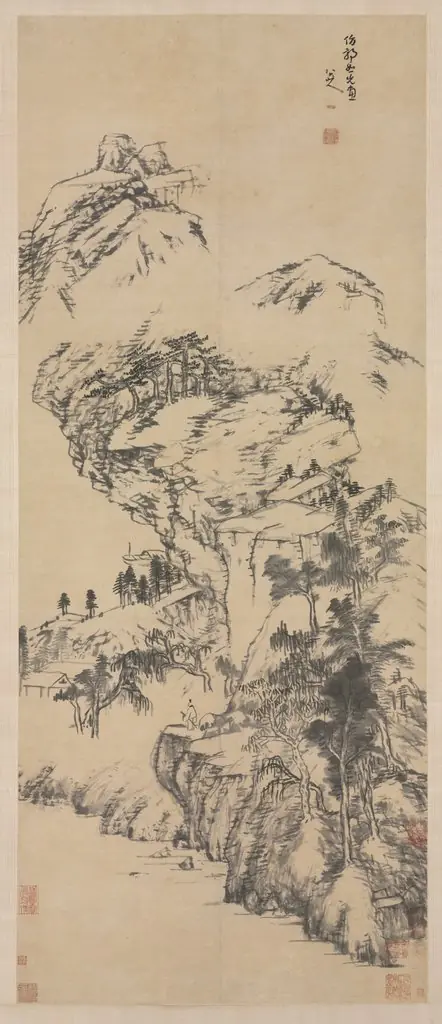 Landscape after Guo Zhongshu
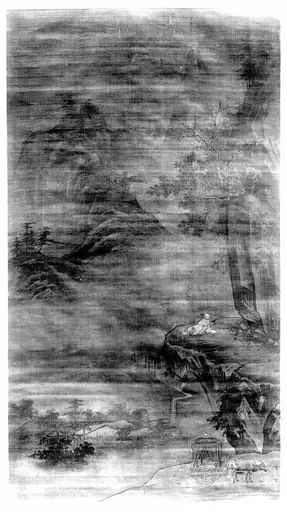 明 佚名 人物山水 軸|Scholar Admiring Autumn Scenery
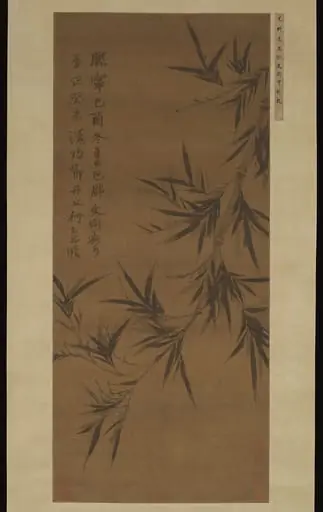 元 柯九思 臨文同墨竹圖 軸|Bamboo copied after Wen Tong
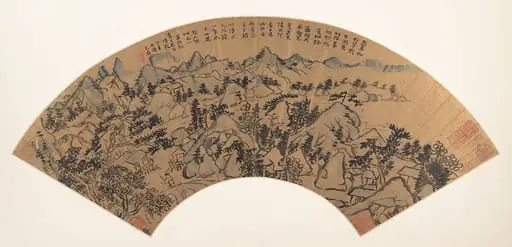 清 石濤 (朱若極) 山水圖 扇頁|Landscape
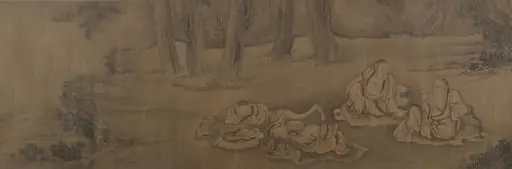 明/清 佚名 傳王齊翰 商山四皓圖 卷|Scholars and Monkeys under Trees
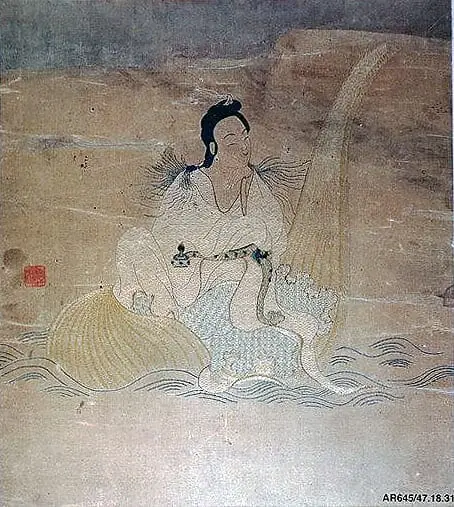 Untitled
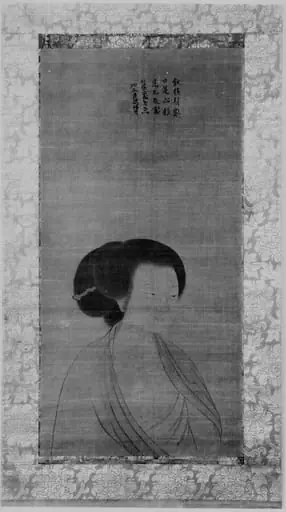 元 佚名 仕女像 軸|Portrait of a Lady
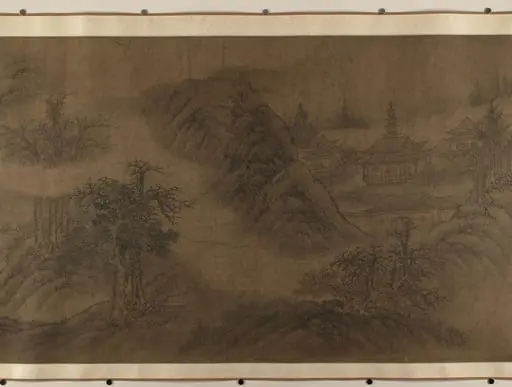 明 佚名 舊傳燕文貴 溪山行旅圖 卷|Landscape
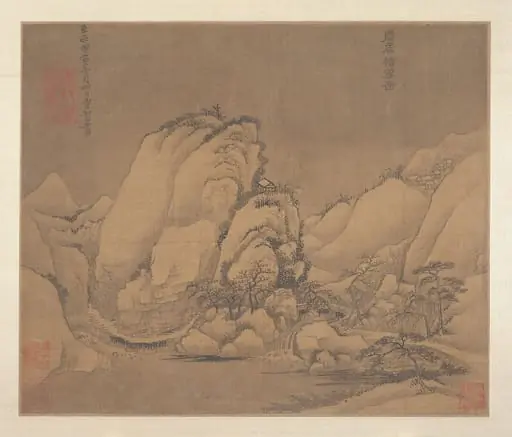 清 佚名 舊傳曹知白 岩居積雪圖 冊頁|Landscape
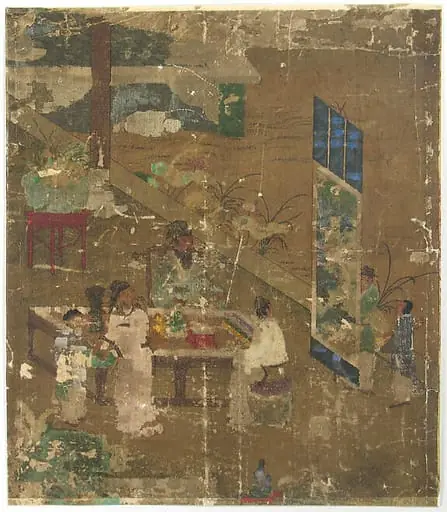 Untitled
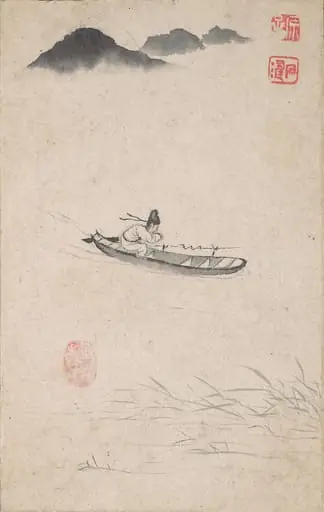 清 石濤 (朱若極) 歸棹 冊 紙本|Returning Home
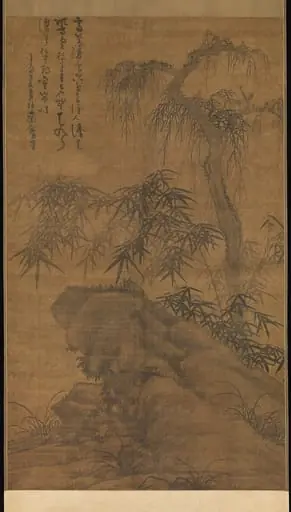 元 吳鎮 高節凌雲圖 軸|Bamboo, old tree, and rock
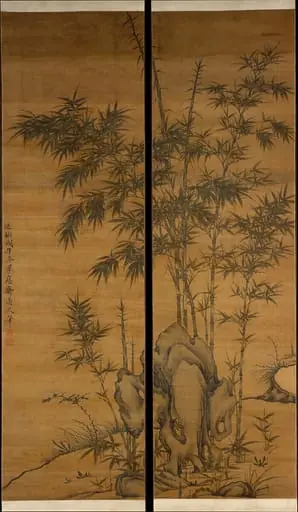 元 李衎 竹石圖 對軸|Bamboo and rocks
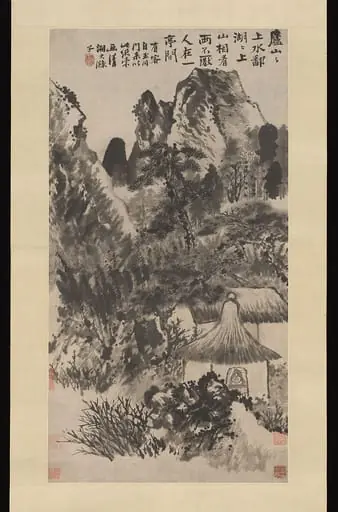 清 石濤 (朱若極) 廬山草堂圖 軸|Hermitage in Mount Lu
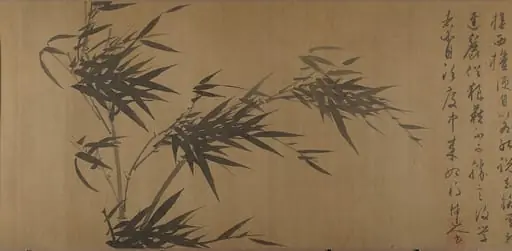 Untitled
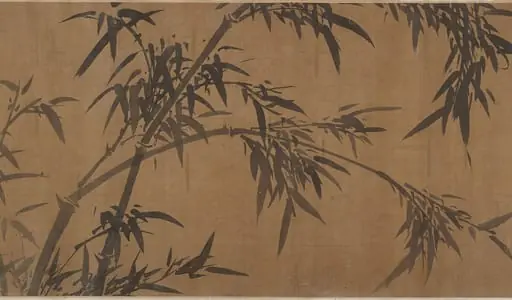 明 佚名 吳鎮(僞款) 枯木竹石圖 卷|Bamboos
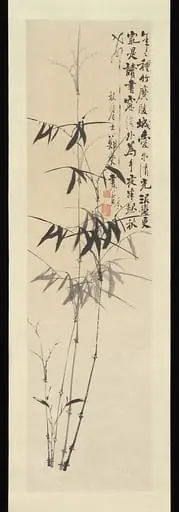 Untitled
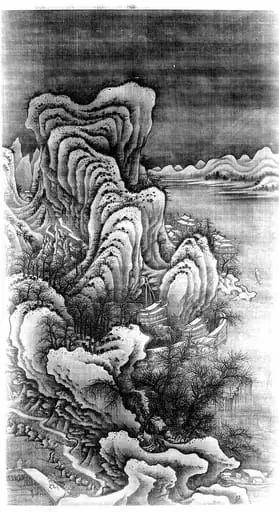 Untitled
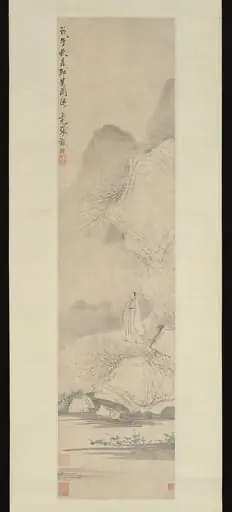 Untitled
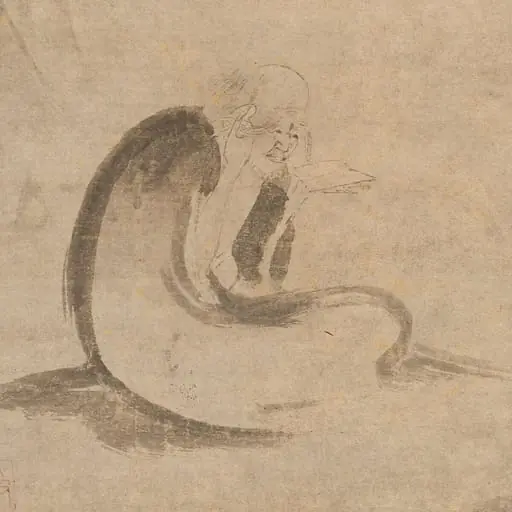 元 佚名 玉谿思珉題贊 對月圖 軸|Reading a Sutra by Moonlight
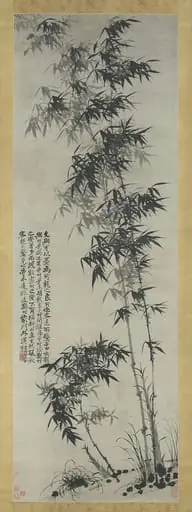 清 石濤 (朱若極) 風雨竹圖 軸|Bamboo in wind and rain
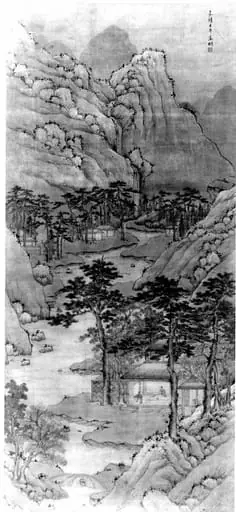 Untitled
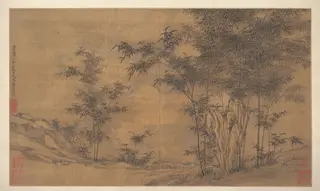 清 佚名 舊傳管道昇 竹石圖 冊頁|Bamboo
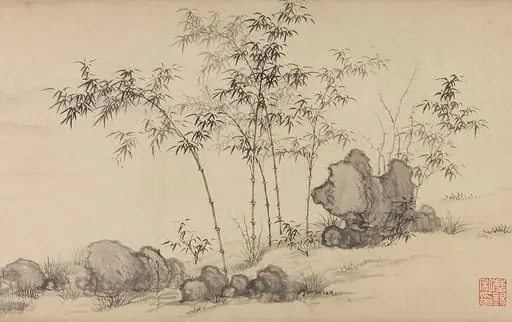 元/明 趙原 倣燕文貴范寬山水圖 元/明 沈巽竹石 合卷|Bamboo grove
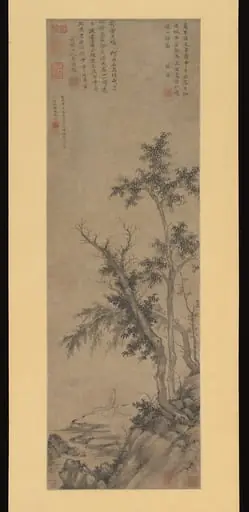 元 盛懋 秋林漁隱圖 軸|Recluse Fishing by Autumn Trees
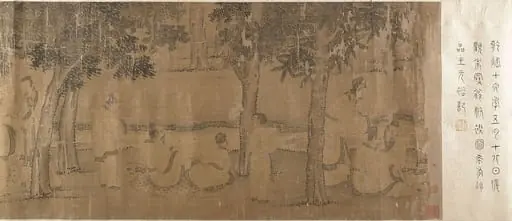 Untitled
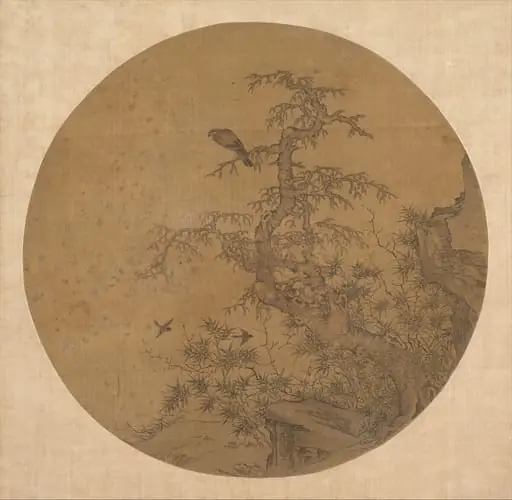 元/明 佚名 古木竹禽圖 團扇|Old Tree, Bamboo, and Birds
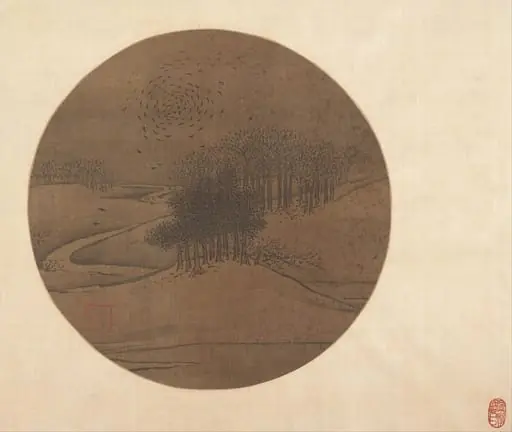 元 佚名 古木寒鴉圖 團扇|Crows and Bare Trees in Winter
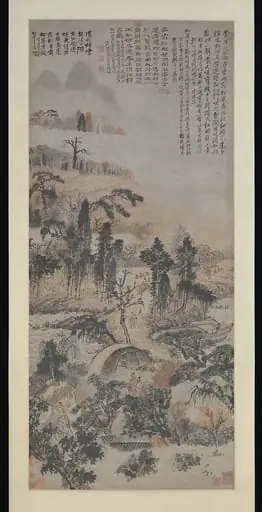 清 石濤 (朱若極) 秋林人醉圖 軸 紙本|Drunk in Autumn Woods
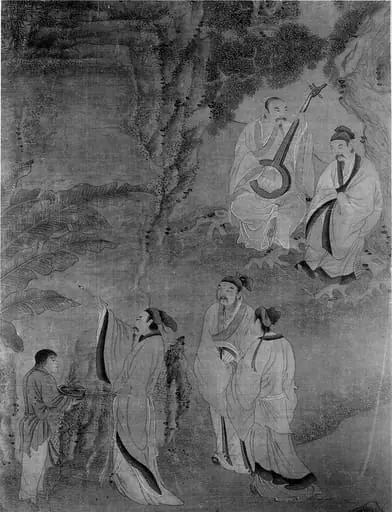 Untitled
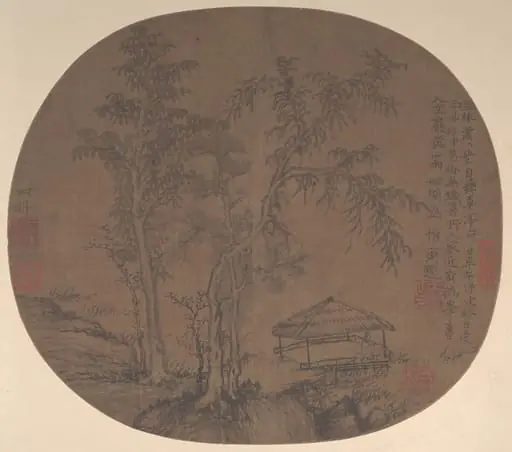 元 王蒙 蕭林寂亭圖 團扇|Sparse trees and pavilion
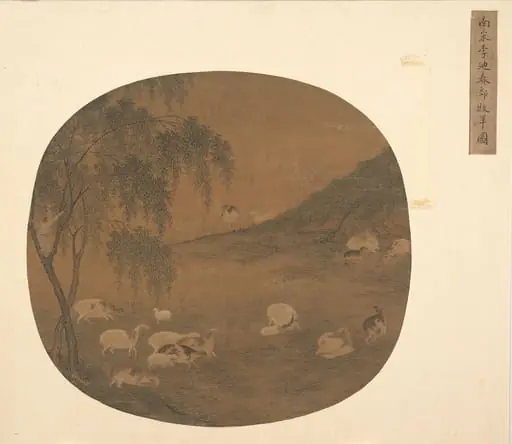 元末明初 佚名牧羊圖團扇頁 絹本設色|Sheep and herd boy
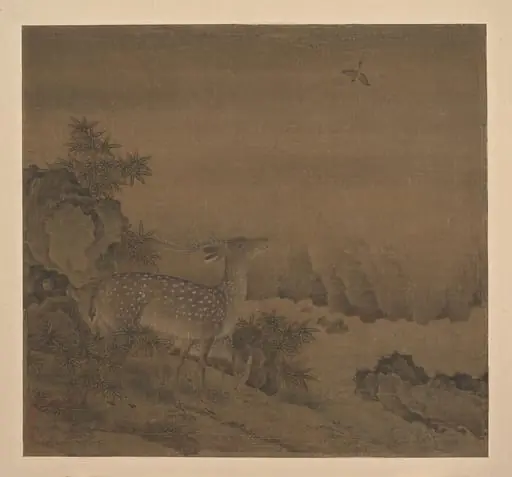 明 佚名 溪鹿圖 冊頁|Deer by a Pine Stream
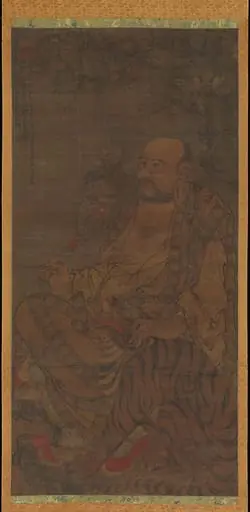 元 佚名 第六羅漢跋陀羅圖 軸|Bhadra, The Sixth Luohan
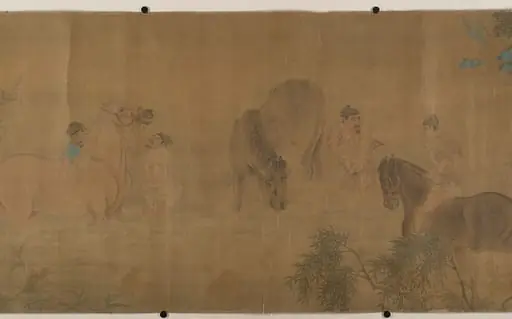 Untitled
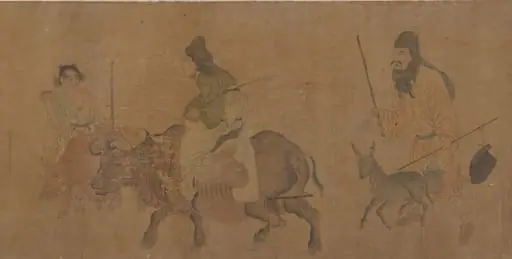 明/清 佚名 趙孟頫(僞款) 西成歸樂圖 卷|Happy Return from the West
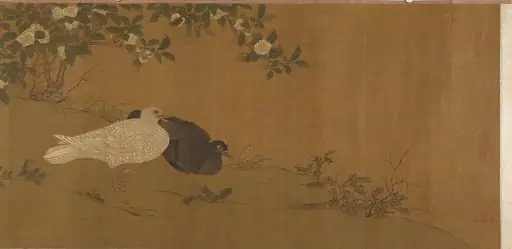 明/清 佚名 舊傳艾宣 鵪鶉 卷|Quail
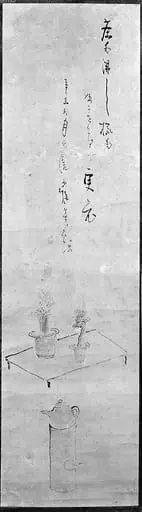 Untitled
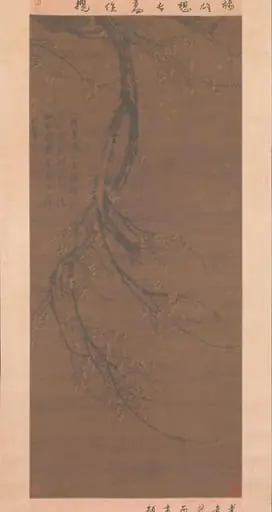 元 王冕 墨梅圖 軸|Fragrant Snow at Broken Bridge
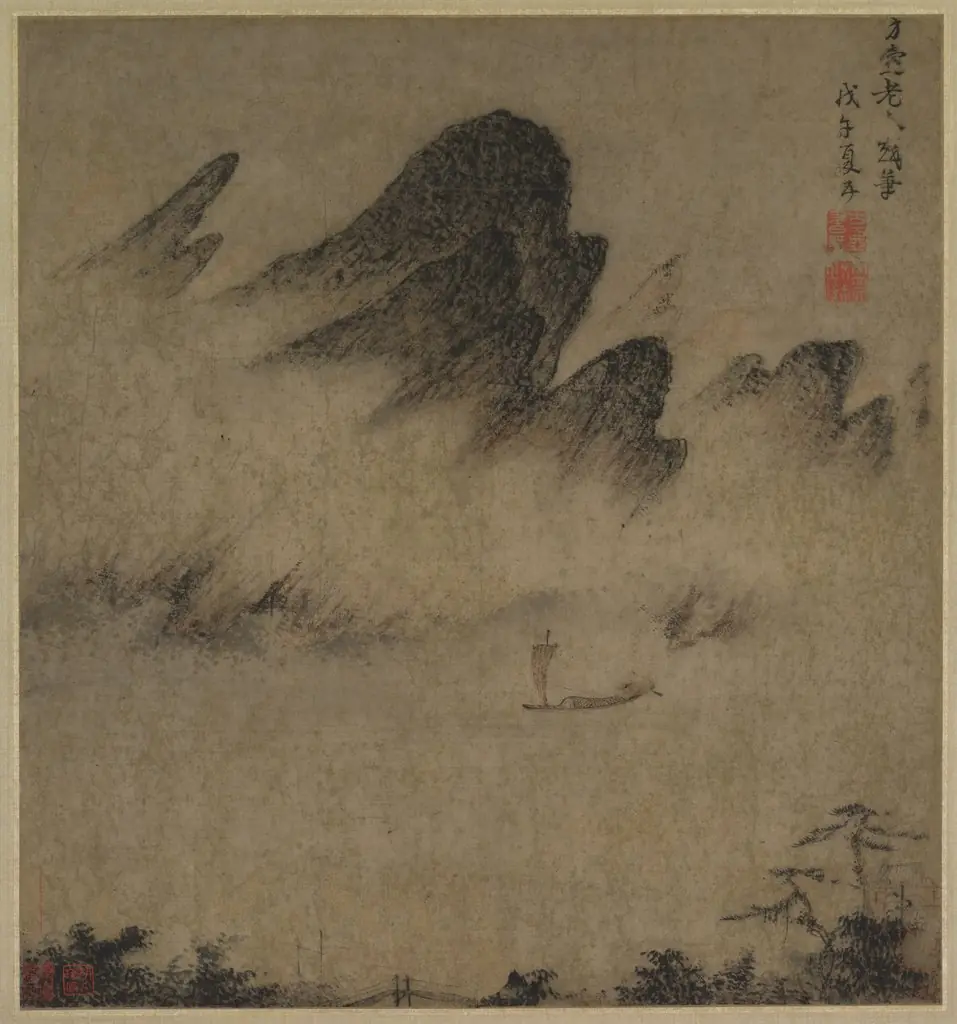 Landscape Ink-Play
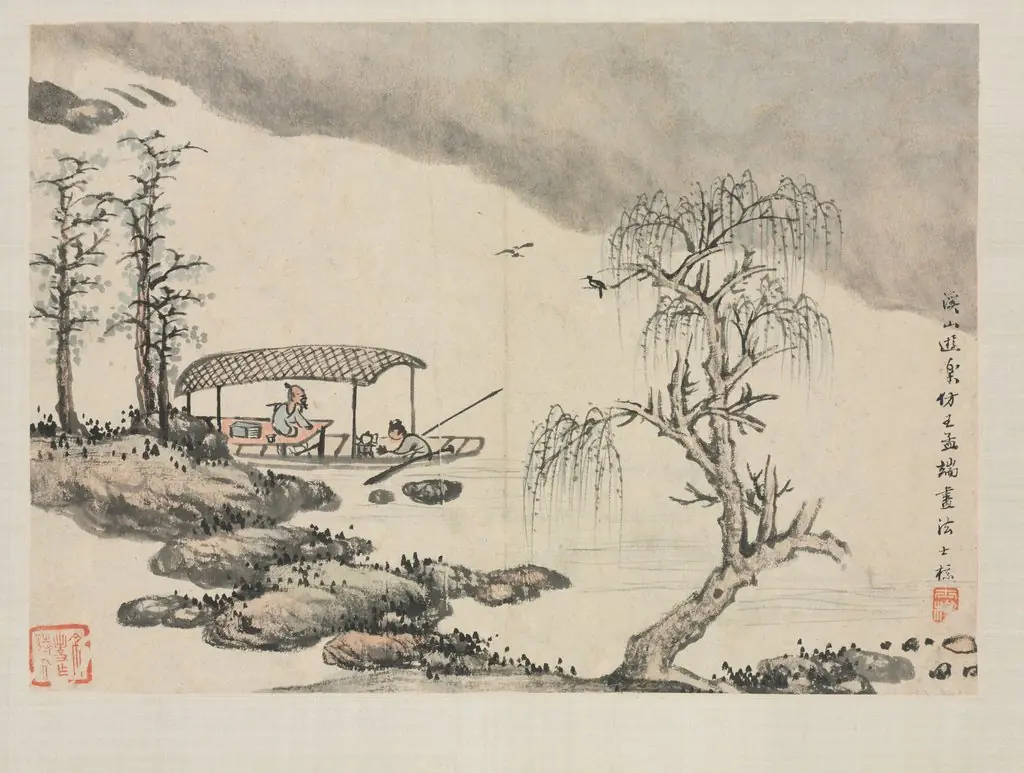 Landscape Album in Various Styles: Pleasure in a Mountain Brook
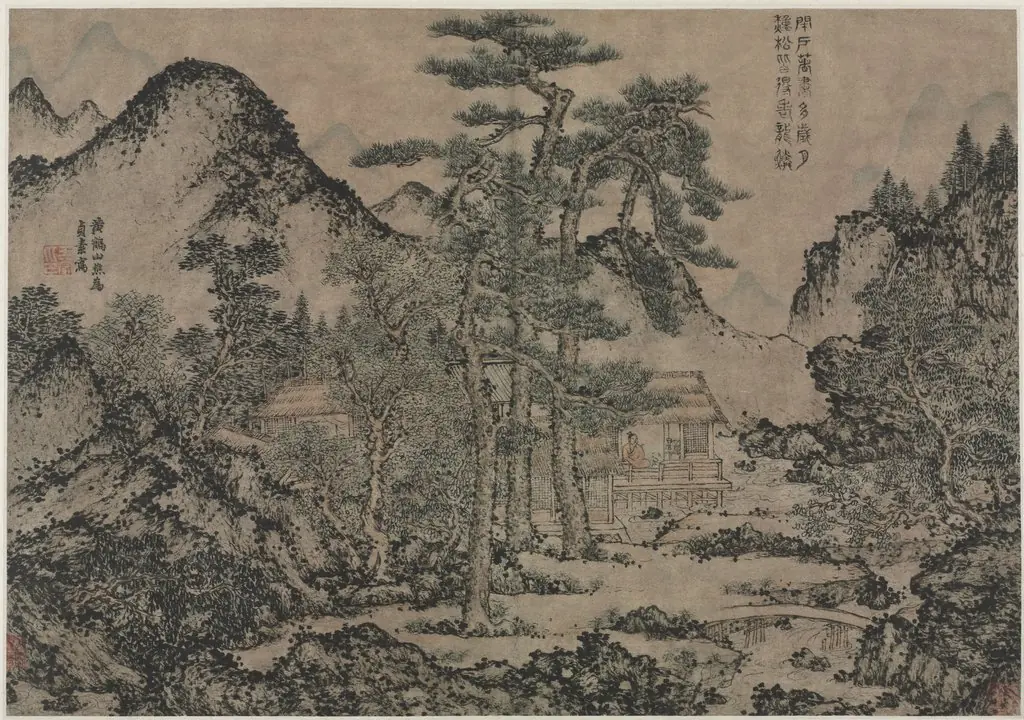 Writing Books under the Pine Trees
 Untitled
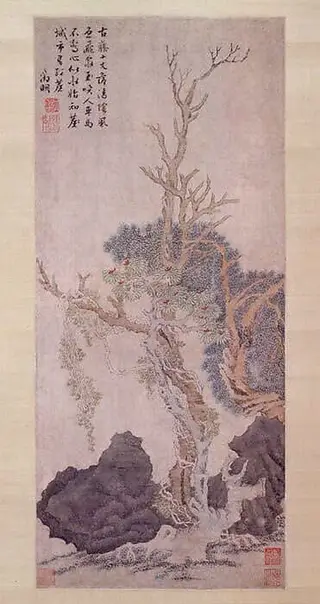 明? 佚名 傳文徵明 古藤樹石圖 軸|Old Wisteria among Trees and Rocks
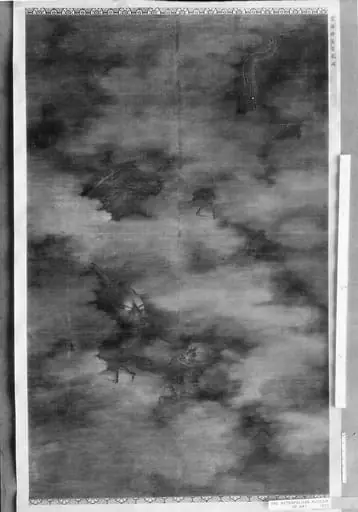 Untitled
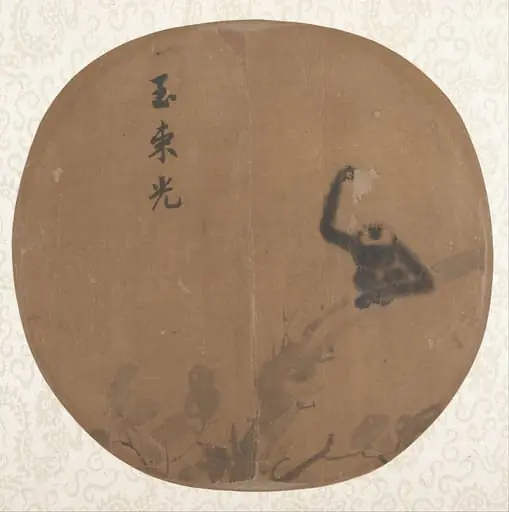 Untitled
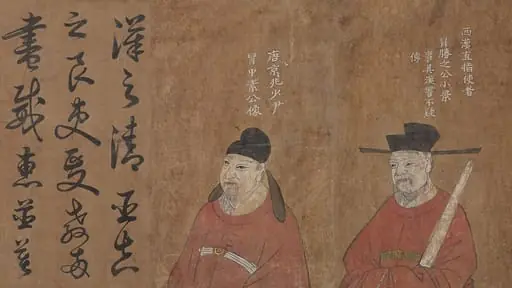 明/清 佚名 冒氏先人小像二幅 卷|Two Ancestors of the Mao Family
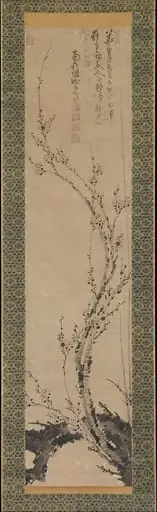 Untitled
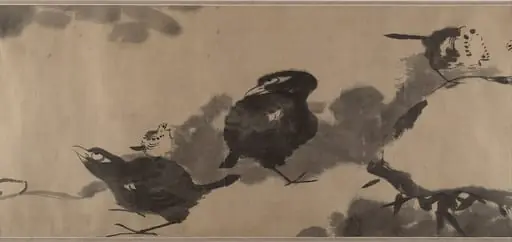 清 八大山人(朱耷) 蓮塘戲禽圖 卷|Birds in a lotus pond
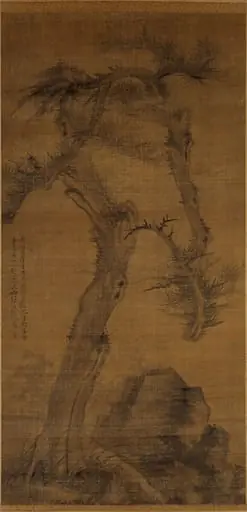 元 吳鎮 老松圖 軸|Crooked Pine
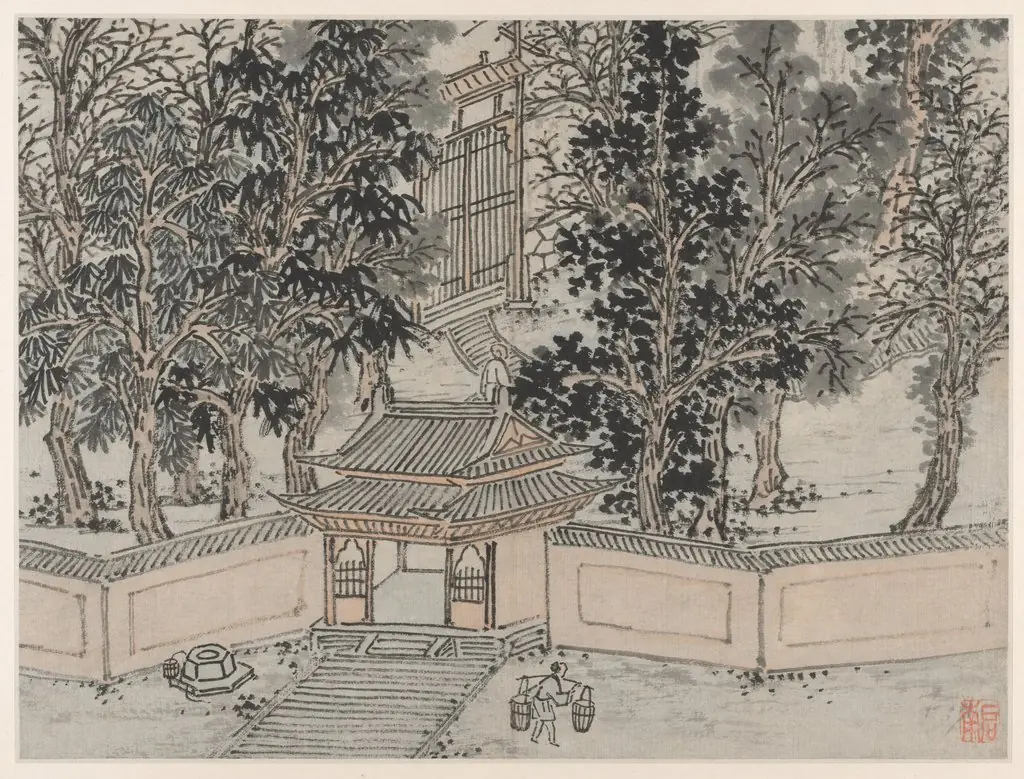 Tiger-Flight Spring at the Back Gate, from Twelve Views of Tiger Hill, Suzhou
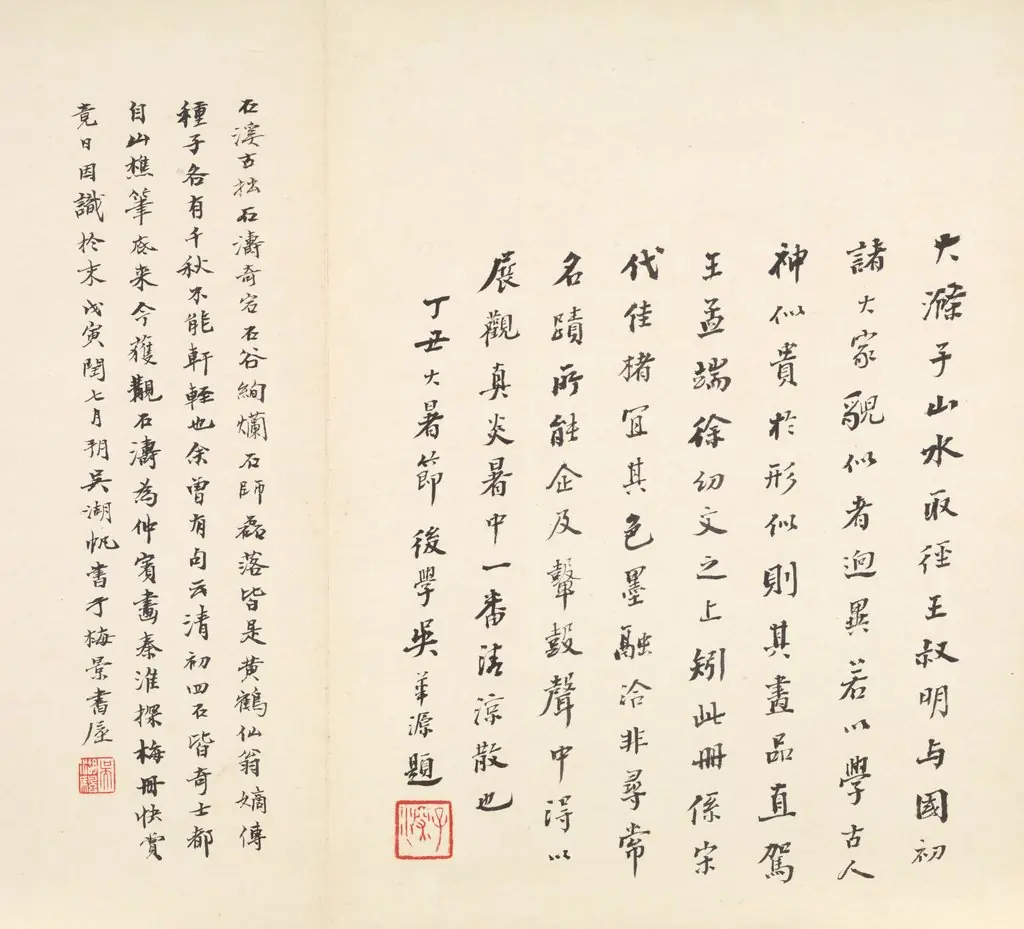 Reminiscences of Qinhuai River
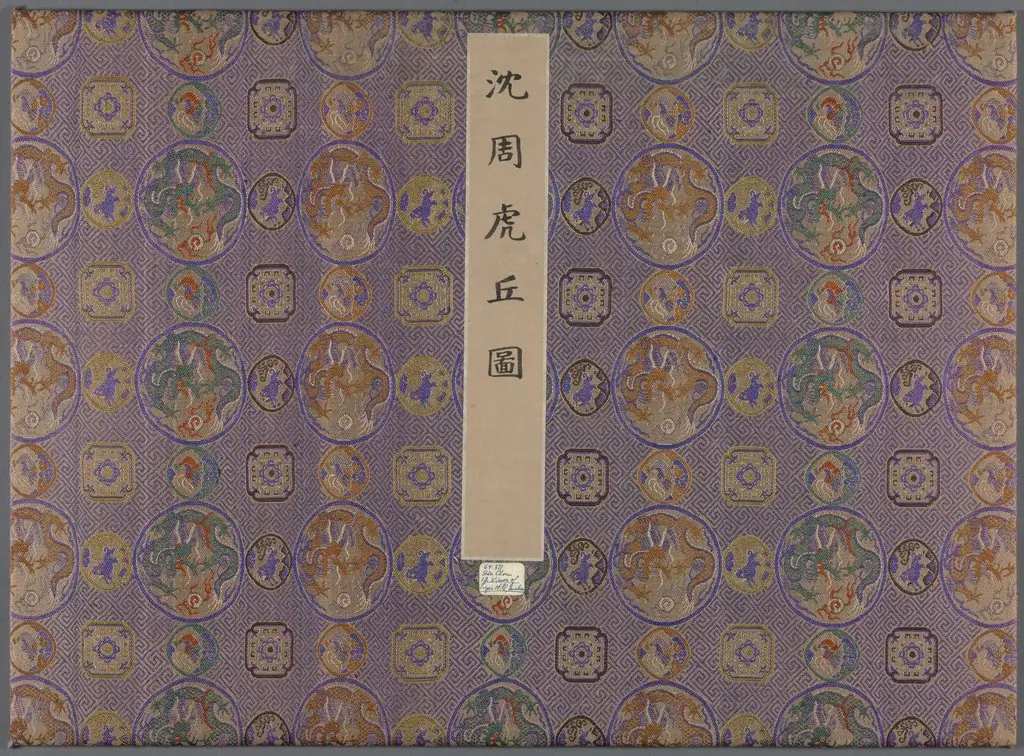 Twelve Views of Tiger Hill
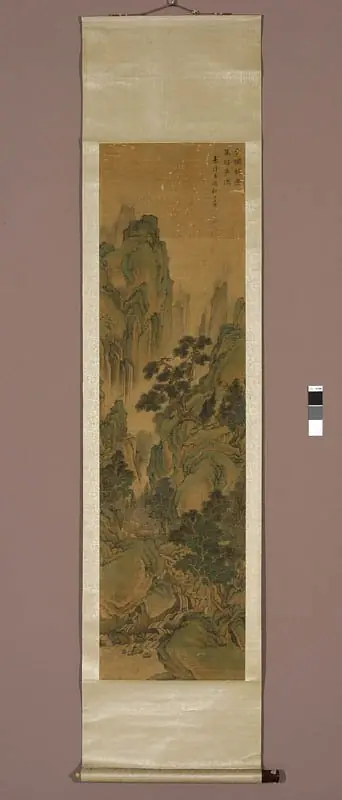 Solitary rocks, gushing torrents – landscape
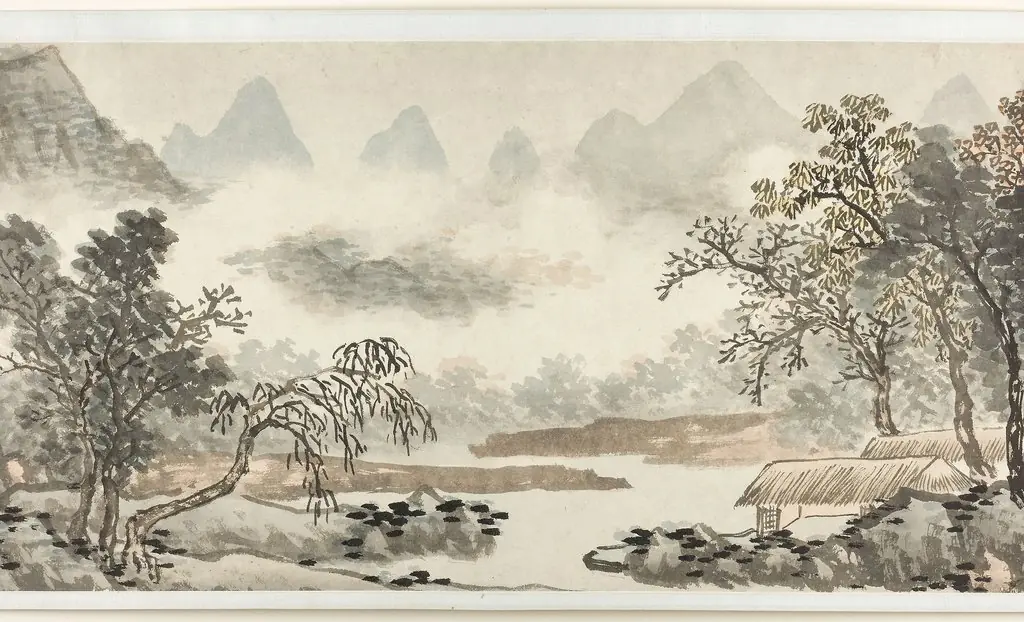 Clouds over the River before Rain
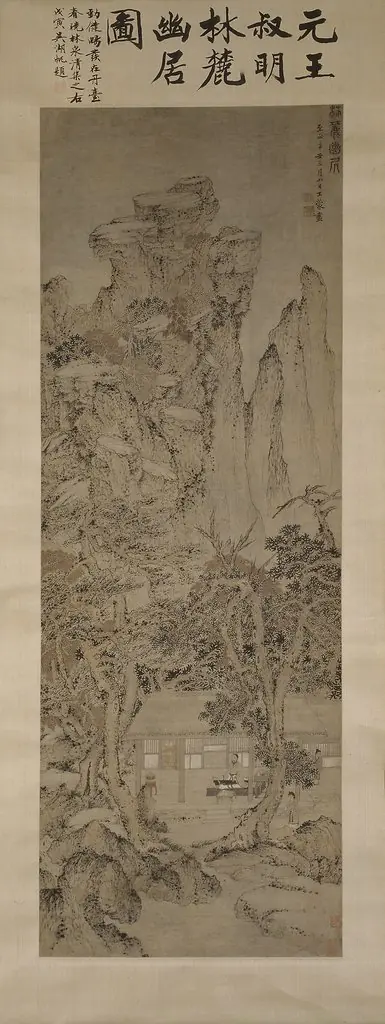 Quiet Life in a Wooded Glen
 Chinese Emperor (Hsi-yu t'u)
 Water Buffaloes and Herd Boys
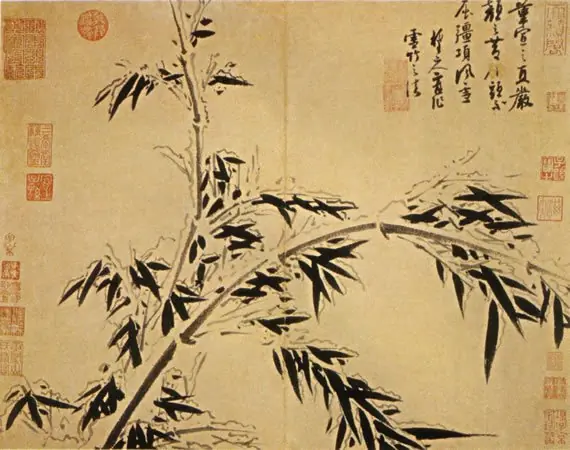 Playfully Rendered in Snow
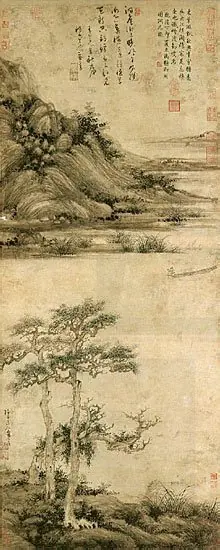 Fishing in Reclusion on Lake Tung-t'ing
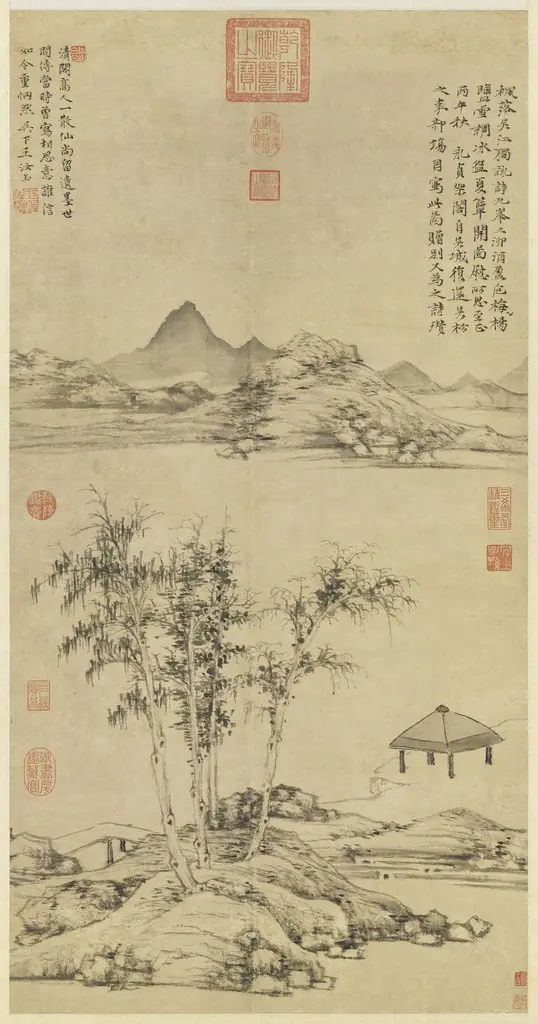 Falling Maple Leaves on the Wu River
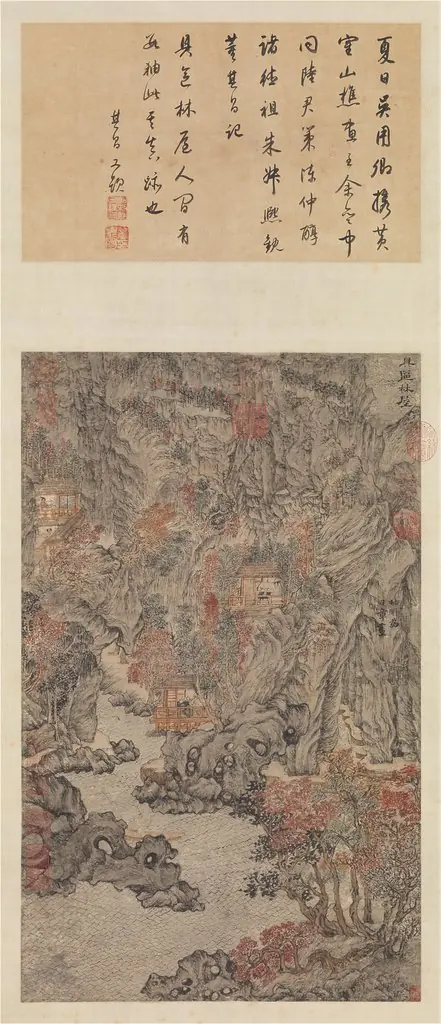 Forest Chamber Grotto at Juqu
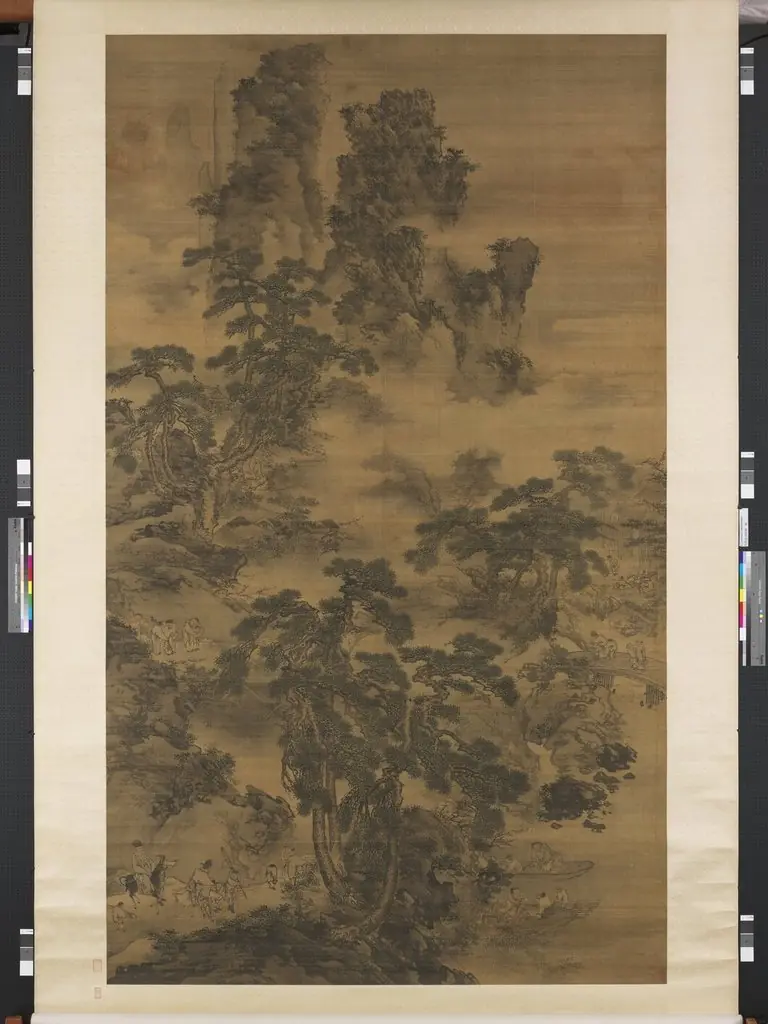 明戴進春酣圖 軸
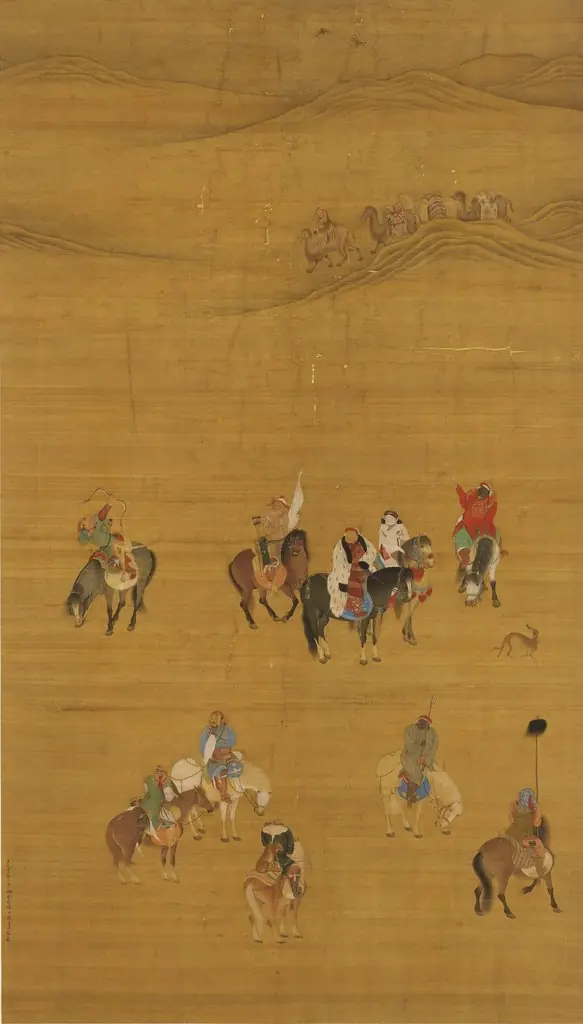 Khubilai Khan Hunting
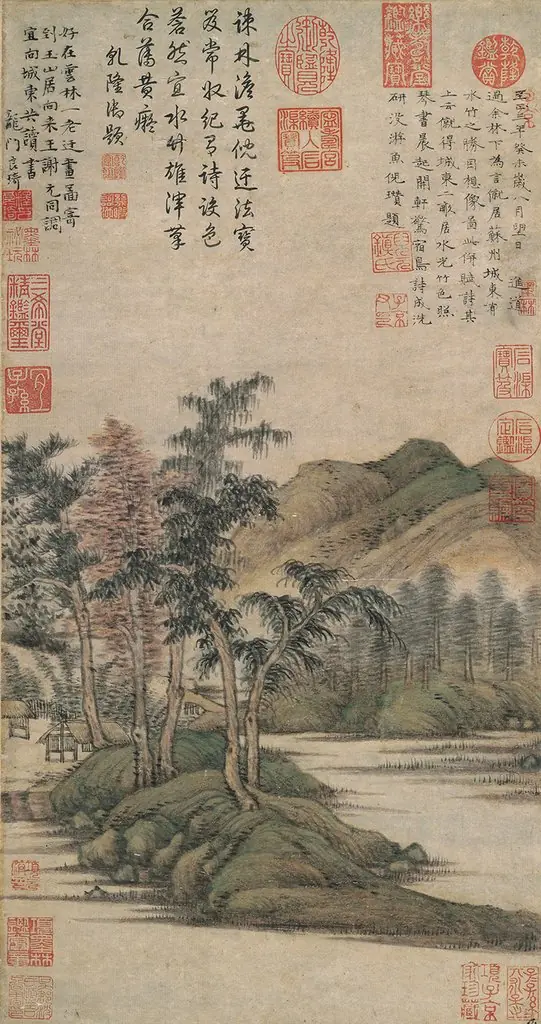 水竹居图轴
水竹居图轴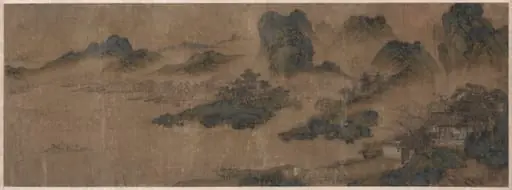 Visiting an Old Friend in the Spring Mountains
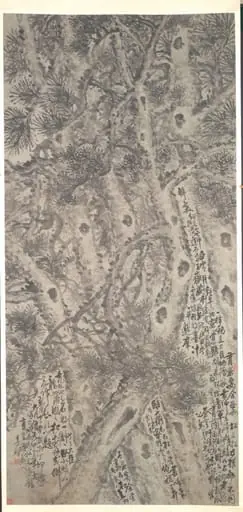 Five Pine Trees
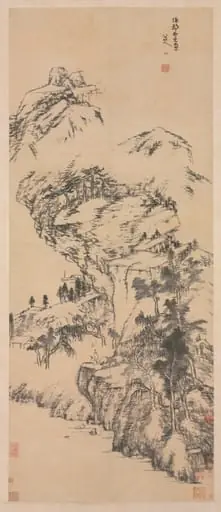 Landscape after Guo Zhongshu
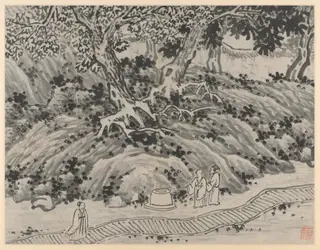 The Fool's Spring, from Twelve Views of Tiger Hill, Suzhou
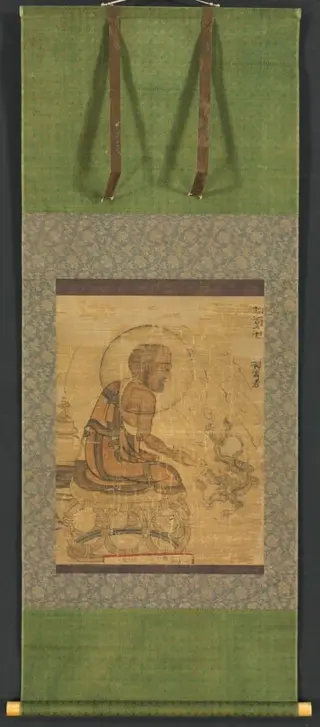 Arhat
Arhat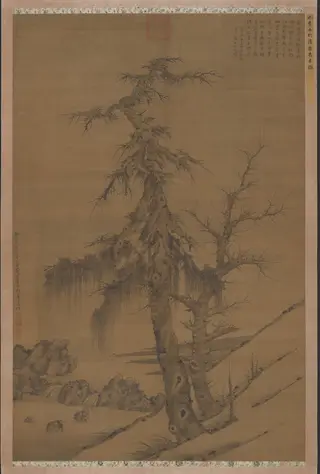 Old Trees by a Cool Spring
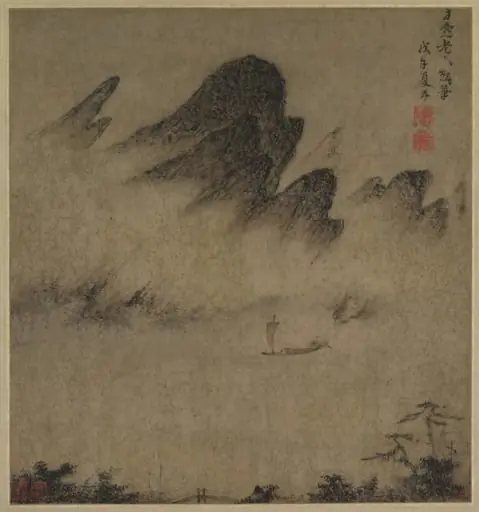 Landscape Ink-Play
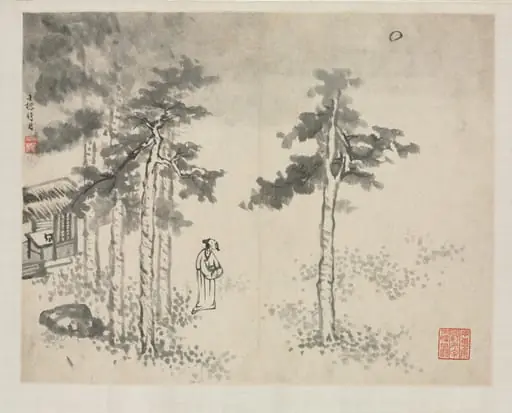 Landscape Album in Various Styles: Shibiao Waiting for the Moon
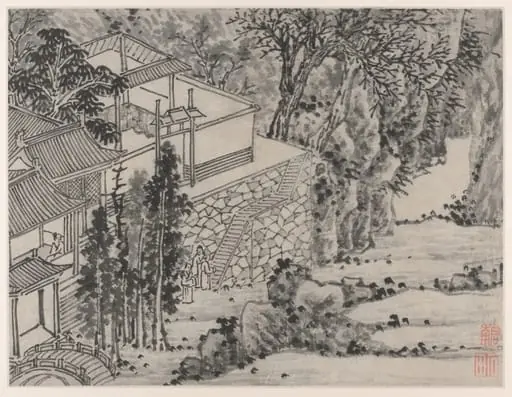 The Enlightened Stone Retreat, from Twelve Views of Tiger Hill, Suzhou
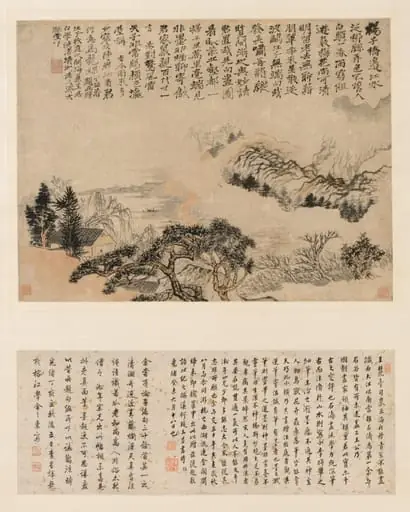 Spring Mist over Jiangnan
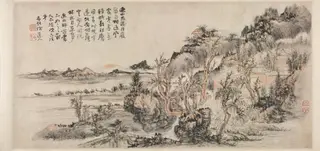 Spring Landscape
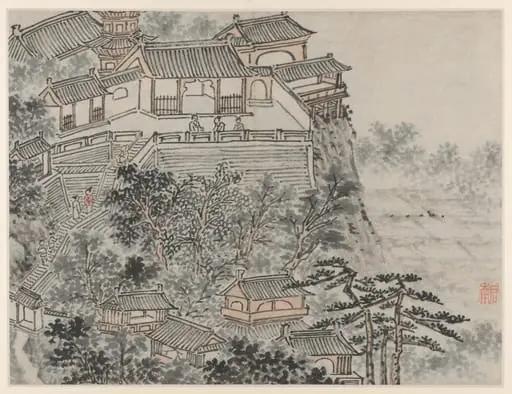 The Five Sages Terrace, from Twelve Views of Tiger Hill, Suzhou
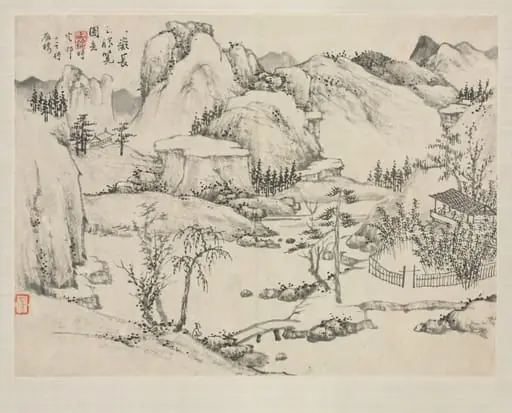 Landscape Album in Various Styles: Scenery of Mt. Changbai after Huang Gongwang
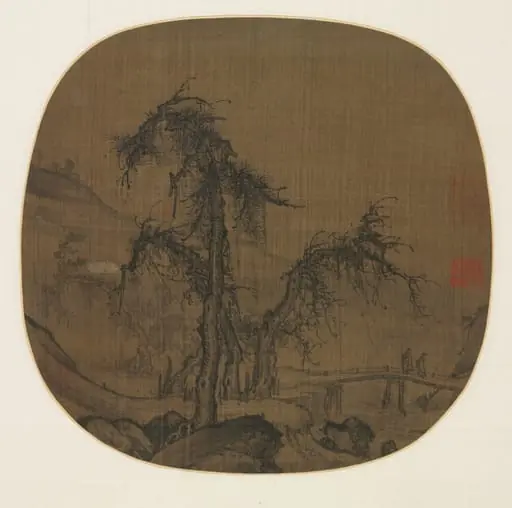 Ramblers over a Winding Stream
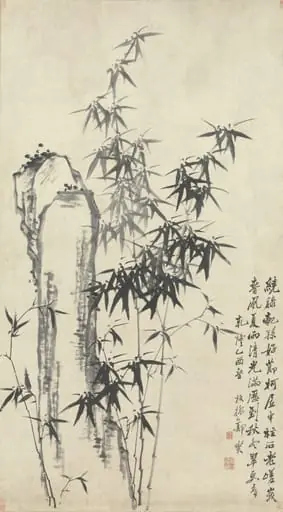 Bamboo and Rock
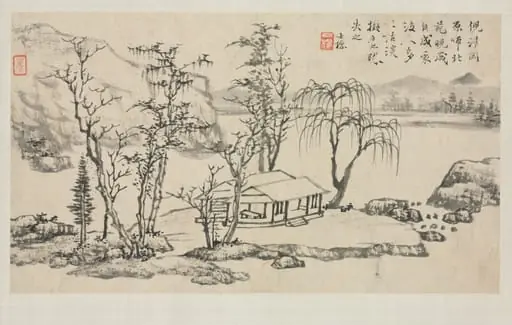 Landscape Album in Various Styles: Landscape after Ni Zan
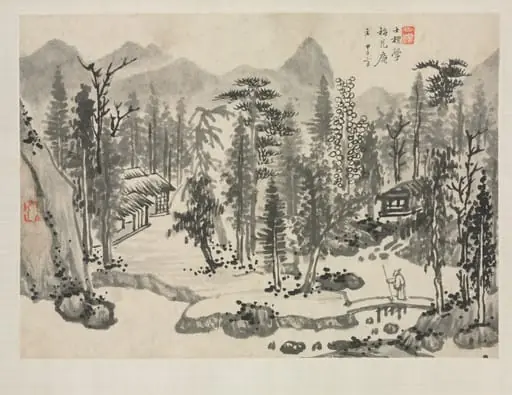 Landscape Album in Various Styles: Landscape after Wu Zhen
 Poetic Feeling in a Thatched Pavilion
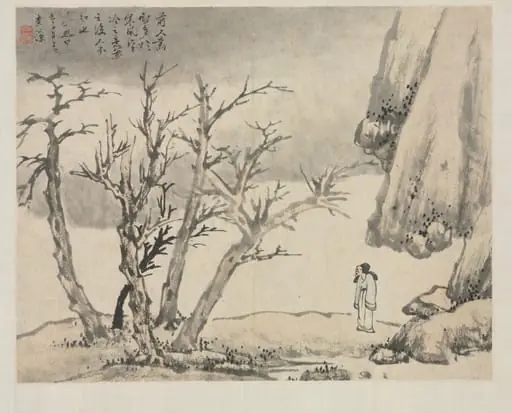 Landscape Album in Various Styles: Snowy Landscape
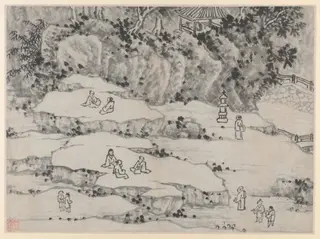 The Nodding Stone Terrace, Tiger Hill, and the Thousand-Man Seat, from Twelve Views of Tiger Hill, Suzhou
 Bamboo, Rocks and Lonely Orchids
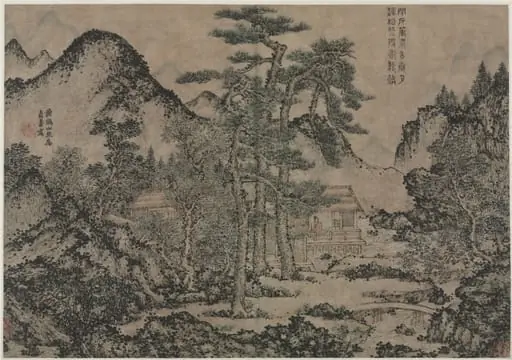 Writing Books under the Pine Trees
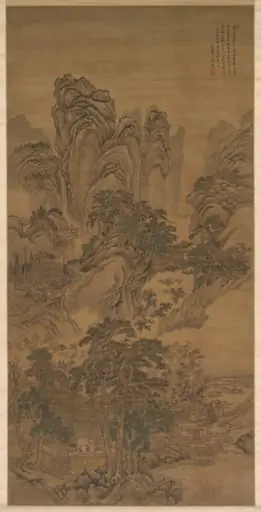 Landscape
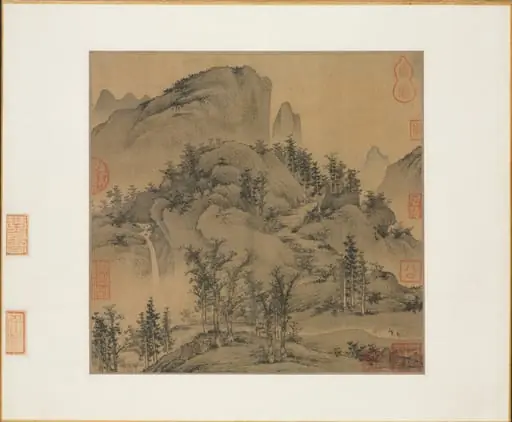 Travelers in Autumn Mountains
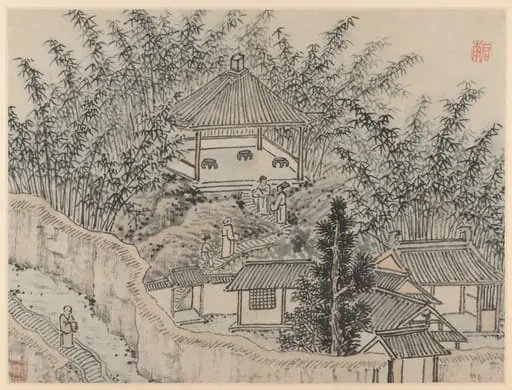 Bamboo Pavilion, Tiger Hill, from Twelve Views of Tiger Hill, Suzhou
 Leisure Enough to Spare
![Summer Mountains (after Dong Yuan [active c. 937–75]), by Huang Gongwang, 1322](https://artifactworldgallery.com/img/huang-gongwang--summer-mountains-after-dong-yuan-active-c-937-75--8aeb132308294f1a-w320.webp) Summer Mountains (after Dong Yuan [active c. 937–75])
Summer Mountains (after Dong Yuan [active c. 937–75])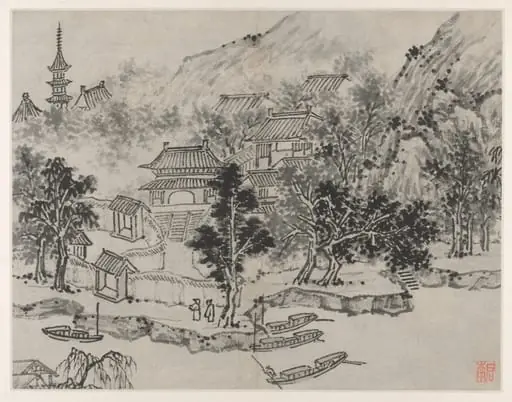 Distant View of Tiger Hill from the Canal Mooring, from Twelve Views of Tiger Hill, Suzhou
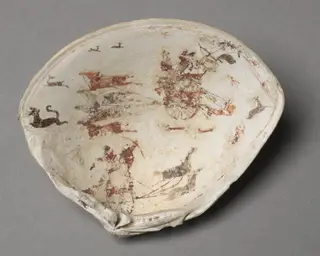 The Hunt
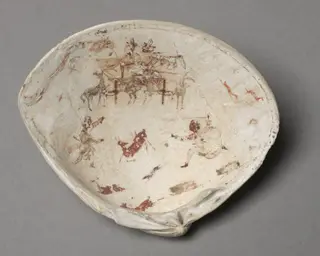 The Kill
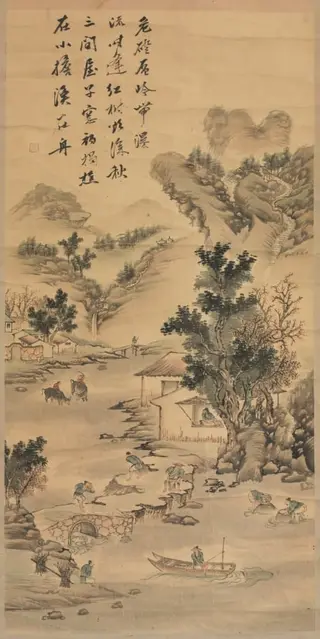 Landscape
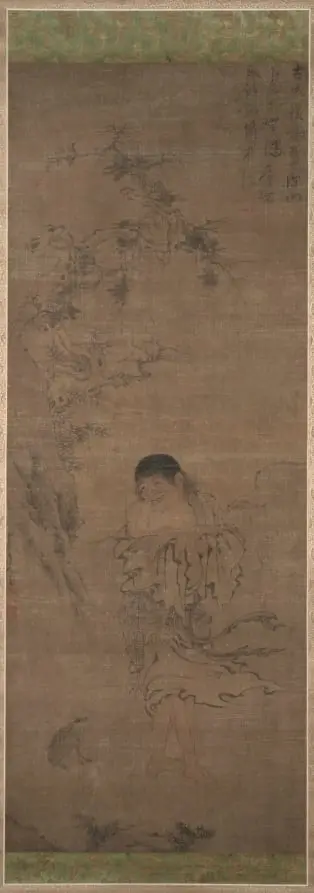 Liu Haichan
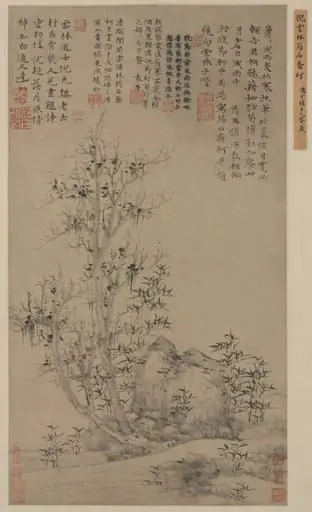 Bamboo, Rock, and Tall Tree
 Rocks, Orchid, and Bamboo
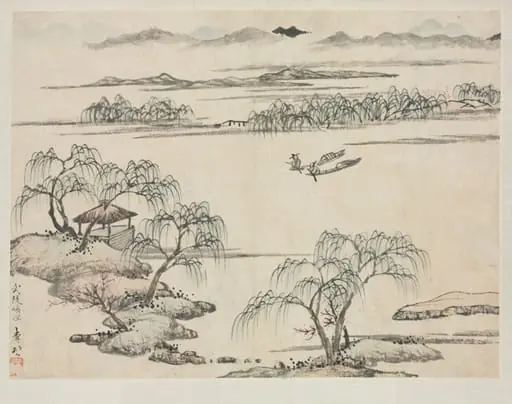 Landscape Album in Various Styles: The Stream of Wuling
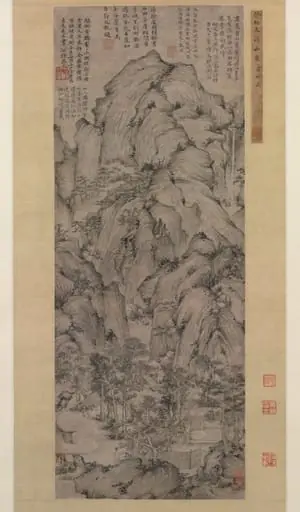 Streams and Mountains
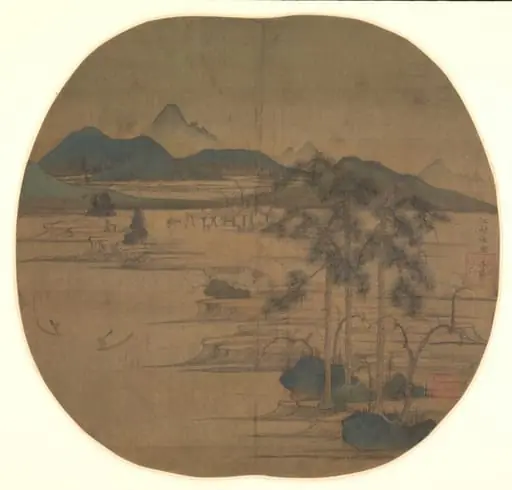 River Village: Fisherman's Joy
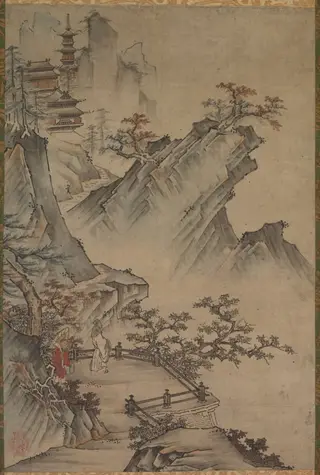 Chinese Literatus Viewing a Valley
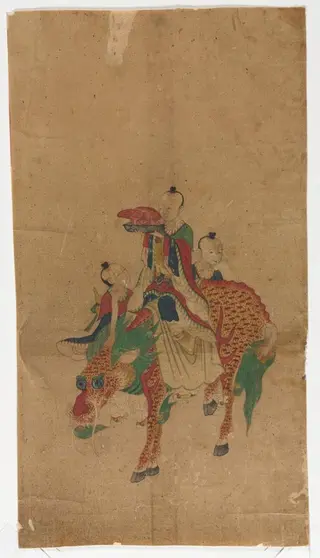 Daoist Immortal on a Qilin and Two Attendants
 Nine Songs
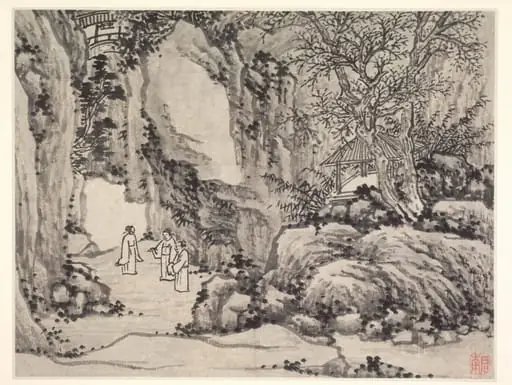 The Sword Spring, Tiger Hill, from Twelve Views of Tiger Hill, Suzhou
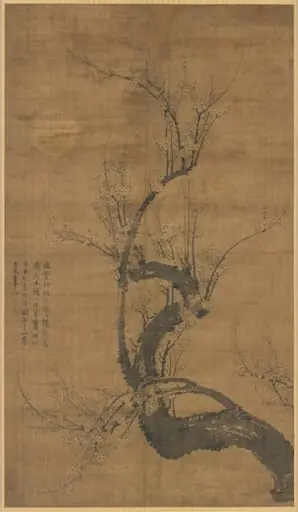 A Prunus in the Moonlight
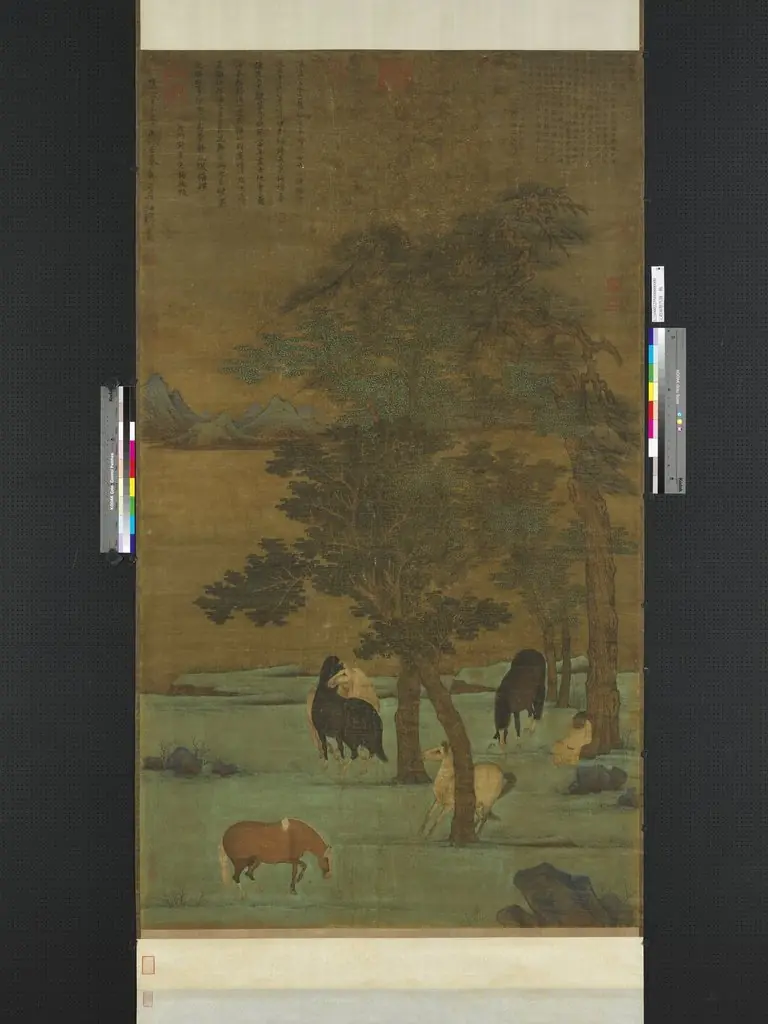 元趙雍駿馬圖 軸
 Dwelling in the Fuchun Mountains (Ziming Scroll)
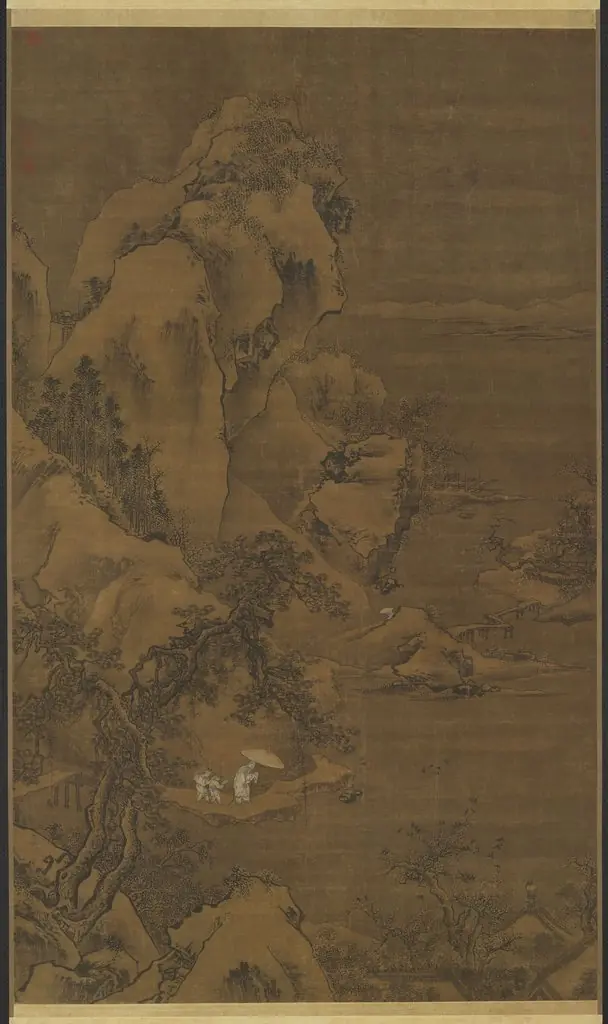
 元唐棣霜浦歸漁圖 軸
 Searching for Plum Blossoms
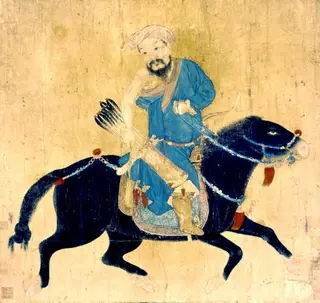 A Mongol archer on horseback
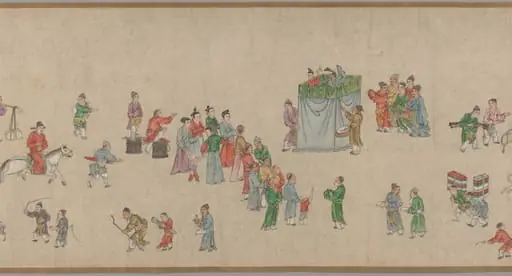 Street Scenes in Times of Peace 太平風會圖
Frequently asked questions
What is Yuan dynasty literati painting?
Yuan dynasty literati painting is an art movement. Scholar-painters of China's Mongol-ruled Yuan dynasty (1271-1368) who withdrew from court service into ink painting.
How many Yuan dynasty literati painting works does Artifact World Gallery have?
Artifact World Gallery holds 156 public-domain Yuan dynasty literati painting works, all free to view and download.
Who are the key Yuan dynasty literati painting artists?
Key Yuan dynasty literati painting artists in the collection include Zha Shibiao, Zhao Yuan and Zheng Xie.
When did Yuan dynasty literati painting take place?
Yuan dynasty literati painting dates from 1270–1370.
Where can I see Yuan dynasty literati painting works?
Yuan dynasty literati painting works in the collection are held by Metropolitan Museum of Art, Cleveland Museum of Art and National Palace Museum.