Artwork
Untitled
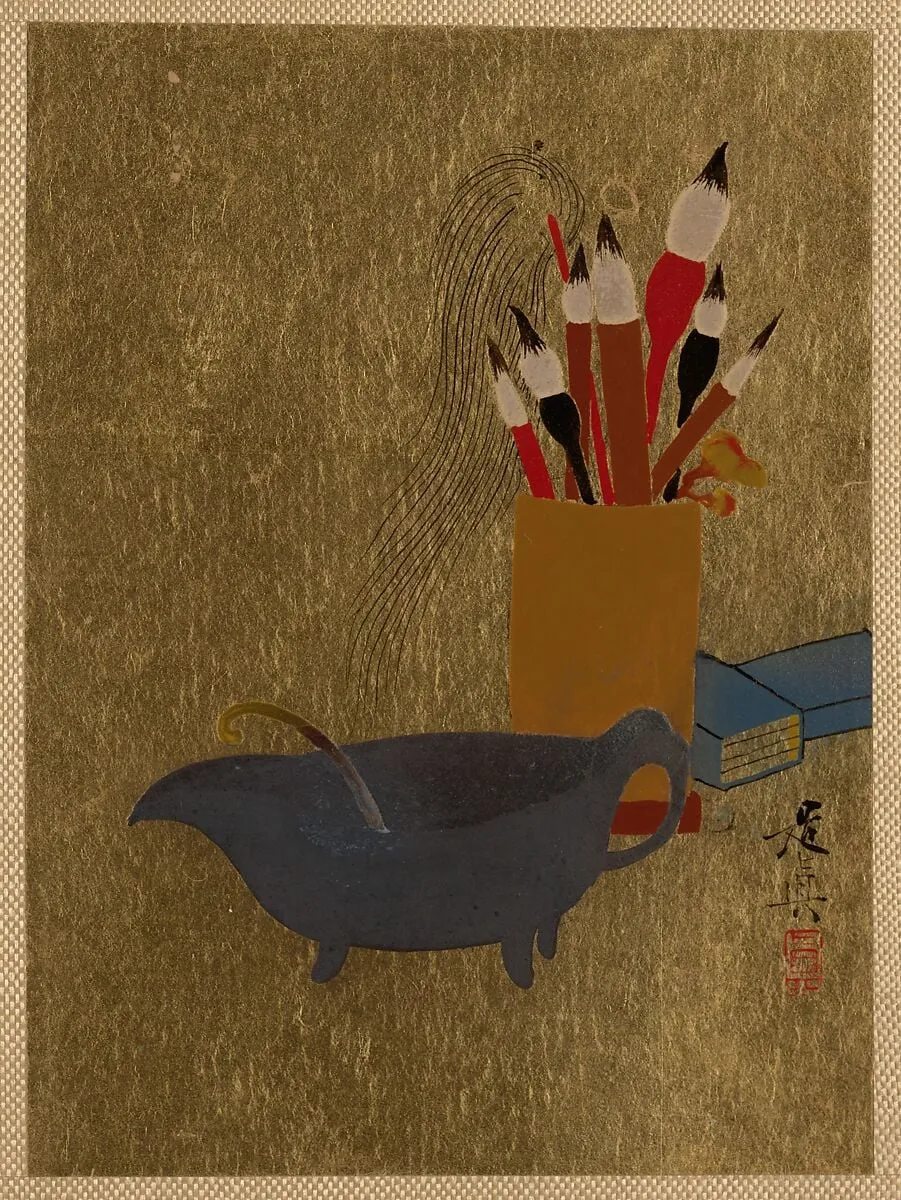
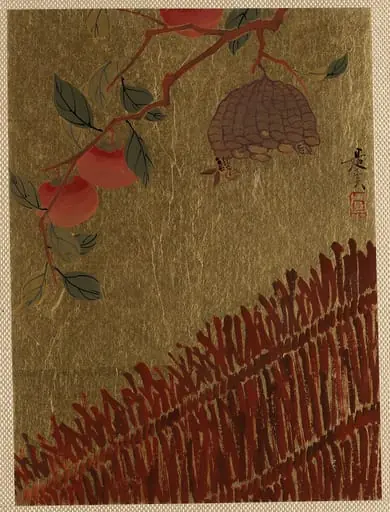
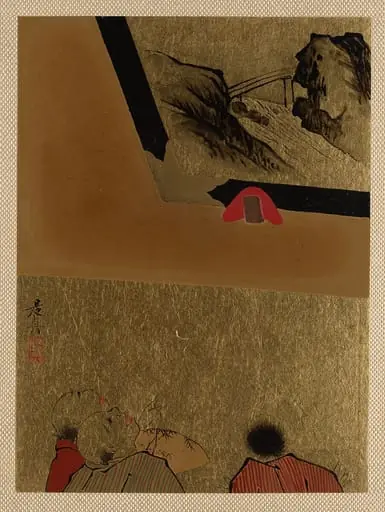
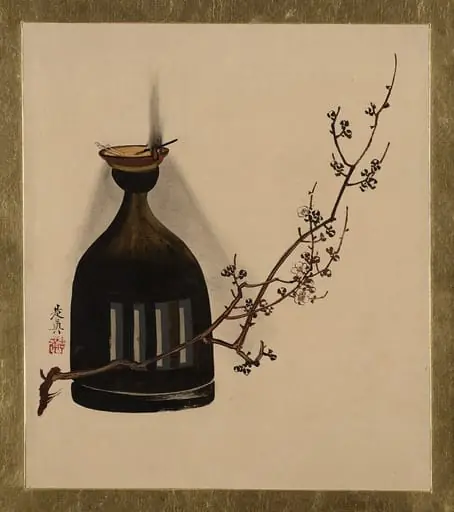
Untitled is a gold painting by the Impressionist artist Shibata Zeshin. It dates from 1882 and is held in the collection of the Metropolitan Museum of Art.
About this work
Technique & Style
The work is an album leaf painted in lacquer on gold paper, a support associated with Japanese decorative arts in the late nineteenth century.
The work is an album leaf painted in lacquer on gold paper, a support associated with Japanese decorative arts in the late nineteenth century. Its dimensions of about 12.1 by 8.9 cm correspond to the recorded size of the piece in the Metropolitan Museum of Art collection. The composition features a single kettle rendered in a still-life format, emphasizing subtle tonal gradation and the reflective quality of the lacquered surface, whose smooth, glossy finish contrasts with the matte background. The work is attributed to Shibata Zeshin and dated 1882, reflecting contemporary Japanese painting practices.
History & Provenance
The lacquer album leaf titled Untitled was created by the Japanese artist Shibata Zeshin in 1882. Executed in lacquer on gold paper, the work depicts a kettle and measures 12.1 cm in height by 8.9 cm in width. It is held in the collection of the Metropolitan Museum of Art as a notable example of Zeshin's mastery of lacquer techniques applied to album leaves during the late nineteenth century.
The available records do not disclose a specific accession number or a documented exhibition history for the piece.
Overview
Created in 1882, this album leaf by Shibata Zeshin depicts a still life arrangement featuring a small black kettle and two brushes resting on a gold paper ground. The composition is defined by the artist's mastery of lacquer painting, a technique where he applied genuine lacquer mixed with pigment directly onto the support, mimicking the finish of traditional lacquerware. The kettle is rendered with a distinctive curled spout resembling a cat's tail, while the brushes lean casually against the vessel, suggesting a moment of pause in the artist's studio.
Zeshin, renowned for elevating lacquer from a decorative craft to a fine art medium, frequently employed this method to achieve deep, lustrous blacks that contrast sharply with the shimmering gold background. This work exemplifies his late-career exploration of everyday objects, transforming mundane studio tools into subjects of refined aesthetic contemplation. The piece reflects the 19th-century Japanese trend of blending traditional materials with innovative pictorial approaches, securing Zeshin's reputation as a unique figure who bridged the worlds of painting and lacquer craftsmanship.
Subject & Meaning
The still life centers on a modest black kettle, its spout elegantly curved, reminiscent of a cat's tail. Two brushes rest casually against the kettle, suggesting recent use or a moment of pause. These everyday objects are set against a luminous gold background, which highlights their forms and imbues the scene with a quiet dignity. The arrangement evokes a sense of domestic tranquility and understated beauty.
Context
Zeshin's pioneering use of lacquer on paper distinguished his artistic output during a period of significant change in Japanese art. While still-life compositions were common, his choice of medium and the resulting tactile quality set his work apart. This piece, like many of his quiet still lifes, reflects an appreciation for humble objects, elevating them through meticulous rendering and an innovative material approach that was unparalleled in his time.
Artist & collection


- Untitled
 Untitled
 鉄線下絵和歌色紙|Poem by Fujiwara no Okikaze with Underpainting of Clematis
 Untitled
 Untitled
 Untitled
 Untitled
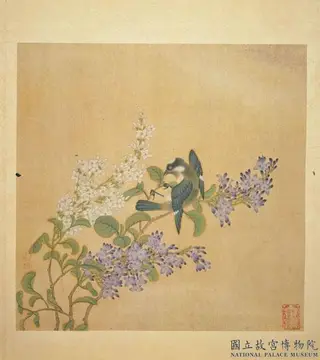 A Chinese Bulbul amidst Blooming Crape Myrtle
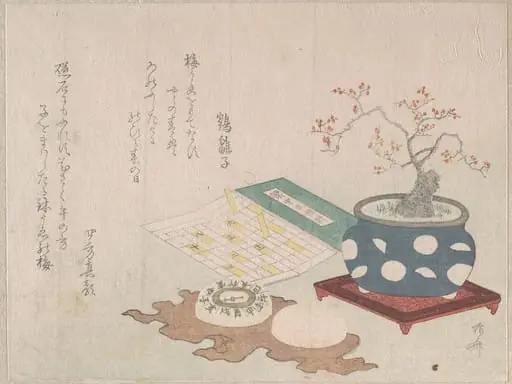 鉢梅、懐中日時計、羅針盤|Bonsai Plum, Compass, and Pocket Sundial with Design of Calendar, from Spring Rain Surimono Album (Harusame surimono-jō, vol. 3)
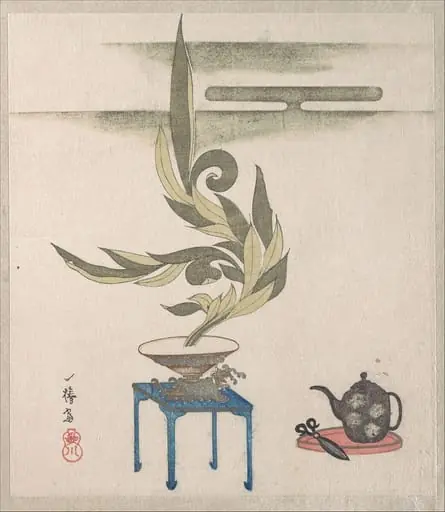 Untitled
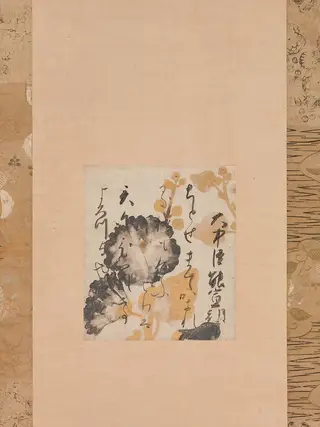 松花堂昭乗書・伝俵屋宗達下絵 和歌色紙 |Poem by Onakatomi Yoshinobu with Underpainting of Hollyhocks
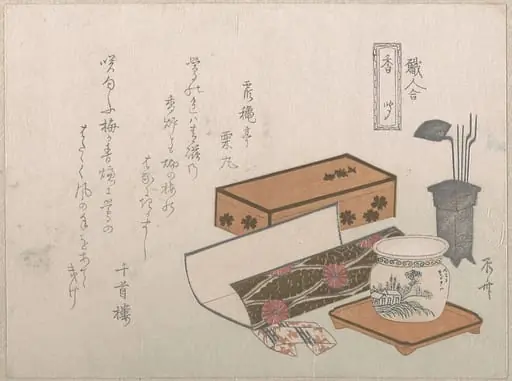 「職人合香聞 」|Utensils for the Incense Ceremony, “Incense Master” (Kōgiki), from the series An Array of Artisans