Artwork
Untitled
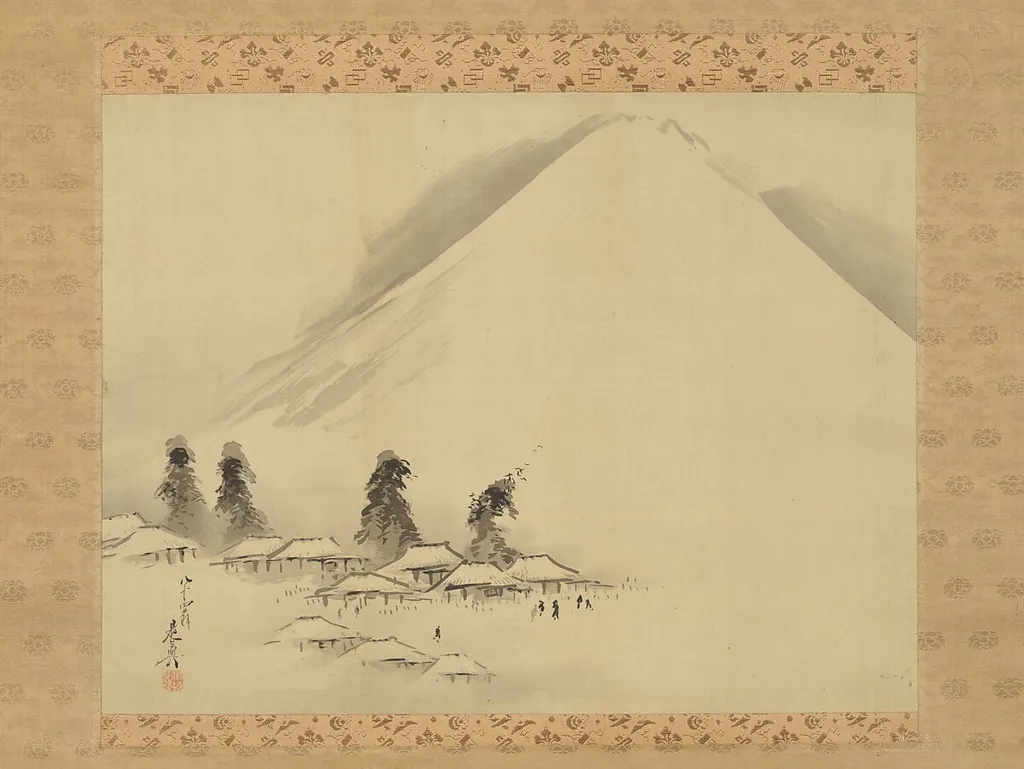
Untitled is an ink painting by the Impressionist artist Shibata Zeshin. It dates from 1890 and is held in the collection of the Metropolitan Museum of Art.
About this work
He used traditional ink but gave the mountain a sharp, almost modern look, like a photograph.
You see a tall, snowy mountain with a dark, jagged peak rising behind bare trees.
Zeshin painted this in 1890, when Japan was opening to the West. He used traditional ink but gave the mountain a sharp, almost modern look, like a photograph. The trees are just a few quick strokes, but they feel alive in the cold air.
If you like this quiet winter scene, look up mountains for more paintings of Japan’s peaks.
Subject & Meaning
Shibata Zeshin's 1890 hanging scroll presents a winter landscape centered on a volcanic mountain. Executed in ink on paper, the composition emphasizes the stark seasonal character of the scene, with the snow-covered peak serving as the principal subject. The pairing of mountain and volcano reflects a traditional Japanese pictorial theme in which volcanic peaks are rendered as enduring natural presences, while the winter setting conveys stillness and austerity.
By restricting the palette to monochrome ink, Zeshin focuses attention on the geological form and atmospheric conditions rather than on color or figural incident, aligning the work with literati-influenced landscape conventions of the Meiji period.
Technique & Style
The work is a mounted hanging scroll painted in ink on paper, created in Japan in 1890. It depicts a winter landscape featuring a snow‑capped volcano and distant mountains, rendered with an ink wash that emphasizes atmospheric depth and the quiet stillness of the season. The vertical format and delicate handling of the medium reflect traditional Japanese landscape aesthetics. The piece is part of the Metropolitan Museum of Art collection.
History & Provenance
The hanging scroll Untitled by Shibata Zeshin, dated 1890, is held in the collection of the Metropolitan Museum of Art in New York. The work, classified as a painting depicting a winter landscape with a mountain and volcano, measures 35.9 cm in height and 57.3 cm in width. It is executed in ink on paper and mounted as a hanging scroll.
While the sources confirm the artwork's current location and physical dimensions within the museum's holdings, they do not provide a specific accession or inventory number, nor do they list any exhibition history for this piece.
Overview
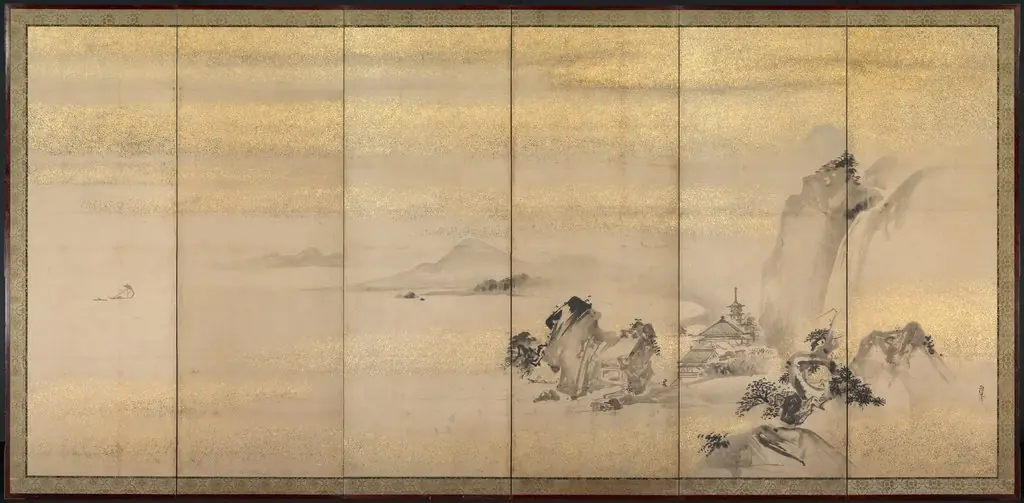
Created in 1890, this hanging scroll by Shibata Zeshin depicts a stark winter landscape dominated by a towering, snow-covered mountain with a jagged, dark peak. Executed in ink on paper, the composition places the imposing summit behind a foreground of bare, skeletal trees rendered with swift, economical brushstrokes. Although Zeshin is most celebrated for his lacquerware, this work demonstrates his mastery of traditional ink painting techniques.
The piece reflects the artist's late style, produced during the Meiji period when Japan was rapidly modernizing and opening to Western influence. Zeshin combines classical Japanese aesthetics with a strikingly sharp, almost photographic clarity in the mountain's form, distinguishing it from more atmospheric or soft-edged traditional landscapes. The contrast between the white snow and the dark rock creates a dramatic visual tension, while the sparse vegetation suggests the harshness of the season.
This work stands as a significant example of Zeshin's versatility beyond lacquer, showcasing his ability to infuse traditional subjects with a sense of immediacy and structural precision that anticipates modern sensibilities.
Context
Created in 1890, this work emerged during a transformative era for Japan, as the nation increasingly engaged with Western influences. While utilizing a centuries-old artistic medium, Zeshin's innovative treatment of the landscape subtly reflects this period of modernization and cultural exchange, bridging traditional aesthetics with a fresh visual perspective.
Artist & collection


- Eight Views of the Xiao and Xiang Rivers
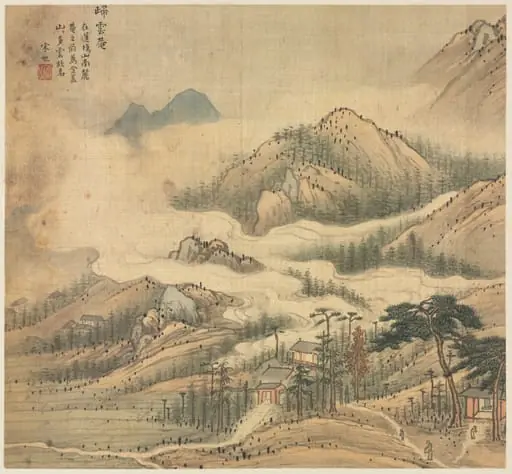 Guiyun Shrine
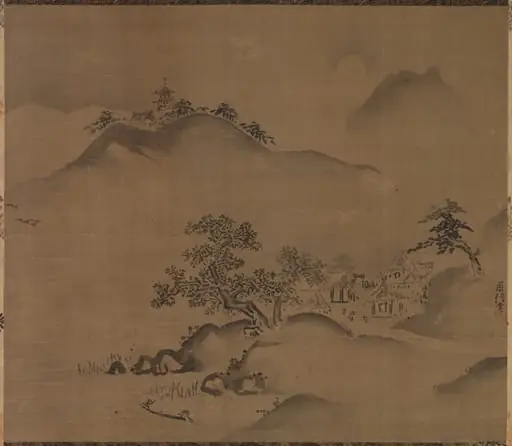 Chinese Landscape
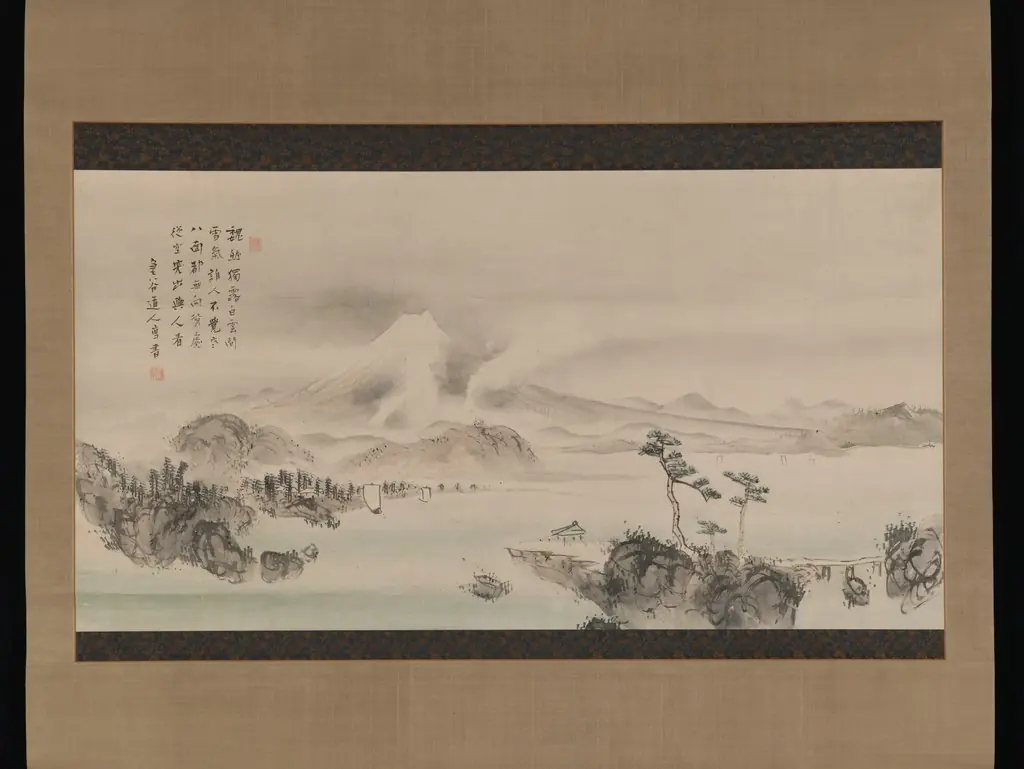 Mount Fuji
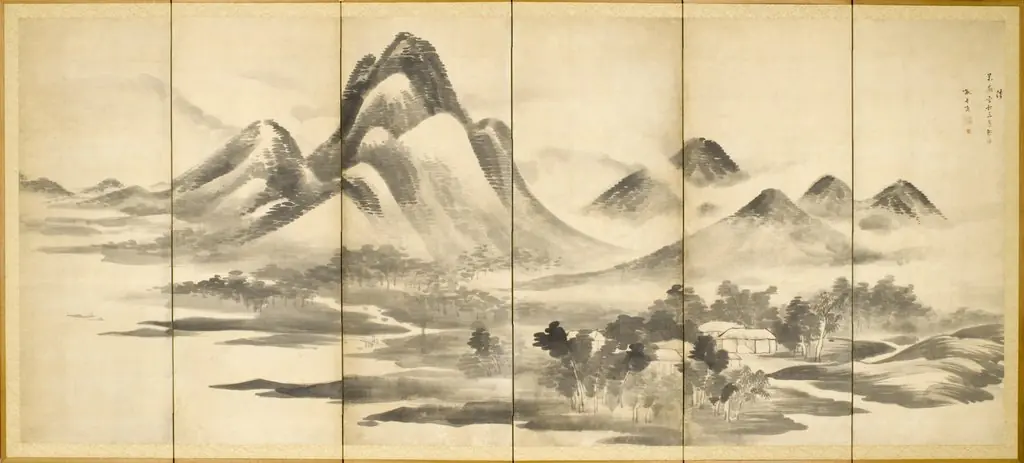 Landscape in 'Mi' Style
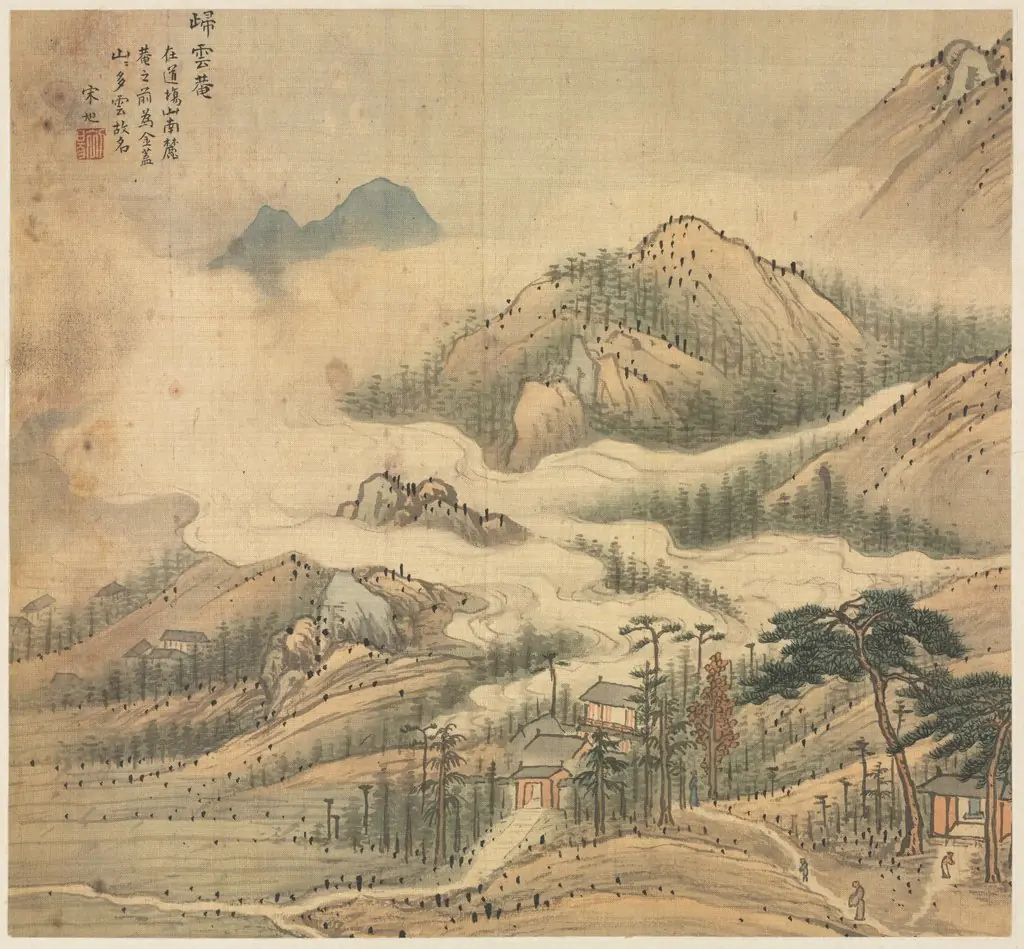 Guiyun Shrine
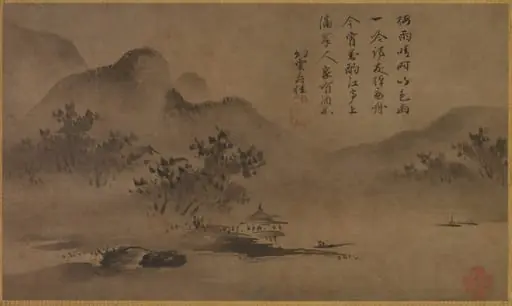 Landscape
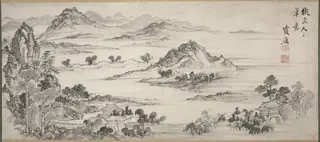 West Lake
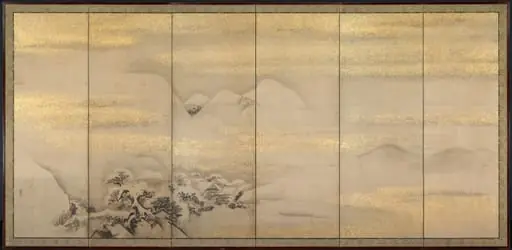 Summer and Winter Landscapes (one of a pair)
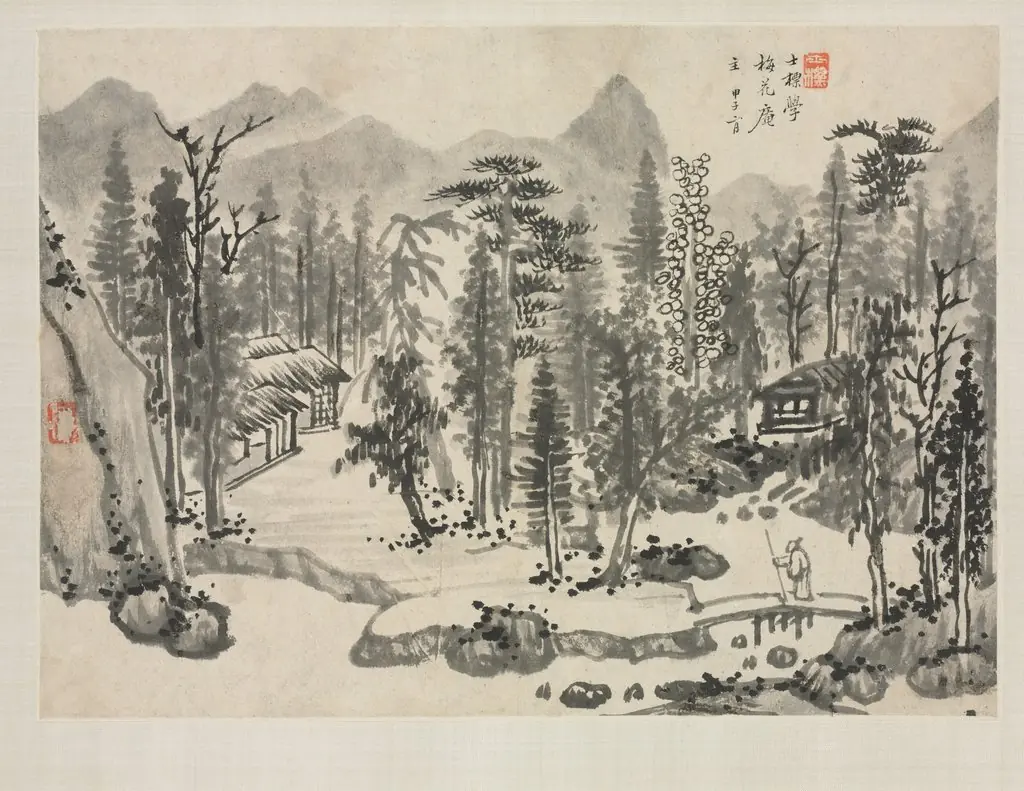 Landscape Album in Various Styles: Landscape after Wu Zhen
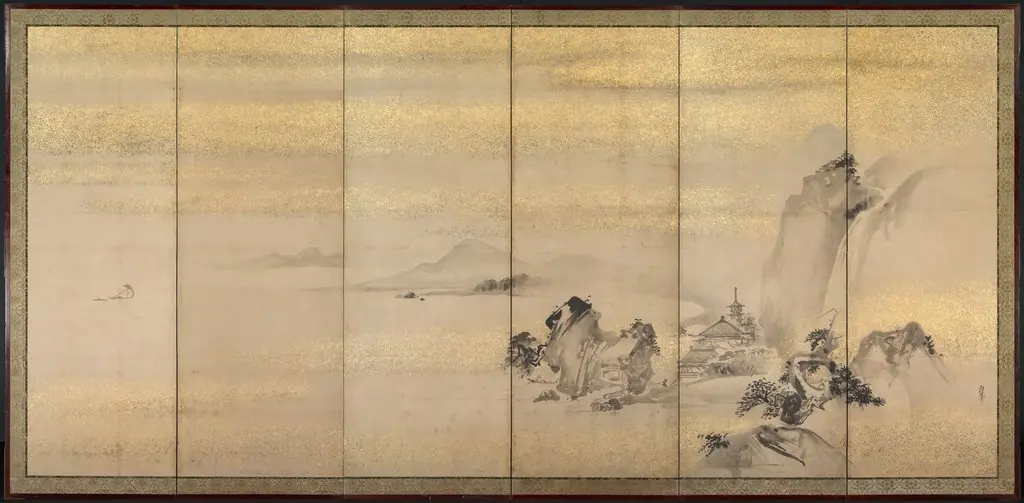 Summer and Winter Landscapes
 Summer and Winter Landscapes (one of a pair)