Artwork
Untitled
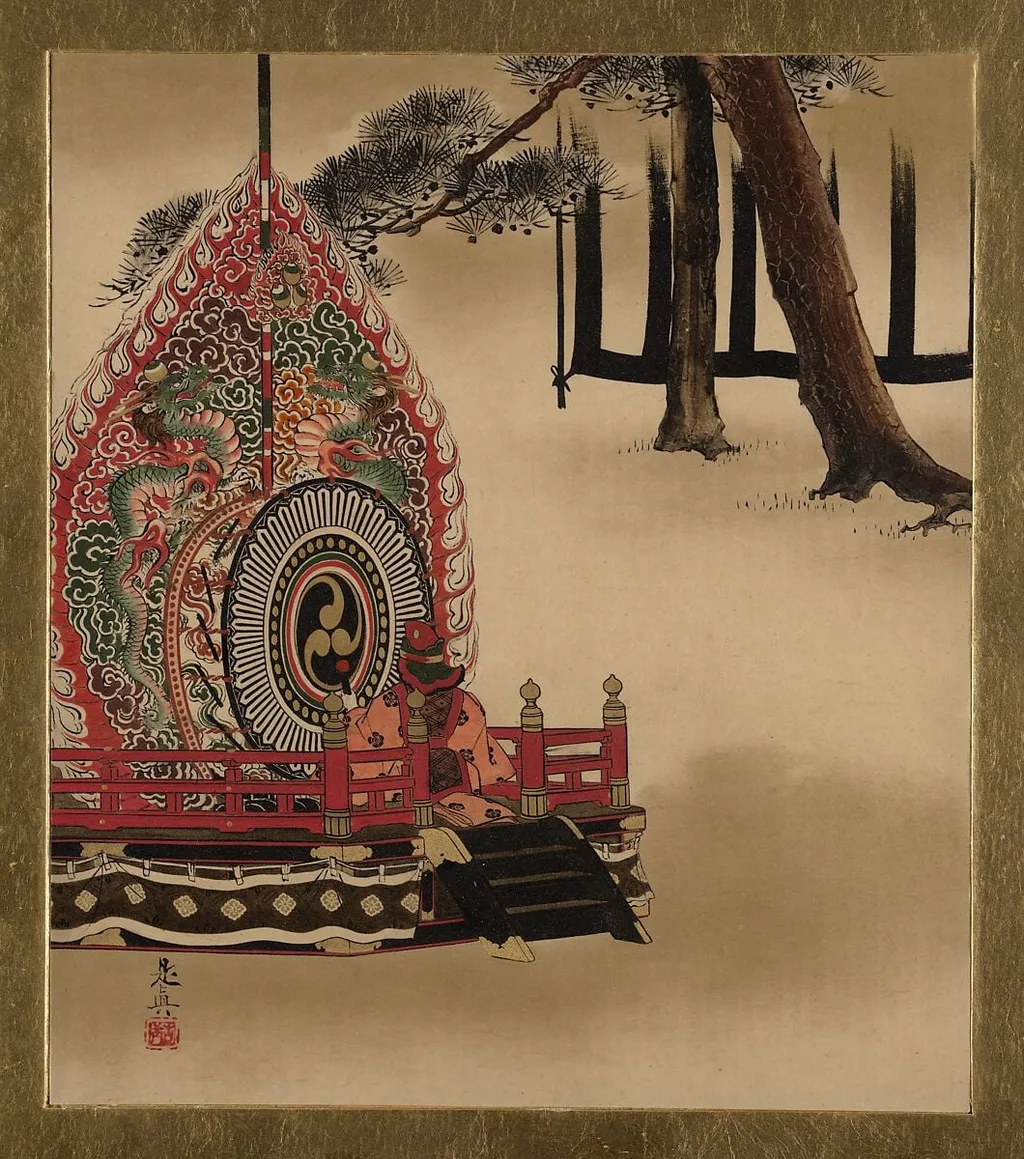
Untitled is an unspecified painting by the Impressionist artist Shibata Zeshin. It dates from 1882 and is held in the collection of the Metropolitan Museum of Art.
- Accession no.
- 36.100.109
About this work
Subject & Meaning
Created in 1882 by Shibata Zeshin, this lacquer-on-paper work is classified within the genre of mythology.
Created in 1882 by Shibata Zeshin, this lacquer-on-paper work is classified within the genre of mythology. The composition features three distinct elements: a dragon, a drum, and a tree. While the specific narrative interaction between these figures is not detailed in the available records, their collective presence establishes the piece as a mythological depiction.
The inclusion of a dragon alongside a drum and tree suggests a symbolic scene rooted in traditional Japanese lore, though the precise allegorical meaning or specific legend illustrated remains undefined by the provided documentation.
Technique & Style
Created in 1882 by Shibata Zeshin, this work employs lacquer applied directly onto paper as its primary medium and support. The piece measures 19.1 cm in height and 16.5 cm in width. Stylistically, the composition features mythological subject matter, specifically depicting a dragon alongside a drum and a tree.
The application of lacquer on paper reflects Zeshin's experimental approach to traditional materials, moving beyond standard wooden panels or silk often associated with Japanese painting of the period. The small scale of the work suggests an intimate handling, characteristic of album leaves or personal studies rather than large-scale public display.
History & Provenance
Untitled is a lacquer-on-paper painting executed in 1882 in Japan by Shibata Zeshin. The work portrays a dragon, drum, and tree within a mythological context. The painting is held by the Metropolitan Museum of Art, New York, where it is recorded under the accession number 1975.1.98 and was acquired by the museum in 1975.
Overview
Created in 1882, this untitled work by Shibata Zeshin depicts a mythological scene featuring a twisting black tree trunk that dominates the composition. Coiled around the trunk like a vine is a green dragon, while two red drums hang from the branches. Executed on paper, the piece utilizes Zeshin's signature technique of applying genuine lacquer, a medium typically reserved for functional objects such as boxes and bowls, rather than traditional painting surfaces.
This method imparts a distinctive, deep gloss to the surface, causing the colors to vibrate with an intense luminosity. The work exemplifies Zeshin's innovative approach to lacquer art, bridging the gap between decorative crafts and fine painting during the late Edo and early Meiji periods. By treating paper as a lacquer substrate, the artist challenges conventional material boundaries, creating a tactile and visual experience where the glossy finish enhances the dramatic contrast between the dark wood, the vibrant dragon, and the hanging drums.
This piece stands as a testament to Zeshin's mastery in transforming everyday materials into high art, securing his reputation as a pivotal figure in 19th-century Japanese lacquerware.
Context
The artist's mastery of lacquer allowed for subtle gradations of tone and color, particularly evident in the dragon's form. This technique creates an impression of the creature emerging from shadow, imbuing it with a lifelike presence against the darker background. Such nuanced rendering contributes to the painting's atmospheric quality and visual depth.
Artist & collection


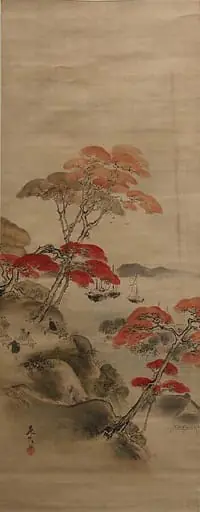
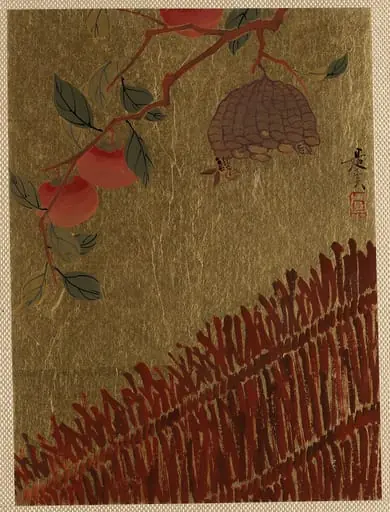
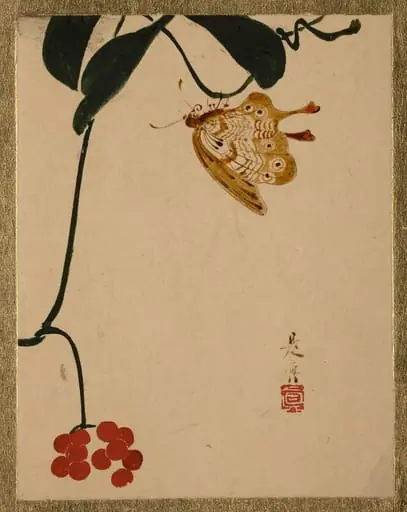
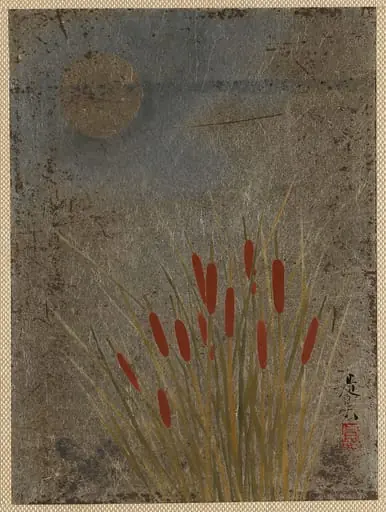
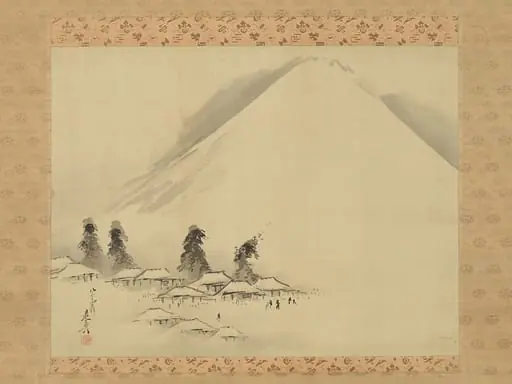
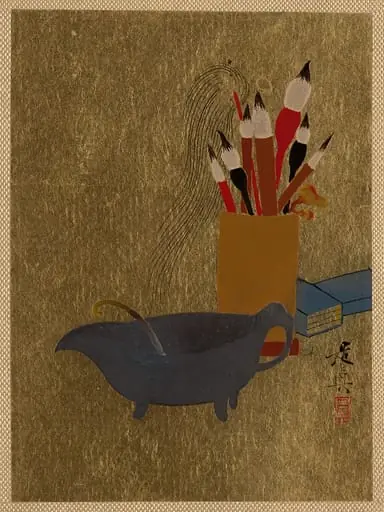
- Landscapes (one of a pair)
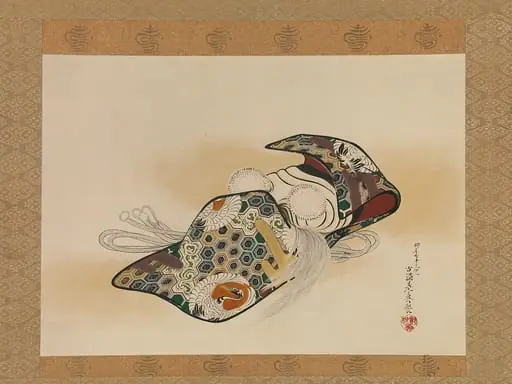 柴田是真作 翁面図|Mask for the Noh Play Okina
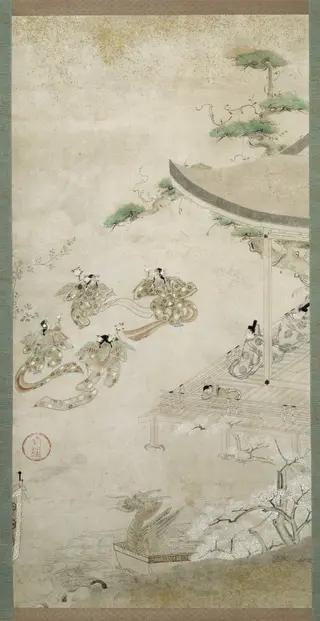
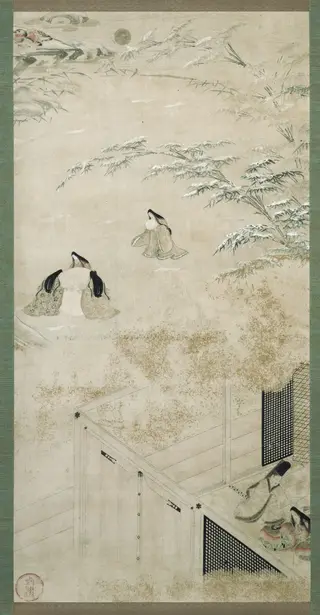 Scene from the Tale of Genji: from the chapter "The Morning Glory"
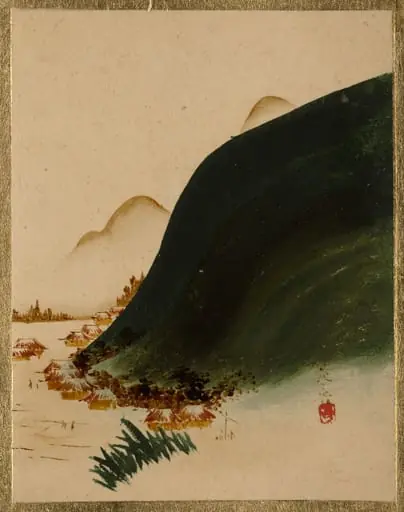 Untitled
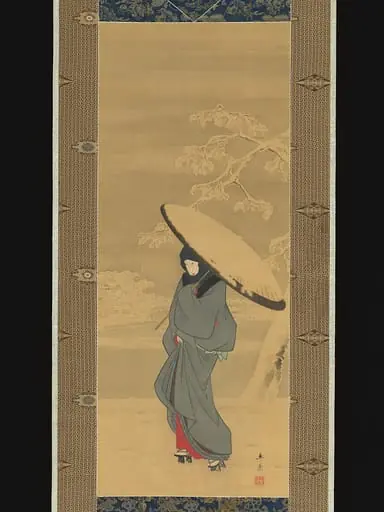 Untitled
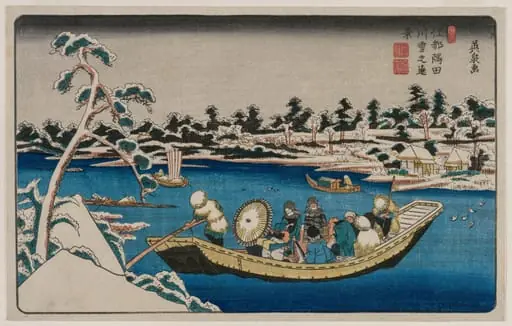 A Distant View of Snow on the Sumida River in Edo
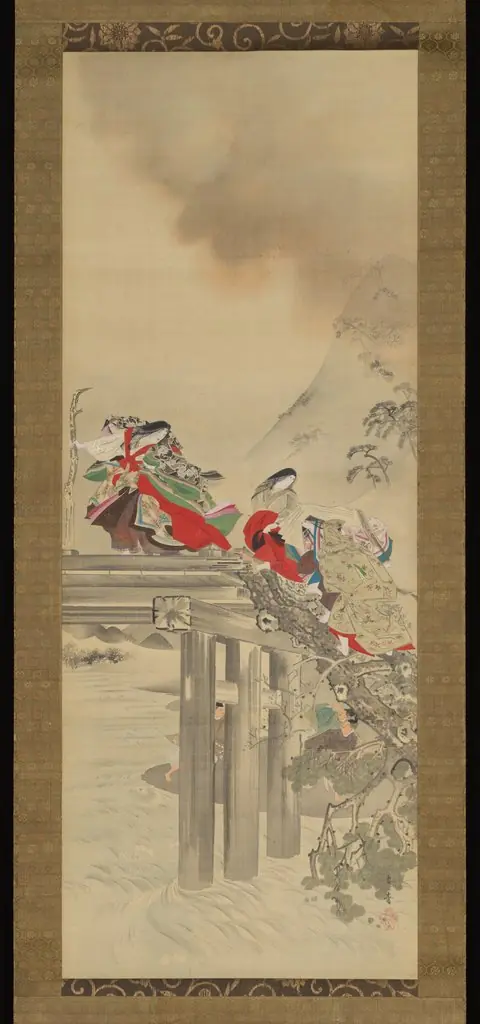 Lady Iga 伊賀局図 (Iga no tsubone zu)
 Untitled
 Scene from the Tale of Genji: from the chapter "Butterflies"
 Isle of the Immortals
 Sanjo Kantaro as a Young Woman Standing in a Wisteria Arbor
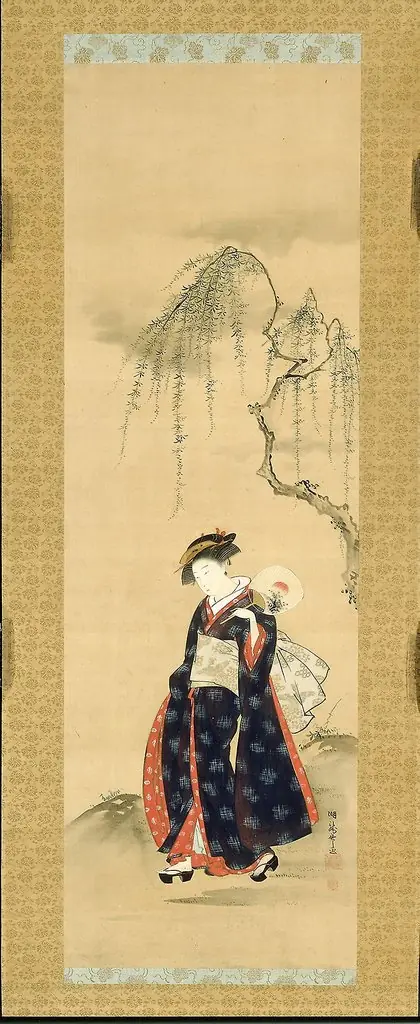 Beauty Beneath a Willow Tree