Artwork
painting
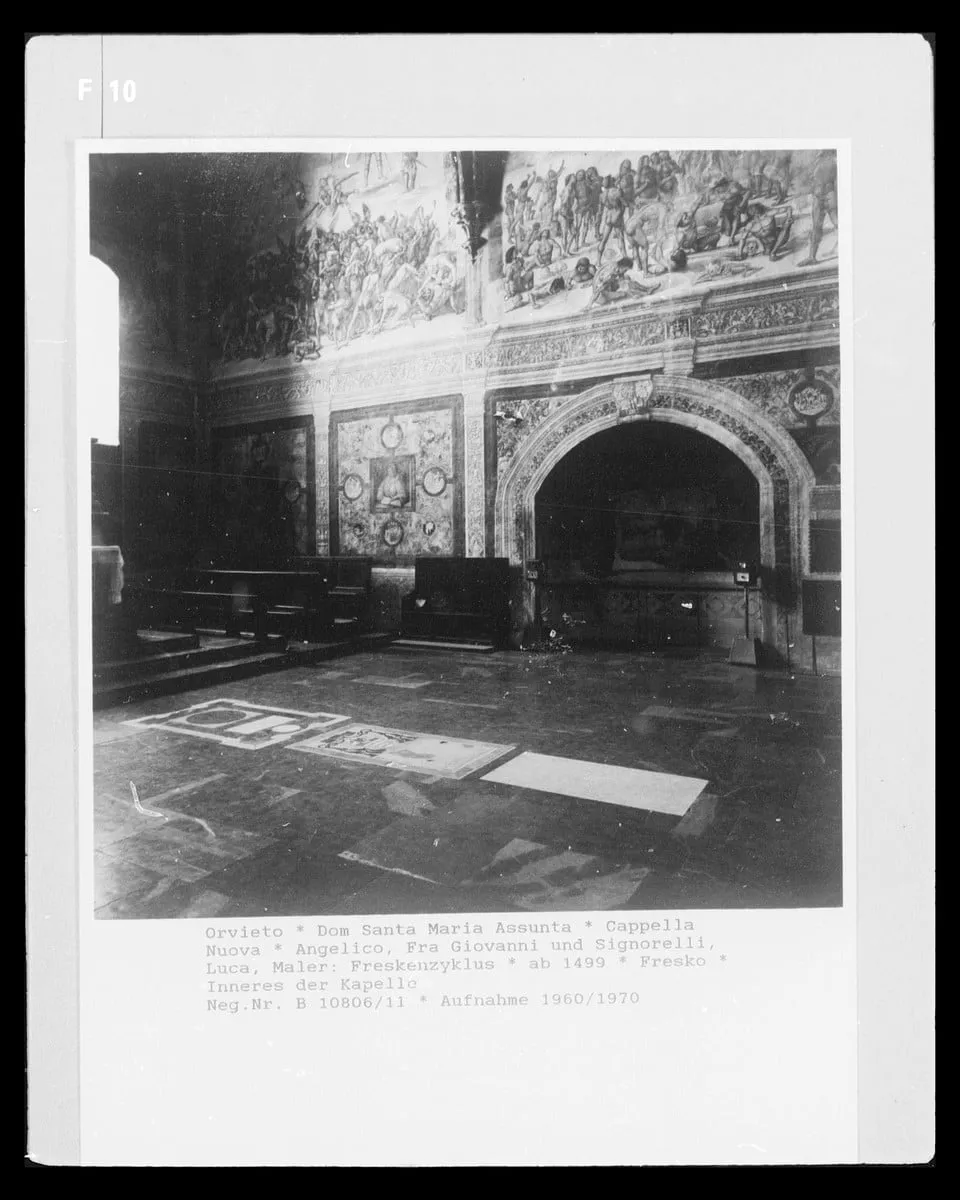
painting is a paint painting by Luca Signorelli. It dates from 1501 and is held in the collection of the German Documentation Center for Art History - Marburg Picture Index.
About this work
Overview
The space where it is displayed today mimics the chapel’s atmosphere, with bare walls and minimal furnishings to emphasize the surviving imagery.
This work is a fresco cycle attributed to Luca Signorelli, dated around 1501. It was originally part of a chapel’s interior decoration and is now housed in the Museum of Ethnography. The murals were detached from their original architectural setting and relocated, preserving the painted surfaces intact.
The space where it is displayed today mimics the chapel’s atmosphere, with bare walls and minimal furnishings to emphasize the surviving imagery.
Subject & Meaning
The frescoes depict groups of figures engaged in varied religious or devotional acts, some standing in contemplation, others kneeling in prayer. The scenes suggest narratives drawn from Christian tradition, possibly illustrating moments of worship, judgment, or salvation. The absence of clear narrative continuity implies these were fragments of a larger program meant to guide spiritual reflection within the chapel.
Technique & Style
Painted using the fresco technique, the images were applied to wet plaster, allowing pigments to bond with the wall surface as it dried. Signorelli’s figures display muscular definition and dynamic poses, characteristic of his style. Though colors have faded, the linear precision and anatomical clarity remain legible, reflecting his training in the Florentine tradition and his interest in human form under movement.
History & Provenance
The frescoes were originally part of a chapel in central Italy, likely commissioned for private or monastic devotion. They were removed from the wall in the 19th or early 20th century during a period of widespread detachment of frescoes for preservation or collection. Their relocation to the Museum of Ethnography reflects a shift in institutional focus toward cultural artifacts rather than purely religious art.
Context
Created during the High Renaissance, the frescoes align with a broader trend of devotional imagery in small-scale ecclesiastical spaces. While major patrons commissioned grand altarpieces, local communities often relied on wall paintings to convey sacred stories. Signorelli’s involvement suggests the chapel’s patrons had access to artists of regional renown, despite the modest scale of the site.
Legacy
The survival of these frescoes offers insight into the reach of Renaissance artistic practices beyond major urban centers. Their preservation in a museum setting allows study of technique and iconography, though their removal from context alters their original spiritual function. They remain a tangible link to the devotional culture of early 16th-century Italy.
Artist & collection
Artist
Museum
German Documentation Center for Art History - Marburg Picture Index
Continue through works from the same source collection.
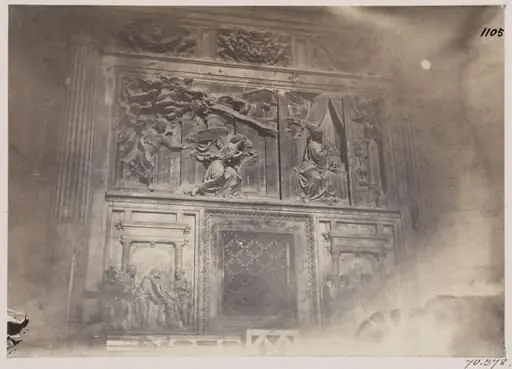 Out of Rome - House of the Blessed Virgin at Loreto. Sculpture of the Annunciation, A.D. 1520
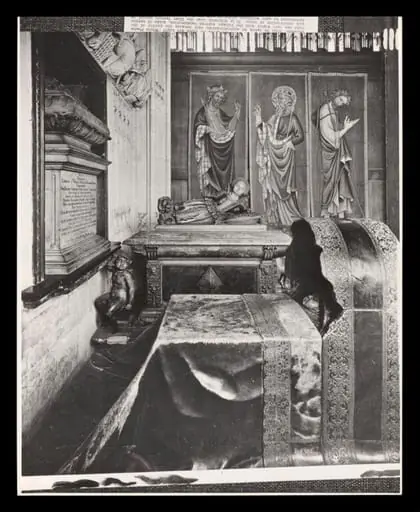 Church Interior with Sculptures
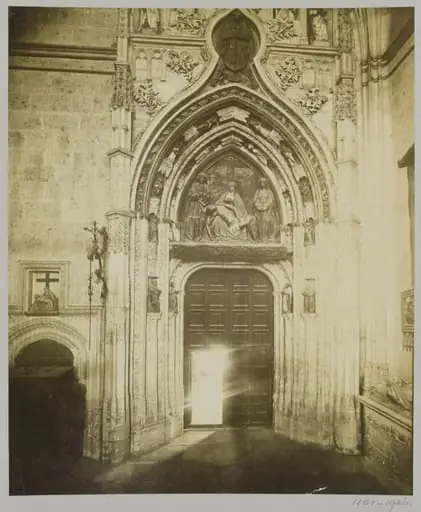 Doorway of Segovia Cathedral
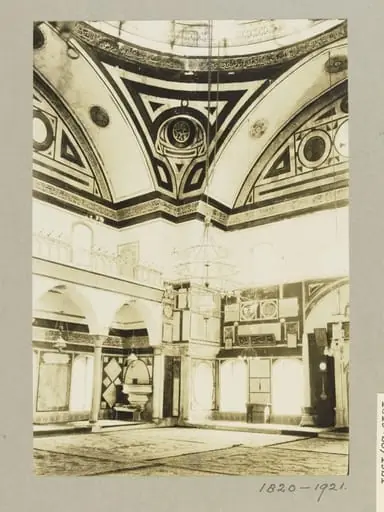 The Mosque of Jazzar Pasha, Acre
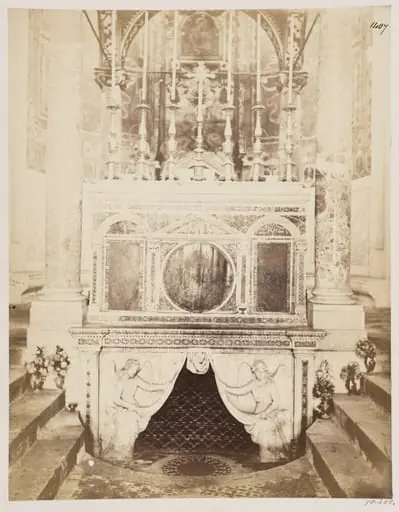 Church and Altar Decoration, S. Cesareo - Altar with Confessio under it, shewing Cosmati Mosaic-work and Sculpture
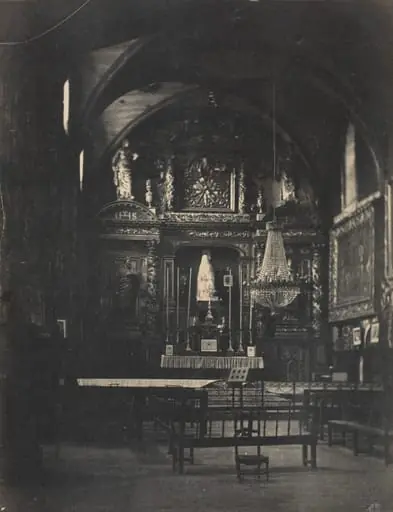 Church Interior
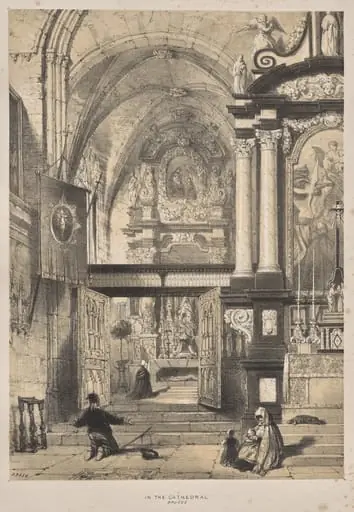 Architecture of the Middle Ages: In the Cathedral, Bruges
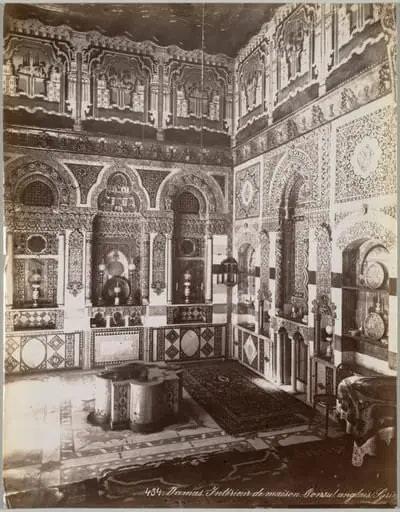 Damas. Intérieur de Maison. Consul Anglais (Syrie)
 L'Inconestase de la Cathedrale de l'Assomption
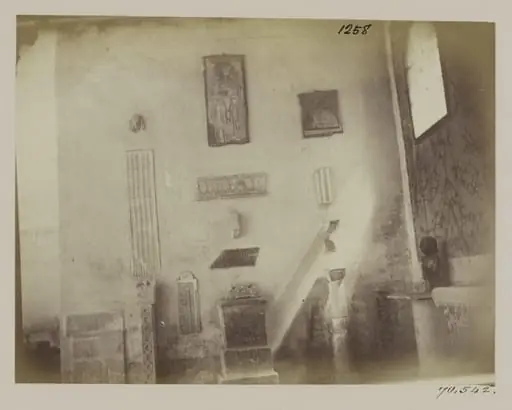 Church of S. Giorgio in Velabro - Fragments of marble sculpture, Tombs, &c., from the old Church, built into the wall.