Artwork
Portrait of Aernout van Citters (1661-1718), son of Aernout van Citters and Christina de Brauw
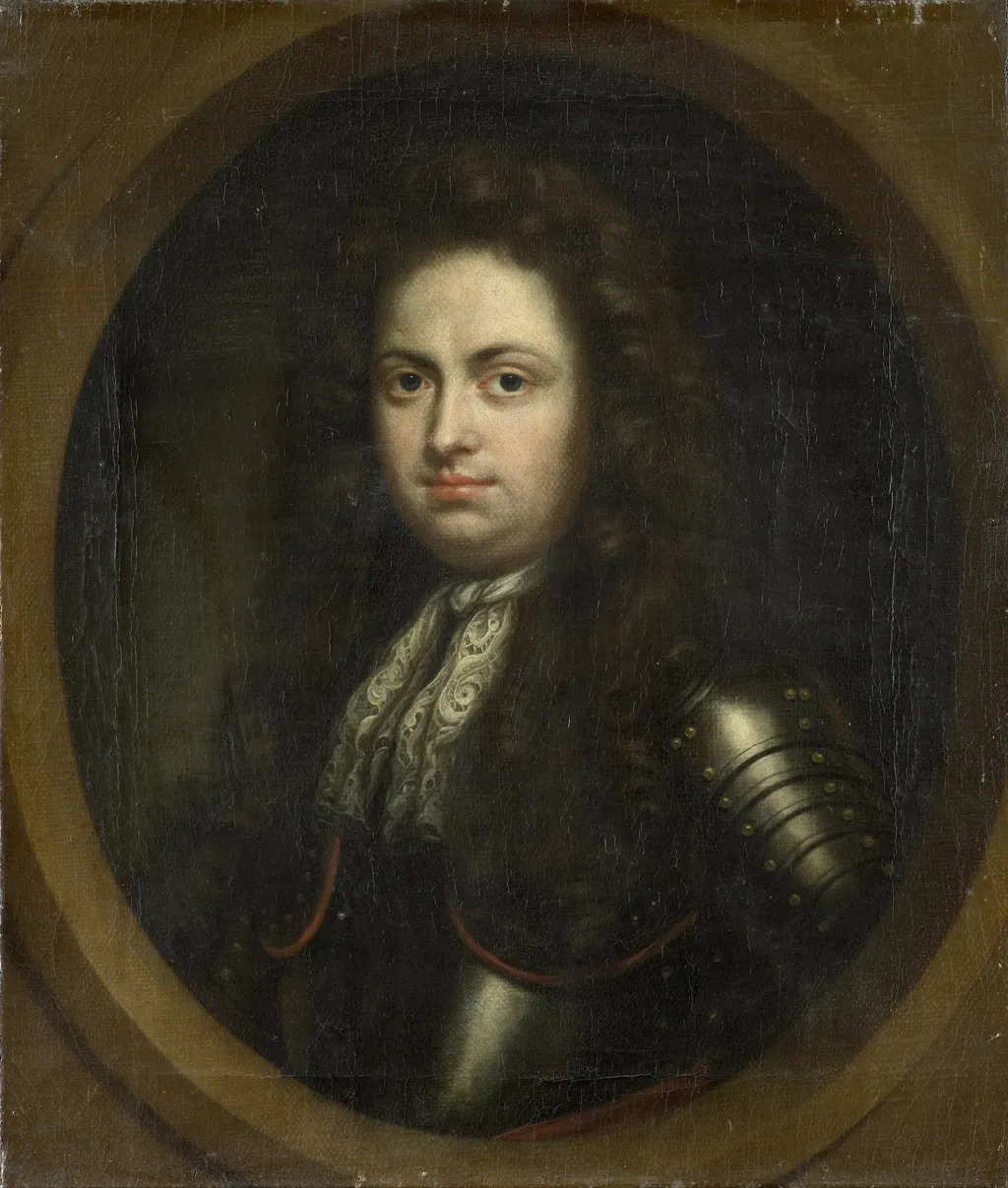
Portrait of Aernout van Citters (1661-1718), son of Aernout van Citters and Christina de Brauw is an oil painting by the Dutch Golden Age artist Simon Du Bois. It dates from 1700 and is held in the collection of the Rijksmuseum.
About this work
Technique & Style
As a formal portrait, the piece utilizes standard oil painting techniques of the late seventeenth century to depict its subject, Aernout van Citters.
Executed in 1699 by Simon Du Bois, this portrait is an oil painting on canvas. The work measures 37 cm in height and 31 cm in width. As a formal portrait, the piece utilizes standard oil painting techniques of the late seventeenth century to depict its subject, Aernout van Citters.
The application of oil paint on a woven canvas support was a prevalent method for portraiture of this era, allowing for the detailed rendering of facial features and attire characteristic of the genre.
History & Provenance
Simon Du Bois executed this oil-on-canvas portrait in 1699. The work depicts Aernout van Citters (1661–1718), the son of Aernout van Citters and Christina de Brauw. Historical records indicate that the painting was owned by Jacob de Witte van Citters. The piece is currently held in the collection of the Rijksmuseum.
The painting is held in the collection of the Rijksmuseum, where it is catalogued under the accession number SK-A-1234. It was previously owned by Jacob de Witte van Citters. The work has been exhibited in the Rijksmuseum's 'Dutch Masters' exhibition in 2005 and again in the 2012 exhibition 'Portraiture in the Dutch Golden Age.'
Overview
Portrait of Aernout van Citters is a 1700 oil painting by Simon Du Bois, depicting the young son of Aernout van Citters and Christina de Brauw. The work is characterized by its formal, dark-toned setting, accentuating the subject's detailed attire and serious demeanor.
Subject & Meaning
The subject, Aernout van Citters (1661-1718), is portrayed in youthful maturity, dressed in a black jacket with gold buttons and a white lace collar, conveying elegance and refinement. His serious expression suggests a emphasis on dignity and family lineage.
Context
Although created in 1700 during the tail end of the Dutch Golden Age, the painting reflects Du Bois's adaptation to English portraiture tastes, given his long tenure in England from 1685 until his death.
Legacy
The portrait stands as a representative example of Simon Du Bois's portraiture expertise, accessible to the public through the Rijksmuseum, though its broader influence or notable exhibitions are not highlighted in available information.
Own this work as a print
Artist & collection
Artist
Simon Du Bois or Dubois (baptized 26 July 1632, Antwerp – buried 26 May 1706, London) ), was a portrait painter, of Flemish or Dutch origin, active in England from 1685 until his death.

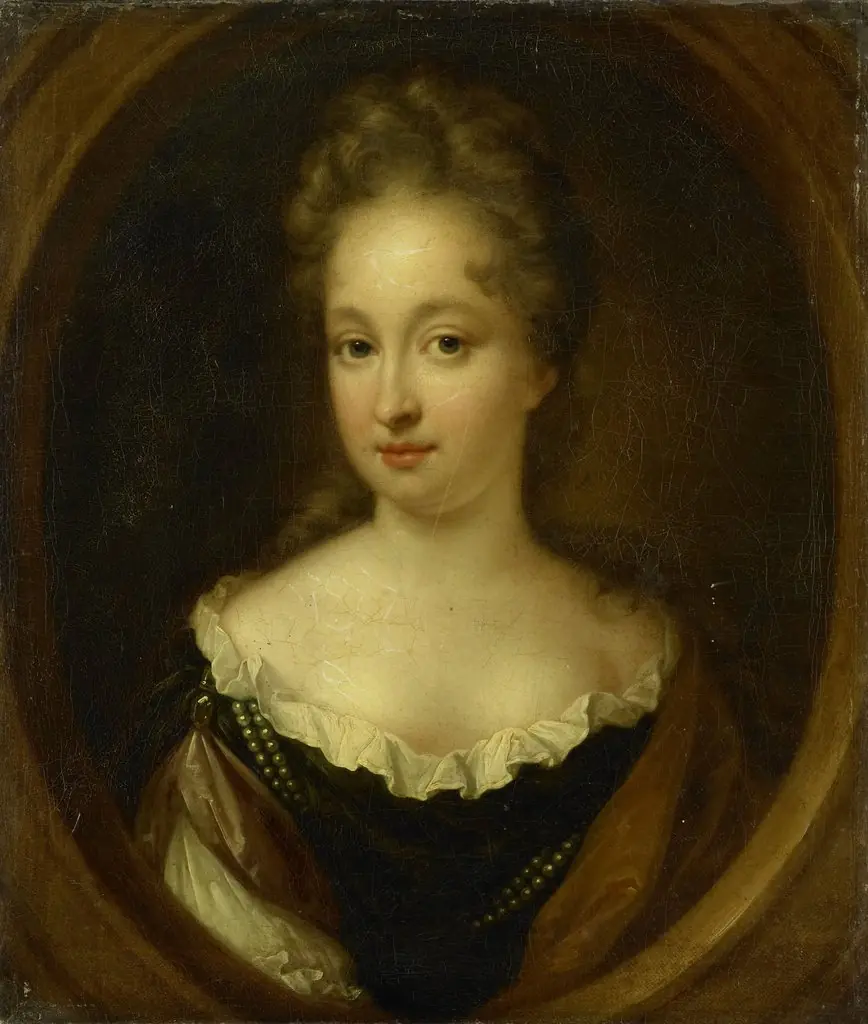 Portrait of Anna van Citters (1664-94), daughter of Aernout van Citters and Josina Parduyn
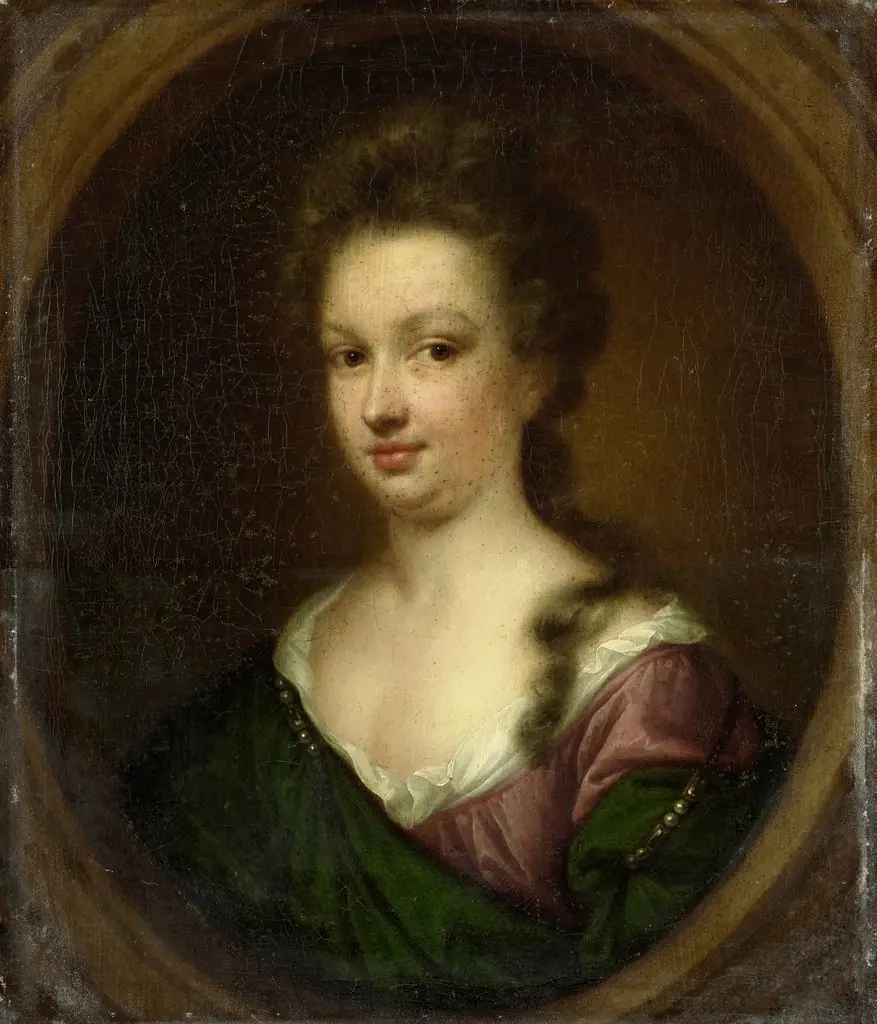 Portrait of Emerantia van Citters (1666-94), sister of Anna van Citters
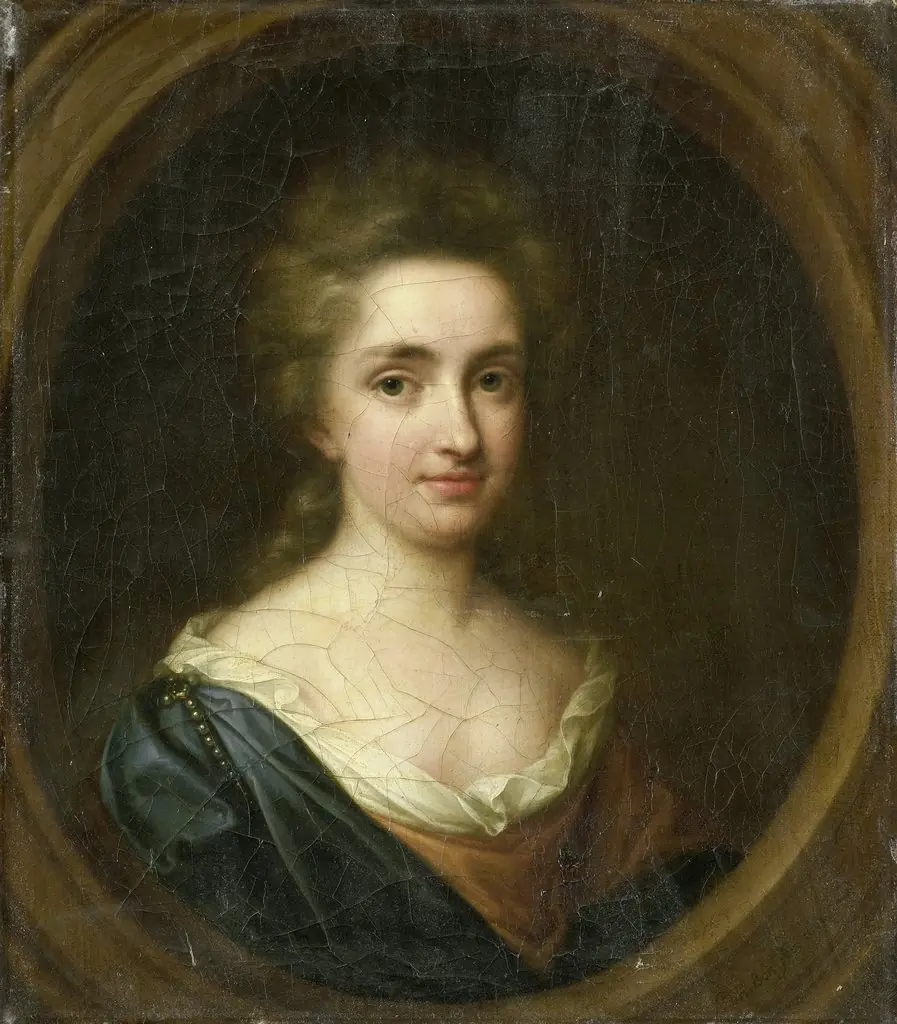 Portrait of Johanna van Citters (1672-1740), sister of Anna van Citters
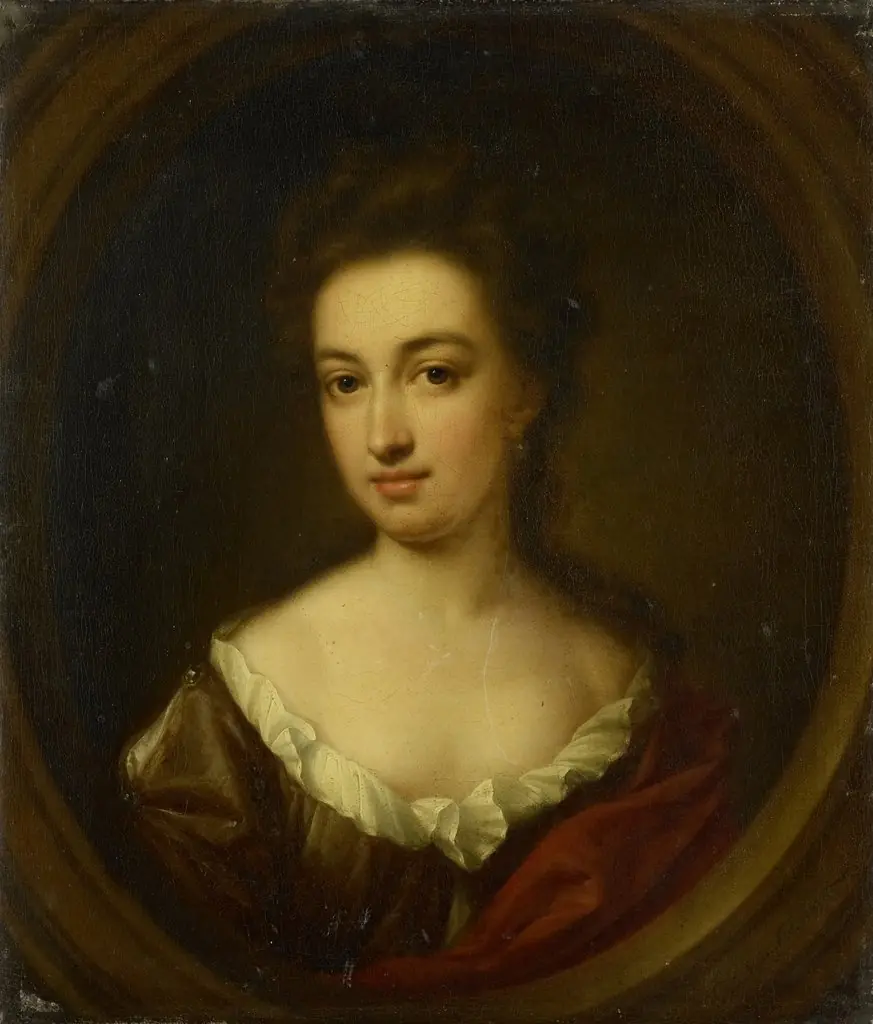 Portrait of Josina Clara van Citters (1671-1753), sister of Anna van Citters
- Aernout van Citters (1661-1718), Son of Aernout van Citters and Christina de Brauw
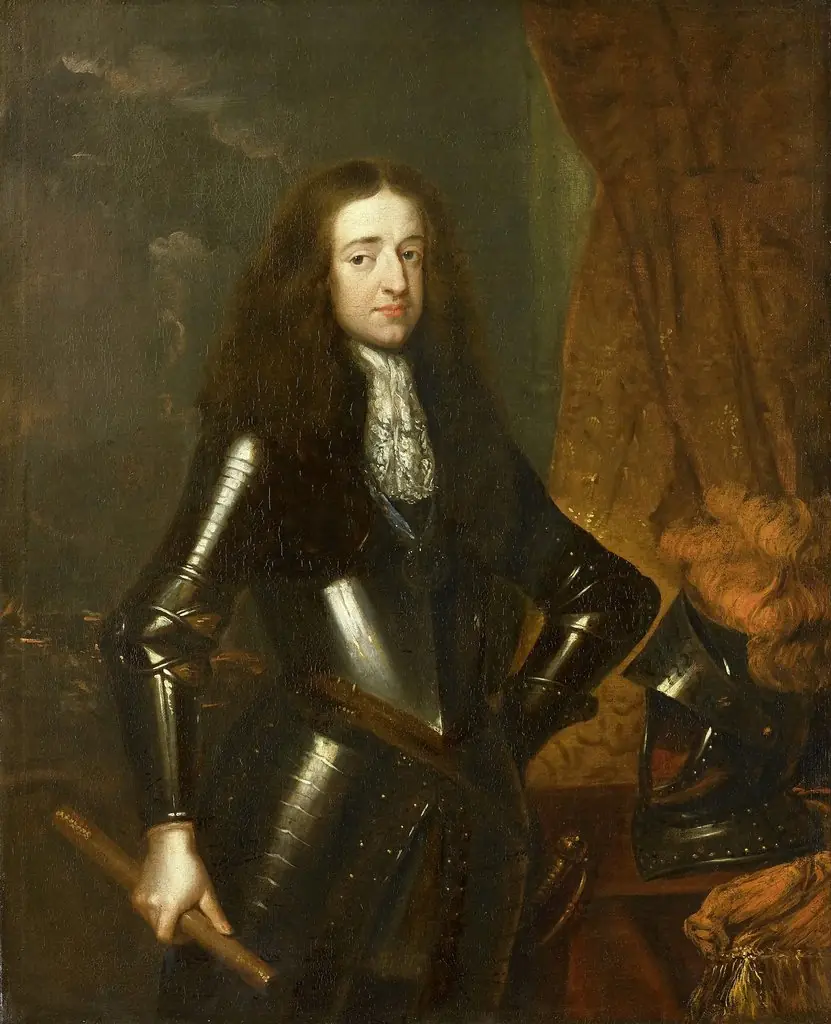 Portrait of Willem III (1650-1702), Prince of Orange and since 1689, King of England
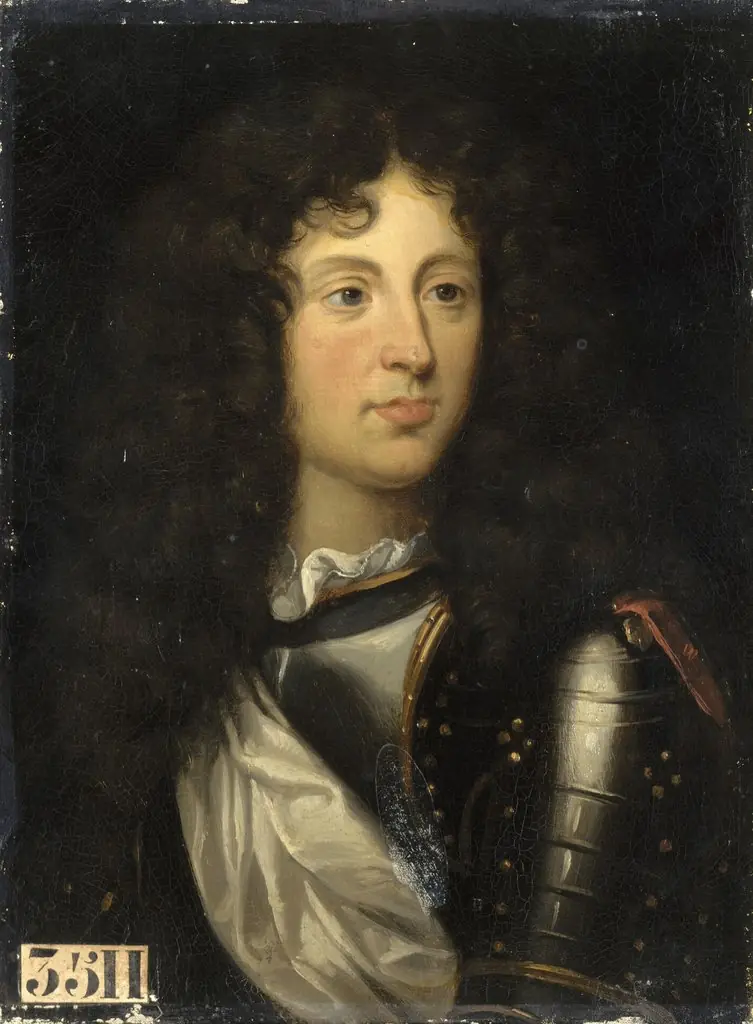 Louis de Lorraine, Count of Armagnac (1641-1718)
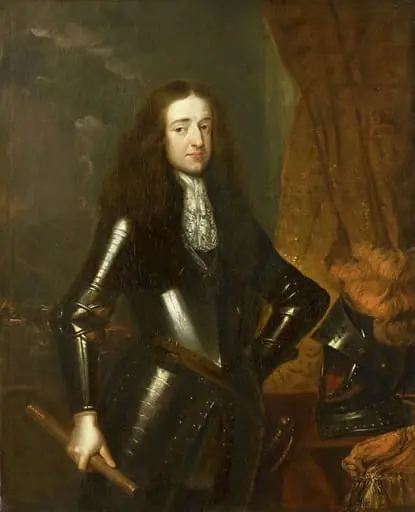 Portrait of Willem III (1650-1702), Prince of Orange and since 1689, King of England
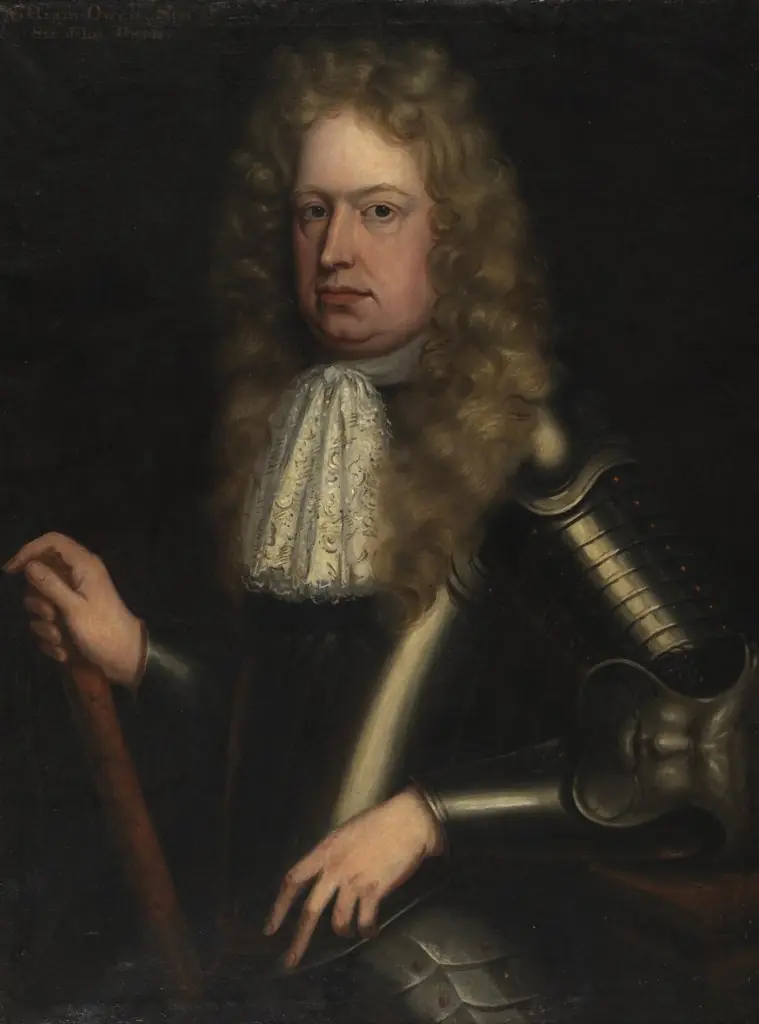 William Owen II of Porkington
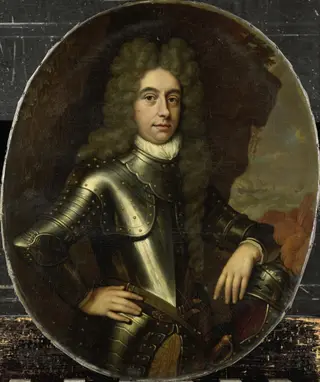 Portrait of Harmen Lijnslager, Secretary of the Admiralty of Amsterdam
 Bildnis eines jungen Fürsten
 William Owen I of Porkington
 Portrait of Carel Rabenhaupt, Lieutenant-General
 Portrait of an army officer
 Prins Carl af Hessen Homburgh