Artwork
The Hunting of the Calydonian Boar
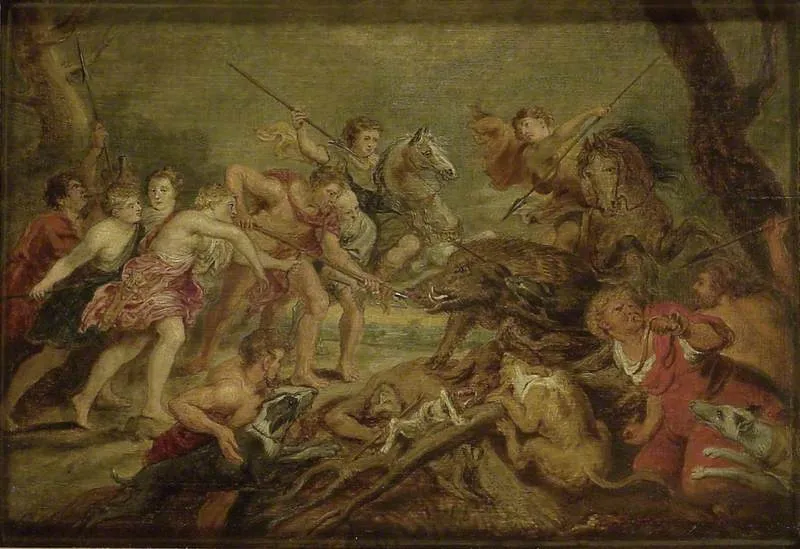
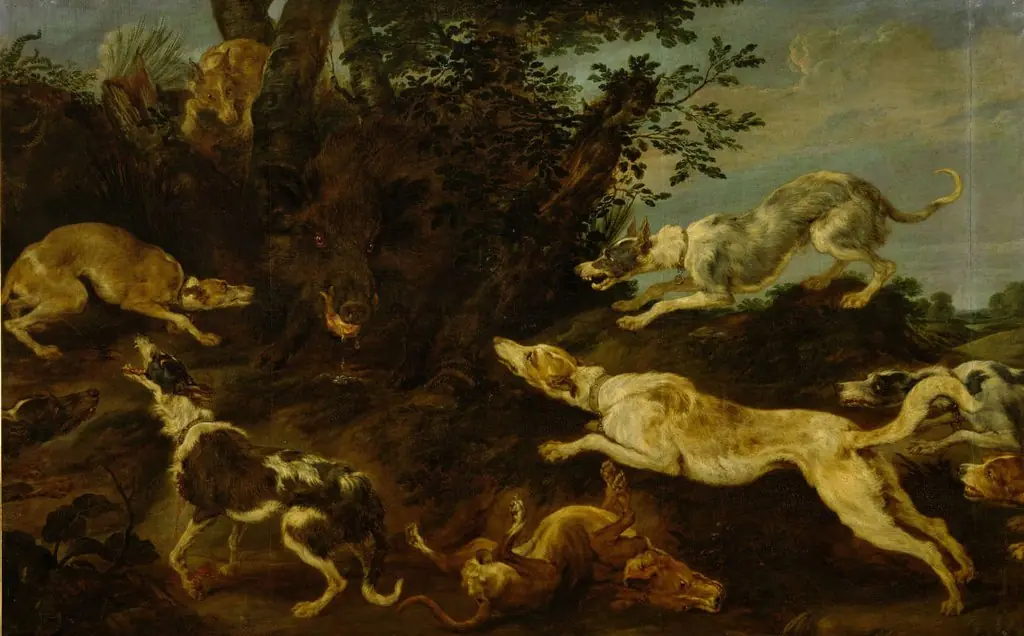
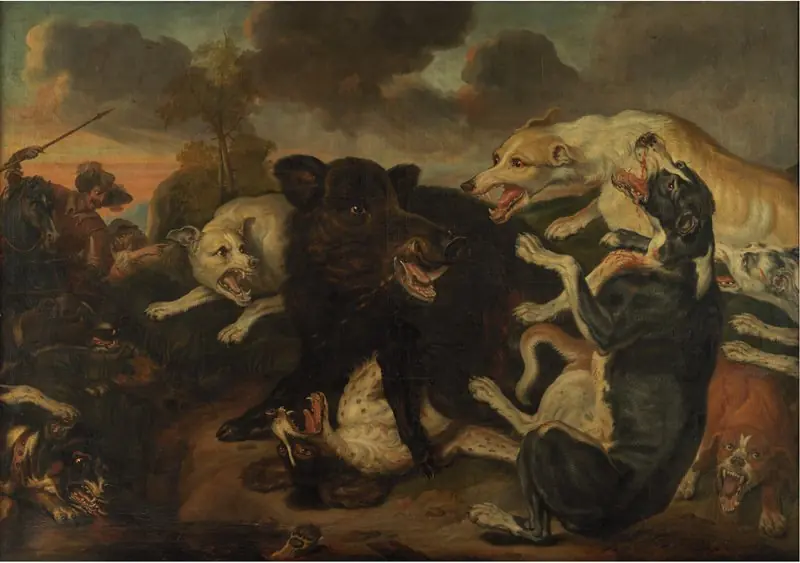
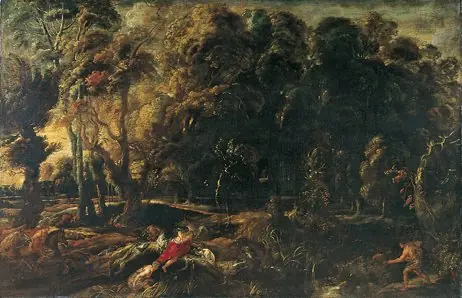
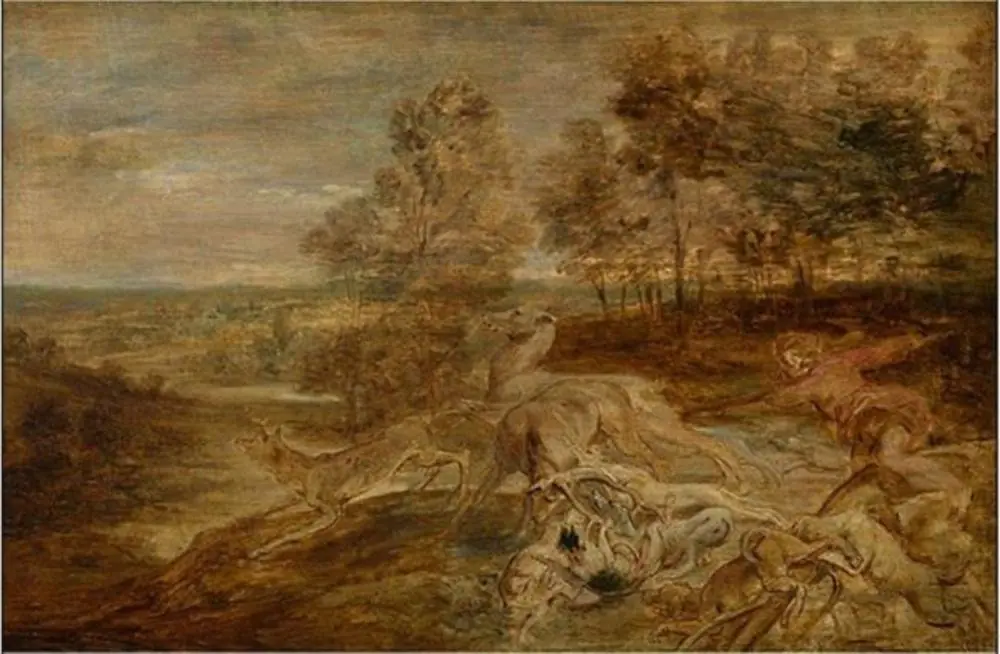
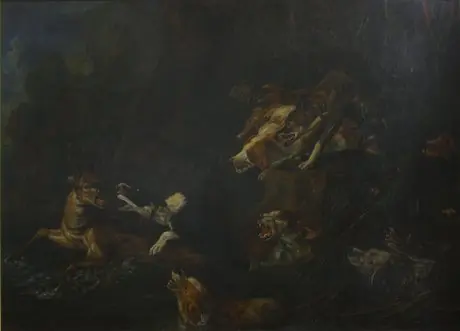
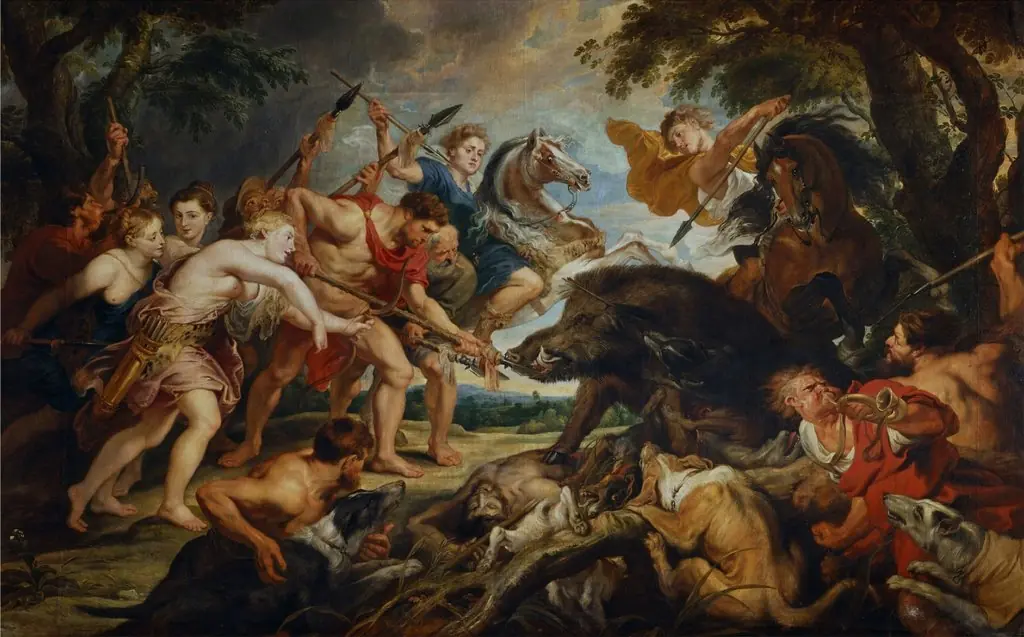
The Hunting of the Calydonian Boar is an oil painting by the Flemish Baroque painting artist Simon II de Pape. It dates from 1640 and is held in the collection of the Ashmolean Museum.
About this work
Subject & Meaning
The work symbolizes the tension between human ambition and nature's wrath, reflecting Baroque fascination with dynamic action and chiaroscuro drama.
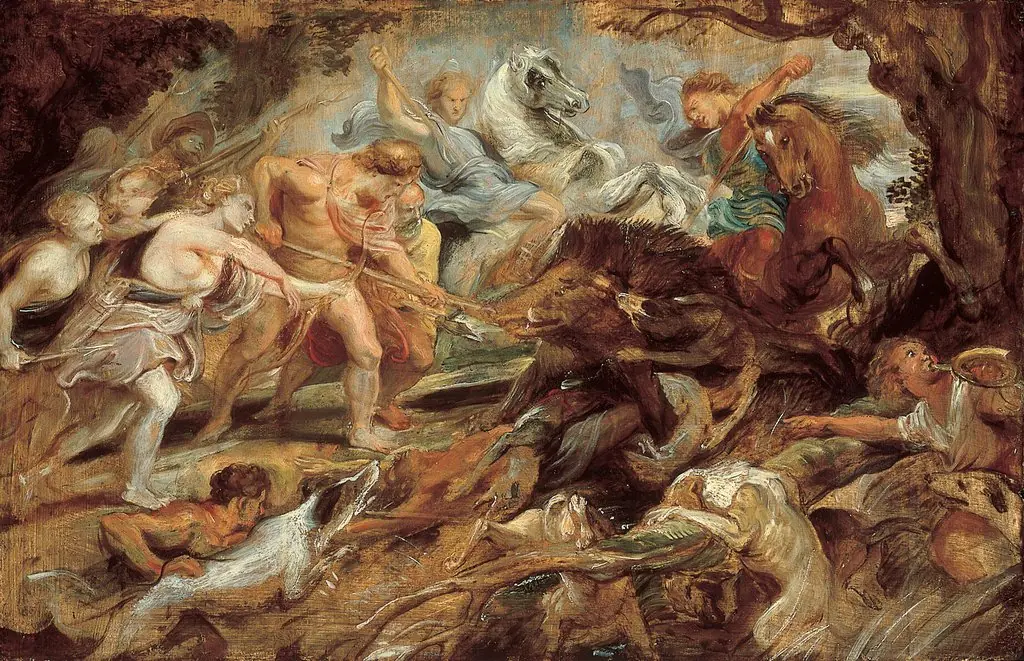
The painting portrays the mythological scene of Meleager pursuing the Calydonian Boar, a moment drawn from classical legend that emphasizes heroic valor and the peril of the hunt. Central to the iconography is the figure of Meleager, depicted with a spear, alongside the monstrous boar and supporting characters such as Atalanta, highlighting themes of collective heroism and divine retribution. The work symbolizes the tension between human ambition and nature's wrath, reflecting Baroque fascination with dynamic action and chiaroscuro drama.
The composition underscores the narrative of the Calydonian hunt as recounted in Ovidian sources, where the boar's devastation prompts the assembled heroes' intervention. This subject matter aligns with mythological painting conventions of the 17th century, celebrating legendary exploits through vivid, narrative-driven visual storytelling.
Technique & Style
The Hunting of the Calydonian Boar is executed in oil paint on a wooden panel, a support consistent with mid-17th-century Flemish practice. The work measures 38 cm in height by 54 cm in width, giving it a modest horizontal format suited to its densely populated mythological subject. The painting is classified as a mythological work and is held by the Ashmolean Museum under accession number WA1855.175, having been presented by Chambers Hall in 1855.
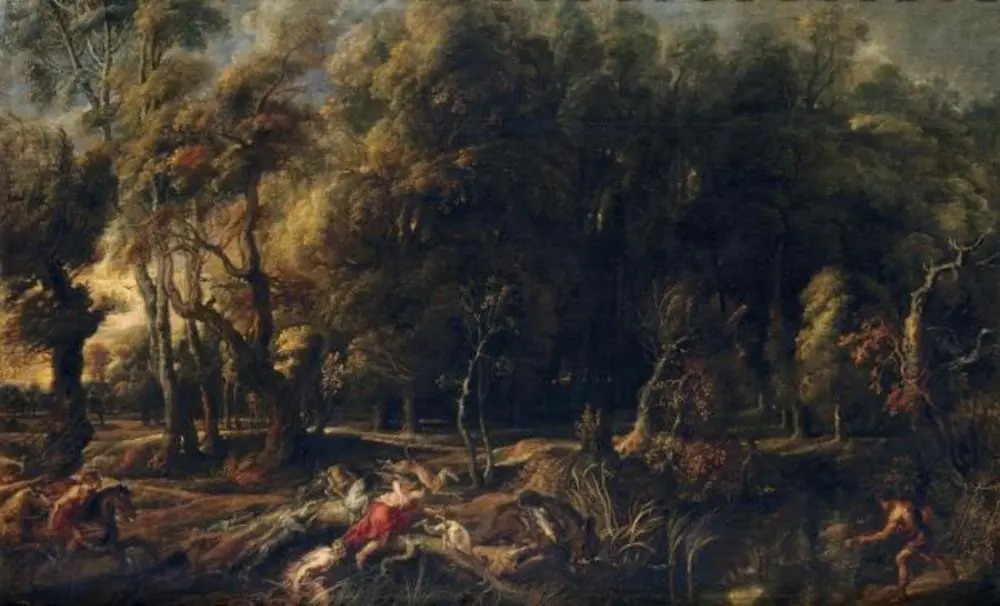
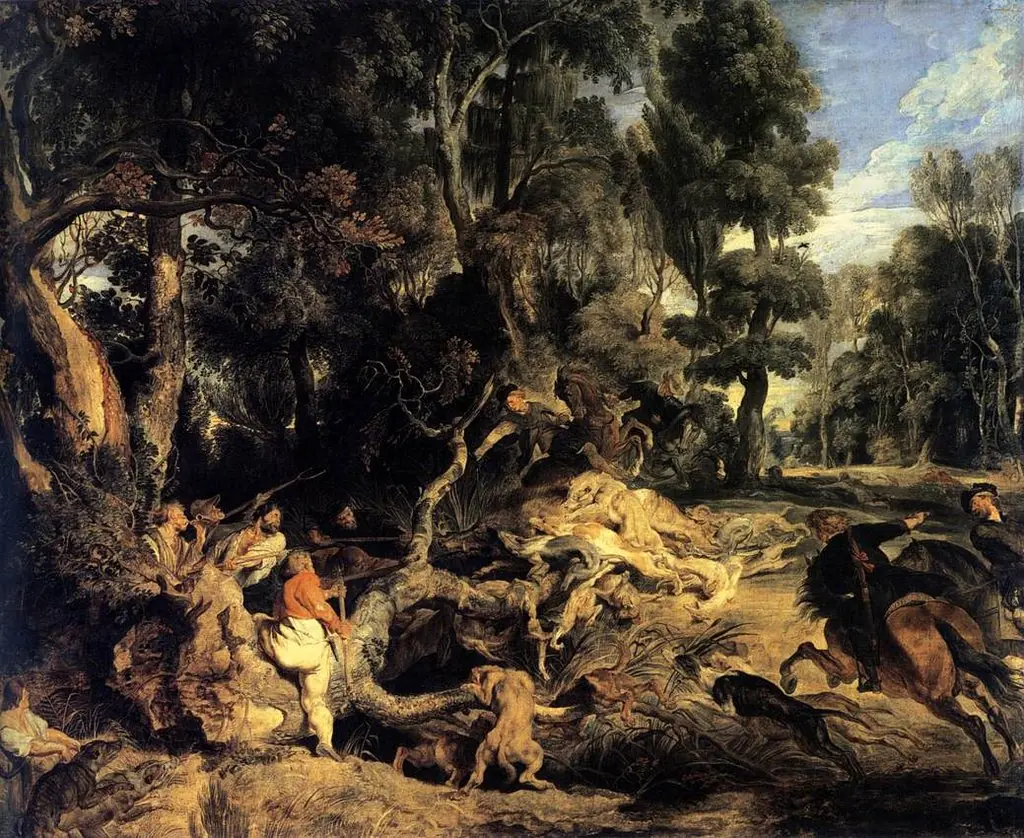
Stylistically, the composition is based on Peter Paul Rubens's treatment of the hunt of Meleager and Atalante, with Simon II de Pape credited alongside Rubens as a creator. The scene depicts the figures of Meleager and other huntsmen engaged with the Calydonian Boar, with spears carried as attributes of the action.
History & Provenance
The Hunting of the Calydonian Boar was created in 1640 by Simon II de Pape in oil on panel, measuring 38 cm in height and 54 cm in width.
The work entered the Ashmolean Museum in 1855 as a gift from Chambers Hall, where it remains held under accession number WA1855.175.
The painting is held in the collection of the Ashmolean Museum. It entered the institution in 1855 as a presentation from Chambers Hall and is registered under the accession number WA1855.175. The work, executed in oil on panel, measures 38 cm in height by 54 cm in width.
While the artwork is documented within major art databases and its image is available for licensed reuse, the provided records do not list specific past exhibitions or a detailed loan history for this piece.
Context
The work is classified as a mythological painting from 1640, depicting the Calydonian Boar hunt with figures including Meleager and a spear-bearing man, reflecting Rubens' influence through its source text The hunt of Meleagros and Atalante. It is an oil paint on panel measuring 38 x 54 cm, housed in the Ashmolean Museum's Chambers Hall collection and acquired in 1855. The painting has been part of scholarly discussion regarding Rubens' workshop collaborations and the transmission of mythological subjects in 17th-century European art.
Critical reception is tied to its attribution history and display context, with academic interest centering on its stylistic analysis and role in understanding Rubens' workshop practices. The work remains accessible through institutional collections and licensed reproductions, such as those managed by Art UK under specified reuse terms.
Overview
Simon II de Pape’s oil on canvas from 1640 portrays the legendary hunt of the Calydonian Boar. The composition is dominated by a massive, bristling boar at the center of a tangled forest scene, surrounded by a group of partially clothed hunters in various stages of pursuit. The work is part of the Ashmolean Museum’s collection and exemplifies the dramatic narrative style of early‑Baroque mythological painting.
Artist & collection
Artist
Simon de Pape painted grand, muscular scenes from ancient myths. In "The Hunting of the Calydonian Boar," he shows hunters and hounds locked in struggle with a monstrous boar, all in stiff, dramatic poses. His style…