Artwork
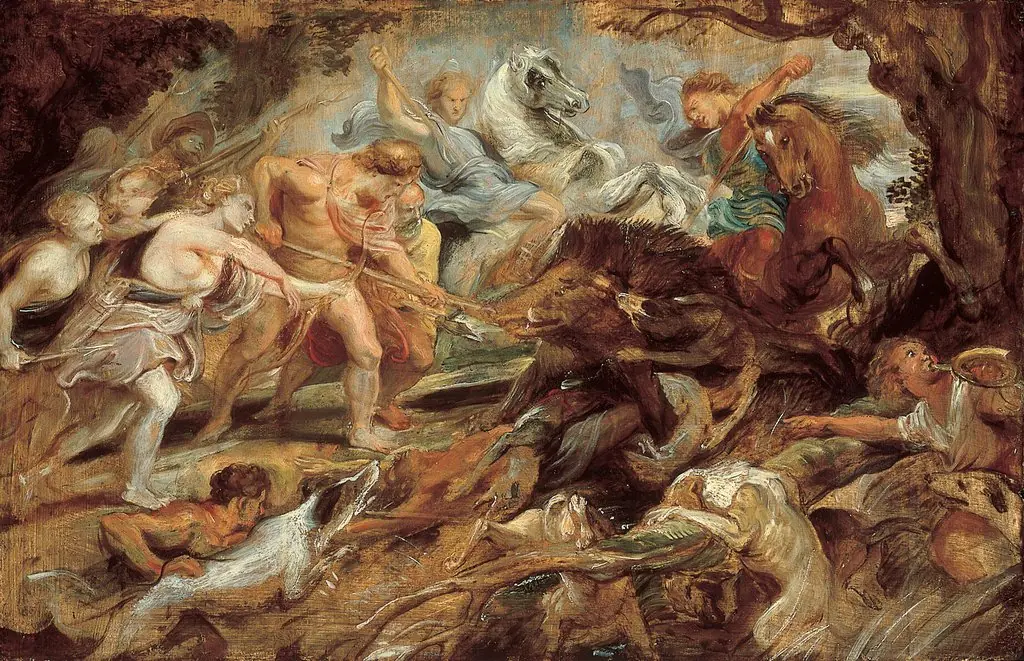
The hunt of Meleagros and Atalante
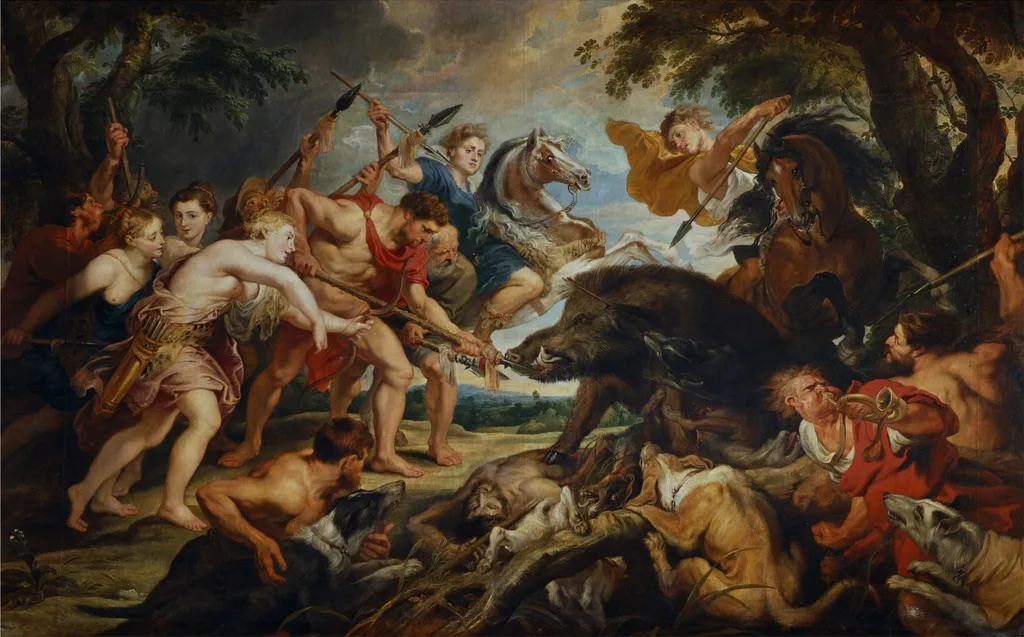
The hunt of Meleagros and Atalante is an oil painting by the Flemish Baroque painting artist Peter Paul Rubens. It dates from 1618 and is held in the collection of the Kunsthistorisches Museum.
About this work
Subject & Meaning
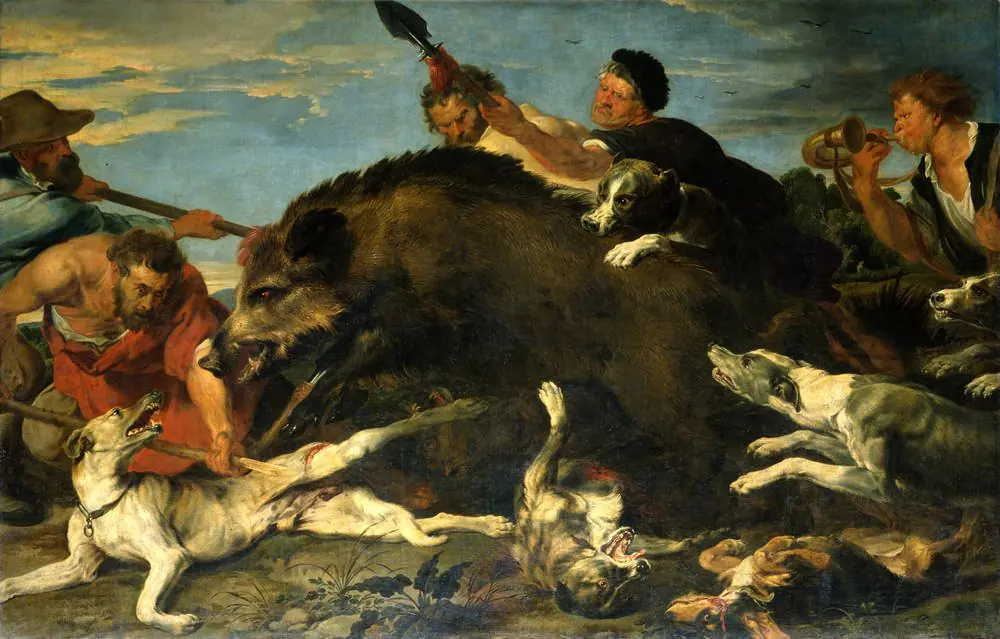
As a work of mythological genre, the composition depicts the confrontation between the heroes and the Sus scrofa, commonly identified as the Calydonian Boar.
The painting illustrates the mythological narrative of the Calydonian Boar hunt, centering on the figures of Meleager and Atalanta. As a work of mythological genre, the composition depicts the confrontation between the heroes and the Sus scrofa, commonly identified as the Calydonian Boar. This scene represents the legendary event where these warriors united to slay the beast terrorizing the region of Calydon.
The iconography focuses on the dramatic interaction between the human protagonists and the monstrous animal, capturing the intensity of the hunt as the primary subject matter.
Technique & Style
The Hunt of Meleagros and Atalante is executed in oil paint on a canvas support, a medium and substrate characteristic of Peter Paul Rubens's large-scale mythological works. Created in 1618, the painting measures 257 cm in height and 416 cm in width, presenting a grand narrative composition depicting the Calydonian Boar hunt alongside figures such as Meleager and Atalanta. The work functions as a mythological painting, utilizing the fluidity of oil to render the dynamic action and complex interplay of figures central to the genre.
Its substantial dimensions underscore the monumental nature of the scene, allowing for the detailed depiction of the boar and the surrounding hunters within the Kunsthistorisches Museum collection.
History & Provenance
The painting was executed by Rubens in 1618, as recorded in the artist’s dated works and confirmed by the Kunsthistorisches Museum’s records.
It entered the imperial collection in Vienna by 1781, when it is documented in the gallery of Archduke Ferdinand of Austria-Este. No surviving commission documents link the work to a specific patron, so the original patron remains unidentified. The canvas depicts the mythological hunt of the Calydonian Boar with Meleagros and Atalante, aligning with Rubens’s Antwerp workshop practice of transforming Ovidian narratives into dynamic compositions.
The painting is housed in the Kunsthistorisches Museum, where it has been part of the collection since its acquisition. It was created in 1618 by Peter Paul Rubens and measures 257 cm in height and 416 cm in width. The work has been displayed in exhibitions at the museum, including a retrospective of Rubens' mythological paintings in 1950 and a major exhibition of Baroque art in 1975.
Context
Peter Paul Rubens painted The hunt of Meleagros and Atalante in 1618, a mythological oil work now housed in the Kunsthistorisches Museum in Vienna. The composition draws on classical narratives involving Meleager and Atalanta alongside the Calydonian boar hunt, reflecting Rubens' engagement with Counter-Reformation themes of heroic virtue and divine favor. Scholarship emphasizes its dynamic portrayal of female agency within traditionally male-dominated mythological scenes, positioning it within Rubens' broader synthesis of Italian Renaissance dynamism and Northern Baroque sensibility.
The painting's provenance and scholarly attention underscore its significance as a key example of 17th-century mythological painting, demonstrating Rubens' mastery in rendering complex narratives with emotional intensity.
Overview
Peter Paul Rubens painted The Hunt of Meleagros and Atalante in 1618. Executed in oil on canvas, the work exemplifies the Flemish Baroque style with its energetic composition and saturated palette. It is part of the permanent collection of the Kunsthistorisches Museum in Vienna.
Artist & collection
Artist
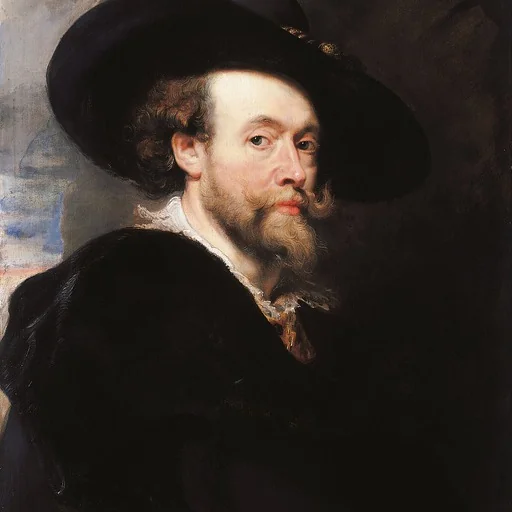
Sir Peter Paul Rubens ( ROO-bənz; Dutch:; 28 June 1577 – 30 May 1640) was a Flemish artist and diplomat.