Artwork
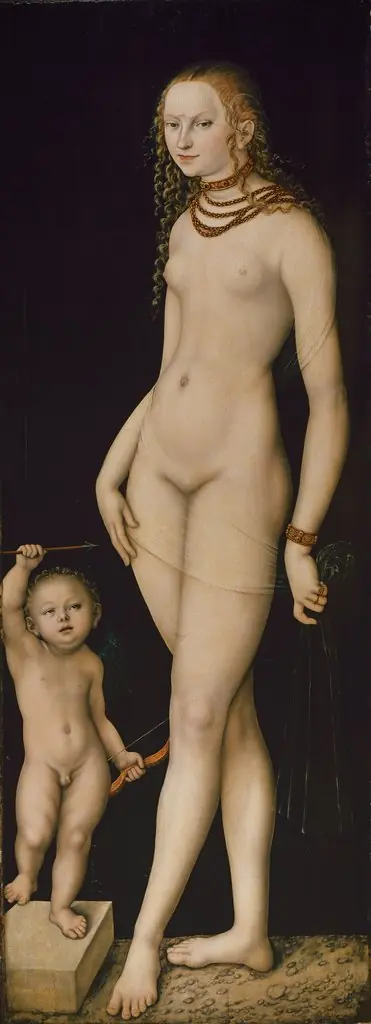
Venus and Cupid
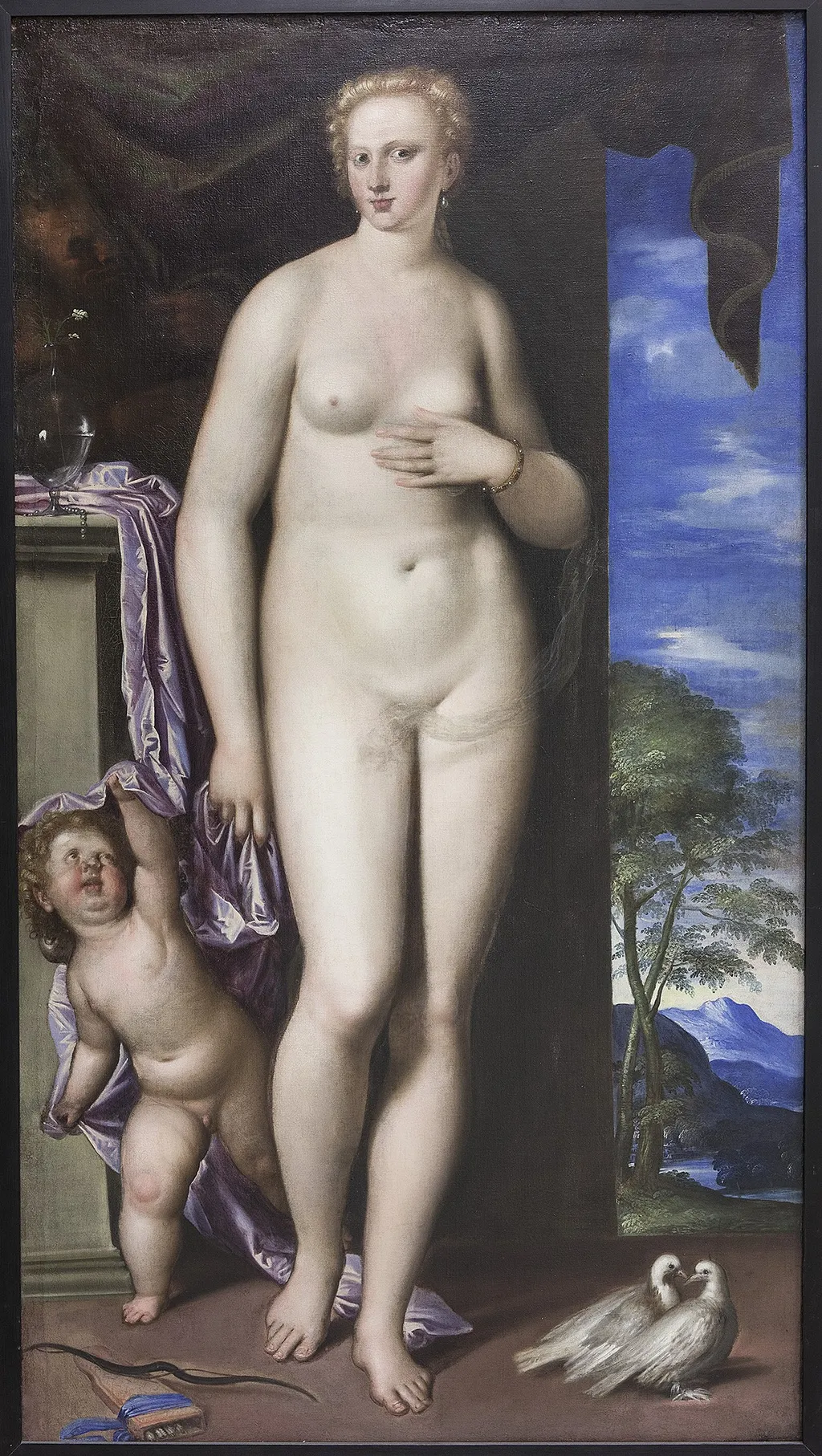
Venus and Cupid is an oil painting by the Mannerist artist Simone Peterzano. It dates from 1554 and is held in the collection of the Statens Museum for Kunst.
About this work
Subject & Meaning
The work is attributed to both Parrasio Micheli and Simone Peterzano, and is held in the collection of the Statens Museum for Kunst.
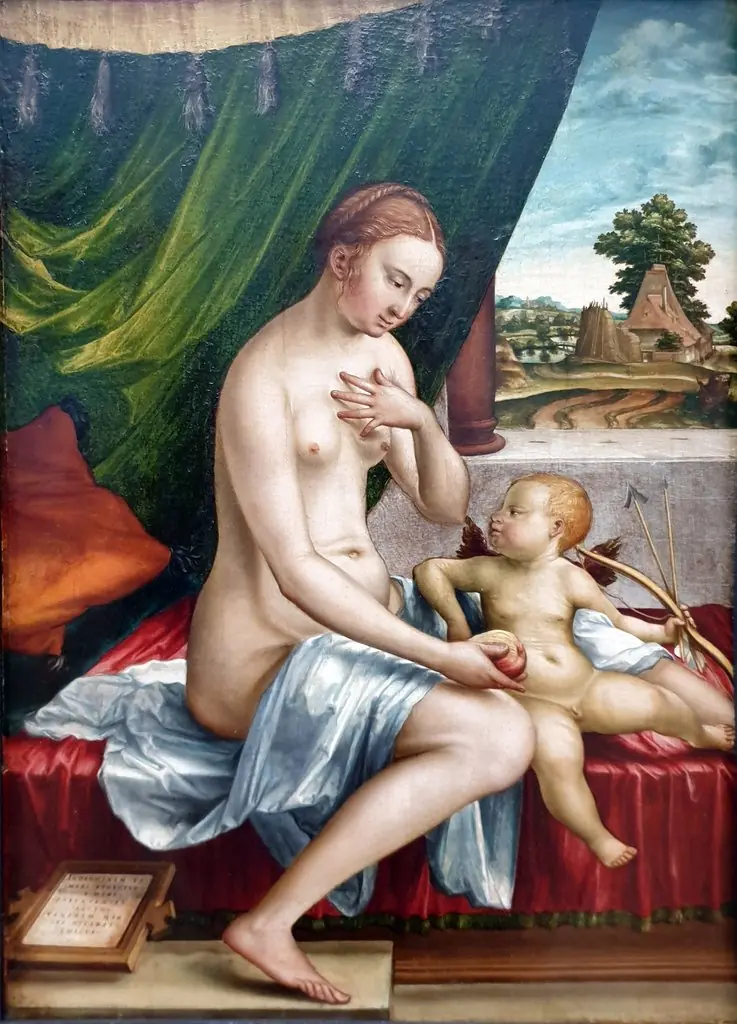
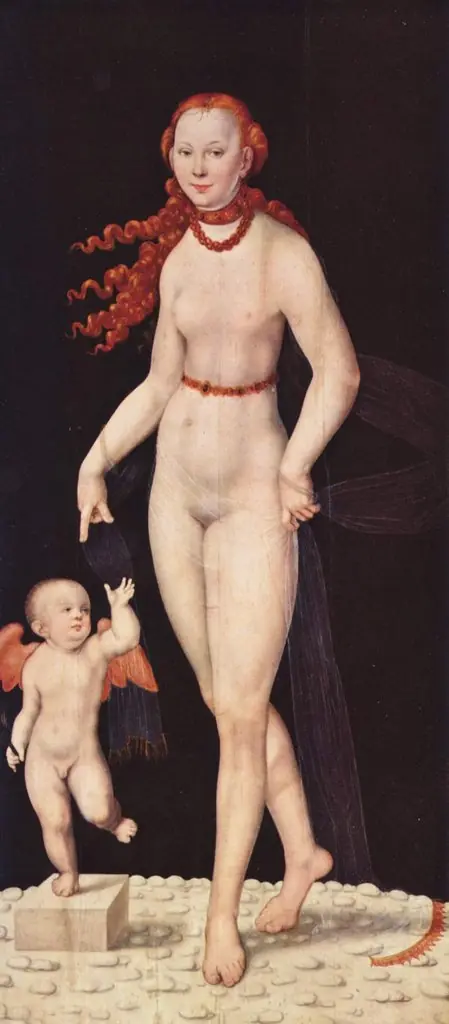
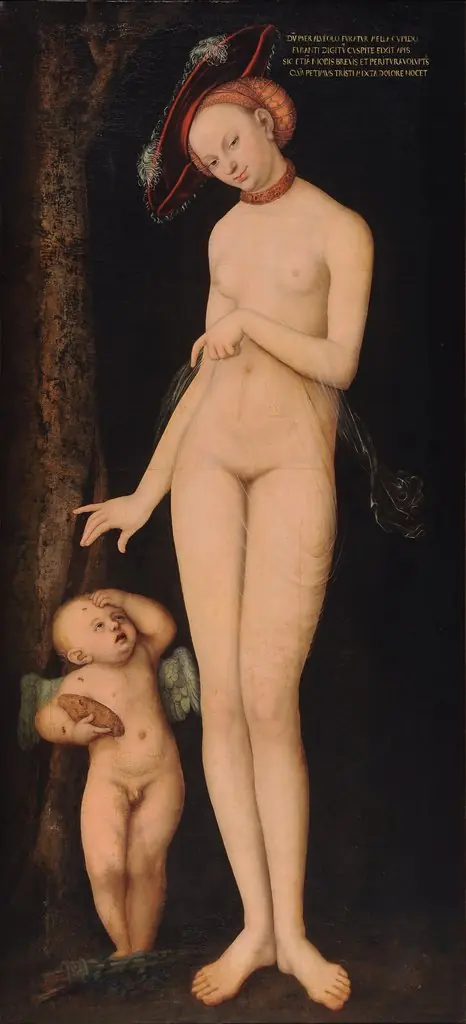
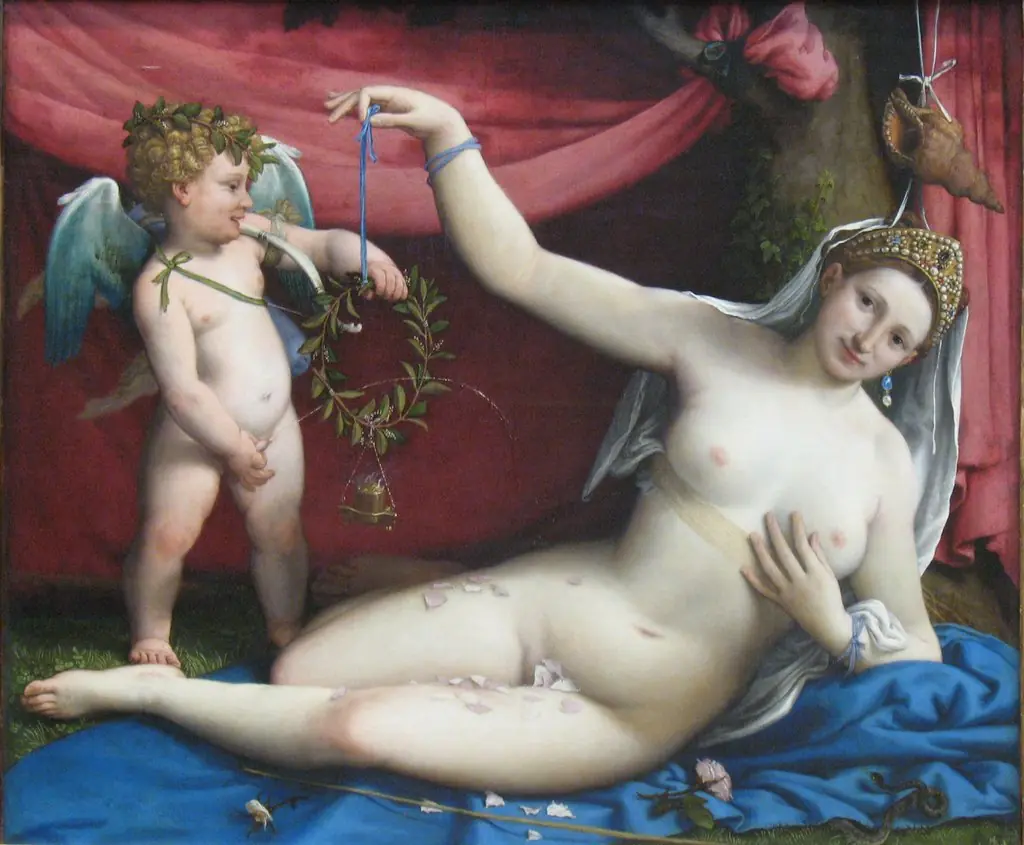
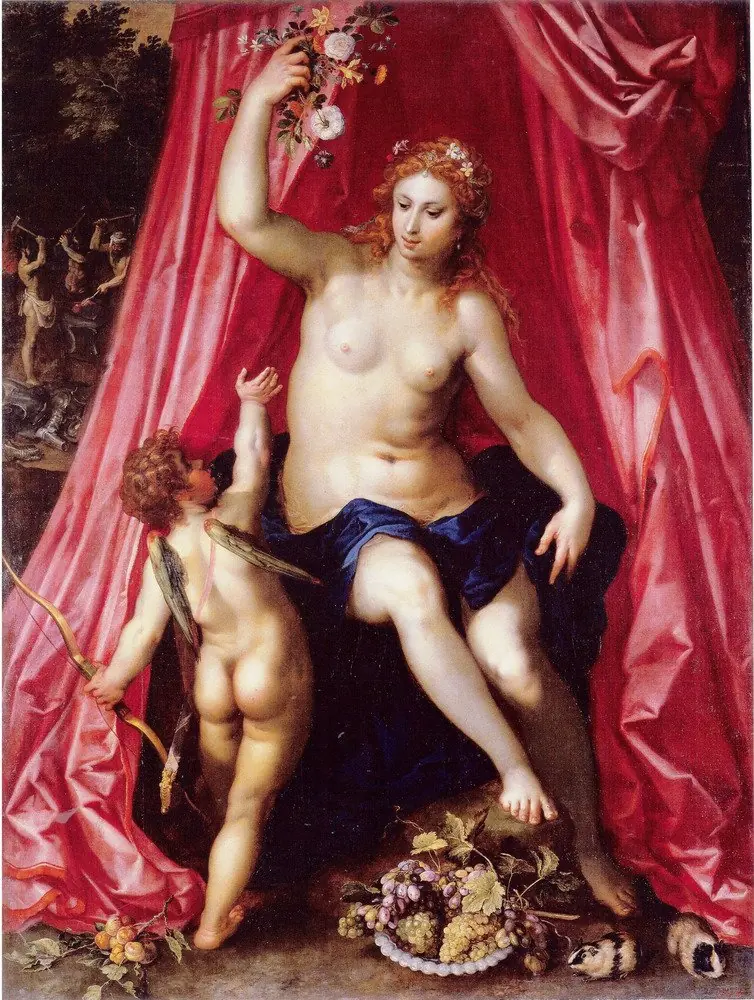
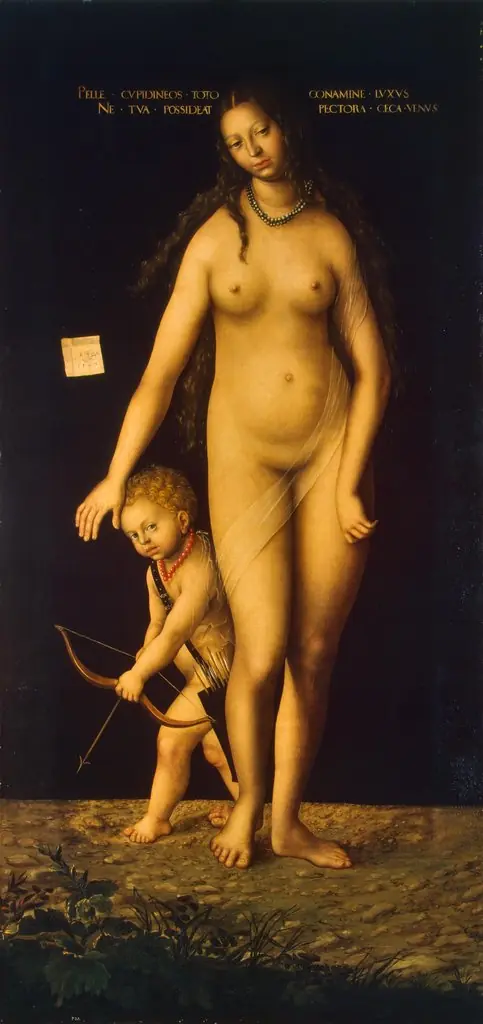
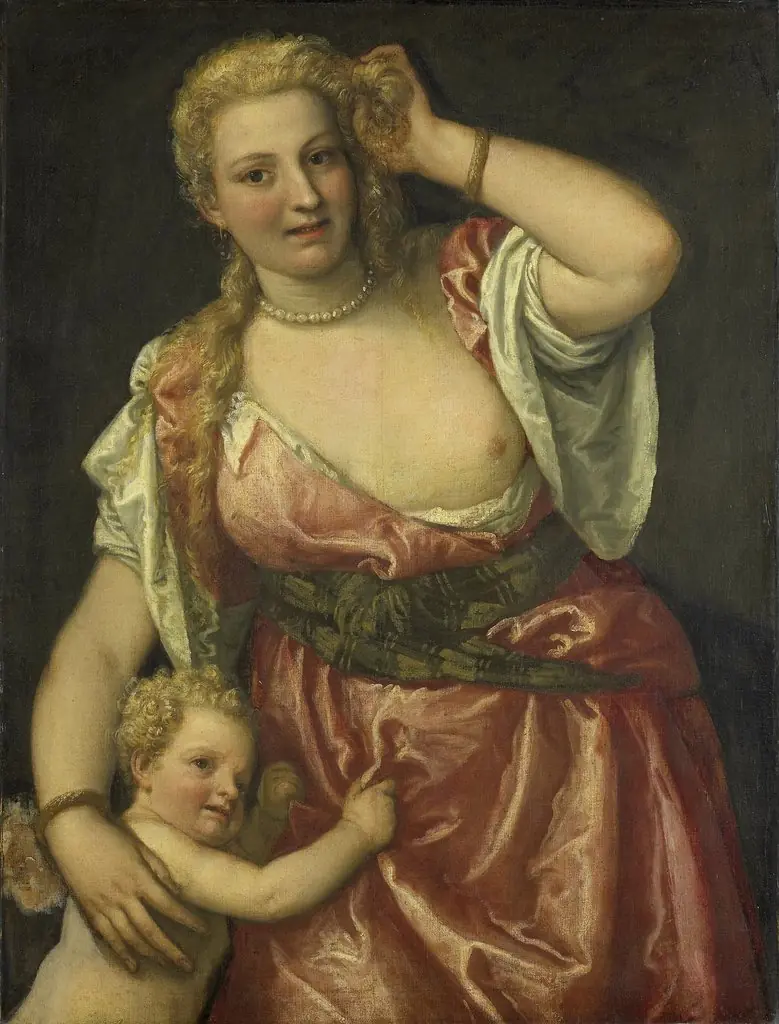
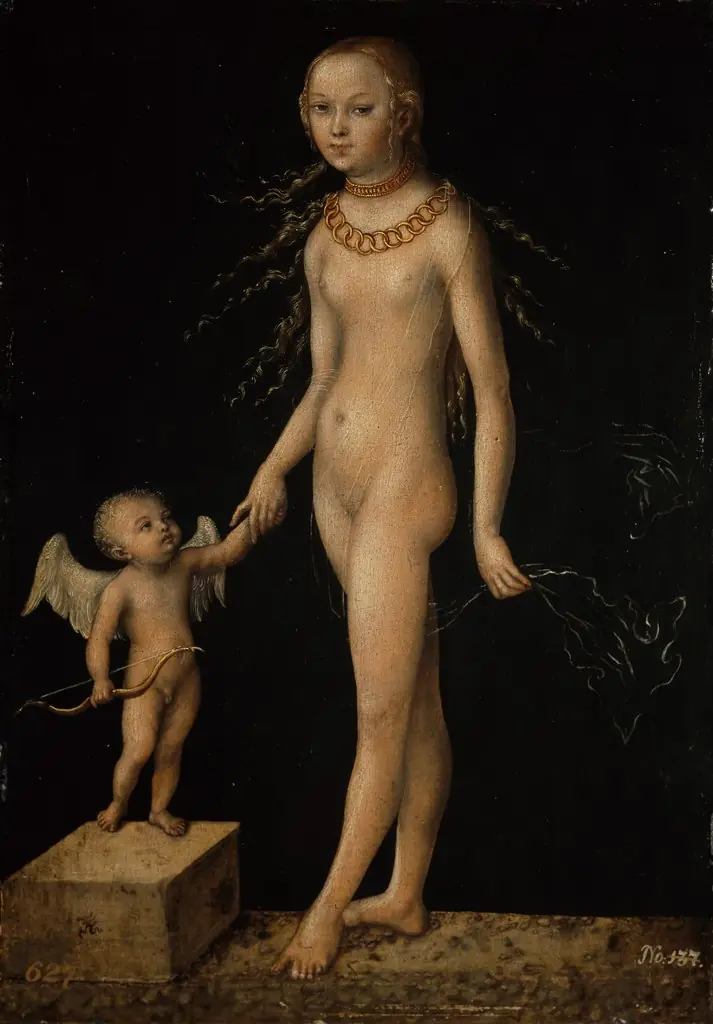
The painting depicts the mythological goddess Venus alongside her son Cupid, with a pigeon also included in the scene. As a mythological subject, the work draws on classical iconography in which Venus represents love, beauty, and fertility, while Cupid personifies desire and the arrows of romantic attraction. The presence of the pigeon reinforces this symbolic program, as the bird is traditionally associated with Venus in classical and Renaissance art, signifying love, fidelity, and the goddess's domain over the natural world.
Together, the figures and the dove embody an allegory of love and its attendant forces, presenting the divine pair as both mythological figures and emblems of the power of attraction.
The work is attributed to both Parrasio Micheli and Simone Peterzano, and is held in the collection of the Statens Museum for Kunst.
History & Provenance
The painting is held by the Statens Museum for Kunst in Copenhagen, where it is inventoried as KMSsp 187.
It was included in the exhibition “Mythos und Malerei: Italienische Gemälde aus Kopenhagen” held at the Wallraf-Richartz-Museum in Cologne from 24 June to 17 September 2000.
Overview
Created in 1554, this oil painting by Simone Peterzano presents a domestic scene that brings together the mythological figures Venus and her son Cupid. The composition centers on a nude woman standing beside a small child, both engaged in a gentle interaction that conveys a sense of quiet intimacy within a dimly lit interior.
Technique & Style
Executed in oil on canvas, the painting reflects Mannerist sensibilities through elongated forms and a sophisticated handling of color. Warm, golden tones illuminate the figures’ skin against a darkened background, while cooler hues define the surrounding space. The contrast heightens the three‑dimensionality of the figures and emphasizes the subtle interaction between them.
Context
The piece belongs to the Mannerist movement, which followed the High Renaissance and favored artificial elegance over naturalistic representation. Peterzano’s approach combines classical subject matter with a stylized composition, reflecting the period’s interest in intellectualized mythological scenes and the exploration of complex emotional states within a refined visual language.
Artist & collection
Artist
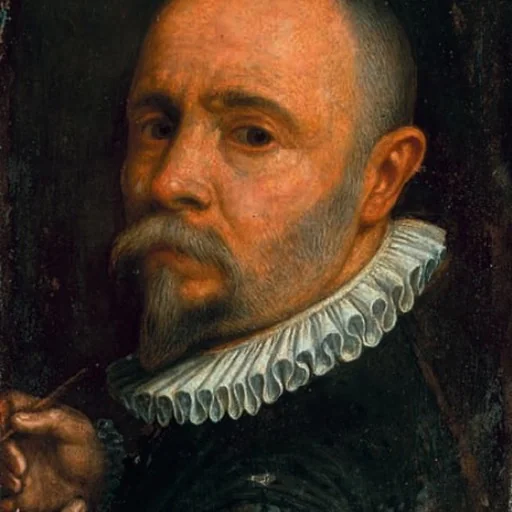
Simone Peterzano (c. 1535 – c. 1599) was an Italian Mannerist painter. Born in Bergamo, he stressed his links to Venice where he probably trained. He is mostly known as the teacher of Caravaggio.