Artwork
Venus and Cupid
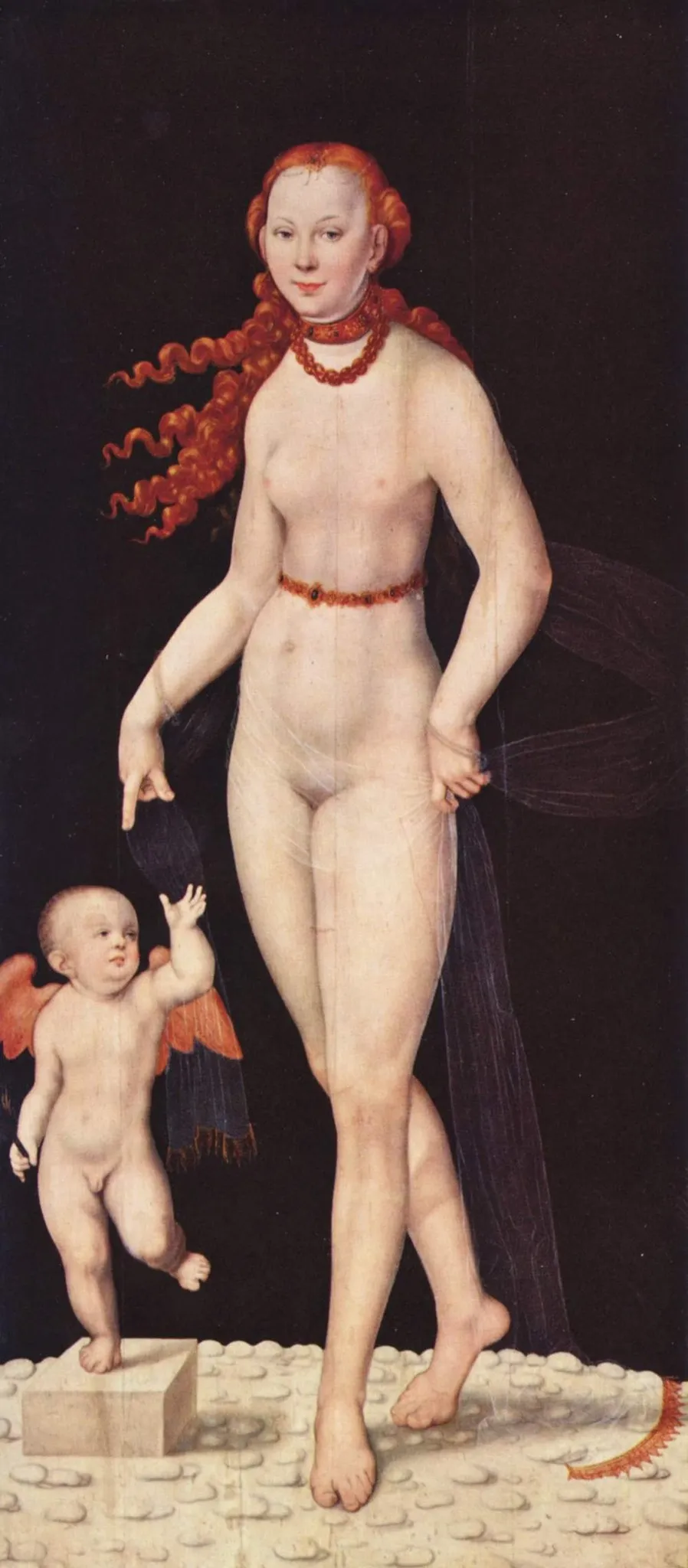
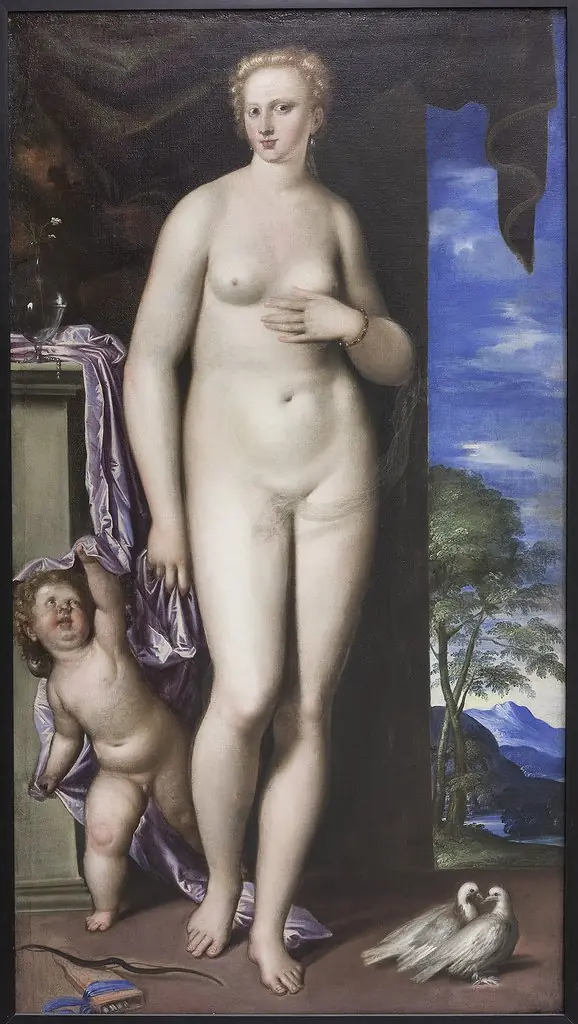
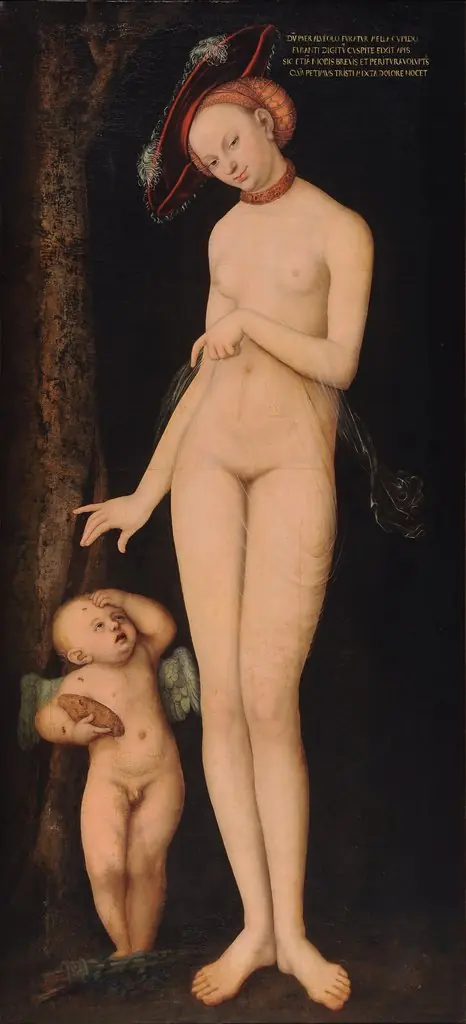
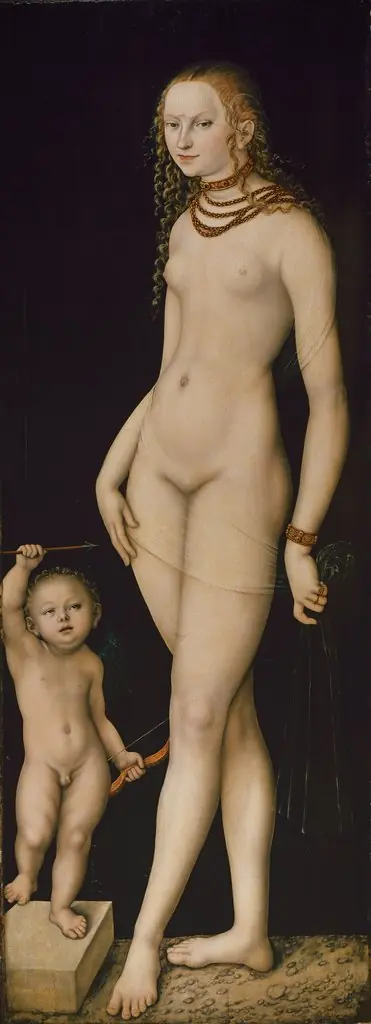
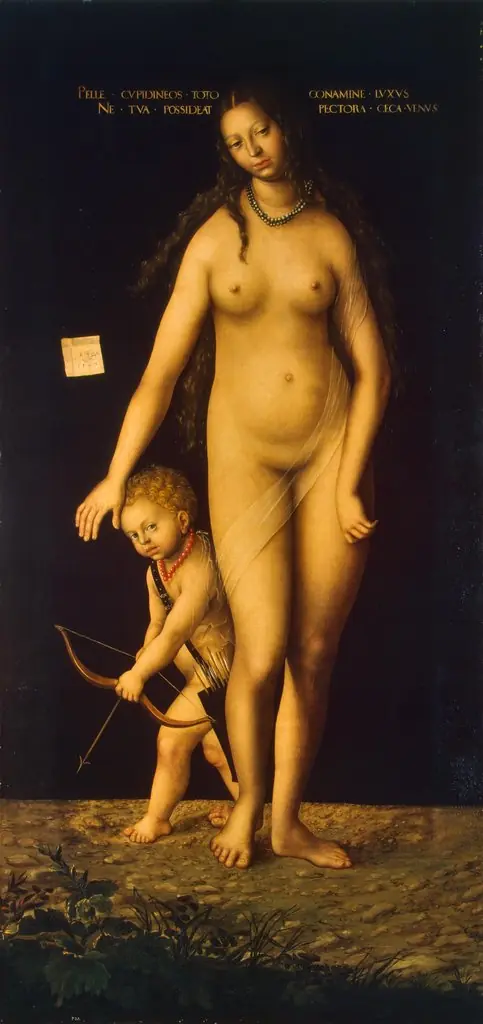
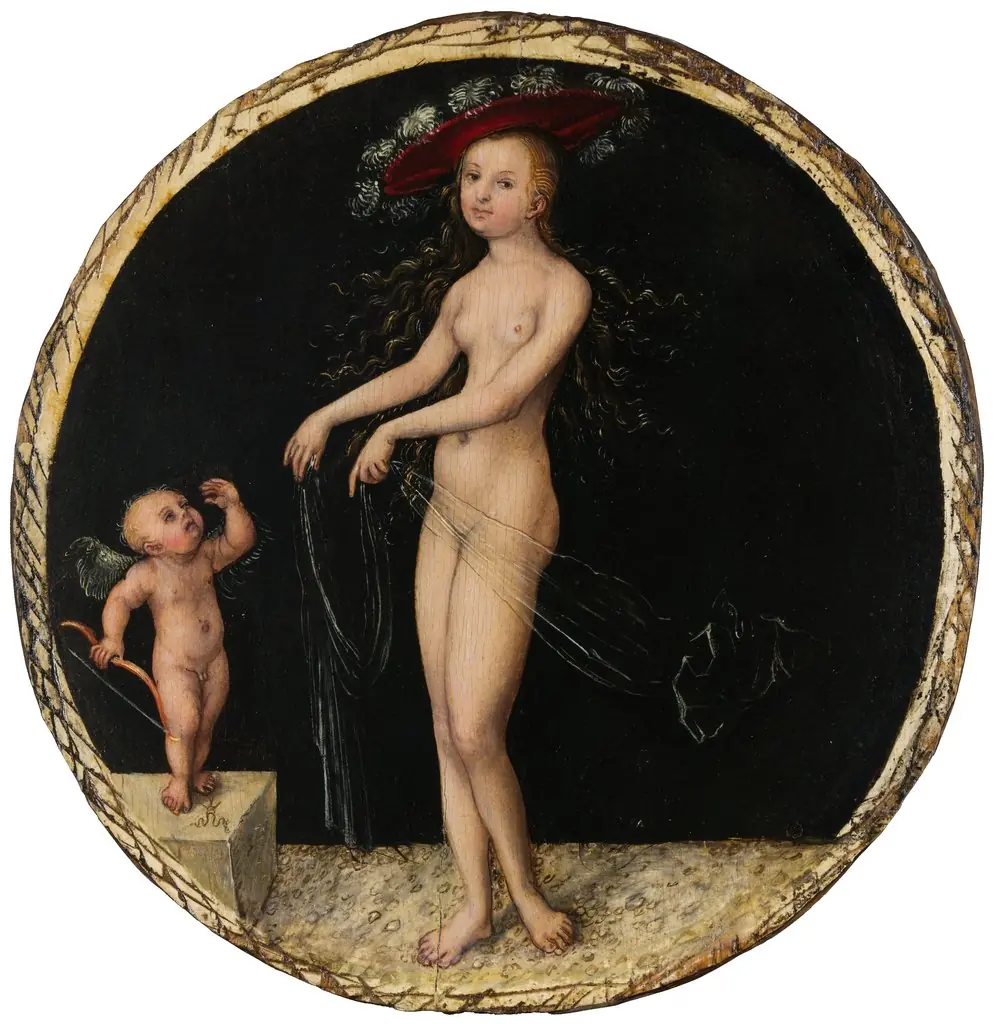
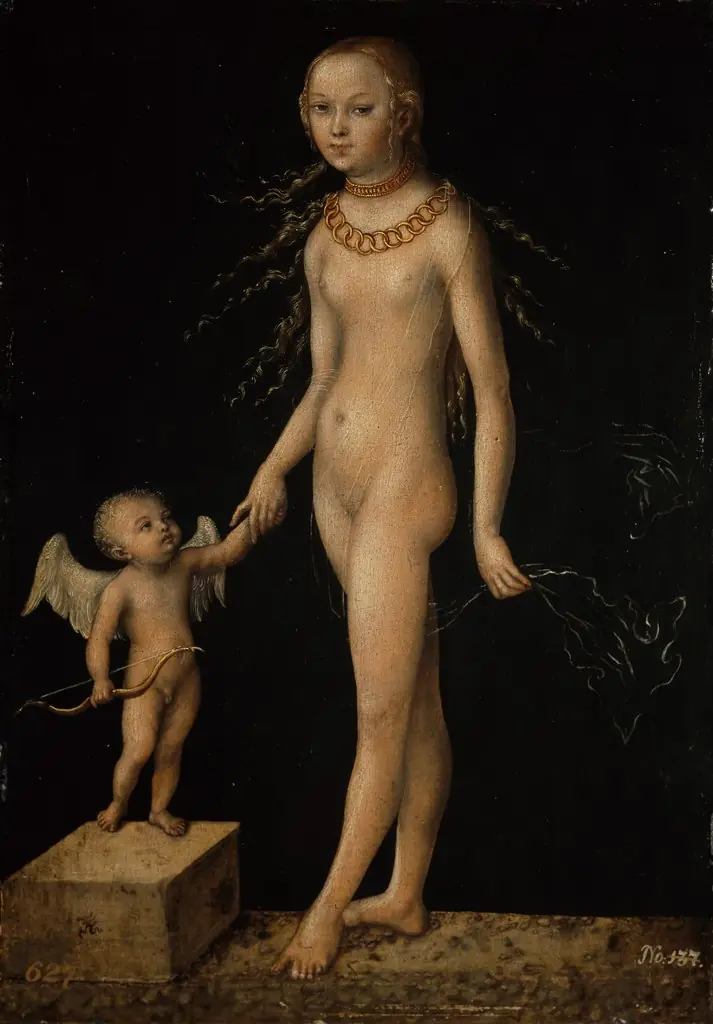
Venus and Cupid is an oil painting by the Early Baroque Italian artist Heinrich Bollandt. It dates from 1625 and is held in the collection of the Bavarian State Painting Collections.
About this work
Subject & Meaning
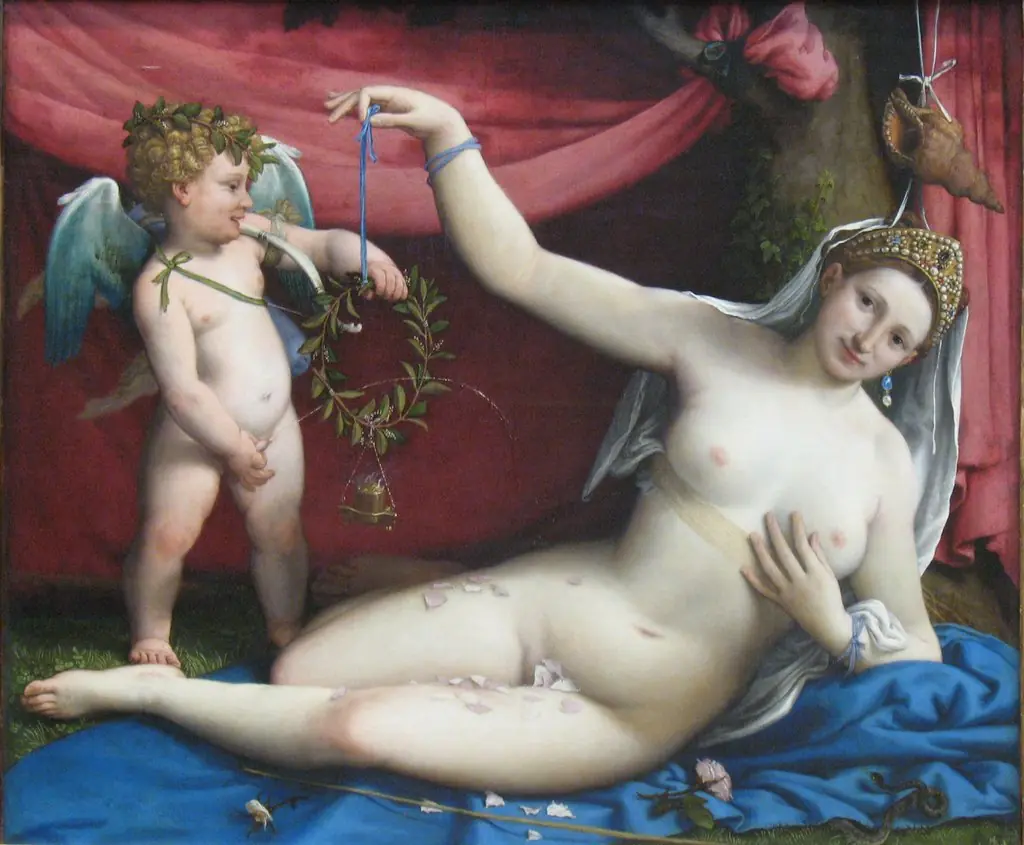
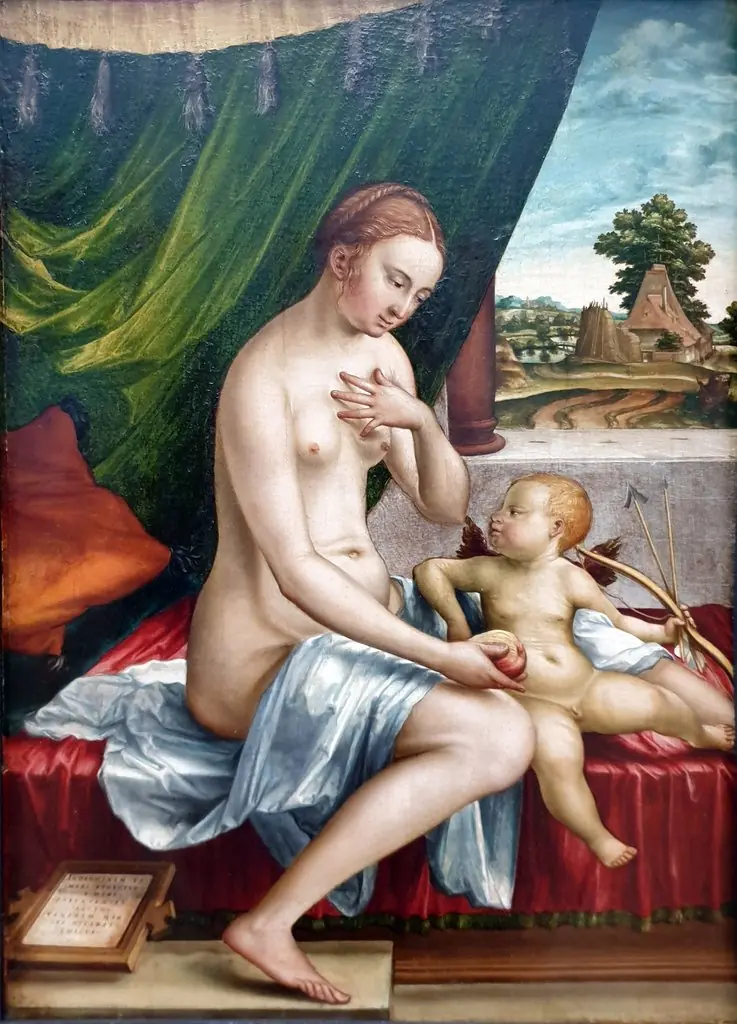
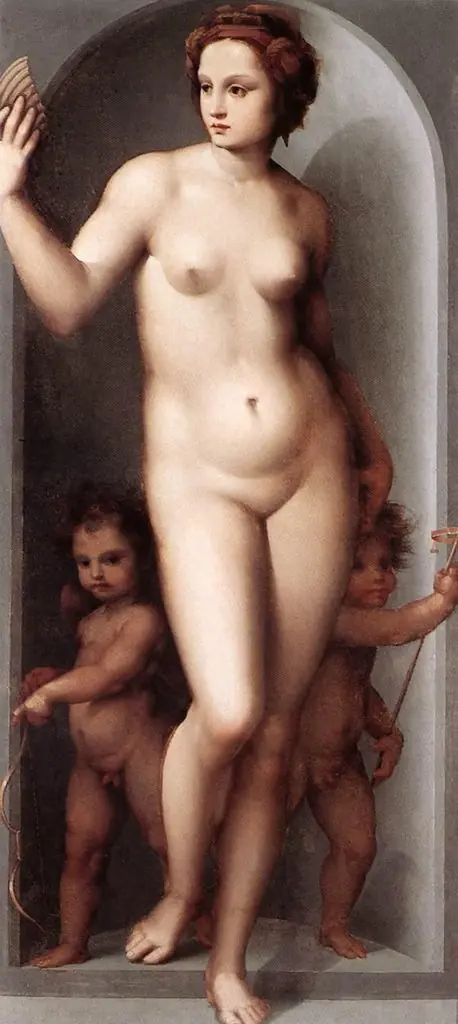
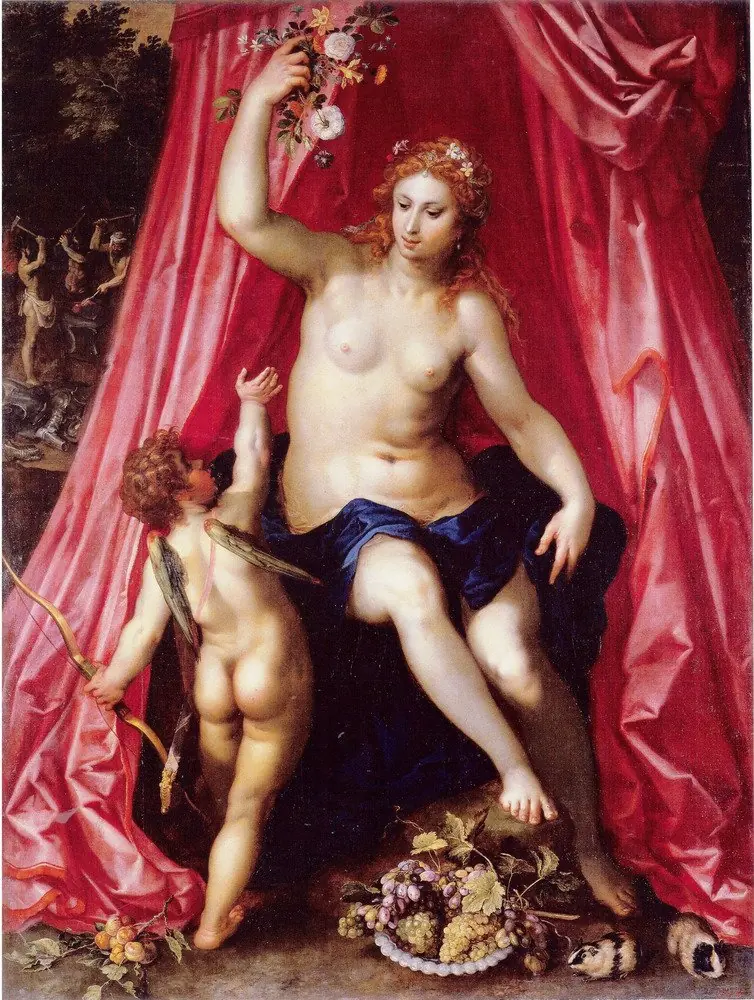
Venus, the goddess of love, is shown with her son Cupid, who holds a bow and arrow, symbolizing the playful yet powerful nature of desire.
The painting depicts the mythological figures Venus and Cupid, central to its iconography of love and divine affection. Venus, the goddess of love, is shown with her son Cupid, who holds a bow and arrow, symbolizing the playful yet powerful nature of desire. The work reflects Baroque interpretations of classical mythology, emphasizing sensuality and the fleeting moments of romantic pursuit. Its composition and symbolism align with 17th-century artistic explorations of mythological narratives within the German school.
The subject draws from classical mythology, where Venus embodies love and beauty, and Cupid represents erotic desire, often depicted as a youthful, winged figure. The interplay between mother and son underscores themes of affection intertwined with the unpredictable forces of attraction. This narrative was a recurring motif in Baroque art, used to convey complex emotional and philosophical ideas through allegory.
The work is part of the Bavarian State Painting Collections and housed in the Alte Pinakothek in Munich, reflecting its cultural and artistic significance within European museum traditions.
Technique & Style
Venus and Cupid is executed in oil paint on a lime panel, a support typical of Northern European painting of the period. The vertical panel measures 196 cm in height by 89 cm in width, giving the composition a tall, narrow format suited to a single standing figure.
The work is classified as a mythological painting and depicts Venus as its main subject. Its placement in the Bavarian State Painting Collections and the Alte Pinakothek indicates the panel has been preserved as part of a major institutional holding, though the sources do not detail current condition or any restoration history.
History & Provenance
The painting was created by Heinrich Bollandt in 1625, as indicated by the artist’s inscription and the dating recorded in the work’s technical records.
The painting entered the Bavarian State Painting Collections, where it has been held by the Alte Pinakothek in Munich. Its dimensions are 196 cm in height and 89 cm in width, and it is executed in oil on lime panel.
The painting is held by the Bavarian State Painting Collections and is displayed at the Alte Pinakothek in Munich.
Its inventory number at the collection is WAF 1559. The work has been included in the museum’s permanent presentation of 17th-century European paintings, though specific temporary exhibitions are not documented in the provided sources.
Overview
Heinrich Bollandt, who served as court painter to Christian, Margrave of Brandenburg‑Bayreuth, completed the oil painting Venus and Cupid in 1625. The work presents the Roman goddess Venus together with her son, the winged Cupid, rendered in a style that reflects early Baroque influences from Italy. It is part of the collection of the Alte Pinakothek in Munich.
Context
In the early seventeenth century, depictions of Venus served both decorative and allegorical purposes, symbolizing beauty, love, and fertility. Bollandt’s choice to pair the goddess with Cupid aligns with a broader European tradition of using mythological subjects to convey moral or philosophical ideas within a courtly setting.
Artist & collection
Artist
Heinrich Bollandt (1577/78, Thuringia - 19 August 1653, Bayreuth) was a court painter to Christian, Margrave of Brandenburg-Bayreuth; one of the first artists of what would come to be known as the "Brandenburg Renaissance".