Artwork
Untitled
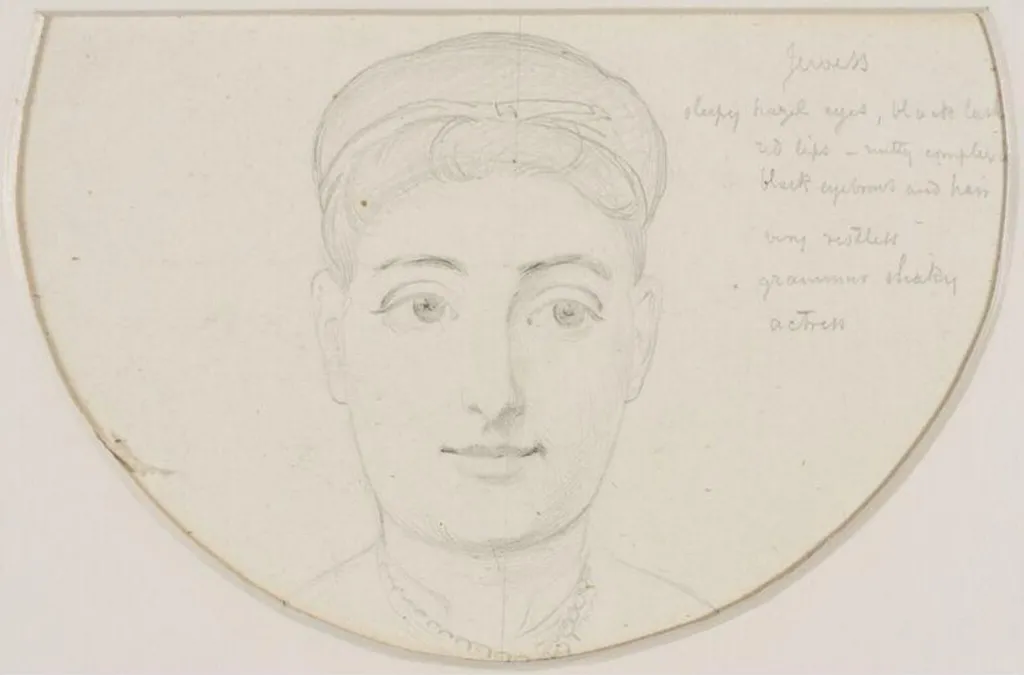
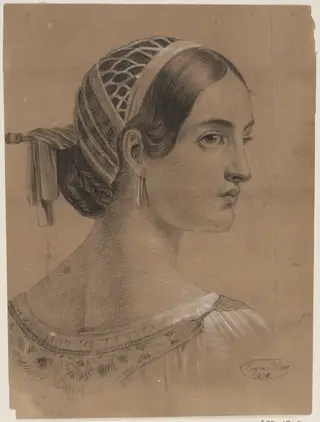
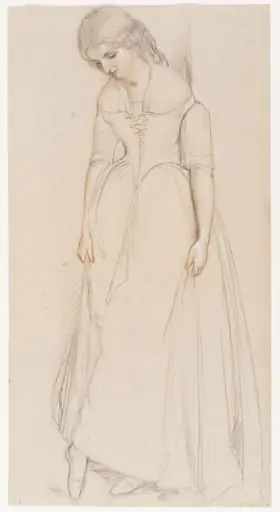
Untitled is a drawing by the Impressionist artist Frederick Smallfield. It dates from 12 and is held in the collection of the Victoria and Albert Museum.
About this work
Overview
The composition avoids embellishment, focusing solely on the head and shoulders, with no background or contextual elements to distract from the figure.
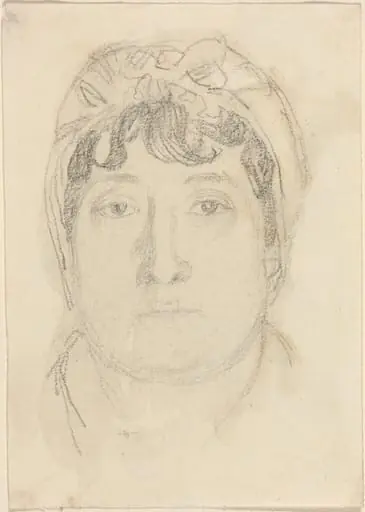
This untitled drawing by Frederick Smallfield dates to 1812 and is part of the Victoria and Albert Museum’s collection. Executed in pencil or similar medium on paper, it presents a straightforward portrait of a male subject against a plain white ground. The composition avoids embellishment, focusing solely on the head and shoulders, with no background or contextual elements to distract from the figure.
Subject & Meaning
The subject is a man with short hair, gazing directly outward with a neutral expression. No identifying features or symbols are present, suggesting the work was not intended as a formal portrait but rather as a study of human form. The lack of narrative or emotional cues implies an emphasis on observation over interpretation, aligning with academic practices of the period.
Technique & Style
Smallfield employed a restrained, linear approach with careful attention to the contours of the face and texture of the hair. Shading is subtle, used to define bone structure and volume without dramatic contrast. The style reflects a commitment to naturalism, prioritizing accuracy and clarity over expressive flair, characteristic of early 19th-century drawing pedagogy.
History & Provenance
The drawing entered the Victoria and Albert Museum’s collection as part of its broader holdings in British graphic art. Its origin prior to museum acquisition is undocumented, but its date and technique suggest it may have been a preparatory study or personal exercise. No records indicate public exhibition or ownership by notable figures before its institutional acquisition.
Context
Created in 1812, the work emerged during a period when British artists increasingly valued direct observation and technical precision in drawing. Academic institutions emphasized life study, and such portraits, though unattributed, were common training exercises. Smallfield’s approach aligns with this institutional focus, reflecting the era’s emphasis on disciplined draftsmanship over romantic expression.
Legacy
Though not widely known outside museum archives, this drawing exemplifies the quiet rigor of early 19th-century British academic drawing. It contributes to the understanding of how artists honed their skills through sustained study of the human form. Its preservation underscores the value placed on such exercises as foundational to artistic practice, even when detached from larger commissions.
Own this work as a print
Artist & collection
Artist
Frederick Smallfield kept sketching the same East End alleys even after dark, lantern in one hand and pencil in the other.

- H Beard Print Collection
 Head of a Young Woman
 Head of a Woman (Theresa Turner?)
 Portrait of a Woman
 Young Woman's Head
 Studies for "Sowing the Word"
 Bust of an Italian Woman
 Untitled
 Study of a Girl's Head
 Lady Holding Her Cloak from Behind
 John Linnell
 Study for the woman near the doorway in <i>Cinderella About to Try on the Glass Slipper</i> (1842)