Artwork
An Allegory of Britain's Mercantile Power
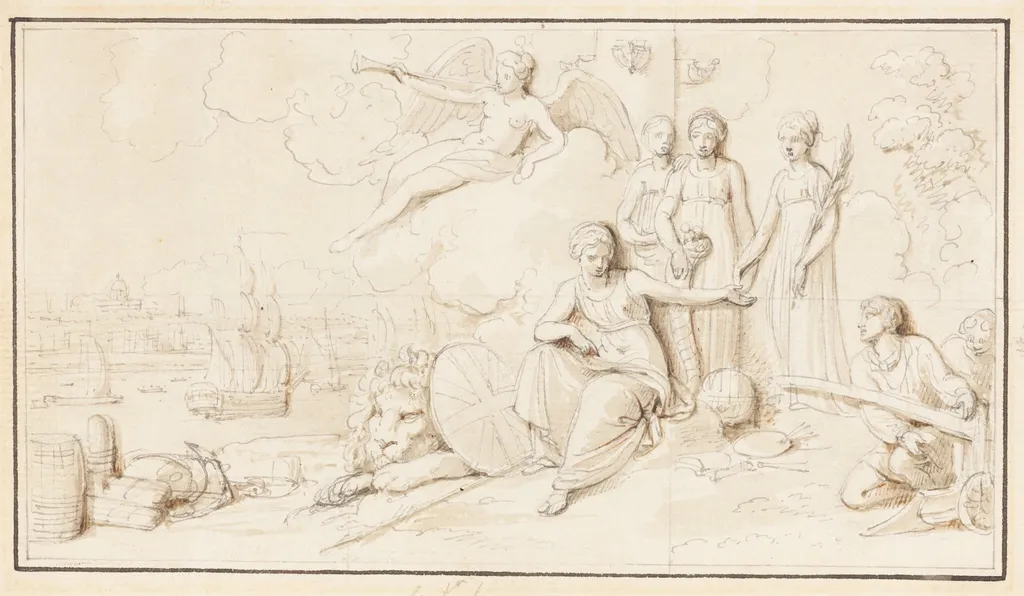
An Allegory of Britain's Mercantile Power is an ink drawing by the Romanticist artist Robert Smirke. It dates from 1798 and is held in the collection of the National Gallery of Art.
- Inscription
- Inscribed:lower center in graphite: 4.[?].6; center right in graphite: 2 [?]. 5; upper left in graphite: 12; by later hand, upper right verso in graphite: N/C / CM / 26 / 5B / 1/2 box / Clip
About this work
Overview
This allegorical study reflects the heightened national focus on naval dominance and global trade during the Napoleonic Wars.
Created in 1798 by Robert Smirke, An Allegory of Britain's Mercantile Power is a preparatory drawing executed in pen and black and brown inks with gray wash over graphite on laid paper. The work is squared in graphite, indicating its function as a design for a larger composition, likely a painting or print. The composition depicts a coastal scene centered on five figures surrounding a shipwreck in the background, symbolizing the perils and triumphs of maritime trade.
A seated female figure, representing Britain or Commerce, holds a scroll on the shore, flanked by two standing figures: one carrying a basket of goods and the other holding a staff. Above the group, a winged figure floats, while a man on the ground inspects the wreckage. This allegorical study reflects the heightened national focus on naval dominance and global trade during the Napoleonic Wars.
Smirke, known for his historical and genre scenes, utilized this drawing to refine the iconography of British economic strength, balancing human drama with symbolic elements to convey a message of resilience and commercial power.
Subject & Meaning
The composition arranges five figures on a shoreline beside a wrecked ship. A seated woman clutches a scroll, while a nearby figure holds a basket and another bears a staff. Above them a floating, winged form hovers, and a man on the ground gazes at the wreckage.
The calm demeanor of the figures amid the ship’s ruin suggests a contemplation of commercial loss and resilience within Britain’s maritime economy.
Technique & Style
Smirke employs a combination of pen work and ink washes, allowing quick, gestural lines to define forms while the gray wash adds atmospheric depth. The graphite underdrawing provides a structured grid that guides the composition. The sketchy execution aligns with late‑eighteenth‑century British drawing practices, emphasizing spontaneity and the artist’s exploratory process rather than finished polish.
History & Provenance
Created in 1798, the drawing likely served as a study for a larger, more formal work on Britain’s commercial might. It remains attributed to Smirke, a prominent painter and illustrator of the period, and is catalogued as a drawing rather than a finished painting, indicating its role in the artist’s preparatory workflow.
Context
The image emerges at a time when Britain’s global trade network was expanding, and maritime disasters were both economic setbacks and symbolic warnings. Allegorical representations of national strength were common in the late Georgian era, using mythic or personified figures to comment on political and economic themes.
Artist & collection
Artist
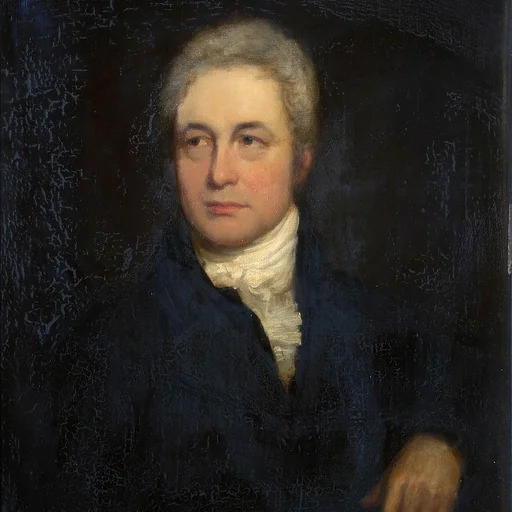
Robert Smirke (15 April 1753 – 5 January 1845) was an English painter and illustrator, specialising in small paintings showing subjects taken from literature. He was a member of the Royal Academy.

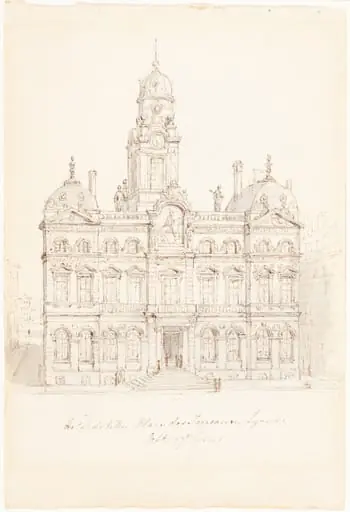 Hôtel de Ville, Place des Terreaux, Lyons
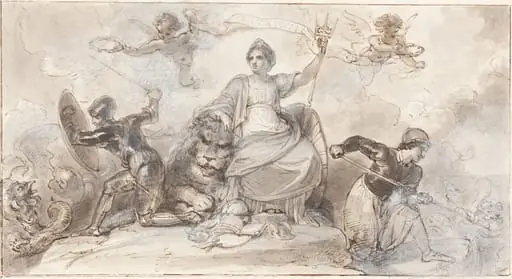 Patriotic Fund
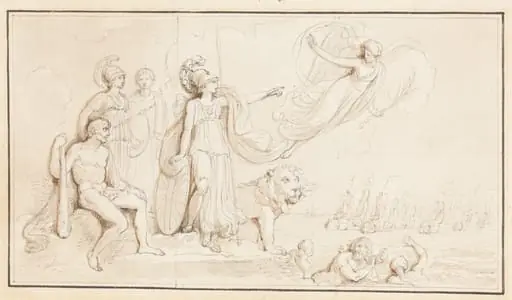
- An Allegory of Britain's Naval Might
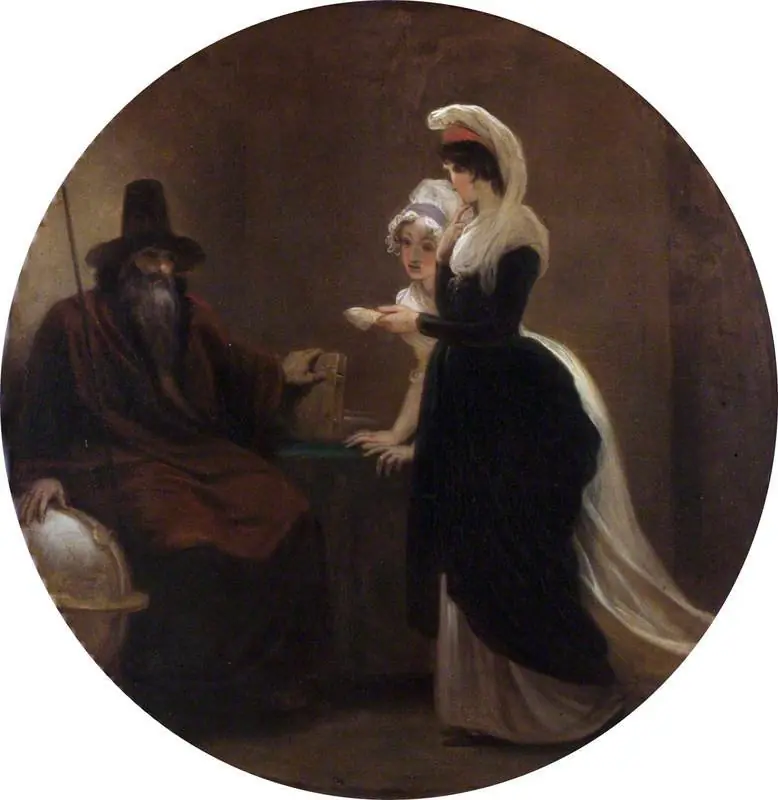 Melinda and Lucy Consult Kite (from George Farquhar's 'The Recruiting Officer', Act IV, Scene 2)
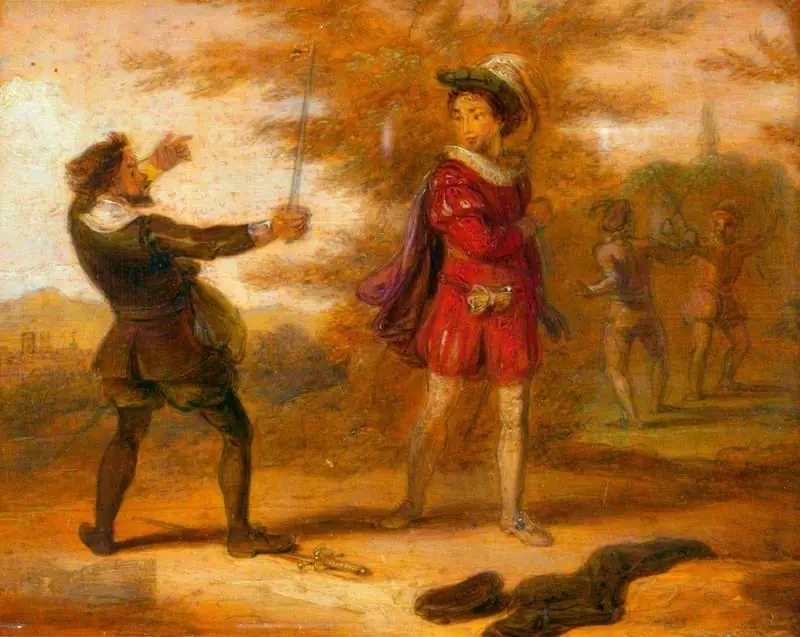 Illustration from Francis Beaumont and John Fletcher's 'The Humorous Lieutenant' (Act III, Scene 3)
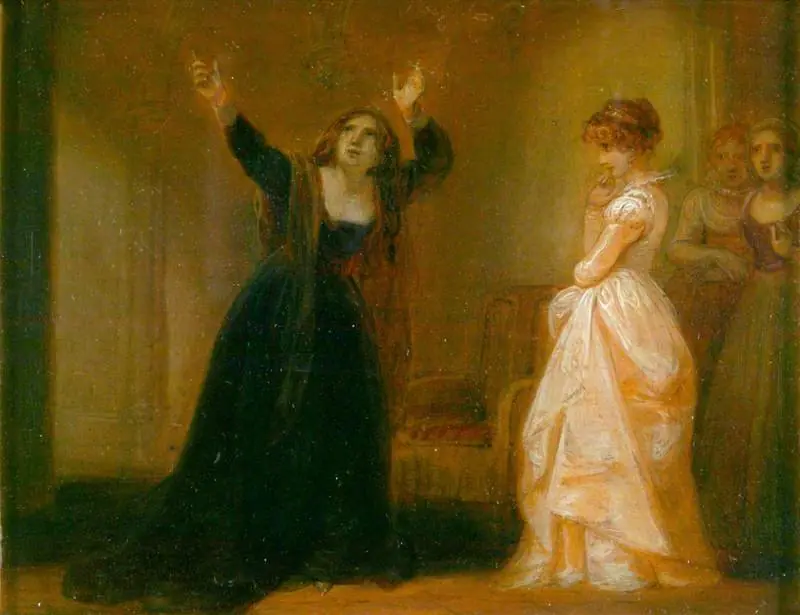 The Duel (from Francis Beaumont and John Fletcher's 'The Humorous Lieutenant', Act III, Scene 3)
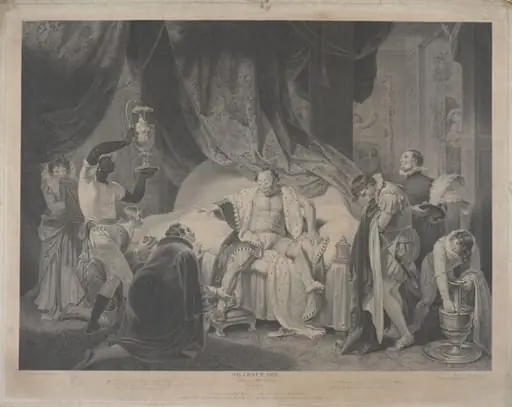 H Beard Print Collection
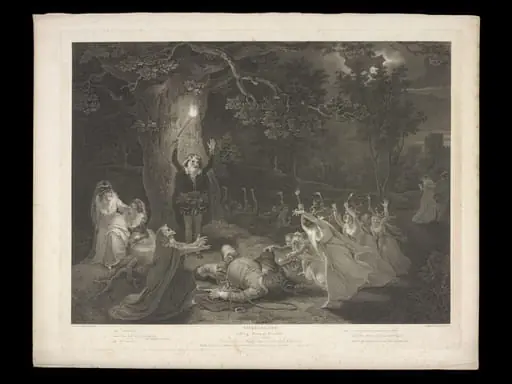 H Beard Print Collection
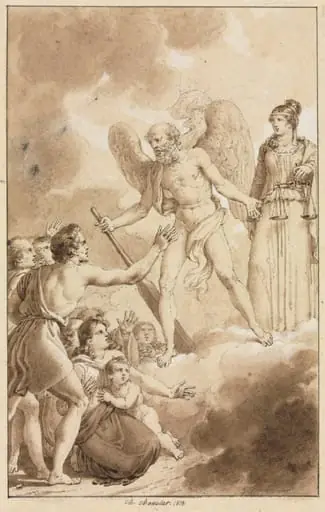 Allegory
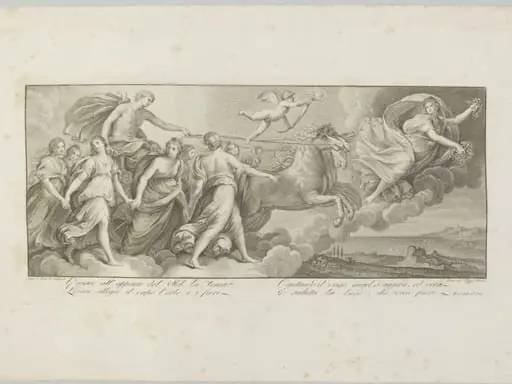 The Chariot of Aurora
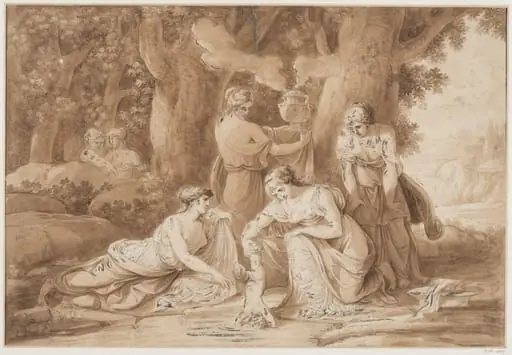 Thetis dipping Achilles
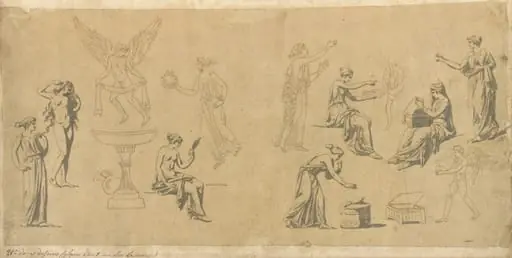 Studies of Classical Women, with Eros
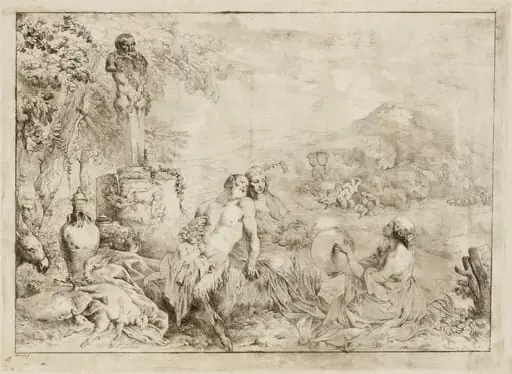 Landscape with a Satyr Family and Classical Sculpture
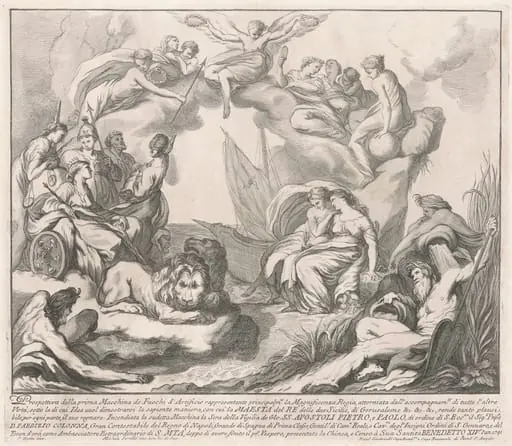 The Prima Macchina for the Chinea of 1741: Allegory of Regal Magnificence
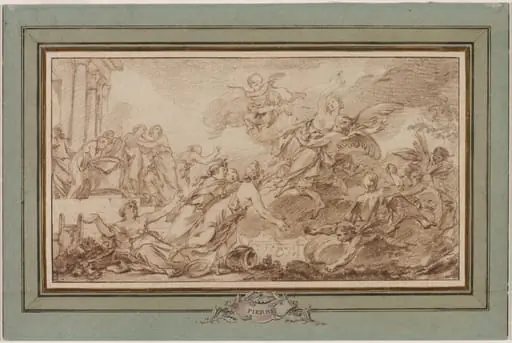 Boreas Abducting Oreithyia
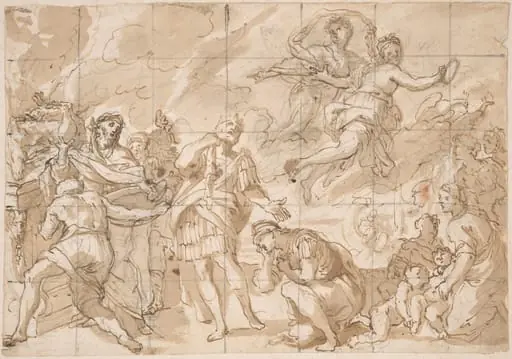 The Sacrifice of Iphigenia
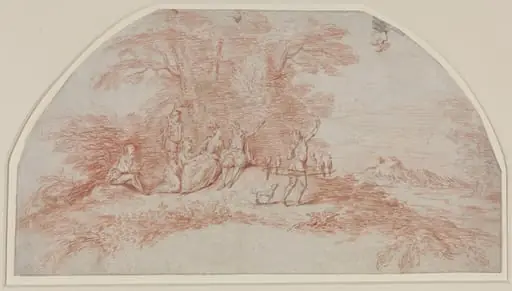 A Fête Galante with Falconers
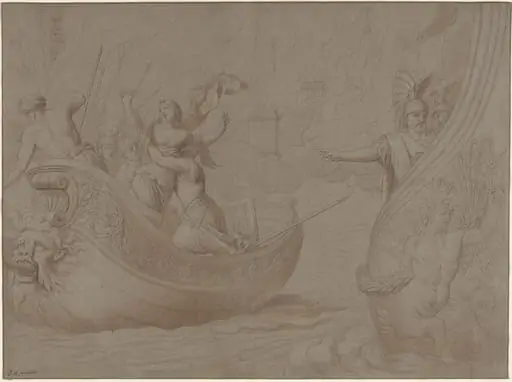 The Abduction of Helen of Troy
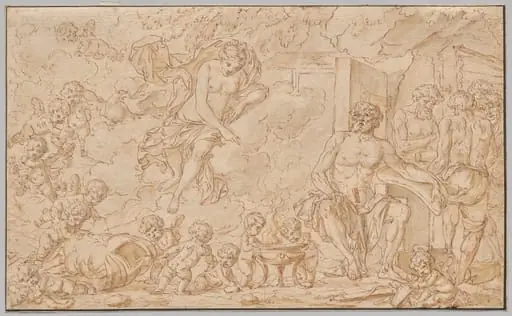 Venus at the Forge of Vulcan