Subject
Shield
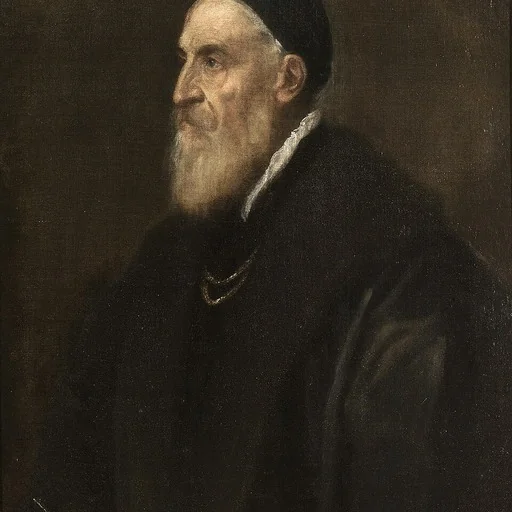
Shield is a subject in art. The gallery holds 69 works in this subject in art, including works by Titian, Paolo Veronese and Jean Léon Gérôme.
A shield is a piece of personal armour held in the hand, which may or may not be strapped to the wrist or forearm. Shields are used to intercept specific attacks, whether from close-ranged weaponry like spears or long ranged projectiles such as arrows.
Key artists


Overview
The shield is one of the oldest and most persistent forms of personal armor in human history, defined as a piece of protective equipment held in the hand or strapped to the arm to intercept attacks from close-range weapons and projectiles. Within the collection under discussion, the shield appears in 97 works, making it a significant recurring motif across paintings that span mythological, religious, and historical subjects. Its prevalence reflects both its practical military importance and its rich symbolic potential in visual art. The shield functions not merely as a realistic detail but as a versatile iconographic element that signals protection, identity, divine or heroic status, and martial virtue.
Iconography & meaning
In art, the shield carries layered meanings that extend far beyond its utilitarian purpose. As a defensive object, it naturally symbolizes protection, salvation, and spiritual defense, making it apt for religious imagery such as Saint Michael's combat with the dragon. In mythological contexts, shields often denote heroic identity and divine patronage; Athena or Minerva, goddess of wisdom and war, is frequently depicted with a shield bearing the Gorgon's head. The shield also serves as a bearer of identity through heraldic devices, coats of arms, and painted emblems that distinguish individuals, armies, or nations on the battlefield and in allegorical representation. In historical paintings, shields can signify civic defense, national resistance, or military triumph, as seen in works depicting siege and battle scenes. The object's form, whether round, rectangular, or scalloped, and its decoration, whether plain, emblazoned, or covered in trophy-like spoils, further nuance its meaning within each pictorial context.
Across movements & periods
The treatment of the shield in art has evolved considerably across periods and cultures, though the collection's works suggest a concentration in European traditions from the Renaissance through the nineteenth century. In classical antiquity, shields were depicted with attention to typological accuracy, whether the round aspis of Greek hoplites, the large rectangular scutum of Roman legionaries, or the lighter pelte of skirmishers. Medieval and Renaissance artists often used shields to signal chivalric status, heraldic identity, or biblical-historical authenticity, with increasing archaeological interest in accurate forms. Baroque painting emphasized the dramatic potential of shields through gleaming surfaces, dynamic angles, and trophy-like accumulations. In the eighteenth and nineteenth centuries, historical and battle painters deployed shields within compositions that celebrated national military achievement or explored exotic subjects, with Neoclassical artists returning to archaeologically informed classical models. The persistence of the shield across these periods, even as actual battlefield use declined with the spread of gunpowder weapons from the seventeenth century onward, testifies to its enduring value as a pictorial signifier of martial virtue and protective power.
Notable depictions
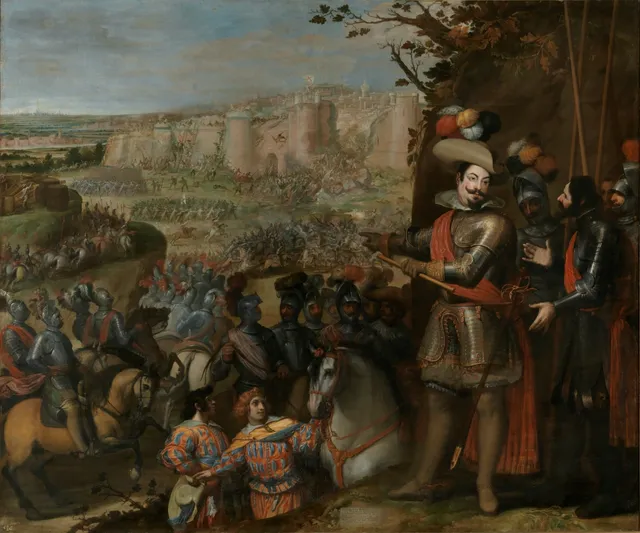
While the sources do not provide exhaustive attribution and dating for every example work, the collection includes several notable depictions that illustrate the shield's range. Venus and Minerva presents the goddess of wisdom in her martial aspect, her shield an attribute of her protective and strategic functions. Saint Michael and the Dragon, a common subject across European art, shows the archangel often equipped with shield as well as spear, embodying the heavenly host's defense against evil. The Defense of Cadiz Against the English and The Liberation of Brisach represent historical military subjects where shields, whether contemporary or anachronistic, contribute to the narrative of heroic resistance. The Victory of Fleurus and The Storming of Rheinfelden commemorate specific battles, with shields participating in the visual language of military glory. Perseus and Andromeda places the shield within the context of the hero's rescue, where it may allude to his receipt of reflective or protective gear from the gods. These works collectively demonstrate how canonical artists and compositions have engaged the shield as both realistic detail and symbolic device.
Legacy
The shield's afterlife in visual culture extends well beyond its obsolescence as practical military equipment by the seventeenth century in the West. Its continued presence in painting reflects the persistence of classical and chivalric ideals, as well as the shield's adaptability as a symbol of protection, identity, and resistance. In heraldry, the shield form became the foundational shape for coats of arms, systematized during the High Middle Ages and enduring in institutional and national symbolism to the present. The linguistic legacy is equally notable; the German word Schild migrated from the physical object to the heraldic device and then to the sign or emblem in general usage, while remaining masculine in gender for the protective weapon. In modern and contemporary contexts, the shield persists in riot police equipment and tactical gear, its form and function remarkably continuous with ancient prototypes despite material transformations to steel and synthetic polymers. For art historians, the shield remains a valuable diagnostic tool for dating, attributing, and interpreting works, as its depicted form often encodes specific historical knowledge or ideological investment on the part of artist and patron alike.
Works
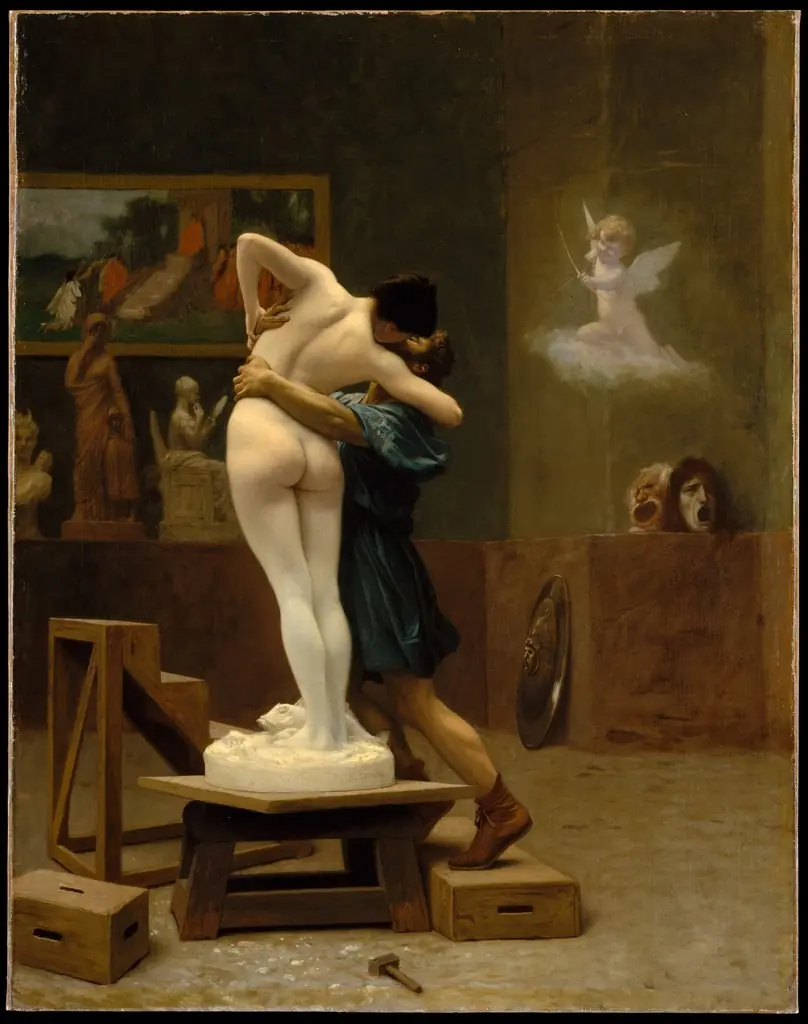 Pygmalion and Galatea
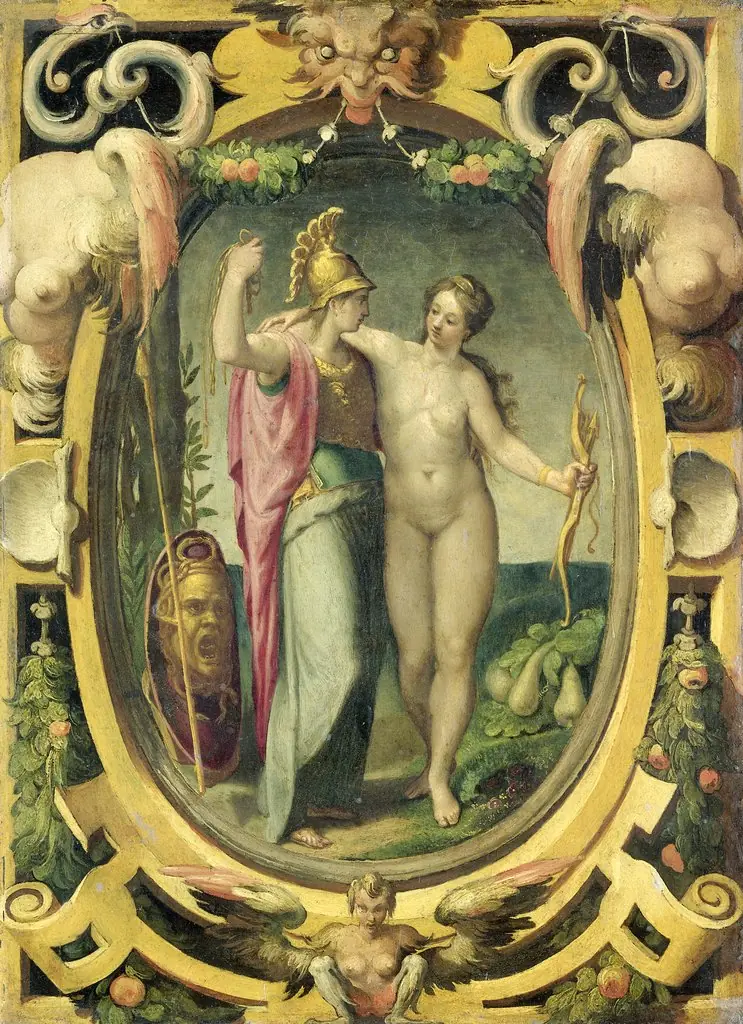 Venus and Minerva
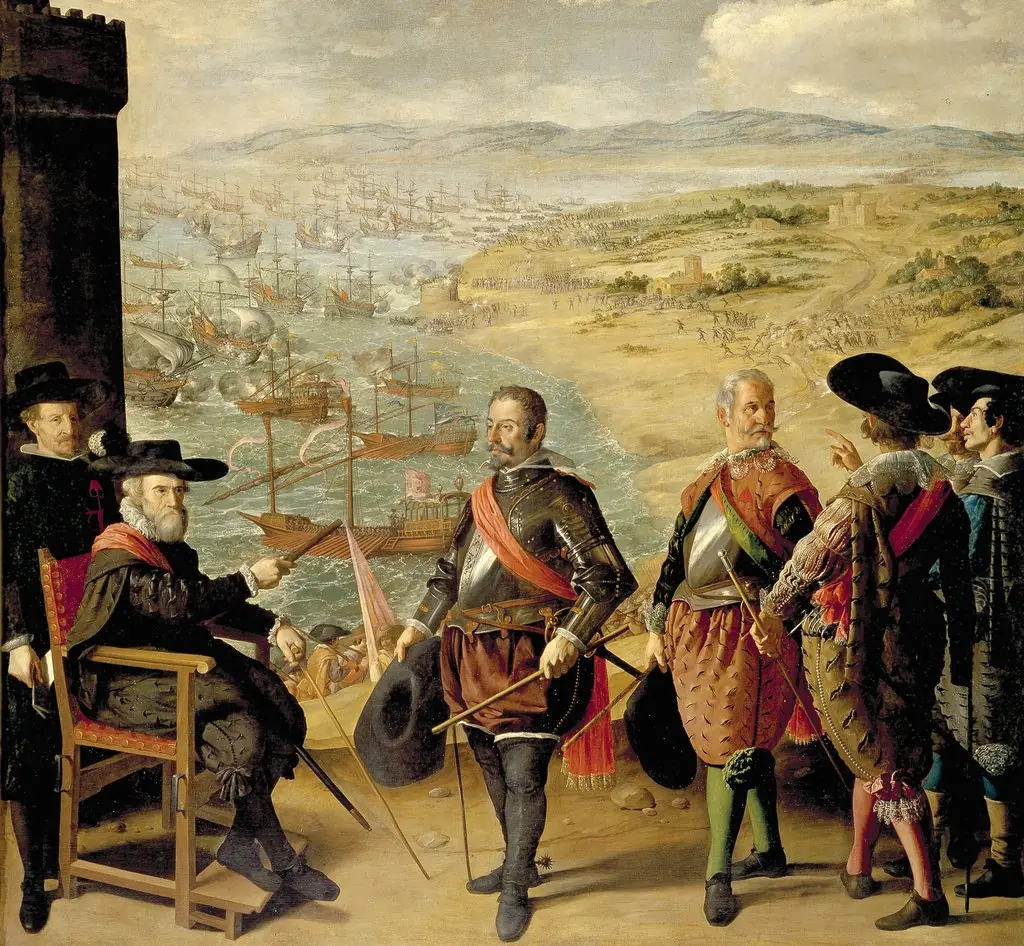 The Defense of Cadiz Against the English
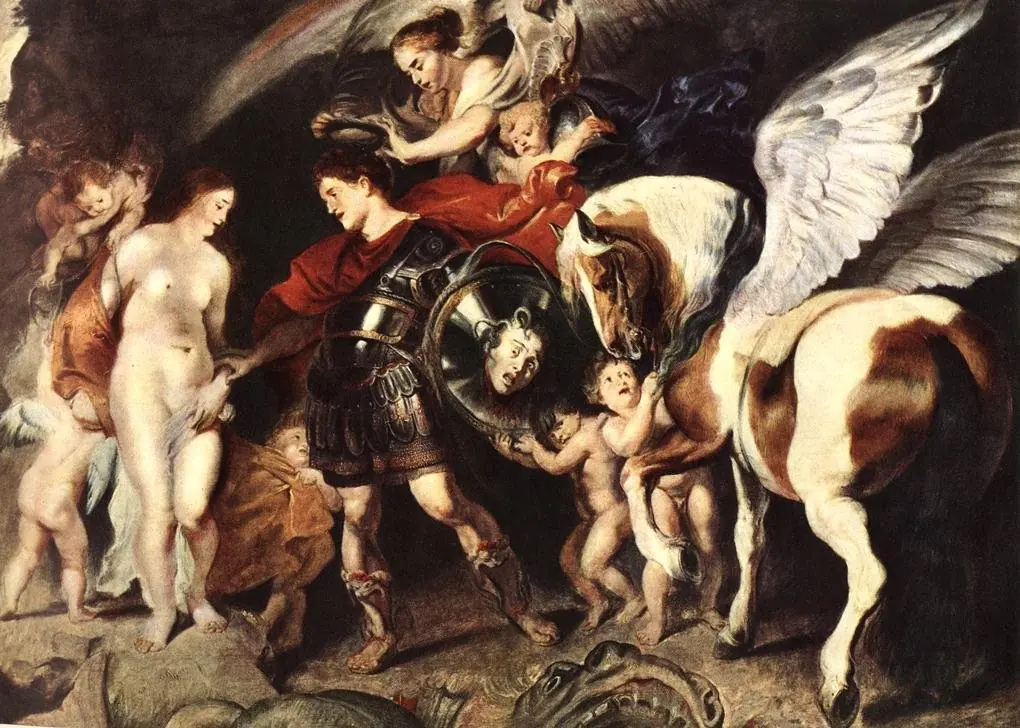 Perseus and Andromeda
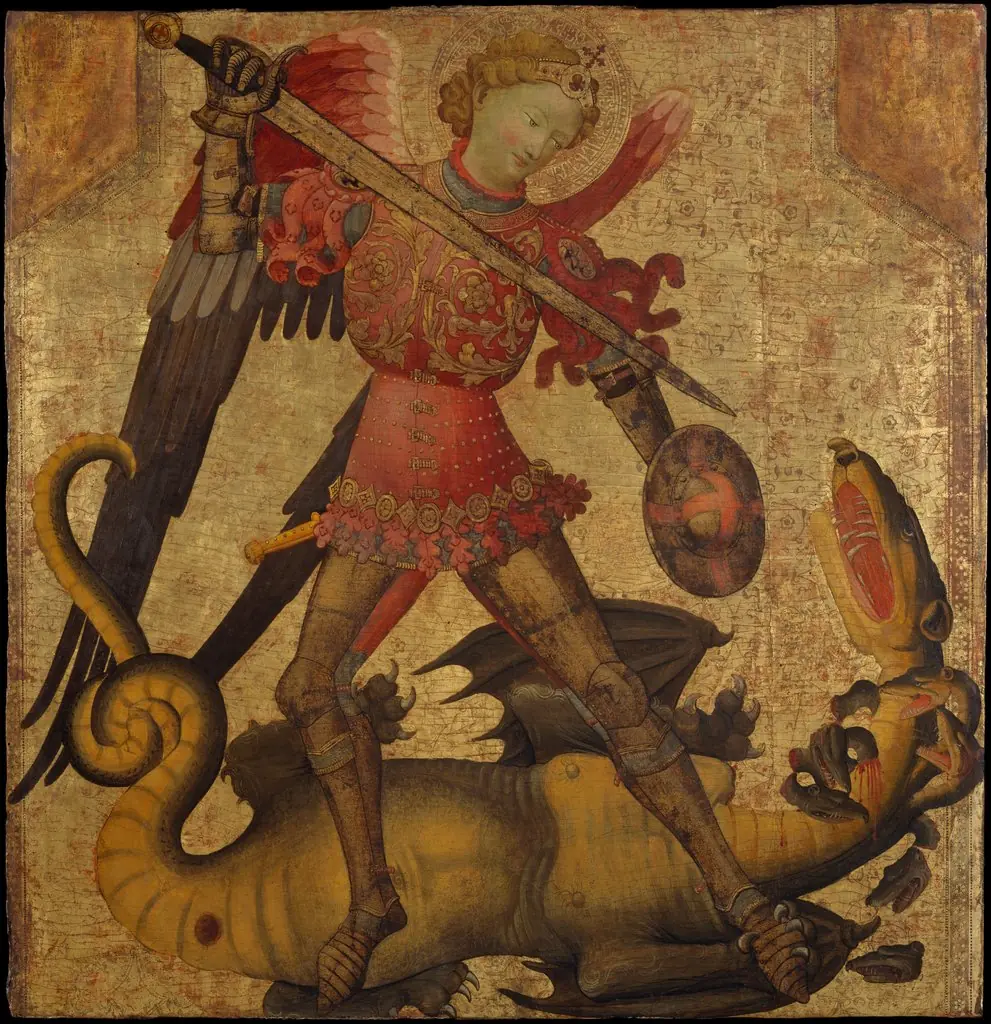 Saint Michael and the Dragon
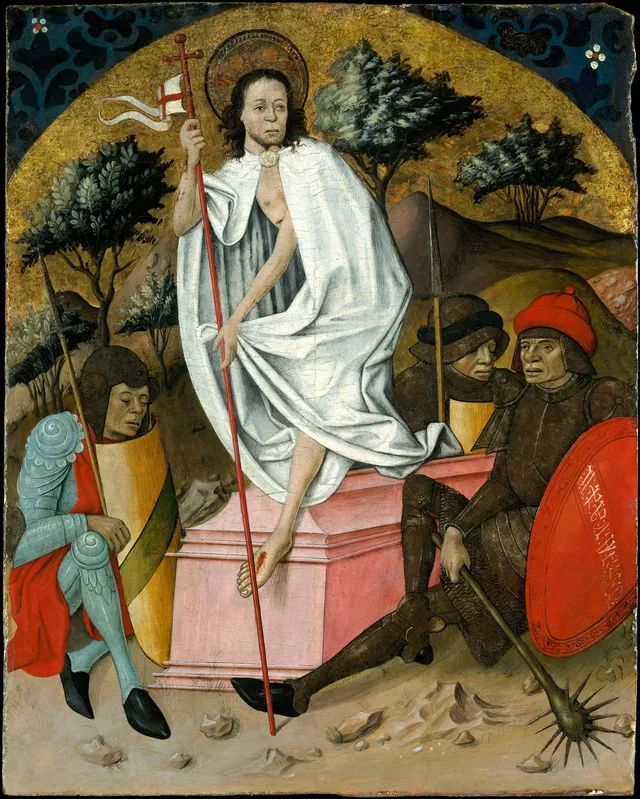
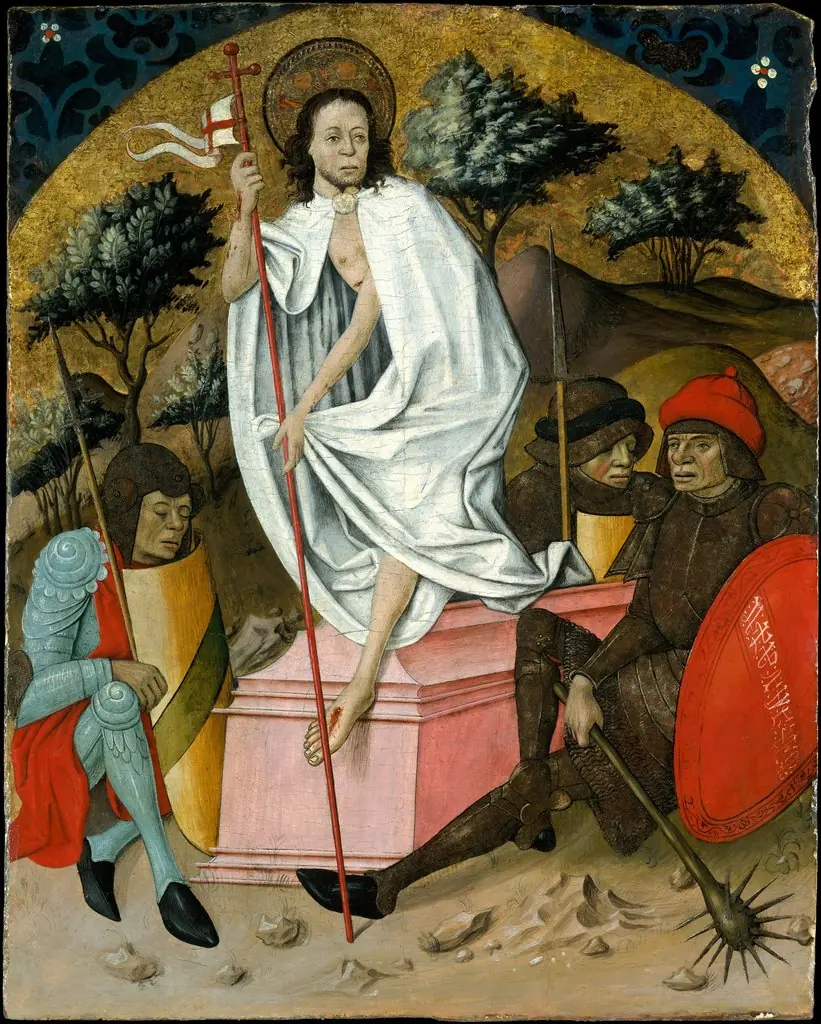 The Resurrection
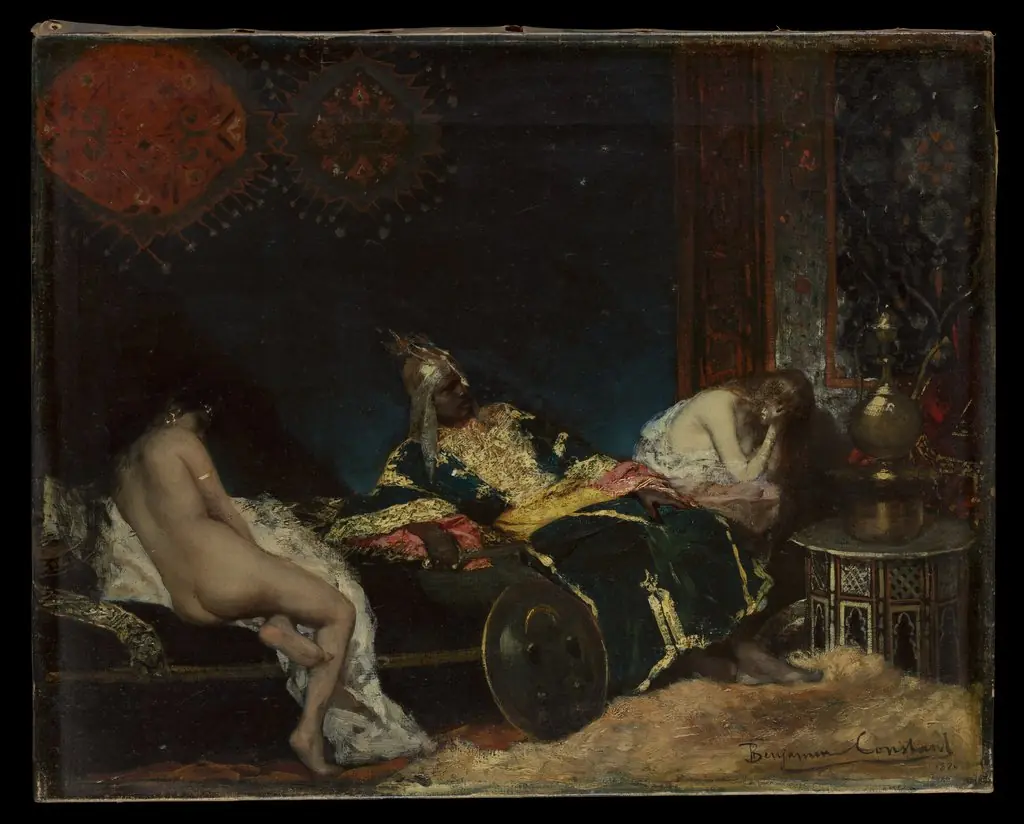 The Serbian Concubine (Un Envoi de Serbie)
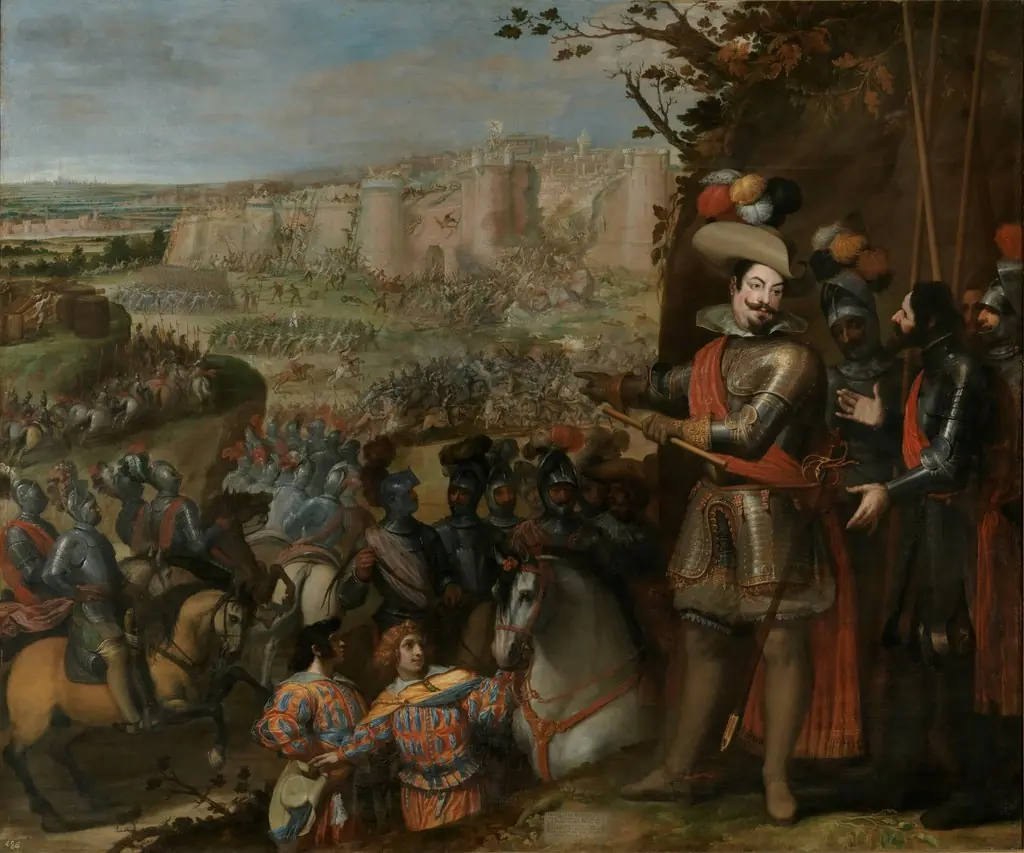 The Storming of Rheinfelden
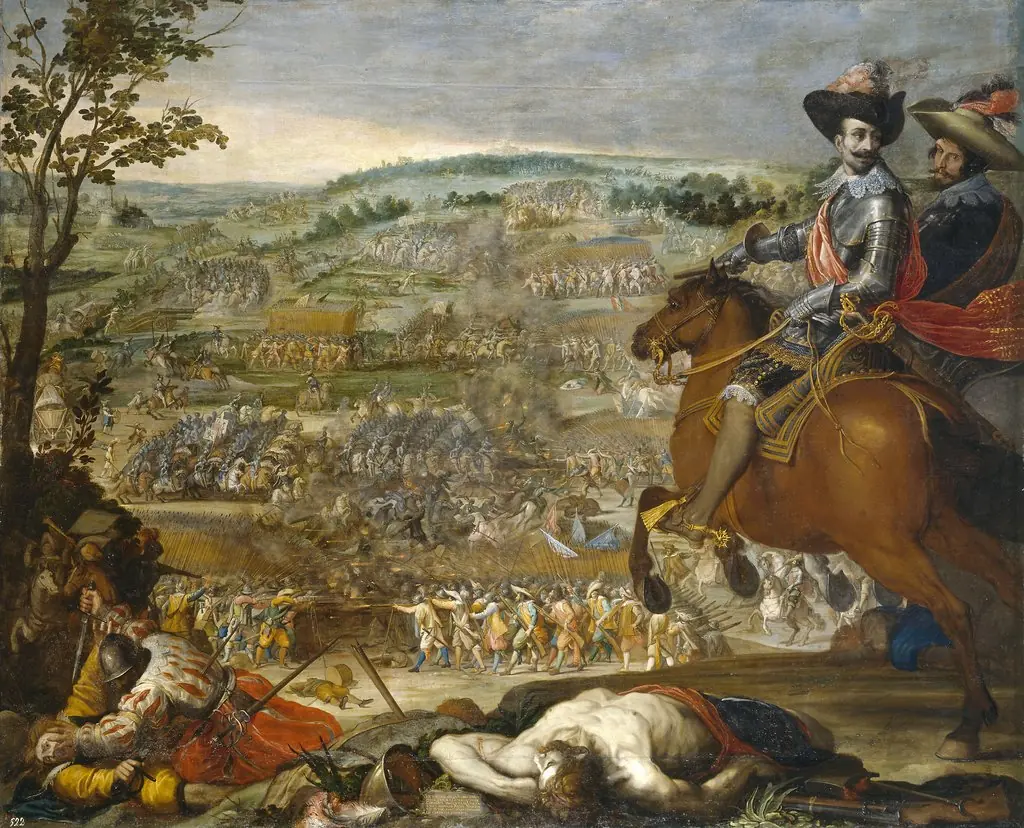 The Victory of Fleurus
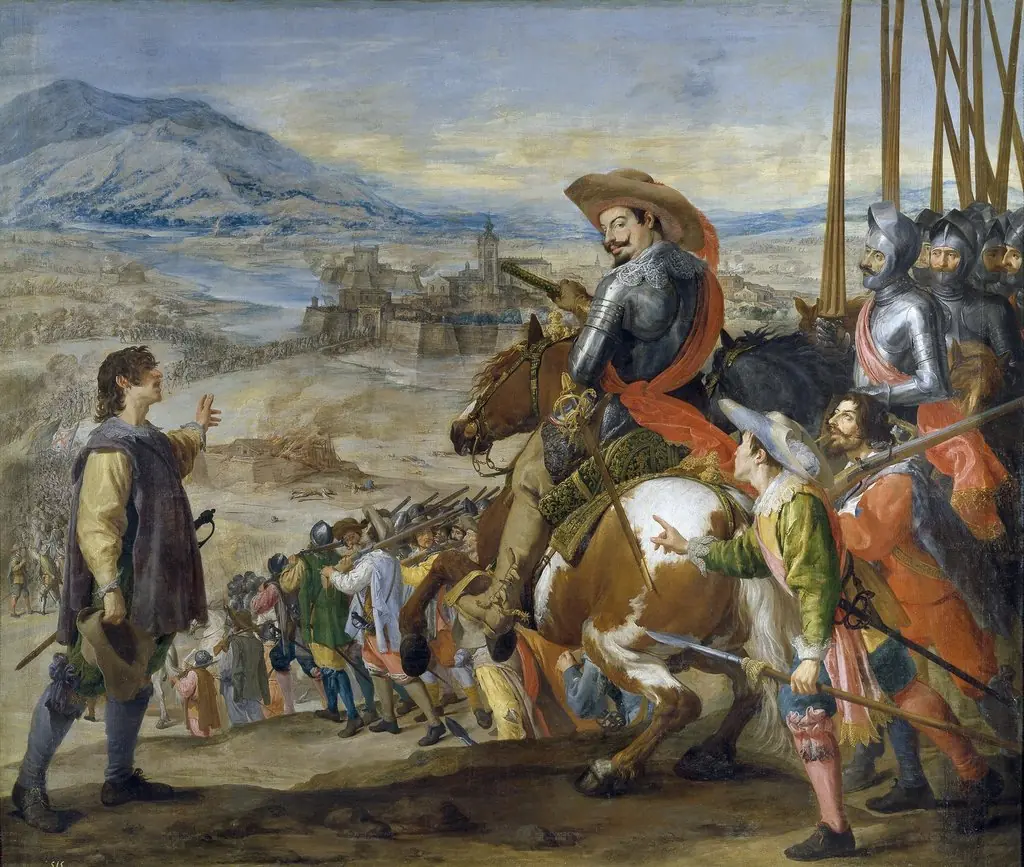 The Liberation of Brisach
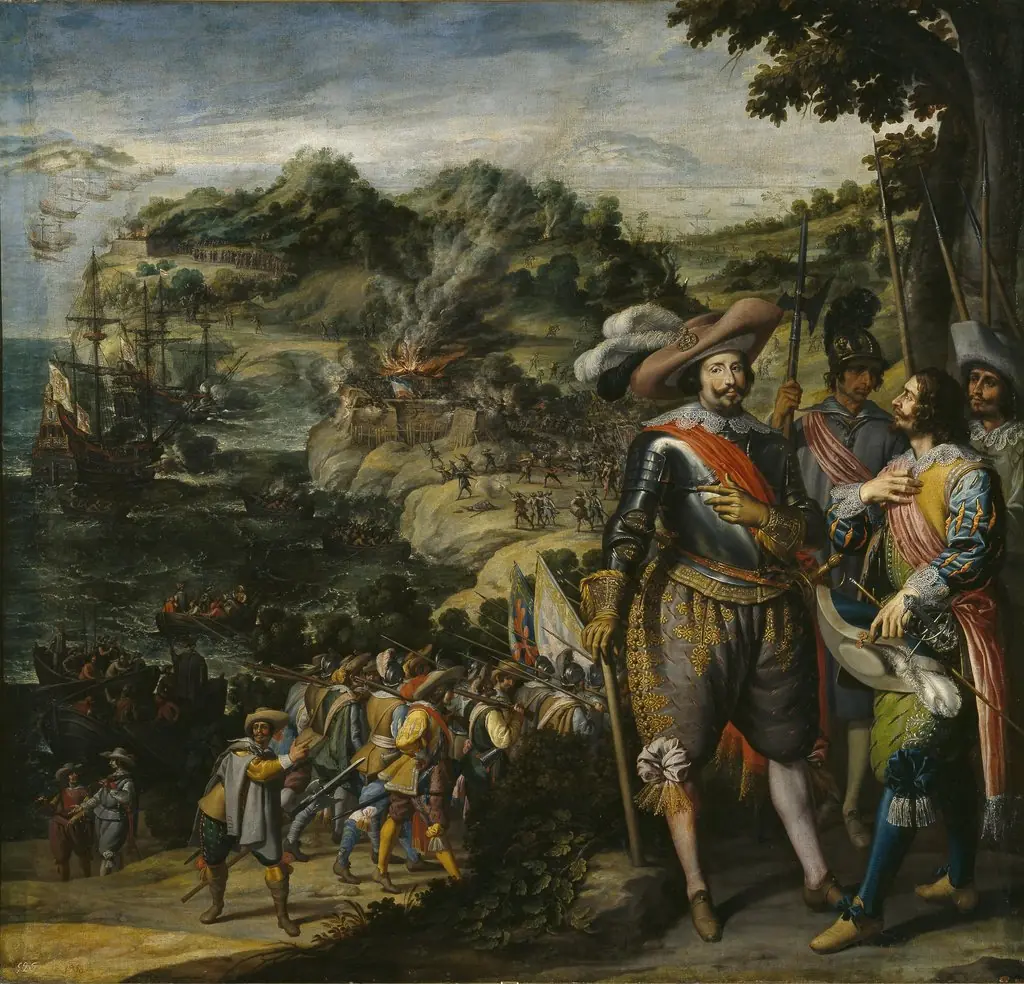 The recovery of the island of San Cristobal by Don Frederic of Toledo
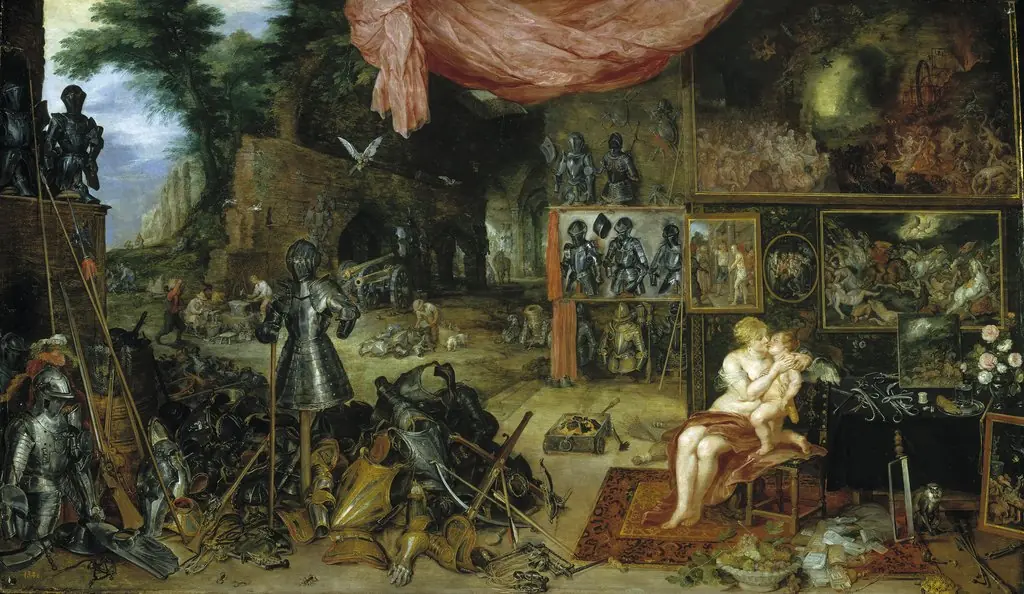 Touch
Touch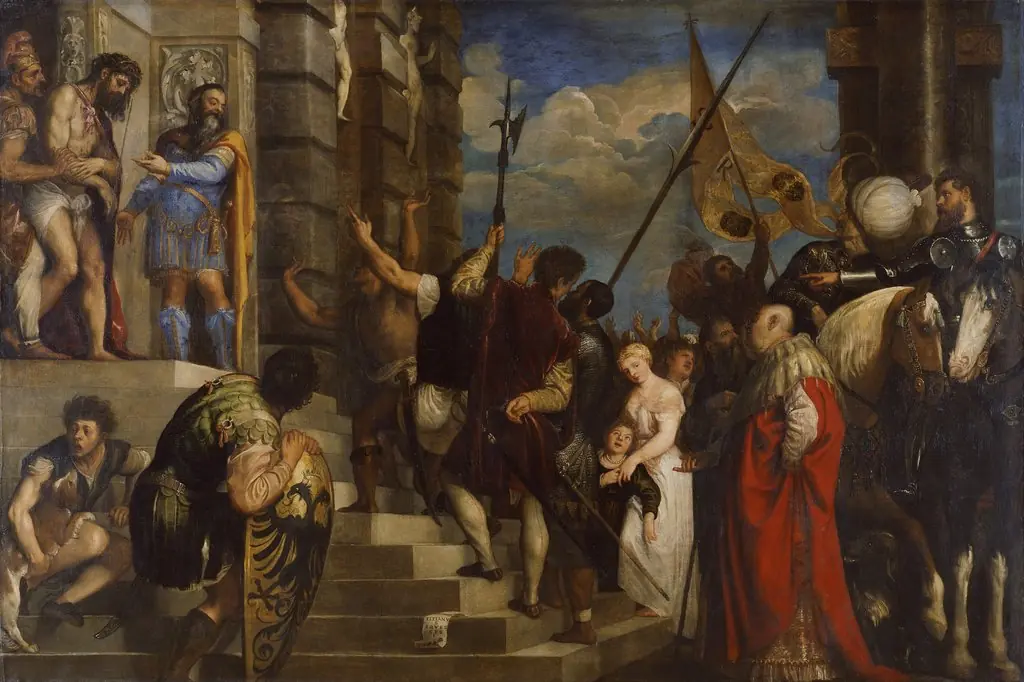 Ecce Homo
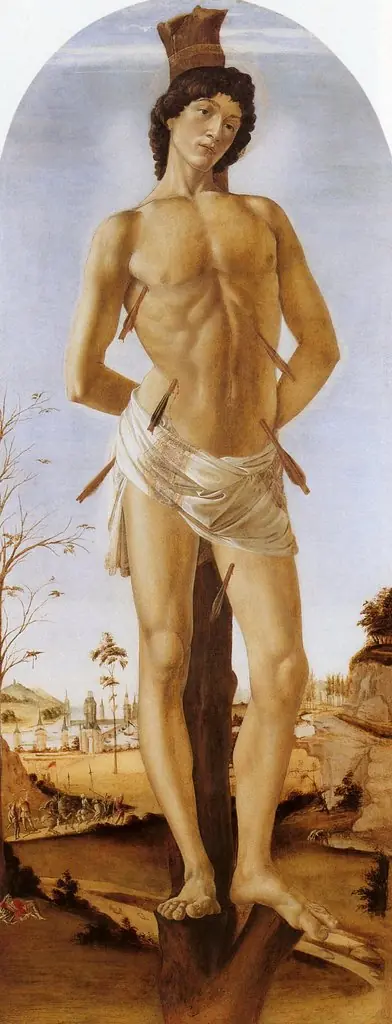 Saint Sebastian
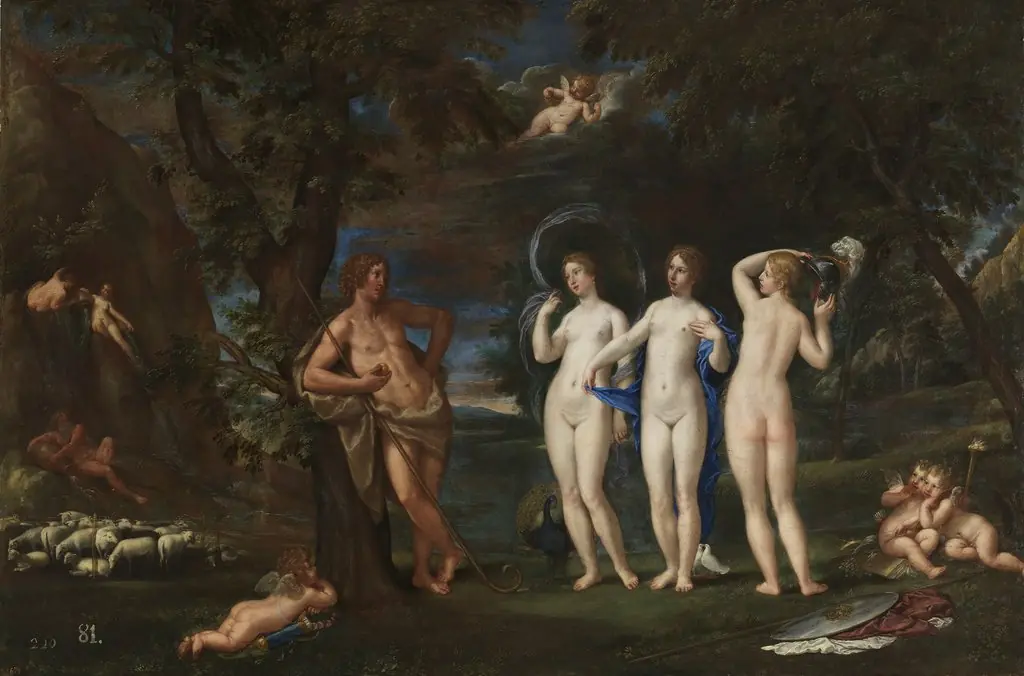 The judgement of Paris
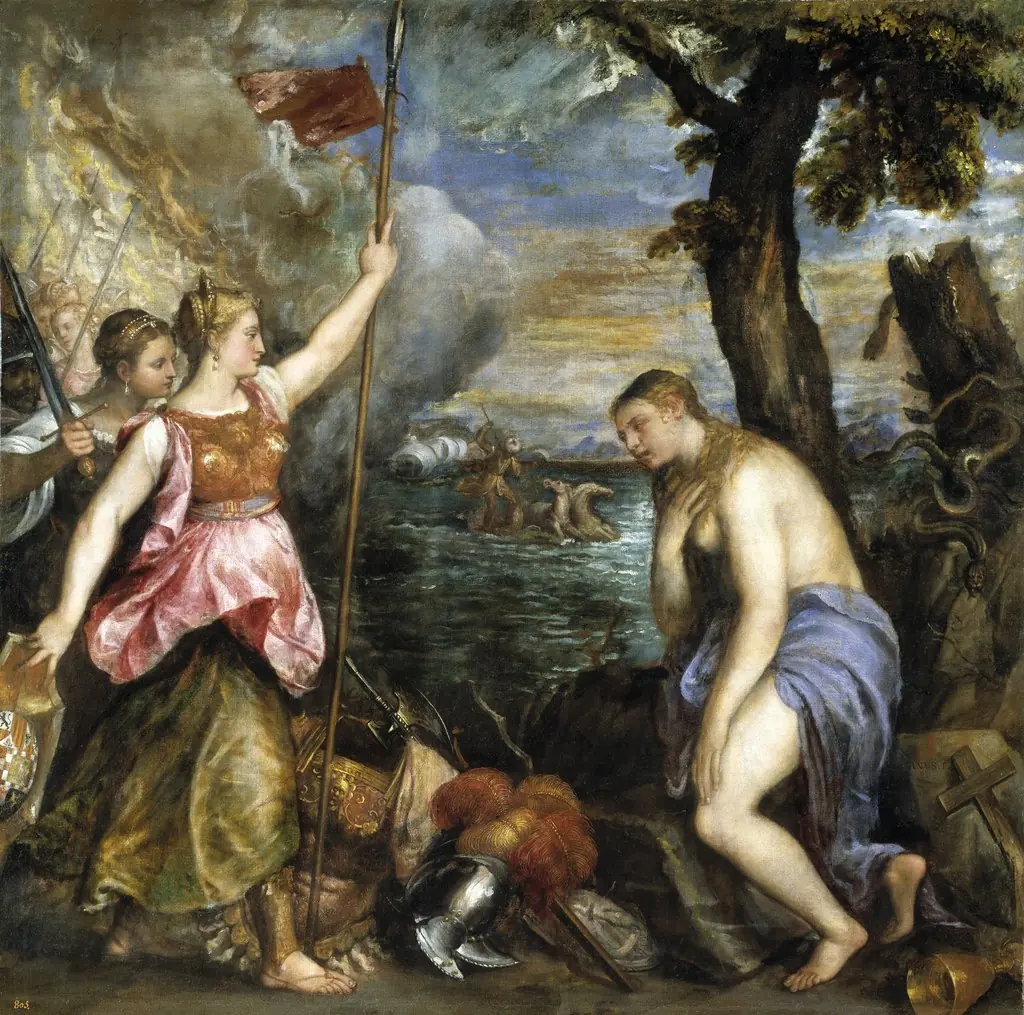 Religion saved by Spain
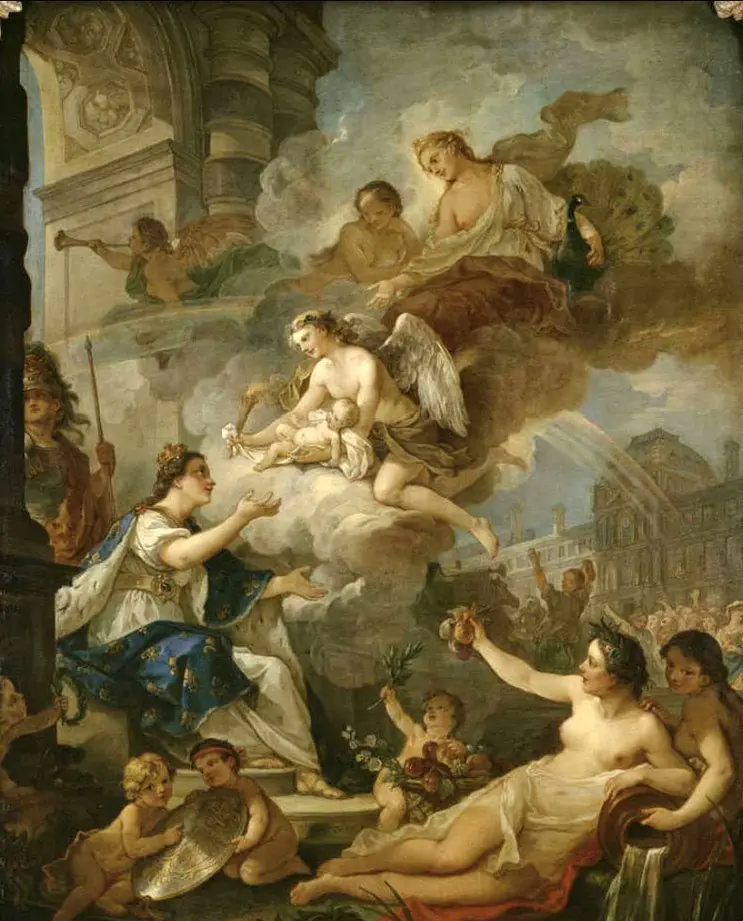 Allegory of the Birth of Marie-Zéphyrine of France, daughter of Louis of France
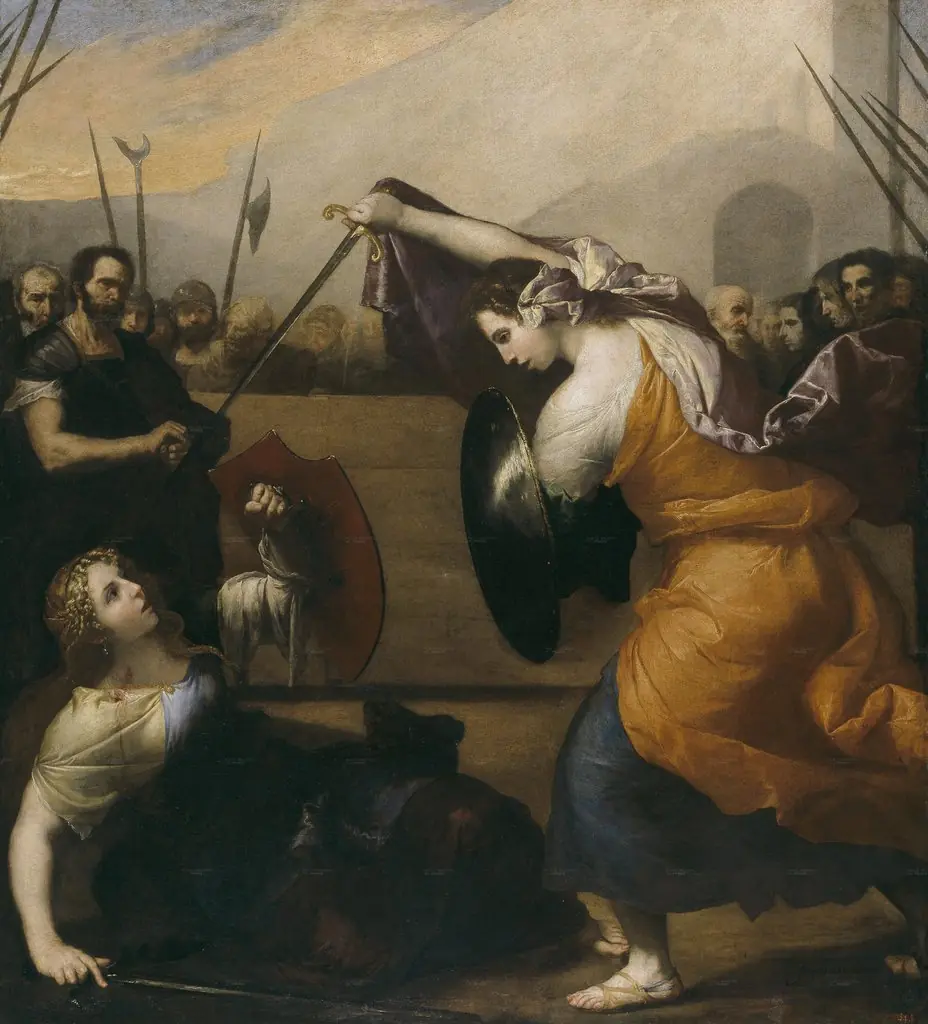 Women Gladiators
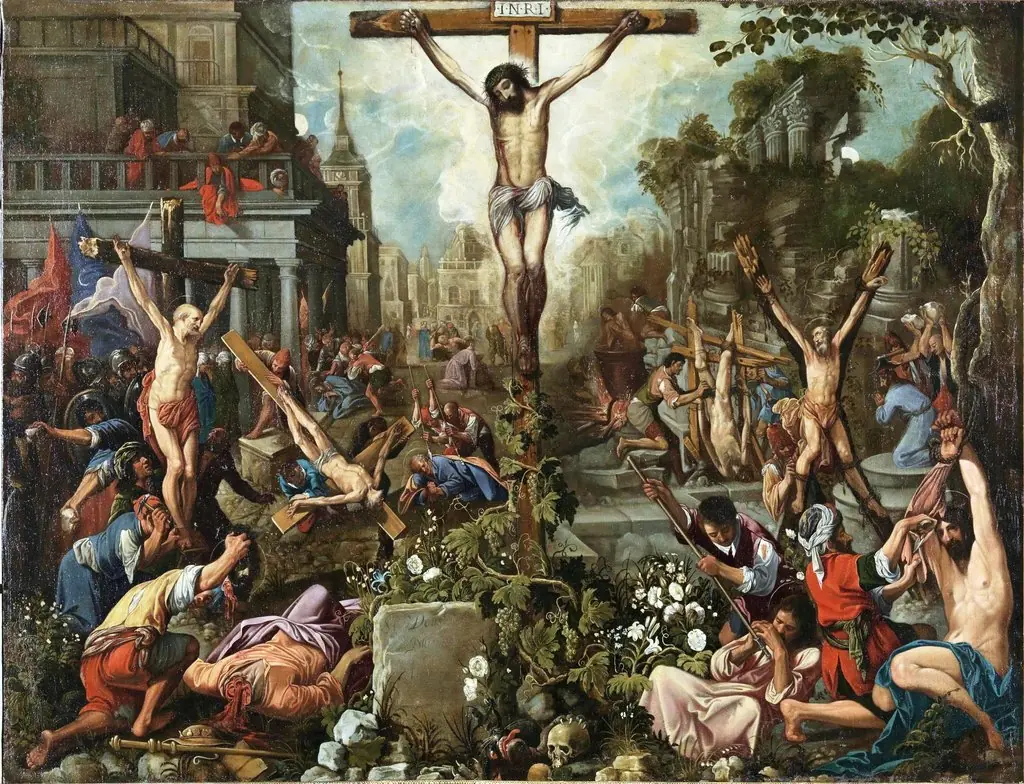 Christ, the Example for Martyrs
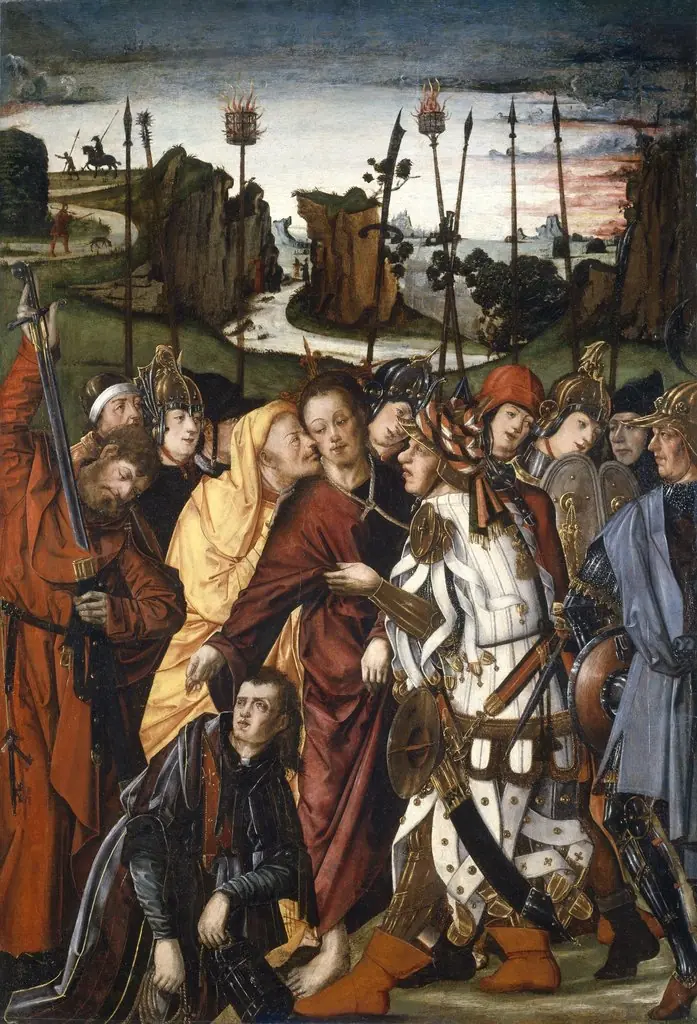 The Taking of Christ
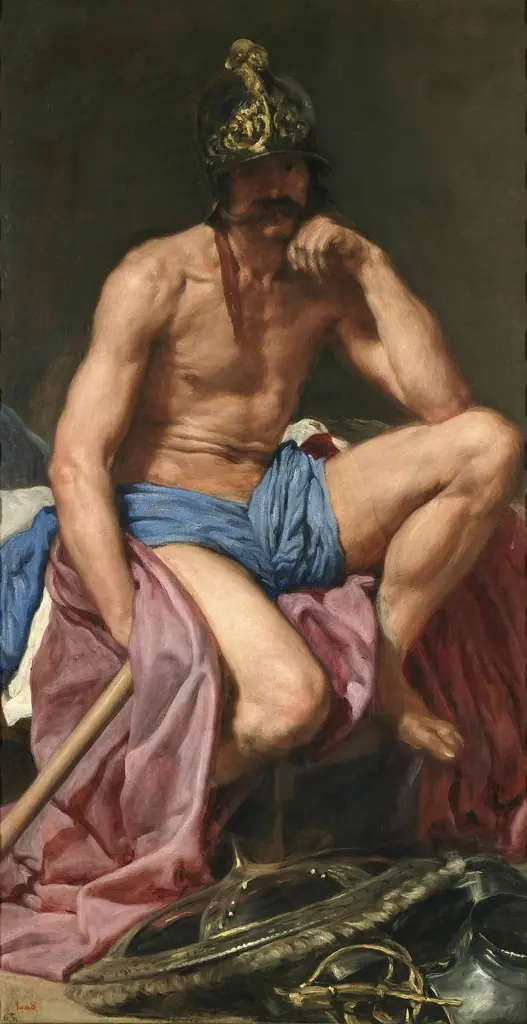 Mars Resting
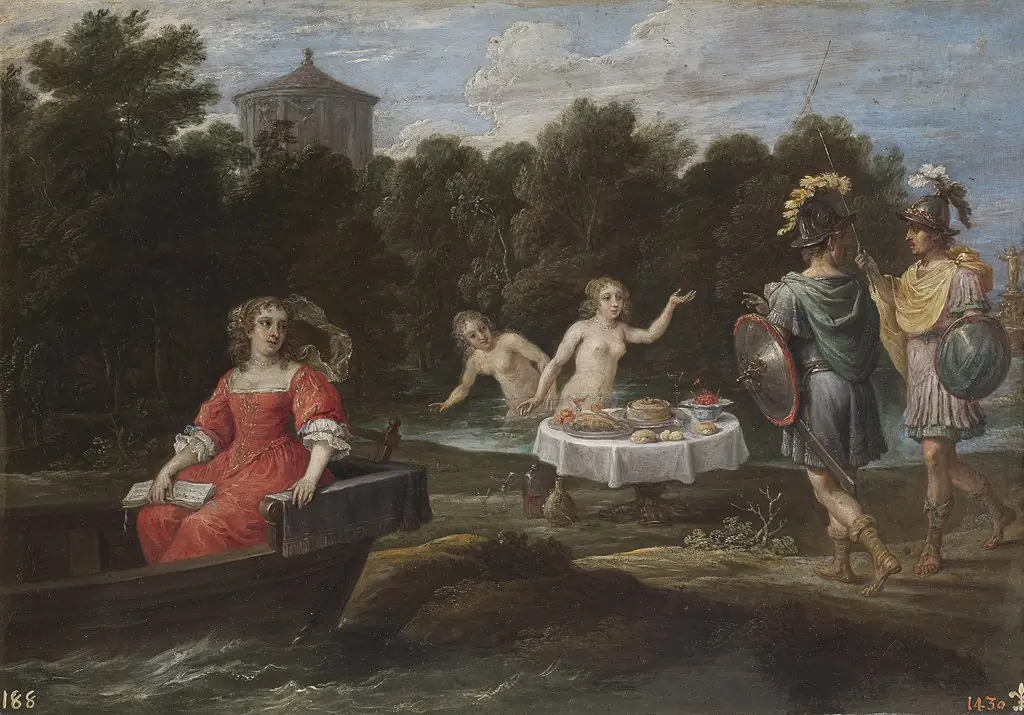 Carlos y Ubaldo en las islas Afortunadas
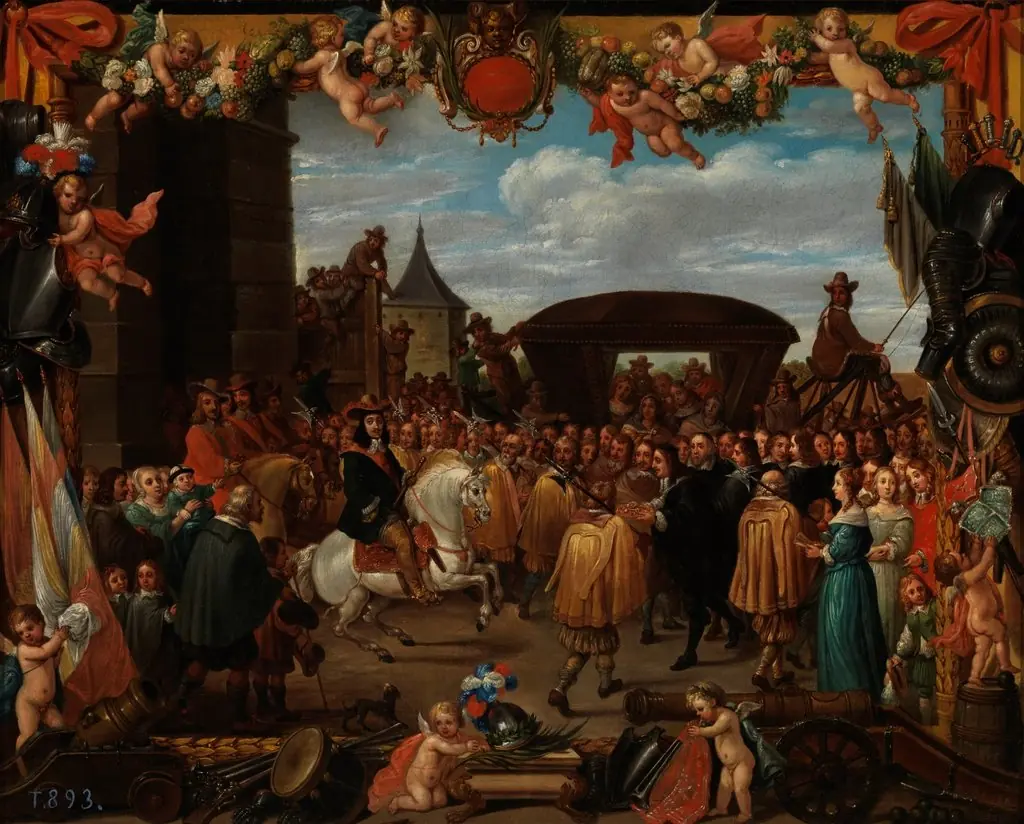 Entrada triunfal de don Juan José de Austria (?)
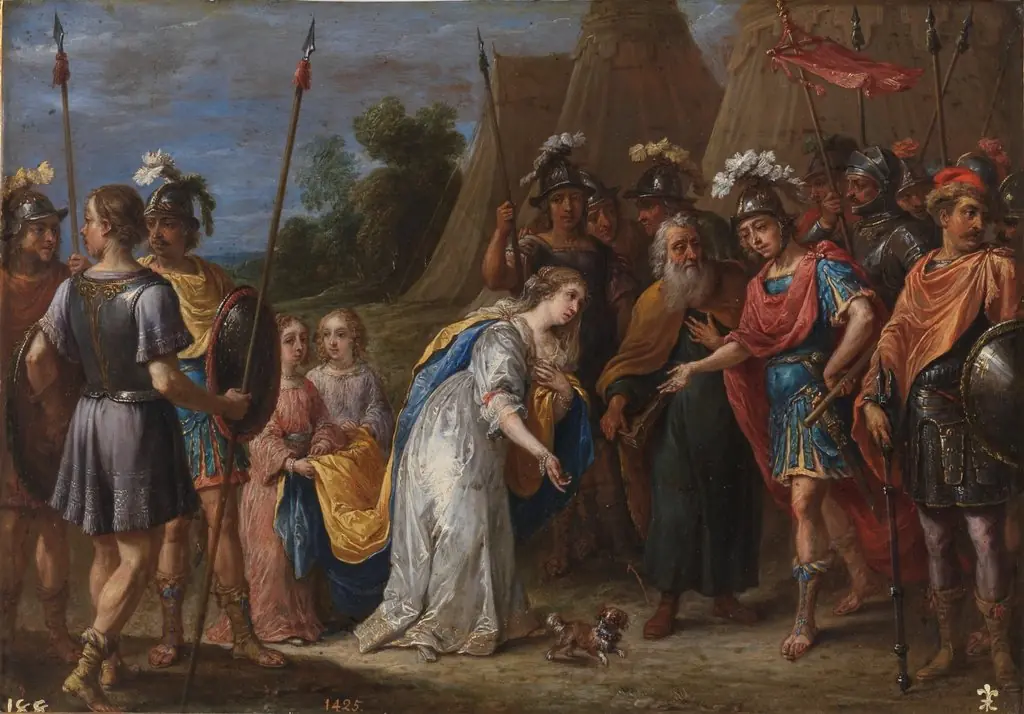 Armida ante Godofredo de Bouillon
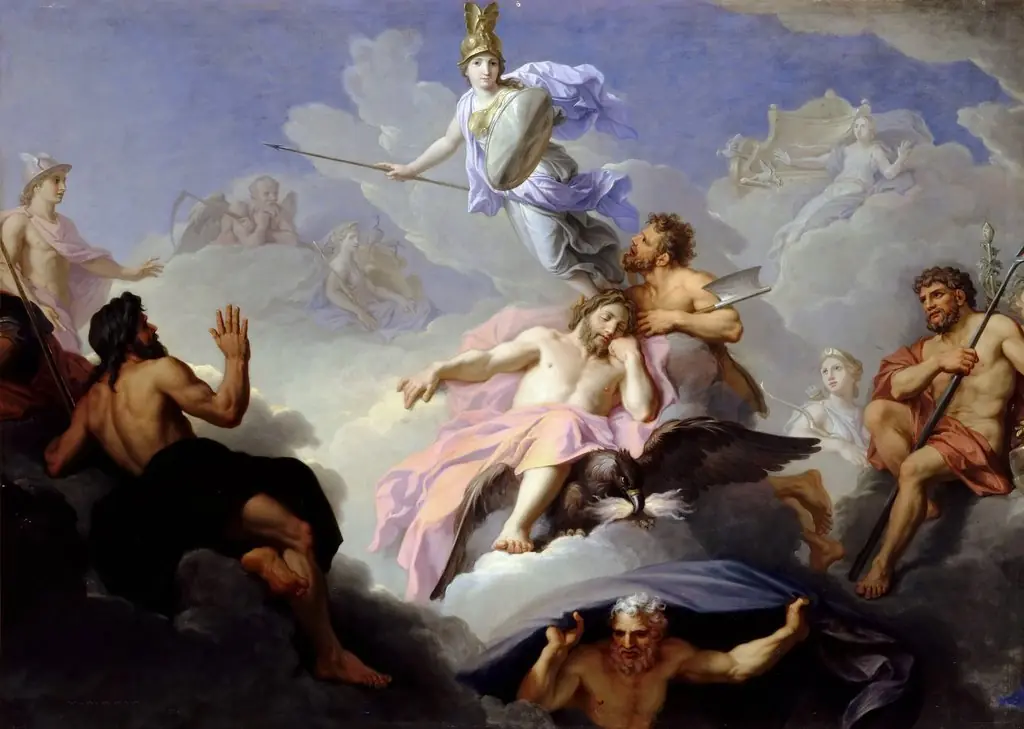 The Birth of Minerva
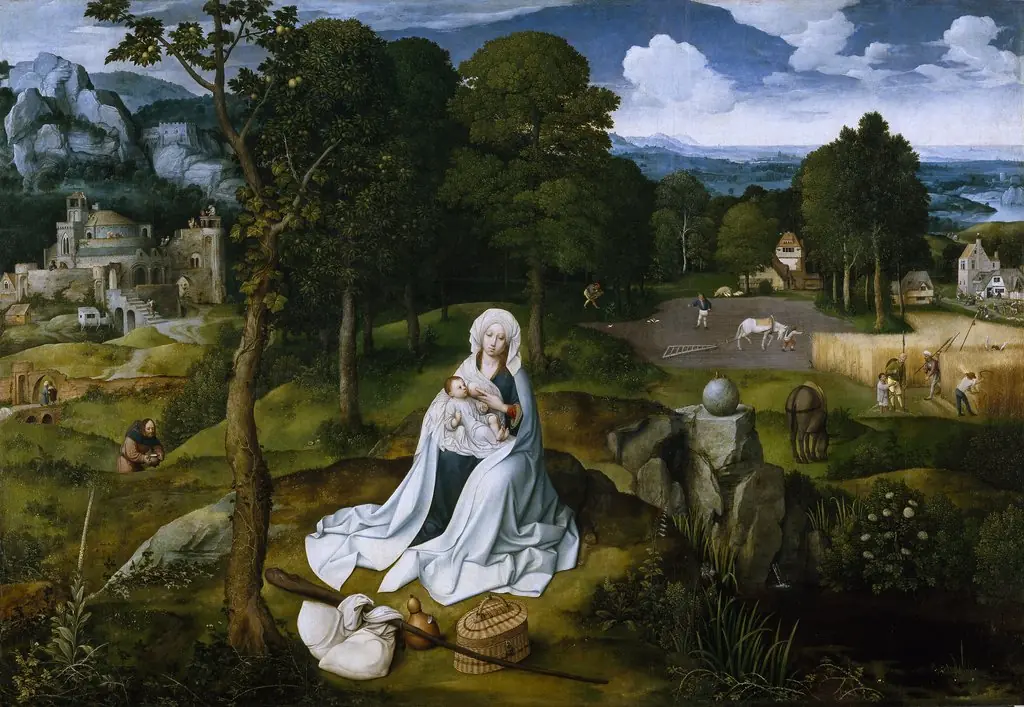 Rest during the Flight to Egypt
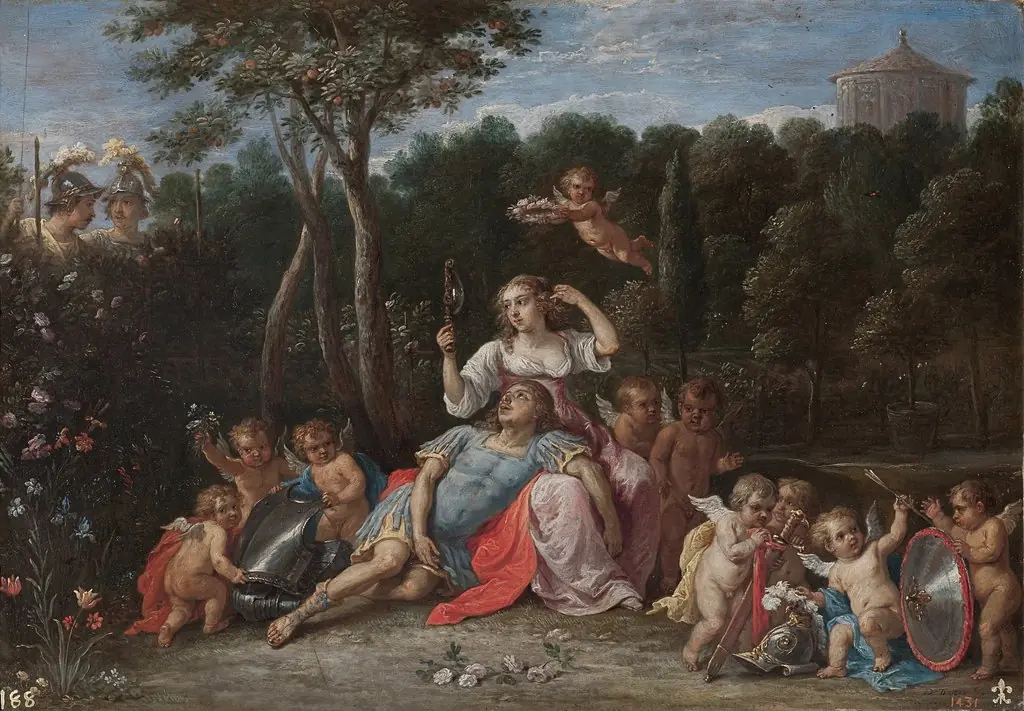 El jardín de Armida
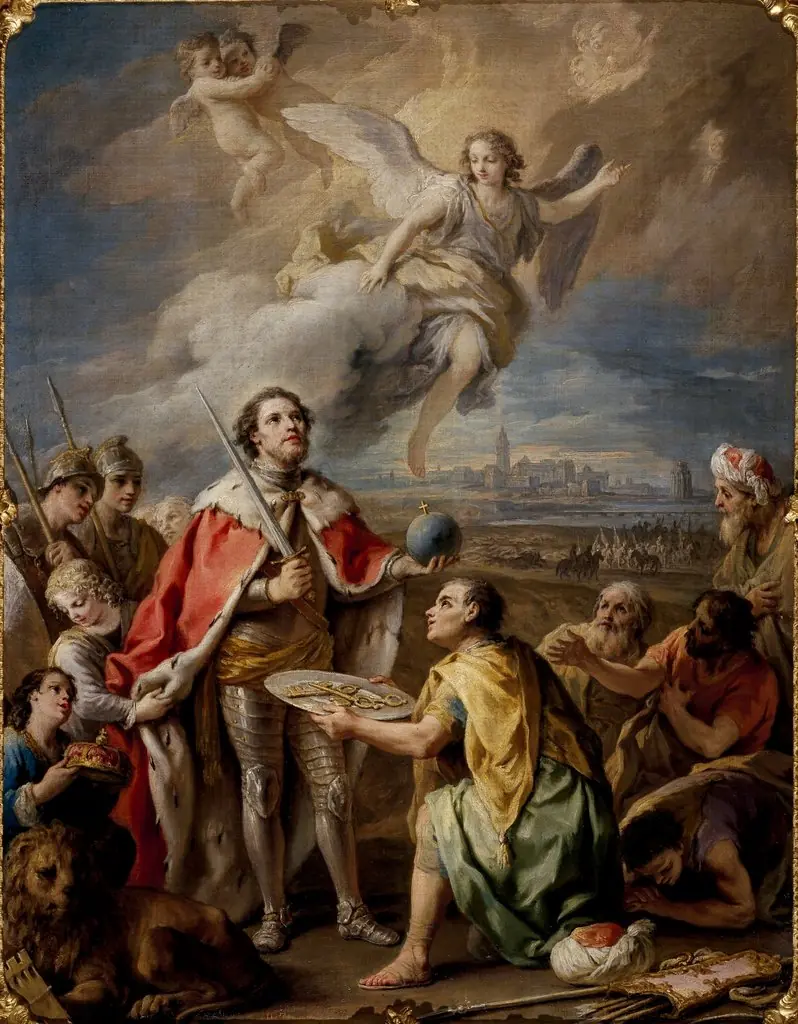 Seville Surrenders to the king, Saint Ferdinand
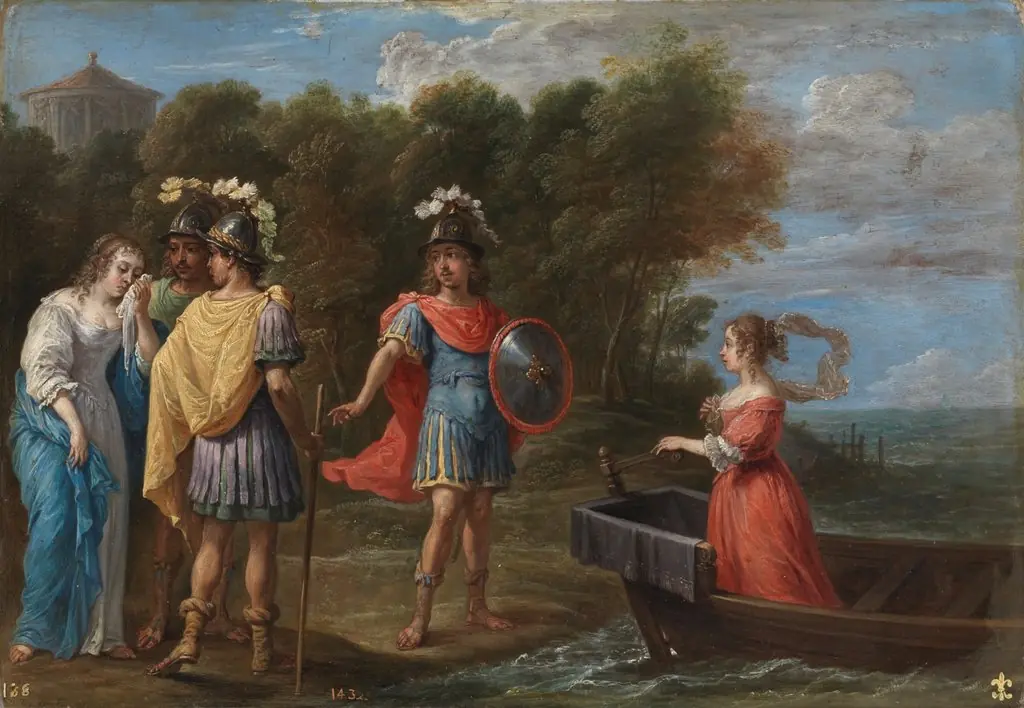 Armida and Rinaldo
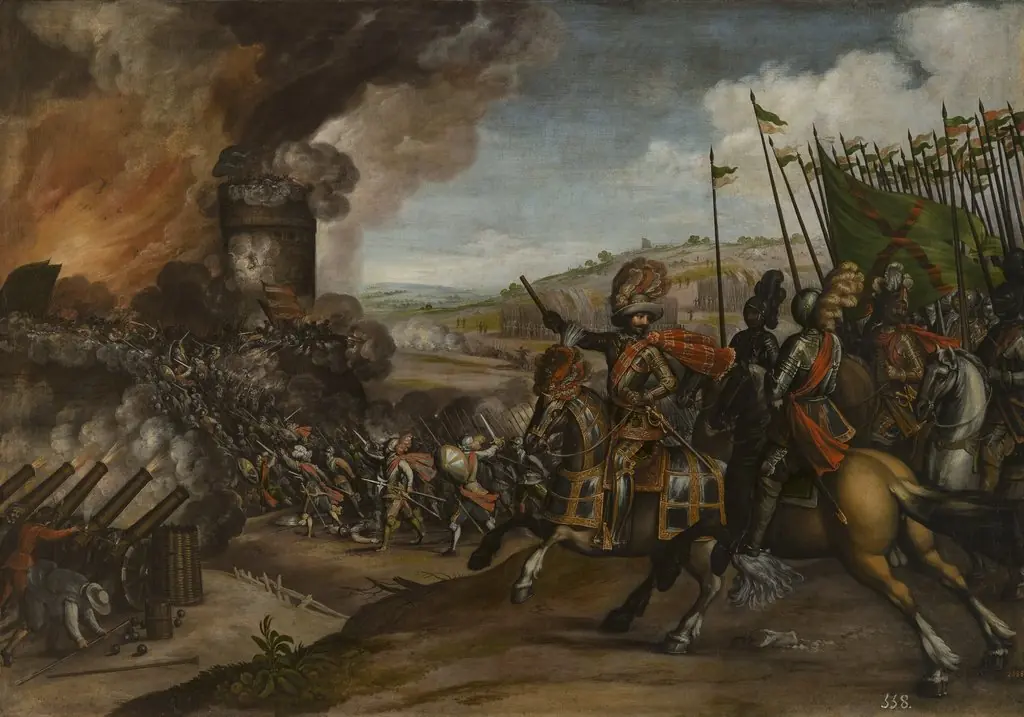 Battle of Gascona and battery in a castle
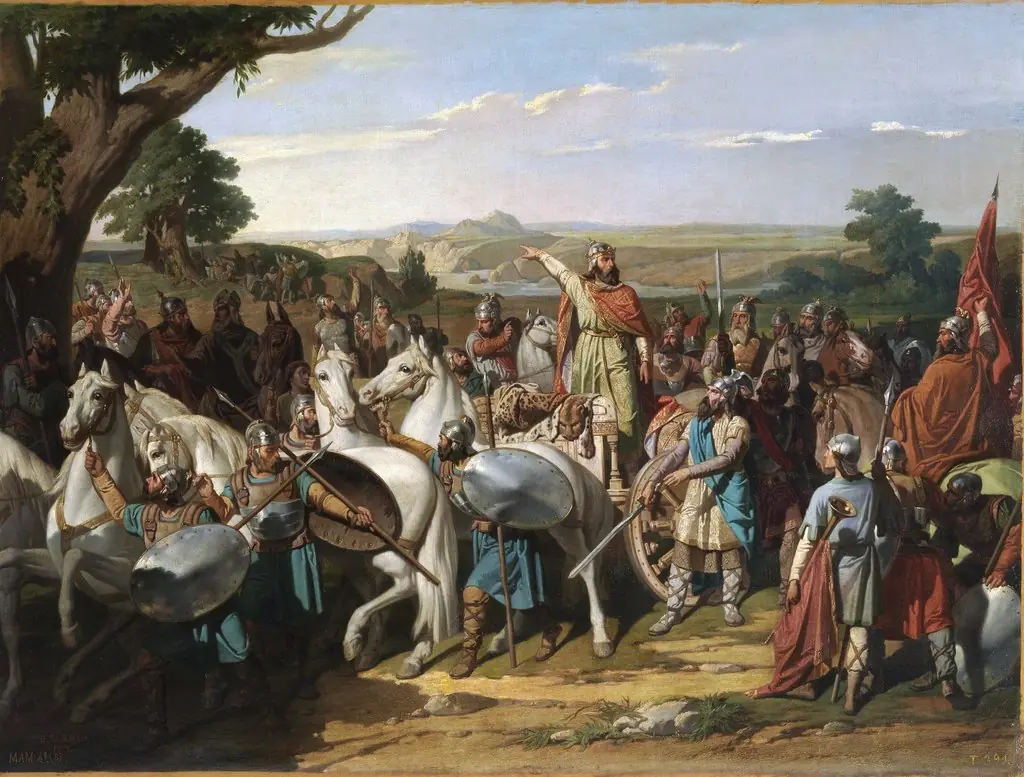 El rey don Rodrigo arengando a los jefes de su ejército antes de dar la batalla del Guadalete
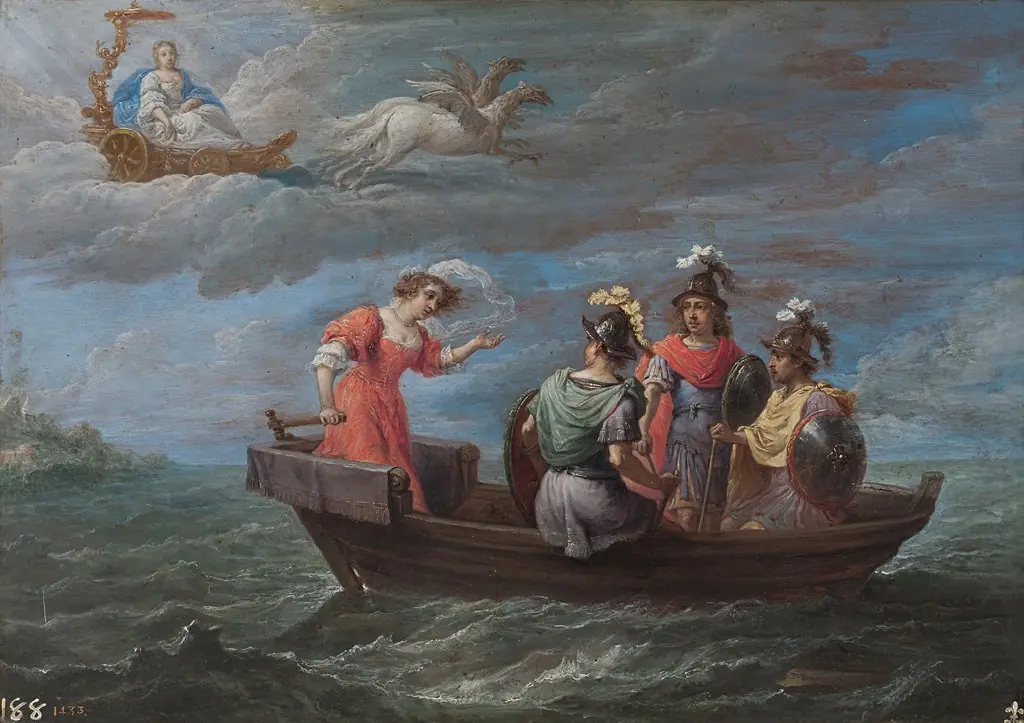 Reinaldo huye de las islas Afortunadas
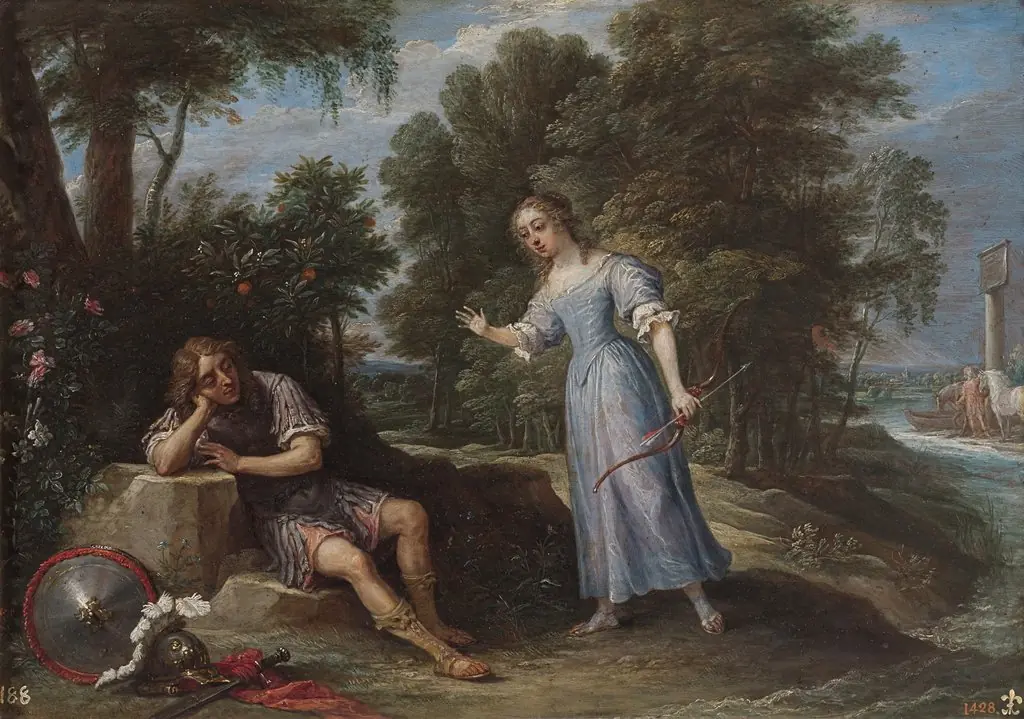 Rinaldo in love with Armida
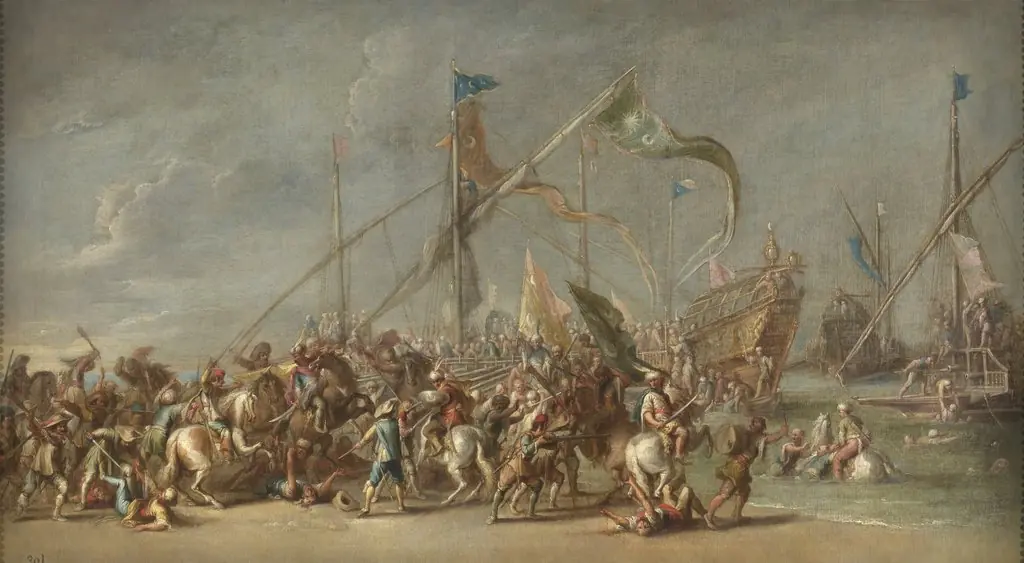 Landing and combat
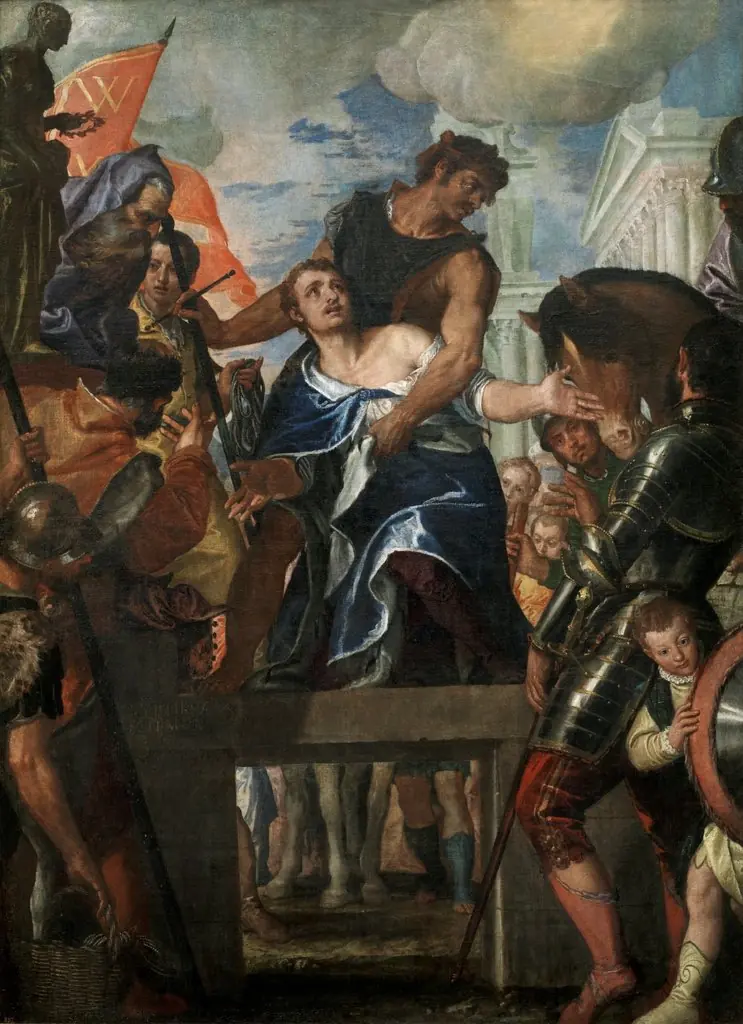 The Martyrdom of Saint Mennas
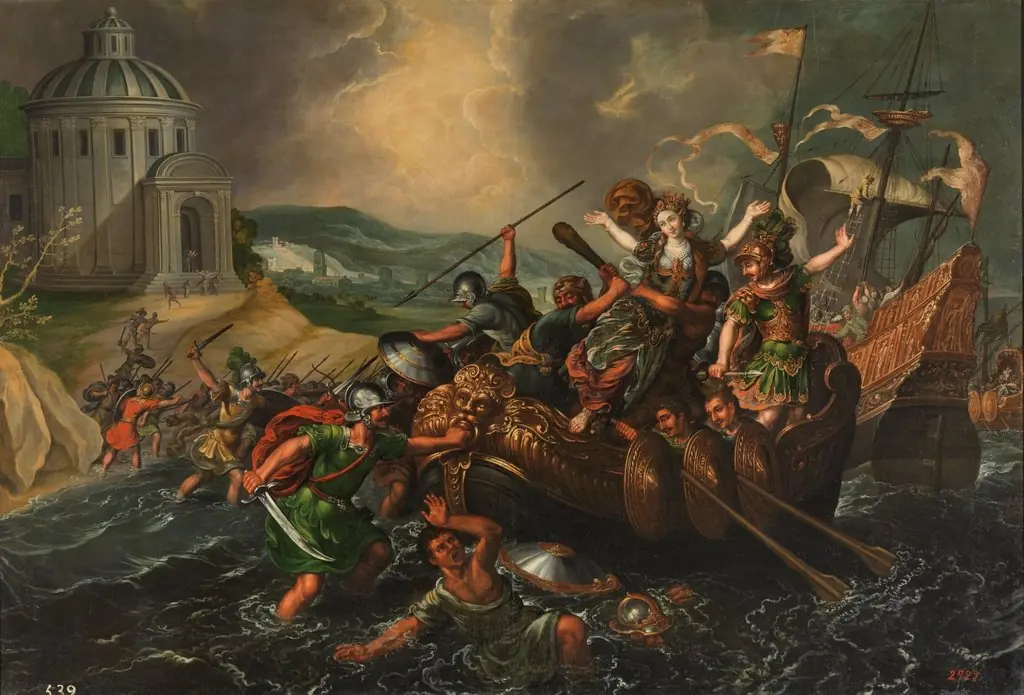 The Rape of Helen by Juan de la Corte
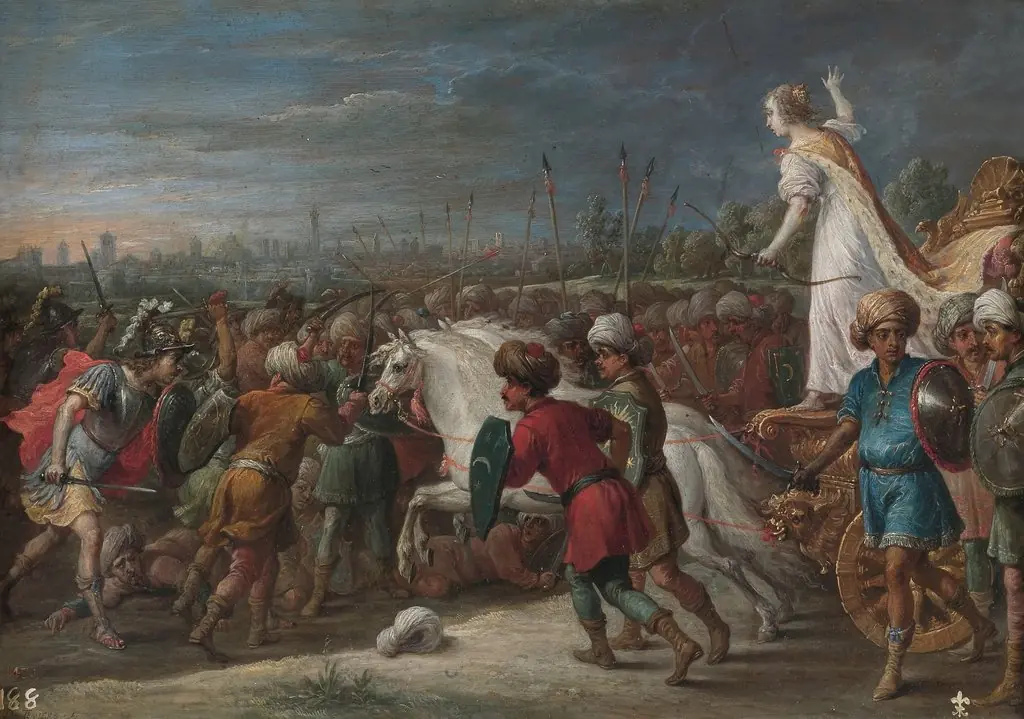 Armida en la batalla frente a los sarracenos
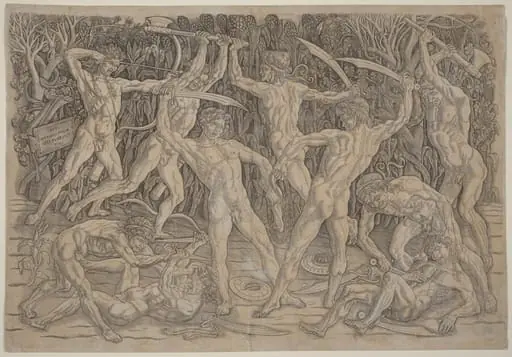 Battle of the Nudes
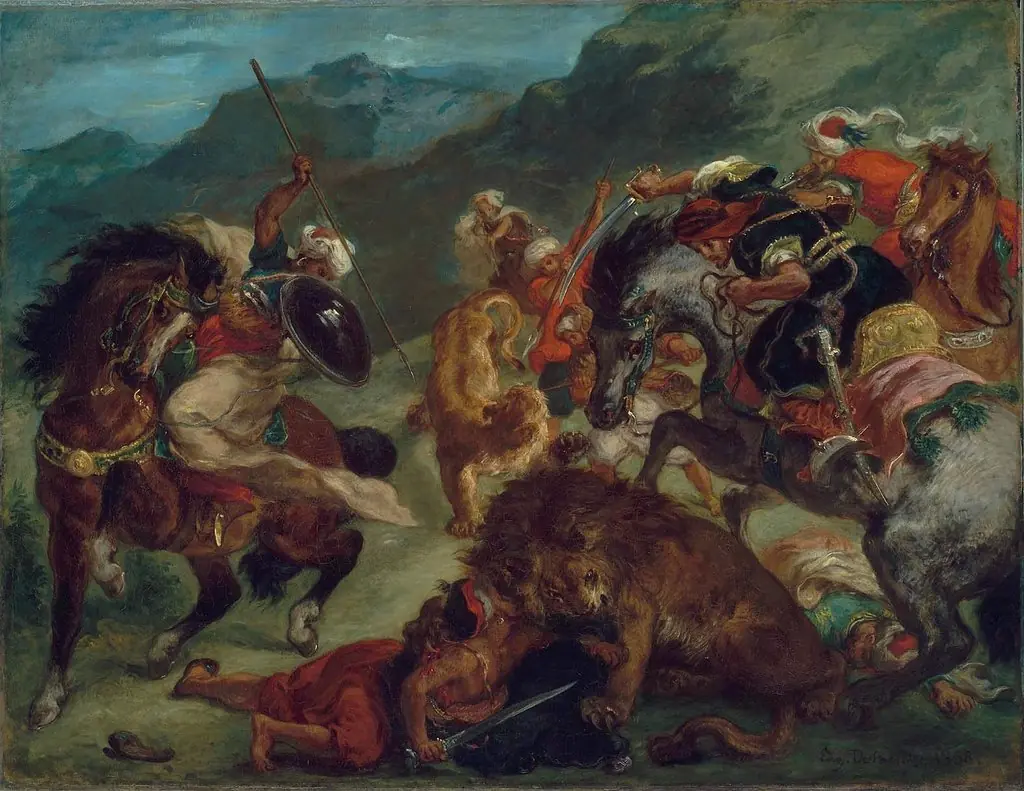 Lion Hunt
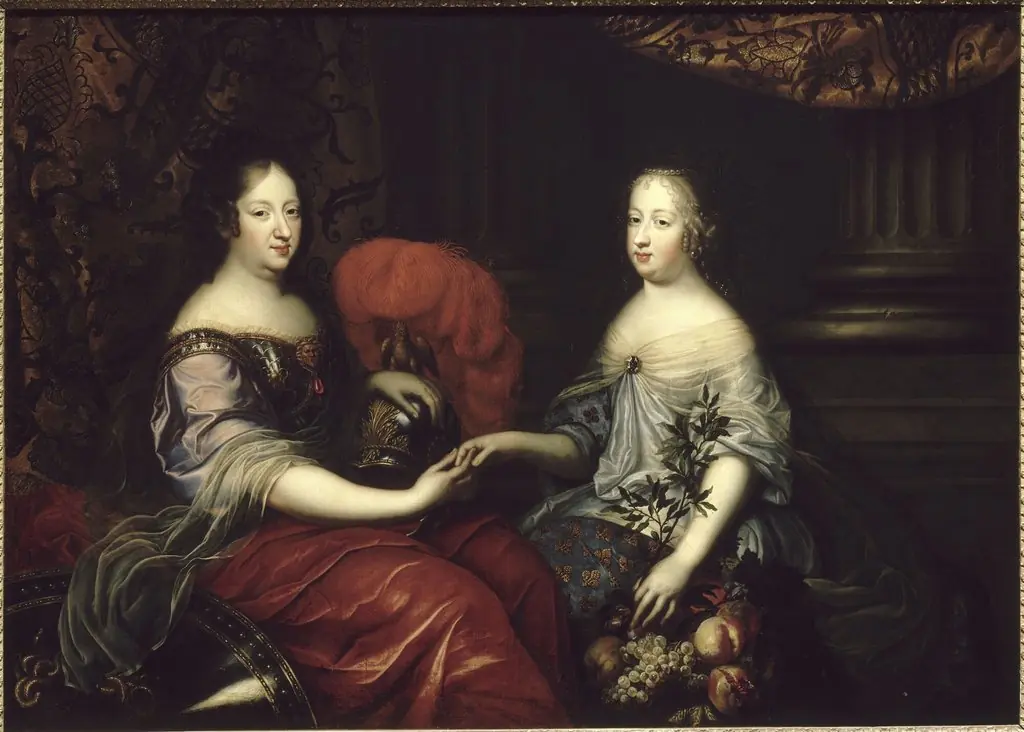 Anne of Austria and Marie-Thérèse of Austria, queens of France
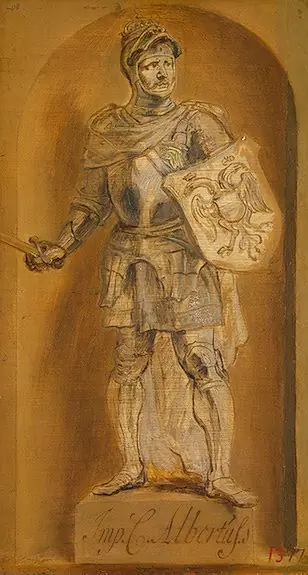 Statue of Albert I in a niche
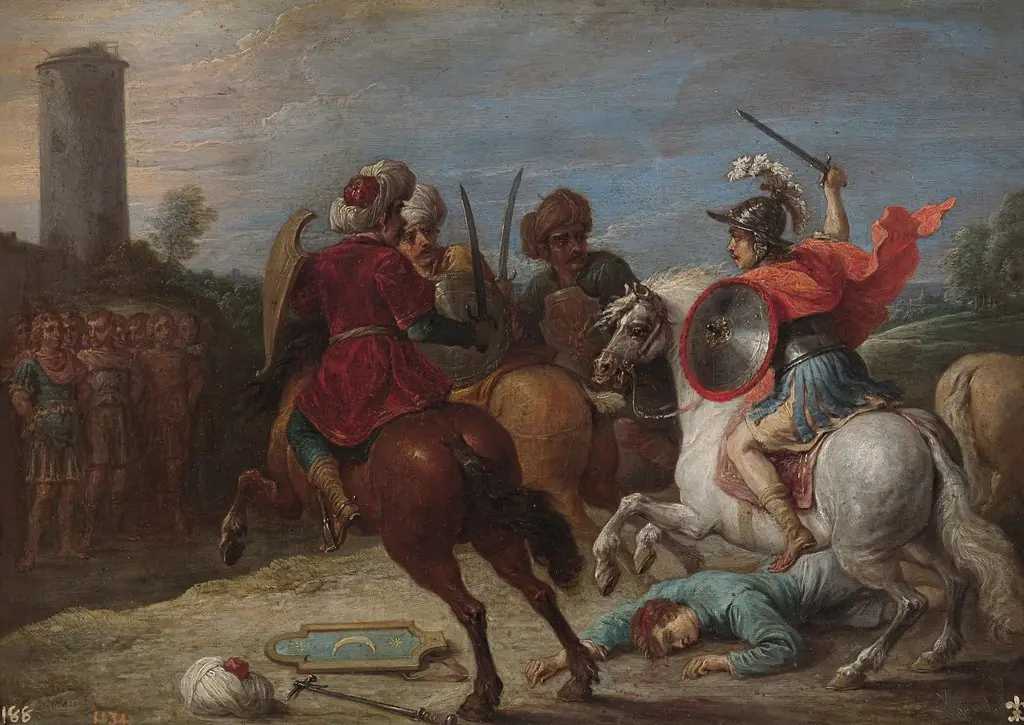 Proezas de Reinaldo frente a los egipcios
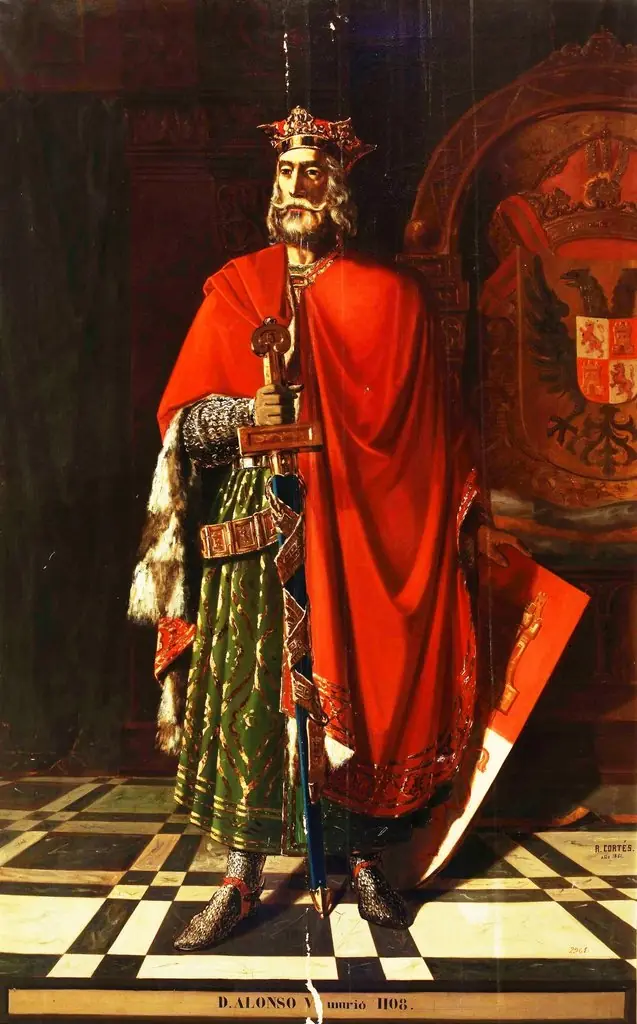 Alfonso VI
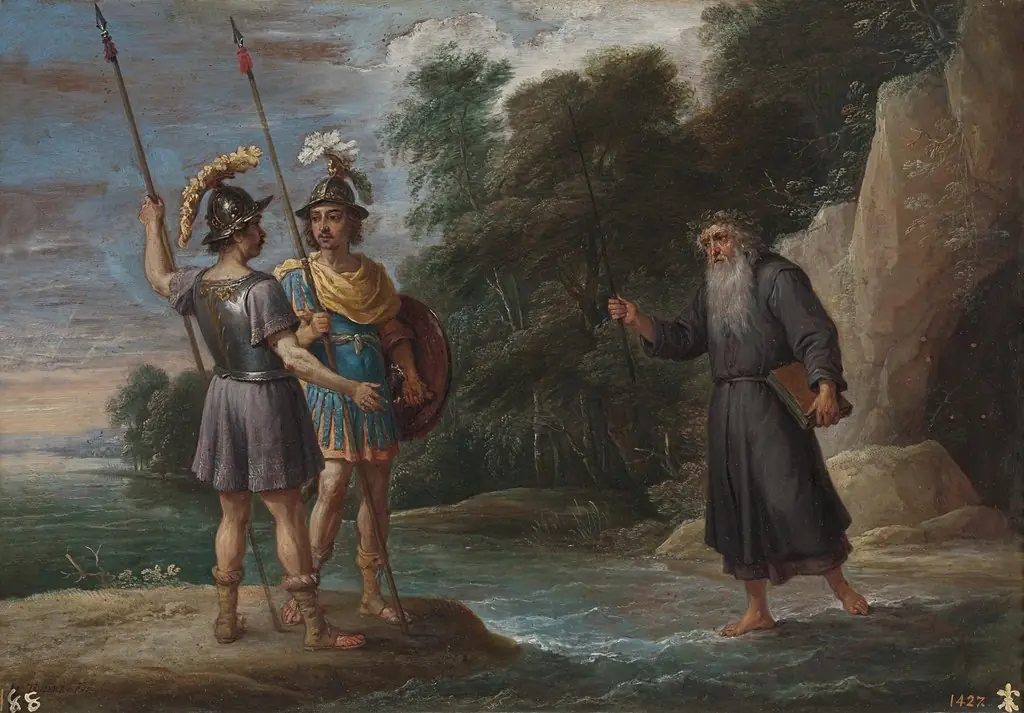 El mago descubre a Carlos y Ubaldo el paradero de Reinaldo (La búsqueda de Reinaldo)
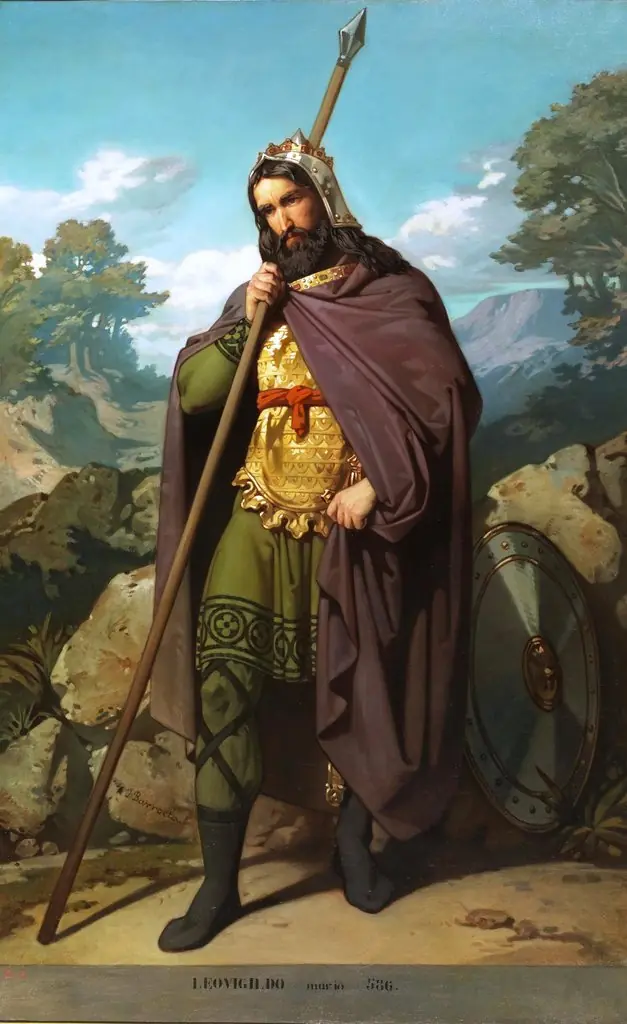 Leovigildo
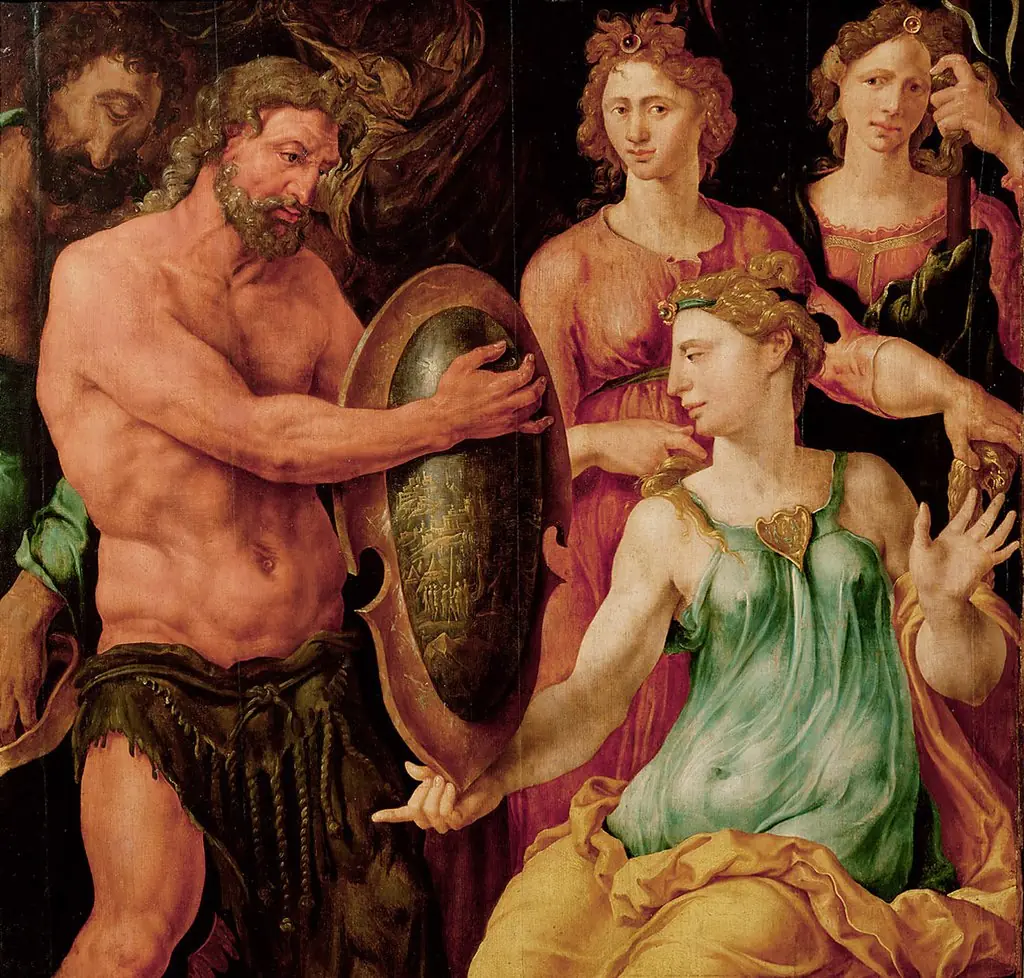 Vulcan hands Thetis the shield for Achilles
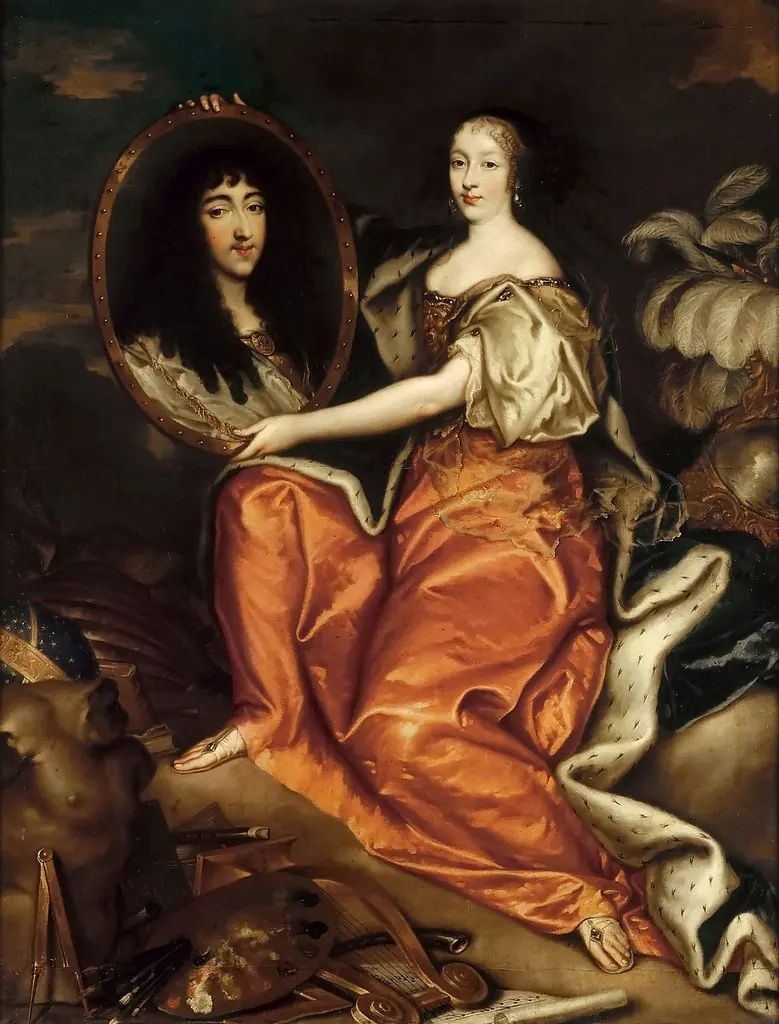 Henriette-Anne of England, Duchess of Orleans, known as Madame (1644-1670)
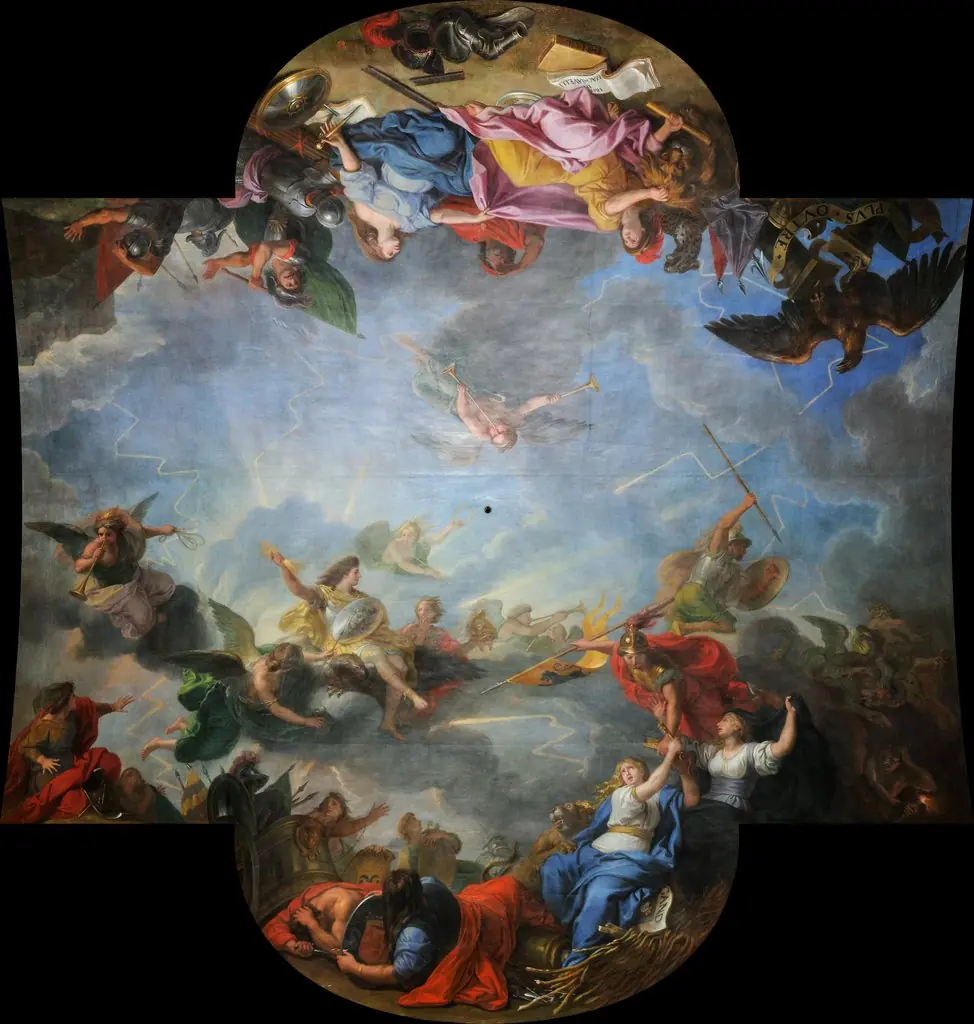 capture the citadel
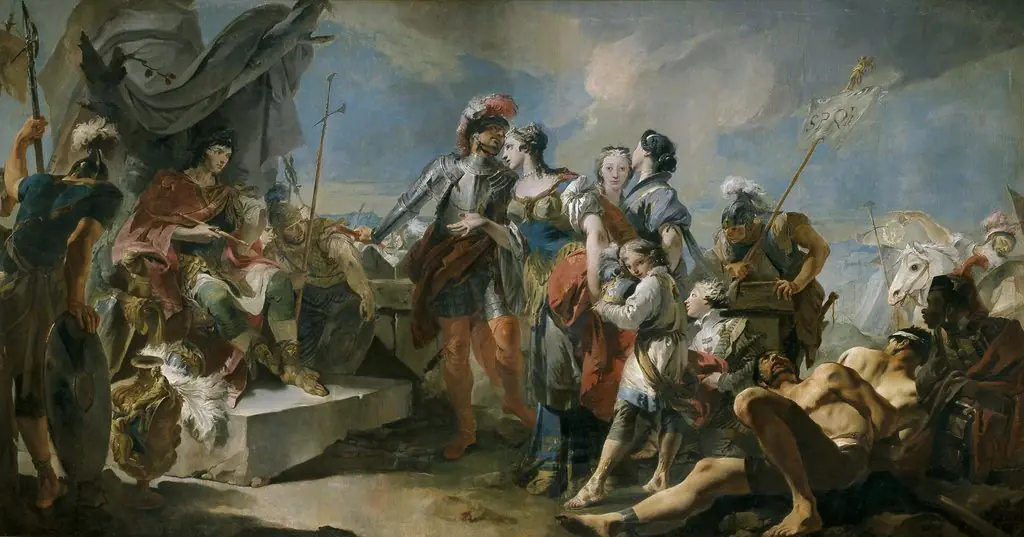 Queen Zenobia before the Emperor Aurelian
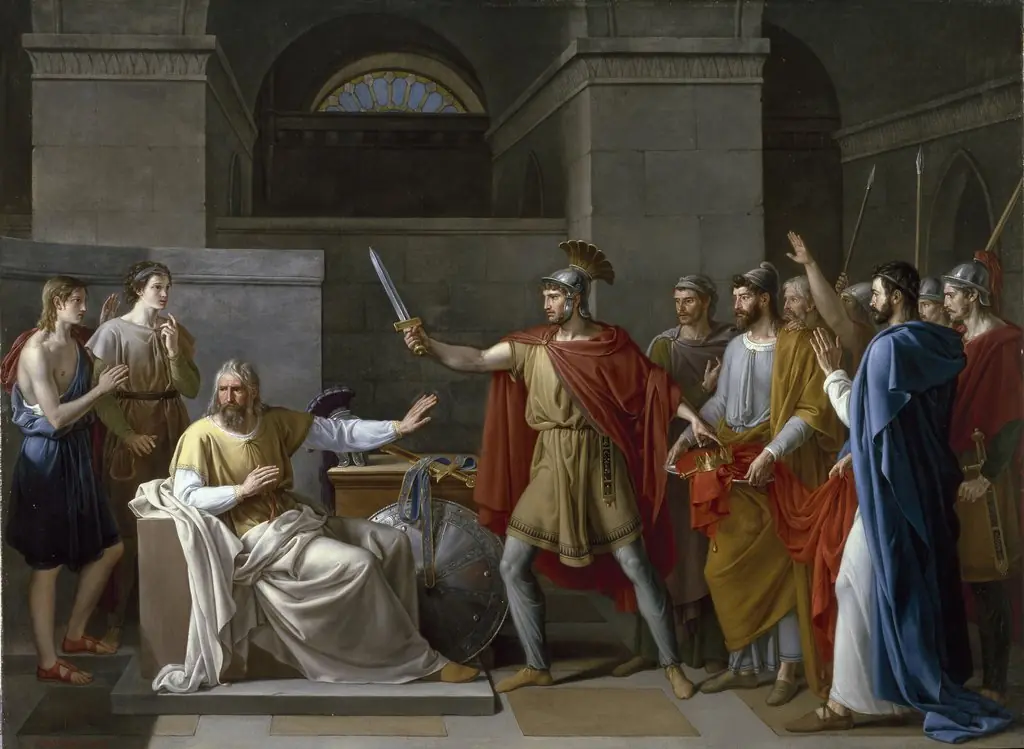 Wamba renouncing the Crown
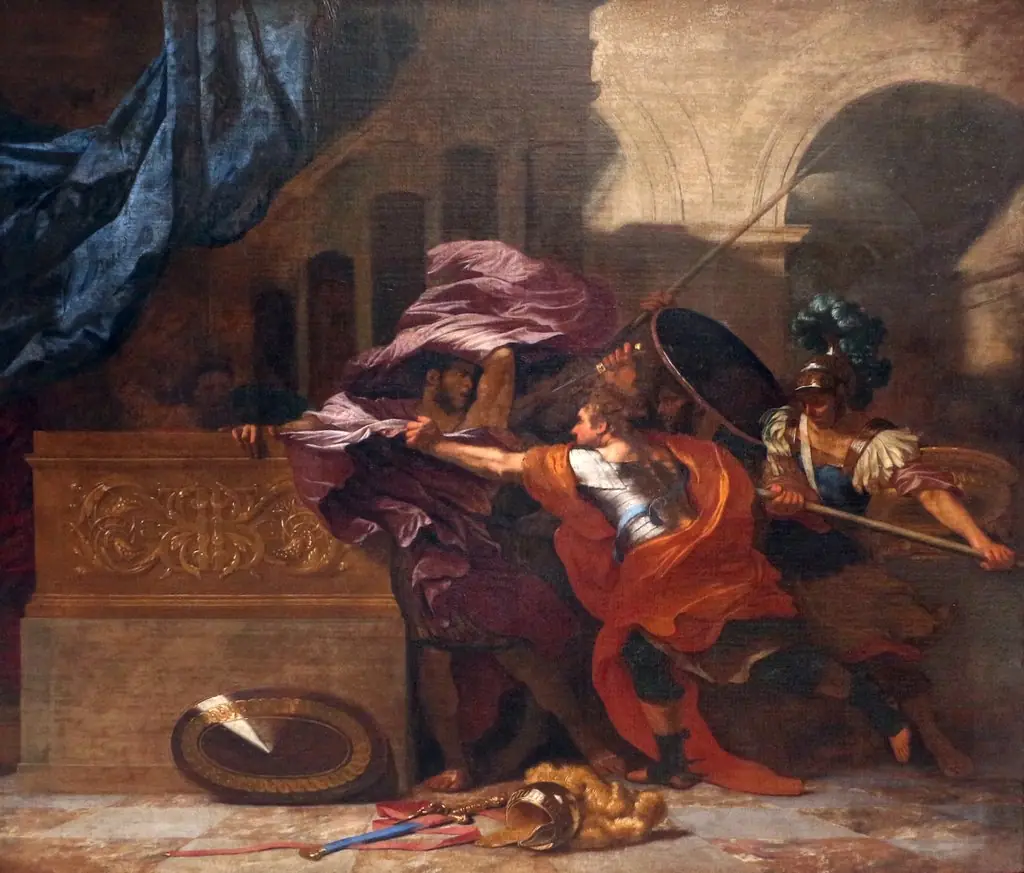 Death of Pyrrhus
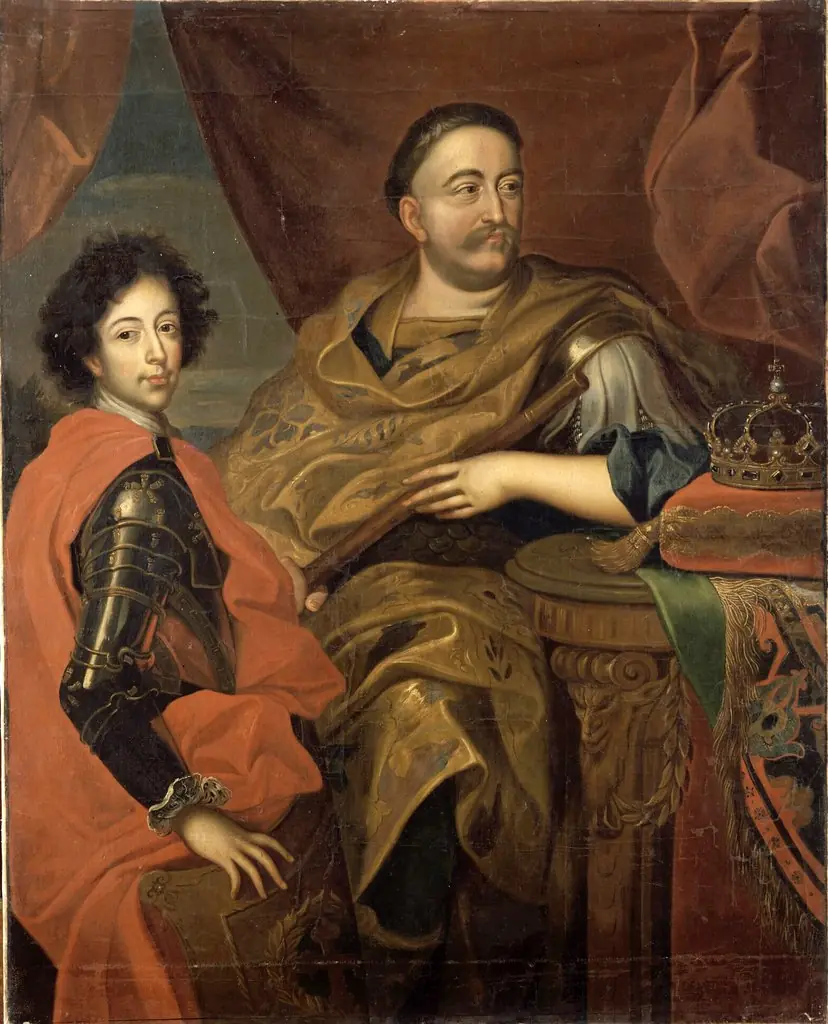 John III Sobieski, King of Poland (1624-1696) with one of his children
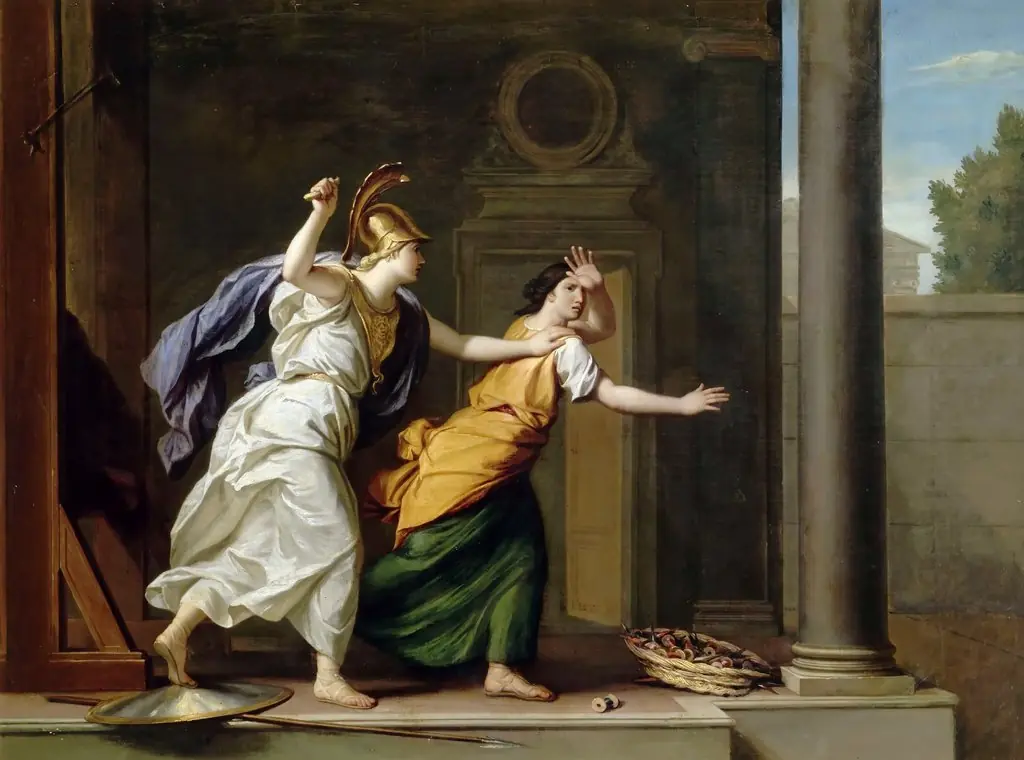 Minerva and Arachne
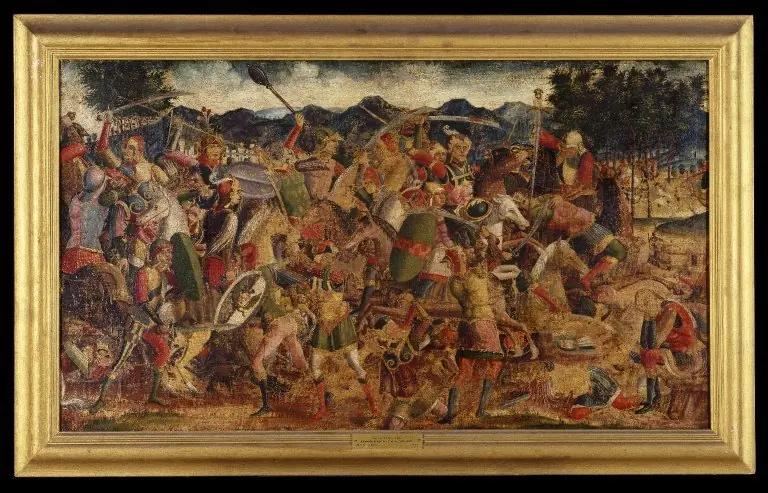 A Battle Scene
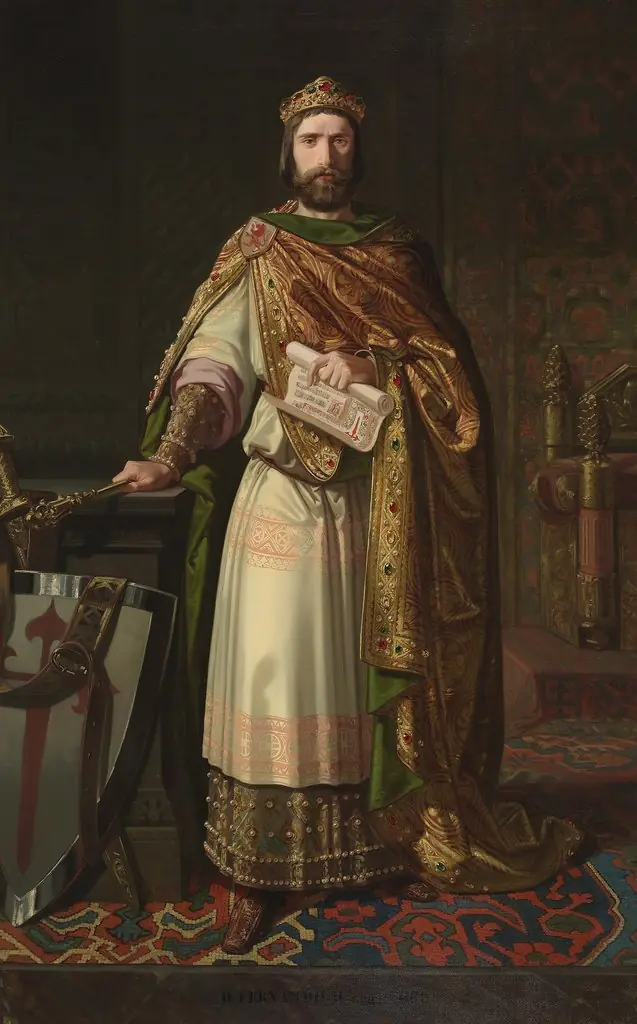 Fernando II rey de León
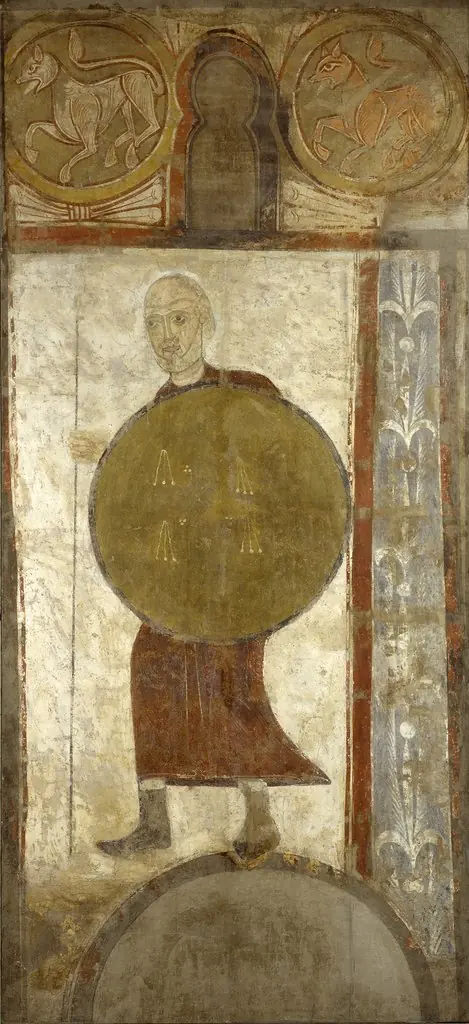 Soldier. Hermitage of San Baudelio. Casillas de Berlanga (Soria)
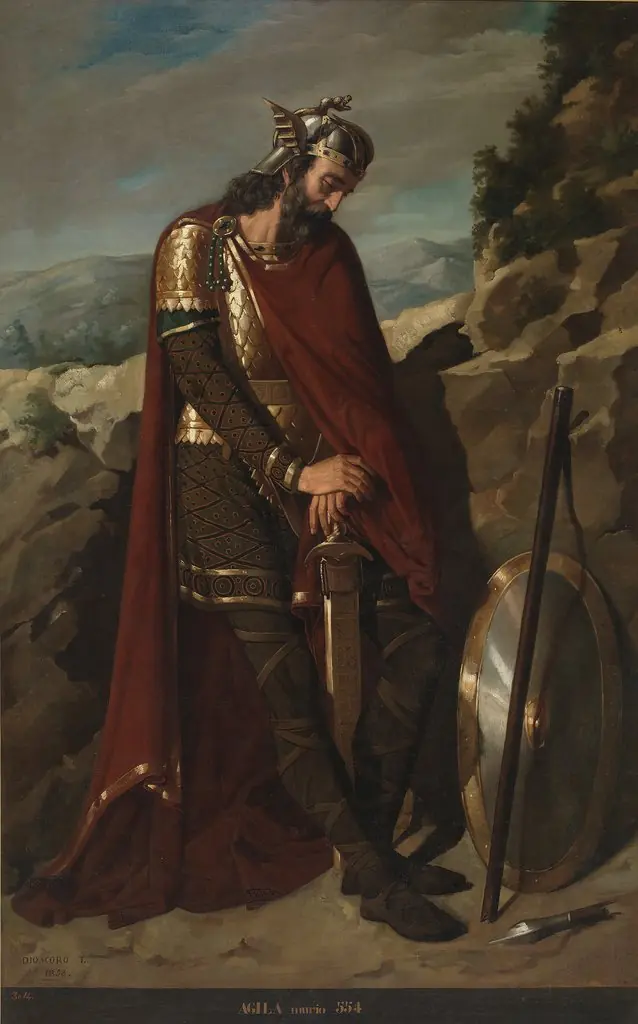 Agila I
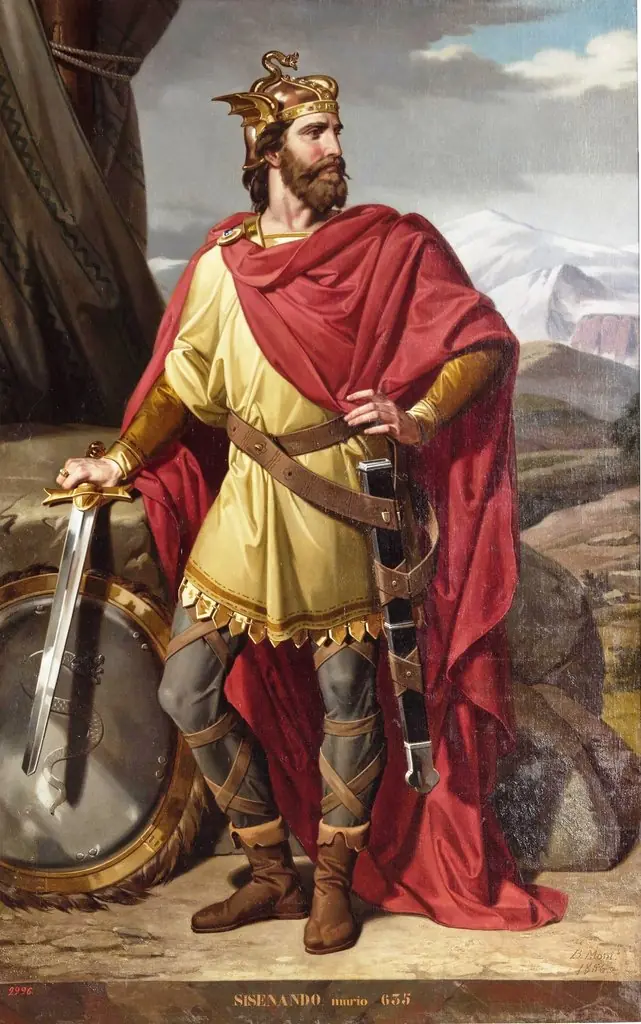 Sisenando
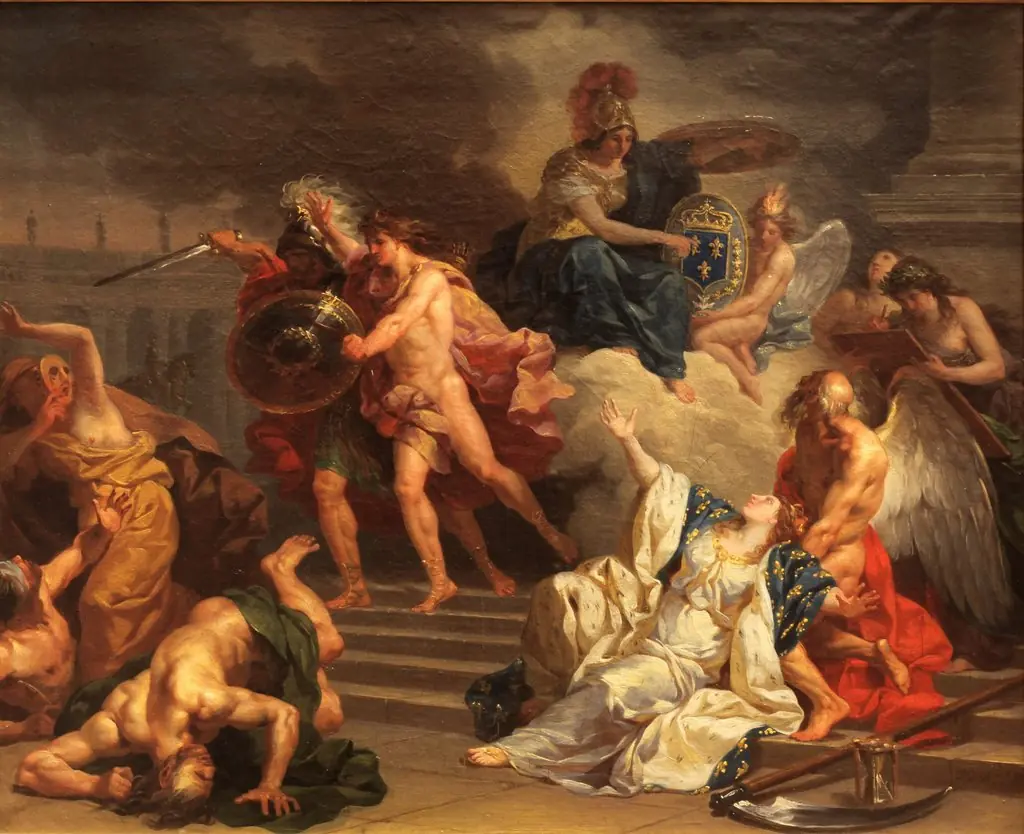 France comforted by Time
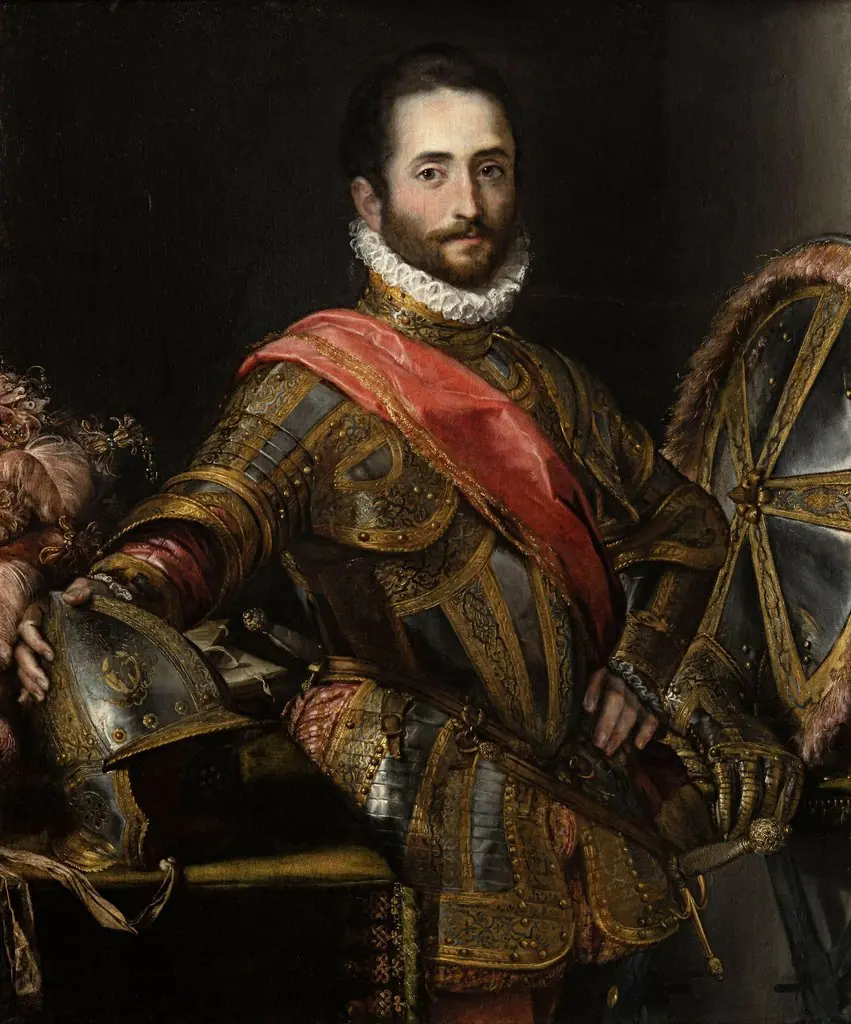 Portrait of Francesco Maria II della Rovere
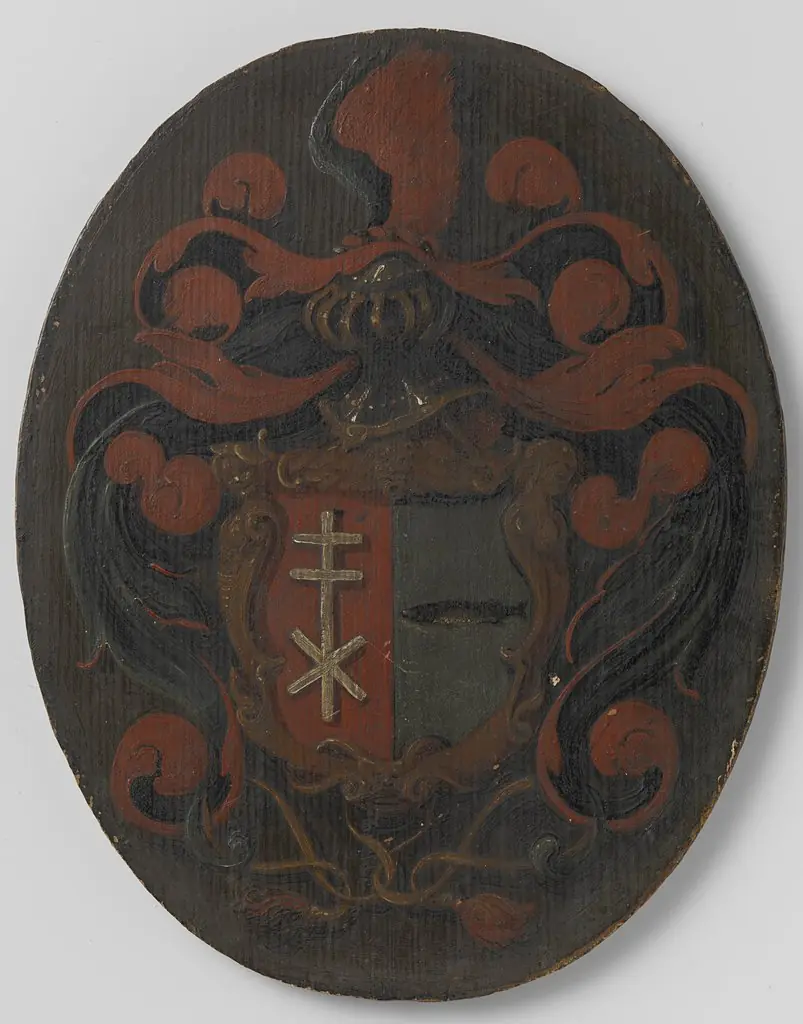 Wapenbord met het wapen van de familie Snoeck (Amsterdam)
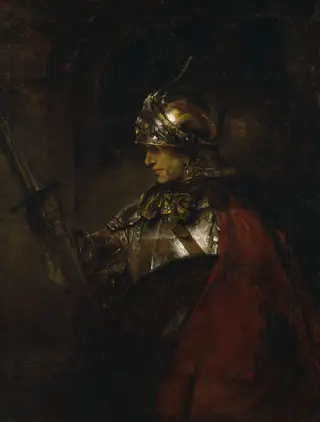 Man in Armour
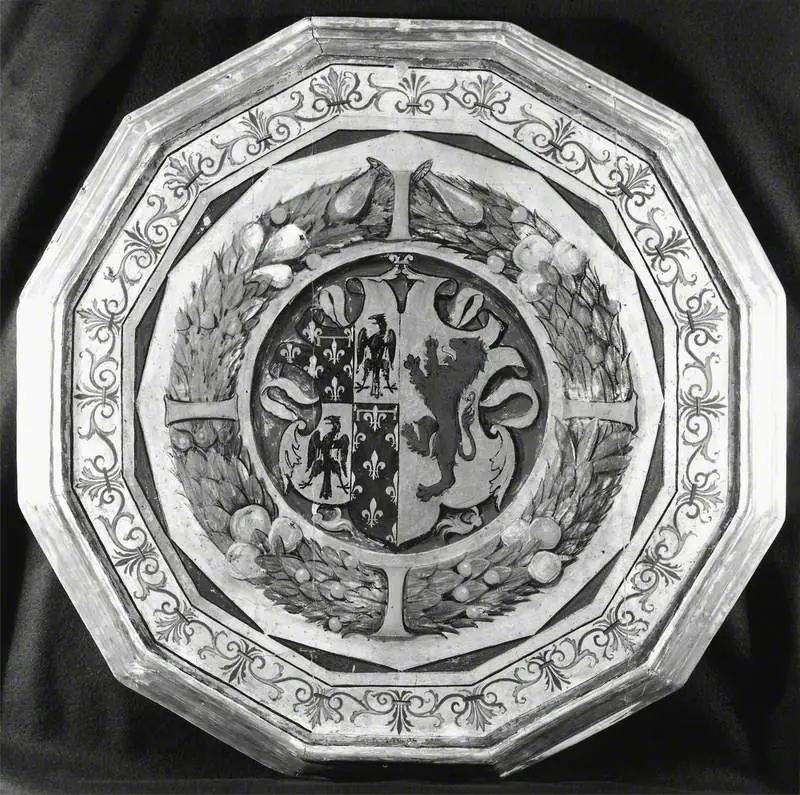 Shield with Two Arms Framed by a Garland (birth tray, back)
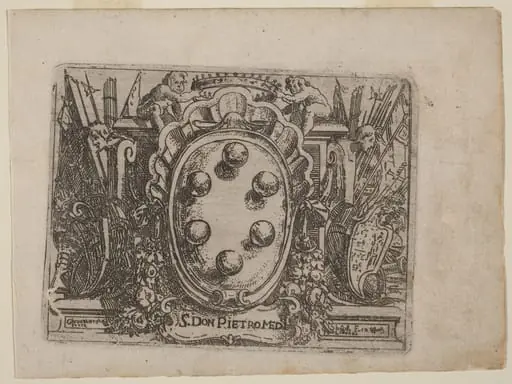 Dedication to Don Pietro Medici from "Bizzarie di varie Figure"
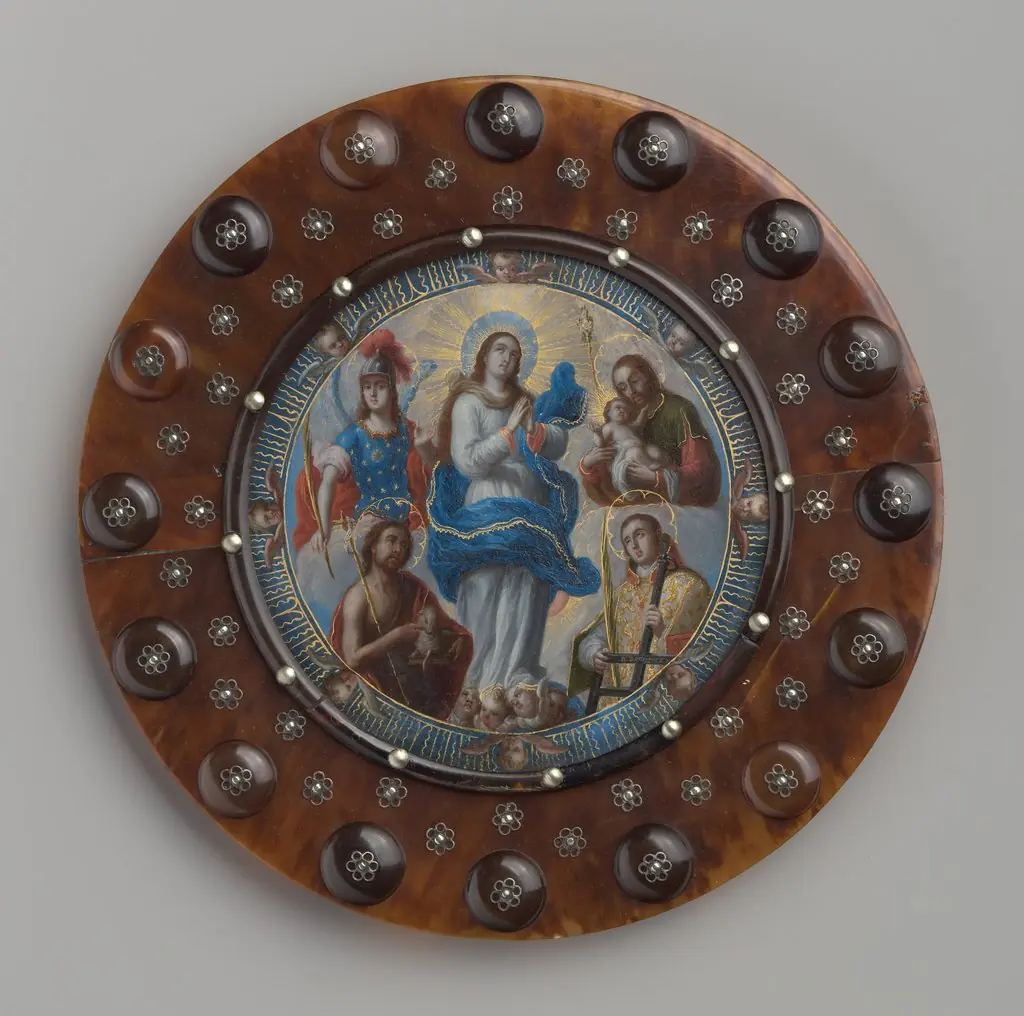 Nun’s Badge with the Virgin of the Immaculate Conception
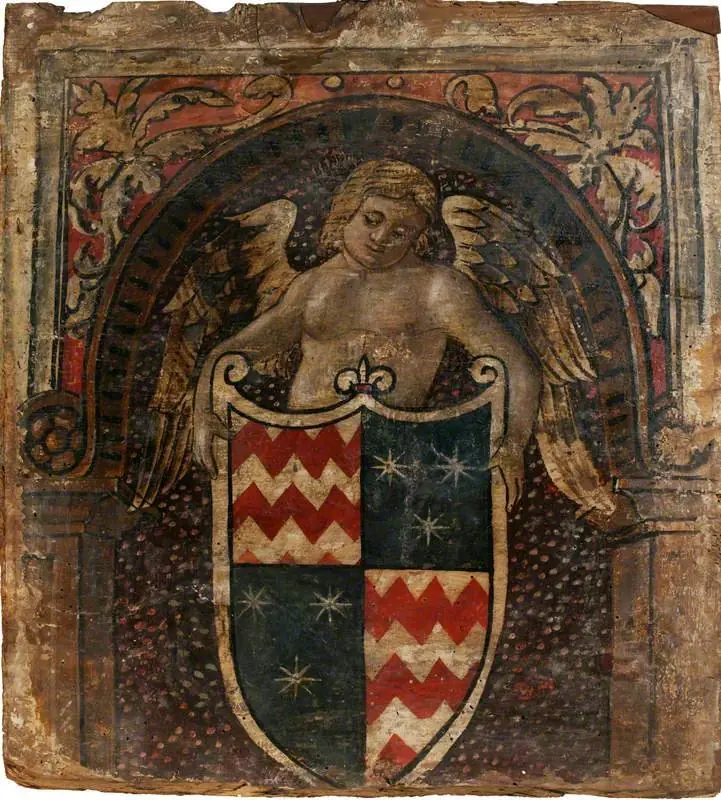 A Cupid with a Coat of Arms (one of 29 painted panels from a frieze)
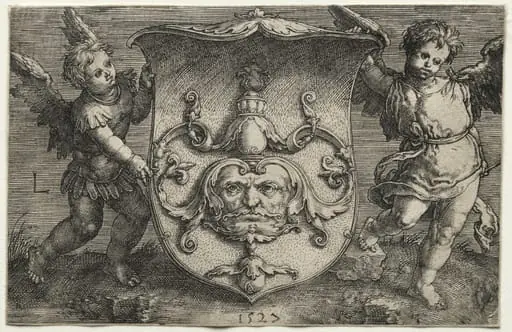 A Shield Bearing a Mask Supported by Two Genii
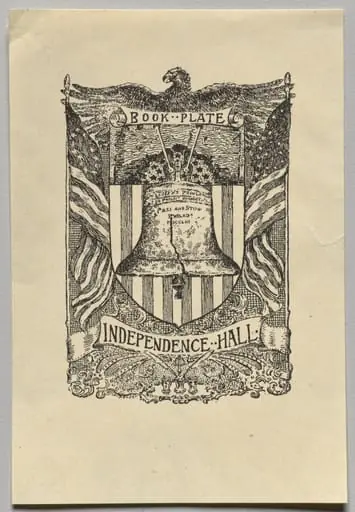 Bookplate: Independence Hall
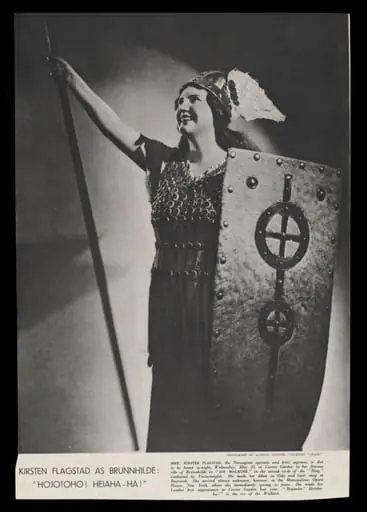 H Beard Print Collection
Frequently asked questions
What is Shield?
Shield is a subject in art. A shield is a piece of personal armour held in the hand, which may or may not be strapped to the wrist or forearm.
How many Shield works does Artifact World Gallery have?
Artifact World Gallery holds 69 public-domain Shield works, all free to view and download.
Who are the key Shield artists?
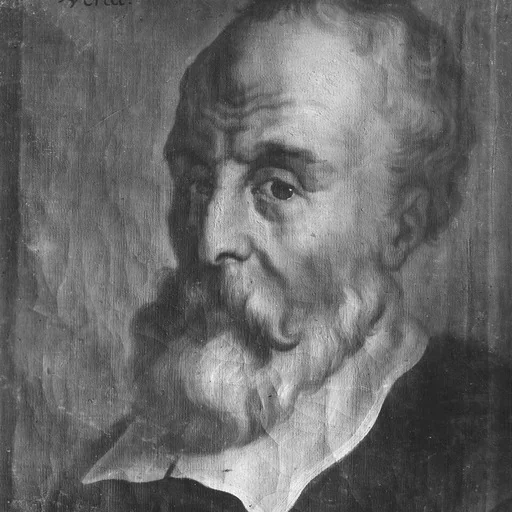
Key Shield artists in the collection include Titian, Paolo Veronese and Jean Léon Gérôme.
Where can I see Shield works?
Shield works in the collection are held by Museo del Prado, Palace of Versailles and Metropolitan Museum of Art.