Artwork
Landscape with a Satyr Family and Classical Sculpture
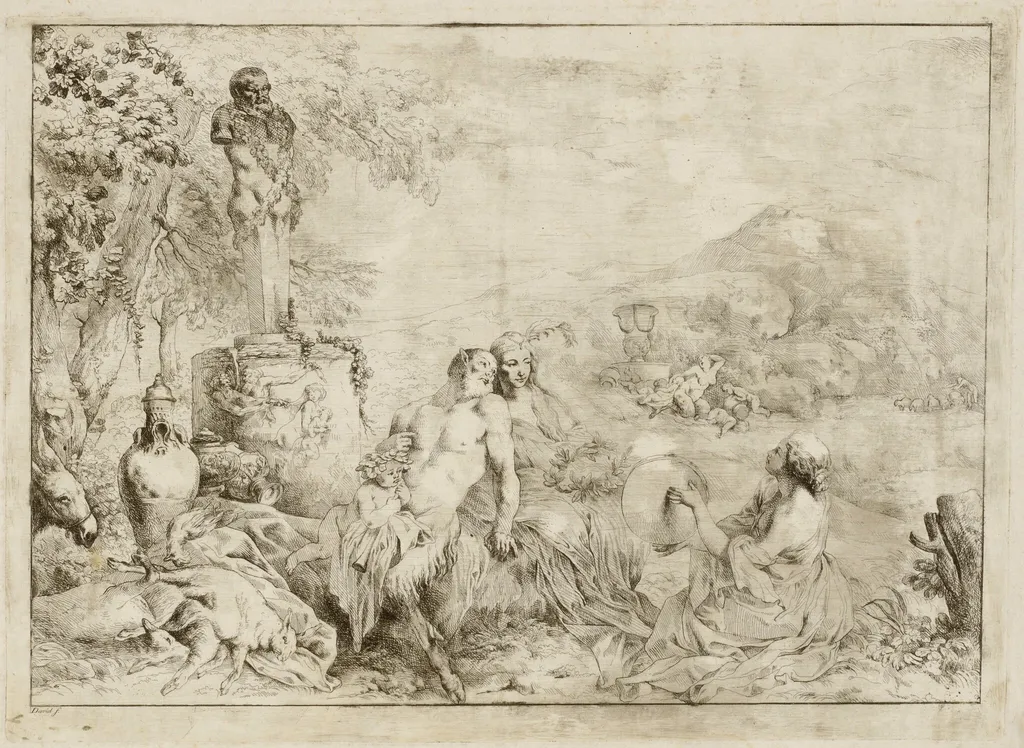
Landscape with a Satyr Family and Classical Sculpture is an ink print by the Romanticist artist Giovanni David. It dates from 1776 and is held in the collection of the National Gallery of Art.
- Inscription
- Inscribed:lower left in plate: David f.
About this work
Overview
The composition is defined by a dramatic, stormy sky filled with dark clouds that loom over distant mountains, establishing a wild and untamed atmosphere.
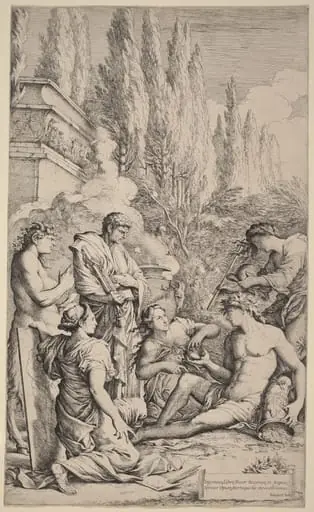
Created in 1776, Landscape with a Satyr Family and Classical Sculpture is an etching on laid paper by the Italian artist Giovanni David. The work depicts a rugged, rocky landscape populated by a mythological group: a bearded satyr with horns, a female figure holding a mirror, and a child engaged in play. These figures are situated near a fallen, fragmented classical statue, which rests on the ground beneath a tall tree rising from a hill.
The composition is defined by a dramatic, stormy sky filled with dark clouds that loom over distant mountains, establishing a wild and untamed atmosphere. Executed during the late 18th century, this piece reflects David's engagement with the tradition of landscape etching that blends naturalistic observation with classical antiquity and mythological narrative. The inclusion of the broken sculpture alongside the living satyrs suggests a thematic interest in the passage of time and the juxtaposition of the enduring natural world with the remnants of human artifice.
As a work from 1776, it represents a specific phase in David's career where he explored the expressive potential of the etching medium to render complex textures and atmospheric effects within a fantastical setting.
Subject & Meaning
The central figures consist of a horned, bearded satyr, a woman holding a mirror, and a child at play, suggesting a domestic tableau within a mythic context. The presence of a broken classical statue nearby evokes themes of decay and the passage of time, hinting at the loss of ancient cultural heritage amid a wild setting.
Technique & Style
David employs the etching process, using fine, incised lines to render textures such as craggy rocks, flowing hair, and the subtle wrinkles of the figures’ skin. The delicate hatching creates tonal variation, while the contrast between the crisp outlines of the figures and the softer atmospheric background underscores the print’s detailed yet atmospheric quality.
History & Provenance
The work originates from the late eighteenth century, a period when European artists frequently revisited classical motifs in printmaking. Although specific ownership records are limited, the etching reflects the era’s fascination with antiquity and the integration of mythological subjects into landscape art.
Context
During the 1770s, the revival of classical antiquity influenced many printmakers, who often combined archaeological references with contemporary artistic trends. David’s inclusion of a fragmented statue aligns with this neoclassical interest, while the satyr family introduces a pastoral, mythic element common in Enlightenment-era visual culture.
Own this work as a print
Artist & collection


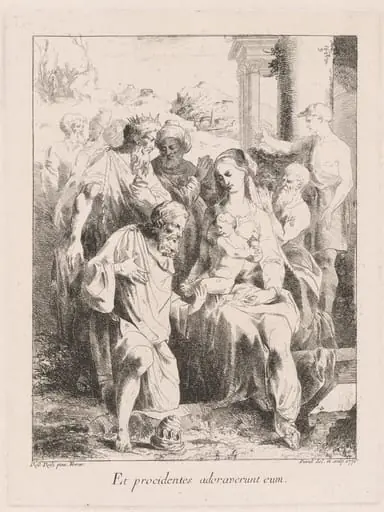 Adoration of the Magi
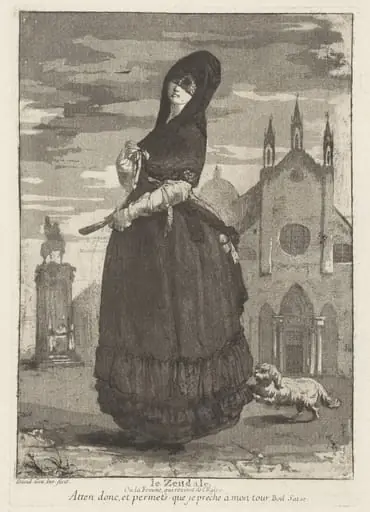 Le Zendale (Woman in a Hood, or the Woman Returning from Church)
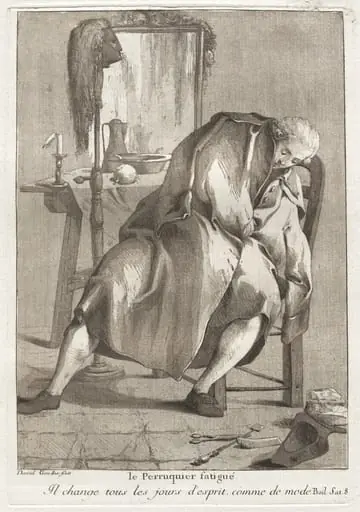 Le Perruquier fatigué (The Tired Wigmaker)
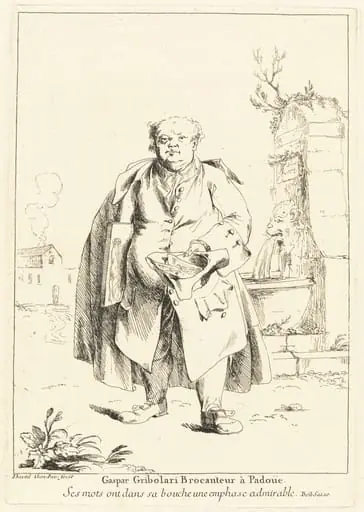 Gaspar Gribolari Brocanteur à Padoüe (Gaspar Gribolari, Secondhand Dealer in Padua)
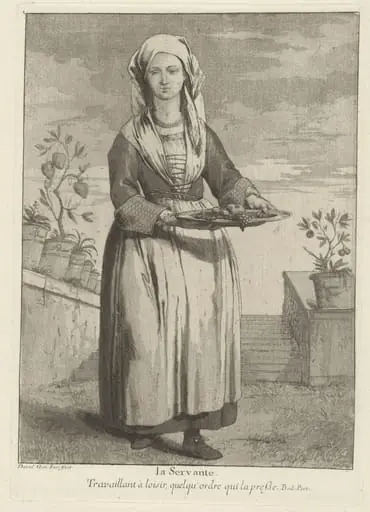 La Servante (The Servant)
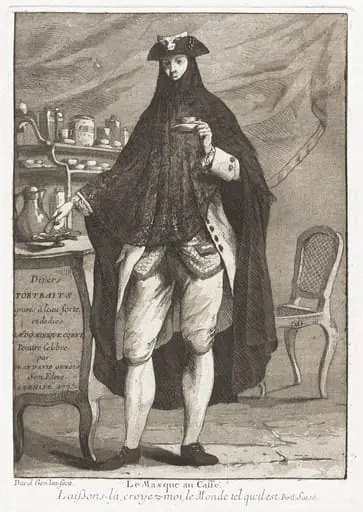 Le Masque au caffé (The Masked Man Taking Coffee)
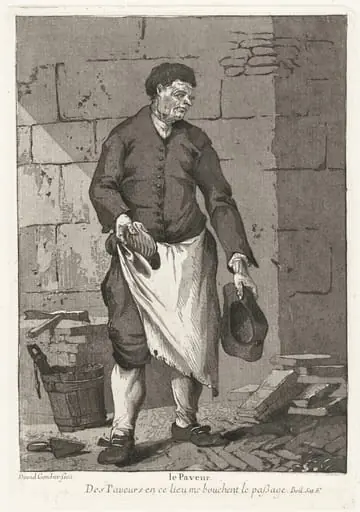 Le Paveur (The Road Paver)
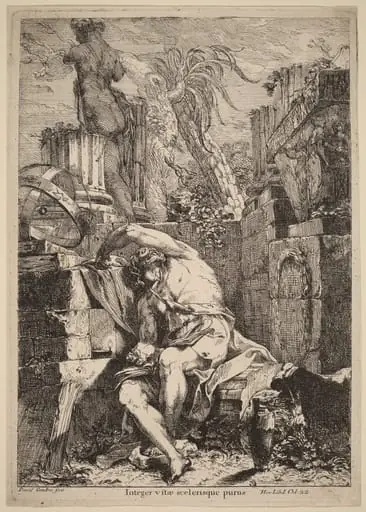 Democritus
- Six Nymphs and Two Cupids in a Landscape
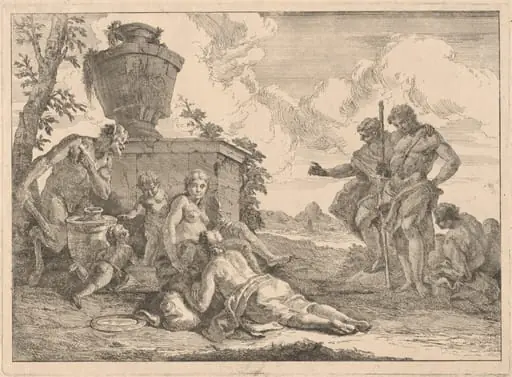 A Satyr with a Staff and Seven Other Figures
 Putto Herding Goats through Garlands
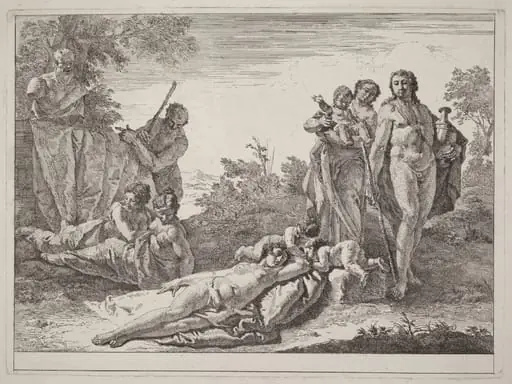 Apollo and Nymphs in a Landscape with a Bust of Pan
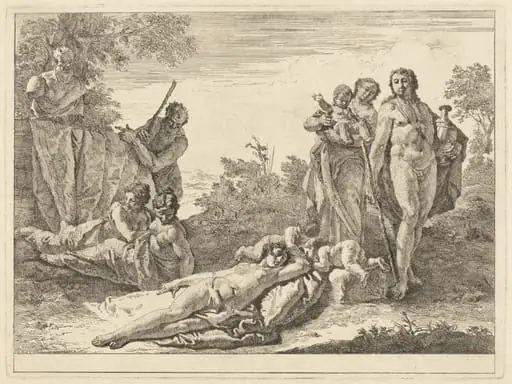 Nine Figures around a Herm of Pan
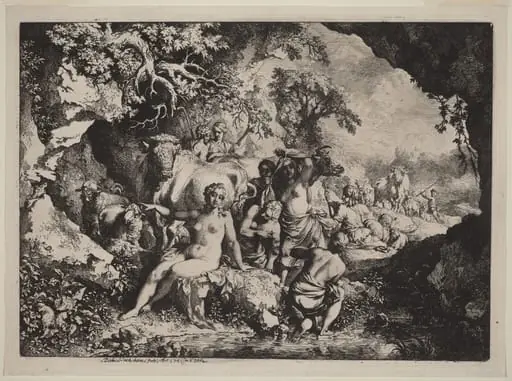 Nymphs Bathing in a Cave
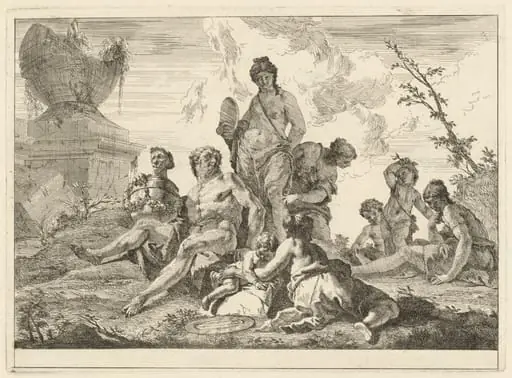 Venus and Vulcan with Three Nymphs and Three Cupids
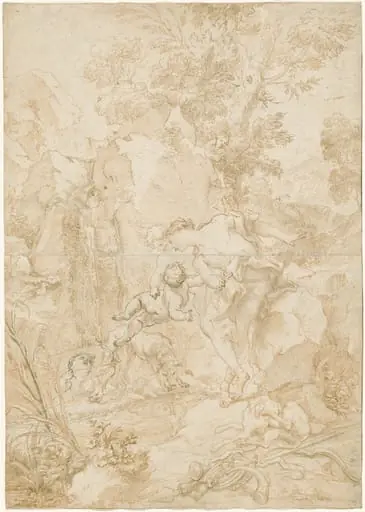 Echo and Narcissus
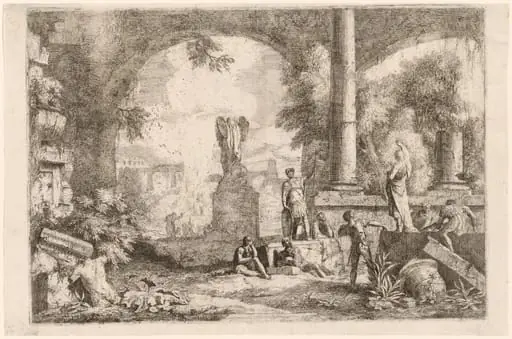 Capriccio of Antique Ruins with Men Gazing at a Classical Orator
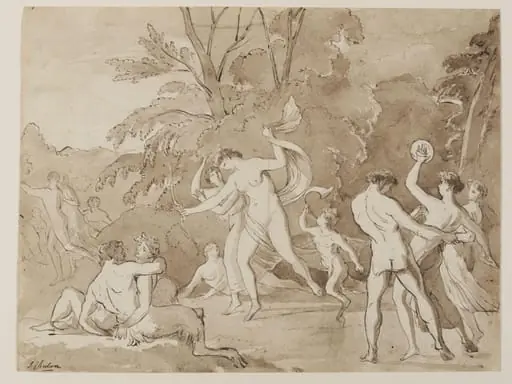 Cheerfulness
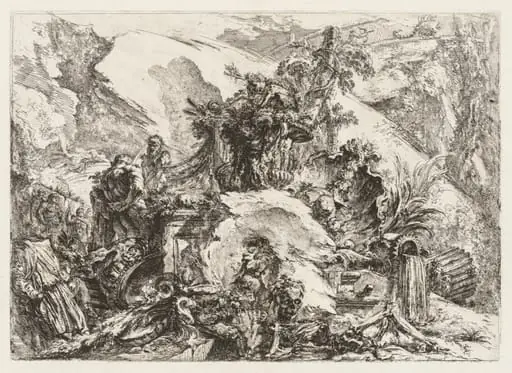 The Skeletons
 The Genius of Salvator Rosa