Artwork
Squirrel on a Pine Branch
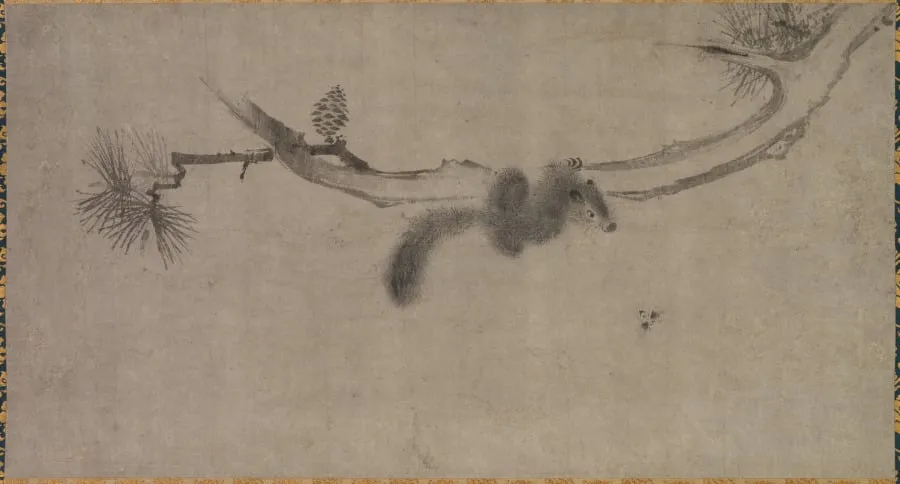
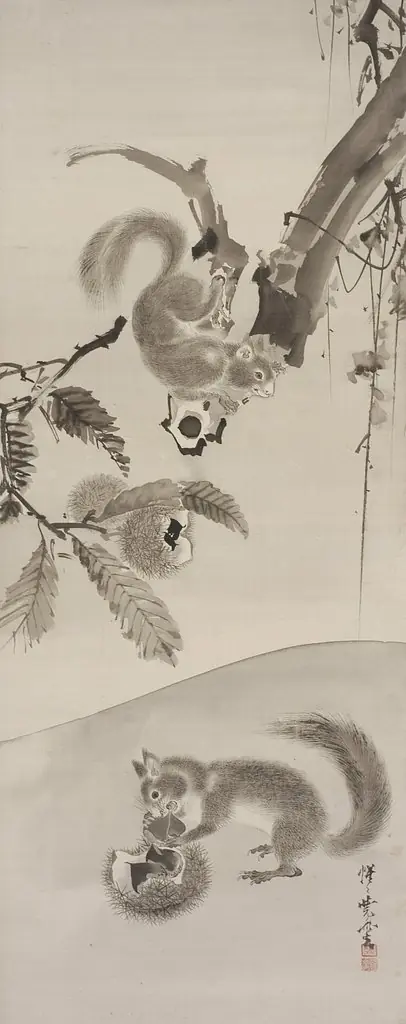
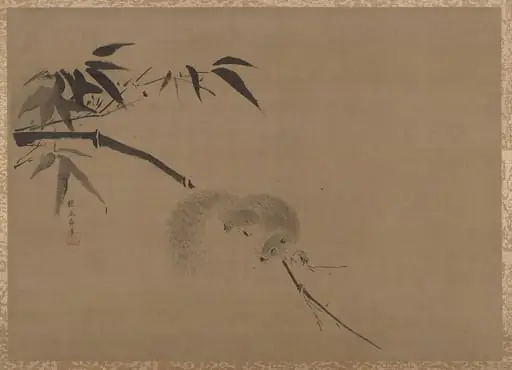
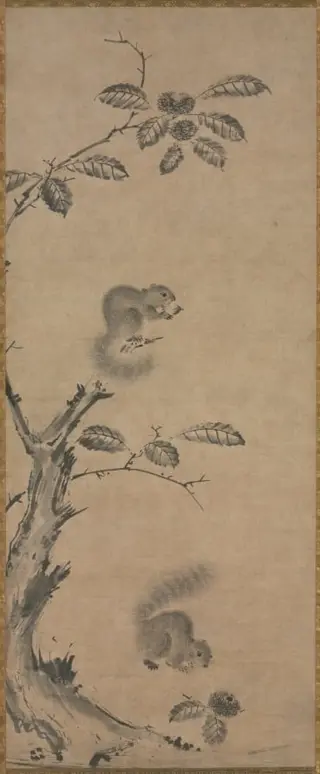
Squirrel on a Pine Branch is an unspecified painting by the Renaissance artist Song Tian. It dates from 1504 and is held in the collection of the Cleveland Museum of Art. This ink painting depicts a squirrel mid-movement along a pine branch, its body twisted as it reaches toward a small insect.
- Accession no.
- 2015.498
- Credit line
- Gift from the Collection of George Gund III
About this work
Overview
This ink painting depicts a squirrel mid-movement along a pine branch, its body twisted as it reaches toward a small insect.
This ink painting depicts a squirrel mid-movement along a pine branch, its body twisted as it reaches toward a small insect. The composition captures a fleeting moment of natural behavior, emphasizing the animal’s alertness and agility. Rendered with restrained brushwork, the scene avoids ornamental detail in favor of quiet observation, reflecting a shift in Chinese painting toward intimate depictions of wildlife.
Subject & Meaning
Squirrels were rarely depicted in Chinese art before the late 13th century. Their inclusion here signals a growing interest in small, everyday creatures as subjects worthy of artistic attention. The squirrel’s focused gaze at a barely visible insect suggests a moment of quiet curiosity, aligning with Daoist and Chan Buddhist ideals of attentiveness to the natural world’s subtle rhythms.
Technique & Style
The artist uses layered ink washes to suggest the texture of fur, allowing subtle gradations to mimic softness and volume. Fine, controlled strokes define individual hairs, while the three minimal lines representing claws convey grip and tension without literalism. The technique balances precision with spontaneity, achieving lifelike motion through economy of line and tonal variation rather than detailed rendering.
History & Provenance
Attributed to Song Tian, a painter active during the Yuan dynasty, this work belongs to a small corpus of early squirrel paintings. Few artists of the period focused on such subjects, making Song Tian’s output distinctive. The painting’s survival suggests it was valued within scholarly or courtly circles, where naturalism and understated observation were increasingly appreciated.
Context
During the Yuan dynasty, many Han Chinese artists turned away from grand courtly themes following Mongol rule, favoring personal, nature-centered subjects. Squirrels, once overlooked, became symbols of quiet vitality. This shift paralleled broader trends in literati painting, where spontaneity and emotional resonance outweighed formal grandeur, reflecting a cultural reorientation toward introspection and the natural world.
Legacy
Song Tian’s depiction of the squirrel helped establish a precedent for later artists to explore small mammals with similar sensitivity. His approach, using ink’s fluidity to suggest texture and motion, influenced subsequent generations in both court and amateur circles. Though not widely copied, the work contributed to a lasting expansion of permissible subjects in Chinese ink painting.
Artist & collection