Artwork
Huanglong Cave (Yellow Dragon Cave)
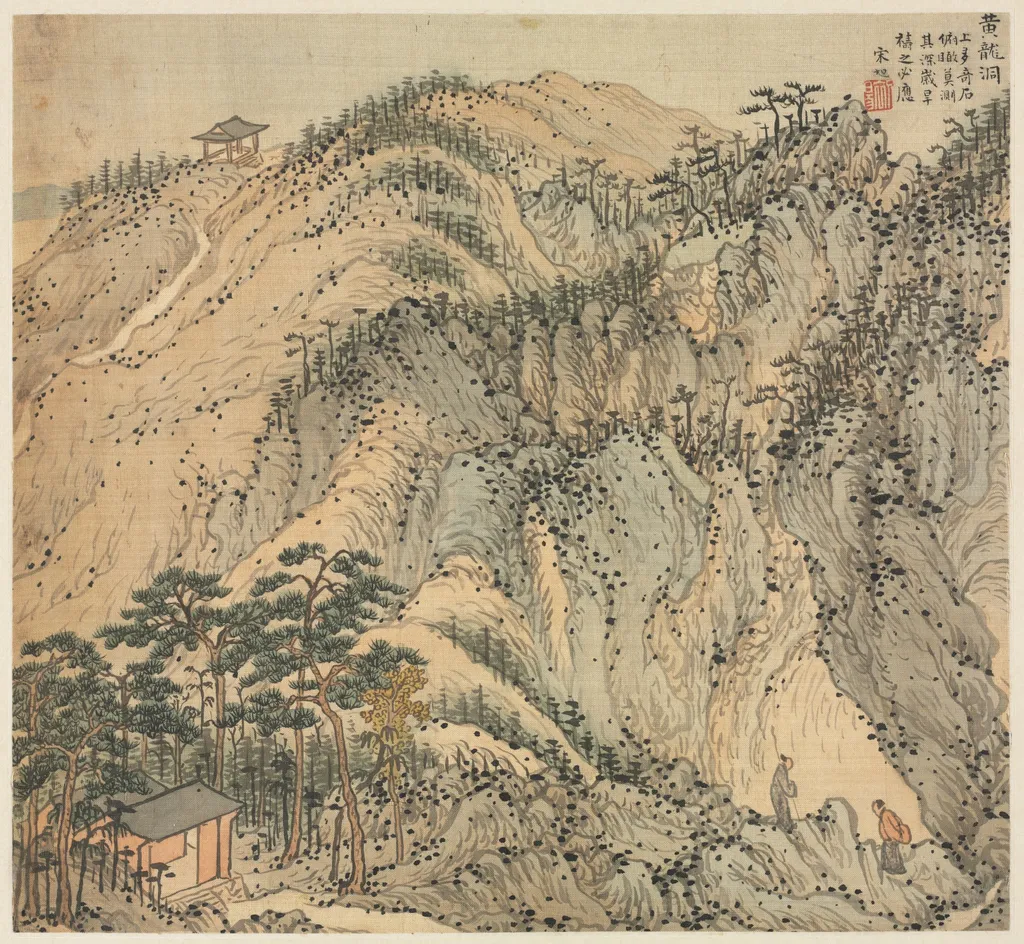
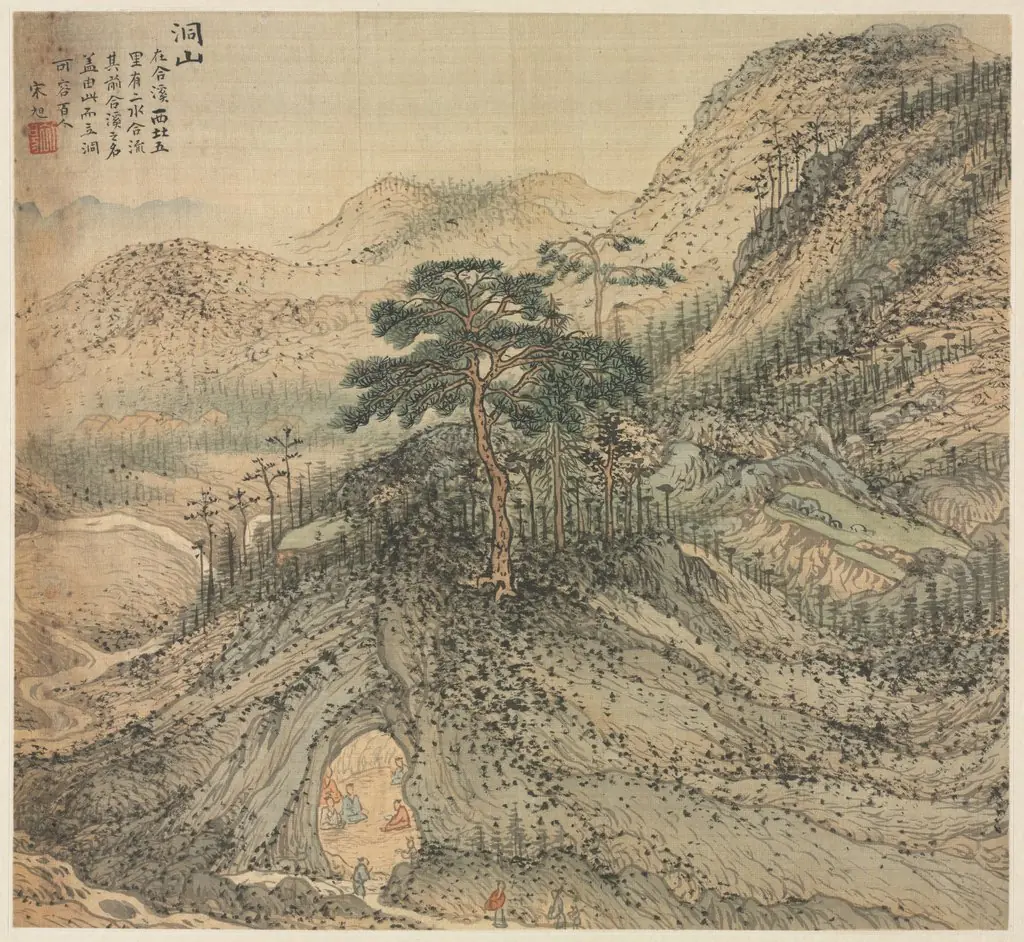
Huanglong Cave (Yellow Dragon Cave) is an unspecified painting by the Ming dynasty painting artist Song Xu. It dates from 1594 and is held in the collection of the Cleveland Museum of Art.
About this work
Subject & Meaning
The cave setting itself suggests retreat, natural mystery, and the Daoist or Buddhist tradition of sacred grottoes as sites of spiritual power and hermitage.
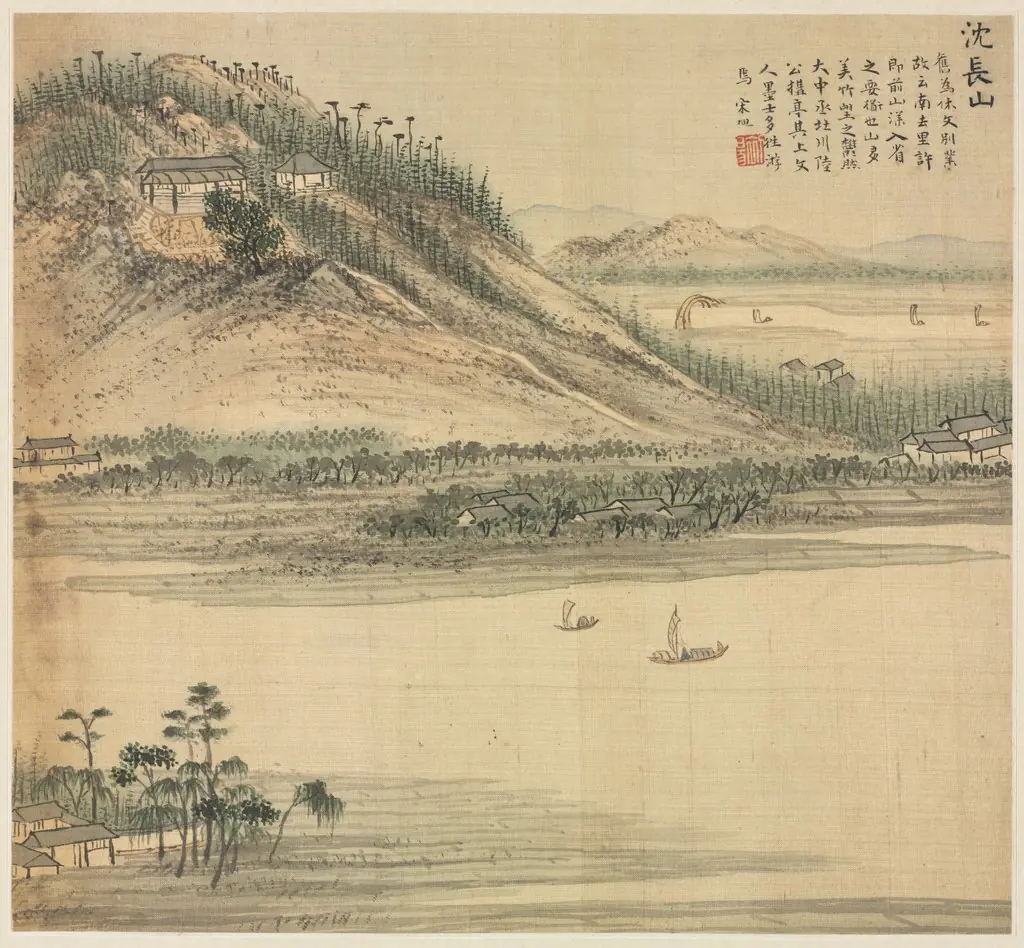
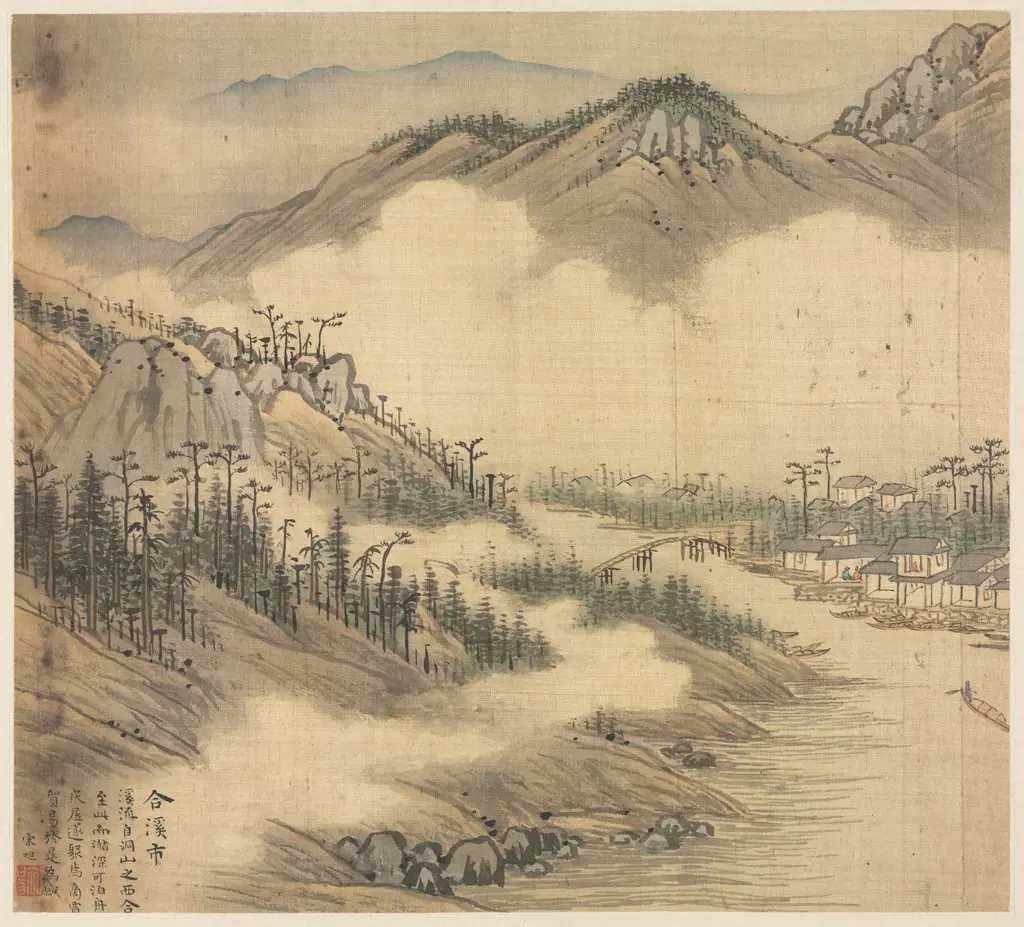
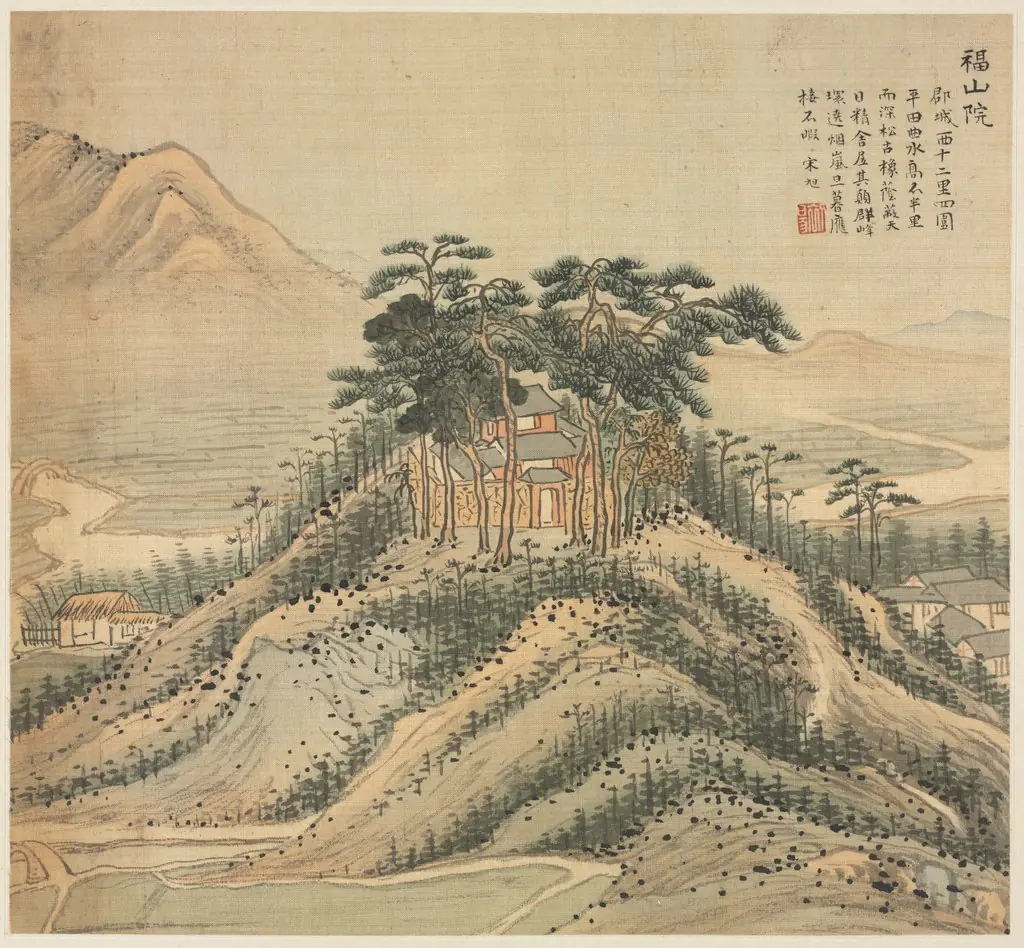
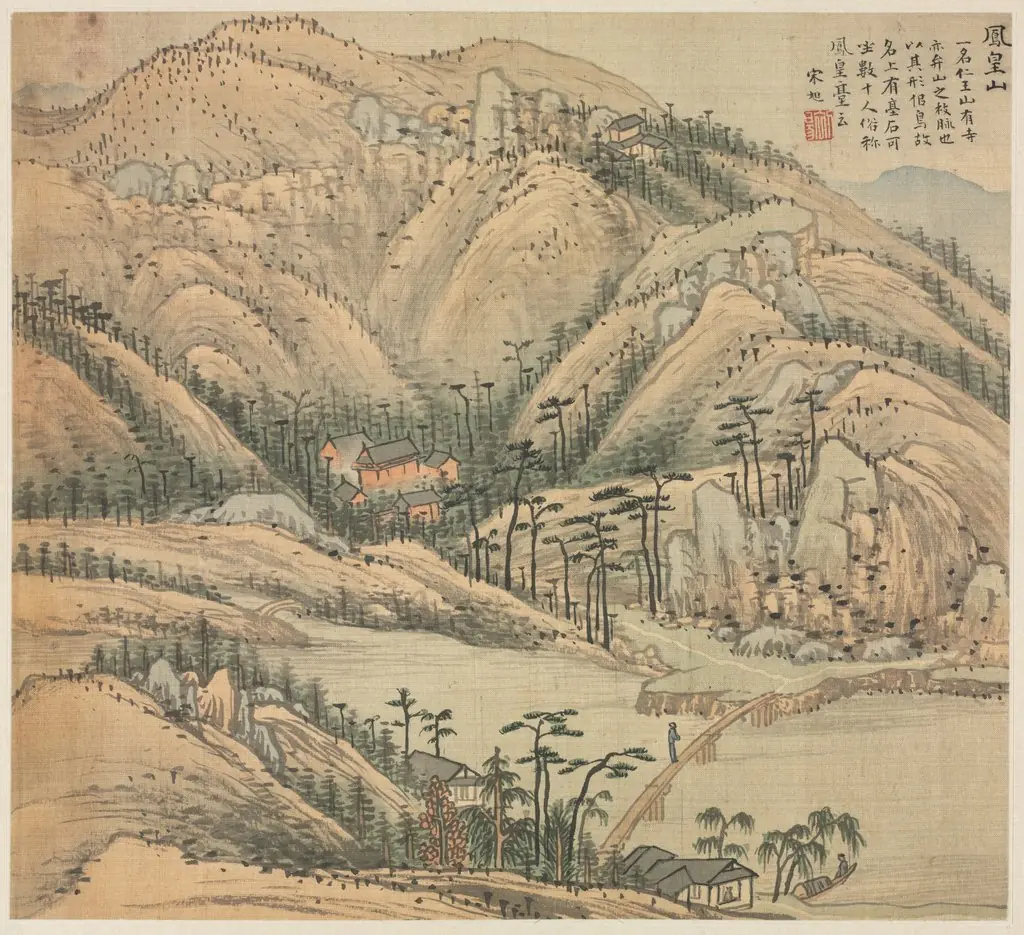
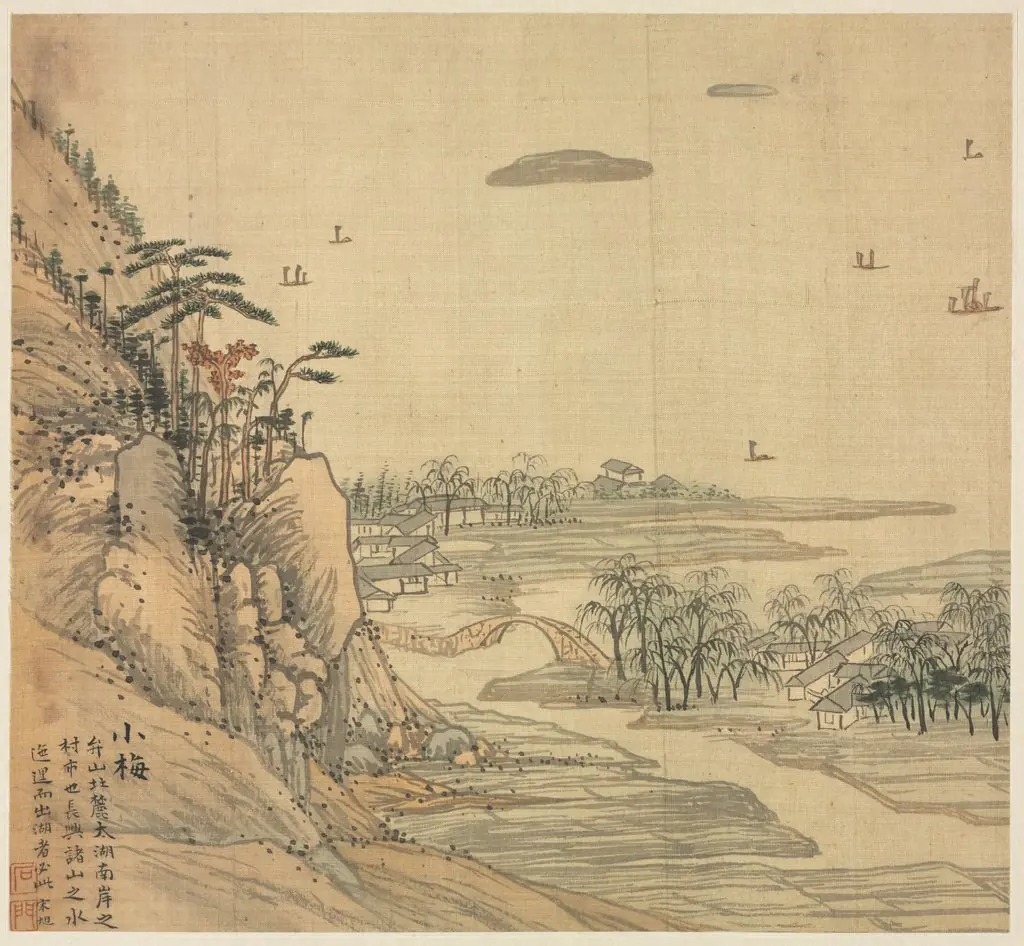
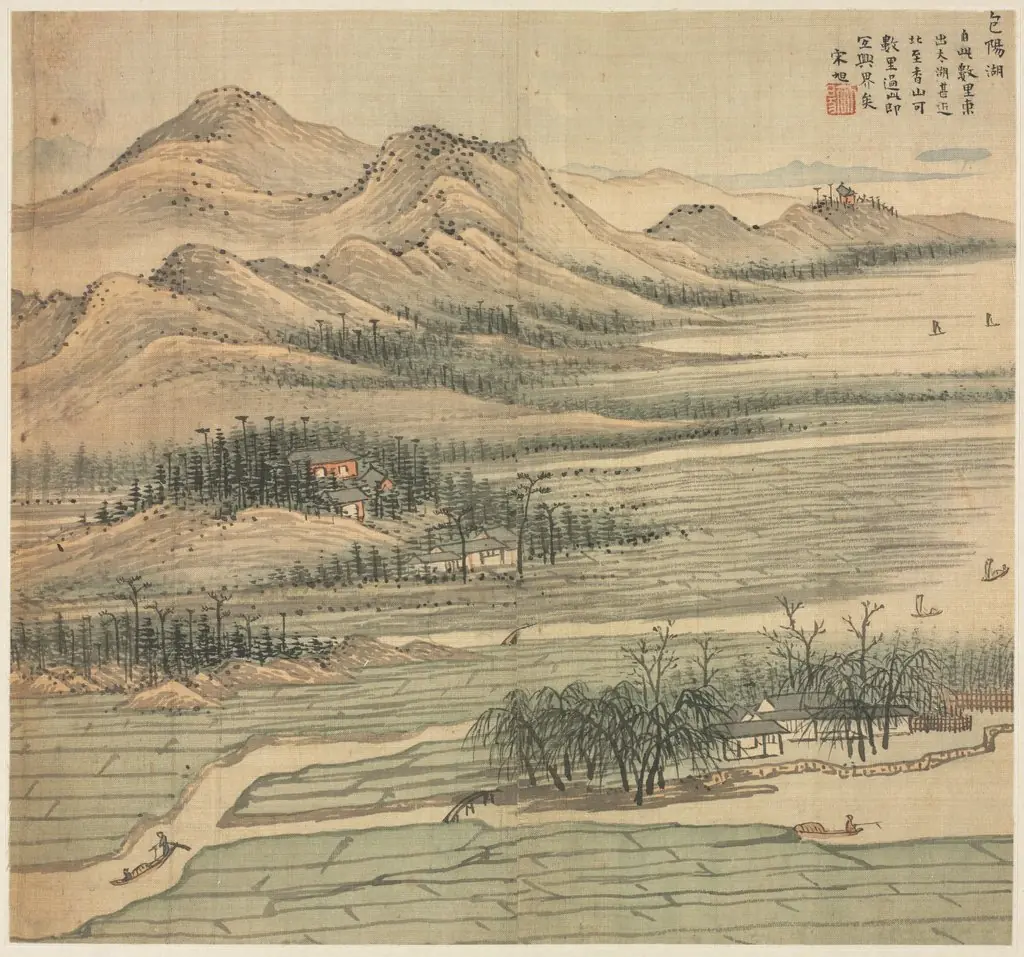
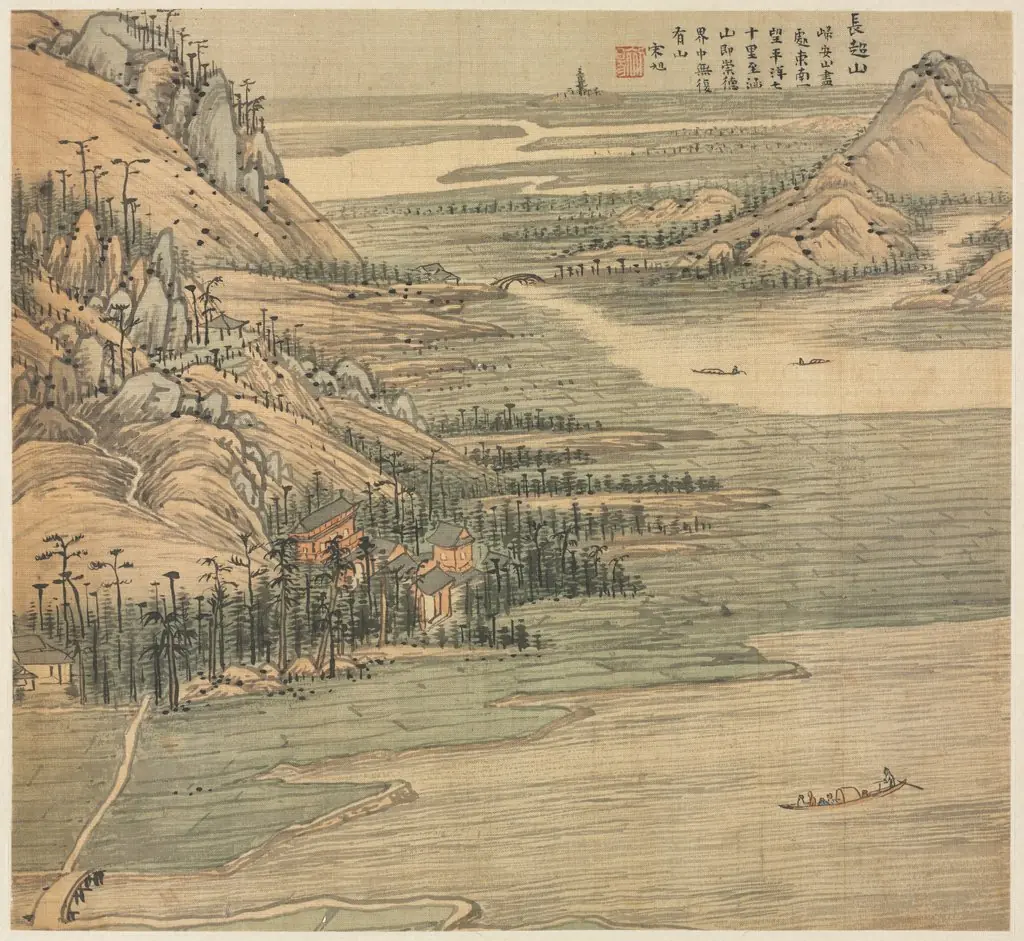
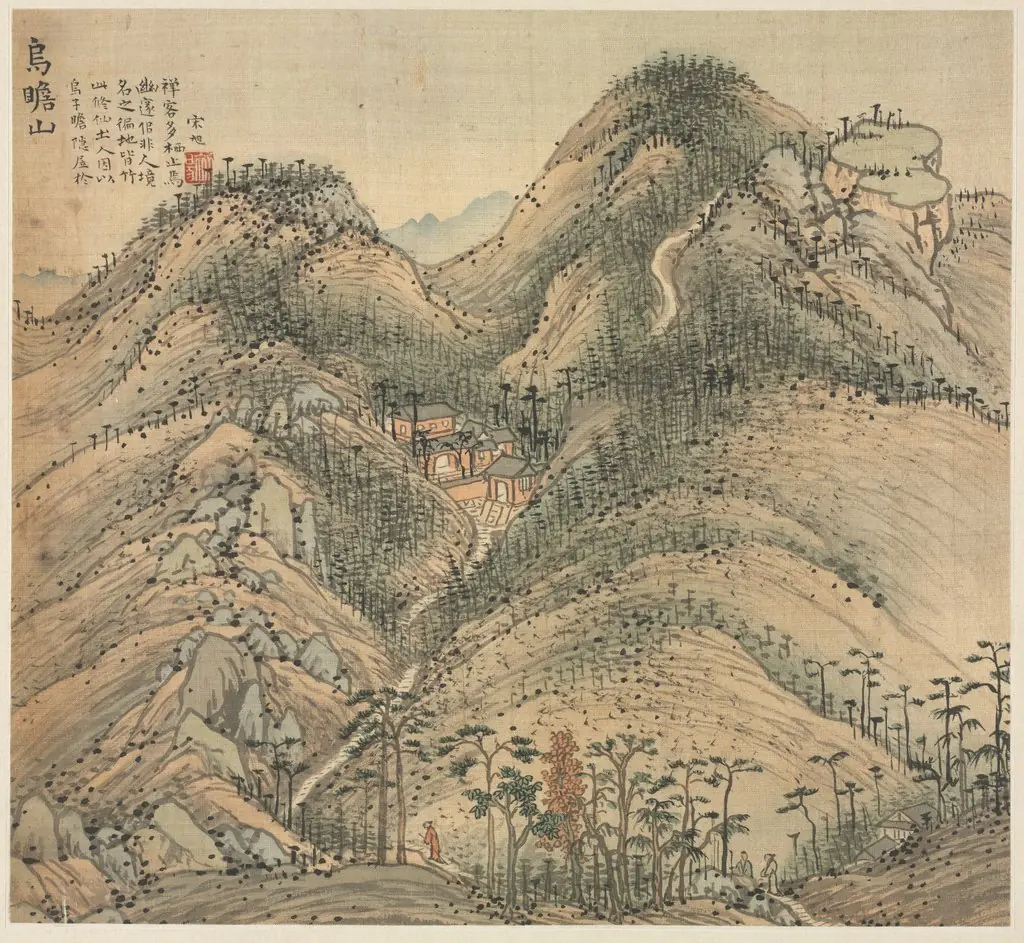
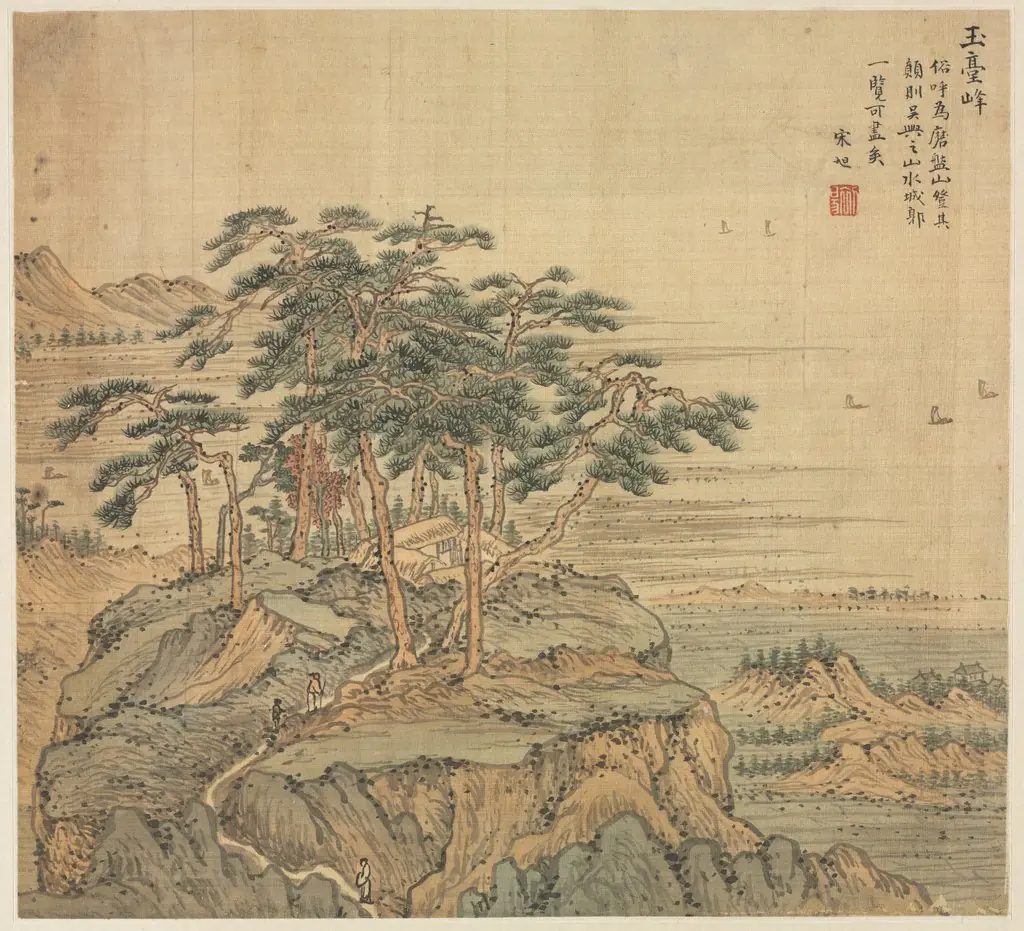
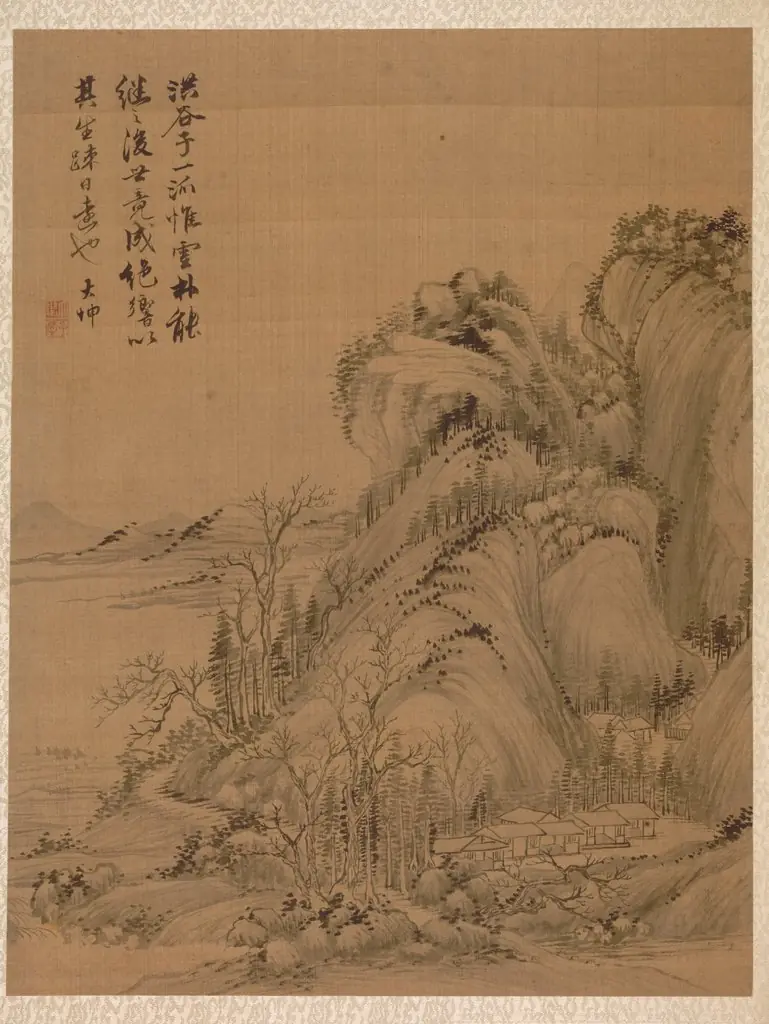
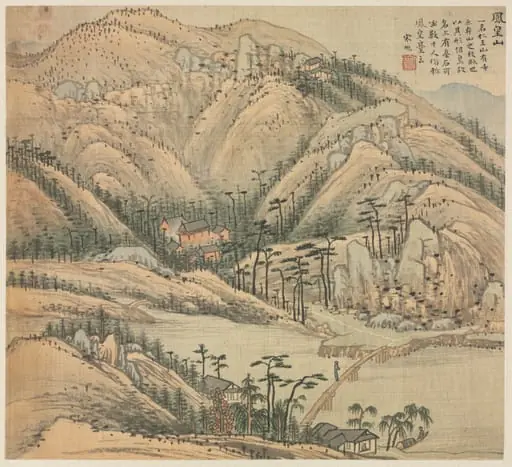
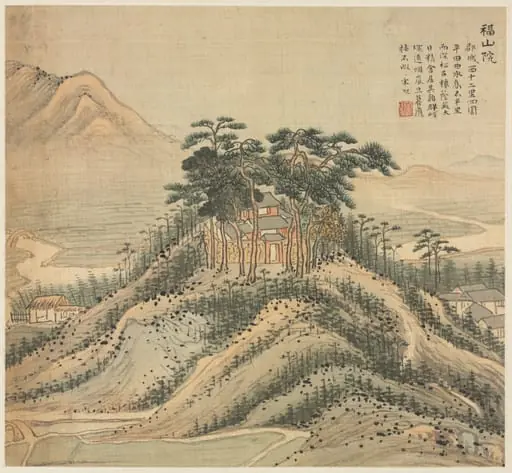
Huanglong Cave (Yellow Dragon Cave) depicts a mountainous landscape with trees, consistent with traditional Chinese landscape painting conventions. Created in 1588 by Song Xu in Jiaxing, the work represents a specific sacred site, the Yellow Dragon Cave, whose name carries symbolic resonance in Chinese culture, where the dragon (long) is a powerful auspicious symbol associated with imperial authority, water, and transformative energy. The cave setting itself suggests retreat, natural mystery, and the Daoist or Buddhist tradition of sacred grottoes as sites of spiritual power and hermitage.
The mountain and tree imagery follows the literati tradition of using landscape to express philosophical ideals of harmony between humanity and nature, while the specific naming of the cave indicates the painting may document an actual pilgrimage or visionary site.
Technique & Style
Huanglong Cave (Yellow Dragon Cave) is recorded as a painting dated 1588, produced in Jiaxing by the Chinese artist Song Xu. The work belongs to the Cleveland Museum of Art collection (accession 1998.78.7) and is catalogued as a painting that portrays a mountain alongside a tree. As a painting, it would have been executed on a planar support, traditionally paper or silk, using ink or pigment media common in late‑Ming landscape practice; however, the sources do not specify the exact materials or current condition.
Formal analysis notes the compositional emphasis on the rendered mountain and tree, characteristic of the subject matter described in the documentation.
History & Provenance
Huanglong Cave (Yellow Dragon Cave) is a painting created by the Chinese artist Song Xu in 1588. The work was executed in Jiaxing and depicts natural elements including mountains and trees. Currently, the painting is held in the collection of the Cleveland Museum of Art, where it is cataloged under the accession number 1998.78.7.
Song Xu, who lived from approximately 1525 to 1606, produced this piece during the late Ming dynasty. The specific date of inception is recorded as January 1, 1588. No further details regarding the original commission, specific patron, or the chain of ownership prior to its arrival at the museum are provided in the available records.
Huanglong Cave (Yellow Dragon Cave) by Song Xu is held in the collection of the Cleveland Museum of Art. The painting is catalogued under the accession number 1998.78.7. The work was created in 1588 in Jiaxing. No exhibition history is documented in the available sources.
Overview
Huanglong Cave (Yellow Dragon Cave) is a landscape painting created by the artist Song Xu in 1594. This work presents a serene natural environment, primarily featuring a mountain and various forms of vegetation. It exemplifies traditional Chinese ink painting, offering a glimpse into the aesthetic values of its period. The piece is currently part of the collection at The Cleveland Museum of Art.
Own this work as a print
Artist & collection