Artwork
Abraham Kintzing
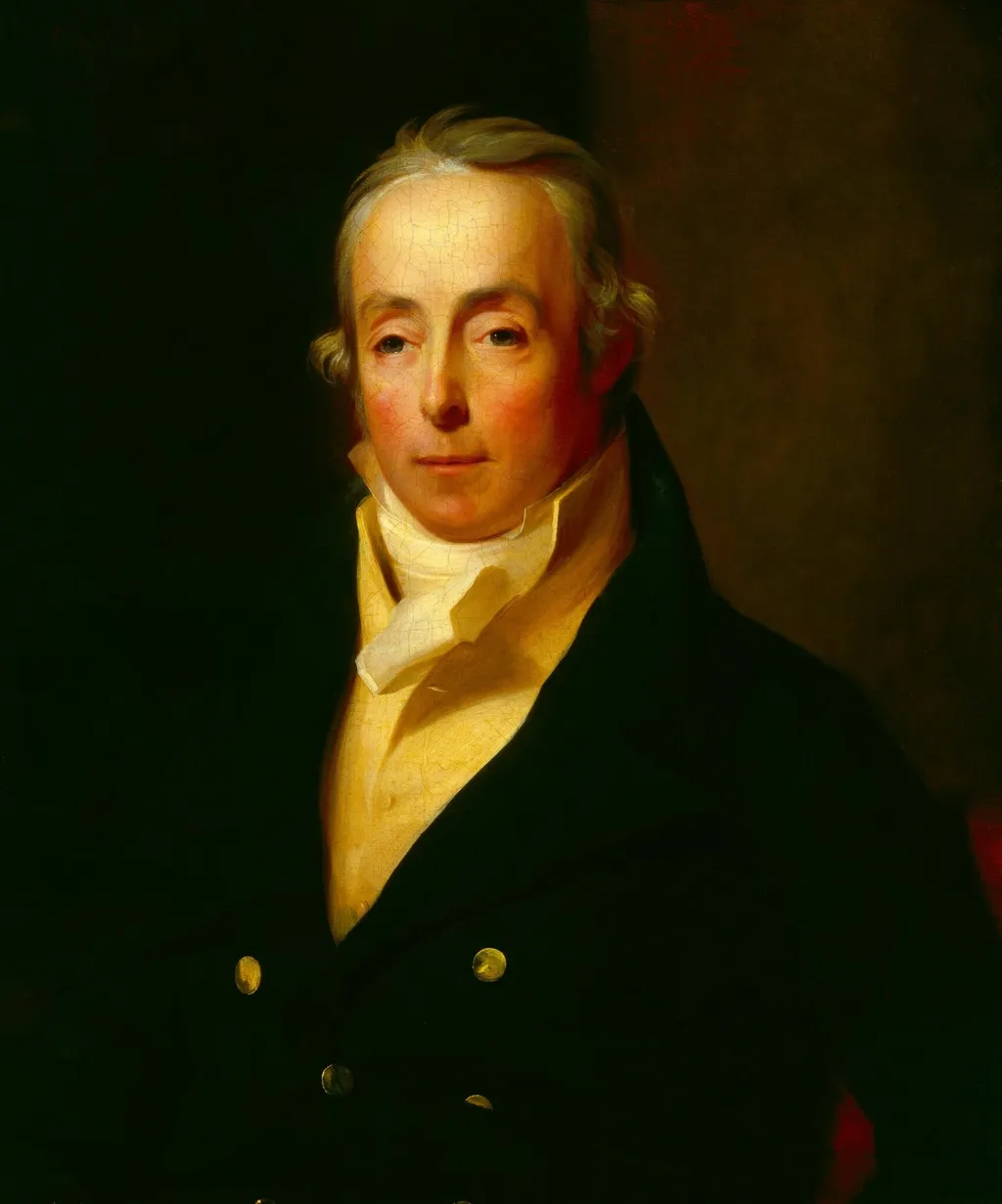
Abraham Kintzing is an oil painting by the American Impressionist artist Thomas Sully. It dates from 1815 and is held in the collection of the National Gallery of Art.
About this work
Subject & Meaning
Rendered in three-quarter view, he is shown in sober attire, suggesting a portrait intended to convey dignity and social standing.
The painting depicts Abraham Kintzing, an American merchant and civic leader from Philadelphia. Rendered in three-quarter view, he is shown in sober attire, suggesting a portrait intended to convey dignity and social standing. The restrained palette and precise detailing emphasize his individual likeness rather than allegorical attributes, aligning with the conventions of elite portraiture in the early nineteenth century.
The work's composition and treatment align with Thomas Sully's characteristic style of dignified realism, positioning Kintzing as a figure of civic responsibility and commercial prominence in the young republic.
Technique & Style
The portrait of Abraham Kintzing is painted in oil on canvas, a traditional medium favored by Thomas Sully for its ability to render fine detail and subtle tonal gradations. Sully's handling emphasizes smooth, blended brushwork and carefully modeled forms, typical of early 19th-century American portraiture. The composition centers on the sitter's head and shoulders, captured with lifelike precision and understated elegance.
The work's formal qualities include a restrained palette dominated by earth tones and muted highlights, which focus attention on the subject's facial features and expression. The vertical format and controlled lighting contribute to a dignified, formal presentation consistent with Sully's academic training and contemporary expectations for elite portraiture.
History & Provenance
Thomas Sully painted Abraham Kintzing in 1815. The work entered the collection of James P. Labey in New York before being acquired by Thomas B. Clarke on 21 October 1918. Following Clarke's death, it was sold from his estate on 29 January 1936 through M. Knoedler & Co., New York, to the A. W. Mellon Educational and Charitable Trust, which gifted it to the National Gallery of Art in Washington, D.C., in 1942, where it remains as part of the Andrew W. Mellon collection.
The available sources do not list a specific accession number or document any exhibition history for the work.
Context
Thomas Sully painted Abraham Kintzing in 1815, a portrait in the tradition of early nineteenth-century American portraiture. The work entered the National Gallery of Art's collection through the Andrew W. Mellon donation in 1942, having passed through the Thomas B. Clarke collection and the Clarke estate sale of 1936 via M. Knoedler & Co. The painting contributes to the understanding of Sully's role in shaping American portraiture, though detailed critical reception histories specifically addressing this work are sparse.
Overview
Thomas Sully’s 1815 oil on canvas presents Abraham Kintzing, a gentleman of the early nineteenth century. Rendered in a half‑length format, the work captures the sitter in a dark interior, his figure illuminated against a muted backdrop. The portrait exemplifies the period’s focus on individual character conveyed through restrained composition.
Own this work as a print
Artist & collection

Artist
Thomas Sully was an English-American portrait painter. He was born in England, became a naturalized American citizen in 1809, and lived most of his life in Philadelphia, Pennsylvania, including in the Thomas Sully…

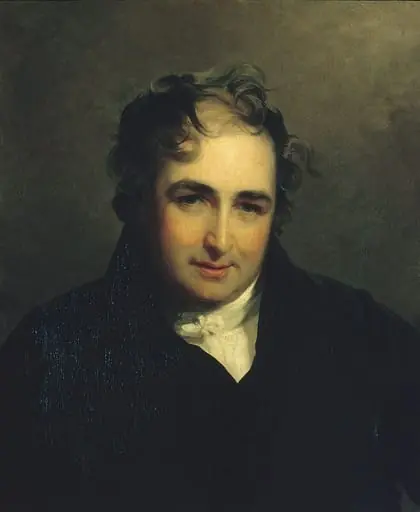
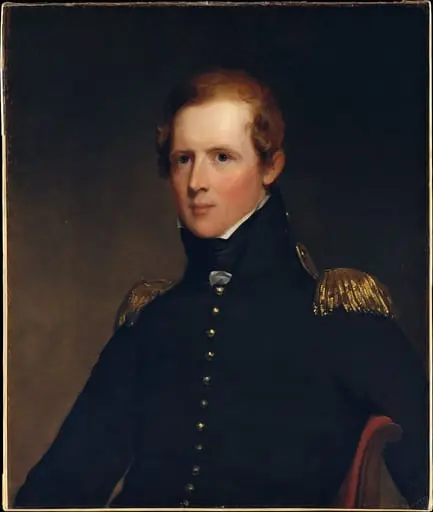
- Spencer Perceval
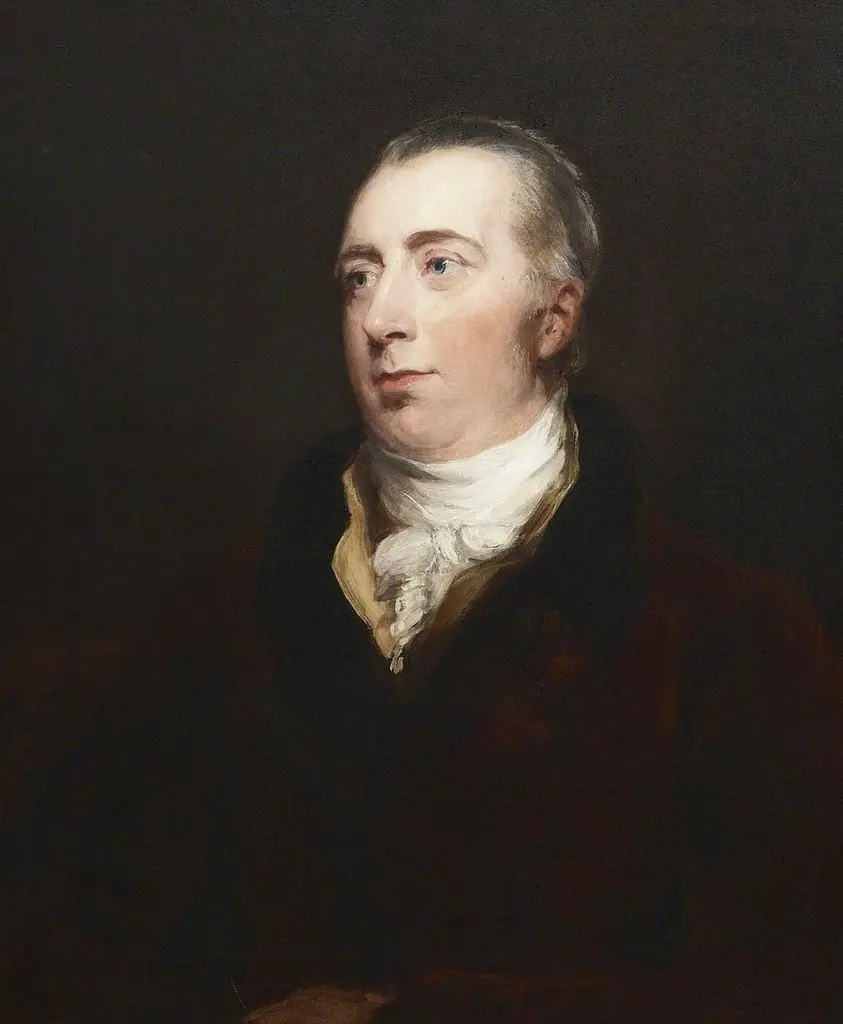 Richard Payne Knight (1751–1824), Benefactor and Trustee of the British Museum (copy after Sir Thomas Lawrence)
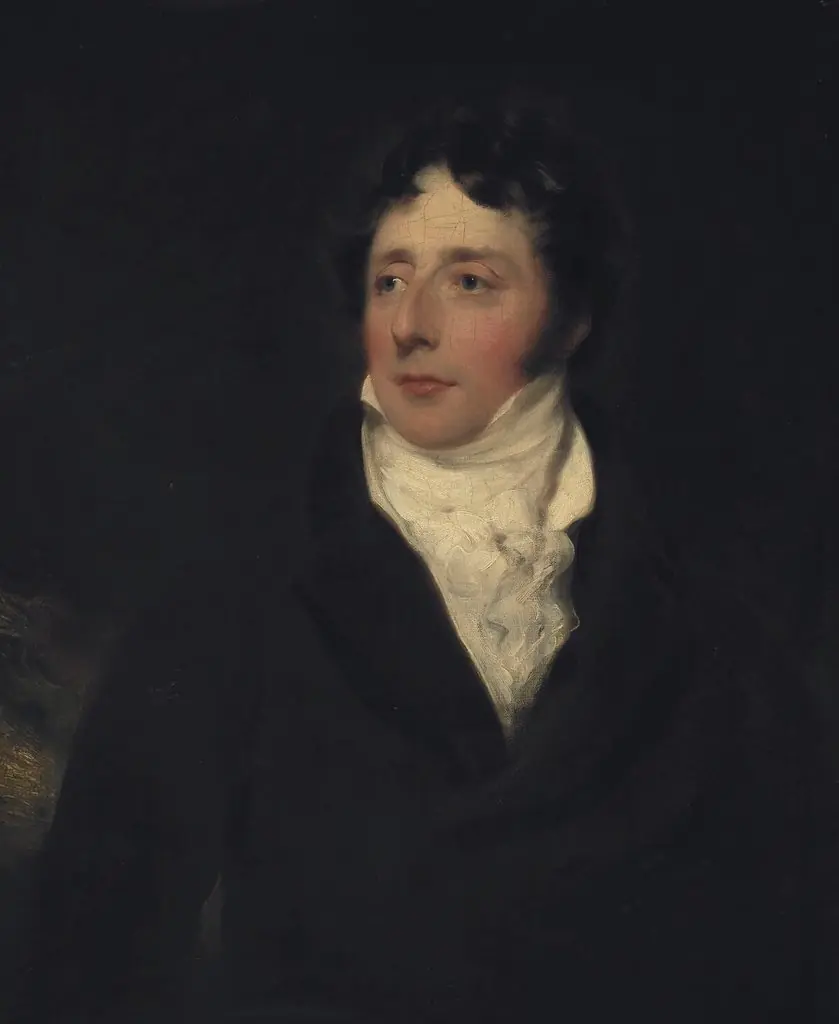 Robert Southey
 Portrait of a Man
 David Anderson
 Moses Pond
 Sir James Montgomery, Second Baronet of Stanhope
 Henry Pratt
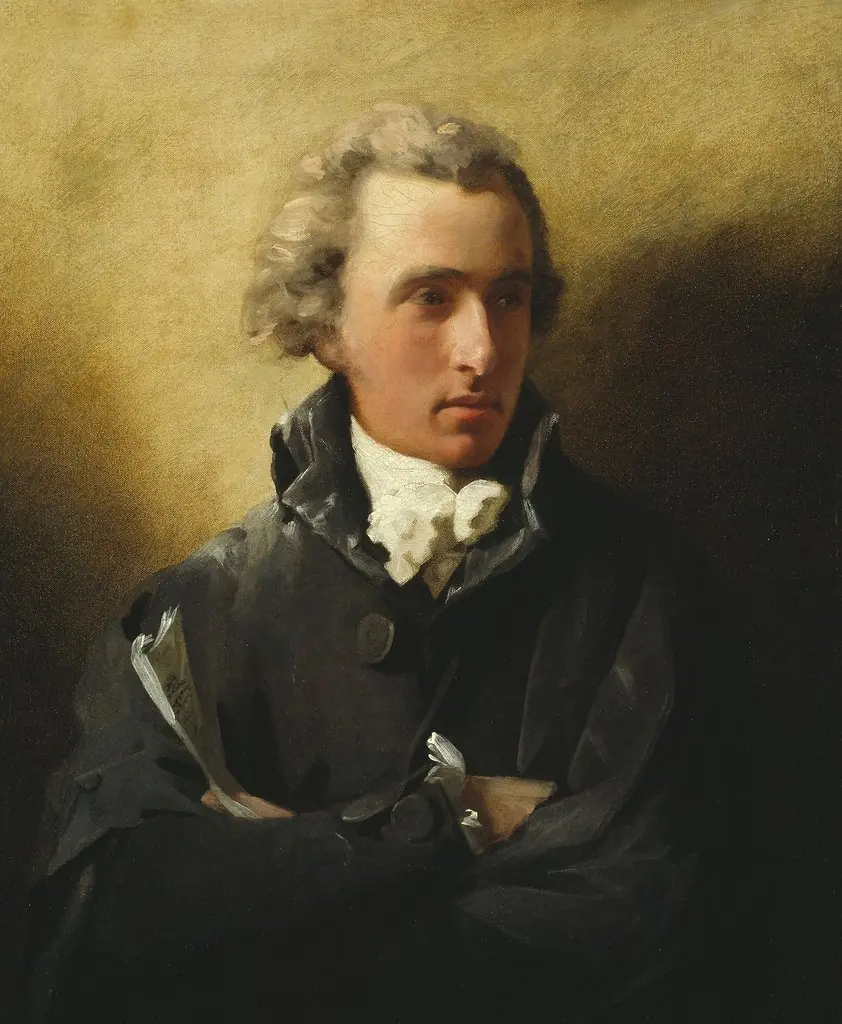 Robert Brown of Newhall
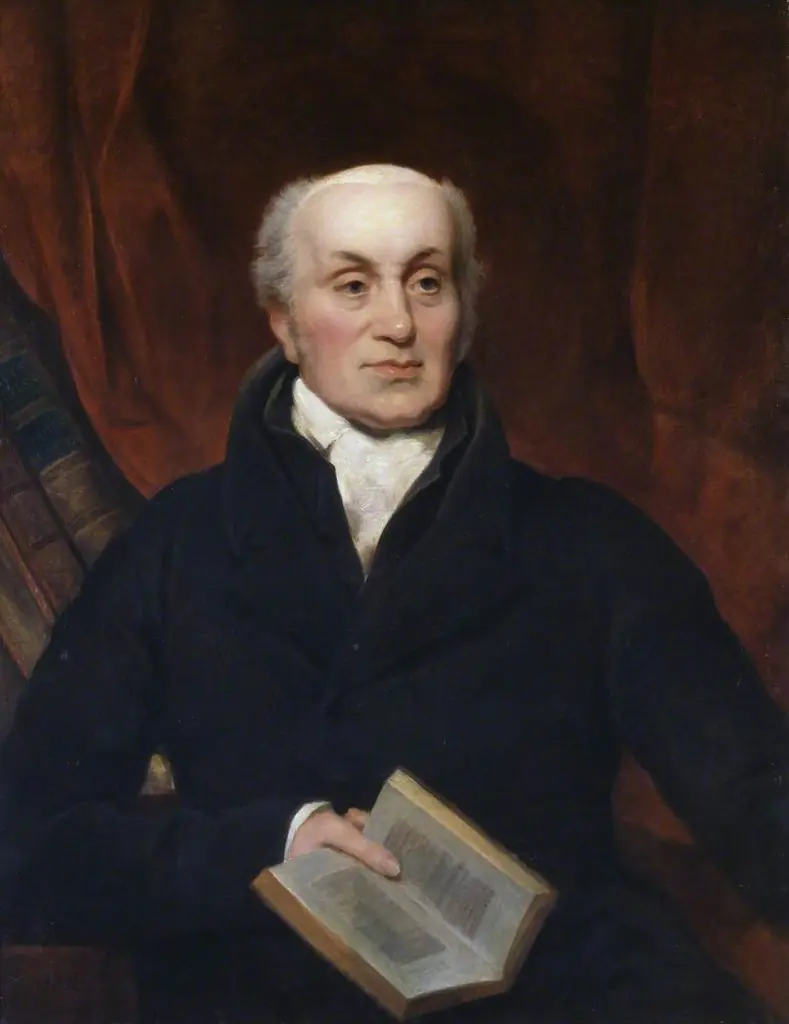 Joseph Planta (1744–1827), Principal Librarian (1799–1827)
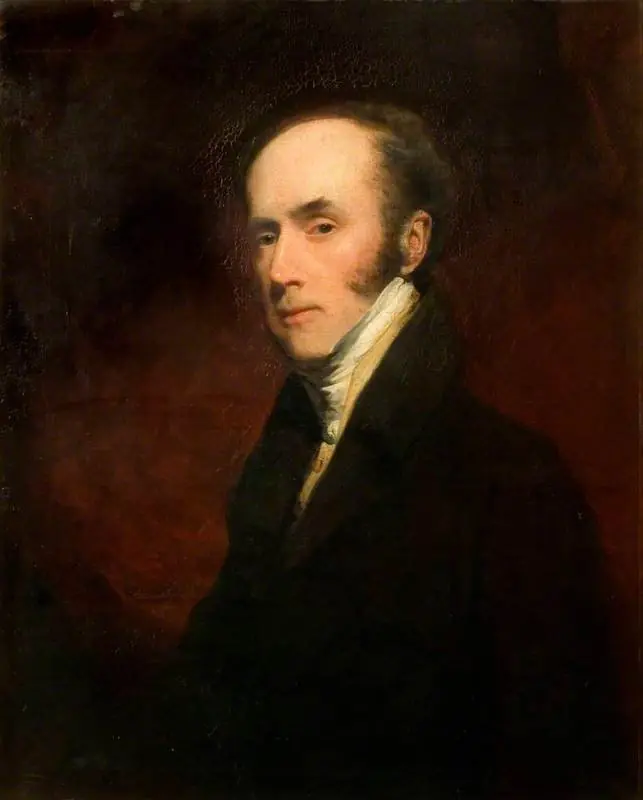 Charles Grey (1764–1845), 2nd Earl Grey
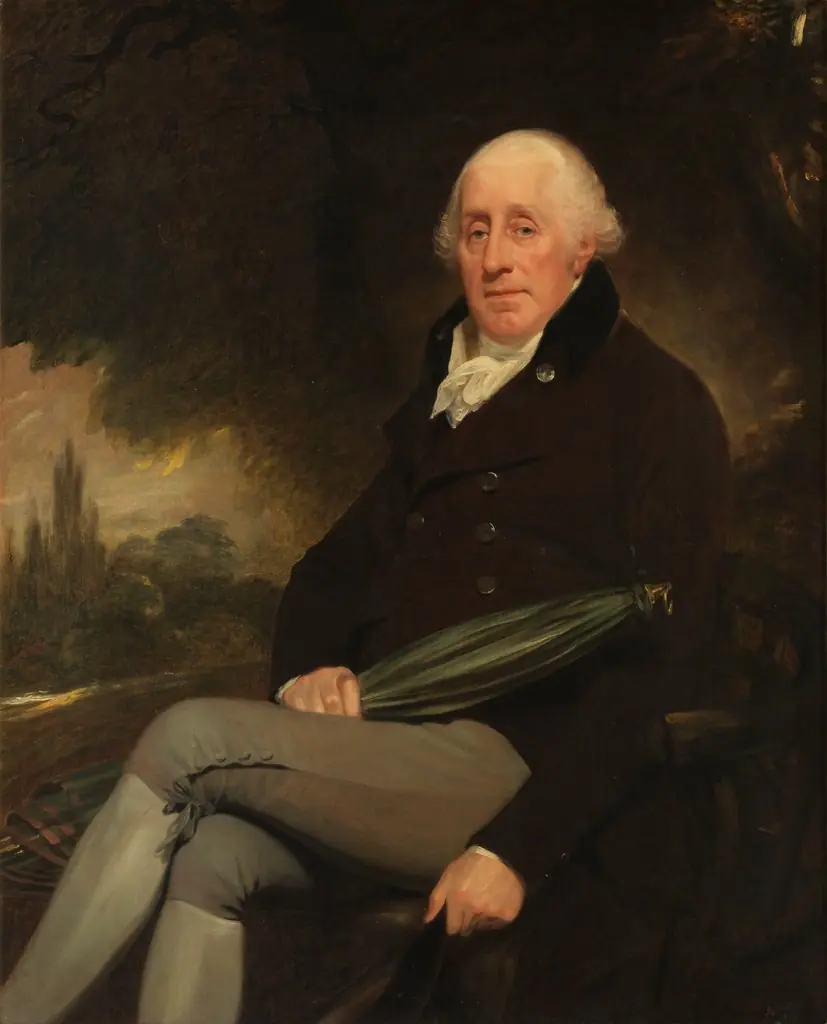 Portrait of a Gentleman