Artwork
Martin van Tromp
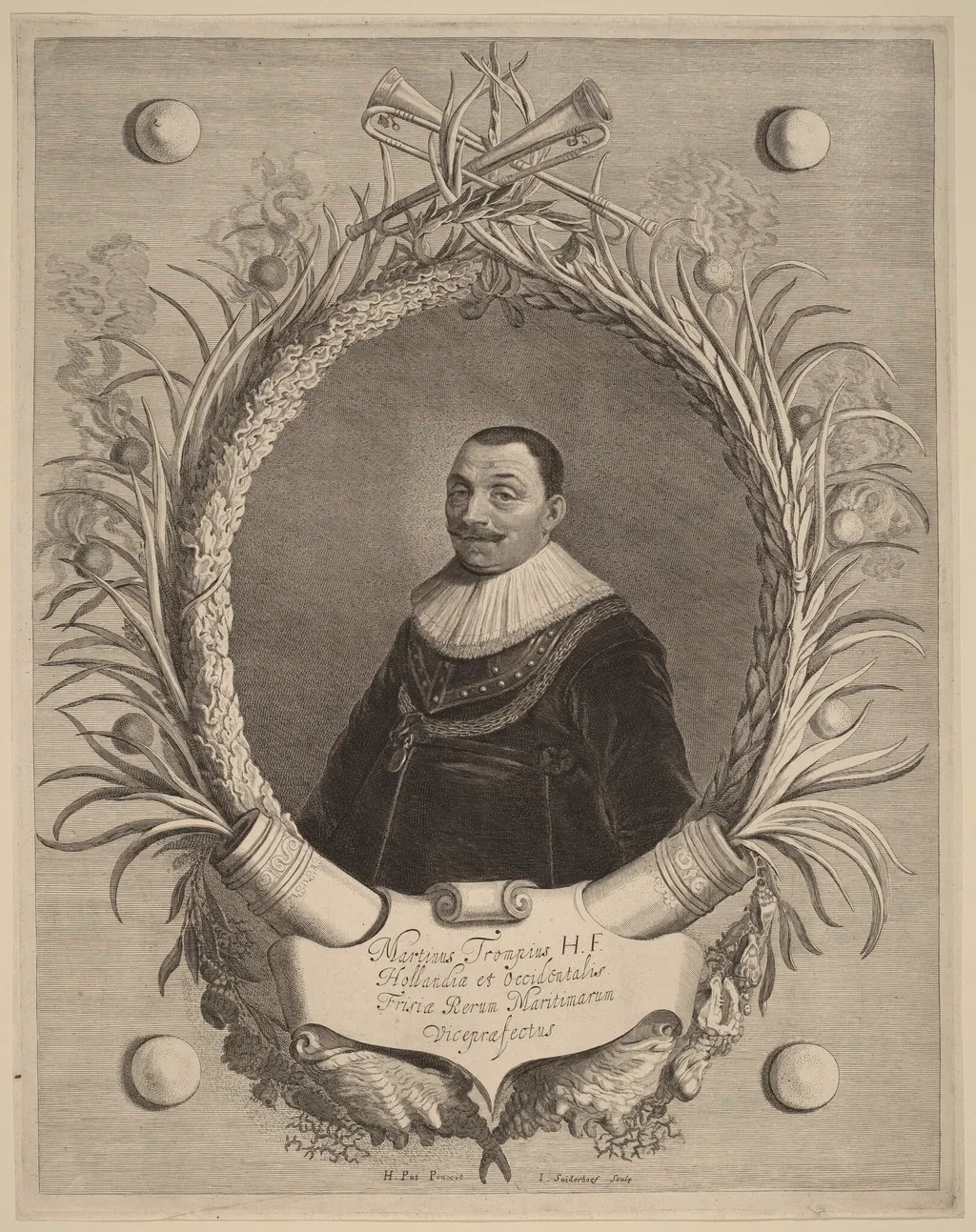
Martin van Tromp is an ink print by the Baroque artist Jonas Suyderhoff. It dates from 1650 and is held in the collection of the National Gallery of Art.
About this work
Overview
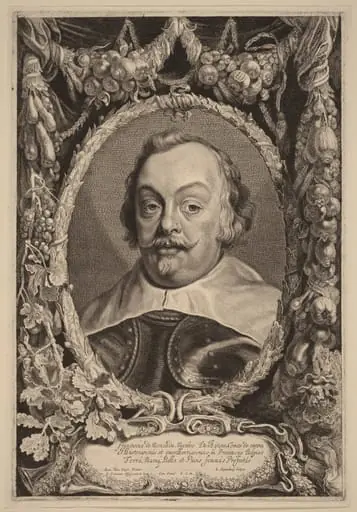
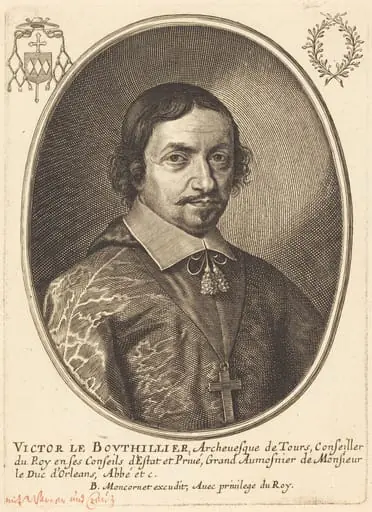
Jonas Suyderhoff’s engraving of Martin van Tromp dates from 1650. Executed as a print, the work presents a portrait of a gentleman dressed in a black velvet coat with a white ruffled collar, his short dark hair framing a serious expression as he looks to the right.
Subject & Meaning
The sitter, identified as Martin van Tromp, is depicted with the dignified bearing typical of 17th‑century portraiture. The inclusion of an oval frame of leaves and flowers, topped by two crossed trumpets, suggests a connection to military or naval service, reinforcing his status and profession.
Technique & Style
Suyderhoff employs fine line work and cross‑hatching to render the texture of velvet, the sheen of metal clasps, and the delicate foliage surrounding the figure. The chiaroscuro lighting and meticulous detailing reflect the Baroque aesthetic, emphasizing depth and material richness.
History & Provenance
Created in the mid‑17th century, the engraving was likely circulated among patrons familiar with van Tromp’s career. While specific ownership records are scarce, the print survives in several European collections, indicating its continued relevance to scholars of Dutch portraiture.
Context
The portrait emerges from a period when Dutch engravers frequently produced images of notable naval officers and merchants, catering to a market that valued both personal commemoration and public recognition of civic leaders.
Legacy
As an example of Suyderhoff’s skill, the print contributes to the visual documentation of Dutch maritime figures. It remains a reference point for researchers examining the interplay of portraiture, print technology, and Baroque visual conventions in the Netherlands.
Own this work as a print
Artist & collection


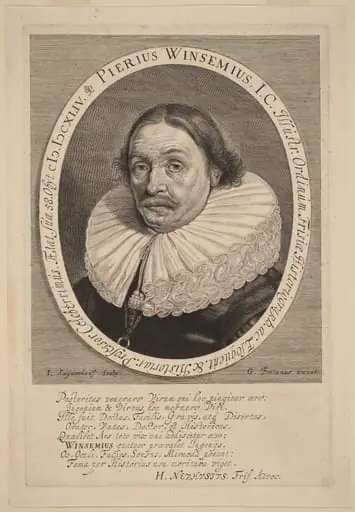 Petrus Winsemius
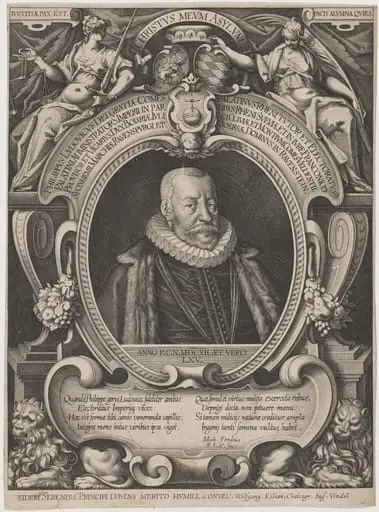 Philip Louis, Count Palatine
 Ferdinand II
 William Drummond of Hawthornden, Historian and Poet
 Ernest, Count of Mansfeld
 Frederick V, Elector Palatine, King of Bohemia
 Marcello Provenzale
 Joannes van Meurs, Dutch Classical Scholar
 Adriaen Heereboord
 Jean Habert de Monturor
- Martin Herpert
 Victor Bouthillier