Artwork
Landscapes of the Four Seasons
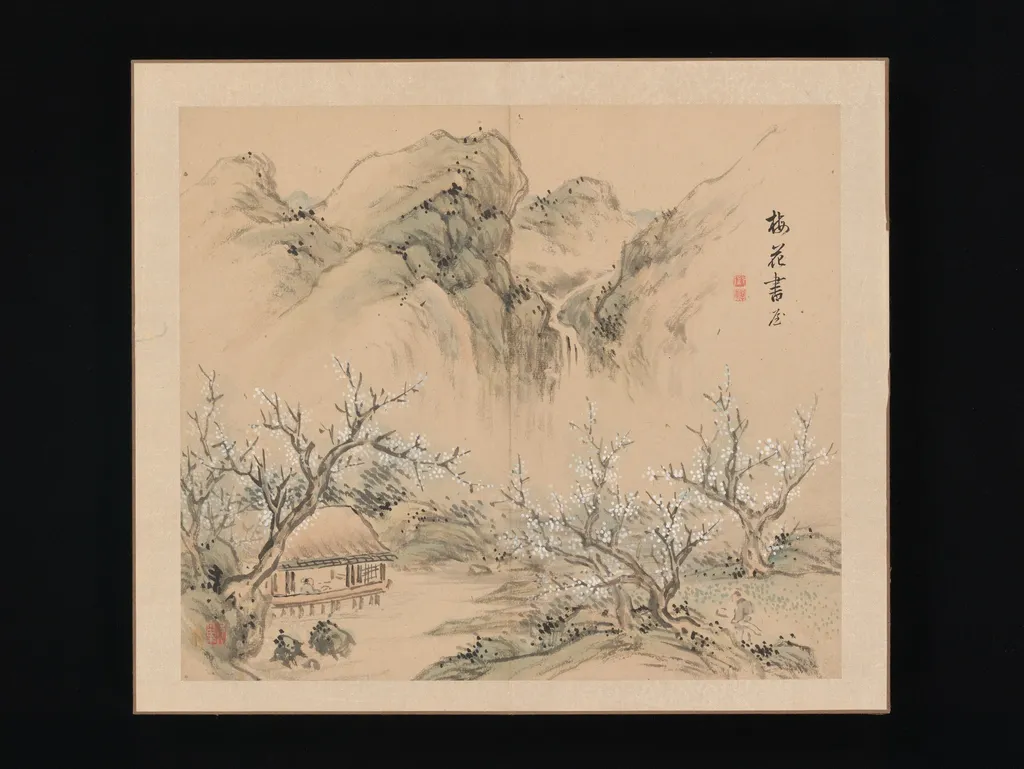
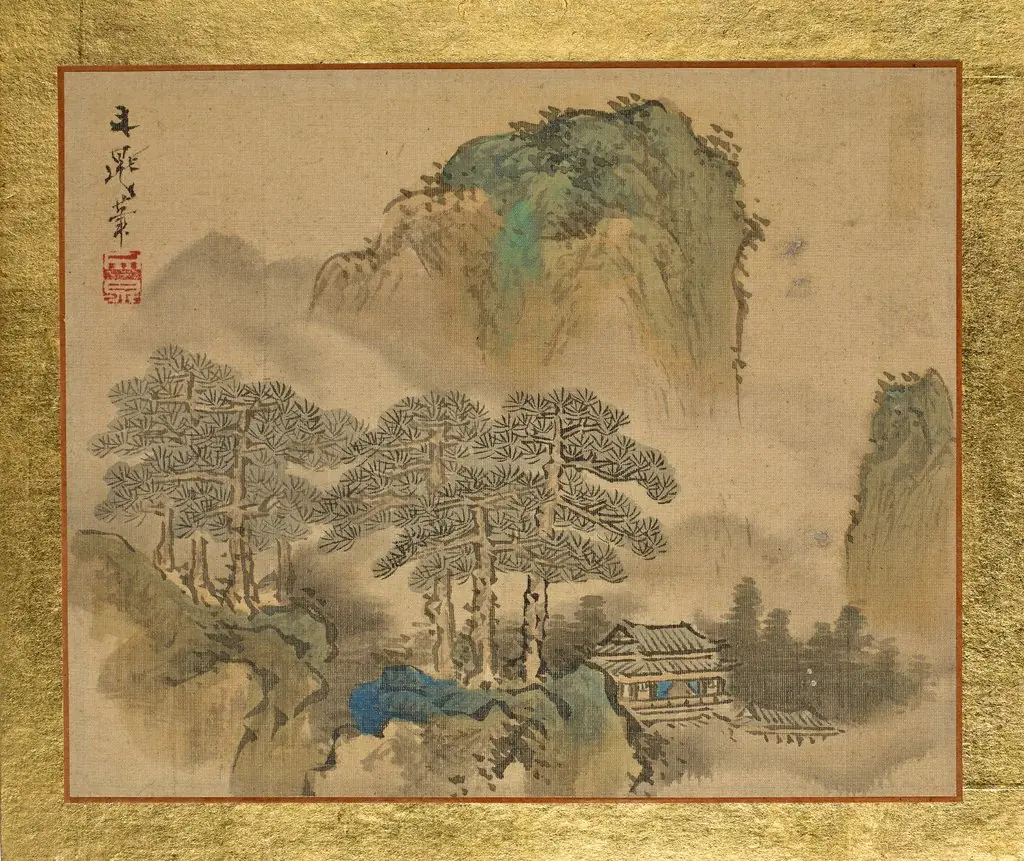
Landscapes of the Four Seasons is an unspecified painting by the Nihonga artist Takaku Aigai. It dates from 1833 and is held in the collection of the Metropolitan Museum of Art.
About this work
Subject & Meaning
Together, the scenes evoke the Japanese poetic tradition of celebrating the temporal beauty and transience of the natural world.
The set of Landscapes of the Four Seasons by Takaku Aigai presents four views aligned with the seasonal cycle, spring, summer, autumn, and winter, each centered on a mountain landscape. The imagery emphasizes the flux of nature across the year: blossoming flora and soft mists in spring, lush verdure and torrential rains in summer, fiery foliage and harvest scenes in autumn, and bare trees and snow under a moon in winter. Together, the scenes evoke the Japanese poetic tradition of celebrating the temporal beauty and transience of the natural world.
History & Provenance
The painting titled Landscapes of the Four Seasons was executed by Japanese artist Takaku Aigai in 1833 in Japan. Its creation is documented in contemporary records that specify the year 1833 as the date of completion. The work is classified as a landscape painting and is part of the collection of the Metropolitan Museum of Art, where it has been since its acquisition.
No evidence of earlier owners or a formal commission is recorded in the available sources, and the only provenance noted is its transfer to the museum's holdings.
The series Landscapes of the Four Seasons is held at the Metropolitan Museum of Art, New York, inventoried as 1975.263.376.
The work was included in the exhibition "Ukiyo-e Paintings in the Collection of the Metropolitan Museum of Art," held at the same museum from November 14, 2014, to November 29, 2015.
Legacy
Takaku Aigai’s Landscapes of the Four Seasons, painted in 1833, is part of the Metropolitan Museum of Art’s collection, underscoring its recognized status in the history of Japanese landscape painting. The work’s inclusion in a major institutional collection has contributed to scholarly attention on Aigai’s role in the development of Meiji‑era landscape art, influencing later artists who explored seasonal themes. Its systematic depiction of mountains and seasonal change remains a reference point for studies of 19th‑century Japanese visual culture.
Overview
Takaku Aigai's painting, Landscapes of the Four Seasons, created in 1833, presents a serene winter mountain vista. This work is part of a larger series, though this particular depiction focuses on a single season. It is currently housed in the collection of The Metropolitan Museum of Art, offering a glimpse into early 19th-century Japanese landscape painting.
Technique & Style
Aigai employed loose, suggestive brushstrokes to render the scene, particularly evident in the depiction of moving water and clouds. This approach imparts a dynamic yet calm energy to the winter setting. The color palette is restrained, featuring soft tones of pale blues, grays, and whites, subtly accented by touches of green on the distant hills, enhancing the contemplative mood.
Own this work as a print
Artist & collection


 Album of Seasonal Landscapes, Leaf H (previous leaf 8)
 Landscape
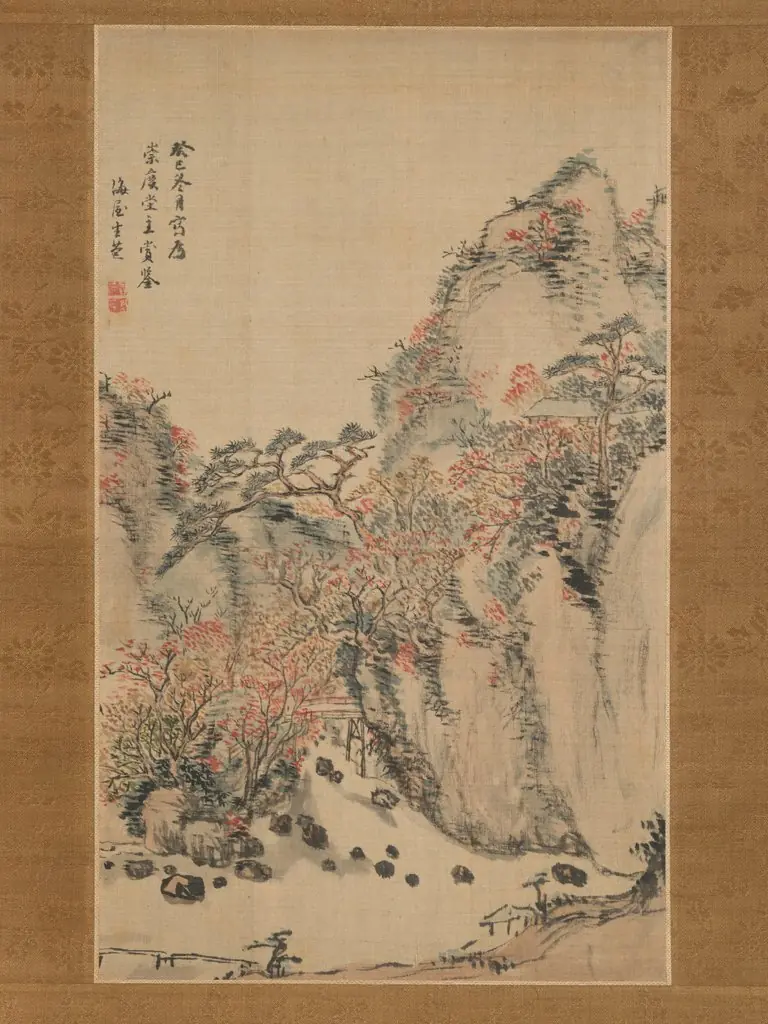 Autumn Landscape at Eigenji
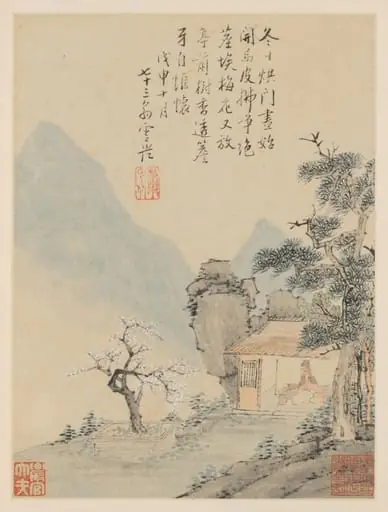 Album of Seasonal Landscapes, Leaf H (previous leaf 8)
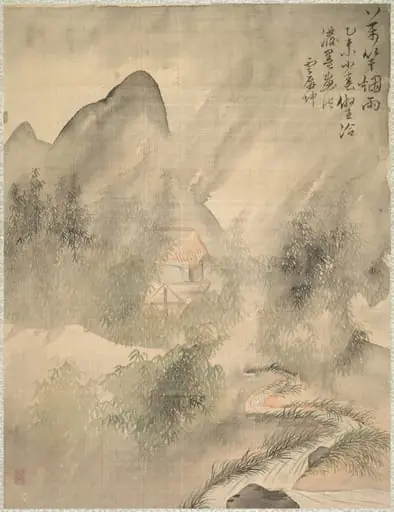 Ten Thousand Bamboos in the Mist and Rain
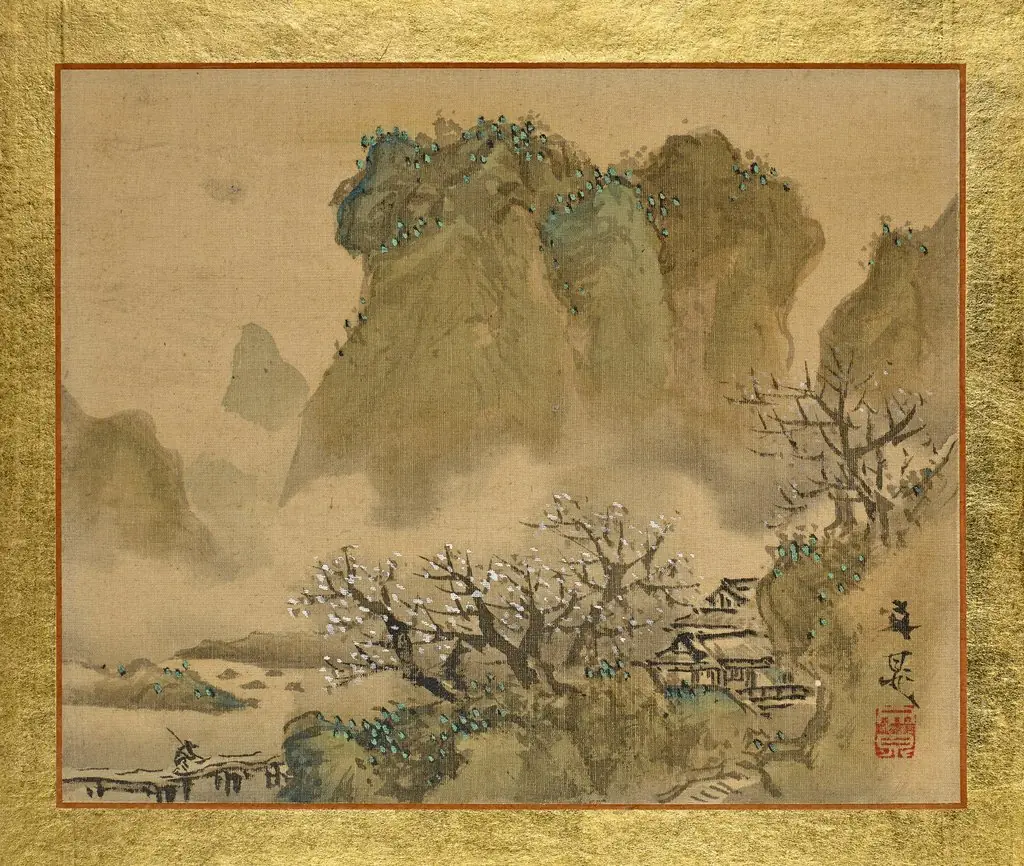 A Country House in a Valley with a Blossoming Plum Tree
 Album of Seasonal Landscapes, Leaf D (previous leaf 2)
 Writing Books under the Pine Trees
 明 程嘉燧 山水二幅 冊頁|Two Landscapes
 Landscape
- Album of Seasonal Landscapes, Leaf A (previous leaf 4)
 A House next to Pine Trees, in front of Mountains