Artwork
Ghost and Oil Lamp
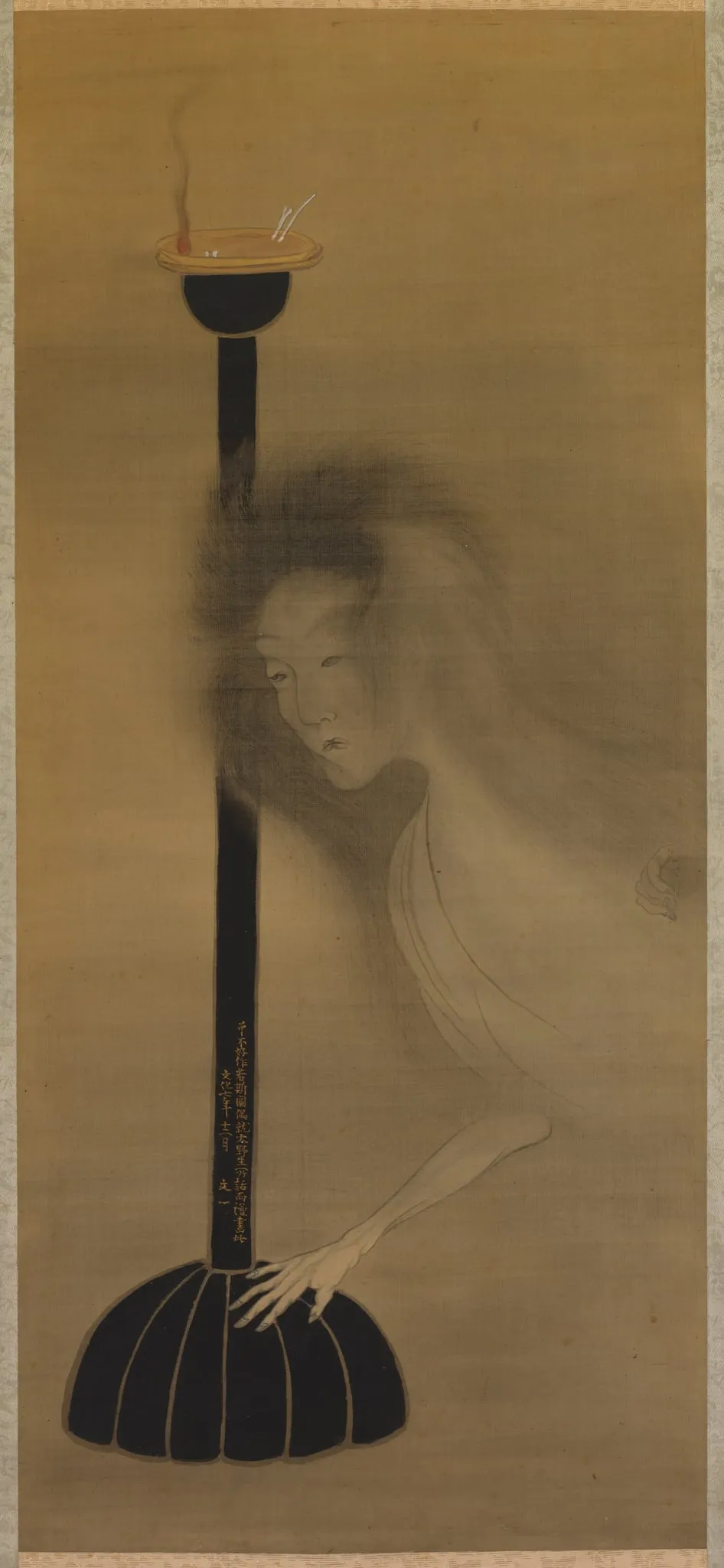
Ghost and Oil Lamp is an unspecified painting by the Nihonga artist Tani Bun'ichi. It dates from 1810 and is held in the collection of the Cleveland Museum of Art.
- Accession no.
- 1992.71
- Credit line
- Kelvin Smith Fund
About this work
Overview
This painting, attributed to Tani Bun’ichi, depicts a spectral figure beside an oil lamp, rendered with minimal detail to heighten its unsettling presence.
This painting, attributed to Tani Bun’ichi, depicts a spectral figure beside an oil lamp, rendered with minimal detail to heighten its unsettling presence. Created in the twelfth month of 1810, it shares striking similarities with another ghost painting held at Zensho-an temple in Tokyo, including an identical gold-inscribed label on the lamp. Bun’ichi noted his reluctance to paint such subjects, suggesting the work arose from external influence rather than personal interest.
Subject & Meaning
The figure represents a ghost, a recurring motif in Edo-period visual culture tied to folklore and oral storytelling. Its sparse, unadorned form evokes ambiguity and unease, aligning with traditional depictions of spirits as transient and indistinct. The oil lamp, a common domestic object, becomes a threshold between the living and the unseen, reinforcing the theme of liminality central to ghost narratives of the time.
Technique & Style
Bun’ichi employed restrained brushwork and muted tones, avoiding elaborate detail to emphasize the ghost’s ethereal quality. The composition centers the figure beside the lamp, using negative space to isolate the supernatural element. The gold inscription, meticulously applied, mirrors calligraphic conventions of the period and serves both as a date stamp and a ritual marker, linking the image to textual traditions of the supernatural.
History & Provenance
The painting’s inscription confirms its creation date and connects it to a known work in Zensho-an temple’s collection, once owned by Sanyutei Enchō, a celebrated storyteller of ghost tales. Enchō’s donation of ghost-themed artworks to the temple suggests a cultural practice of preserving such imagery as relics of oral tradition. Bun’ichi’s version likely circulated in similar circles, possibly commissioned or inspired by shared narratives.
Context
During the early 19th century, ghost stories flourished in Edo’s urban culture, fueled by kabuki theater, printed literature, and private collections. Artists like Bun’ichi, trained in scholarly ink painting, occasionally engaged with popular themes, blending refined technique with folkloric subjects. This work reflects a quiet intersection between elite artistic practice and the broader public fascination with the supernatural.
Legacy
Though Bun’ichi was not primarily known for supernatural themes, this painting endures as a quiet testament to the permeability of artistic genres in Edo Japan. Its connection to a documented collection and its textual inscription anchor it within a network of ghost imagery preserved by storytellers and temples, offering insight into how personal hesitation and cultural demand shaped artistic production.
Artist & collection

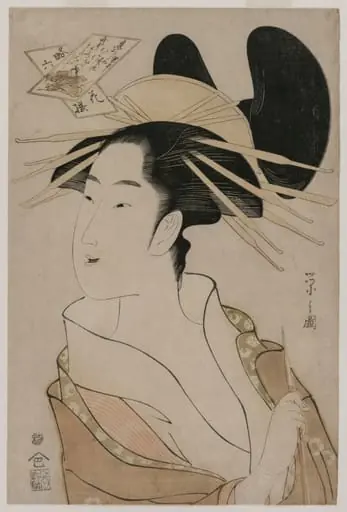 Portrait of a Courtesan Holding a Pipe (from the series The Six Immortal Poets in Modern Dress)
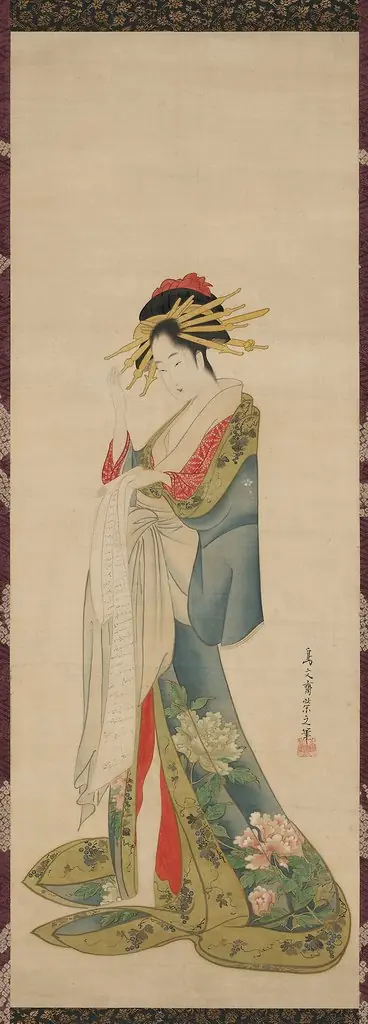 A Courtesan Reading a Letter
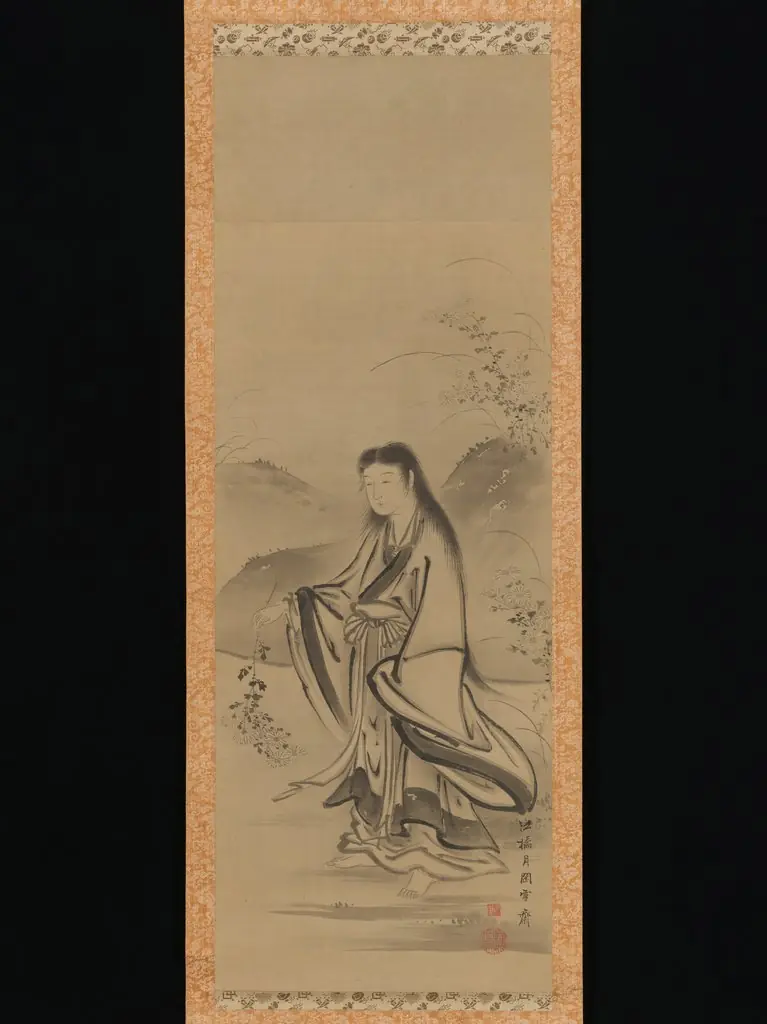 Kiku Jidō (Chrysanthemum Boy)
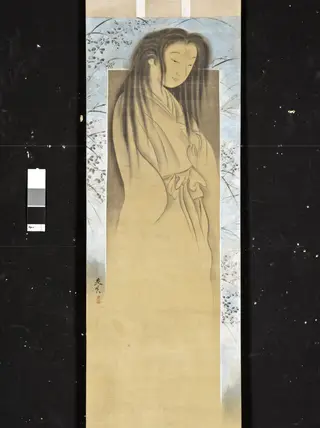 Ghost
Ghost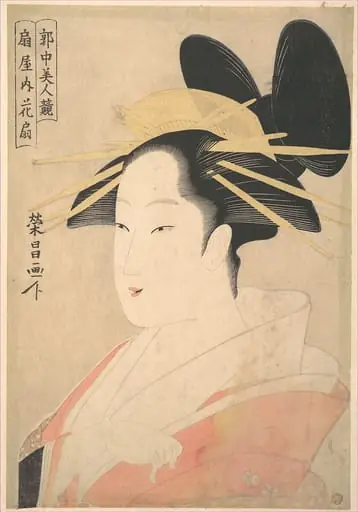 Untitled
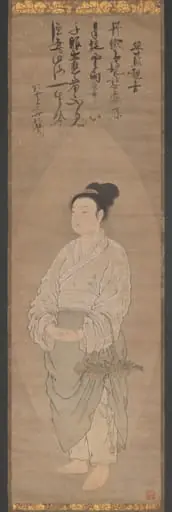 Fish Basket Kannon (Gyoran Kannon)
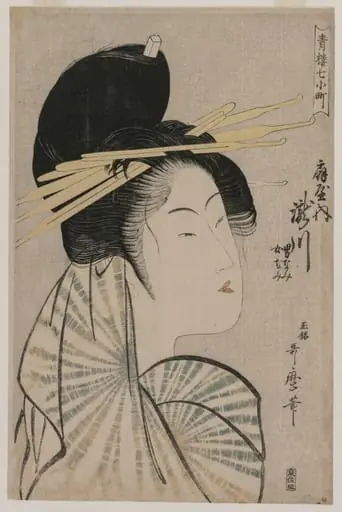 The Courtesan Takigawa of Ogiya (from the series Seven Aspects of Komachi in the Green Houses)
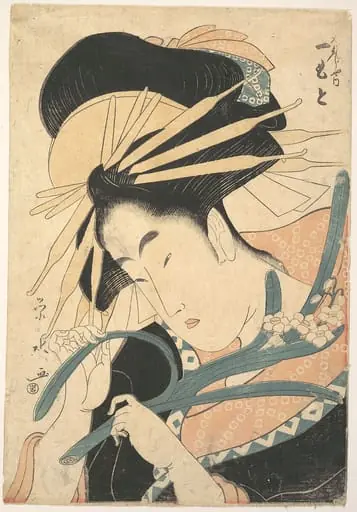 Untitled
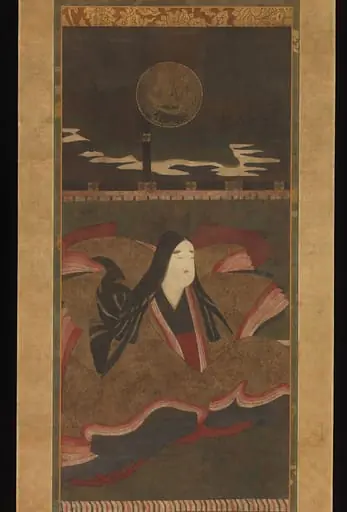 丹生明神像|Niu Myōjin
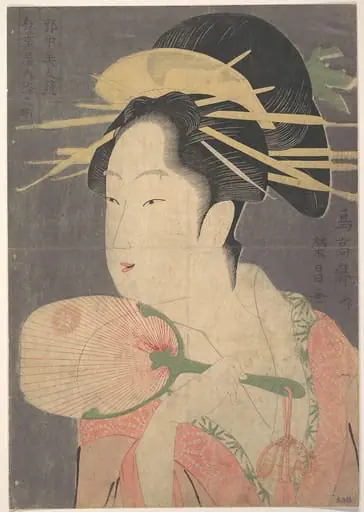 Untitled
- Ghost and Oil Lamp
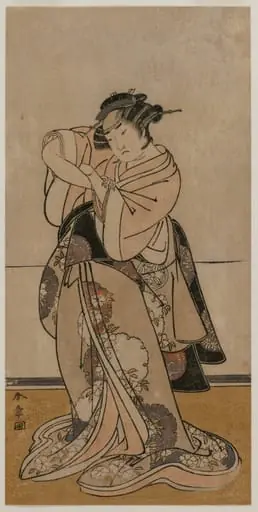 Actor Yamashita Yaozo