Artwork
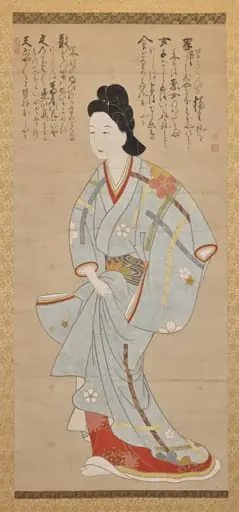
丹生明神像|Niu Myōjin
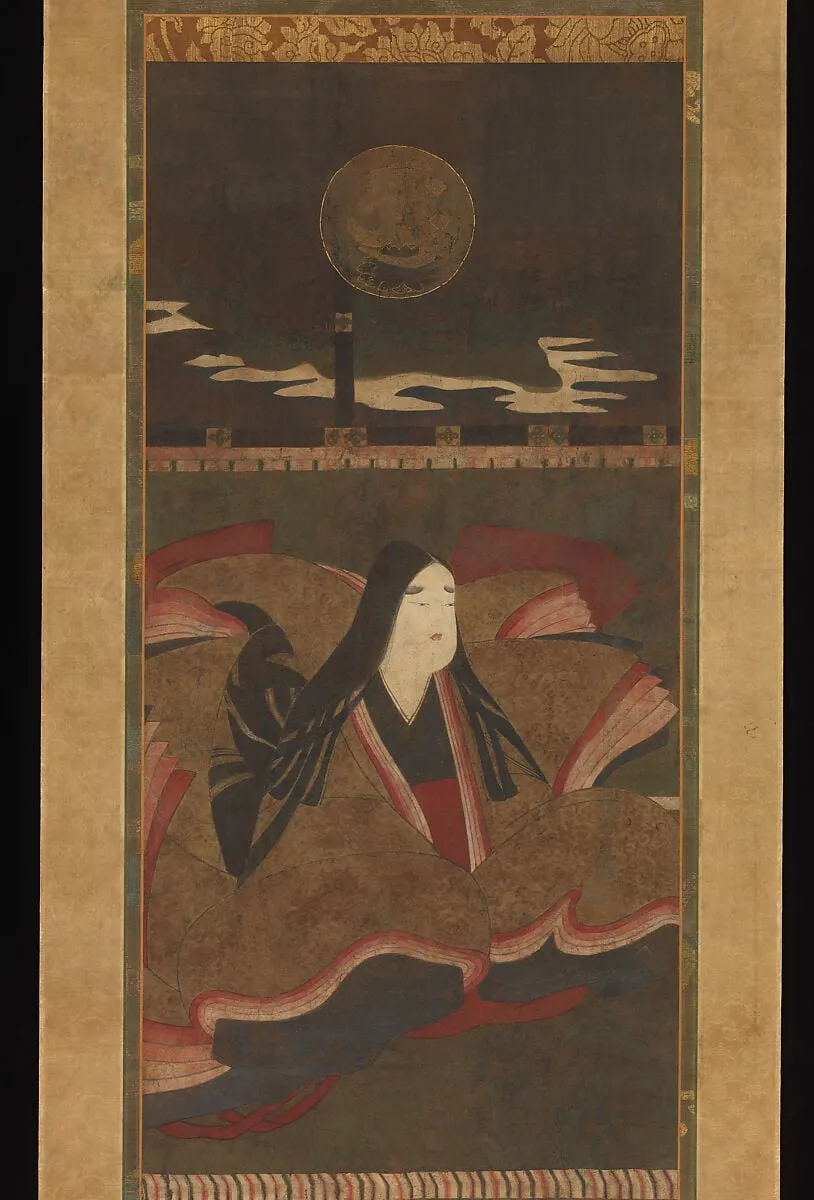
丹生明神像|Niu Myōjin is an ink painting. It dates from 1349 and is held in the collection of the Metropolitan Museum of Art.
- Accession no.
- 2015.300.14
- Credit line
- Mary Griggs Burke Collection, Gift of the Mary and Jackson Burke Foundation, 2015
About this work
Subject & Meaning
She is rendered in a hanging scroll format using ink, color, and gold on silk, a medium typical of Japanese religious paintings from the 14th century.
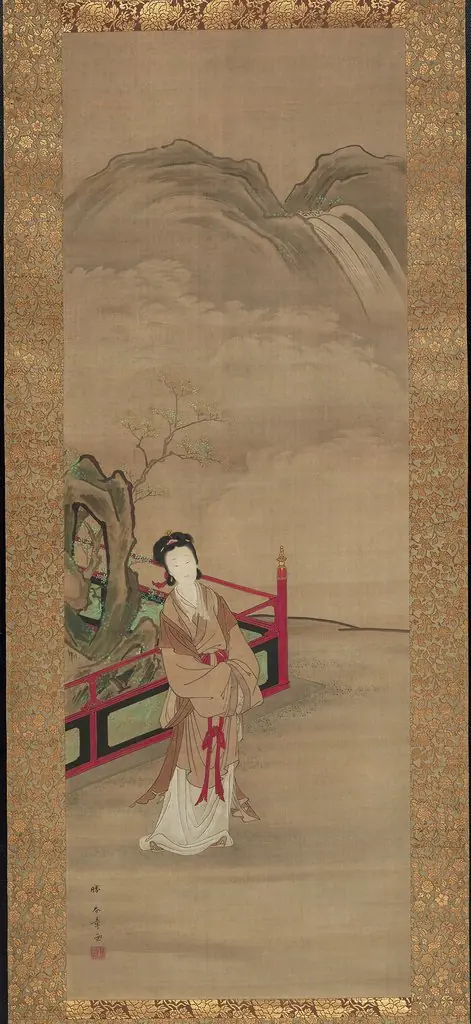
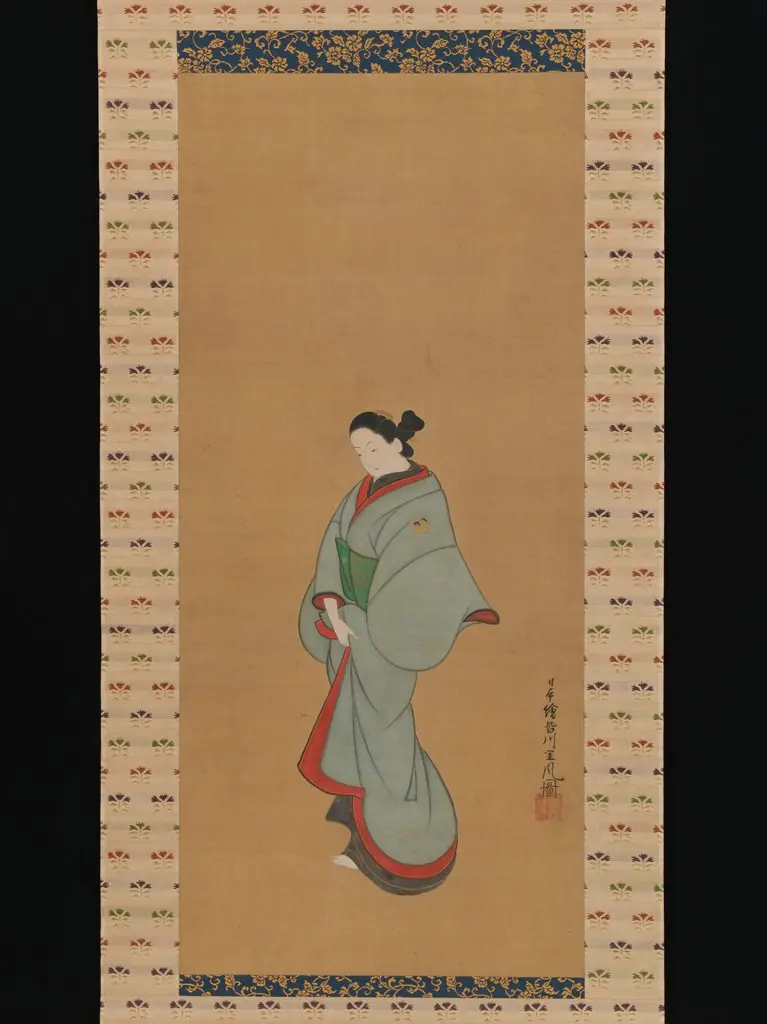
The work shows a woman figure identified as Niu Myōjin, a manifestation of a Daoist deity associated with fertility and childbirth. She is rendered in a hanging scroll format using ink, color, and gold on silk, a medium typical of Japanese religious paintings from the 14th century. The depiction aligns with Daoist iconography of a maternal divine figure, emphasizing themes of protection and blessings for progeny.
Created in Japan in 1349, the piece reflects the syncretic religious context of the period, blending Daoist belief with local artistic traditions. Its presence in the Metropolitan Museum of Art underscores its significance within the global study of Asian religious art.
Technique & Style
Created in 1349, the Niu Myōjin is a hanging scroll executed in ink, color, and gold on a silk support. This religious painting depicts a woman and is attributed to an anonymous Japanese artist. The work employs traditional materials characteristic of its genre, utilizing gold to accentuate the composition alongside pigment and ink application on the textile surface.
History & Provenance
The hanging scroll depicting Niu Myōjin is held by the Metropolitan Museum of Art, which is identified as both the collection and the location of the work.
No specific inventory or accession number is recorded in the available sources, and no exhibition history is documented.
Context
The work's religious context emerges from its classification as a devotional painting depicting a female figure, likely associated with Shinto or Buddhist traditions in Heian-period Japan. Scholarship situates it within the broader Muromachi period painting tradition, where religious imagery served both ritual and aesthetic functions, particularly through the use of ink, color, and gold on silk as seen in hanging scrolls. Its attribution to an anonymous master reflects the collaborative nature of religious art production during this era, with the Metropolitan Museum of Art housing it as a key example of anonymous religious painting from 1349.
The work's significance lies in its role as a representative artifact of religious art from the Kamakura-Muromachi transition, demonstrating how anonymity was common among painters working for devotional purposes rather than individual recognition.
Overview
The hanging scroll, executed on silk with ink, color and gold leaf, depicts a female figure seated upon a cloud while cradling a miniature pagoda. The composition is illuminated by a luminous gold background that catches the light, and the deity’s expression is composed, her face partially obscured by shadow, creating a serene atmosphere.
Artist & collection