Artwork
Kiku Jidō (Chrysanthemum Boy)
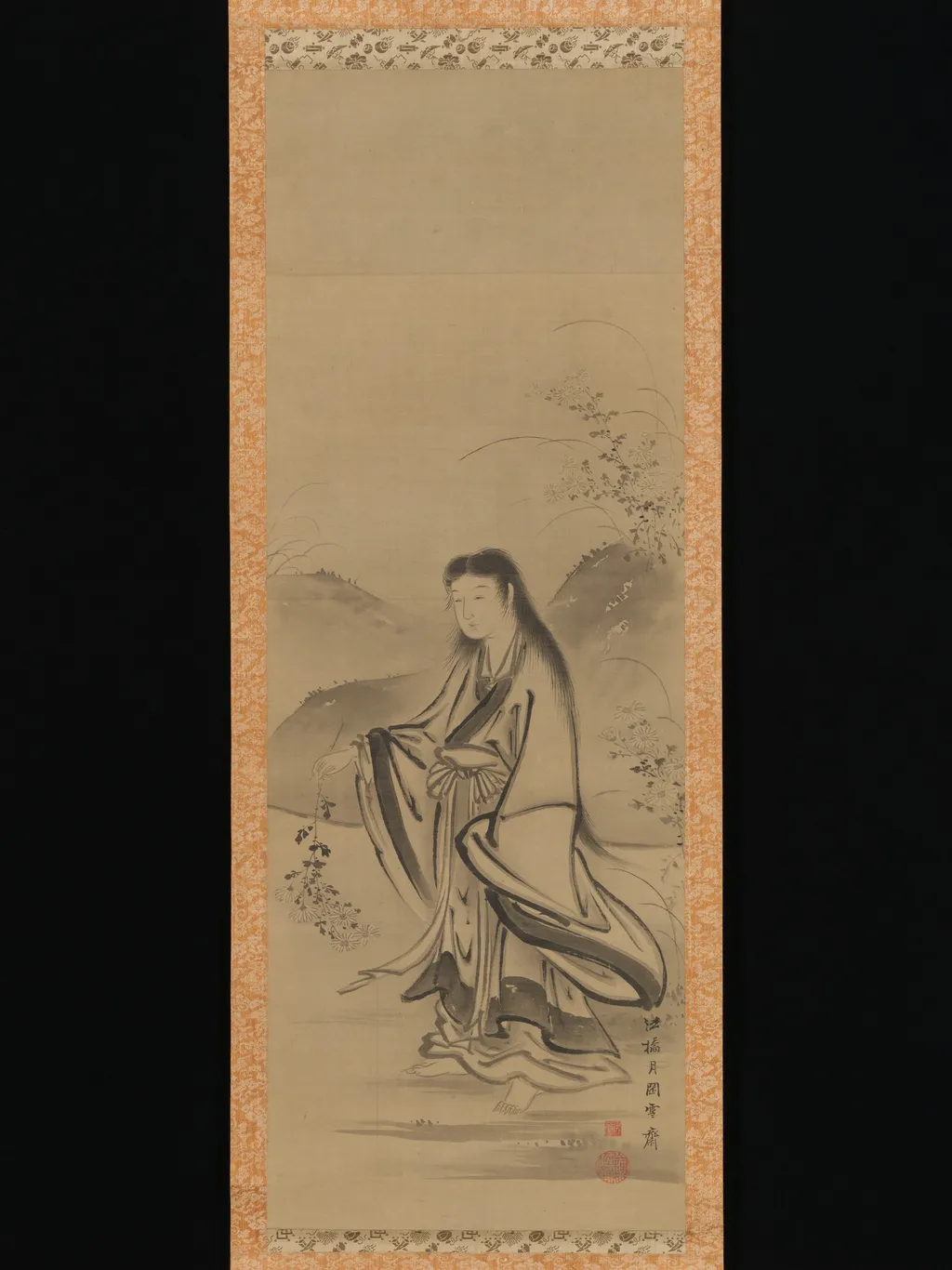
Kiku Jidō (Chrysanthemum Boy) is an unspecified painting by the Rococo painting artist Tsukioka Sessai. It dates from 1790 and is held in the collection of the Metropolitan Museum of Art.
About this work
Subject & Meaning
The painting portrays a young boy surrounded by blooming chrysanthemums, a motif associated with longevity and autumnal impermanence in Japanese tradition.
The painting portrays a young boy surrounded by blooming chrysanthemums, a motif associated with longevity and autumnal impermanence in Japanese tradition. The chrysanthemum, historically linked to the imperial family and symbolizing resilience, frames the figure, suggesting a meditation on the fleeting nature of youth amid enduring seasonal cycles. This iconography reflects contemporary Edo-period concerns with transience and the moral virtue embodied by youthful subjects in scholarly gatherings.
Technique & Style
Kiku Jidō (Chrysanthemum Boy) is a 1780 painting by Tsukioka Sessai, housed in the Metropolitan Museum of Art. Executed on paper or silk, the work employs traditional Japanese brushwork and ink or color pigments typical of ukiyo-e style, reflecting formal stylistic qualities of Edo-period depictions of children. The painting's condition and handling history are not specified in available records.
History & Provenance
Kiku Jidō (Chrysanthemum Boy) is a painting by Tsukioka Sessai dated to 1780. The work is held in the collection of the Metropolitan Museum of Art, where it is currently located. No additional information regarding its commission, earlier ownership, or chain of custody is documented in the available sources.
The sources confirm only the inception date of 1780 and the painting's presence in the Metropolitan Museum of Art's collection; details of any prior provenance, intermediate owners, or circumstances of creation are not provided.
The painting Kiku Jidō (Chrysanthemum Boy) by Tsukioka Sessai is held in the collection of the Metropolitan Museum of Art in New York. Created in Japan in 1780, the work depicts a boy and is classified as a painting. While the Met houses the piece, the provided sources do not specify an inventory or accession number, nor do they list any exhibition history for the work.
Overview
Created in 1790 by the Edo‑period painter Tsukioka Sessai, Kiku Jidō, literally “Chrysanthemum Boy”, is a small hanging painting now in the collection of the Metropolitan Museum of Art. The work presents a solitary, kneeling youth set against a muted landscape of distant mountains and a pale sky, framed by a thin orange border and modest decorative bands at the top and bottom.
Context
Kiku Jidō reflects the ukiyo‑e tradition of portraying everyday subjects with refined elegance. During the late eighteenth century, artists like Sessai often explored themes of youth and nature, integrating subtle symbolism, such as the chrysanthemum, a flower associated with longevity and refinement, into intimate genre scenes.
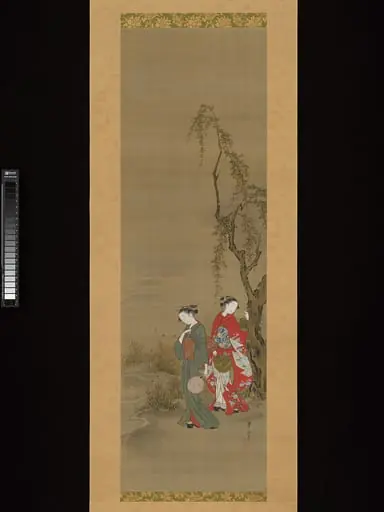
Own this work as a print
Artist & collection


- Untitled
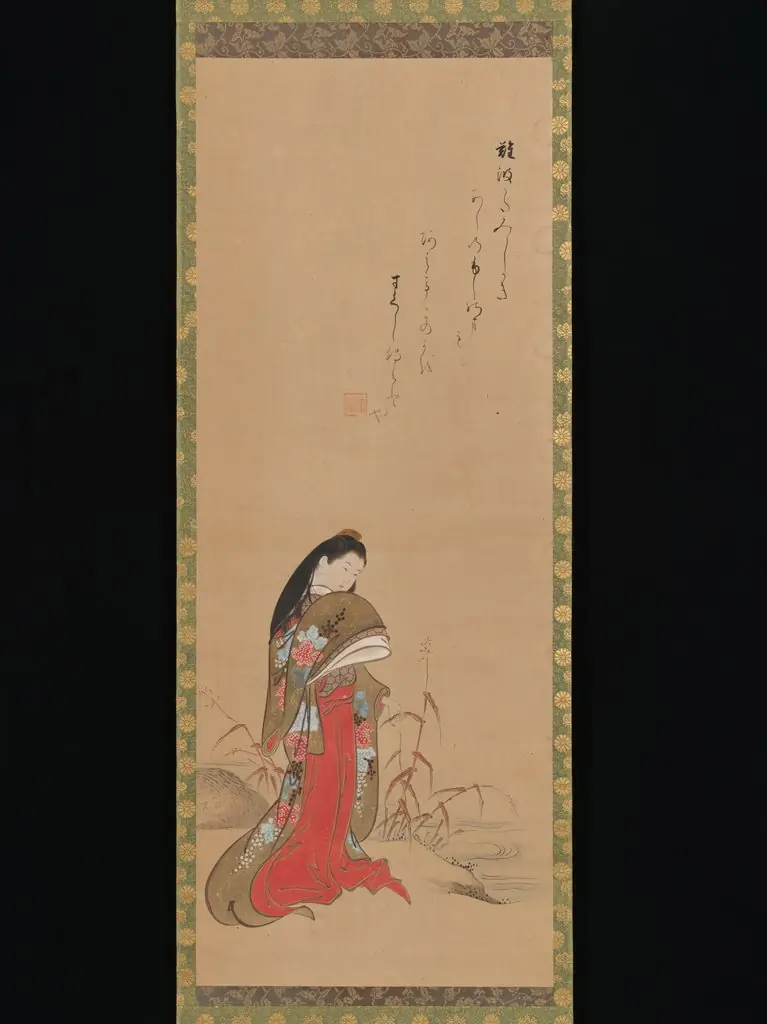 Lady Ise by the Riverbank
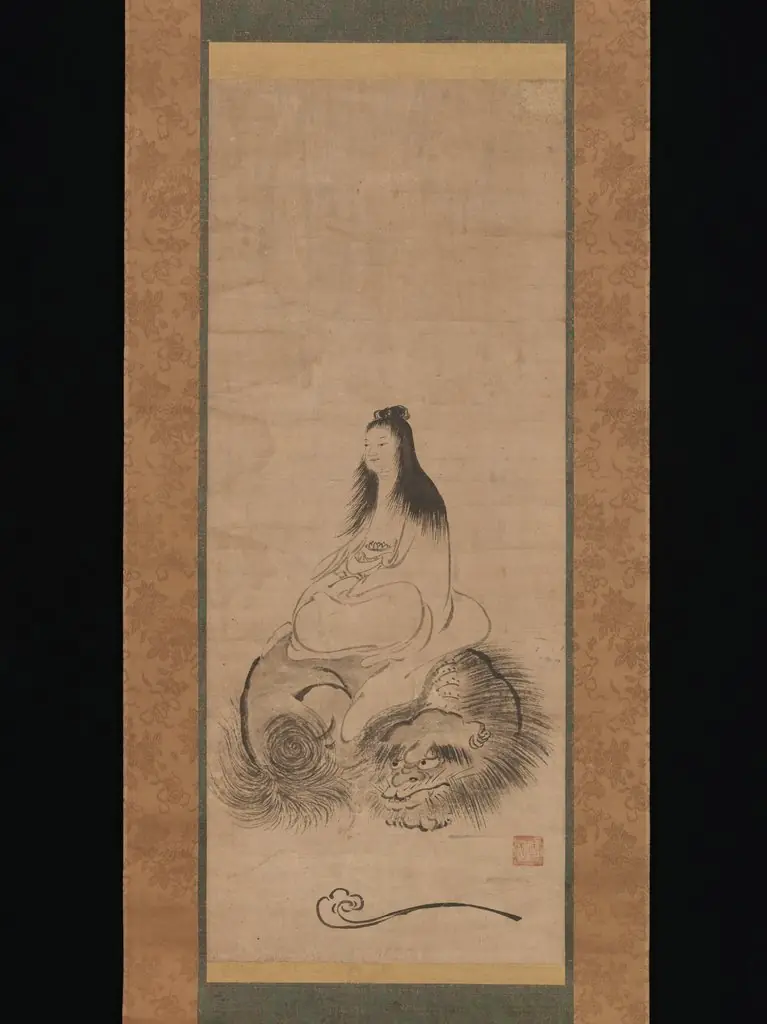 Monju on a Lion
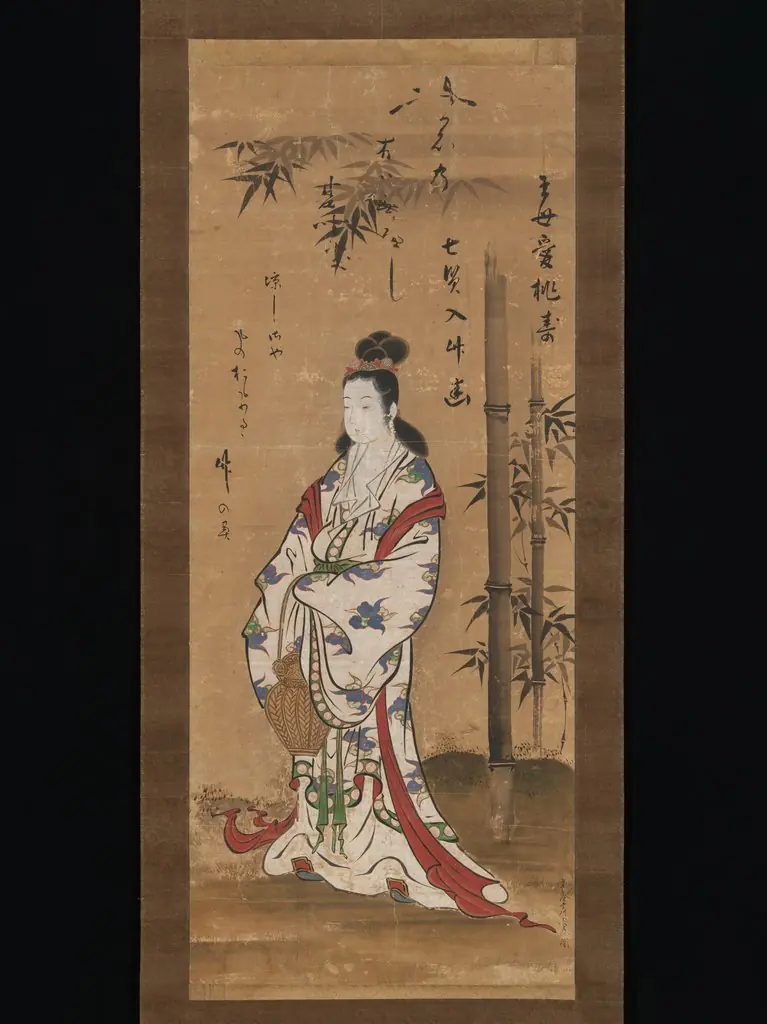 Gyoran Kannon
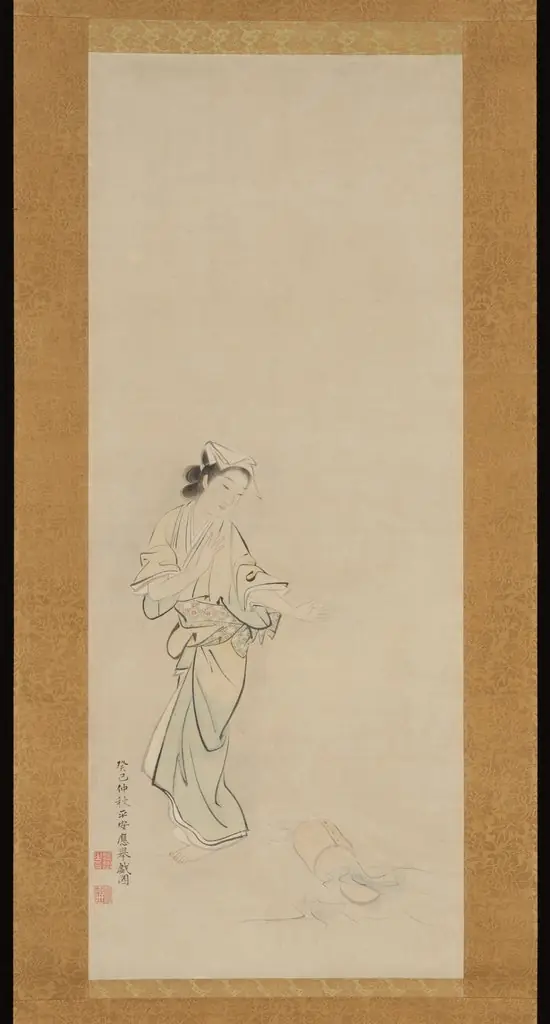 Lady Chiyono
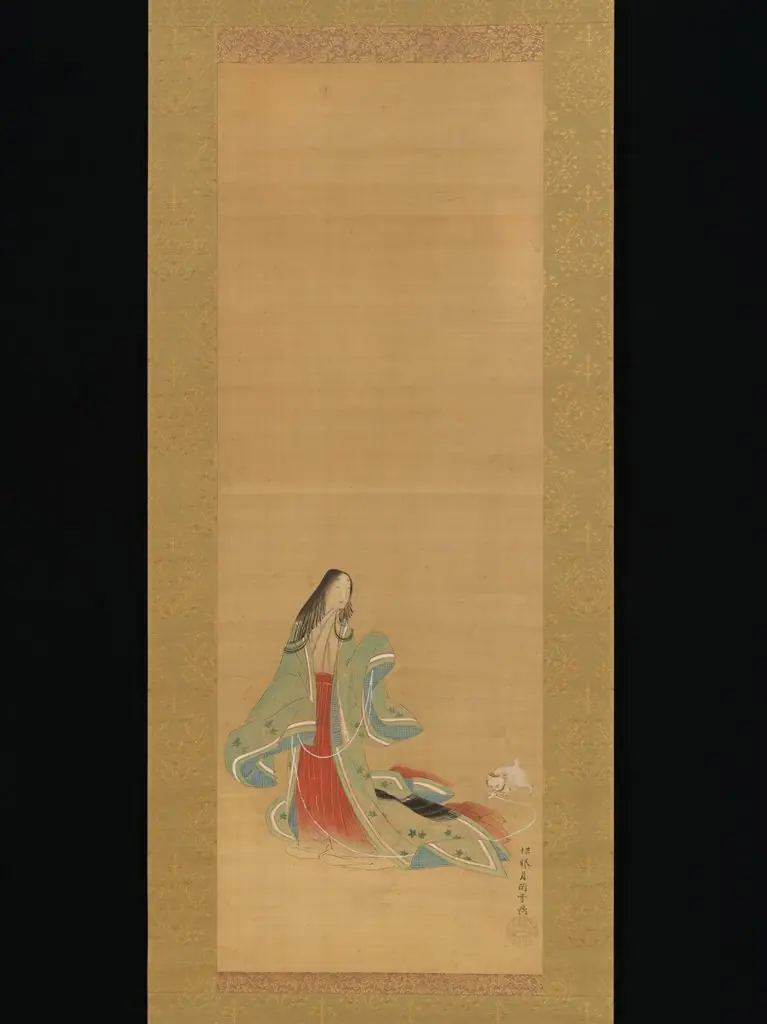 The Third Princess with her Cat, from the "New Herbs I" (Wakana I) chapter The Tale of Genji (Genji monogatari}
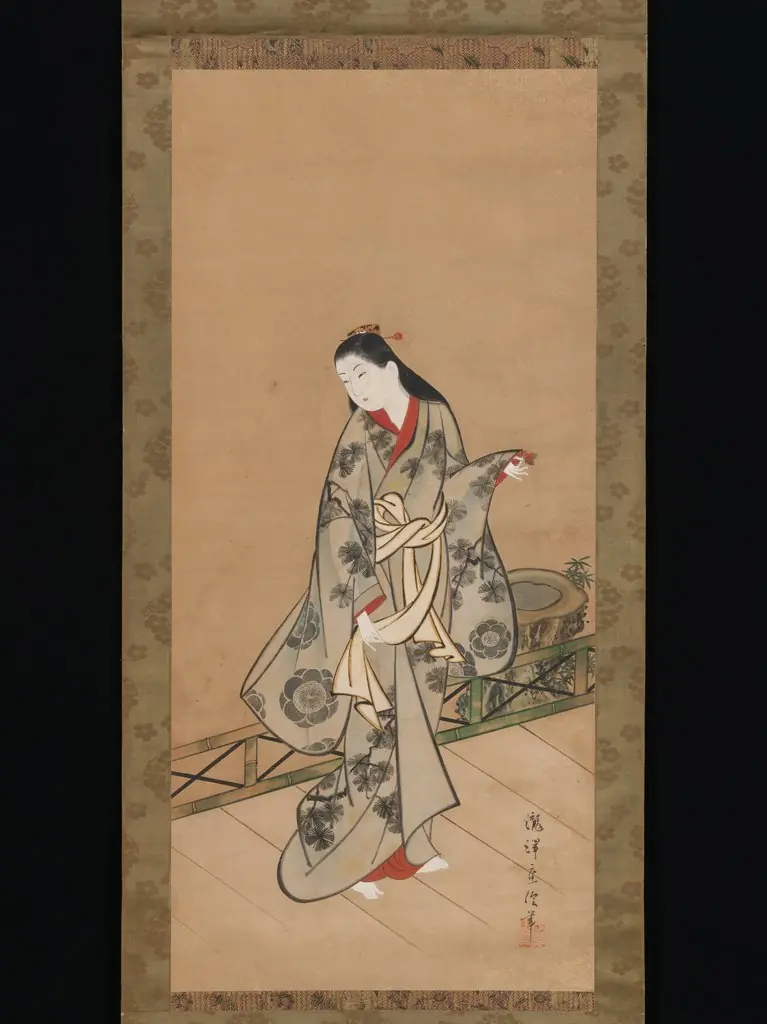 Woman on Veranda
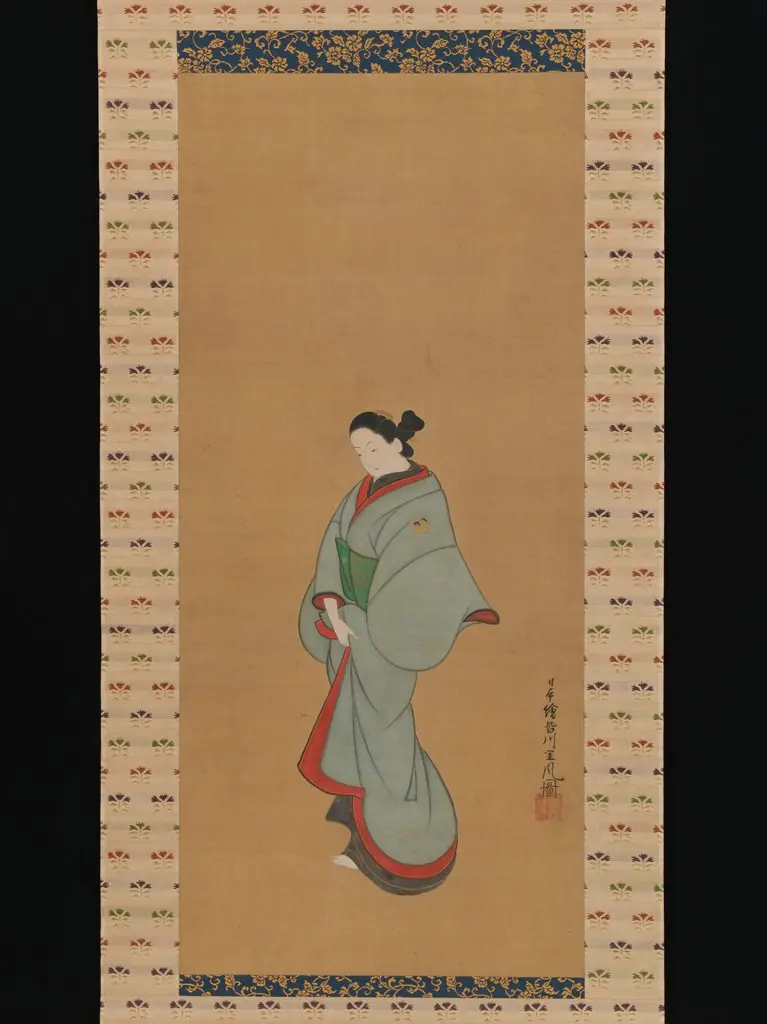 Standing Woman
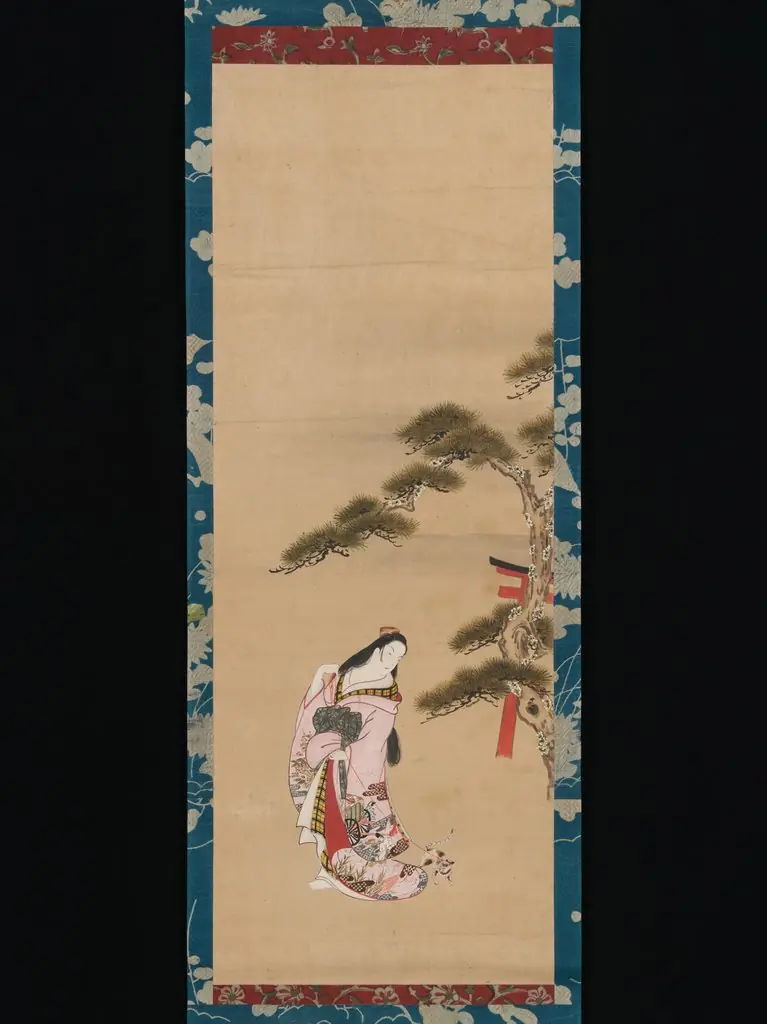 The Third Princess and a Cat, from the "New Herbs I" (Wakana I) chapter The Tale of Genji (Genji monogatari}
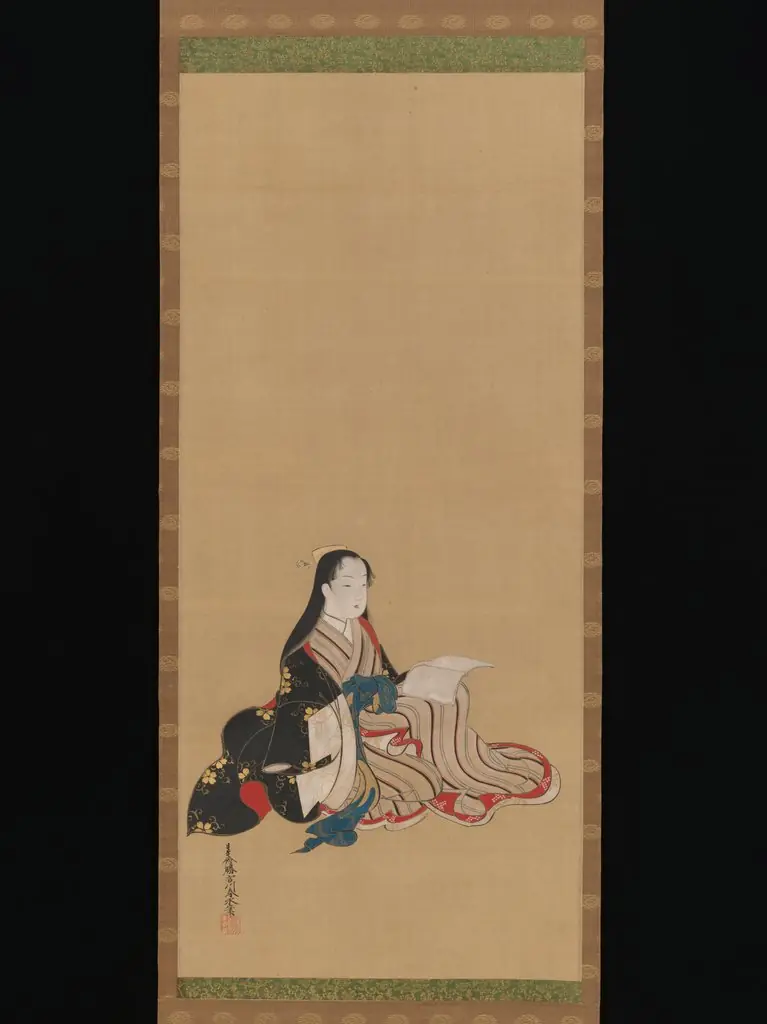 Young Woman with a Book
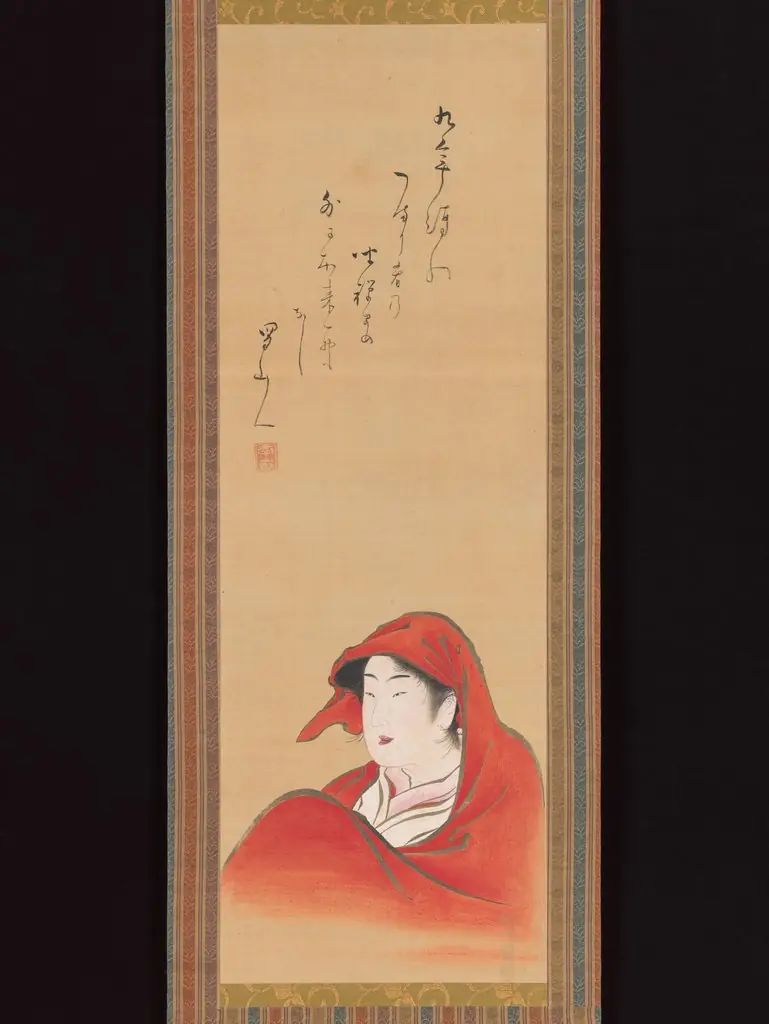 Courtesan as Daruma
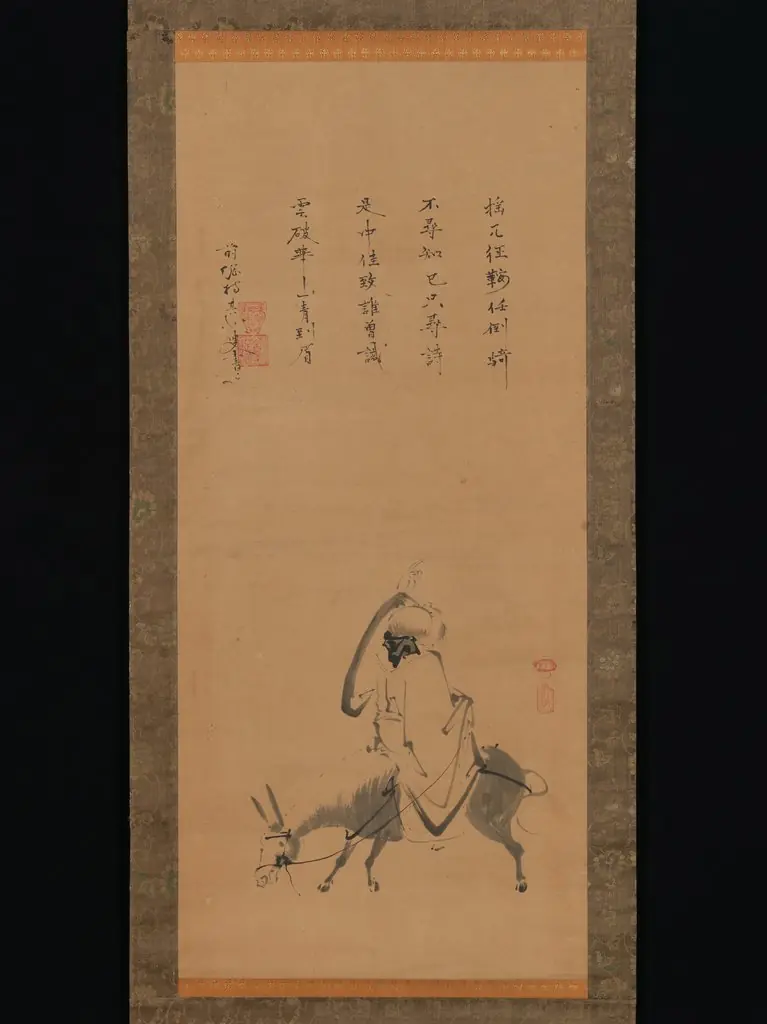 The Chinese Poet Pan Lang on a Donkey