Artwork
Portrait of Dr. J. L. Dusseau
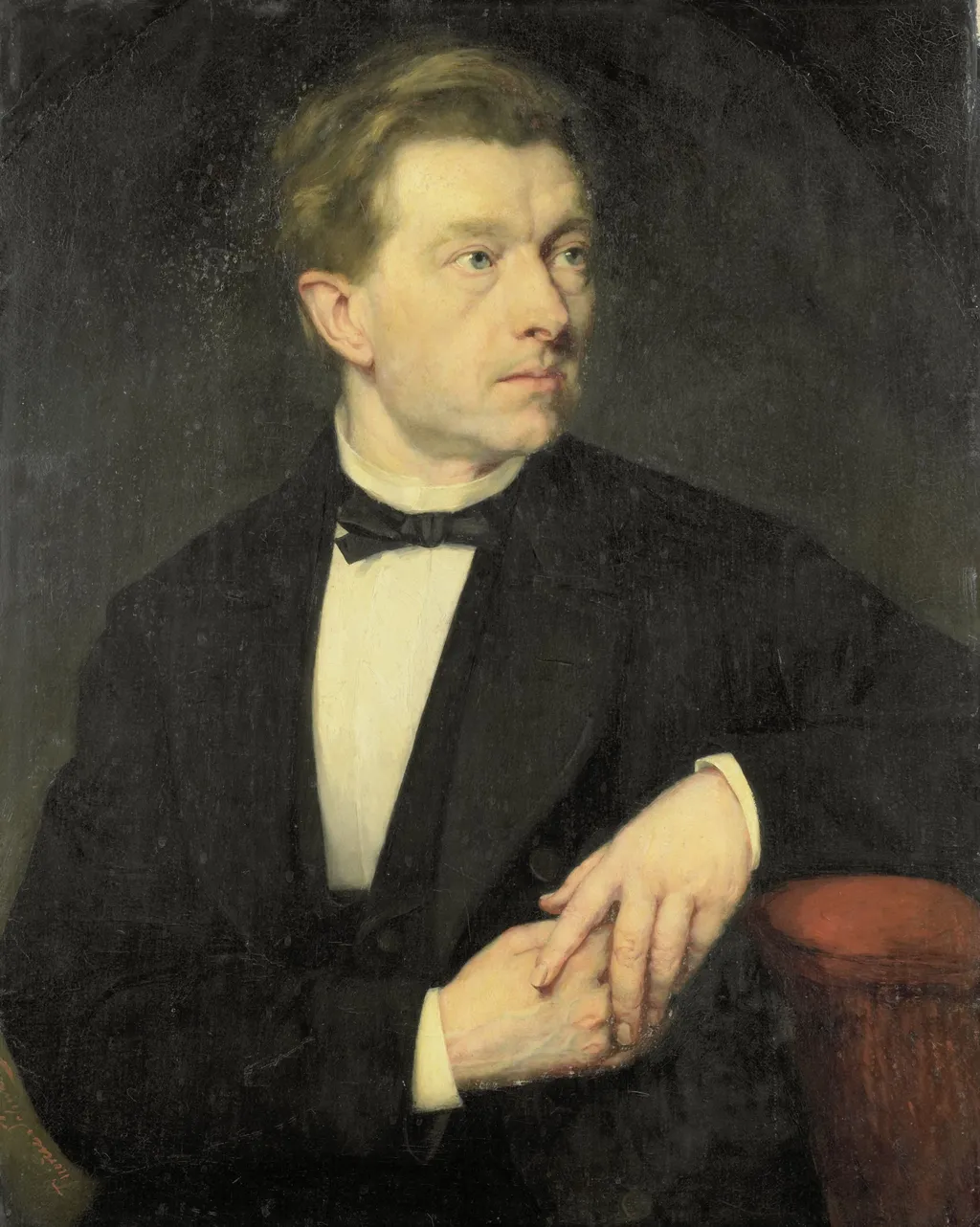
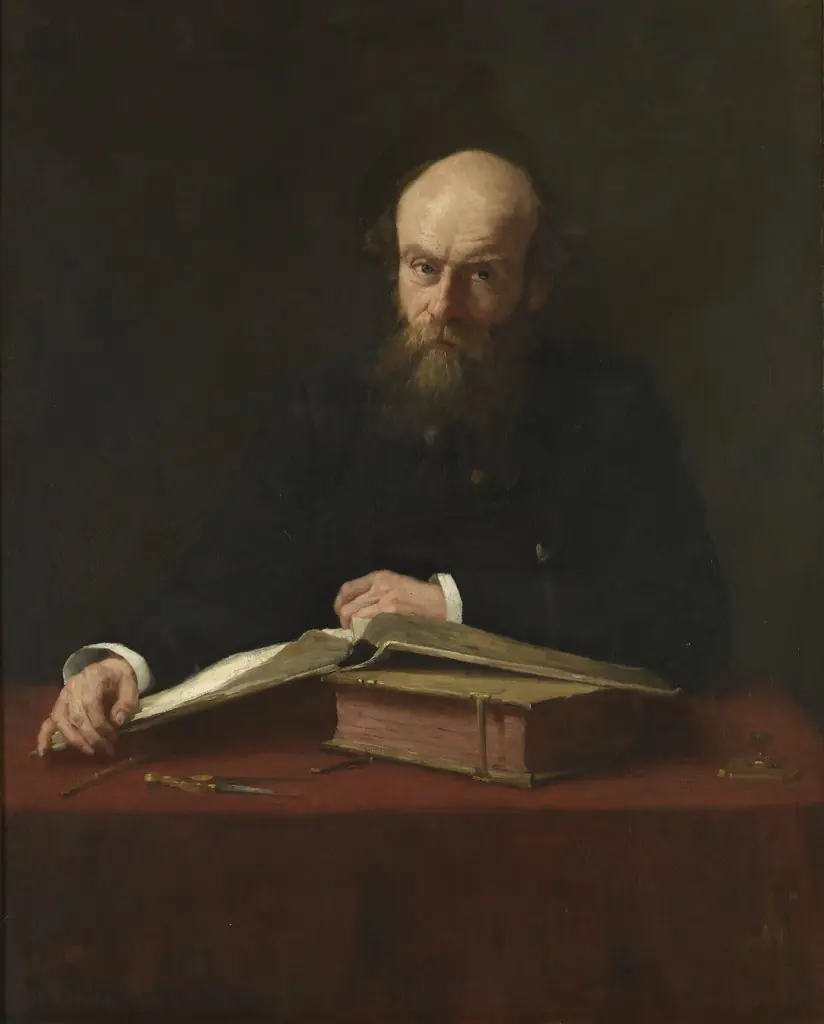
Portrait of Dr. J. L. Dusseau is an oil painting by the Realist artist Thérèse Schwartze. It dates from 1870 and is held in the collection of the Rijksmuseum.
About this work
Subject & Meaning
The work reflects the era's emphasis on scientific progress and the valorization of medical expertise.
The painting depicts Justus Lodewijk Dusseau, a Dutch physician and professor at the University of Amsterdam, rendered in a dignified, three-quarter pose typical of 19th-century portraiture. Schwartze emphasizes his professional authority through his formal attire and direct gaze, while the subdued background and meticulous brushwork highlight the subject's status within bourgeois society. The work reflects the era's emphasis on scientific progress and the valorization of medical expertise.
Technique & Style
Thérèse Schwartze created Portrait of Dr. J. L. Dusseau in 1870 using oil paint on canvas. The work measures 81 cm by 65.5 cm and depicts Justus Lodewijk Dusseau. It is classified as a portrait and exemplifies the formal qualities of 19th-century Dutch portraiture, characterized by precise brushwork and naturalistic rendering.
History & Provenance
The painting was created in 1870 by Thérèse Schwartze.
It entered the collection of the Rijksmuseum, where it remains held. The work depicts Dr. J. L. Dusseau and is catalogued as an oil on canvas with dimensions of 81 cm by 65.5 cm.
The Portrait of Dr. J. L. Dusseau is held in the collection of the Rijksmuseum in Amsterdam. The painting, created in 1870, is cataloged within the museum's holdings as an oil on canvas work depicting Justus Lodewijk Dusseau. Its physical dimensions are recorded as 81 cm in height and 65.5 cm in width. The provided sources do not list specific accession numbers or a detailed exhibition history for this work.
Overview
Thérèse Schwartze’s oil portrait, executed in 1870, presents Dr. Justus Lodewijk Dusseau seated against an unadorned dark backdrop. The work is part of the Rijksmuseum’s collection, where it remains on display as a representative example of late‑nineteenth‑century Dutch portraiture.
Context
During the 1870s, Dutch portrait painters often combined academic realism with emerging impressionistic influences. Schwartze, a prominent female artist of her time, navigated these currents, producing works that balanced meticulous detail with a softer handling of light, as evident in this depiction of Dr. Dusseau.
Own this work as a print
Artist & collection

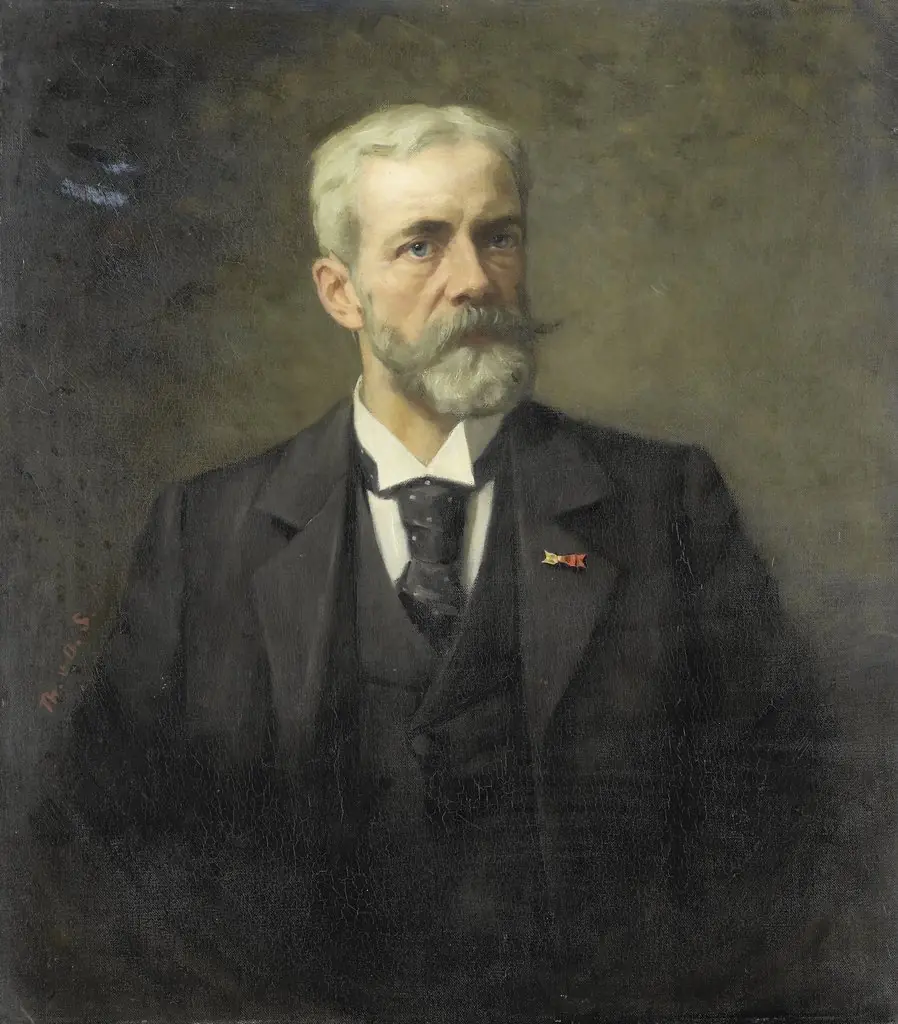
- Untitled
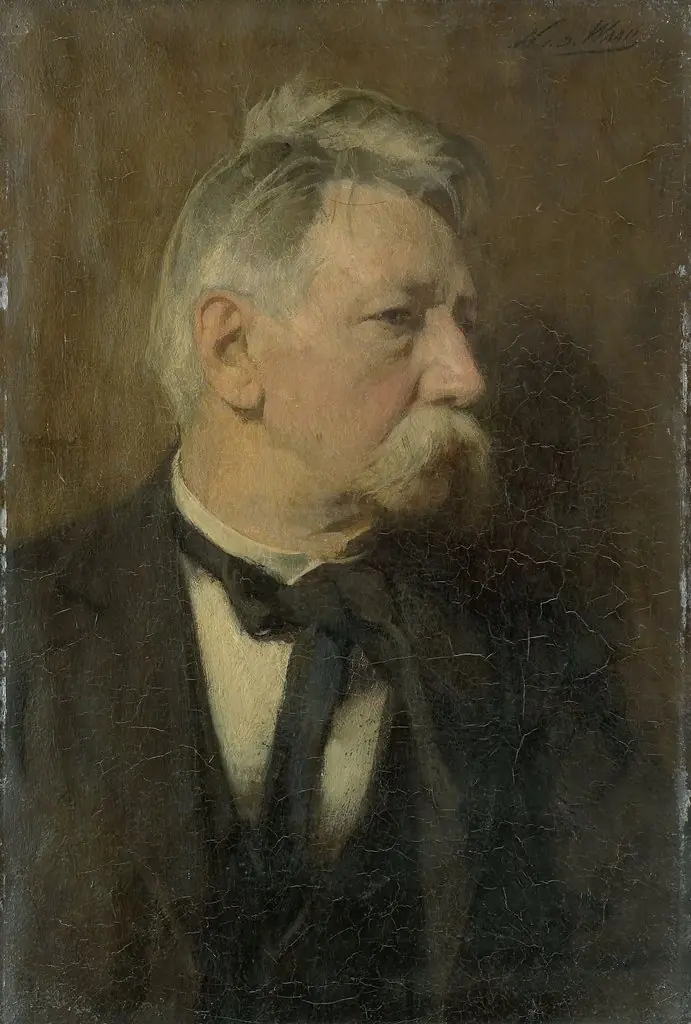 Willem Steelink II (1856-1928). Graficus
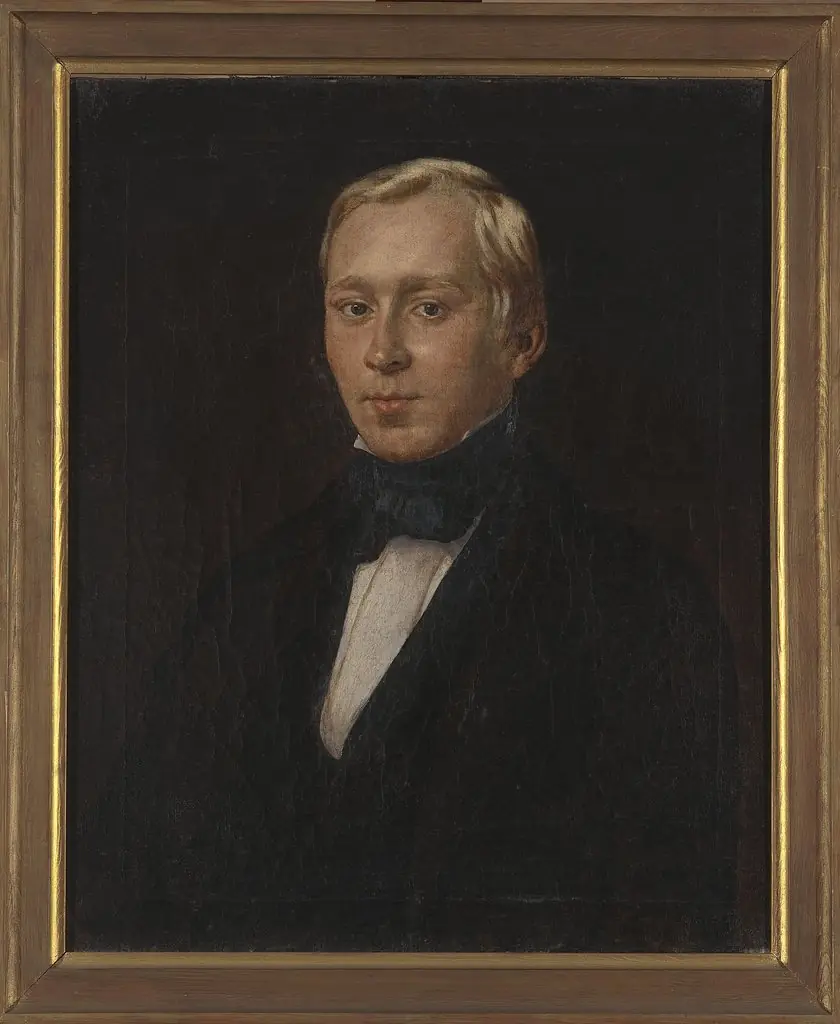 Portrait of Jan Pabudziński
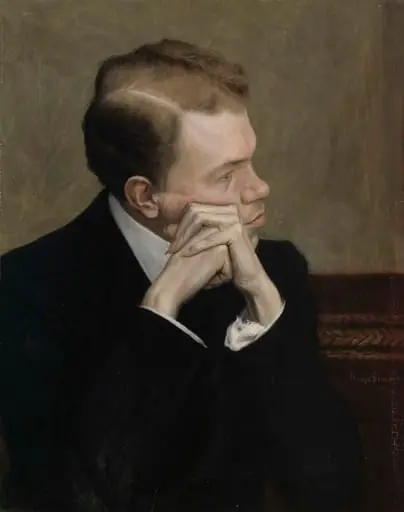 Taiteilija Fahle Basilier
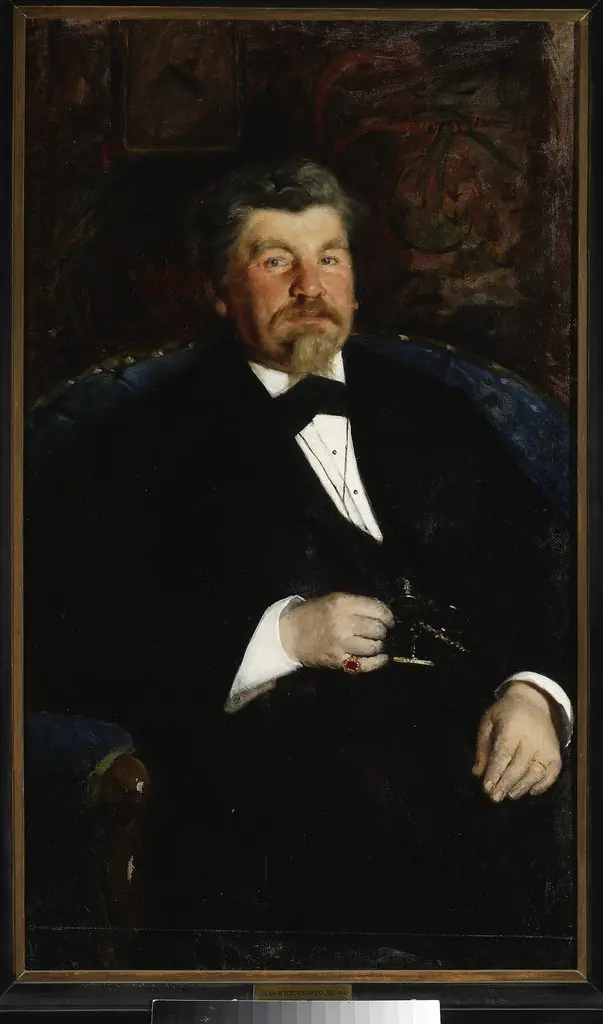 Portrait of a man
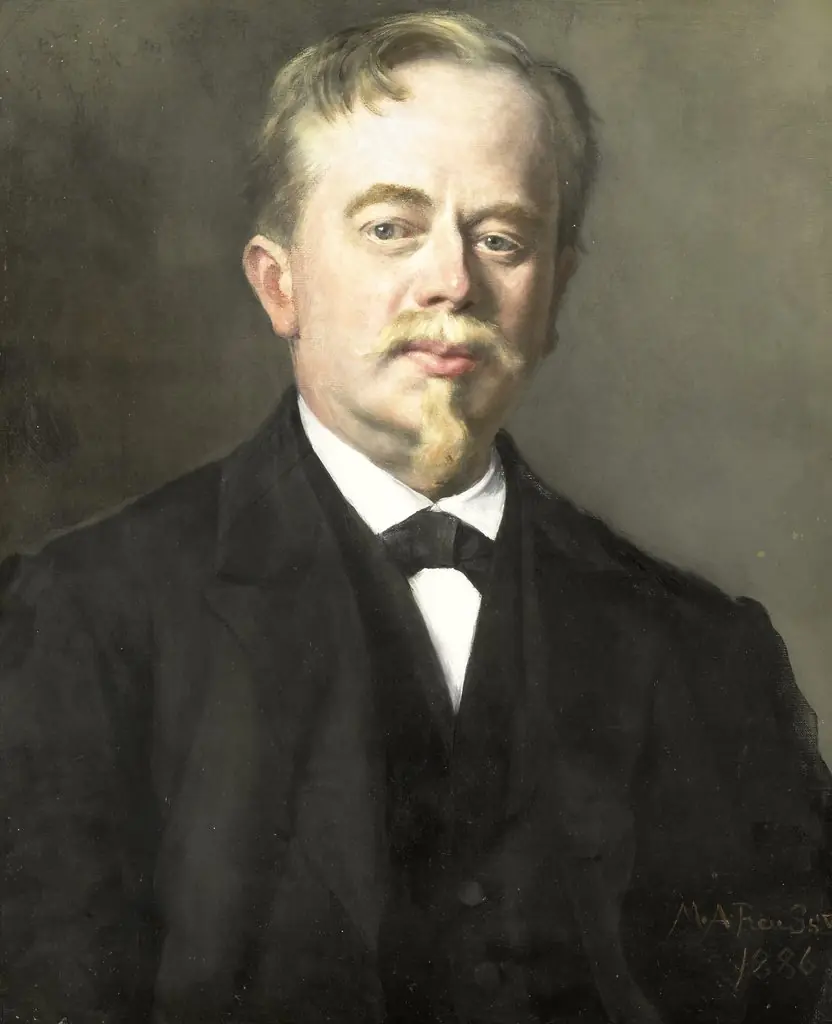 Portrait of August Allebé
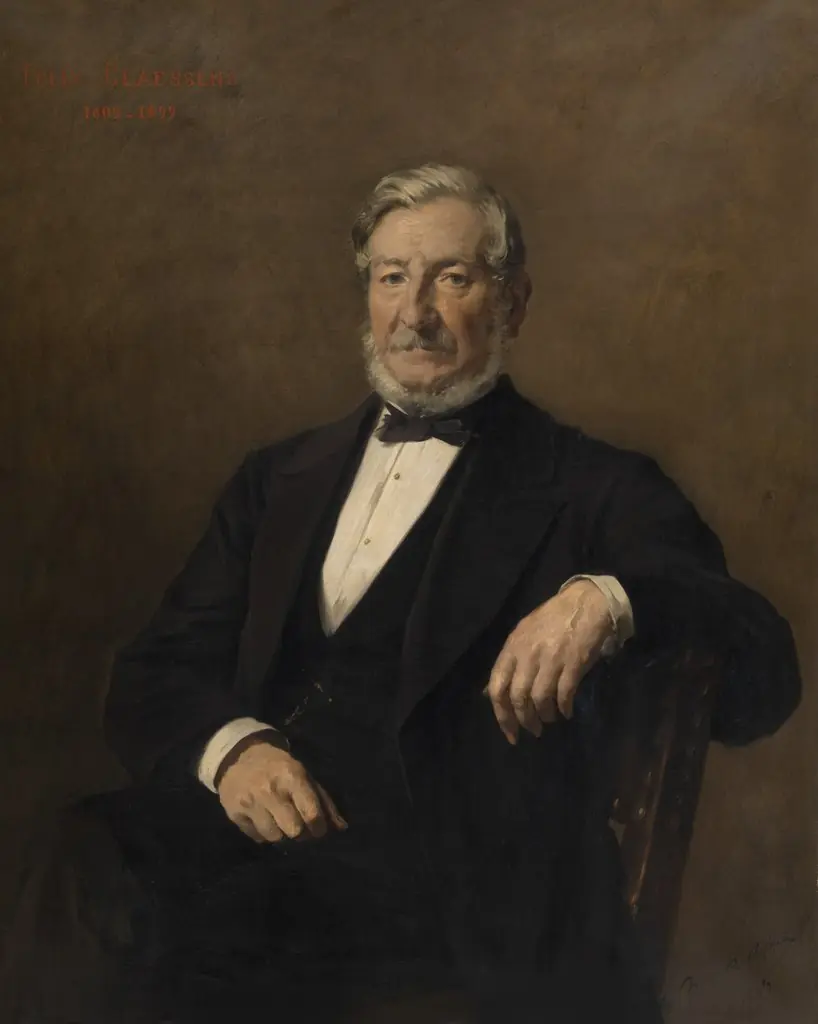 Felix Claessens, the painter's uncle
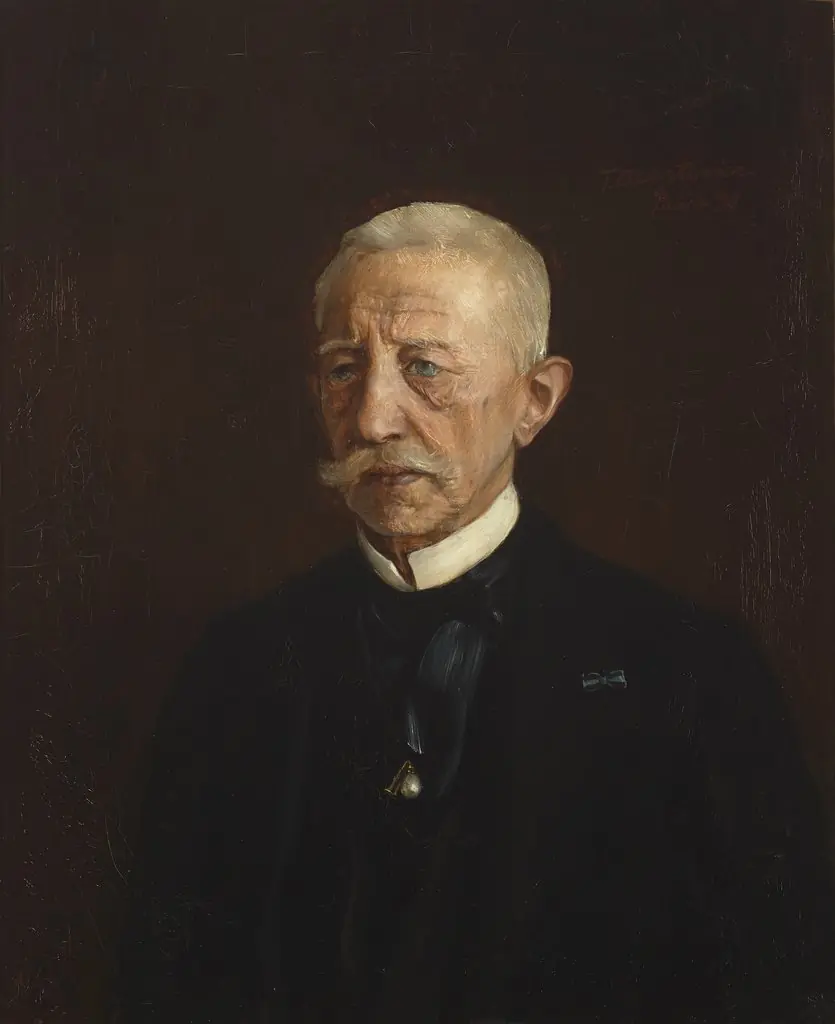 Portrait of Wiktor Osławski
 Portrait o f Aleksander Wielopolski
 Omakuva
 Kenraali Albert Westermarck
 Portrait of Johan Rudolf Thorbecke, Minister of State and Minister of the Interior