Artwork
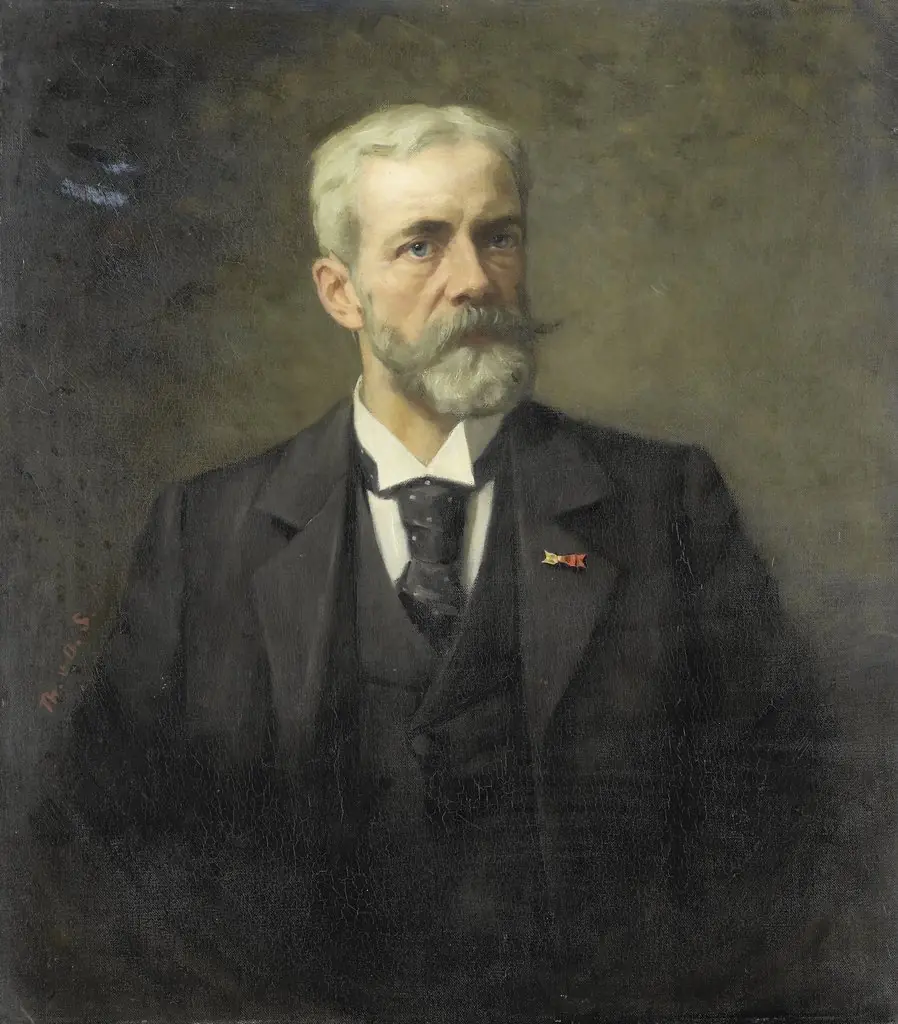
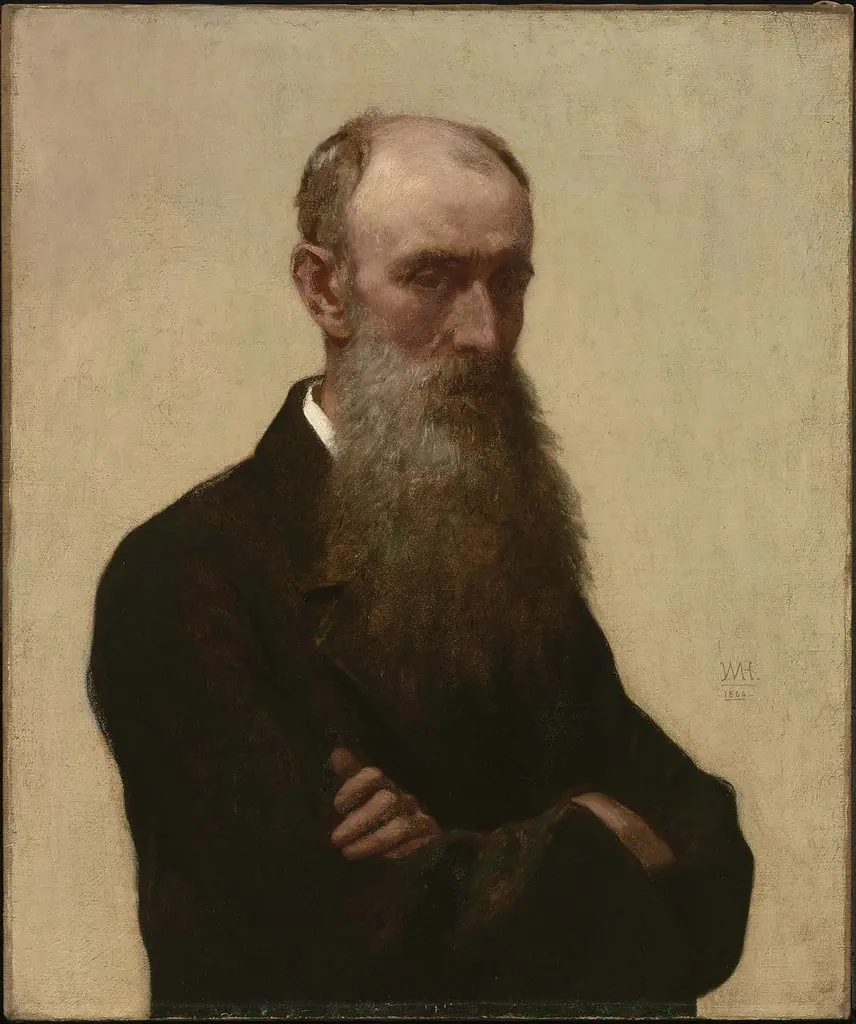
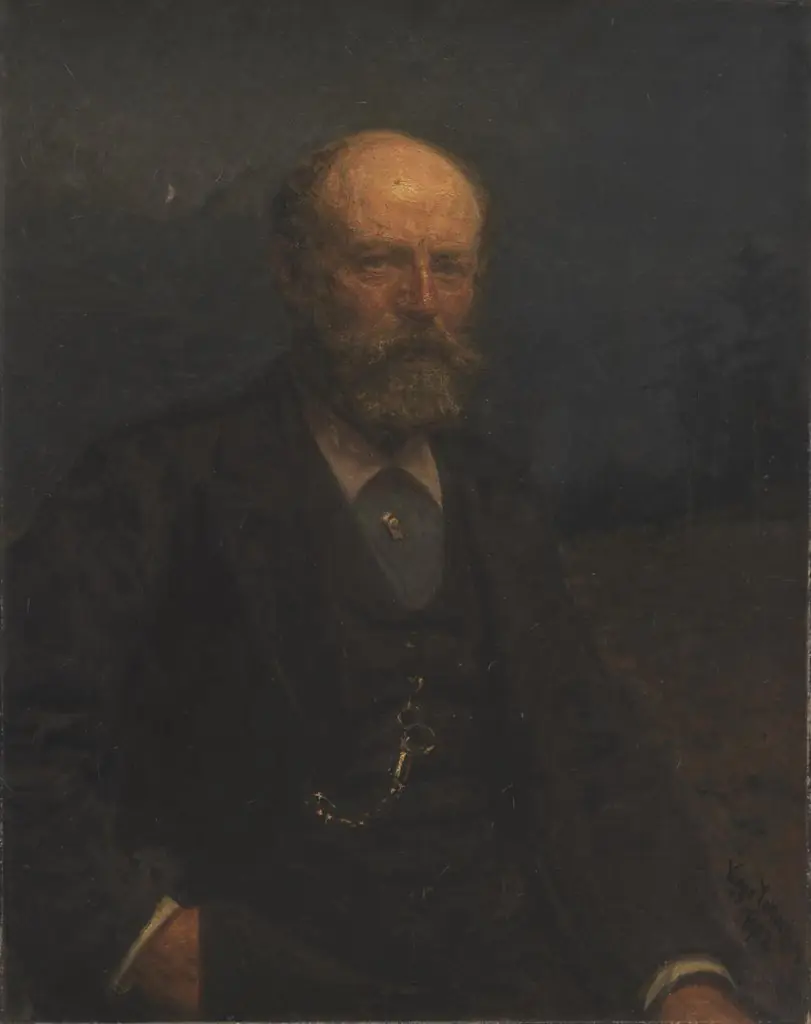
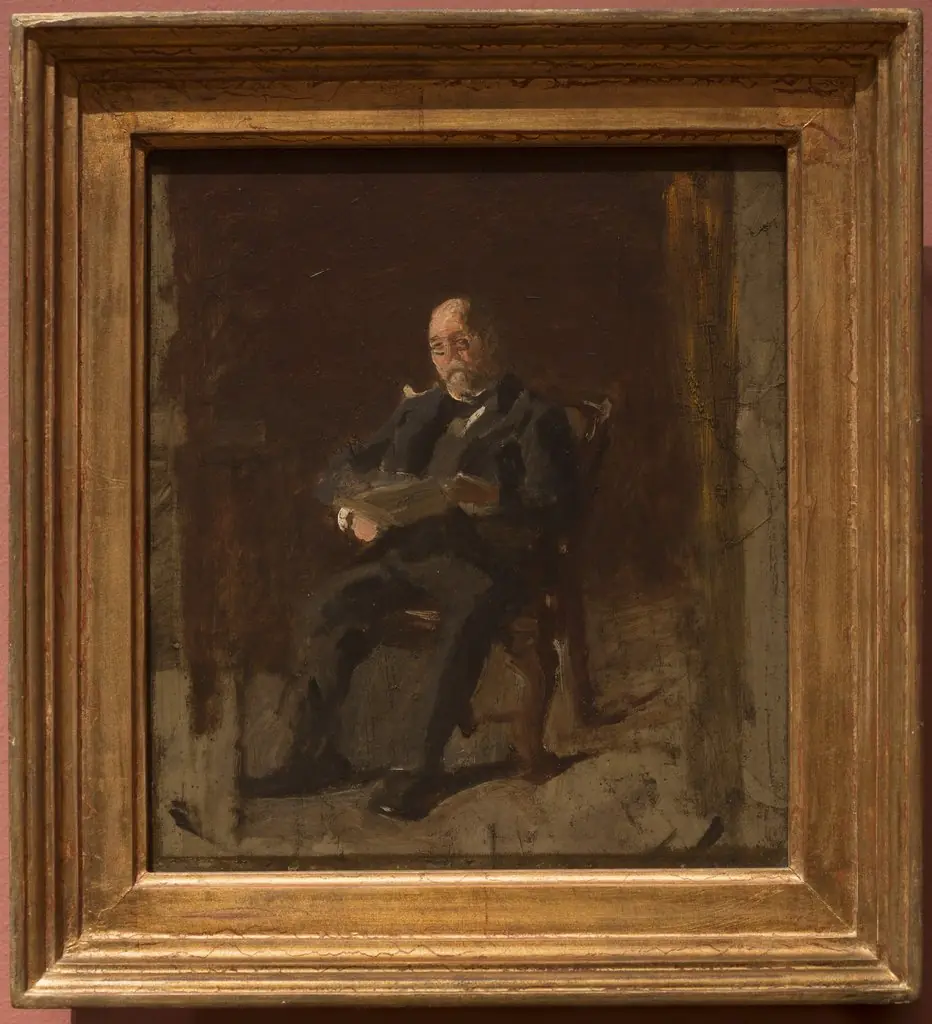
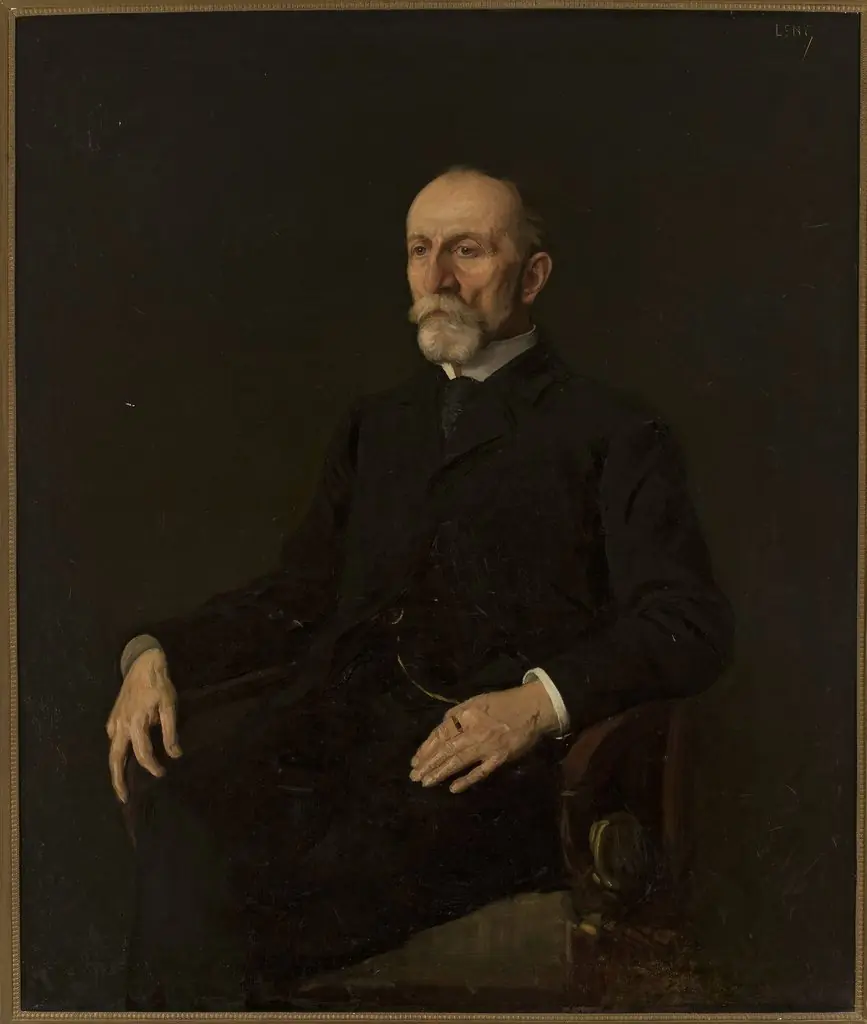
Portrait of Dr. P.J.H. Cuypers (1827-1921)
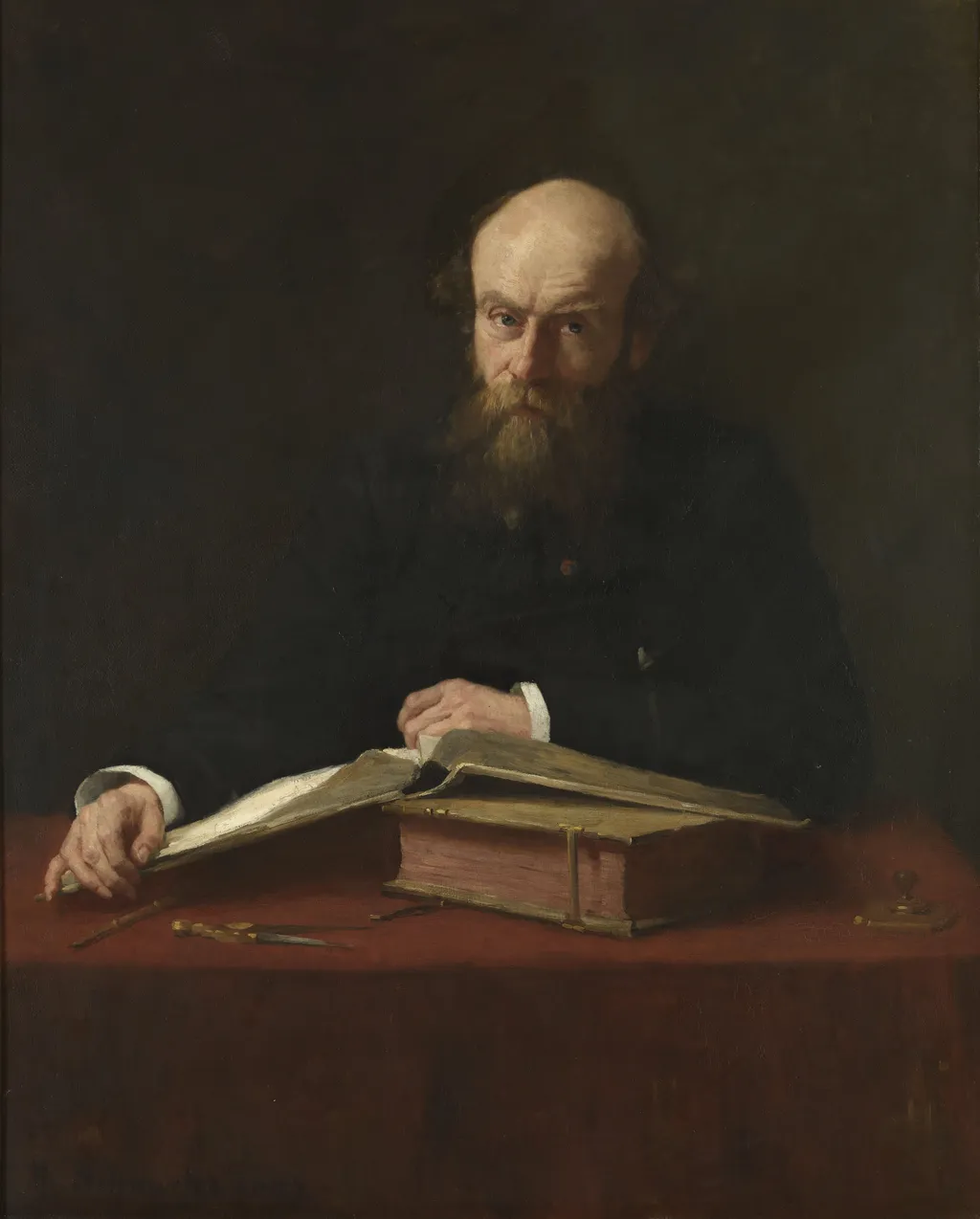
Portrait of Dr. P.J.H. Cuypers (1827-1921) is an oil painting by the Impressionist artist Thérèse Schwartze. It dates from 1894 and is held in the collection of the Rijksmuseum.
About this work
Subject & Meaning
Cuypers (1827–1921), a Dutch architect renowned for designing Amsterdam’s Rijksmuseum and the Amsterdam Centraal railway station.
The portrait depicts Pierre J.H. Cuypers (1827–1921), a Dutch architect renowned for designing Amsterdam’s Rijksmuseum and the Amsterdam Centraal railway station. Painted in 1887 by Thérèse Schwartze, the work belongs to the portrait genre and is held in the Rijksmuseum’s collection.
The image centers on Cuypers in a frontal pose, conveying the authority and professional identity of its subject. As a leading figure in Dutch architecture, the portrait likely served to commemorate Cuypers’s contributions and public stature during the late nineteenth century, reflecting the era’s emphasis on individual achievement in the arts.
Technique & Style
Thérèse Schwartze executed the Portrait of Dr. P.J.H. Cuypers in 1887 using oil paint applied to a canvas support. The work measures 120 cm in height and 95 cm in width, presenting a standard vertical format for a formal portrait of the era. As a genre work classified as a portrait, the painting depicts Pierre Cuypers, focusing on his likeness within the context of late 19th-century Dutch portraiture.
Overview
Thérèse Schwartze’s oil portrait, executed in 1894, presents the Dutch architect Pierre J.H. Cuypers (1827–1921) seated at a table. The work is part of the Rijksmuseum’s collection and measures the typical dimensions of a late‑19th‑century portrait, focusing on the sitter’s intellectual demeanor.
History & Provenance
The portrait was painted shortly after Cuypers’ most productive period and entered the Rijksmuseum’s holdings as part of its 20th‑century acquisitions of Dutch portraiture. No record indicates it was commissioned, but it reflects the artist’s interest in prominent cultural figures of her time.
Context
Created during a period when Dutch historicism was prominent, the painting aligns Cuypers with the intellectual elite of the Netherlands. Schwartze, a leading female portraitist, often captured notable contemporaries, situating this work within a broader trend of documenting national contributors through fine art.
Own this work as a print
Artist & collection