Artwork
The Adjustment of Conflicting Interests: Count Raymond of Toulouse Swears at the Altar to Observe the Liberties of the City;ì Color Study for Mural, Supreme Court Room, Minnesota State Capitol,ì Saint Paul
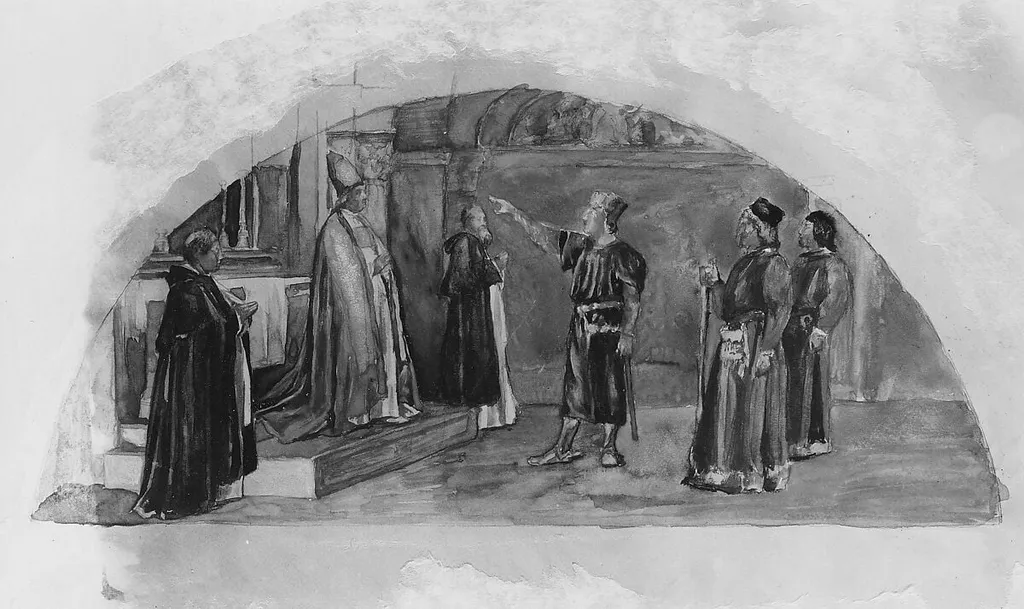
The Adjustment of Conflicting Interests: Count Raymond of Toulouse Swears at the Altar to Observe the Liberties of the City;ì Color Study for Mural, Supreme Court Room, Minnesota State Capitol,ì Saint Paul is a gouache work on paper by the American Impressionist artist John La Farge. It dates from 1903 and is held in the collection of the Metropolitan Museum of Art.
About this work
Overview
It functions as a color study for a larger mural installed in the Supreme Court Room of the Minnesota State Capitol in Saint Paul.
The Adjustment of Conflicting Interests: Count Raymond of Toulouse Swears at the Altar to Observe the Liberties of the City; Color Study for Mural, Supreme Court Room, Minnesota State Capitol, Saint Paul is a 1903 work by the American artist John La Farge. Executed in gouache, watercolor, and graphite on white wove paper, the piece measures 7 1/8 by 11 1/4 inches (18.1 by 28.6 cm). It functions as a color study for a larger mural installed in the Supreme Court Room of the Minnesota State Capitol in Saint Paul. The work is held in the collection of the Metropolitan Museum of Art in New York, accessioned under object number 67.55.169.
Subject & Meaning
The composition depicts a historical moment of negotiation and oath-taking, centering on Count Raymond of Toulouse as he swears at an altar to respect the liberties of the city. The scene brings together various factions with competing claims: a bishop representing mixed ecclesiastical and temporal rights, representatives of religious orders guarding their property and religious liberty, and city representatives protecting civic freedoms from both secular and ecclesiastical encroachment. La Farge chose this southern French setting and specific historical moment to allow flexibility in the archaeological accuracy of the garments, while still capturing the broader theme of balancing opposing powers. The civic representatives look toward a future where they might counterbalance their immediate ruler against the sovereign power of the King.
History & Provenance
Created in 1903, the work served as a preparatory color study for La Farge's mural in the Minnesota State Capitol's Supreme Court Room in Saint Paul. The study eventually entered the collection of Susan Dwight Bliss, who bequeathed it to the Metropolitan Museum of Art in 1966. It was subsequently accessioned by the museum's American Wing department, where it remains today.
Context
John La Farge was a central figure in the American Renaissance, a period defined by a renewed interest in classical ideals, mural painting, and the integration of the arts with architecture. Active in painting, stained glass, and interior design, he held a patent for opalescent glass and famously collaborated with architect Henry Hobson Richardson on Trinity Church in Boston. His leadership in the field of mural painting was formalized by his tenure as President of the National Society of Mural Painters from 1899 to 1904. This 1903 study for the Minnesota State Capitol aligns with his broader intellectual and artistic focus on complex allegorical and historical themes, integrating architectural space with nuanced narrative meaning.
Artist & collection

Artist
John La Farge (March 31, 1835 – November 14, 1910) was an American artist whose career spanned illustration, murals, interior design, painting, and popular books on his Asian travels and other art-related topics.

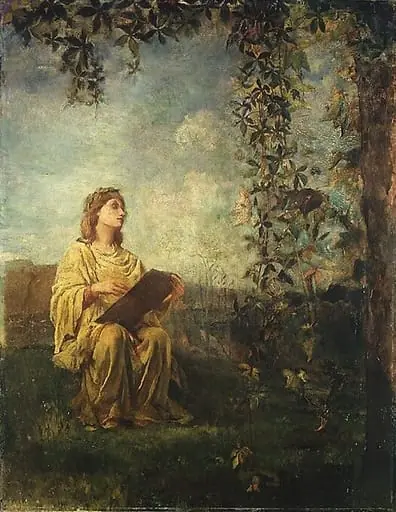 The Muse of Painting
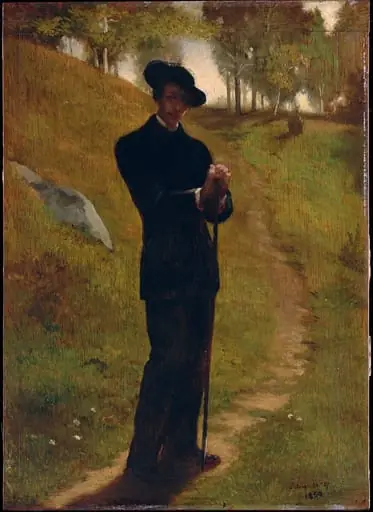 Portrait of the Painter
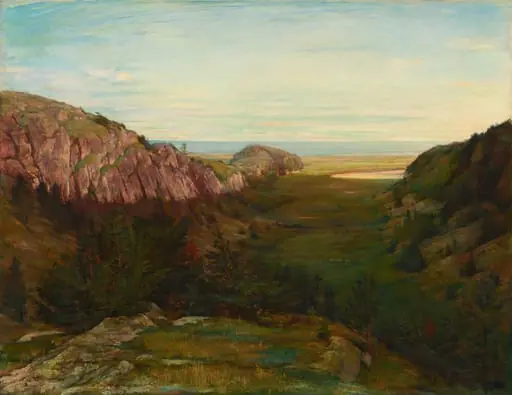 The Last Valley - Paradise Rocks
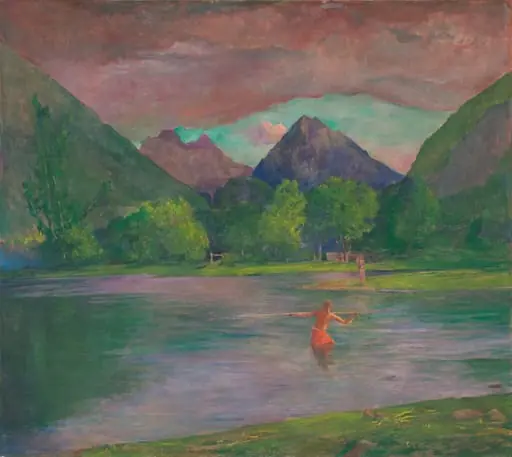 The Entrance to the Tautira River, Tahiti. Fisherman Spearing a Fish
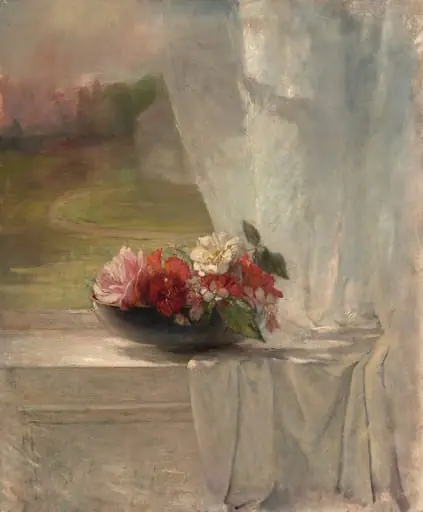 Flowers on a Window Ledge
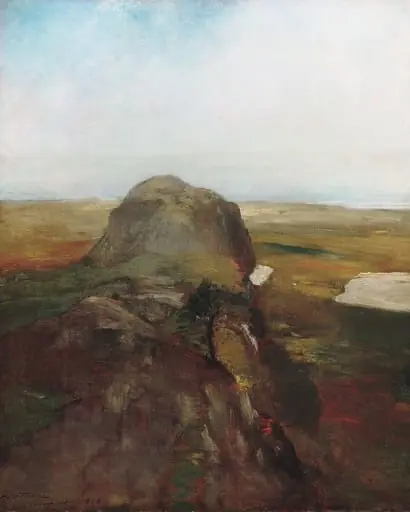 Autumn Study, View over Hanging Rock, Newport, R.I.
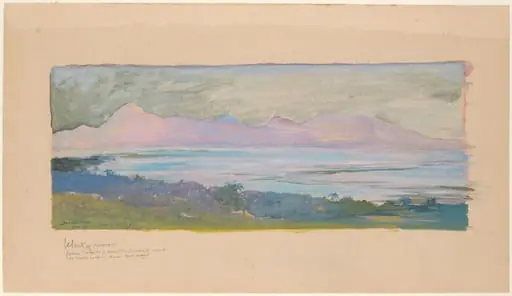 The Island of Moorea Looking across the Strait from Tahiti, January 1891
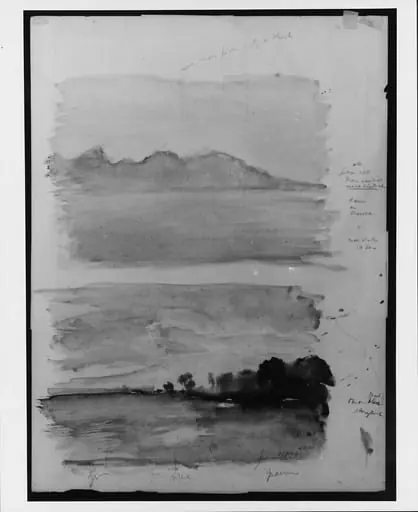 Double Study of Dawn, Moorea Seen across the Water, Tahiti
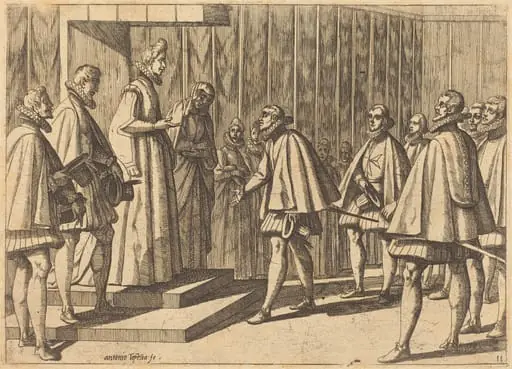
- Italian Prince before Margaret of Austria
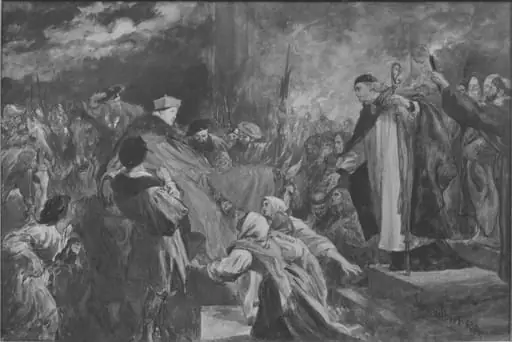 The arrival of Cardinal Wolsey at Leicester Abbey, 1530
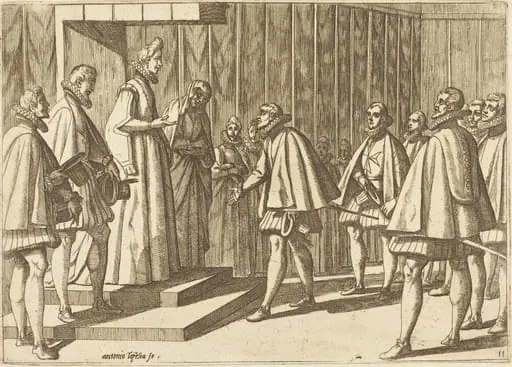 Italian Prince before Margaret of Austria
 Lignelsen om de betroede pund
 The Presentation in the Temple
 Lignelsen om de betroede pund
 Bürgermeister Waldmanns Abschied von seinen Mitgefangenen
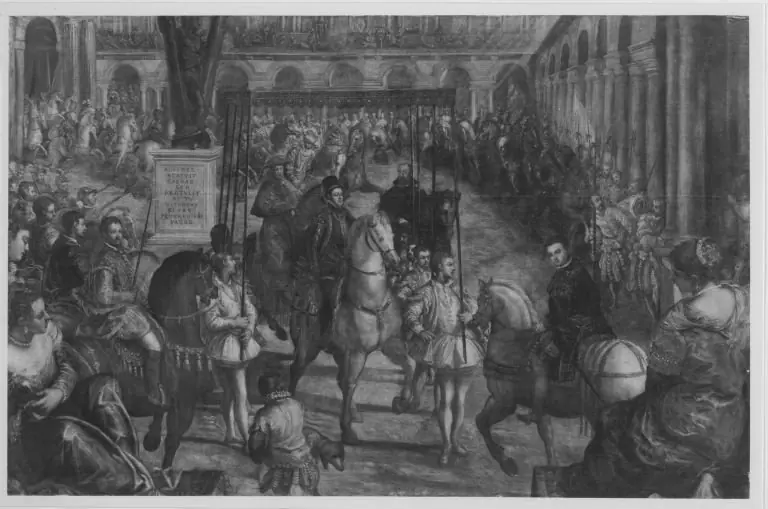 Gonzaga-Zyklus, II. Reihe, 4. Einzug Philipps II. in Mantua
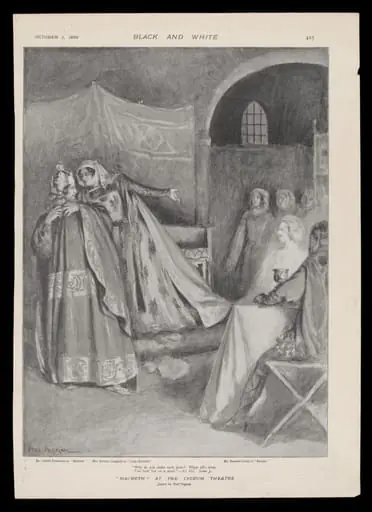 H Beard Print Collection
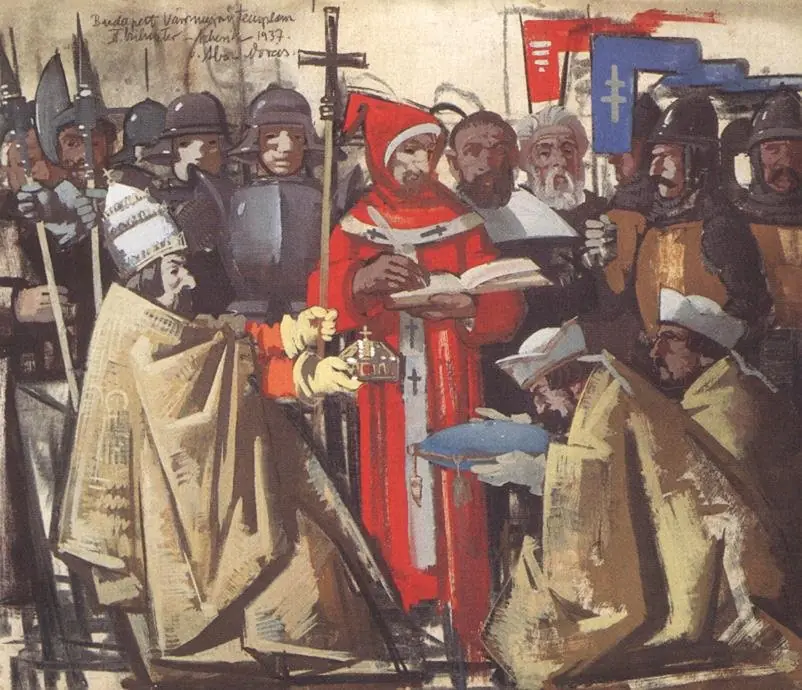 Pope Sylvester II and Abbot Asztrik
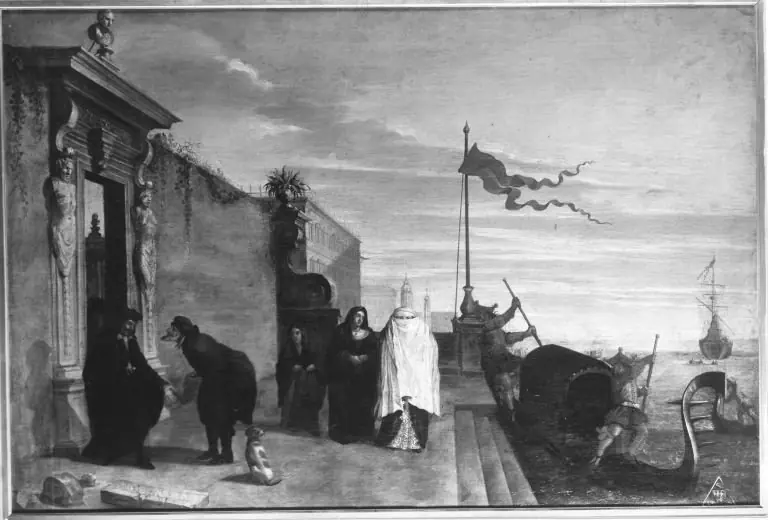 Gondel an venezianischer Steintreppe (?)
 The Presentation in the Temple